In this guide
- What water toys does a charter yacht usually have?
- The tender: the most useful toy on board
- Seabobs, foils and the electric toys
- Jet skis: do you need a licence?
- Which toys suit your group?
- When do the toys stay on board?
- Do water toys cost extra?
- Questions to put to the agency before you book
- Safety, briefly
- Asking for a yacht with the right toys
Most water toys need no licence at all: paddleboards, kayaks, snorkelling gear, slides, and anything towed behind the tender, which a crew member drives. The list varies from yacht to yacht, so read it line by line and check the number of each item: two seabobs for twelve guests means a lot of waiting.
The one toy that comes with real rules is the jet ski. In Italy you need a nautical licence to ride one, whatever its power. In Spain and France you need a recreational licence; France makes exceptions for instructor-led introductory sessions and for jet skis carried aboard some professional yachts over 24 metres. Greece and Croatia also require a licence, and every country sets distances from the shore and areas where jet skis are banned. Under-16s cannot ride a jet ski in Spain, France, Italy, Greece or Croatia, under-18s cannot in Italy or the Bahamas either, and older teenagers need a licence, save for the French exceptions.
What water toys does a charter yacht usually have?
The list can include paddleboards, kayaks, snorkelling gear, towable inflatables, inflatable slides, seabobs, eFoils, jet skis and sometimes diving equipment. Of these, the jet ski needs a licence in most countries and scuba diving needs certification; seabobs and foils depend on local rules. YachtCharterFleet notes that toys vary by yacht and that newer yachts tend to carry more. As a rough guide:
| Toy | Who it suits | Licence | Notes |
|---|---|---|---|
| Paddleboards (SUP) | Everyone | No | Quiet, easy, good for exploring coves early in the morning. |
| Kayaks | Everyone | No | Single or double; good for caves and shallow water. |
| Snorkelling gear | Everyone | No | Ask for children’s sizes. |
| Towable inflatables | Children, teenagers, groups | No (the crew drives the tender) | Ridden behind the tender. |
| Inflatable slide | Families | No | Some have a 45-degree drop, according to YachtCharterFleet. |
| Inflatable water park or platform | Families | No | Floats beside the yacht at anchor. |
| Seabob | Teenagers and adults | Check locally | Electric underwater scooter. |
| eFoil and wing foil | Adults with some balance | Check locally | Ask whether a crew member can teach. |
| Wakeboard and waterskis | Sporty guests | No (the crew drives the tender) | Needs calm water and a capable tender. |
| Jet ski | Adults with a licence | Yes, in most countries | Subject to distance, area and age rules. |
| Scuba diving | Certified divers | Diving certification | Some yachts have equipment; otherwise a dive centre meets the yacht. |
Scuba diving needs valid certification, according to YachtCharterFleet. Without it, rendezvous diving with a local dive centre can sometimes be arranged at an extra cost.
The tender: the most useful toy on board
The tender is the small boat the yacht carries to take you ashore. It is also the toy you will use most:
- Getting ashore without berthing. You can anchor off a town and take the tender to dinner, which avoids paying for a berth in busy harbours.
- Reaching beaches the yacht cannot. Shallow coves and beaches are often only accessible by tender.
- Towing. Inflatables, wakeboards and waterskis all run behind the tender.
The tender is driven by a crew member. Ask how many people it seats (whether the whole group fits in one trip), whether there is a second tender, and how fast it is.
Seabobs, foils and the electric toys
Seabobs and eFoils run on batteries that need charging between sessions, so the number of units decides how much everyone rides, and whether a local rule applies depends on where you are.
Seabob
A seabob is an electric water scooter: you hold it in front of you and it pulls you along the surface or dives a few metres underwater. Ask the captain whether any local rules apply to seabobs on your route, especially near beaches and swimming areas.
eFoil and wing foil
An eFoil is a surfboard with an electric motor and a hydrofoil underneath, which lifts the board above the water once it gets going. A wing foil uses a hand-held wing instead of a motor. If no one in your group has tried one, ask whether a crew member can teach.
Battery and charging
Electric toys need charging between sessions. On a busy day with a large group, the number of units and batteries decides how much everyone can ride. Ask how many of each the yacht carries.
Jet skis: do you need a licence?
Yes, almost everywhere: Italy always requires a patente nautica, Spain and France require a recreational licence (France makes exceptions for instructor-led sessions and some yachts over 24 metres), and Greece and Croatia require one too. The minimum age is 16 in France, Greece and Croatia and 18 in Italy; in Spain it is 18, or 16 with parental consent. Burgess notes that guests may need an operating licence unless the yacht is an RYA training centre, and some areas ban jet skis altogether.
The rules below come from the Spanish law as consolidated in the BOE (last update published in December 2025), the Italian nautical code, the French public-service page (last updated in February 2016) and the French order on jet skis carried aboard yachts, and from the summaries by Ocean Independence (dated June 2021) and Total Croatia News (August 2017). They change, so confirm them with the agency and the captain before anyone rides.
Spain
- Licence. Spanish law (Real Decreto 875/2014) lets you drive a jet ski (moto náutica) with a licencia de navegación, or with any of the higher recreational titles, which include jet skis within their specific limits.
- What the basic licence allows. Daytime only, and no more than 2 nautical miles from the port, marina or shelter.
- Age. 18 for titles and the licence; from 16 with written consent from parents or guardians for the licencia de navegación and the basic title.
- Foreign titles. To skipper a foreign-flagged craft in Spanish waters you need a title valid under the law of your nationality or residence. Whether your own licence covers a jet ski is something to check before you travel.
- Balearics. Ocean Independence reports local rules such as a 200-metre band from the shore, a 5-knot limit, and no pick-ups or drop-offs on beaches.
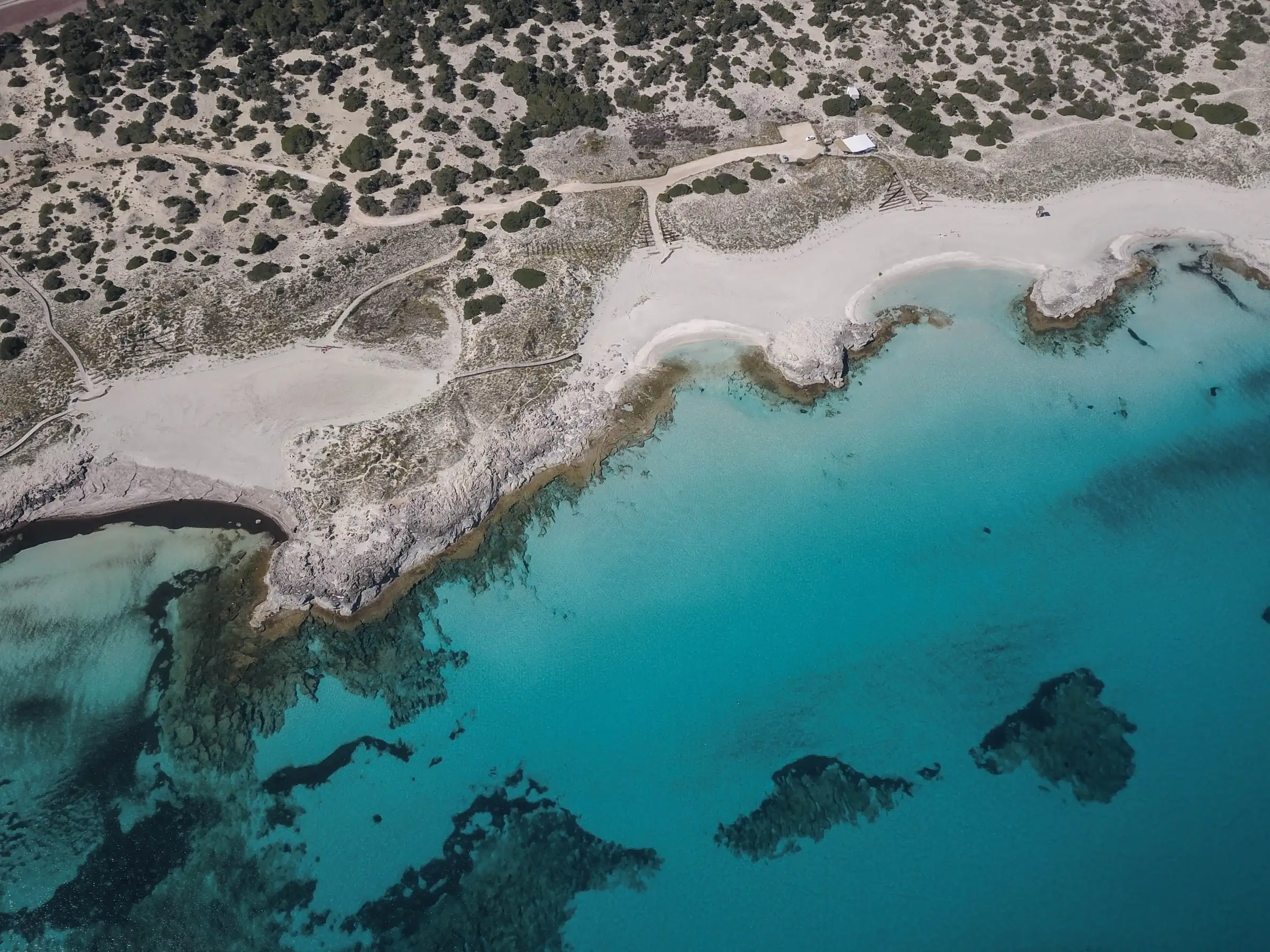
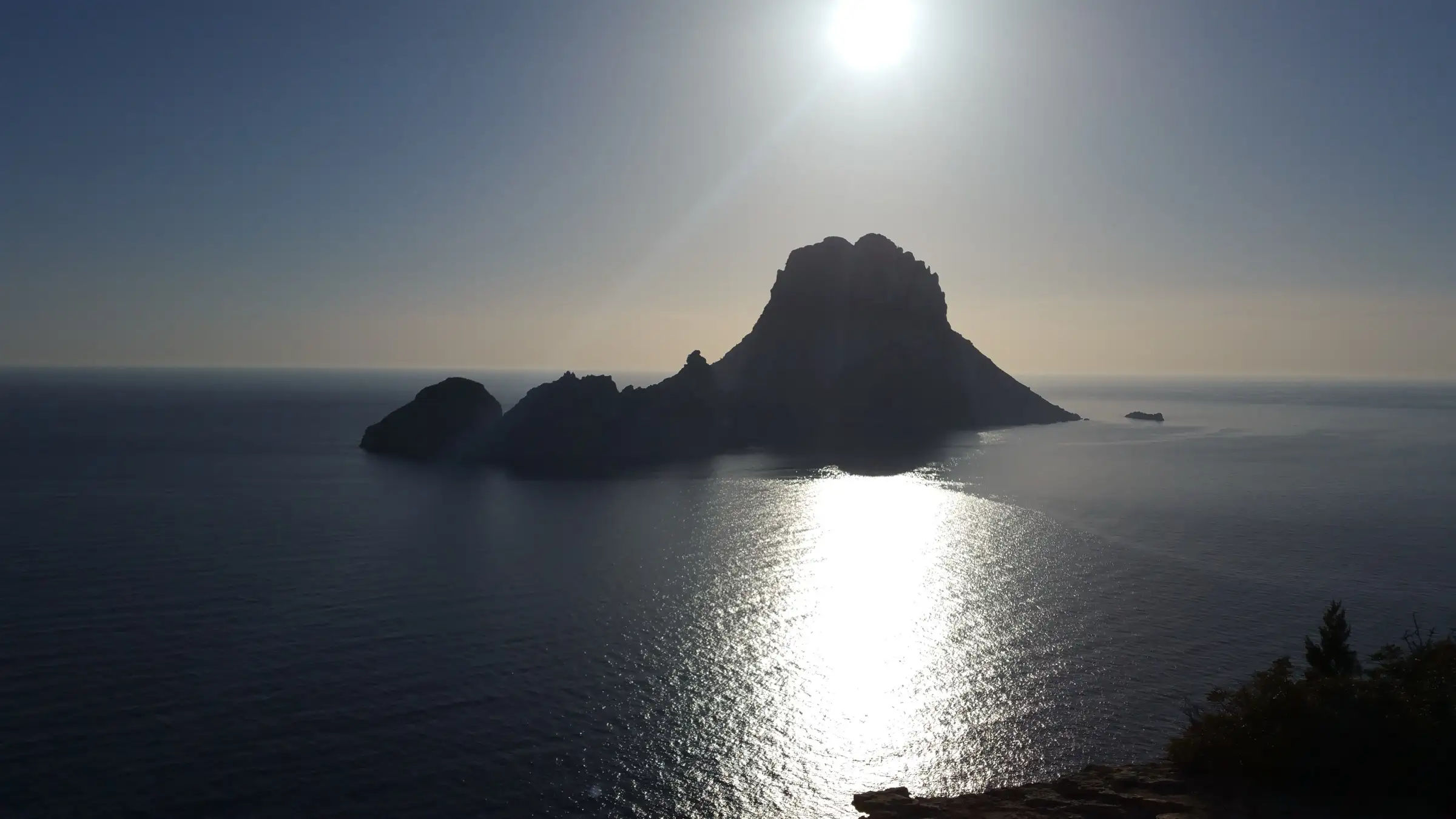
For Spanish waters, see our Ibiza and Formentera guide.
France and Monaco
- Licence and age. To ride a jet ski alone you must be at least 16 and hold a French recreational licence (permis plaisance), according to the French public service information.
- Exceptions. Riding without a licence is possible in an introductory session under the responsibility of a qualified instructor. It is also possible when the jet ski is aboard a pleasure yacht over 24 metres with a permanent professional crew, including a specifically trained captain. The 2013 order that governs this case limits it to chartered professional yachts registered in the French international register (RIF), for passengers over 16, with prior approval and under the responsibility of a qualified officer. Ask the agency whether the yacht you choose qualifies.
- Other limits. Ocean Independence reports a 300-metre band from the shore, use in daylight only (up to 20:00) and staying within sight of the yacht.
- Towing. For waterskiing or wakeboarding, Ocean Independence says the towing boat must carry two people, one driving and one watching the skier.
- Monaco. Ocean Independence groups Monaco with France; check locally.
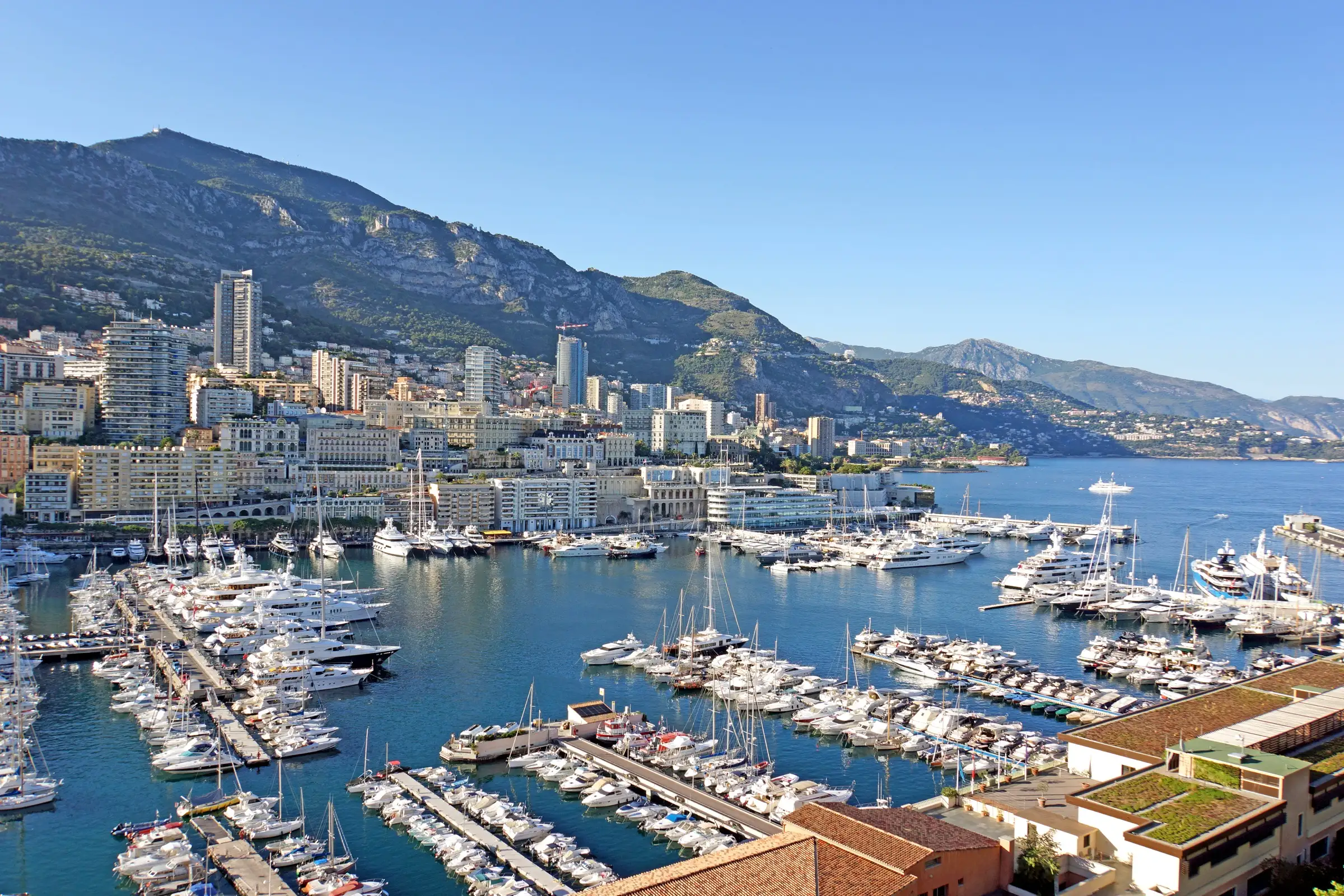
More on the area in our French Riviera and Monaco guide.
Italy
- Licence always. The Italian nautical code requires a patente nautica to drive a jet ski (moto d’acqua), whatever the distance from the coast and whatever its power (art. 39).
- Distance. Jet skis may only navigate within one mile of the coast (art. 27), and local maritime authorities regulate where and how they are used.
- Shore band and equipment. Ocean Independence also reports that jet skis must stay at least 500 metres from the shore and that riders must wear a helmet and life vest.
- Age and foreign licences. Ocean Independence reports a minimum age of 18 and a licence issued by an EU member state, and notes that UK RYA certificates are no longer accepted.
- Local bans. Ocean Independence also lists extra restrictions or bans around Ischia, the Cinque Terre and the Maddalena islands.
See our Amalfi Coast and Capri guide.
Greece
- Licence and age. A licence is required and the minimum age is 16, according to Ocean Independence.
- Distance and speed. A 300-metre band from the shore, and a maximum of 3 knots in port until you are 300 metres out.
- Time ban. No jet ski use between 13:30 and 18:00 in built-up areas, plus a regional ban reported around Paros.
For routes and anchorages in Greece, see our Greek islands guide.
Croatia
- Licence. A boat licence is required; there is no separate jet ski licence, according to Total Croatia News. Ocean Independence gives a minimum driver age of 16.
- Distance from the shore. The sources differ: Total Croatia News says idle speed within 300 metres of the shore, while Ocean Independence says jet skis must stay at least 300 metres out. Check with the captain or the harbour office.
- Where you cannot ride. Jet skis are not allowed in national parks such as Mljet, Kornati, Lastovo and Brijuni, nor in ports.
- Foreign craft. Jet skis arriving on a foreign yacht need a Croatian permit and insurance.
Our Croatia guide covers the national parks in more detail.
Turkey
Ocean Independence reports a 300-metre band with a 3-knot limit inside it, compulsory life jackets, and a ban on jet skis in marinas, harbours, restricted areas and the coves of Göcek and Fethiye. It also says that Turkey, unlike most Mediterranean destinations, sets no minimum age and requires no licence for jet skis. That summary is dated 2021, so confirm these rules with the captain before you go.
Caribbean and Bahamas
Rules vary island by island. Ocean Independence reports, for the Bahamas, a minimum age of 18, a licence, 200 feet from shore and 100 feet from a divers-down flag. For St Barths it notes strict limits near beaches and moorings without giving figures. The captain can tell you the rules of each island on your route.
Quick comparison
| Country | Licence | Minimum age | Key limits |
|---|---|---|---|
| Spain | Yes (licencia de navegación or higher) | 18; 16 with parental consent | Licence: daytime, 2 nm from port. Balearics: 200 m band, 5 knots. |
| France | Yes (permis plaisance) | 16 | 300 m band; daylight; within sight of the yacht. |
| Italy | Always (patente nautica) | 18 | Within 1 mile of the coast; 500 m band (Ocean Independence); local bans. |
| Greece | Yes | 16 | 300 m band; no use 13:30-18:00 in built-up areas. |
| Croatia | Yes (boat licence) | 16 | Idle within 300 m (Total Croatia News) or stay 300 m out (Ocean Independence); banned in national parks and ports. |
| Bahamas | Yes | 18 | 200 ft from shore; 100 ft from divers. |
Sources: the Spanish law and the French public-service page for the Spanish and French licences and ages, and the Italian code for Italy’s licence and 1-mile limit; Ocean Independence for the Balearic limits, Italy’s minimum age and 500 m band, the French distance and time limits, and Greece, Croatia and the Bahamas; Total Croatia News as well for Croatia.
What if nobody has a licence?
Most of the toys are still yours:
- Toys with no engine, or driven by the crew: paddleboards, kayaks, slides, snorkelling, and towables or wakeboards behind the tender. Electric toys such as seabobs and eFoils are also an option, subject to local rules.
- Jet ski with an instructor, where local rules allow supervised sessions (France does, under a qualified instructor).
- On a qualifying yacht in France. Passengers over 16 can ride without a licence when the jet ski belongs to an approved professional yacht over 24 metres registered in the French international register (RIF), under a qualified officer. Ask whether yours is one.
- Rides as a passenger, where allowed, with a licensed crew member driving.
- Getting a licence before the trip. Requirements and timing vary by country; check whether the licence you can get at home covers jet skis where you are going.
Which toys suit your group?
Families with young children get the most from the slide, inflatable platform and towables; teenagers can use seabobs and towables, and jet skis only where they meet the age and licence rules; active adults look at jet skis, foils and diving; and a quiet week needs little more than paddleboards, kayaks and a good tender.
Families with young children
- Inflatable slide, inflatable platform or water park, towables.
- Children’s life jackets in the right sizes, and children’s snorkelling gear.
- A crew member who watches the water while children swim.
- Shallow coves reachable by tender.
Teenagers
- Seabobs, towables, wakeboard.
- Jet skis only if they meet the minimum age and licence rules in the country.
- An eFoil, with a crew member who can teach.
Adults and active groups
- Jet skis (with licences sorted in advance), eFoils and wing foils, wakeboard and waterskis.
- Diving, either with the yacht’s equipment and qualified crew or with a rendezvous dive centre.
- Enough units for the group: two seabobs for twelve guests means a lot of waiting.
Quiet weeks
- Paddleboards and kayaks for early mornings, snorkelling gear and a good tender for lunches ashore.
When do the toys stay on board?
Toys come out at anchor and in reasonably calm water, so even on a yacht with a full garage, wind, long passages, restricted areas, time-of-day rules and crew time will keep them stowed for some hours of the week:
- Wind and swell. Jet skis, foils and wakeboards need reasonably calm water. On a windy afternoon the captain may move to a sheltered anchorage or keep the toys stowed.
- Underway. Toys come out at anchor. A day with a long passage means fewer hours in the water, so balance the route between distance and time at anchor.
- Restricted areas. National parks, marine reserves, ports and marked swimming zones often limit or ban motorised toys, as the country rules above show.
- Time-of-day rules. Some countries limit jet skis to daylight or ban them at certain hours in built-up areas.
- Crew time. Launching and recovering larger toys takes crew time, so ask how many crew handle the toys.
A good captain will build the toys into the plan: a calm morning anchorage for paddleboards and seabobs, a sheltered bay in the afternoon for the slide. Tell them early which toys matter most to your group.
Do water toys cost extra?
Toys bring costs of their own: tender fuel comes out of the APA, and rendezvous services, extra rented toys and damage can add to the bill:
- Fuel. The APA covers fuel for the yacht and for the tender, according to Burgess. A tender towing wakeboards all day adds to it. Our APA guide explains how the account works.
- Rendezvous services. A dive centre that meets the yacht is charged on top, according to YachtCharterFleet.
- Extra toys. If the yacht does not carry something you want, the agency or the captain can sometimes arrange it locally for the week. Do it early.
- Damage. Ask how damage to toys is handled under the contract and the yacht’s insurance before anyone rides.
None of these should change your choice of yacht on their own, but they belong in the total you compare.
Questions to put to the agency before you book
- What is the exact toy list, with the number of each item?
- Are all the toys included, or are some (fuel for jet skis, rendezvous diving) charged on top? Burgess lists fuel for the yacht and tenders among APA costs; ask whether jet ski fuel is charged the same way.
- Which licences will we need for the jet skis in the countries on our route, and does the yacht have any arrangement for supervised use?
- Who on the crew is qualified to teach or supervise the toys?
- Can we bring our own equipment (kitesurf, diving gear), and is there space for it?
- Are there any areas on our route where toys are restricted?
For more on how the toys fit into the choice of yacht, read how to choose a charter yacht.
Safety, briefly
- Listen to the crew. They know the toys and the local rules, and they decide when conditions are not right.
- Life jackets are required on jet skis in several countries (Italy, Croatia and the Bahamas among them, according to Ocean Independence and Total Croatia News) and sensible for everything else.
- Swimming areas. Beaches often have marked swimming zones where motorised toys cannot enter. Keep well clear of swimmers and divers.
- Alcohol and toys do not mix. Expect a responsible crew to refuse a jet ski to anyone who has been drinking.
Asking for a yacht with the right toys
Send us the toys that matter most to your group, the ages of everyone who wants to ride, whether anyone already holds a jet ski or boat licence, and the countries on your route, along with dates and numbers. A charter specialist will reply with yachts whose toy list fits. The charter is contracted with the yacht’s owner through a licensed charter agency, usually under the MYBA agreement, with the full price and VAT clear before you sign. Send us your plan.