In this guide
- When is the best time to charter a yacht on the Amalfi Coast?
- Naples, Sorrento, Salerno or Capri: where should you embark?
- A 7-day route round Capri and the Amalfi Coast
- Where can you anchor on the Amalfi Coast and around Capri?
- Can you add the Pontine or Aeolian Islands?
- With ten to fourteen days: Naples to Sicily one way
- How much does a yacht charter on the Amalfi Coast cost?
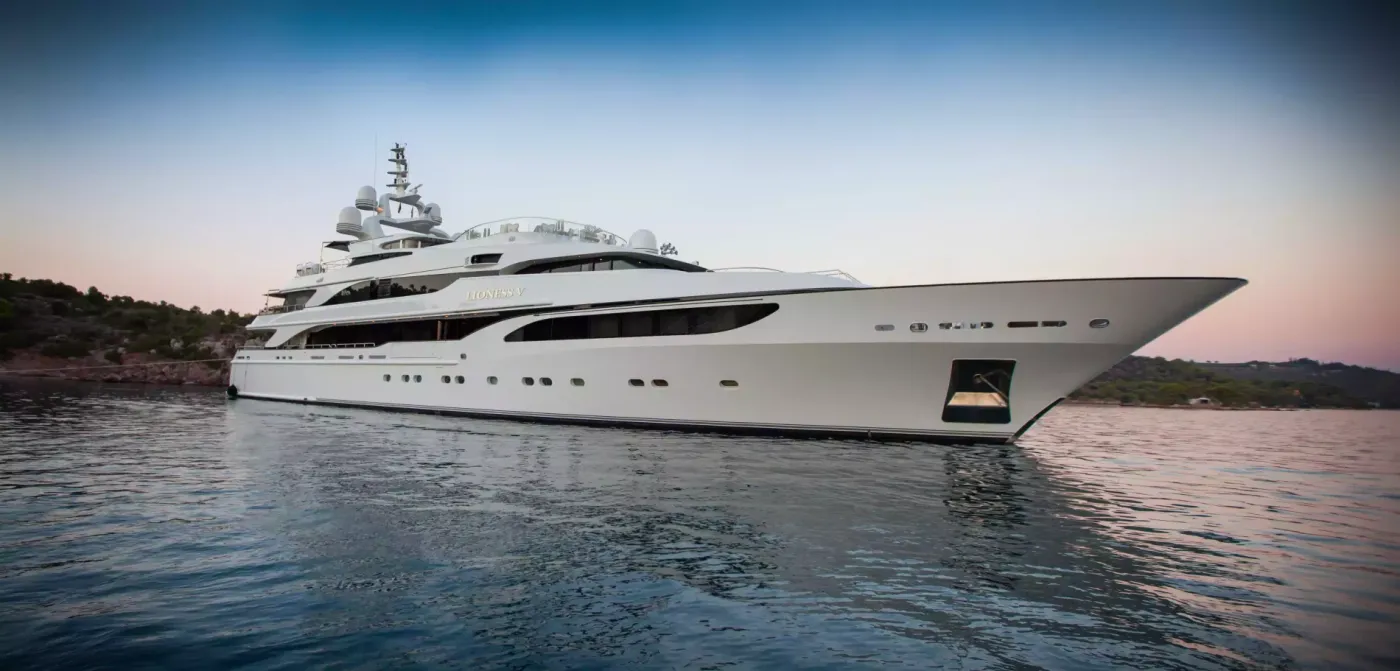
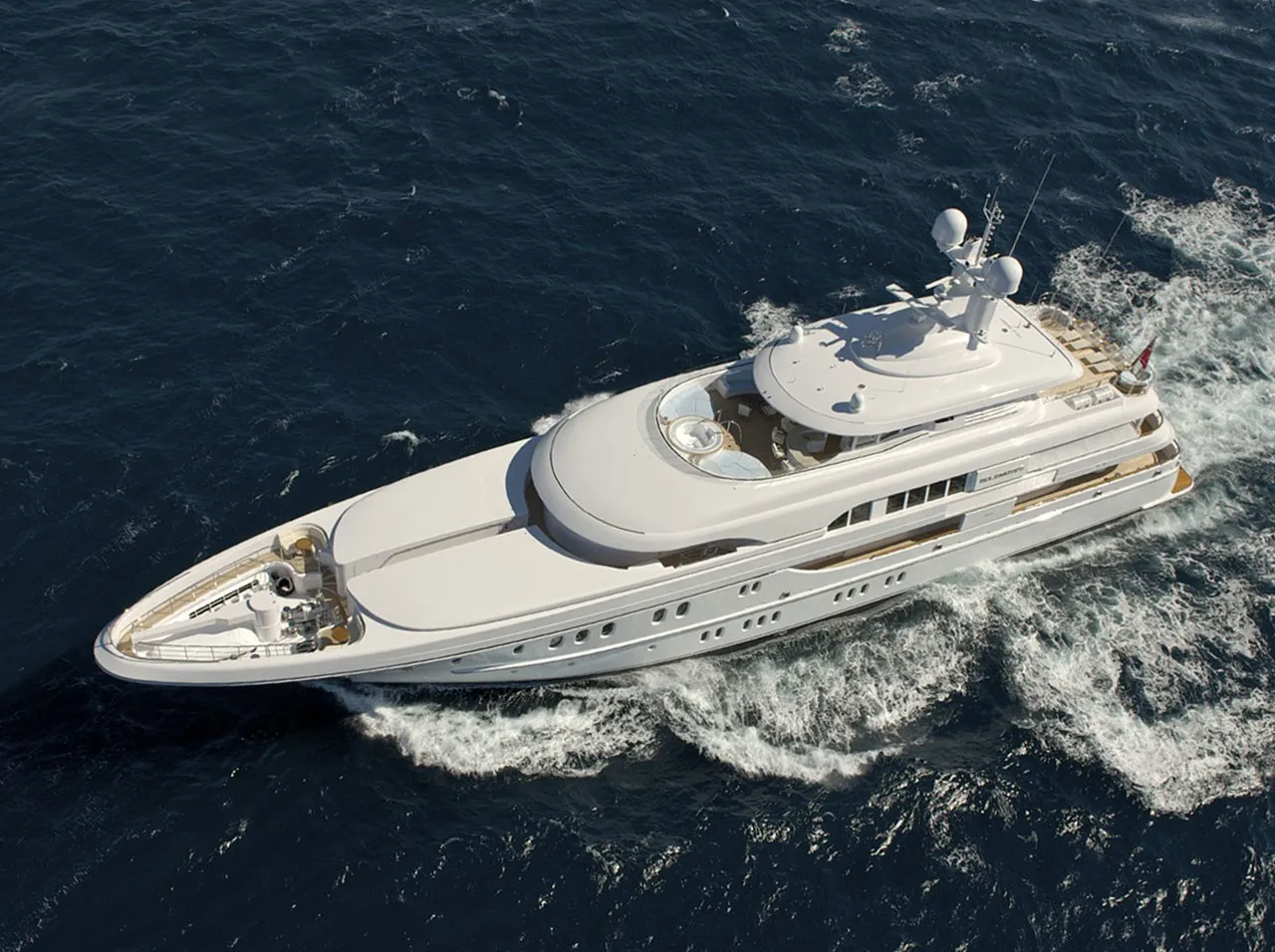
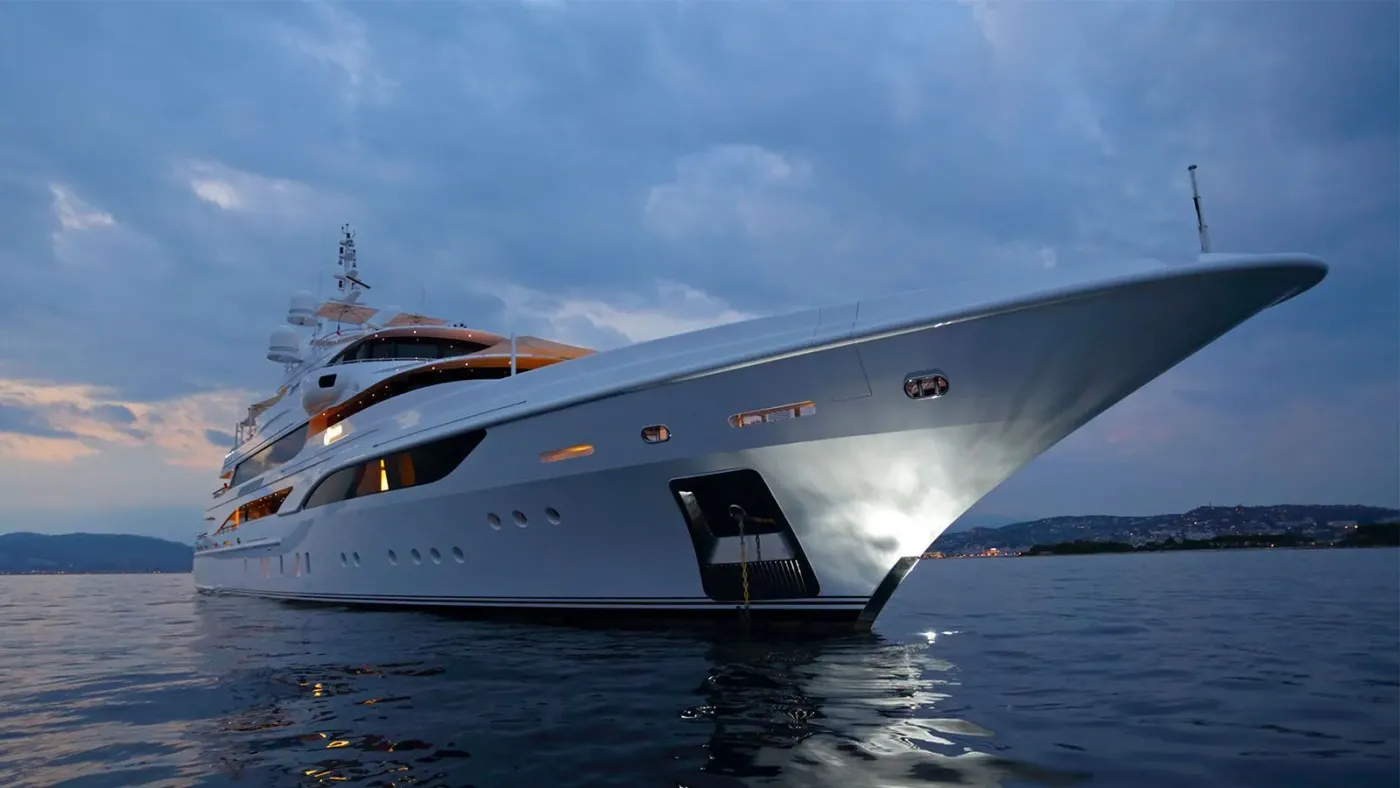
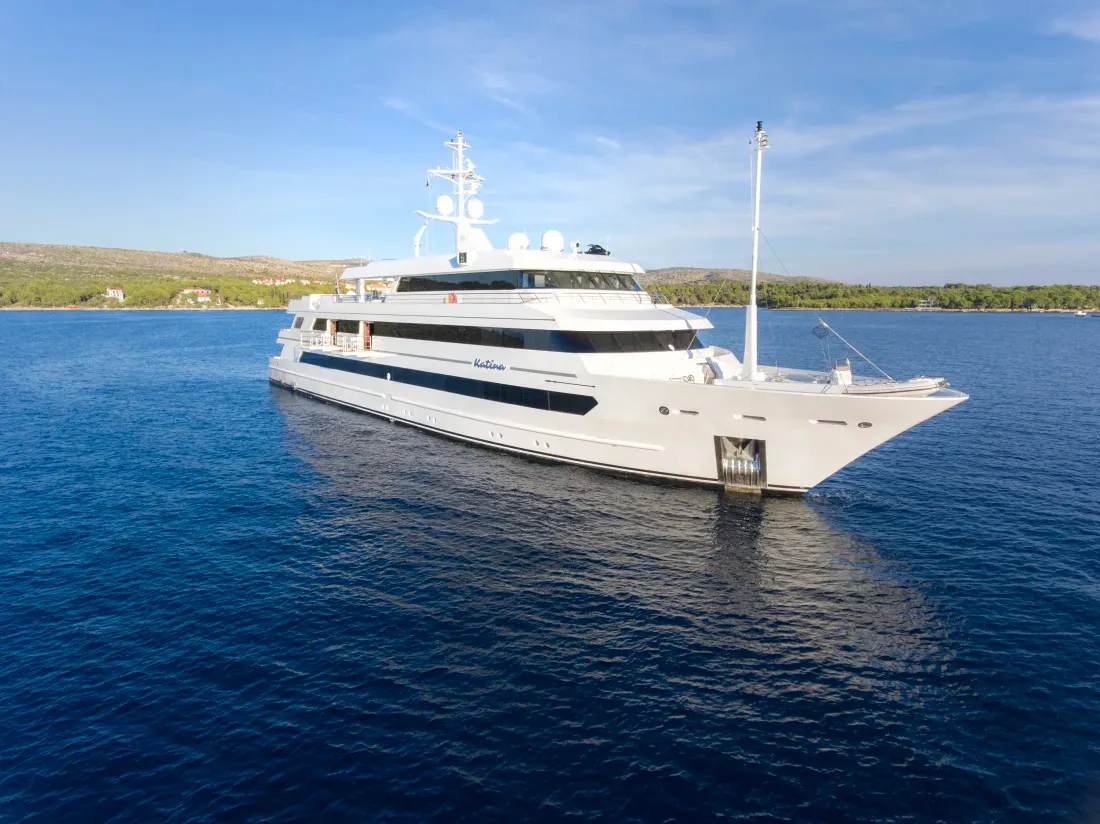
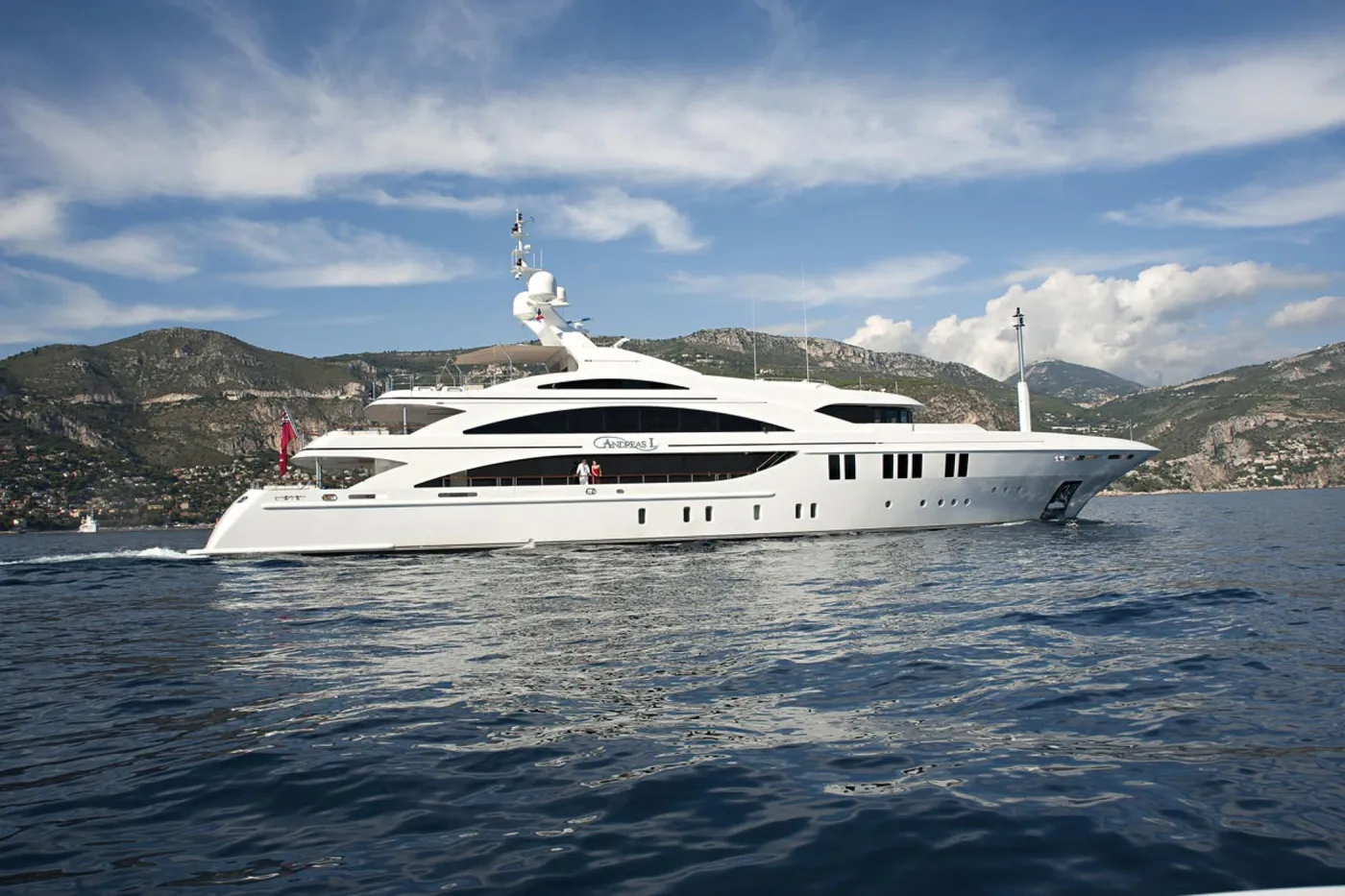
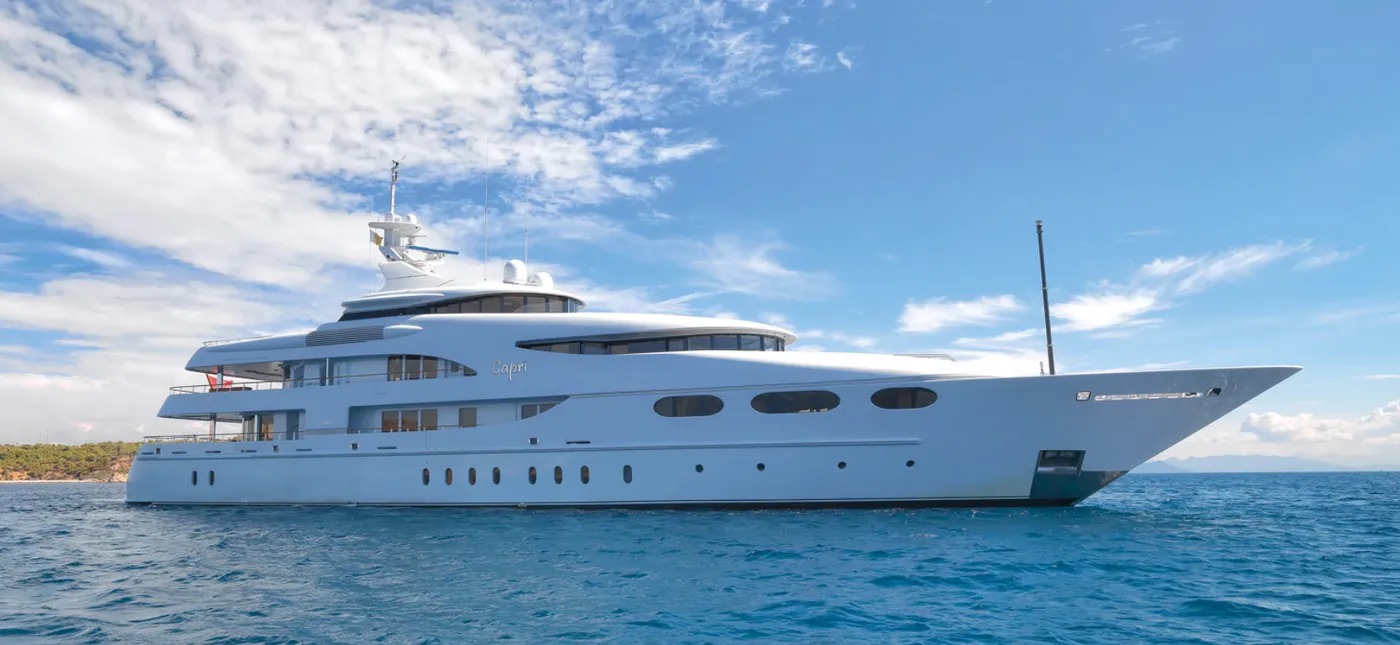
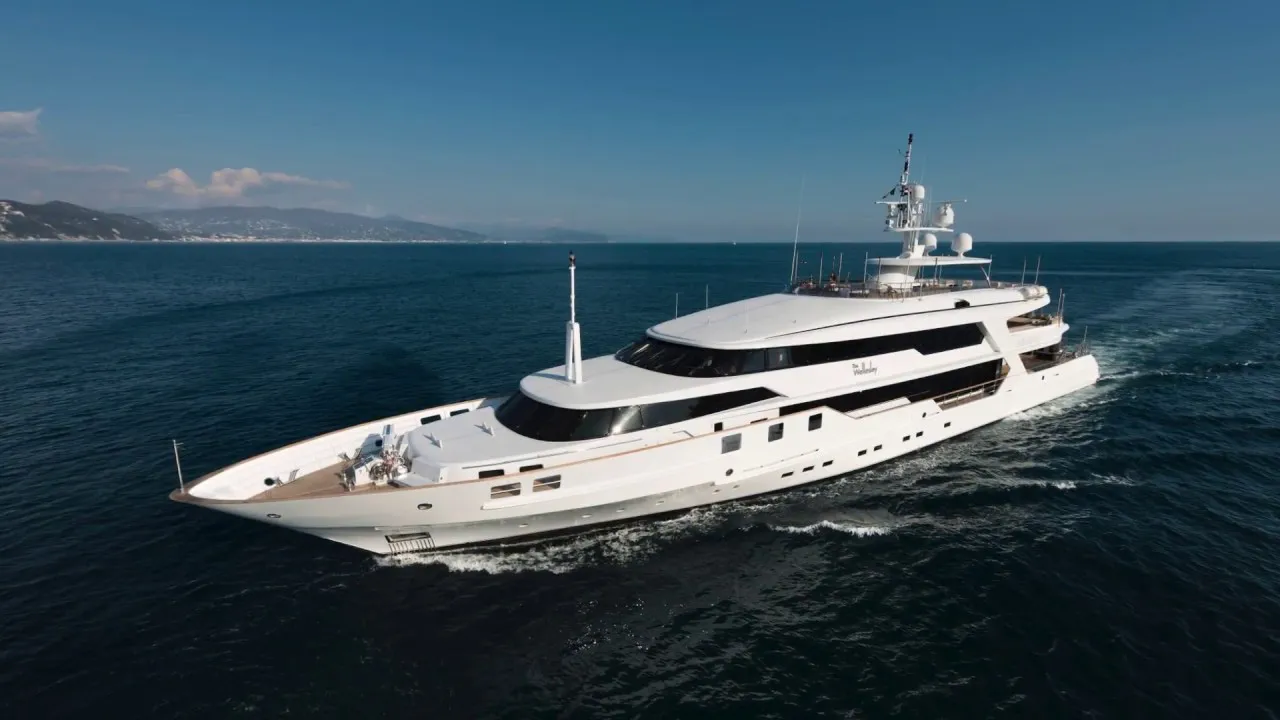
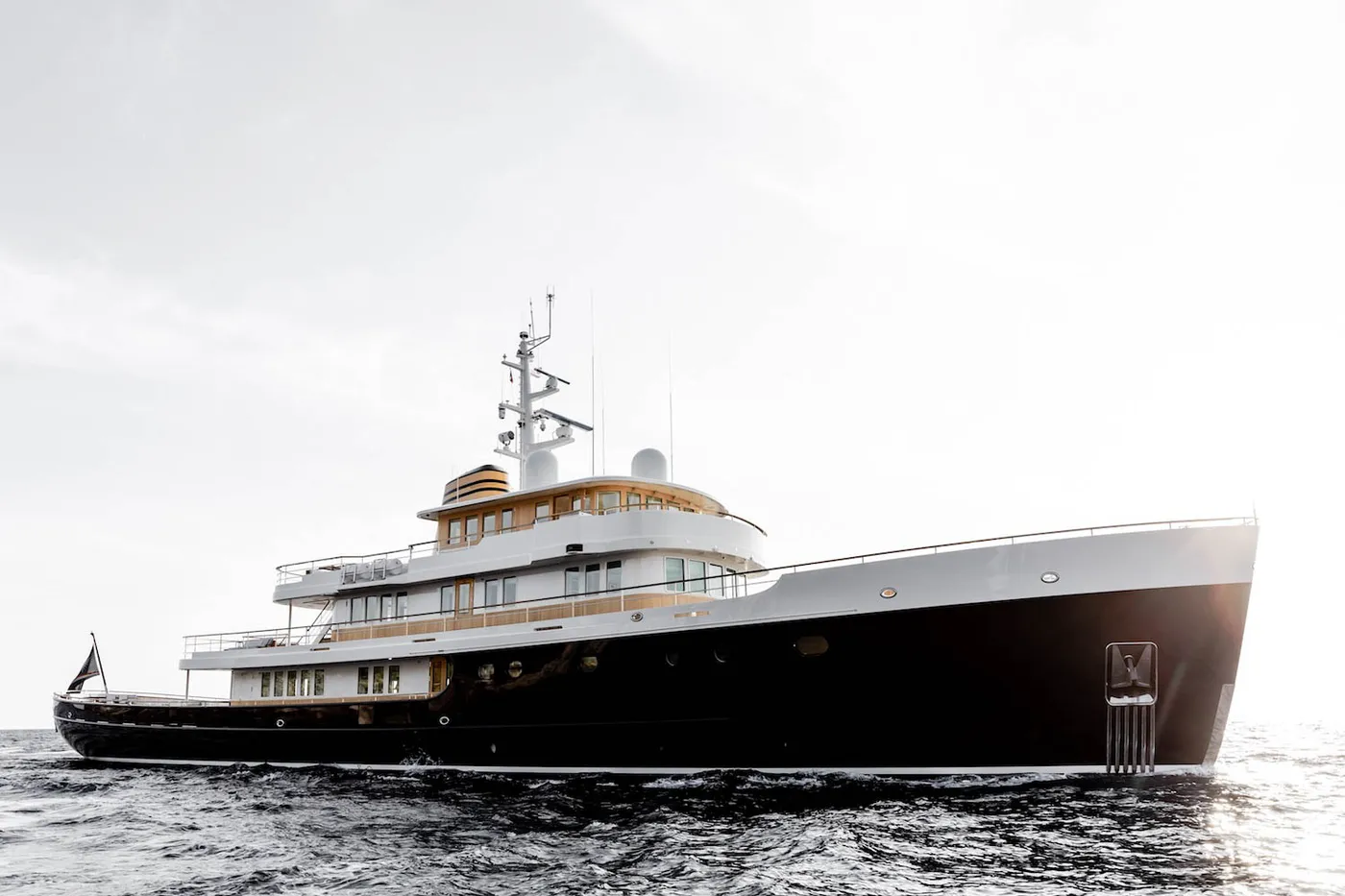
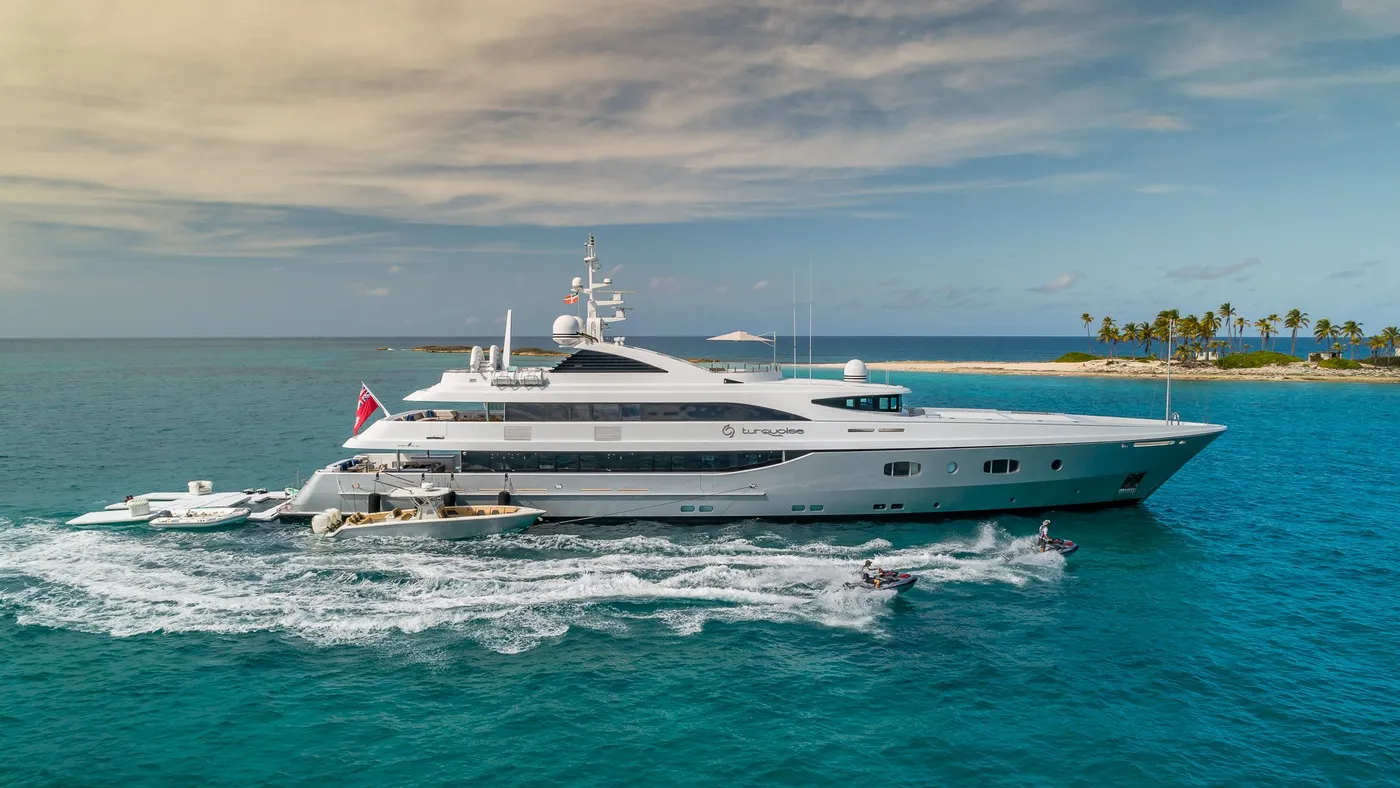
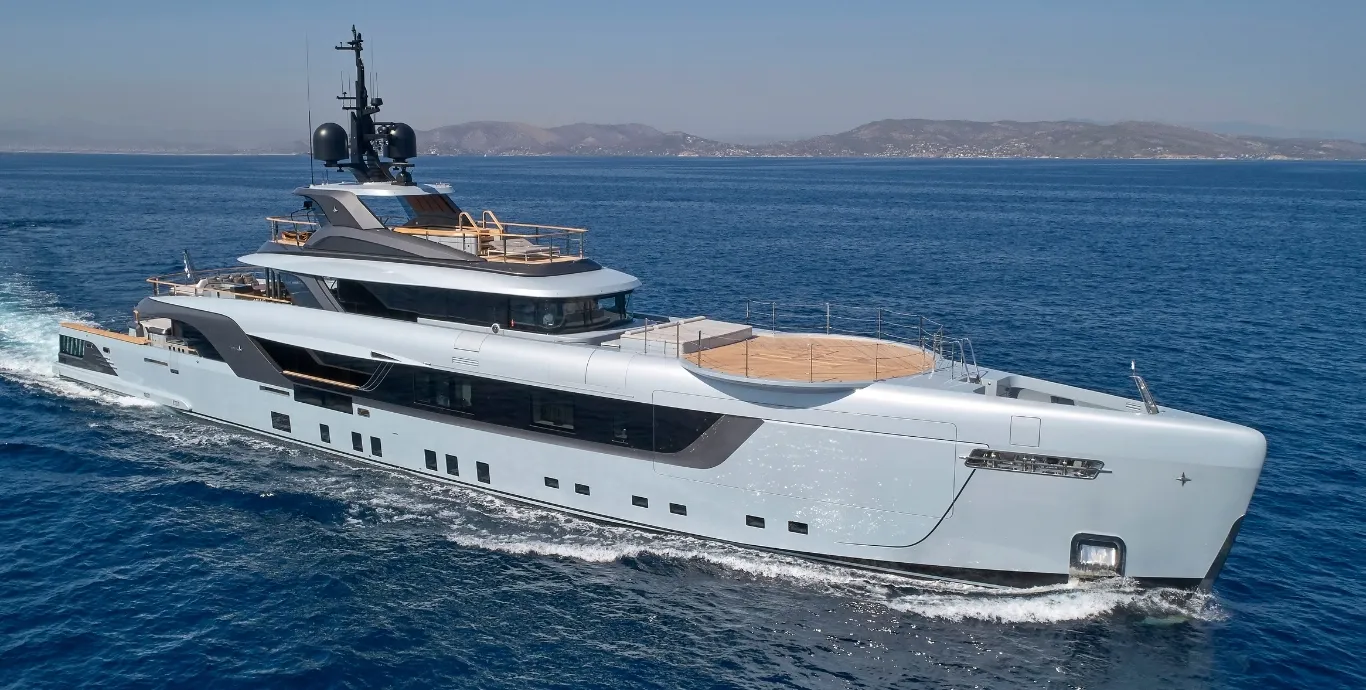
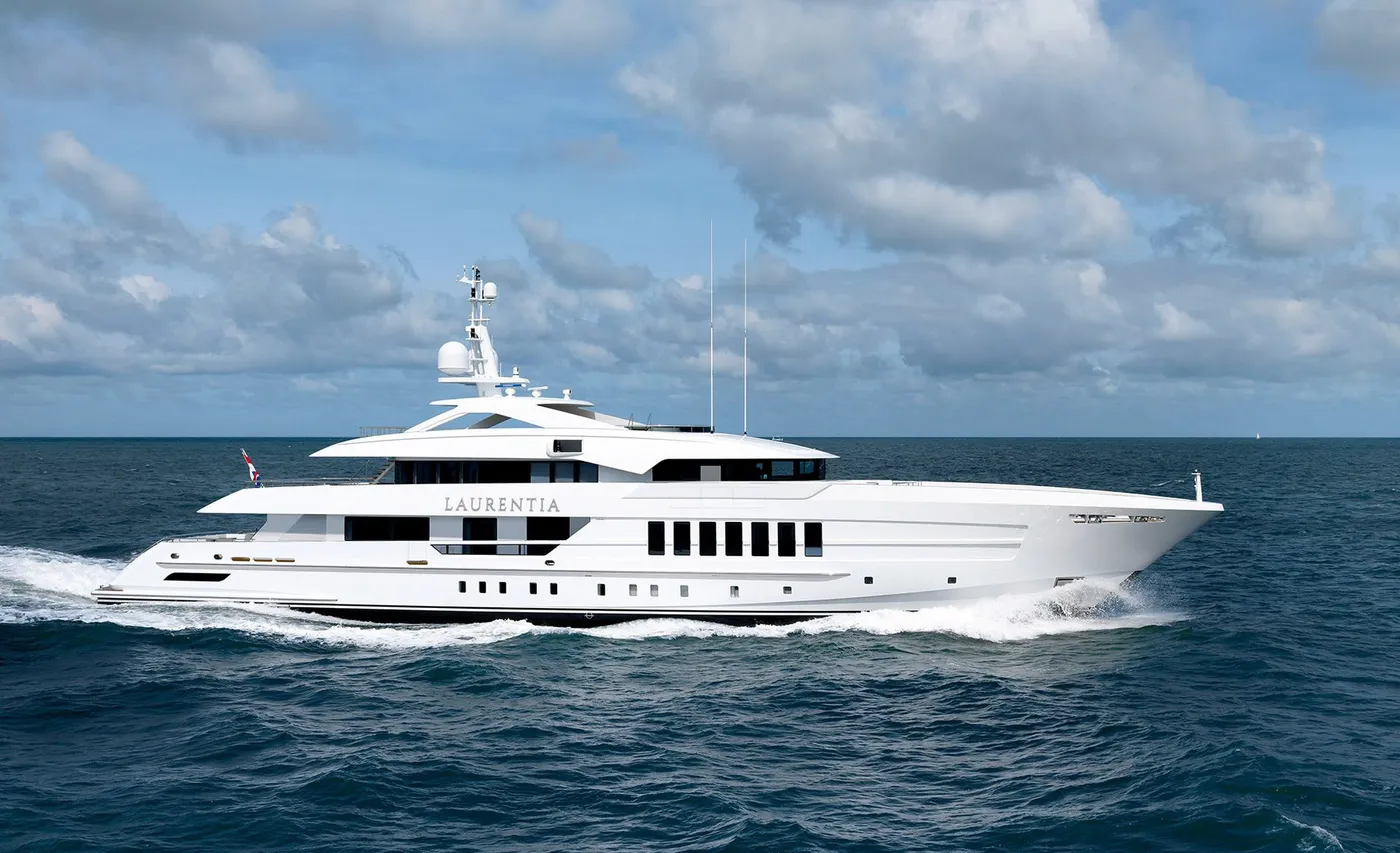
- Which yacht suits the Amalfi Coast?
- What is worth going ashore for?
- What do people get wrong about the Amalfi Coast?
- Asking about Capri, Amalfi and beyond
What shapes an Amalfi week is not distance but where the yacht can stop. The coast is steep, with deep water close to the cliffs, so large yachts anchor off Positano and Amalfi and go in by tender. Parts of it are protected: the Punta Campanella marine reserve covers the tip of the Sorrento peninsula, and Capri was added to Italy’s list of future marine protected areas in 2026, so the rules around the island may be different in 2027.
When is the best time to charter a yacht on the Amalfi Coast?
June and September: the sea is at 22–24 °C, without the peak heat of July and August.
Average figures for Amalfi:
| Month | Avg. max air (°C) | Sea (°C) | Days with some rain | Sunshine (h/day) |
|---|---|---|---|---|
| May | 20 | 18 | 10 | 8 |
| June | 24 | 22 | 8 | 9 |
| July | 27 | 25 | 5 | 10 |
| August | 27 | 26 | 6 | 9 |
| September | 24 | 24 | 8 | 8 |
| October | 19 | 22 | 11 | 6 |
- May is green, with the sea around 18 °C. Good for the towns, cool for swimming.
- June is one of the best months: the sea is around 22 °C, before the July and August heat.
- July and August are the hottest months, with the sea at 25–26 °C.
- September keeps warm water, around 24 °C.
- October is still possible early in the month, with more rain and shorter days.
Naples, Sorrento, Salerno or Capri: where should you embark?
Naples, for the international airport; Sorrento or the harbours around Castellammare di Stabia, to be close to both Capri and the Amalfi side; Salerno, for the Amalfi end and routes that continue south; or Capri itself, if you can get a high-season berth there.
- Naples sits at the north end of the bay, close to Ischia and Procida.
- Sorrento and the harbours around it are well placed for both Capri and the Amalfi side.
- Salerno is convenient for the Amalfi end of the coast and for a route that continues south.
- Capri is a dramatic place to start or finish, but berthing there in August costs more than in quieter ports, according to Ahoy Club.
The charter agency arranges the berths. Ask whether the yacht’s base is in the area: a yacht that has to reposition from elsewhere may charge a delivery fee.
A 7-day route round Capri and the Amalfi Coast
The days follow a published seven-day Amalfi Coast itinerary: from Naples to Capri, Positano, Nerano and the Furore fjord, Amalfi and Ravello, then Ischia and Procida on the way back to Naples. Legs on this coast are short, so the week is about choosing stops and lunches, not covering miles. Three of the stops are in marine protected areas whose rules are stricter for yachts over 24 m, which Italian rules class as pleasure ships; the box after day 7 sums up what that means for a yacht of 30 to 50 m.
| Day | Leg | Miles |
|---|---|---|
| 1 | Naples → Capri | — |
| 2 | Capri | — |
| 3 | Capri → Positano | — |
| 4 | Positano → Nerano → Furore fjord | — |
| 5 | Furore fjord → Amalfi | — |
| 6 | Amalfi → Ischia | — |
| 7 | Ischia → Procida → Naples | — |
Day 1: Naples to Capri
The week starts with Capri seen from the water, grottoes first.
Board in Naples and cross to Capri. The itinerary starts with the island’s grottoes seen from the water. The Blue Grotto (Grotta Azzurra) is entered only in small rowing boats with a local boatman: visitors transfer to one from their own boat and lie down to pass the low entrance. In the evening, the tender takes you ashore at Marina Grande, the harbour below Capri town.
Day 2: Capri
A whole day on Capri, between the Faraglioni rocks and the quieter heights of Anacapri.
In the morning the tender goes to Marina Piccola for a swim, and the yacht moves near the Faraglioni. Marina Piccola, on the south side opposite the Faraglioni, is sheltered from strong winds by a large wall of rock. In the afternoon, Anacapri, higher up and quieter. Capri town and Anacapri are reached from Marina Grande by taxi or funicular.
Day 3: Positano
Positano, its houses climbing the cliff from the sea.
Along the coast to Positano. Large yachts anchor off, and the tender takes you to the Spiaggia Grande, the main beach, where steep stairs lead up through the village. Dinner ashore, or on board.
Day 4: Nerano and the Furore fjord
Lunch in a fishing village, then a swim in a ravine.
Lunch at Nerano (Marina del Cantone), a small fishing village known for its pasta with courgettes and for restaurants that serve the morning’s catch. The bay is part of the Punta Campanella marine reserve, so guests go in by tender. In the afternoon, east along the coast to the Furore fjord, a ravine in the cliffs with sheltered water for a swim.
Day 5: Amalfi and Ravello
A day ashore for the cathedral, the gardens and the views over the whole coast.
Amalfi, once a maritime republic, with its cathedral above the waterfront. Ravello is a short drive up the hill, with the gardens of Villa Cimbrone and views over the whole coast.
Day 6: Ischia
Thermal springs and a castle on its islet, across the bay.
West across the bay to Ischia, whose thermal springs have drawn visitors since Roman times, with the Aragonese castle on its islet. Ischia, Procida and Vivara form the Regno di Nettuno marine protected area, so the night at anchor is in one of the areas it sets for large yachts.
Day 7: Procida and back to Naples
Pastel houses, a working fishing harbour and Vesuvius on the way home.
A short crossing to Procida, then back to Naples, with Vesuvius behind the city. The visit ashore on Procida is made by tender.
For a 30–50 m yacht
- Capri, Marina Piccola (day 2). A line of buoys 100 m off the shore, from Punta Mulo to the Faraglioni, limits navigation close to the coast, with entry corridors for the beaches (it was put back in July 2024); the yacht stays outside the line and the tender uses the corridors.
- Nerano (day 4). Le Mortelle, at the western end of the bay, is in zone B of the Punta Campanella reserve, where anchoring is banned. A yacht over 24 m cannot anchor anywhere in the reserve and can motor only in zone C, so a yacht of 30 to 50 m does not anchor off Nerano: it waits outside the reserve, or on a zone C mooring if the managing body has fitted one and authorises it (the rules are in the section on the reserve below).
- Ischia (day 6). The Regno di Nettuno reserve’s 2026 rules let yachts over 24 m anchor only in zone C, in three marked areas off Ischia (Lacco Ameno, Forio and the bay of Maronti), with an authorisation requested online and a daily fee set by length; its buoy field is for boats up to 24 m. The same article adds that “le navi da diporto dovranno essere in linea le seguenti dotazioni di eco-compatibilità” and lists low-emission equipment: variable-speed engines, methanol fuel cells, battery storage, energy management and high-efficiency electric motors. Whether that is a condition for anchoring is not clear from the text, so the captain confirms with the reserve whether the yacht qualifies.
- Procida (day 7). The same rules give yachts over 24 m no anchoring area there: a yacht of 30 to 50 m cannot anchor off the island.
Where can you anchor on the Amalfi Coast and around Capri?
Never on posidonia, nowhere in the Punta Campanella reserve for a yacht over 24 m, and only where the deep water and the summer crowds leave room. Beyond the reserves, the limit is physical: deep water close to the cliffs. Around Capri, the rules for the coming seasons are still being written.
Punta Campanella marine reserve
The tip of the Sorrento peninsula, between the Bay of Naples and the Gulf of Salerno, is a marine protected area divided into zones:
- Zone A (integral reserve): small areas where activities that could damage or disturb the environment are banned. Navigation is not allowed in them.
- Zone B (general reserve): some activities are allowed with authorisation from the park’s managing body. Anchoring is not allowed, and demarcation buoys mark the area.
- Zone C (partial reserve): the largest zone, with sustainable use permitted.
Across the reserve, anchoring on posidonia meadows is not allowed. For yachts over 24 m, the reserve’s 2010 regulation is stricter: they cannot anchor in any zone, because anchoring in zone C is allowed only to boats up to 24 m and only from 8:00 to 20:00; they can motor only in zone C, and only if they meet Annexes IV and VI of the MARPOL convention; and they can moor only in zone C, with the managing body’s authorisation, at sites it has equipped. In zone B only boats up to 10 m may use an engine, and not off the stretch of coast from Punta Campanella to Le Mortelle. The Ieranto bay and the area around Punta Campanella itself are among the most protected parts.
Capri: a marine protected area on the way
Italian Law 158 of 1 September 2026 added Capri to the list of areas to be established as marine protected areas under the 1991 framework law on protected areas. The specific rules have not been set yet: the Environment Ministry has to complete a technical study and define the boundaries first, and limits on boat numbers, excursions and anchoring in the most sensitive areas are expected. Off Marina Piccola, a buoy line already keeps boats 100 m from the shore between Punta Mulo and the Faraglioni (see day 2).
Posidonia and local ordinances
Across Italy, local harbour authorities publish summer ordinances on distances from beaches, speed near the coast and swimming areas. These change from year to year and from one stretch of coast to another. They are part of the captain’s job; you only need to know that the yacht may not anchor as close to a beach as a small local boat can.
For a 30–50 m yacht
- Le Mortelle. Trentaremi magazine describes a mooring field there, in zone B, open from 15 June to 33 boats up to 30 m; the 2010 regulation, however, allows mooring in zone B only to boats up to 10 m. The two do not match, so the captain confirms with the reserve before counting on it.
- Capri. The rules for 2027 may differ from those of previous years; the captain and the charter agency confirm which anchorages are open and under what conditions before you sail.
- Italian protected-area rules are changing, and what is written here reflects 2026; it is worth checking again before signing.
Can you add the Pontine or Aeolian Islands?
Yes, but each is a trip of its own rather than an add-on to a week: Ponza is about 56 nautical miles from Naples by sea, and the Aeolians an overnight passage of about 120 nautical miles from the Amalfi Coast.
Pontine Islands (Ponza, Palmarola, Ventotene)
The Pontine Islands lie north-west of the Bay of Naples. Palmarola, the least inhabited of them, has secluded, protected coves and clear water on its south side. With Ponza about 56 nautical miles from Naples, they fit better into a ten-day trip or a one-way charter between Rome and Naples than into a standard week on the Amalfi Coast.
Aeolian Islands (Lipari, Salina, Panarea, Stromboli, Vulcano)
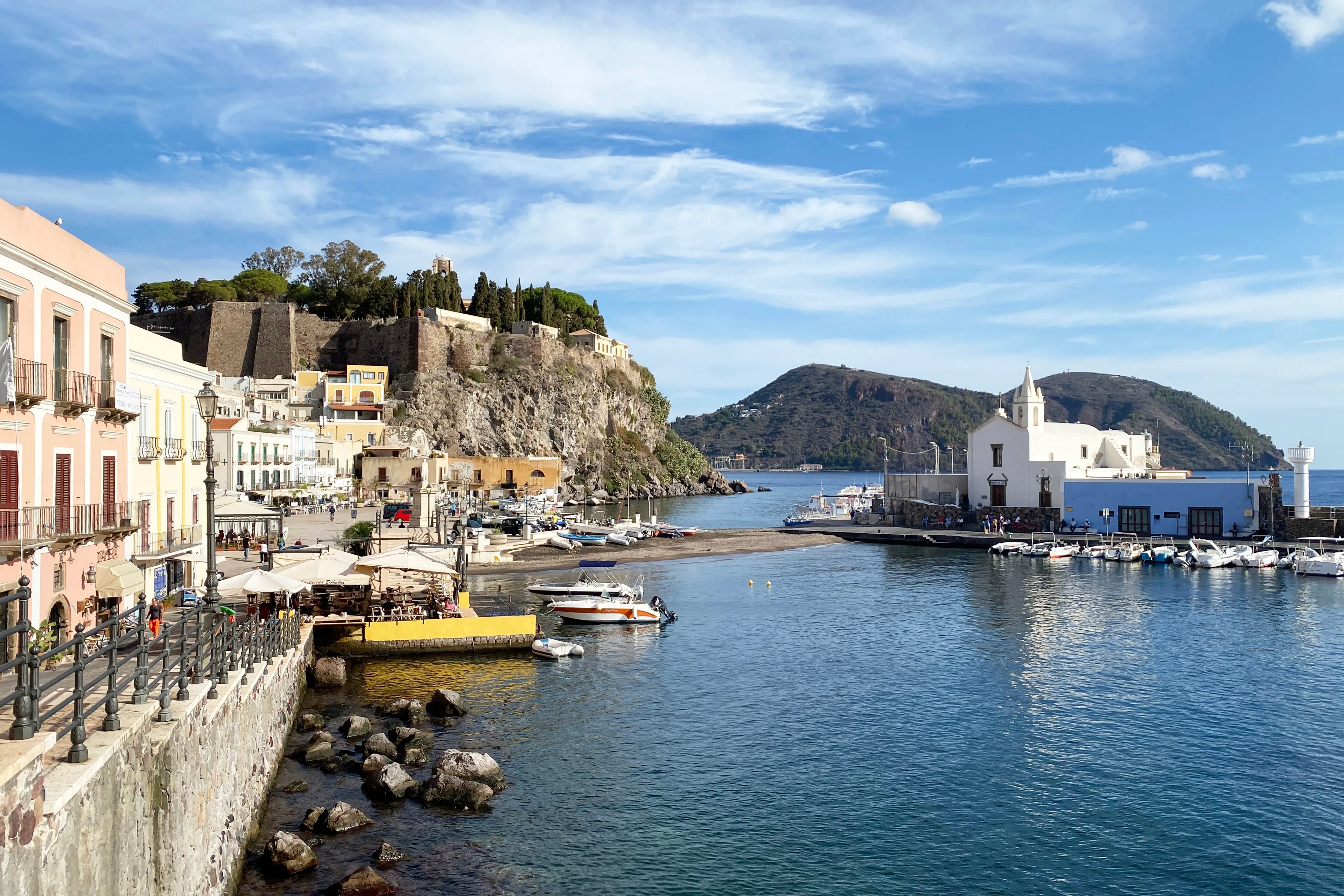
North of Sicily, the volcanic Aeolian archipelago is one of the most distinctive cruising grounds in Italy: active Stromboli, the black beaches and fumaroles of Vulcano, the exclusive feel of Panarea, and green Salina. The overnight passage from the Amalfi Coast makes the Aeolians a destination in their own right, usually combined with Sicily, or the second half of a one-way charter. The islands are a UNESCO World Heritage site, and some anchorages, especially near the volcanoes, have restrictions the captain will know.
For another Mediterranean option, compare this coast with the Sardinia and Corsica guide.
With ten to fourteen days: Naples to Sicily one way
If you have more than a week, a one-way charter is the most rewarding way to see southern Italy by sea. The outline follows a published ten-day Naples-to-Sicily itinerary:
- Day 1: Naples to Ischia. To anchor, a yacht over 24 m uses one of the three areas set by the Regno di Nettuno reserve (see day 6 of the week above, including the equipment list in the 2026 rules).
- Days 2–3: Capri. Quiet anchorages west of the island and, in the evening, an aperitif in the Piazzetta.
- Day 4: Sorrento. Back across the bay to the Sorrento peninsula.
- Day 5: Positano. Ashore by tender.
- Days 6–7: Amalfi, then the passage south. About 120 nautical miles from the Amalfi Coast to the Aeolian Islands, overnight, so that you wake up off Stromboli.
- Day 8: Stromboli and Panarea. A Milazzo harbour office order of December 2022 banned navigation within 2 nautical miles of the coast below the Sciara del Fuoco, between Punta delle Chiappe and Punta Labronzo. Whether it is still the order in force in 2026 is for the captain to check; the yacht watches the volcano from outside the band it sets. In the evening, Panarea.
- Days 9–10: through the Strait of Messina to Taormina. Disembark in Sicily.
With up to fourteen days, the Aeolian part adds the stops of a second published itinerary, seven days from Naples to the Aeolian Islands: Salina, then Vulcano and its mud baths, and Lipari, before heading for the Strait.
Before you choose this option:
- Delivery fees. A one-way charter can mean the yacht has to return to its base afterwards. MYBA’s guidance for captains asks that any pre-agreed delivery or redelivery costs be explained clearly at the start of the charter. Ask whether the quoted price includes that return, and how it is calculated.
- The weather window. The overnight passage depends on the sea state. A good captain will move it a day earlier or later rather than make the group uncomfortable.
- Flights. You fly into Naples and out of Sicily (Catania or Palermo), which is easy in summer but needs to be booked with the route in mind.
- Two kinds of week. The Amalfi half is about towns, restaurants and short hops. The Aeolian half is wilder, with volcanoes, black sand and far fewer luxury services ashore.
How much does a yacht charter on the Amalfi Coast cost?
Typically around €55,000 a week for a yacht of about 30 metres and around €180,000 for one of about 50 metres, before expenses. Those are Ahoy Club’s typical advertised weekly rates for the yachts it lists in euros (consulted November 2026).
| Yacht size | Typical advertised rate per week (euro listings, all destinations) | Upper end of euro listings |
|---|---|---|
| About 30 m (27–33 m) | around €55,000 | up to about €155,000 |
| About 40 m (37–43 m) | around €105,000 | up to about €285,000 |
| About 50 m (46–55 m) | around €180,000 | up to about €440,000 |
| 55–75 m | around €400,000 | up to about €990,000 |
Add:
- APA: usually 30–40% of the base rate, for fuel, food, drinks and berths. Berths in Capri in August are expensive, so budget accordingly. Unspent APA is returned. See the APA guide.
- VAT: charters starting in Italy pay Italian VAT at 22% on the charter fee. A reduction may be possible for time spent outside EU waters, but the old flat reduced scheme has been abolished, and on an Amalfi week you will rarely leave EU waters. Plan on the full rate. More in yacht charter VAT by country.
- Gratuity: customary and discretionary, typically 10–20% on the same listings; Mediterranean guidance from other houses is lower (see our crew tipping guide).
For a 50-metre yacht at a typical €180,000, APA at 30% is €54,000, VAT at 22% on the fee is €39,600, and a 10–20% gratuity is €18,000–36,000. Expect about €292,000–310,000 in total, with any unspent APA refunded afterwards. The full method is in how much a luxury yacht charter costs.
Before you budget
- The rates cover yachts listed in euros across all destinations, not only those cruising on the Amalfi Coast. They are indicative, not offers: the rate for a specific yacht and week comes from the charter agency.
- Rates move with the season, so ask for June or September prices as well as July and August.
- The VAT rule is the 2026 position; the agency confirms it before you sign.
Which yacht suits the Amalfi Coast?
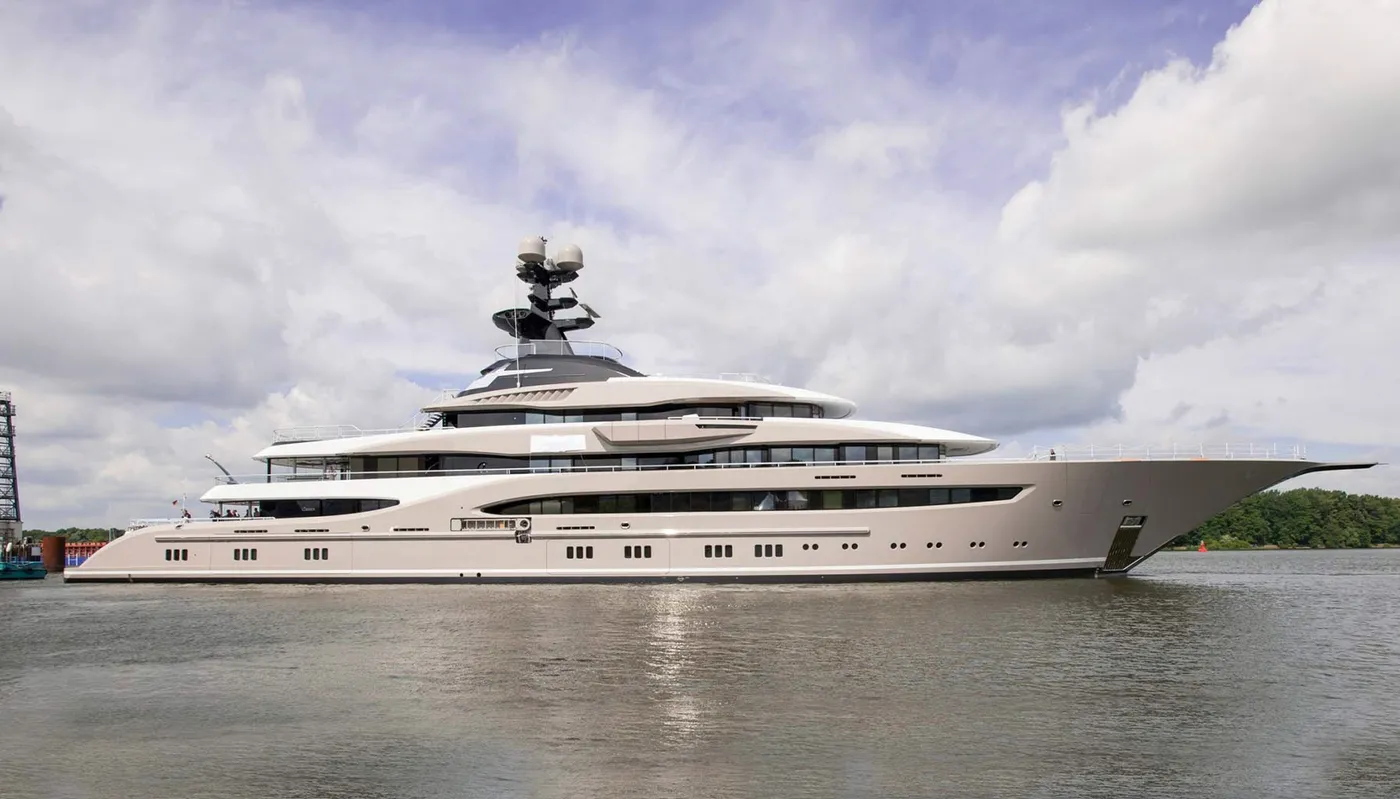
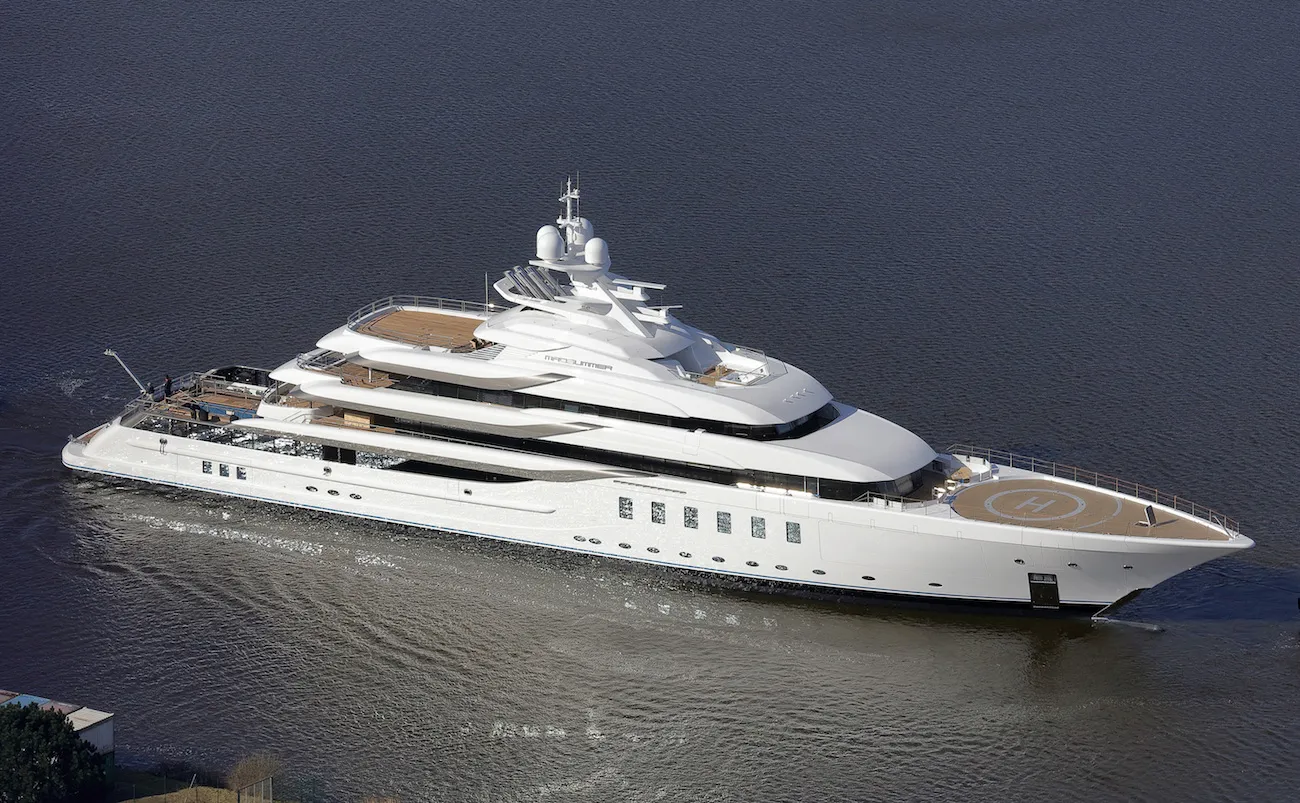
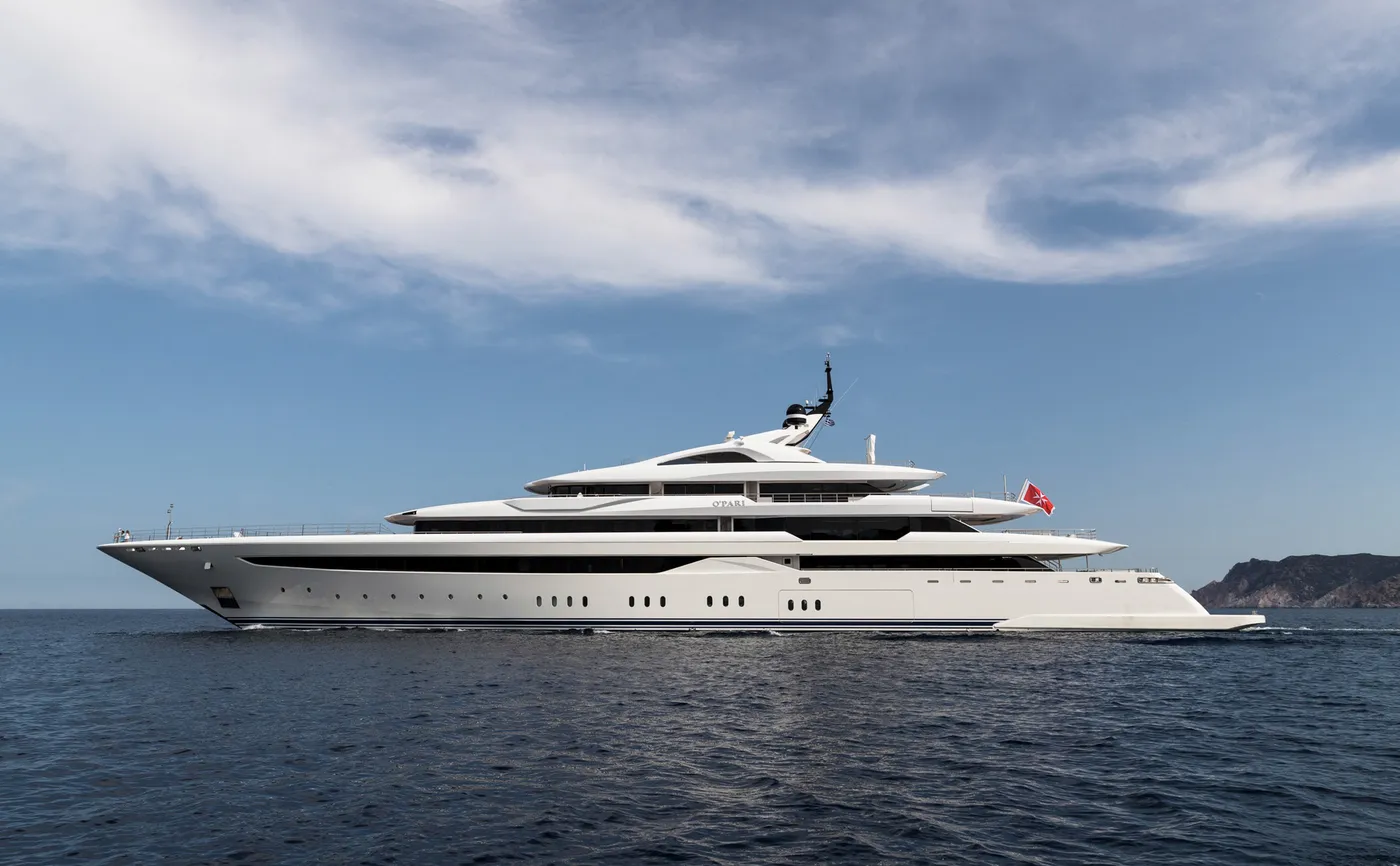
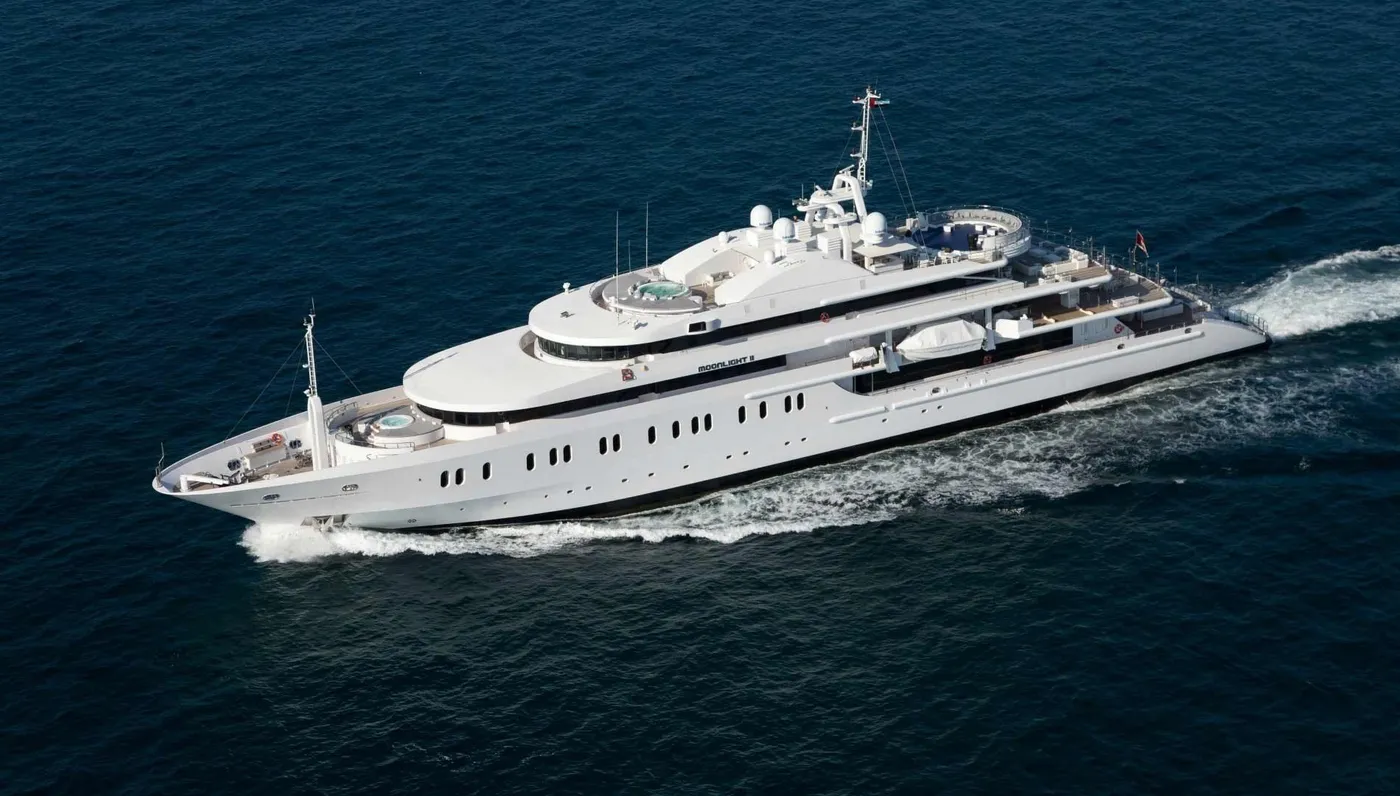
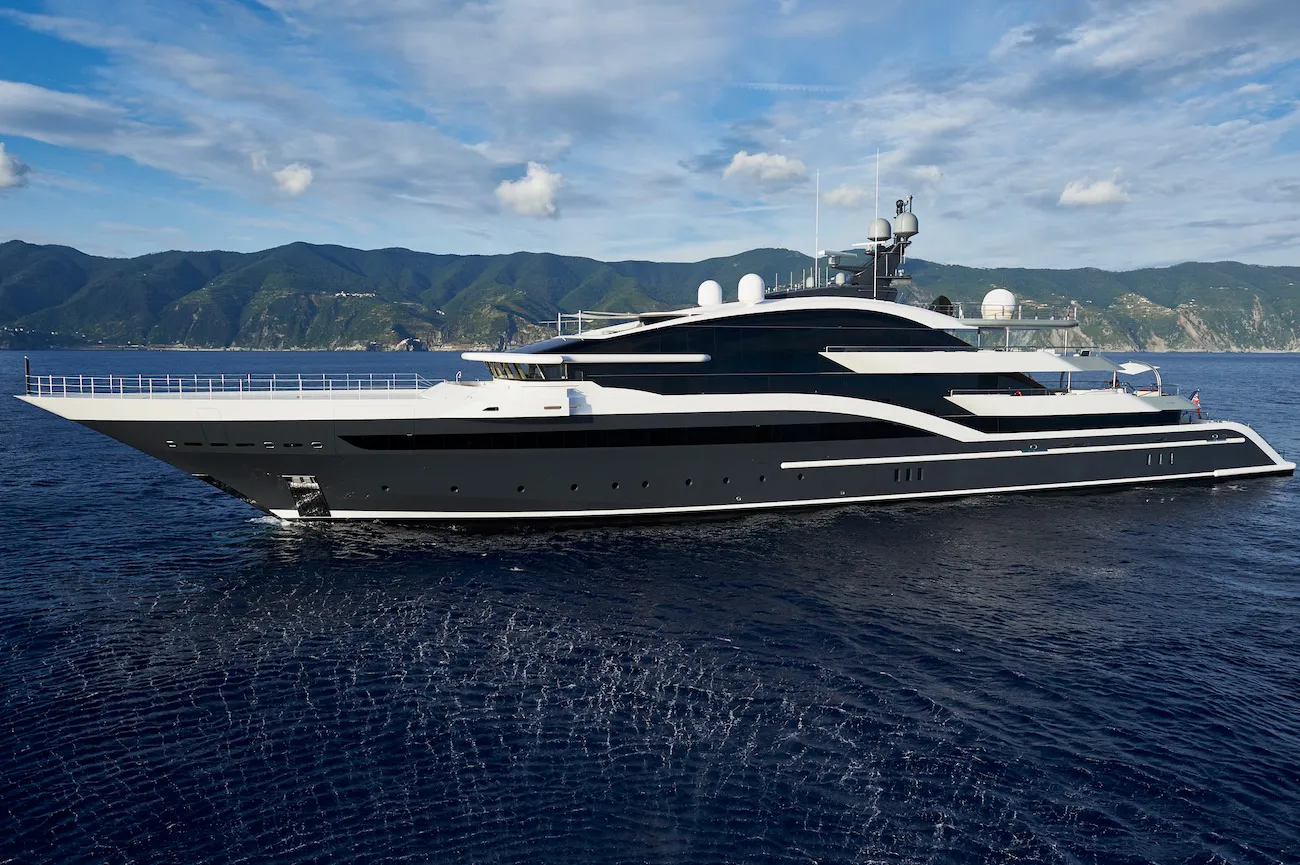
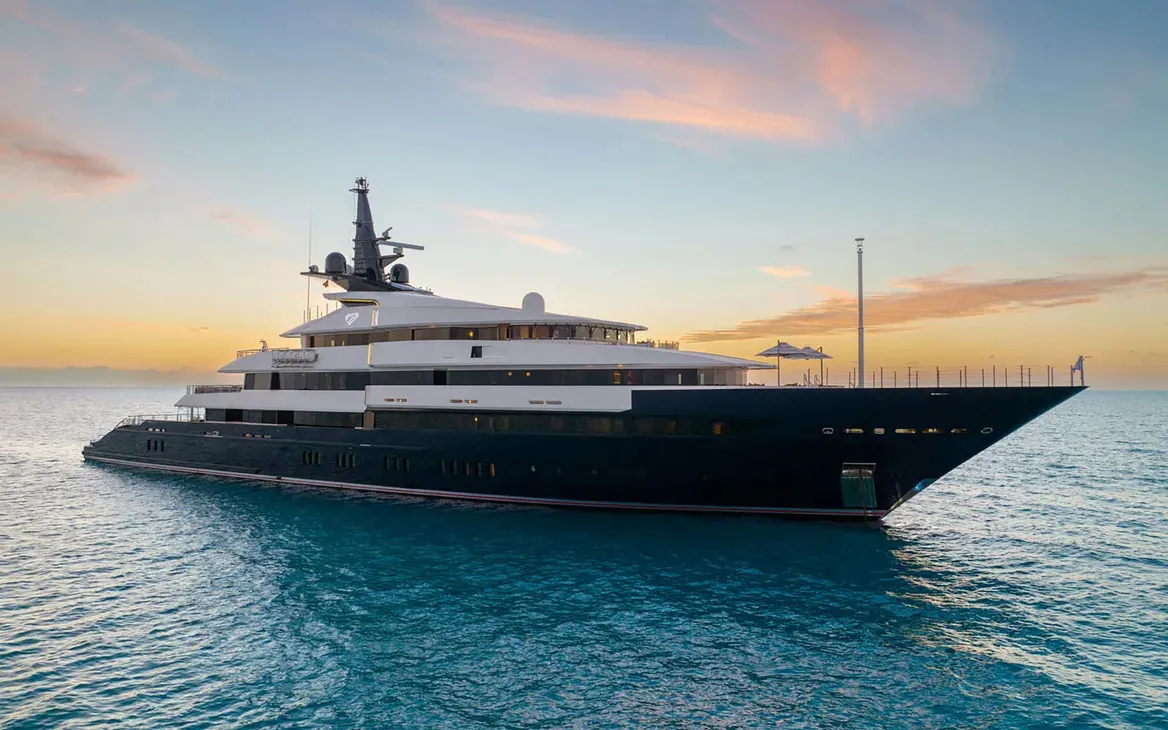
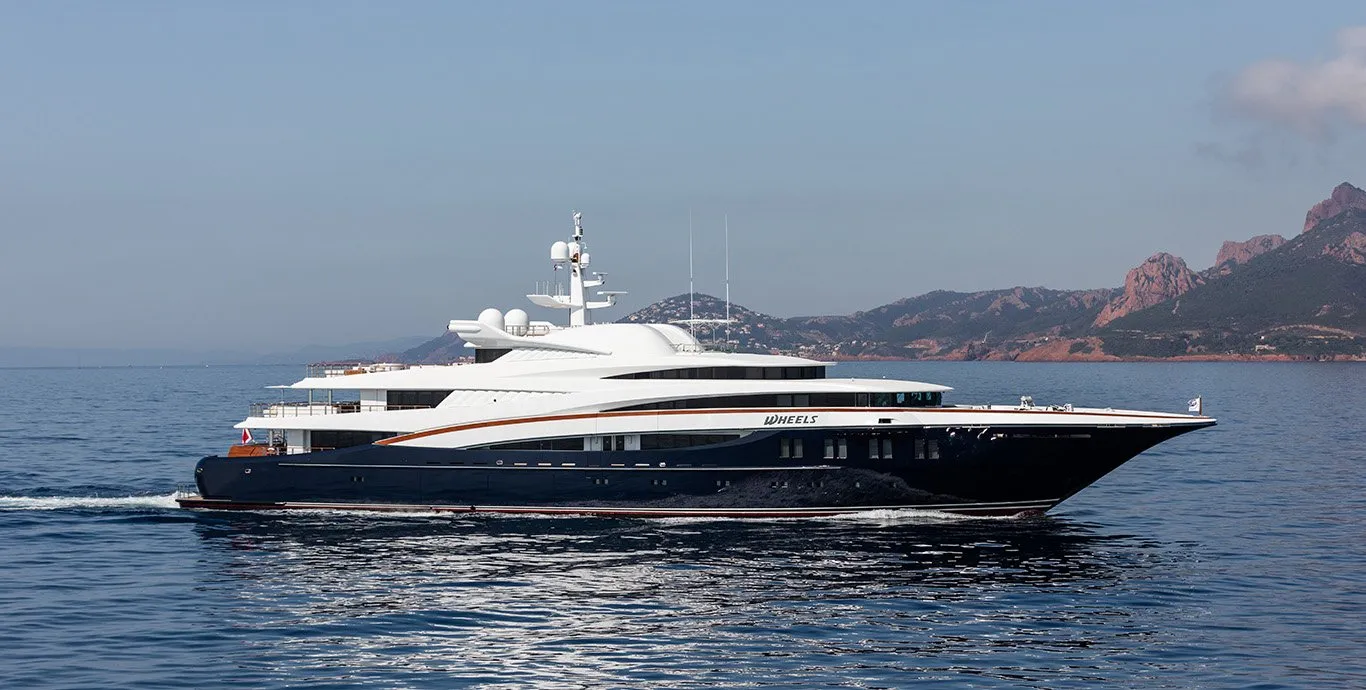
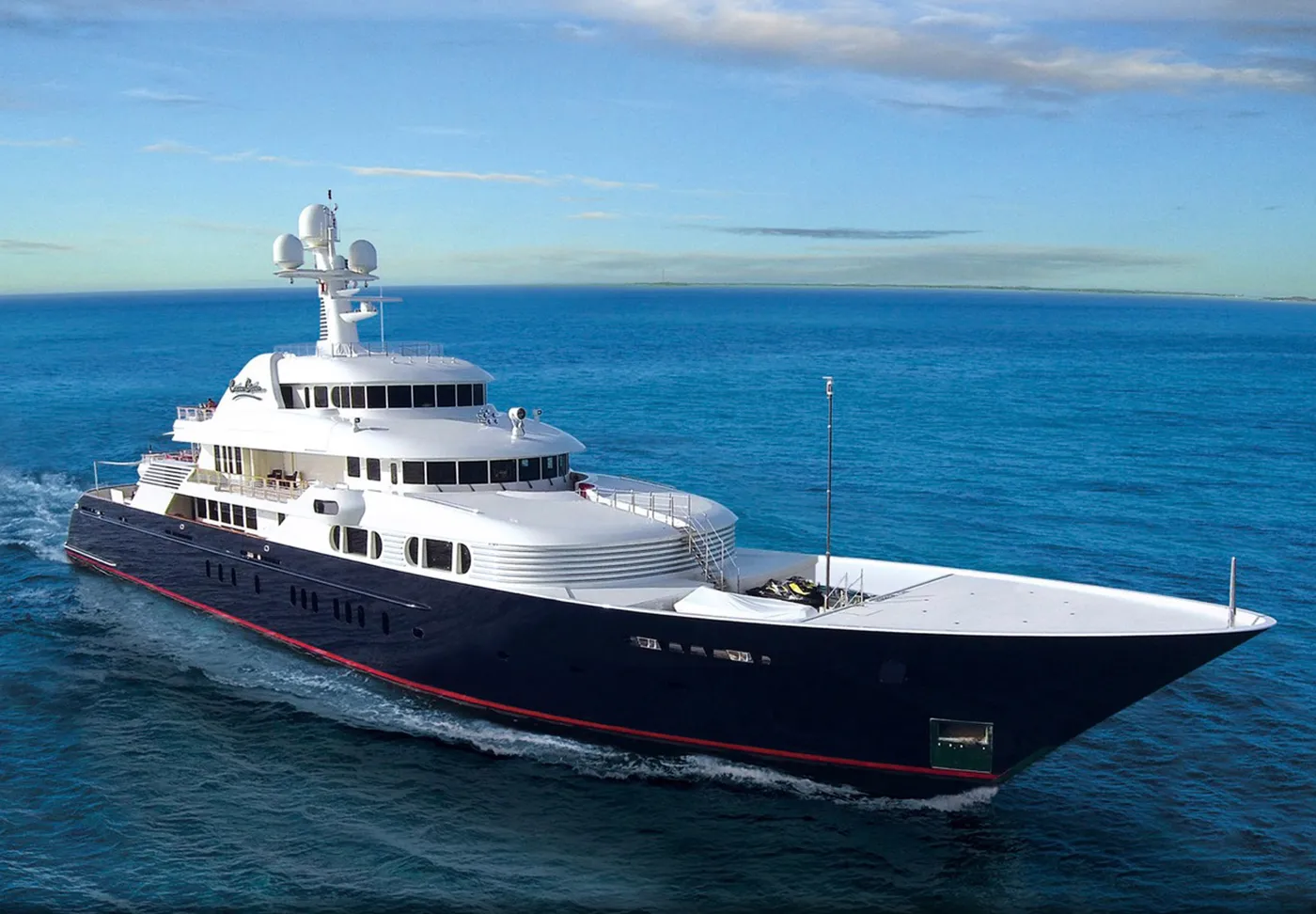
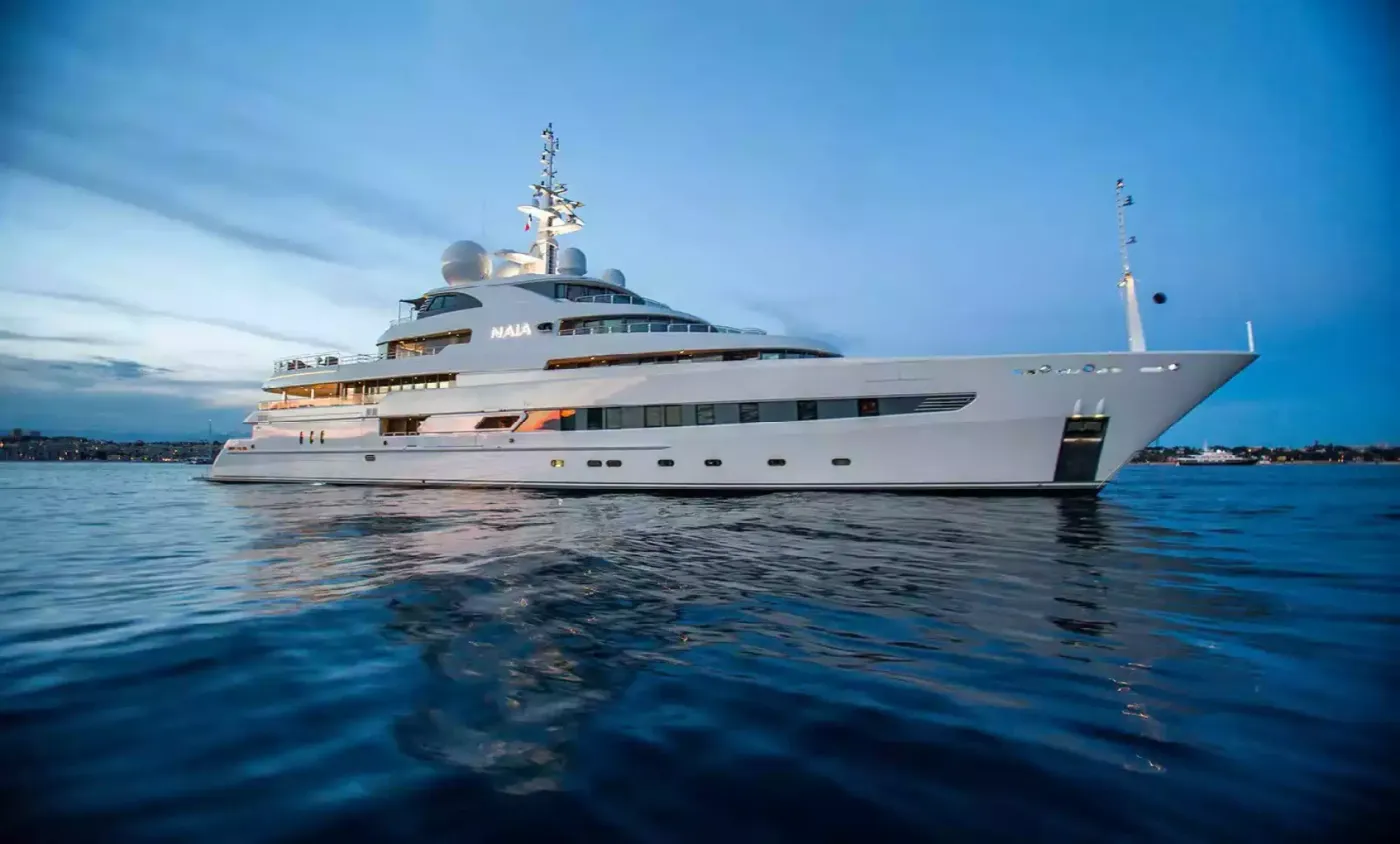
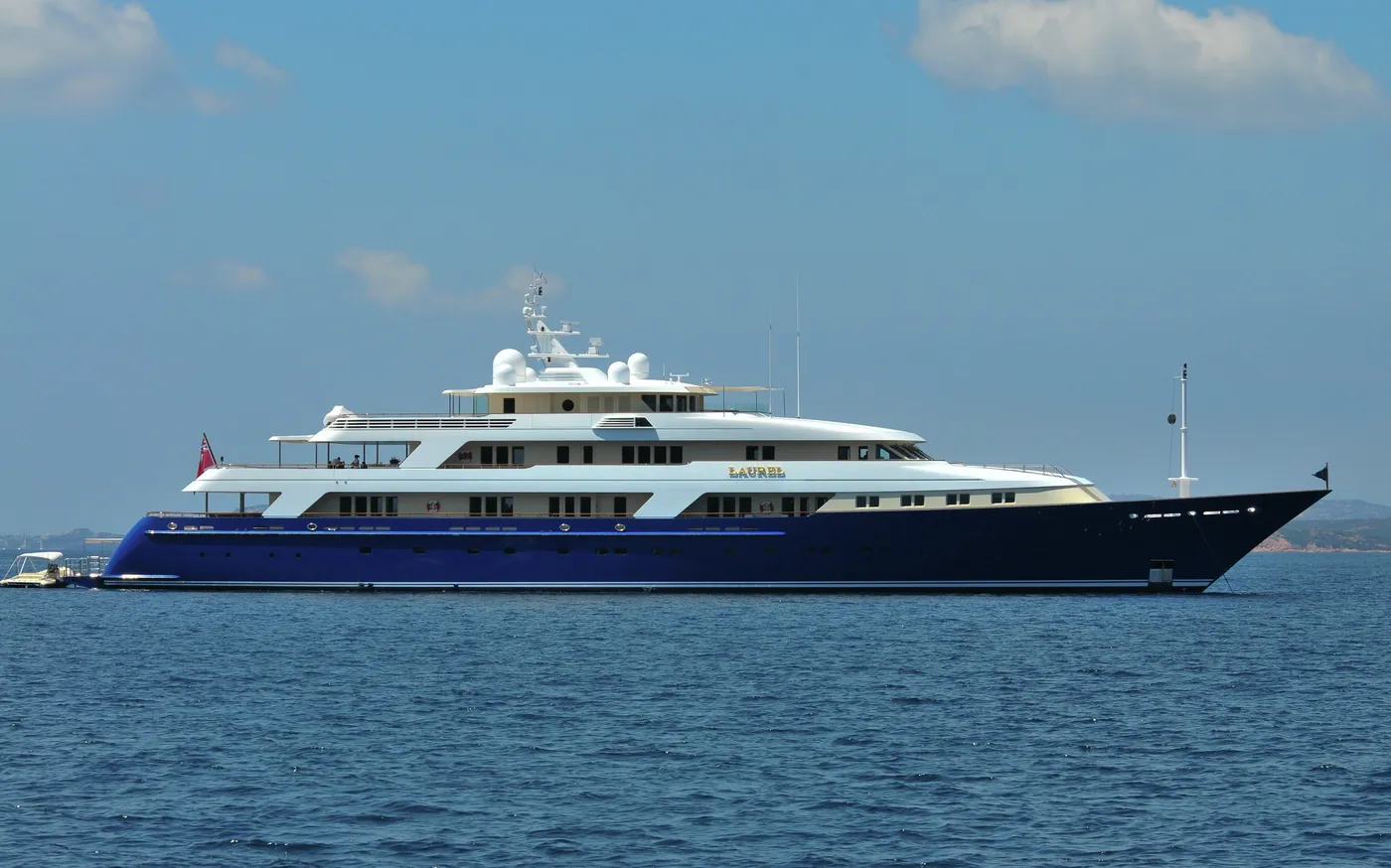
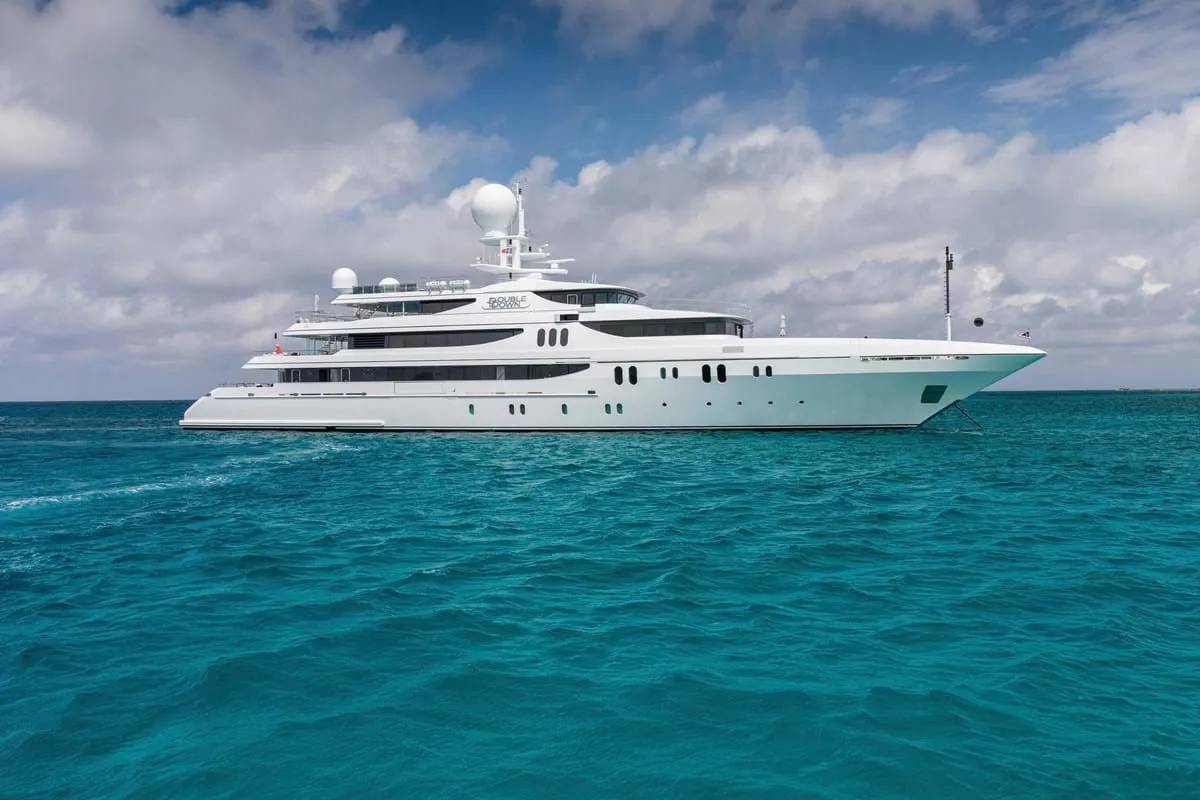
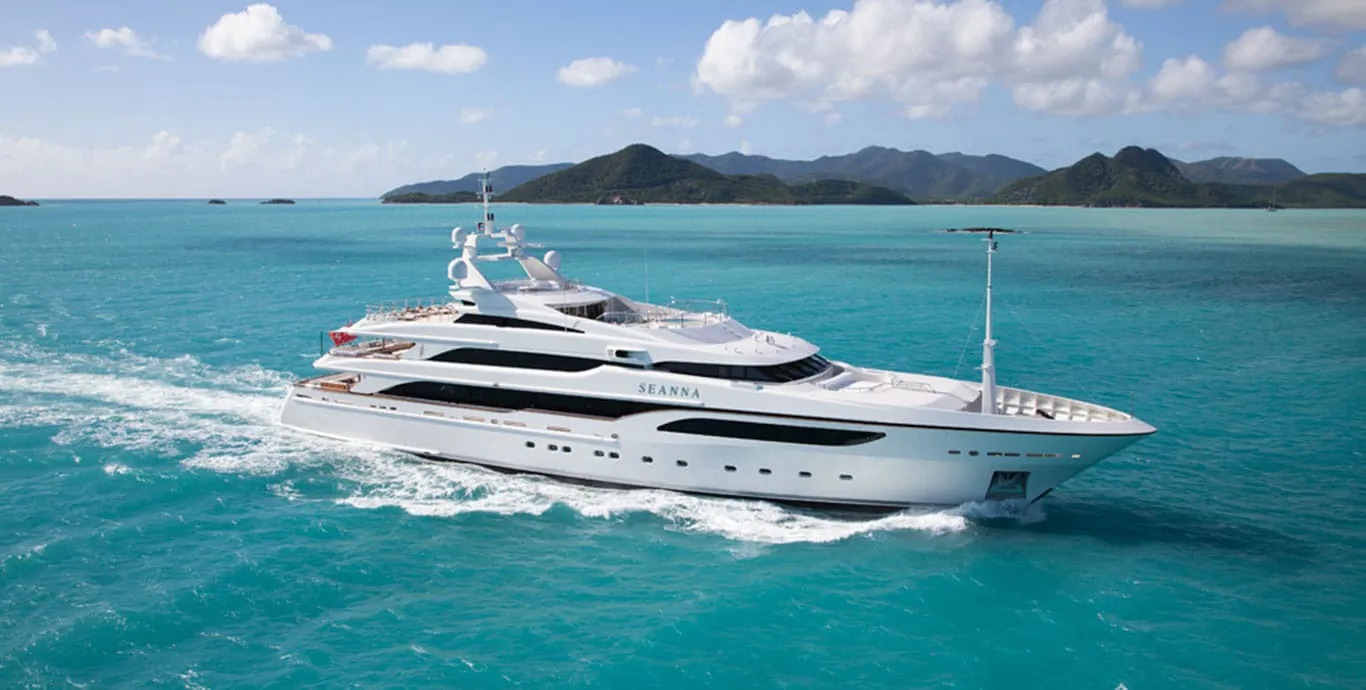
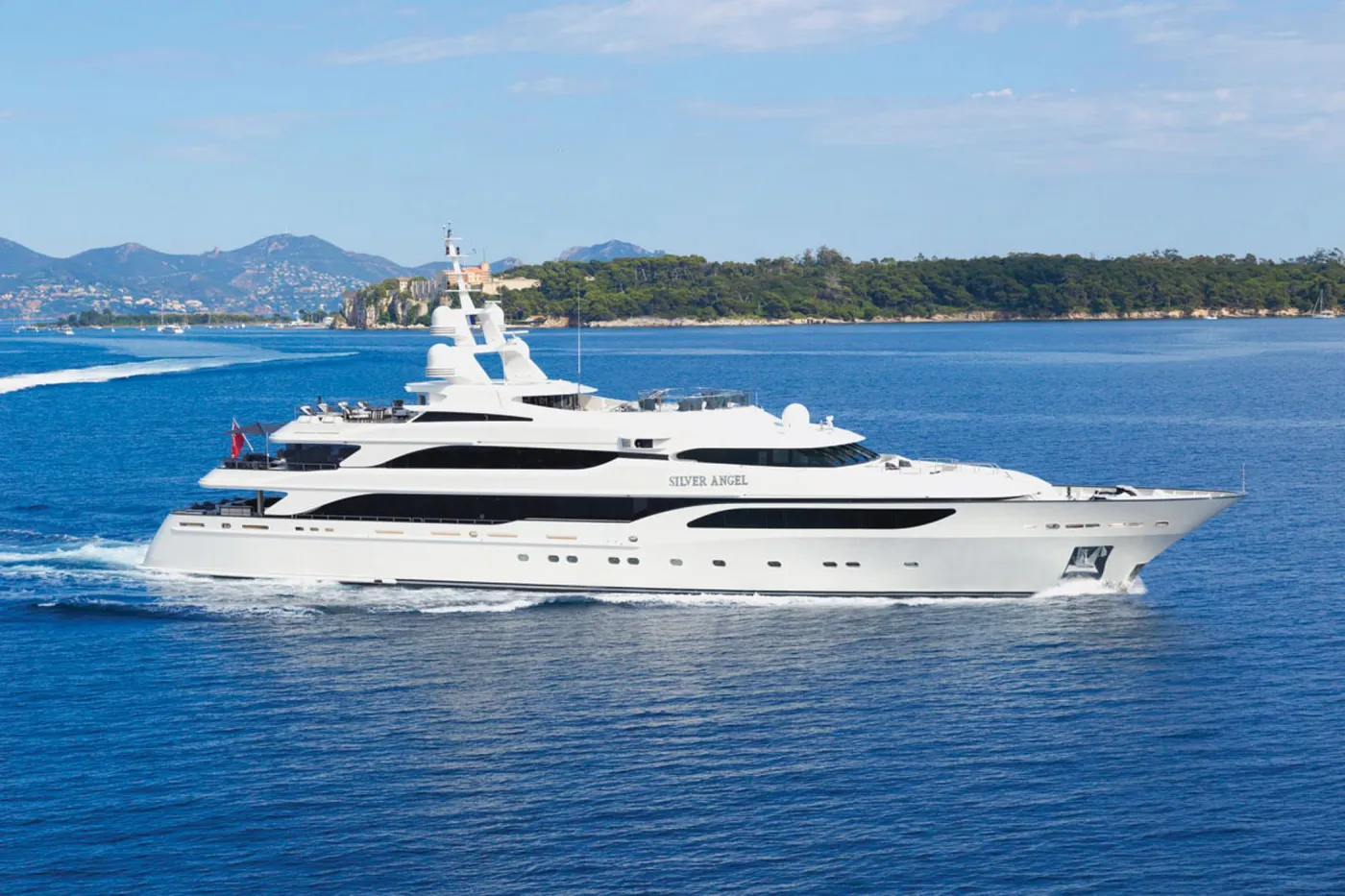
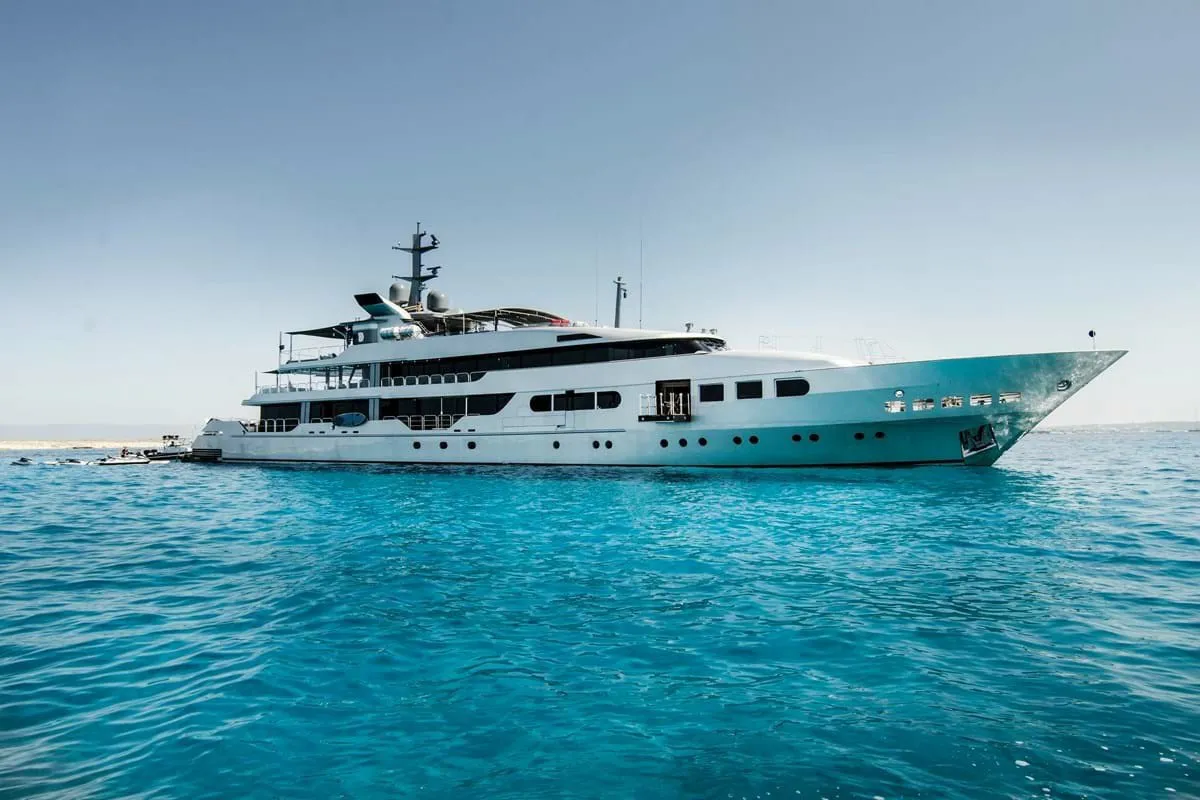
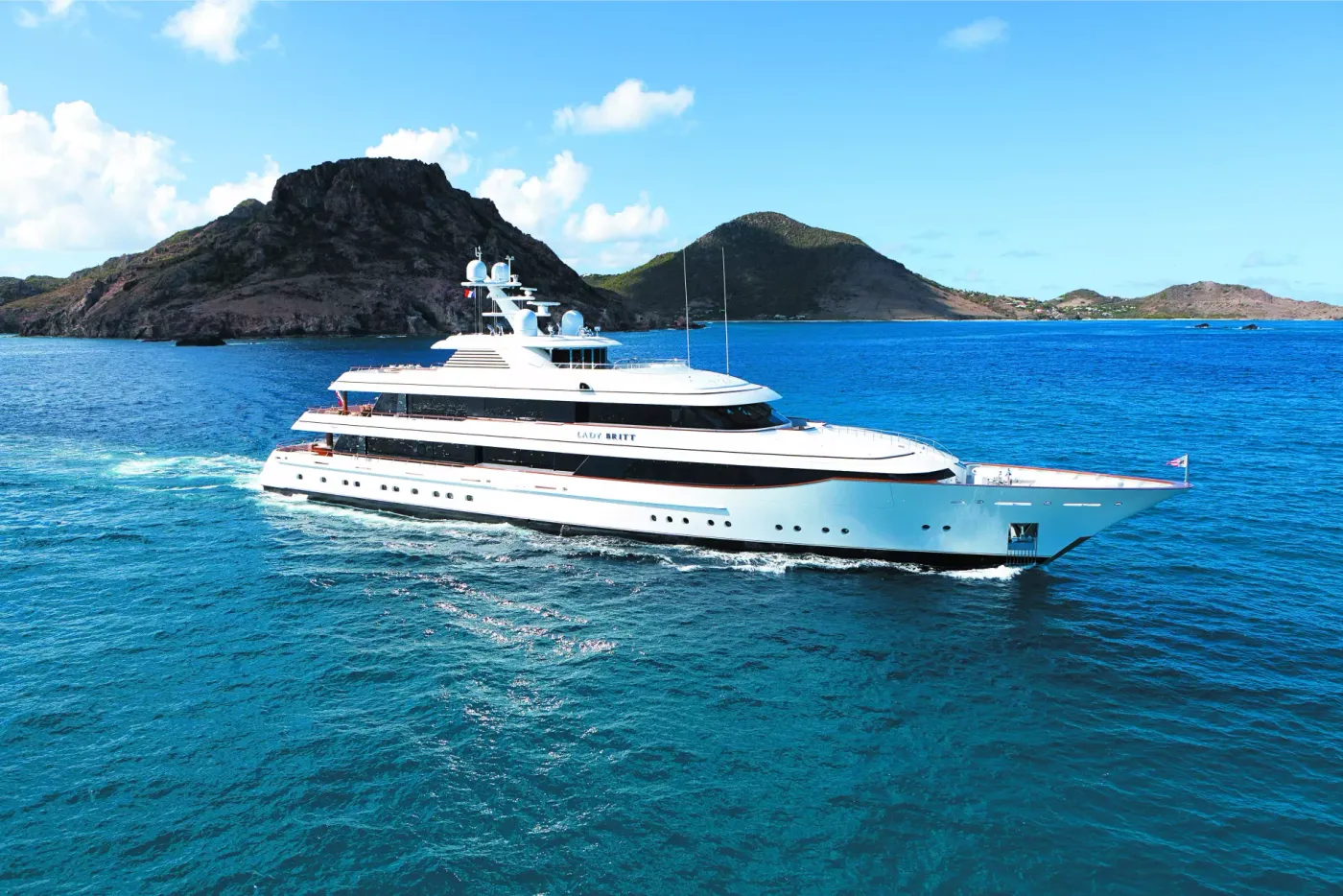
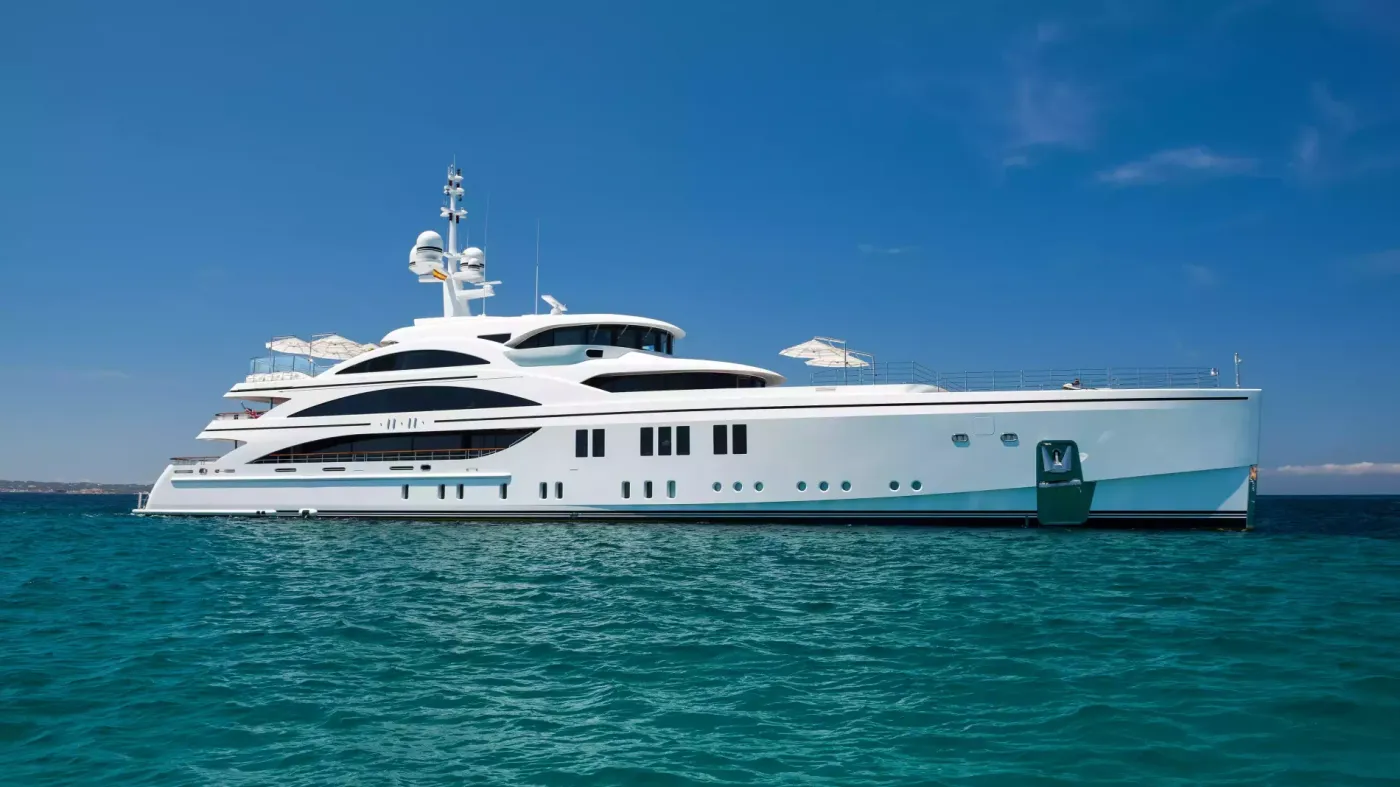
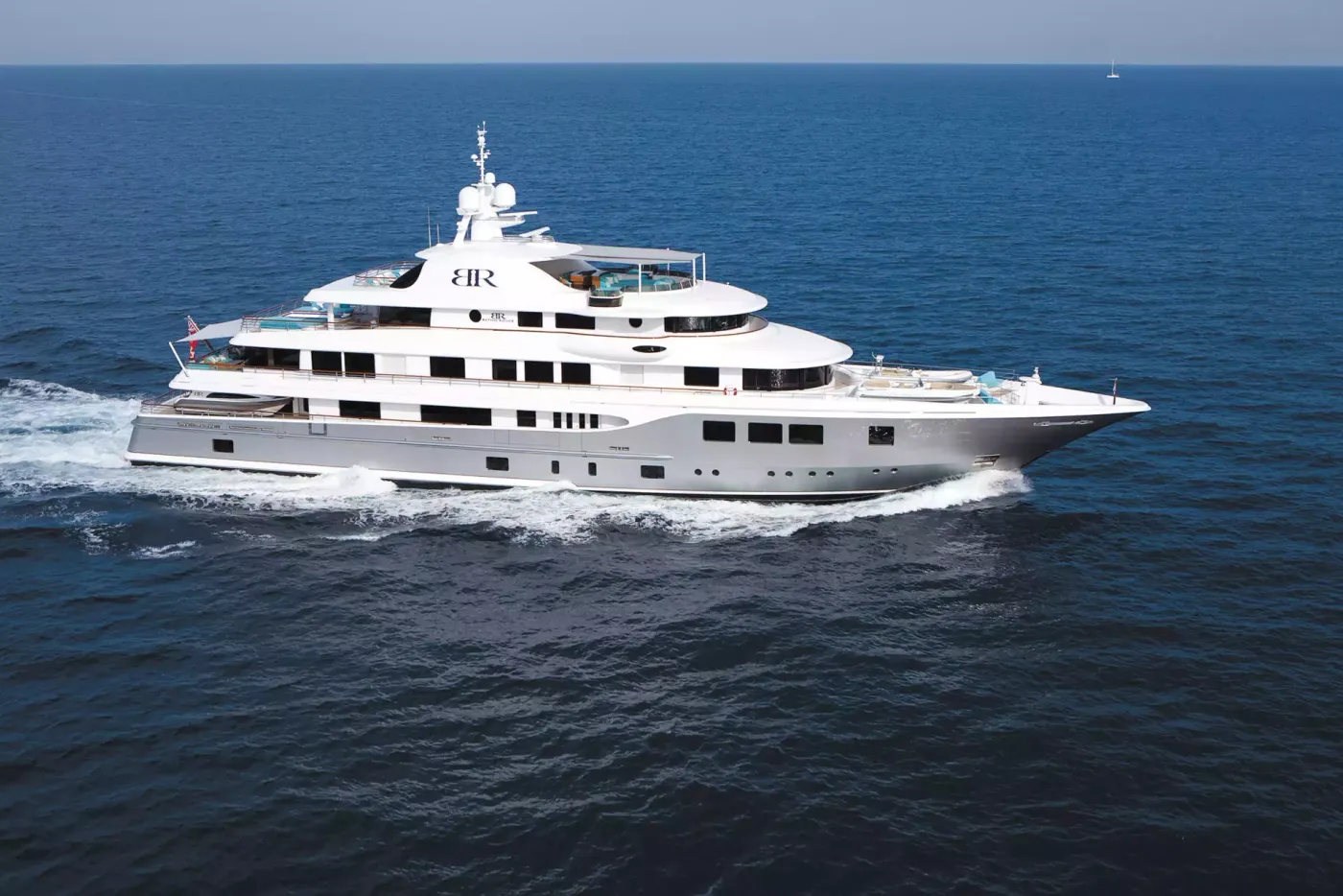
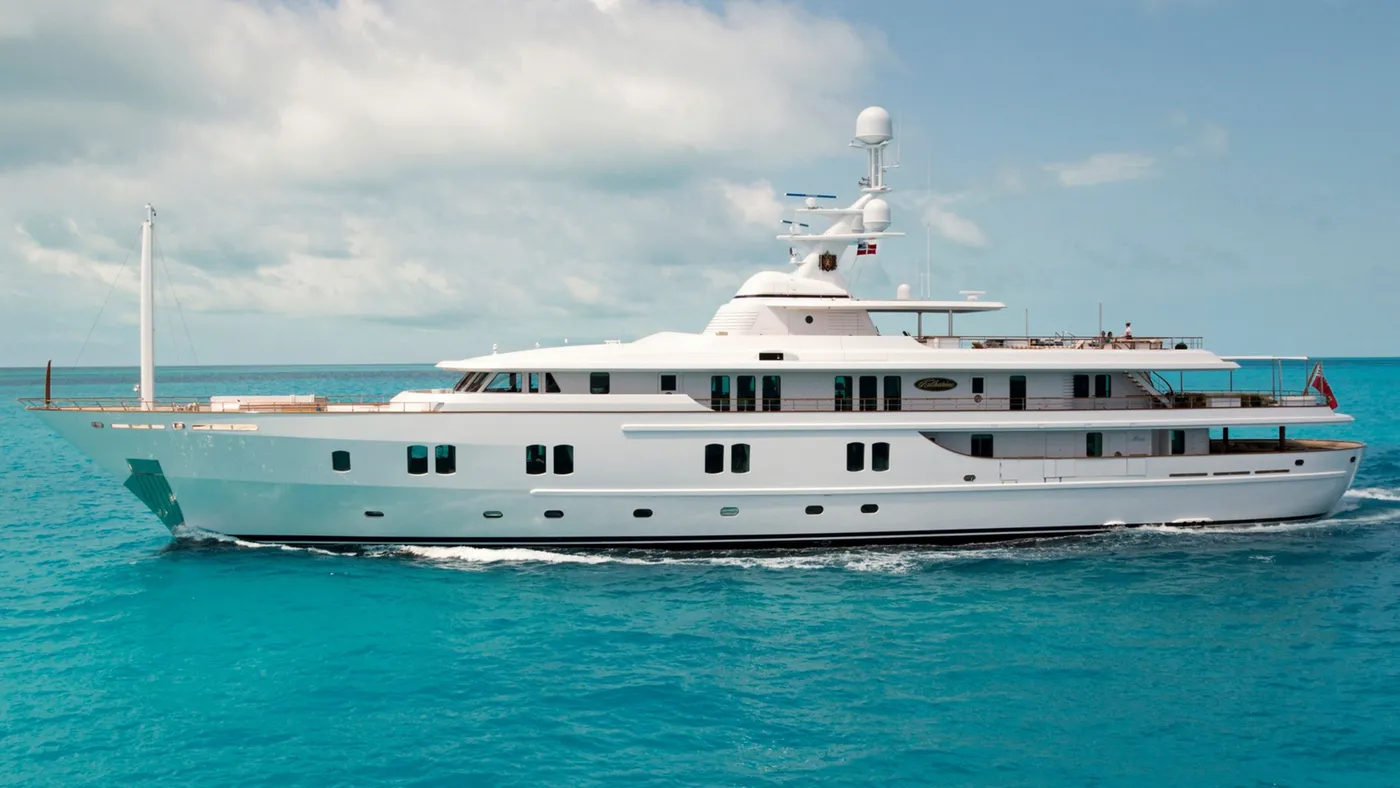
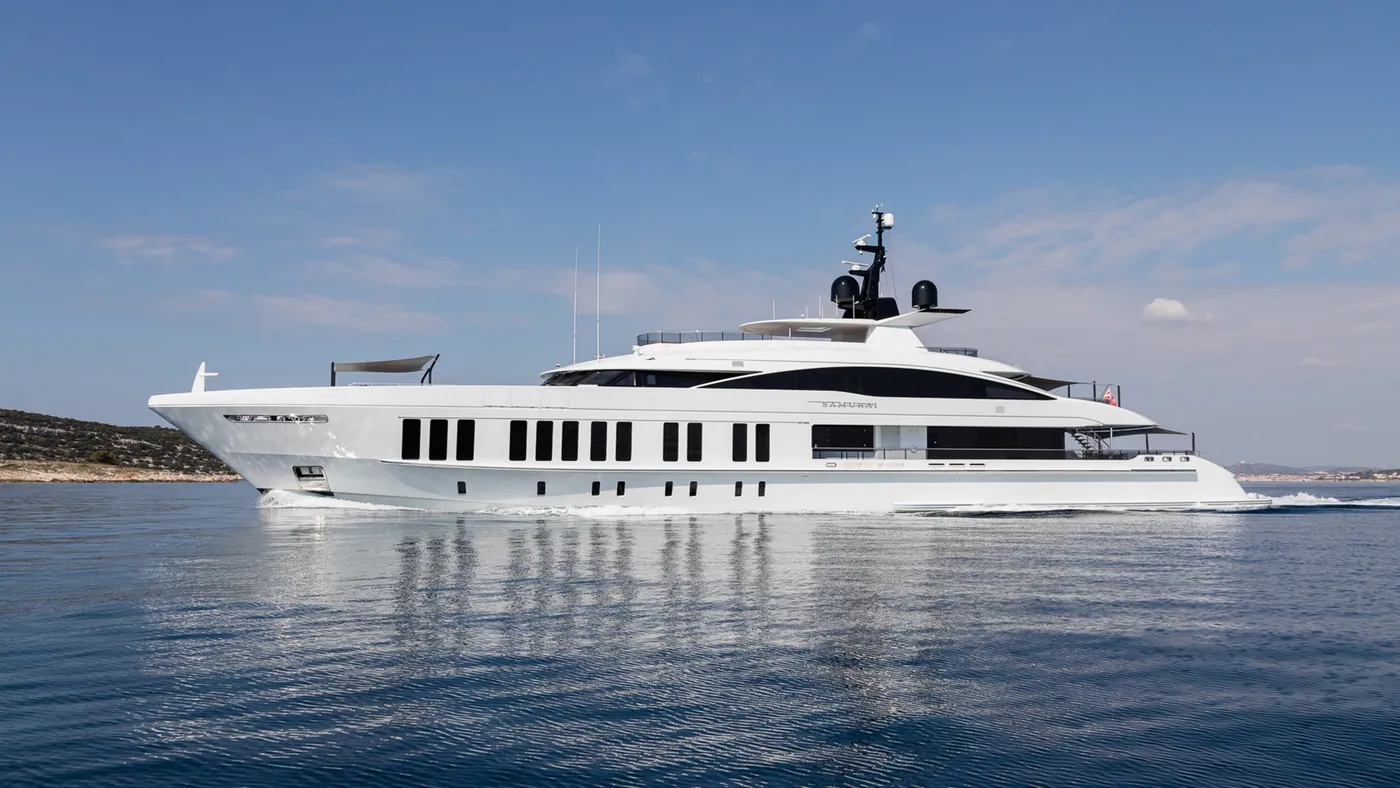
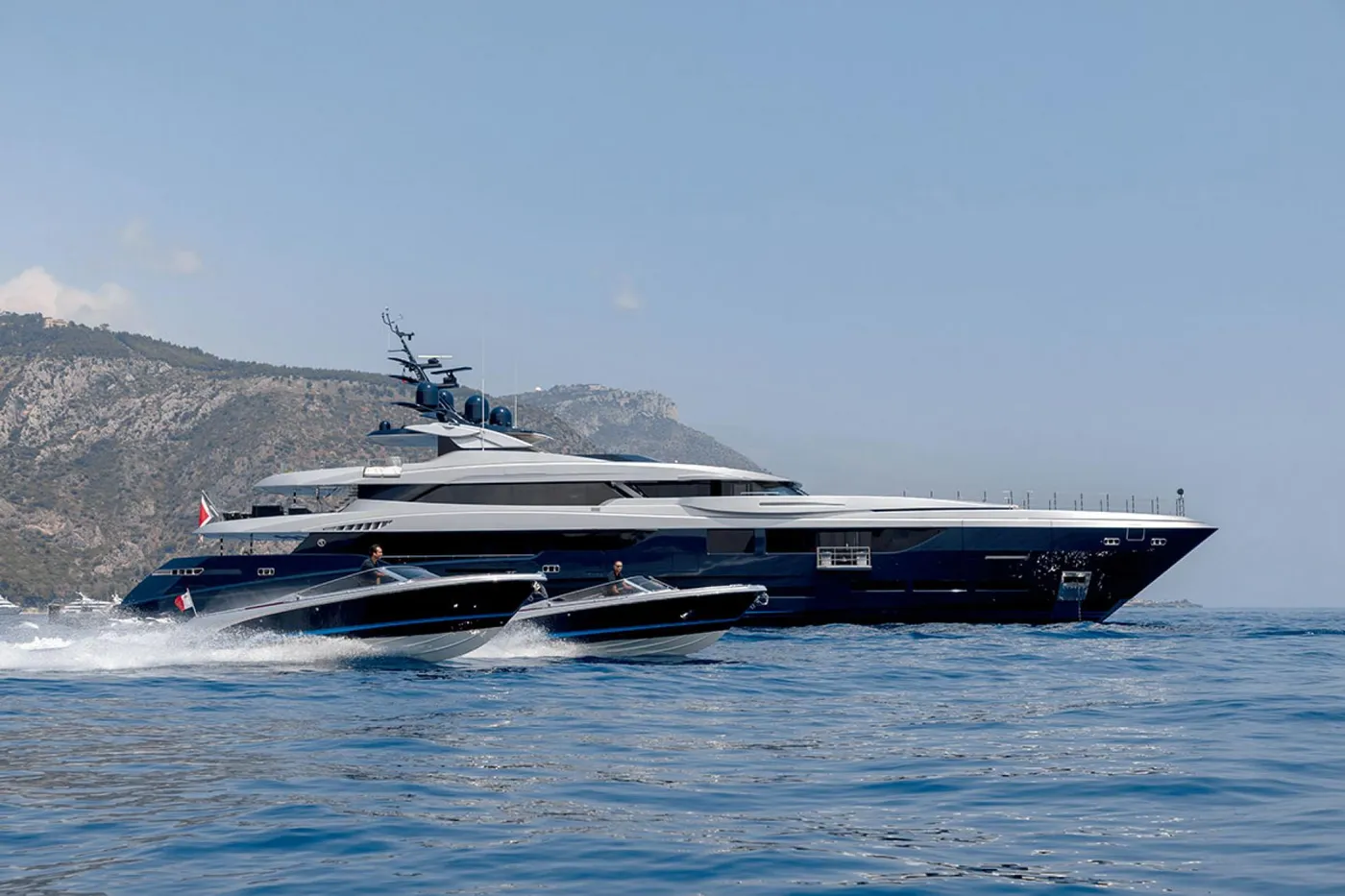
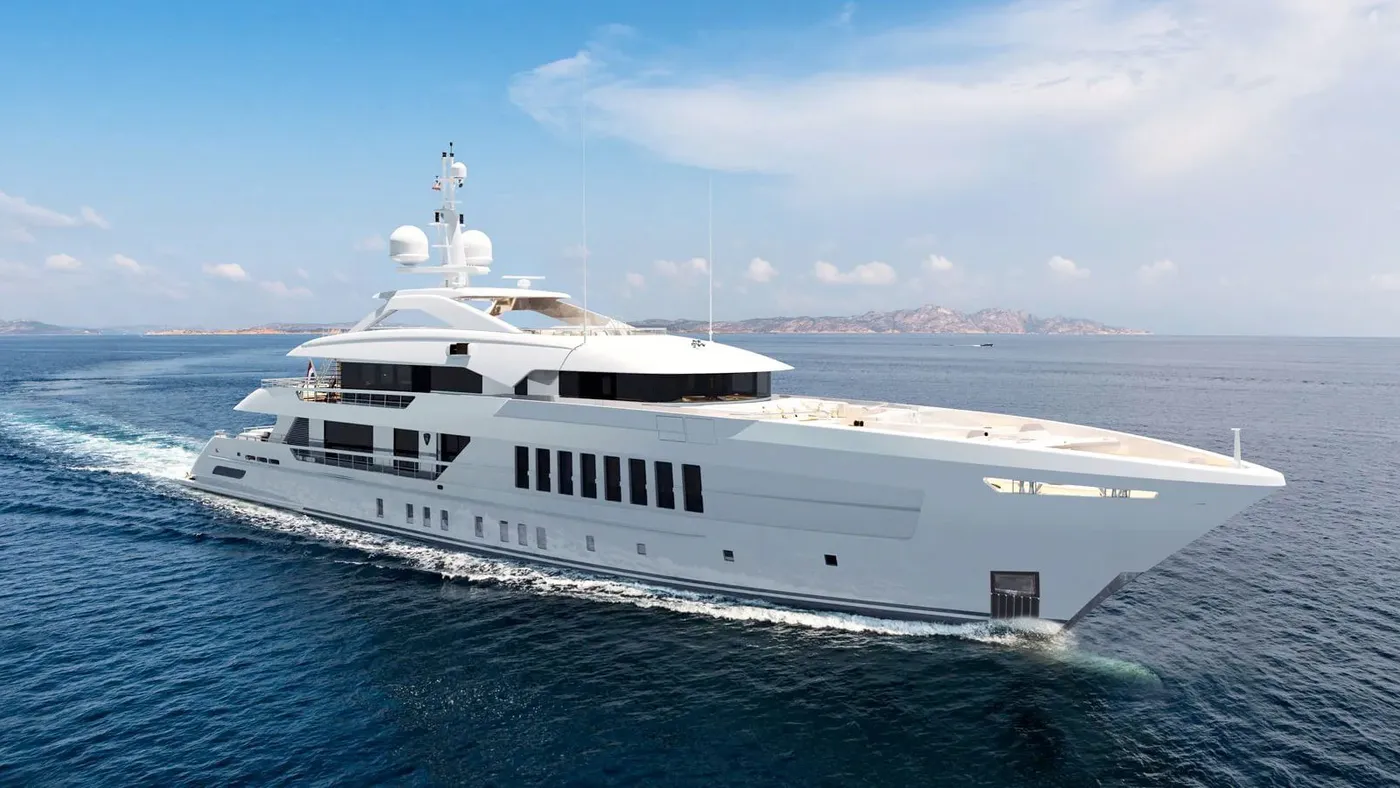
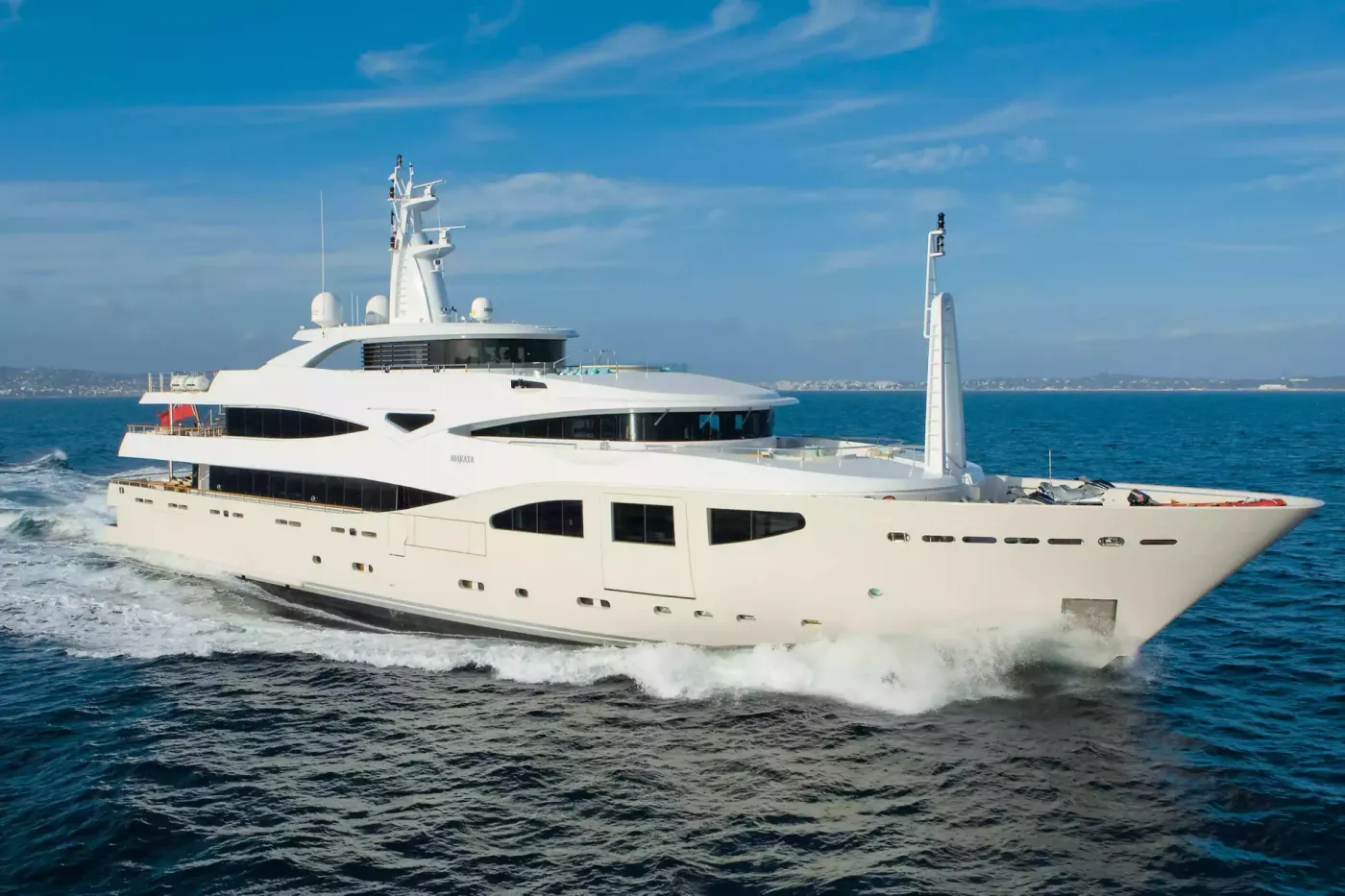
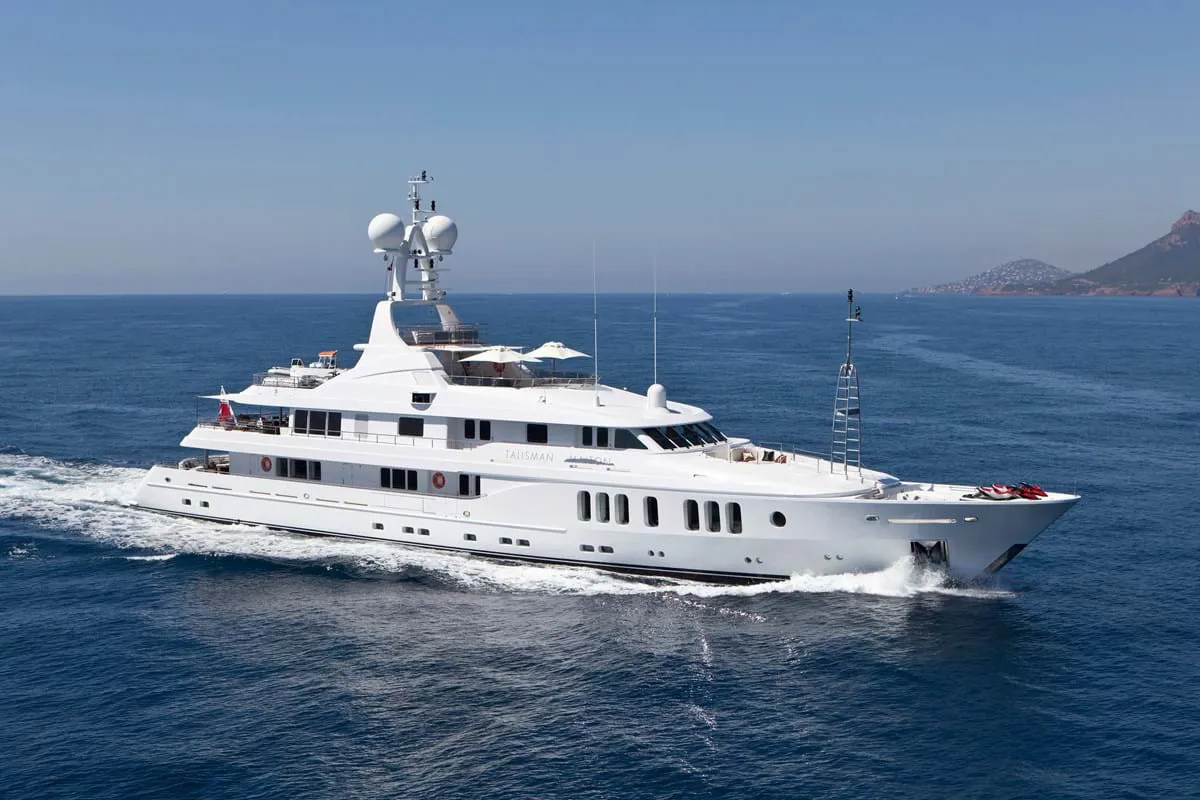
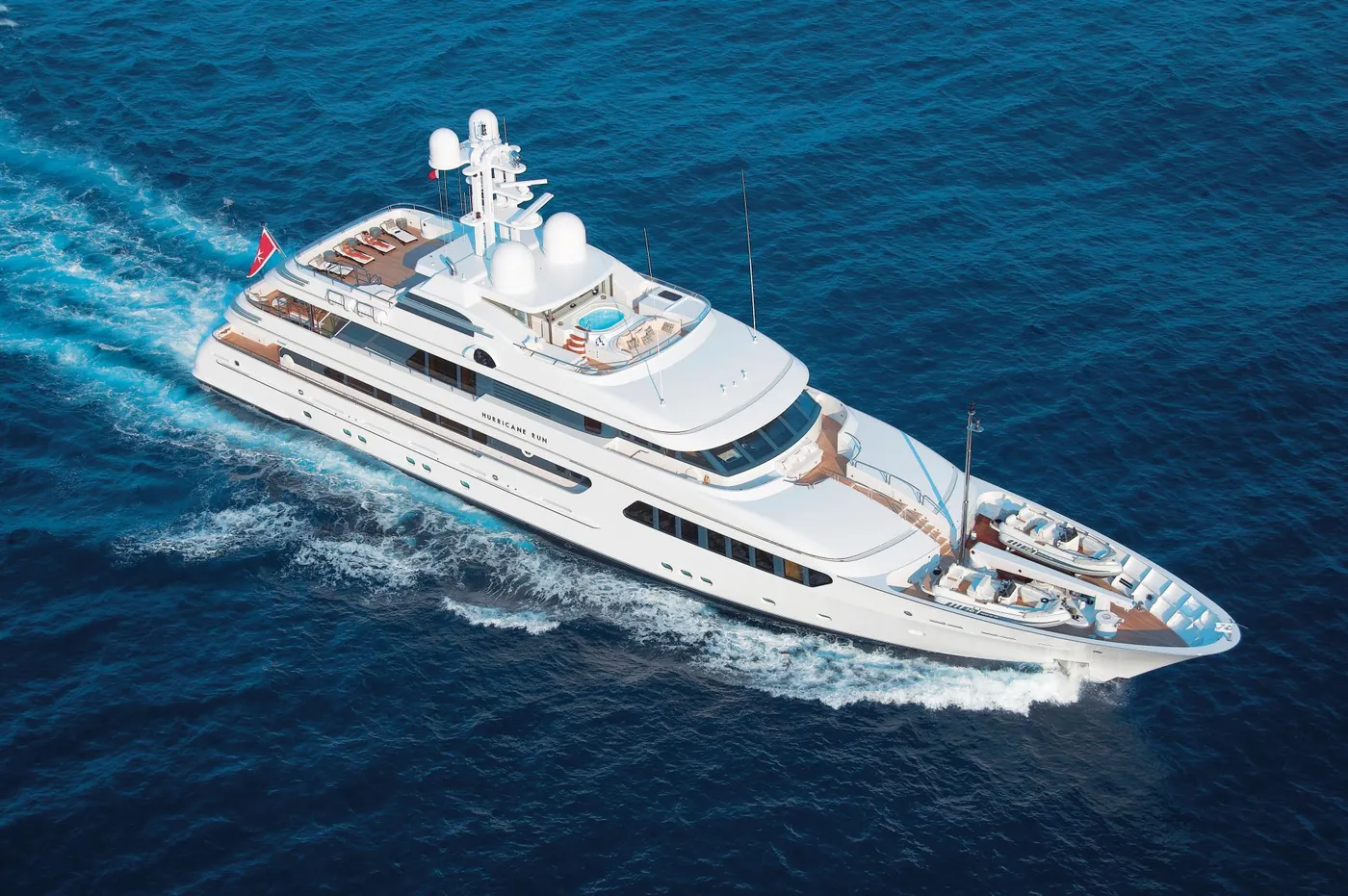
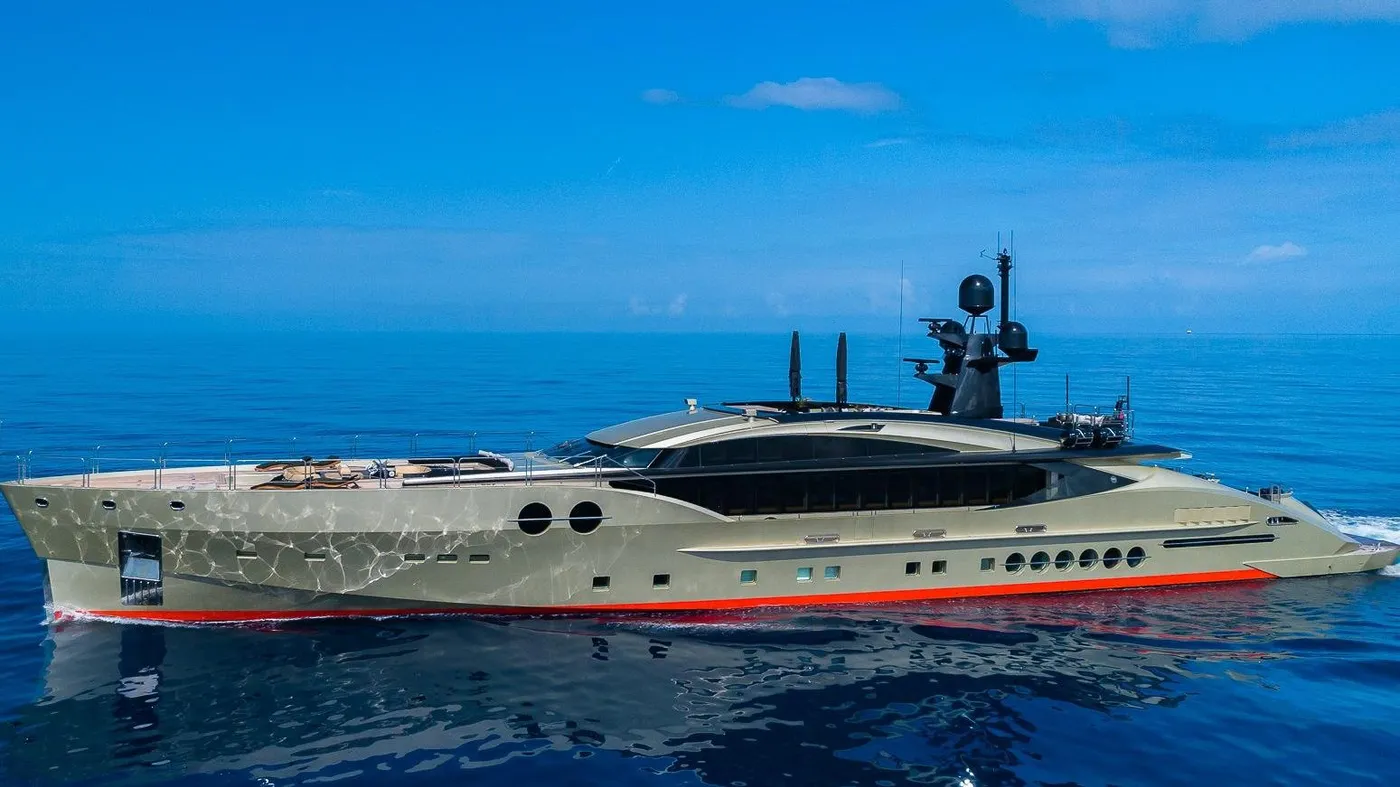
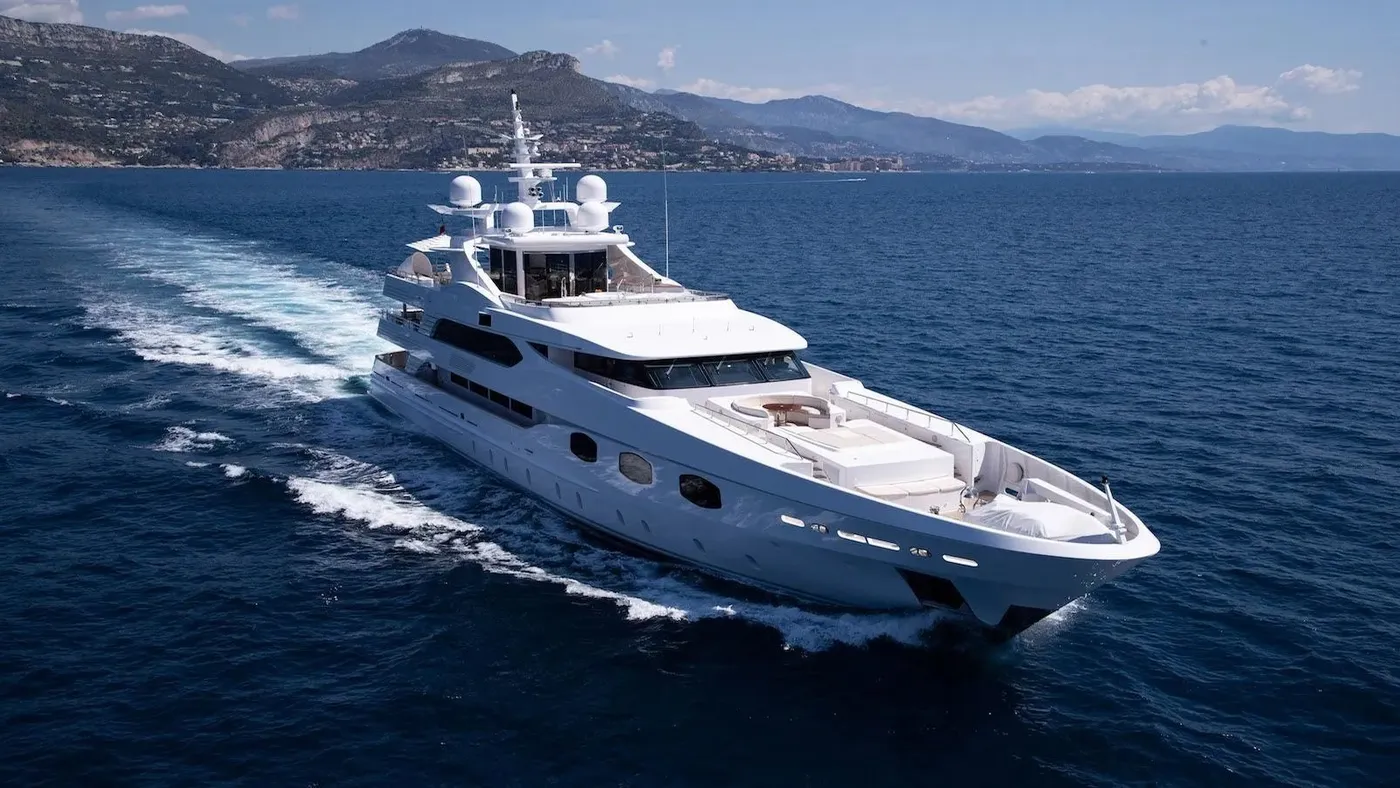
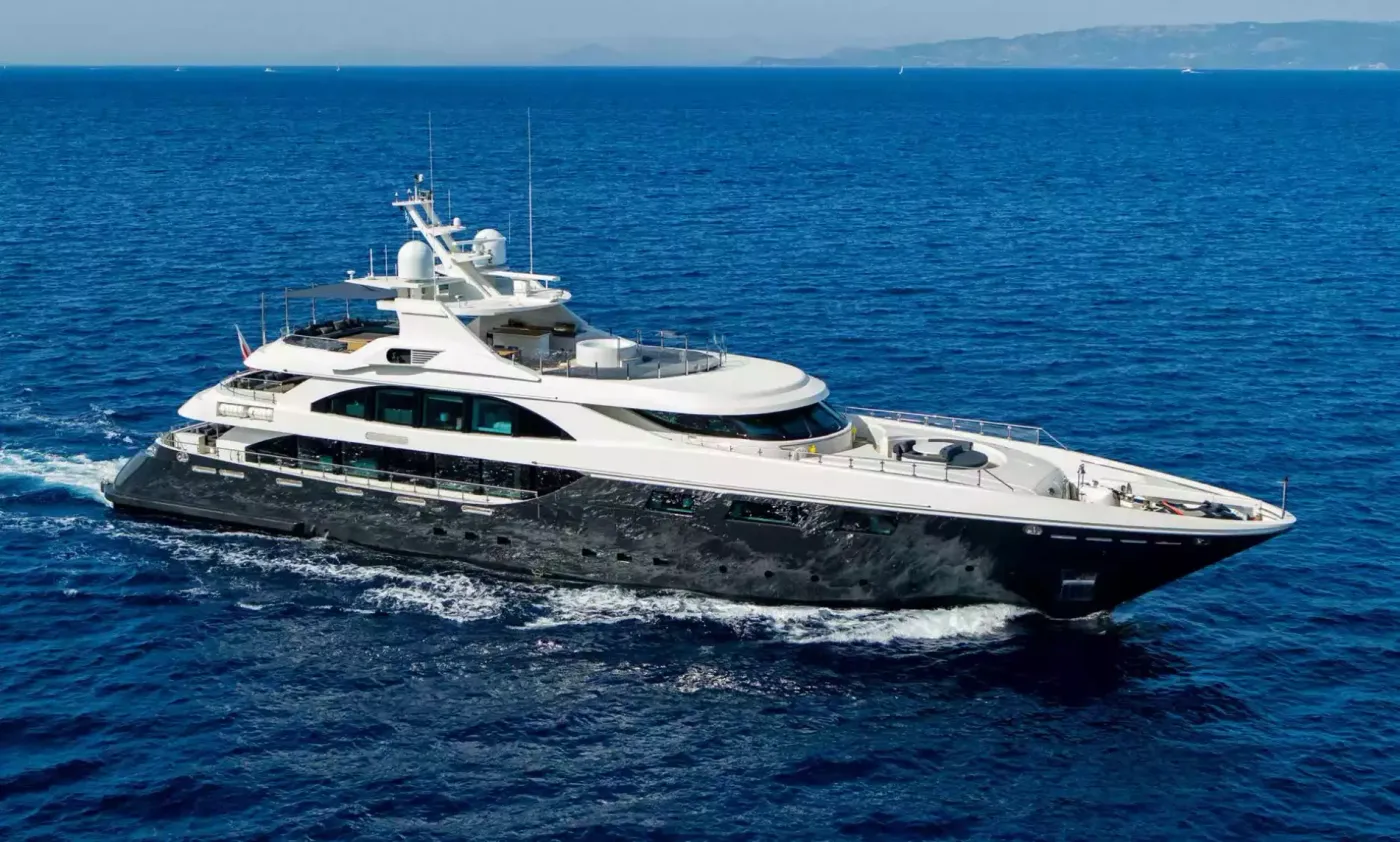
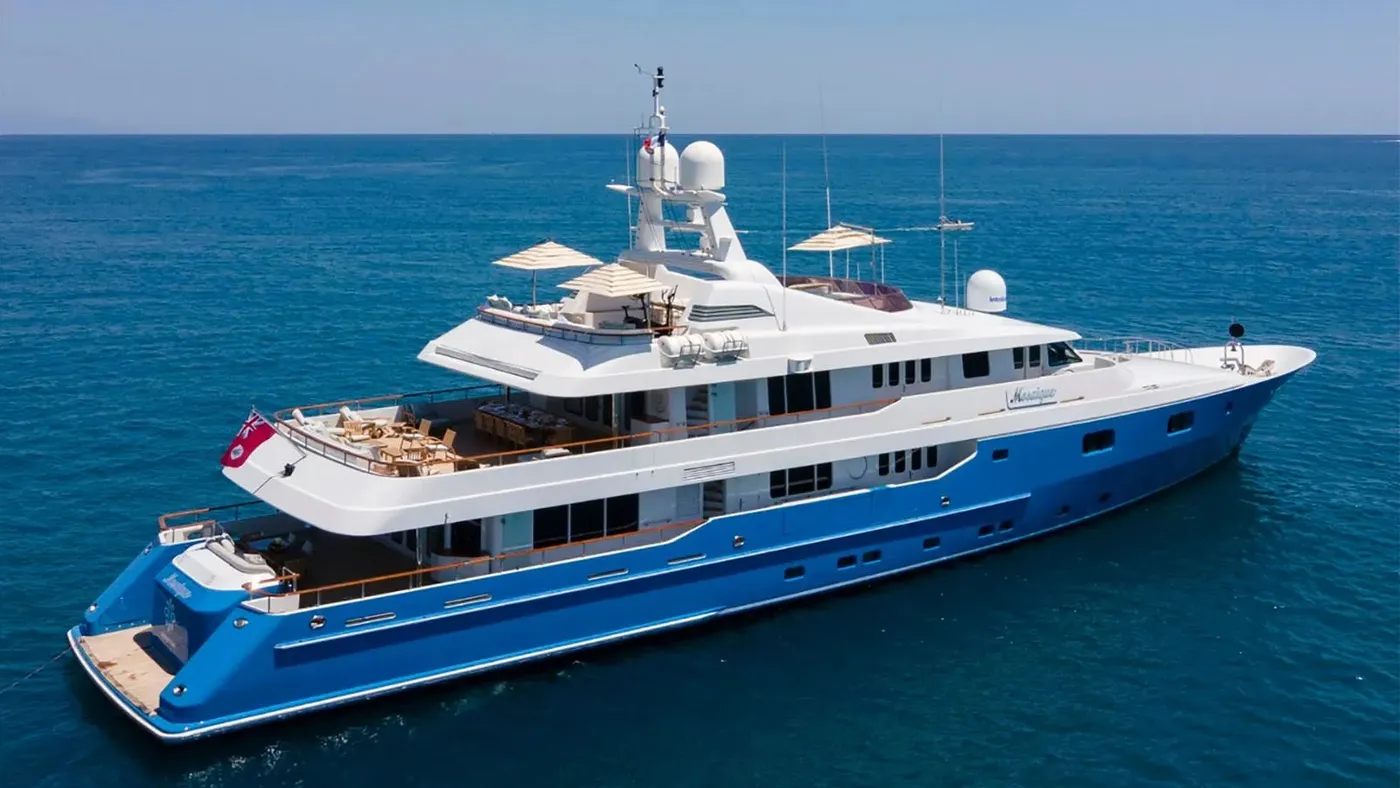
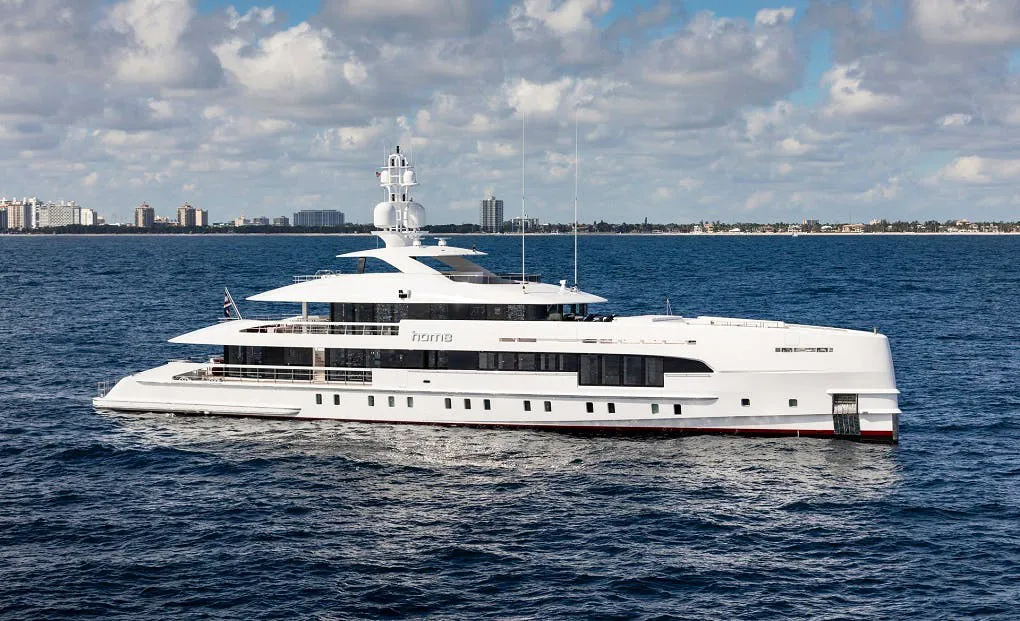
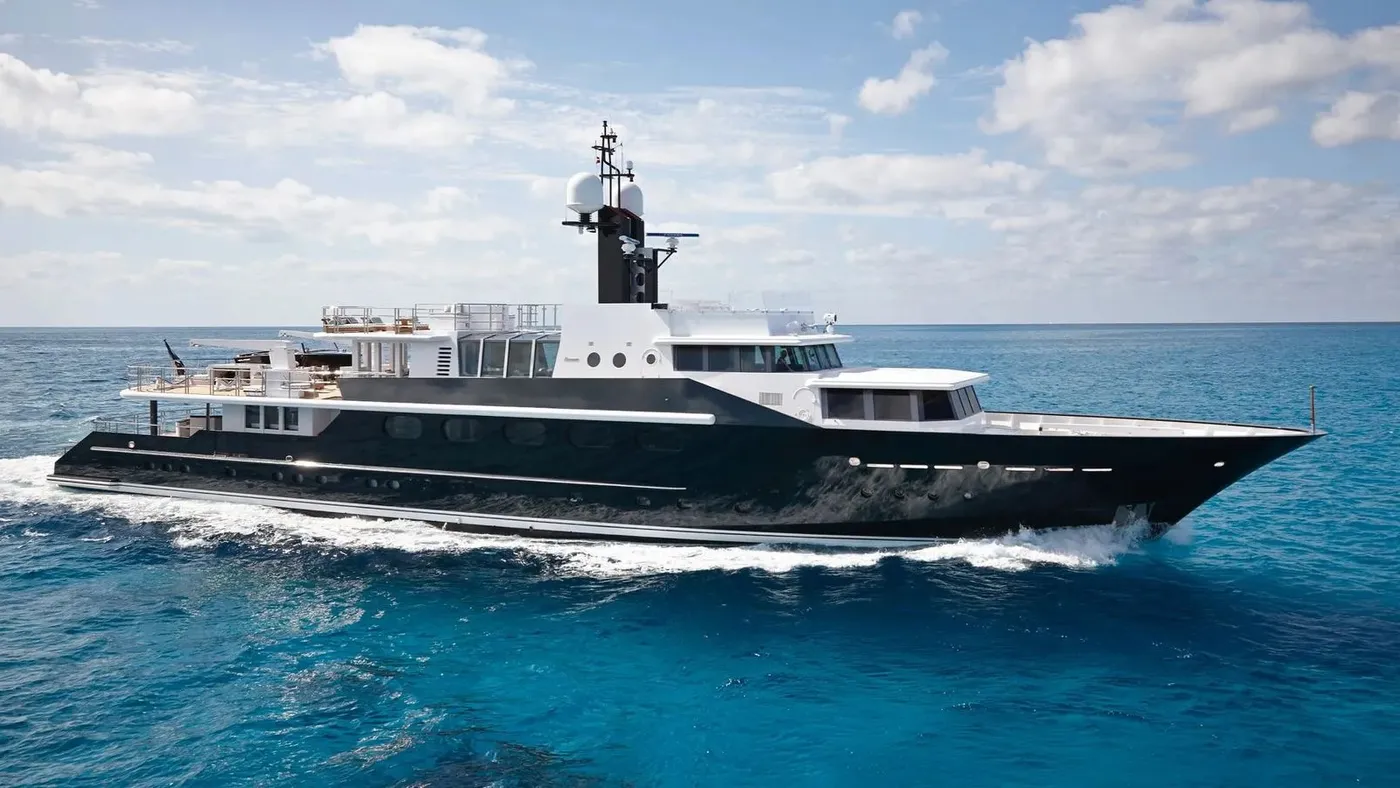
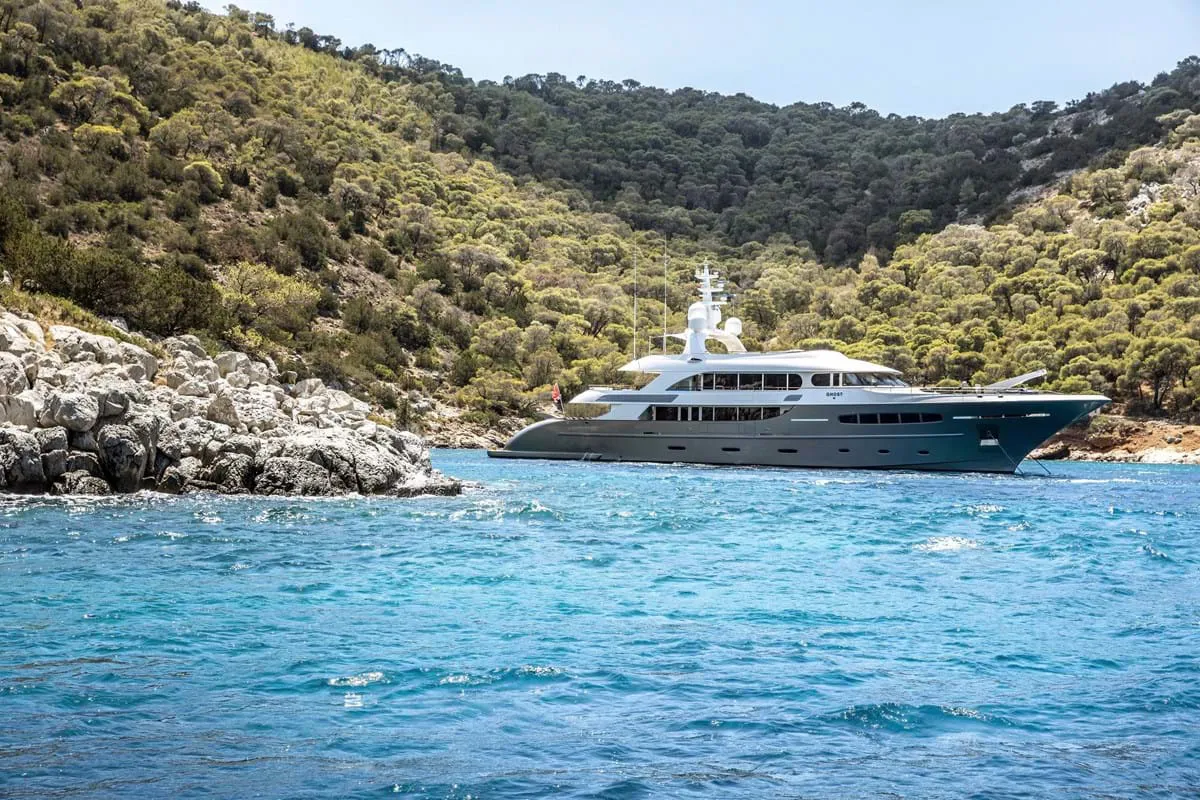
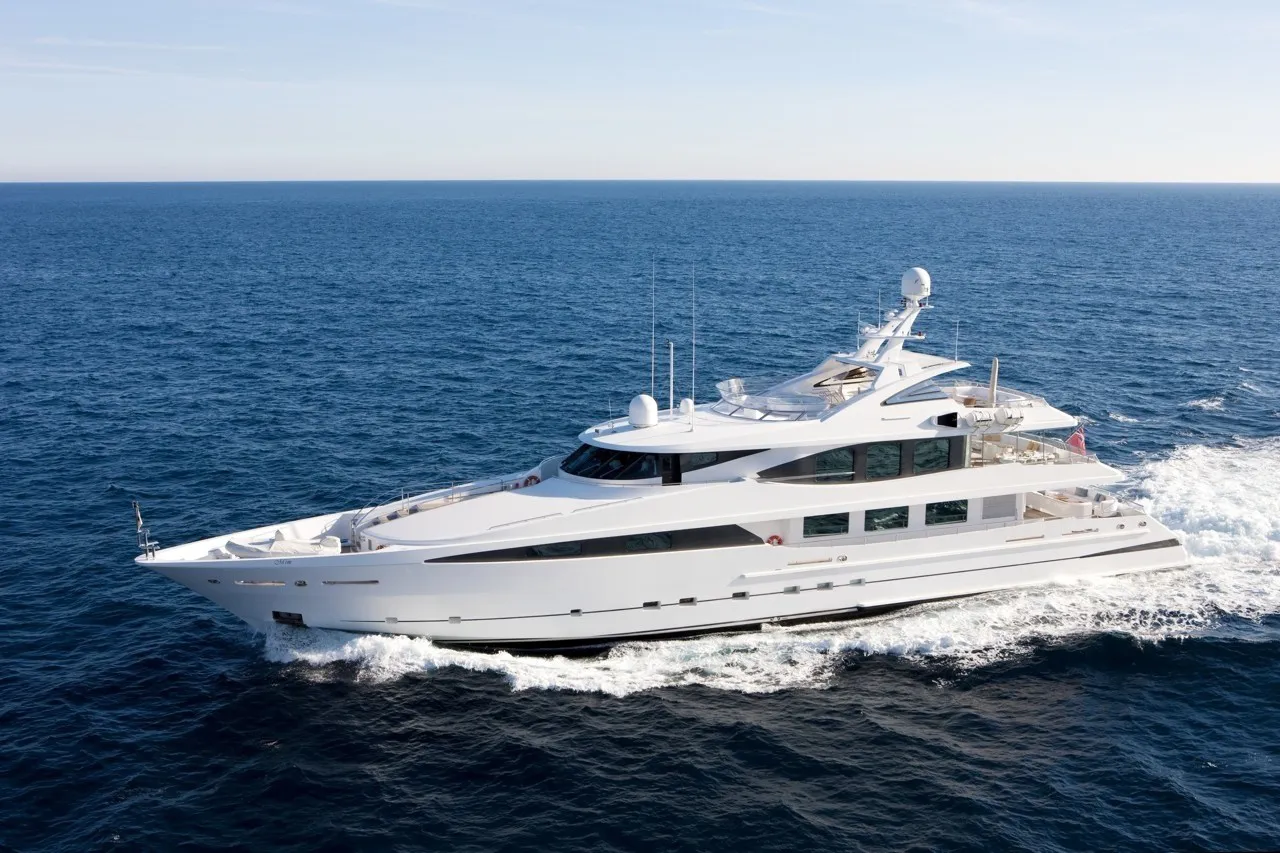
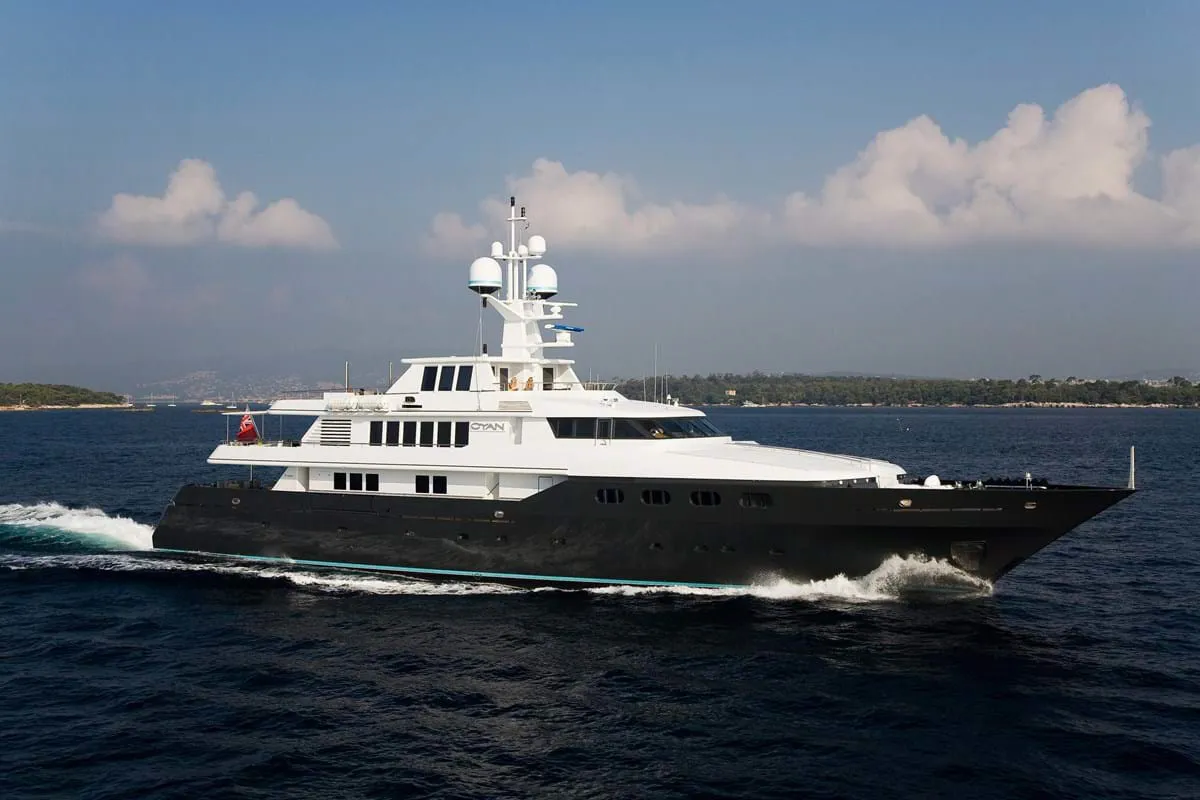
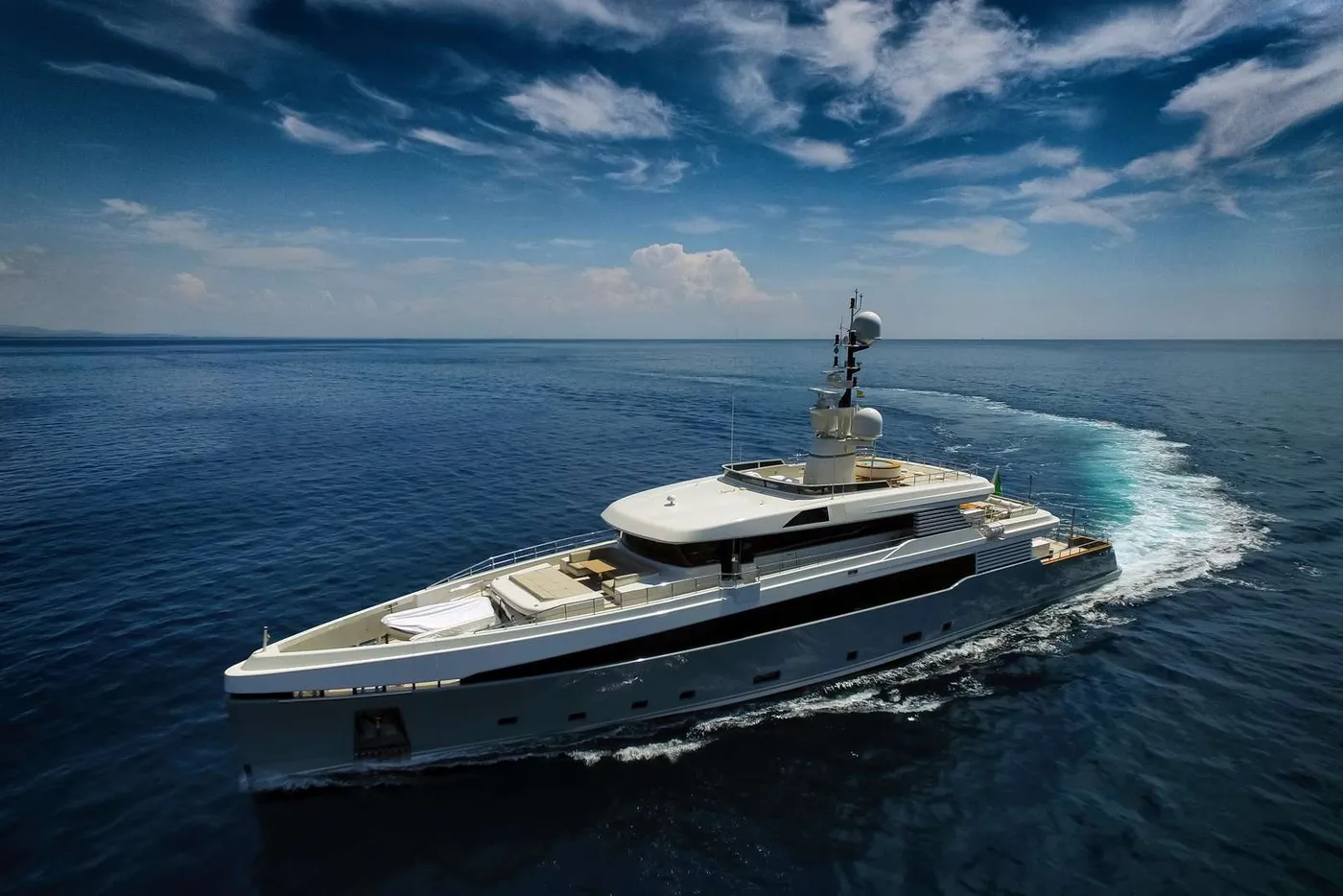
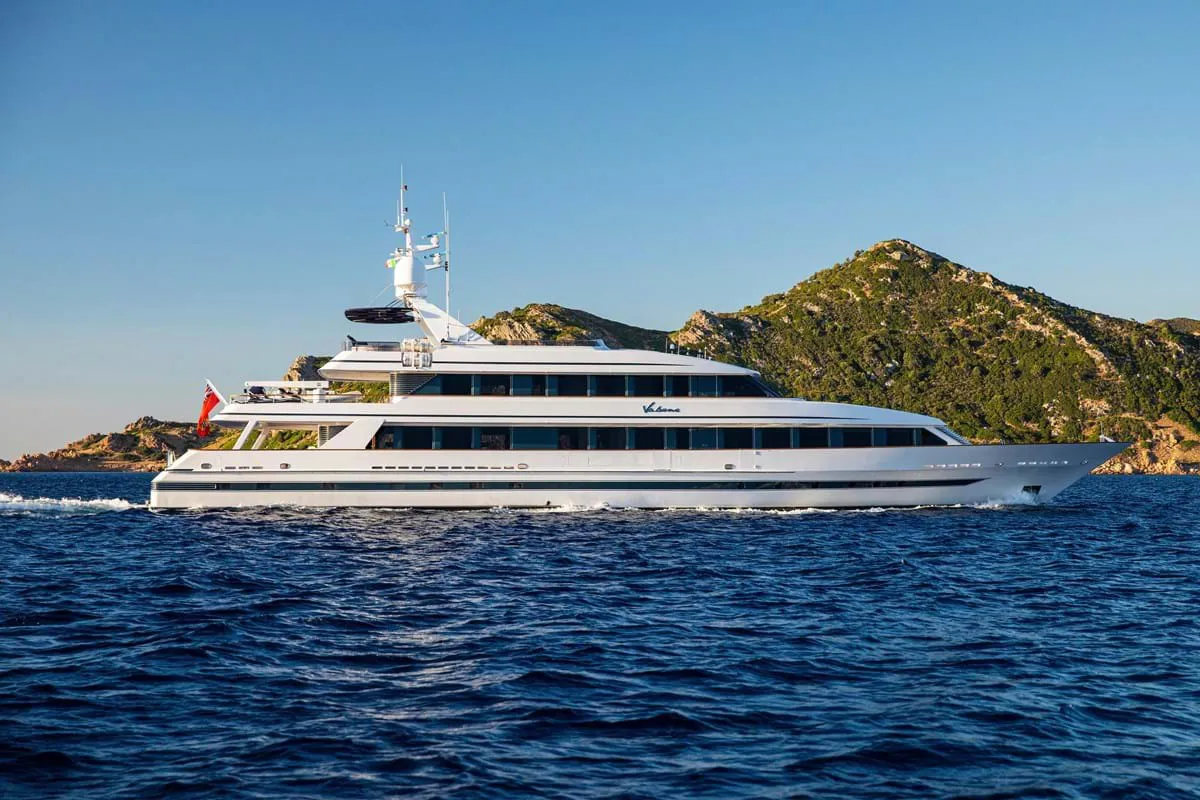
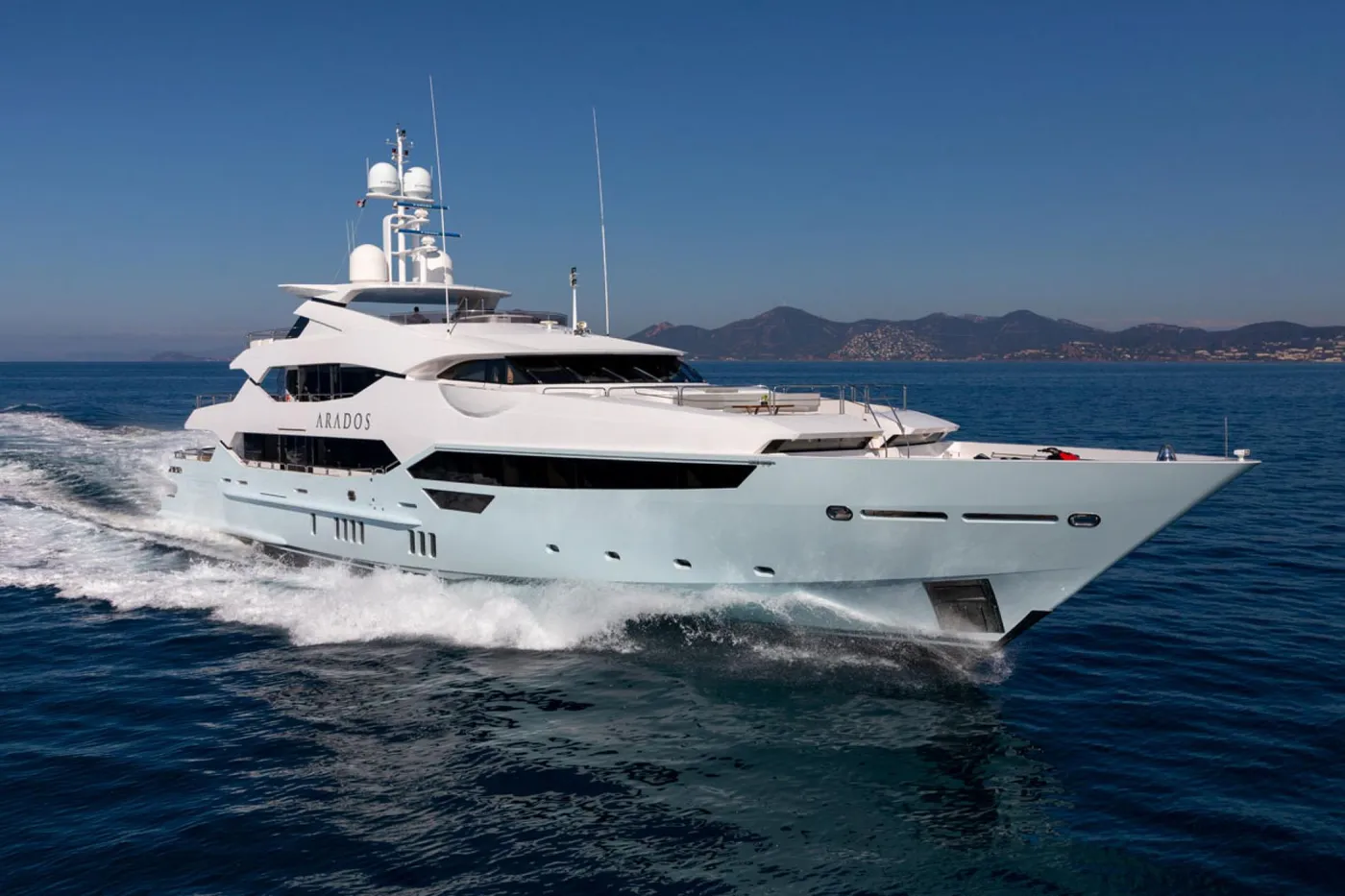
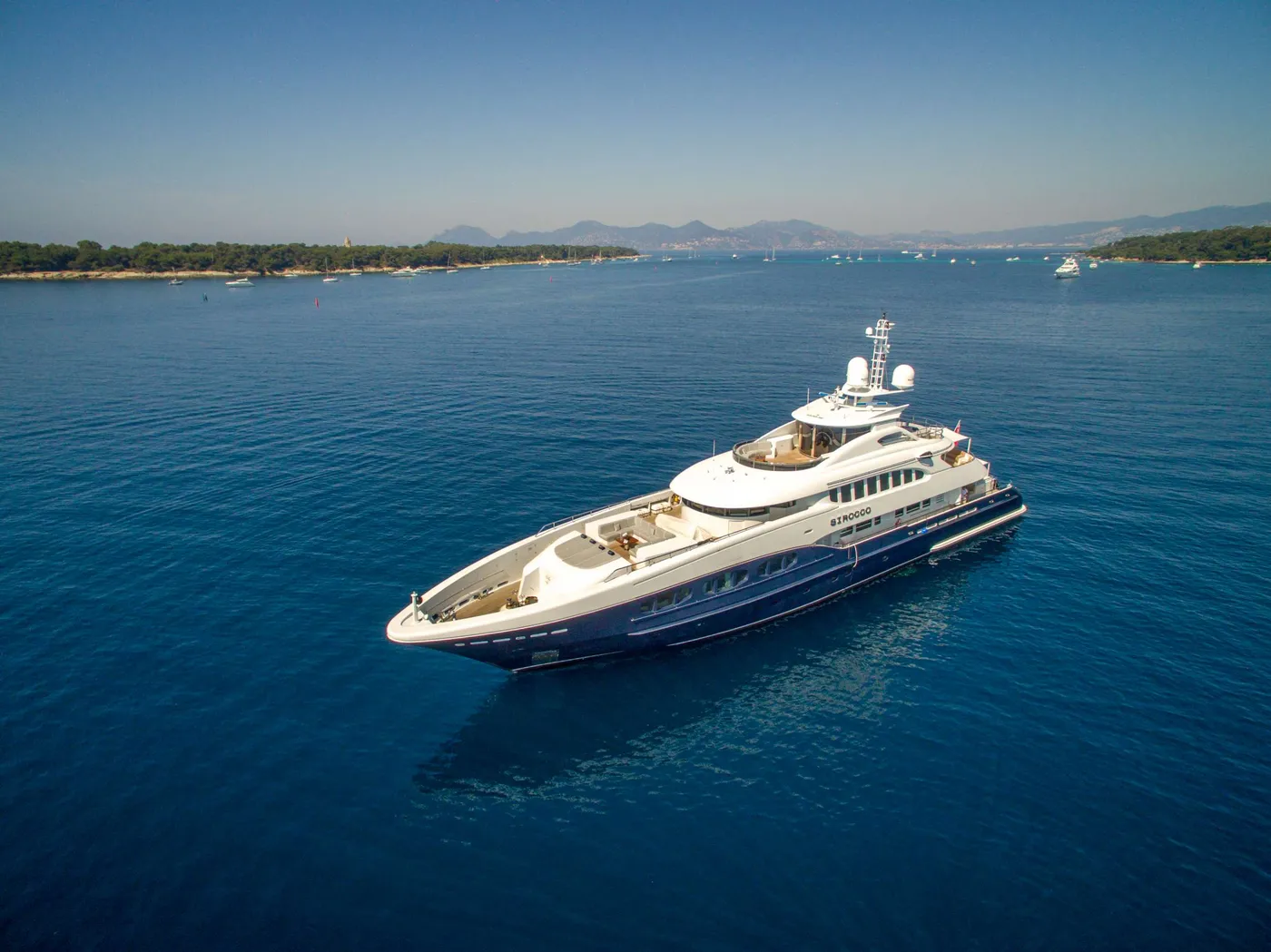
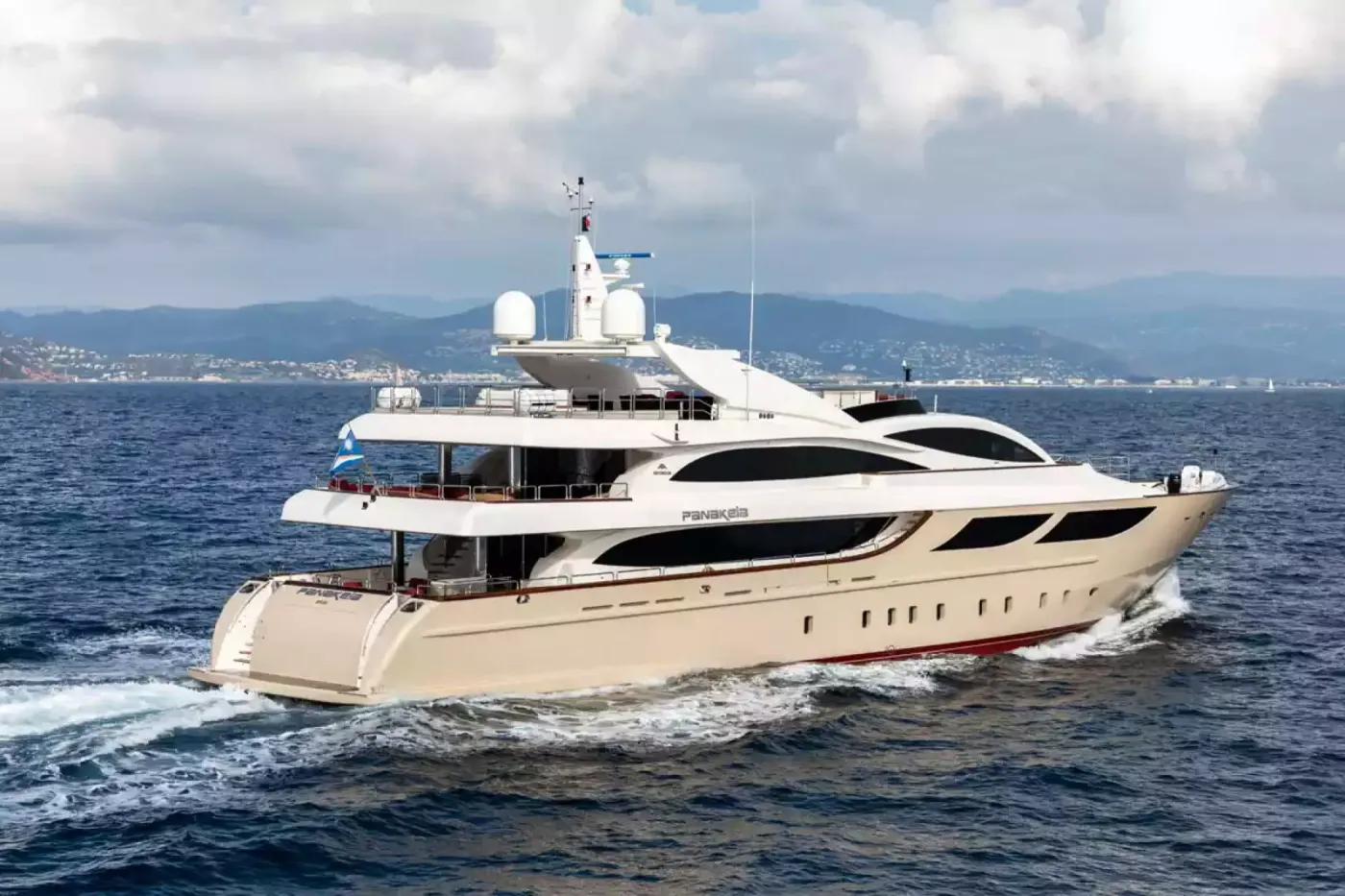
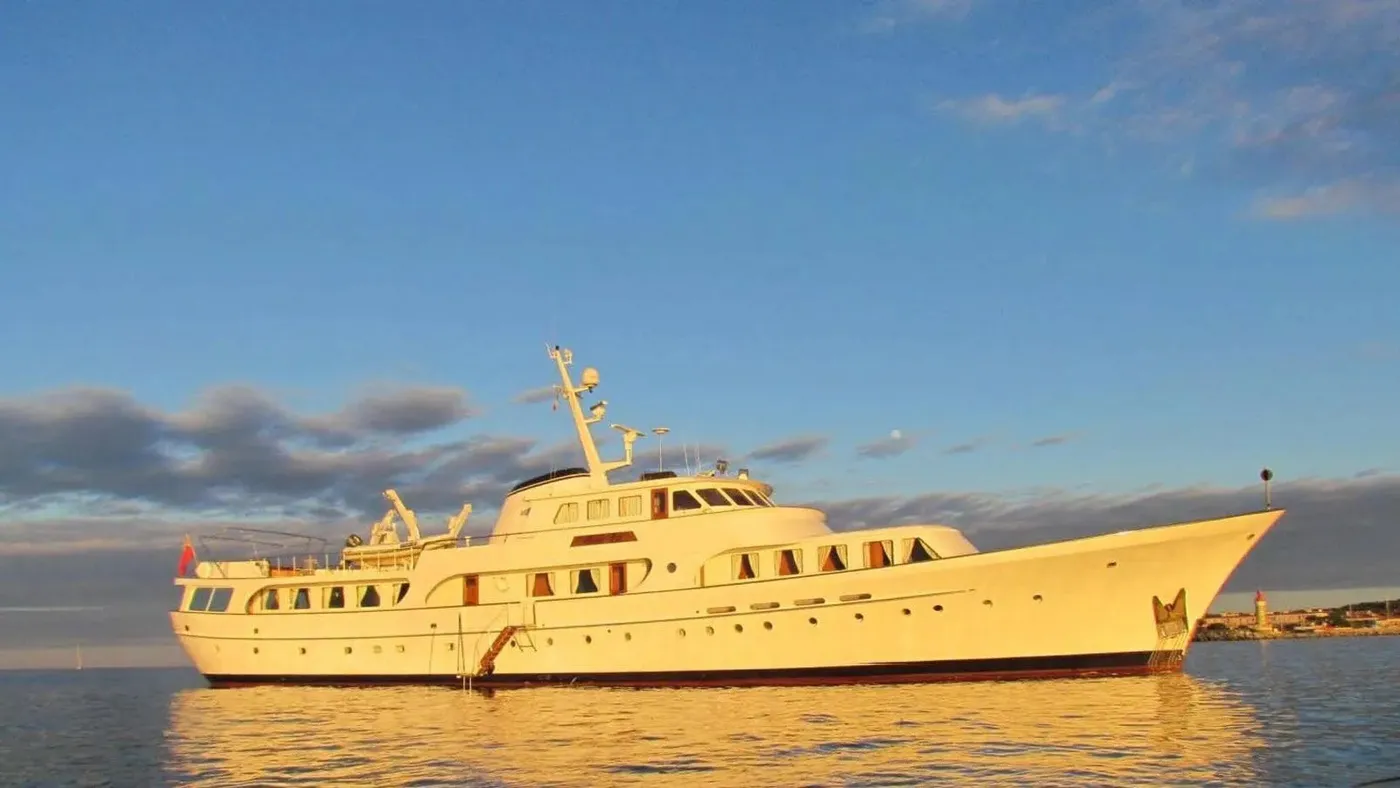
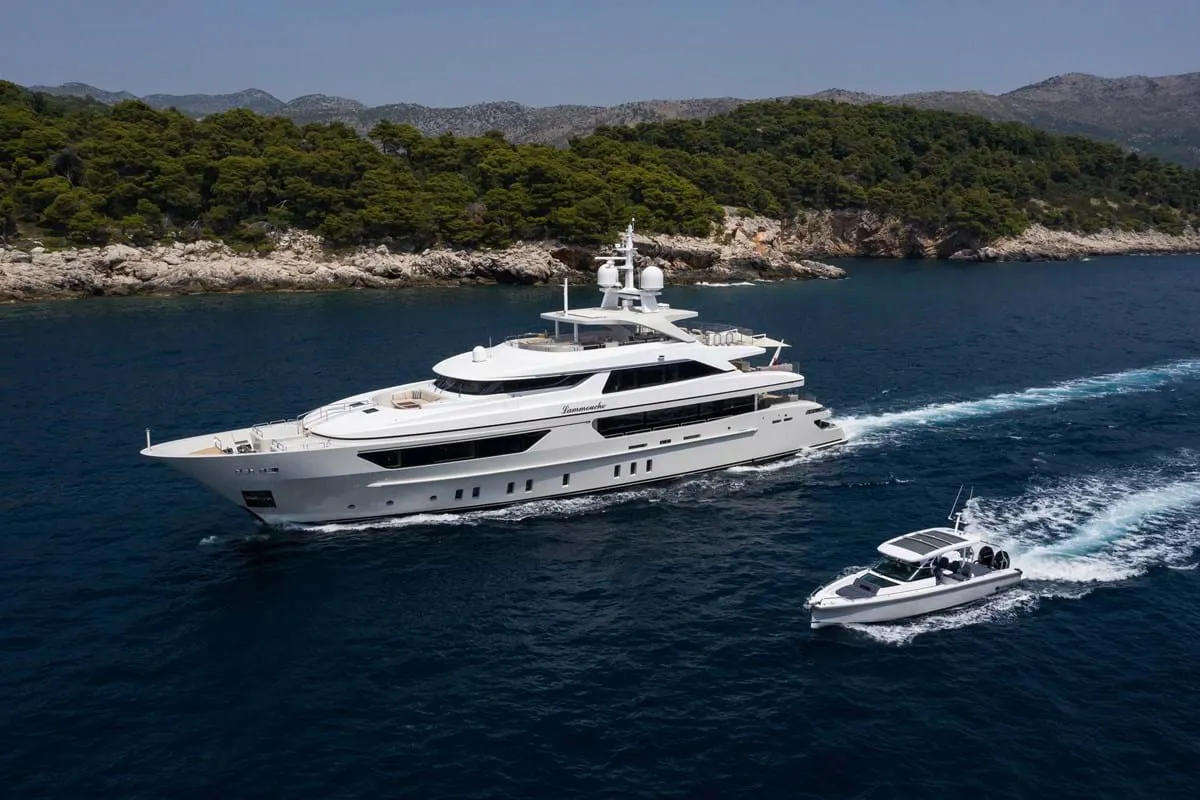
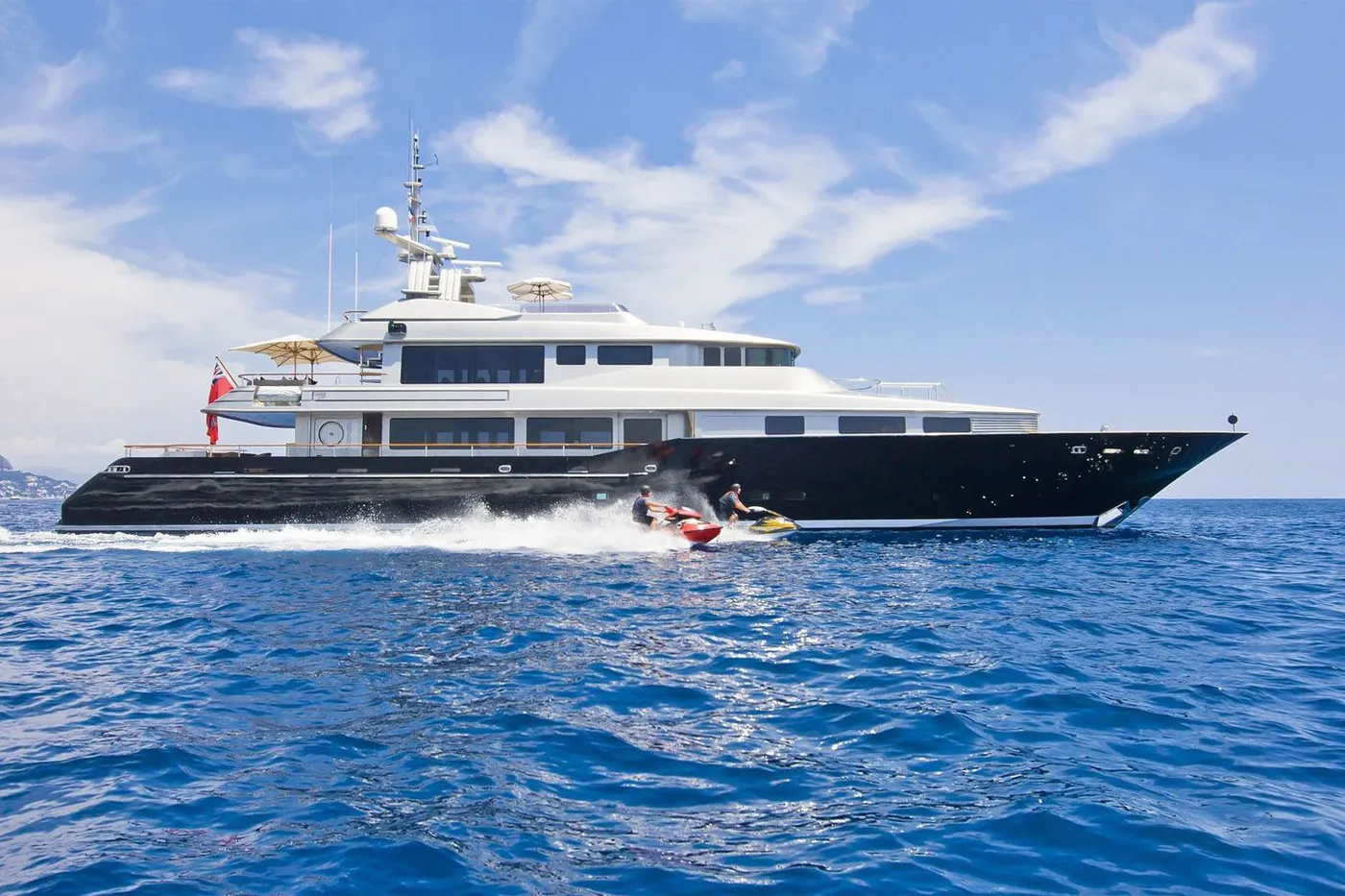
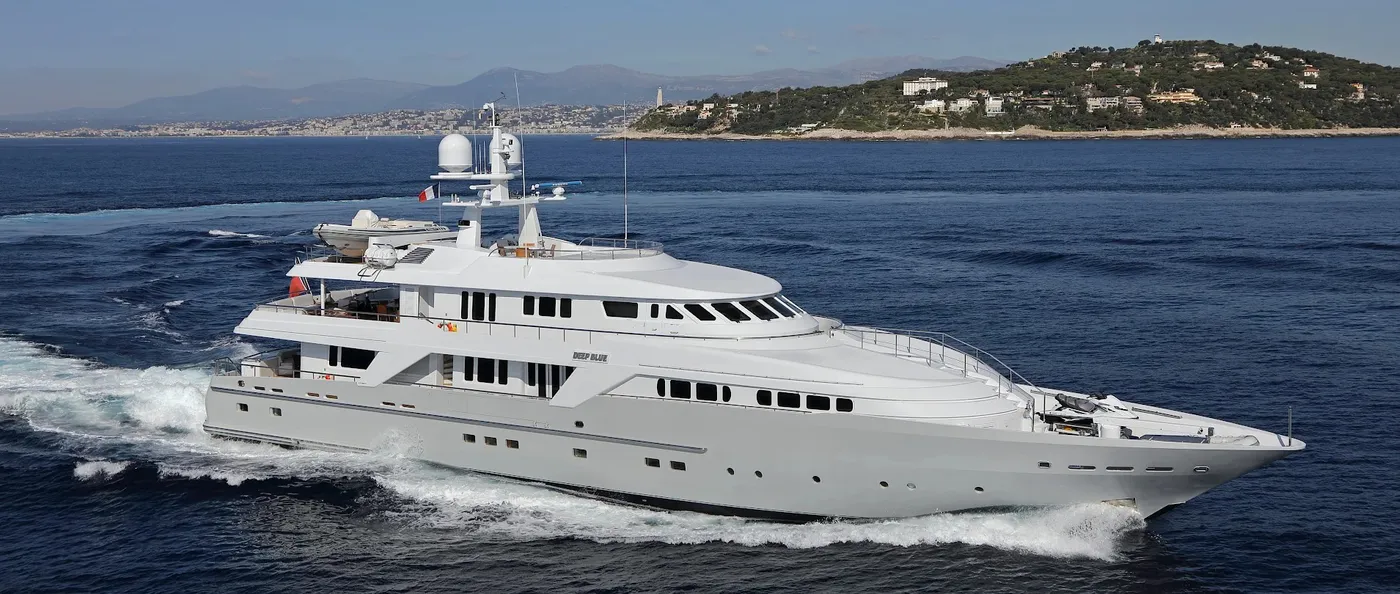
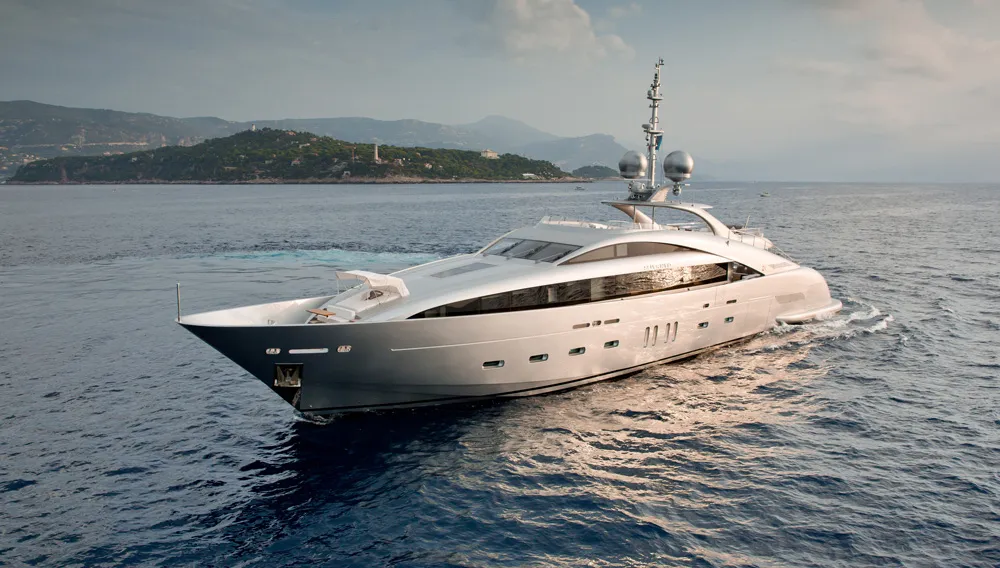
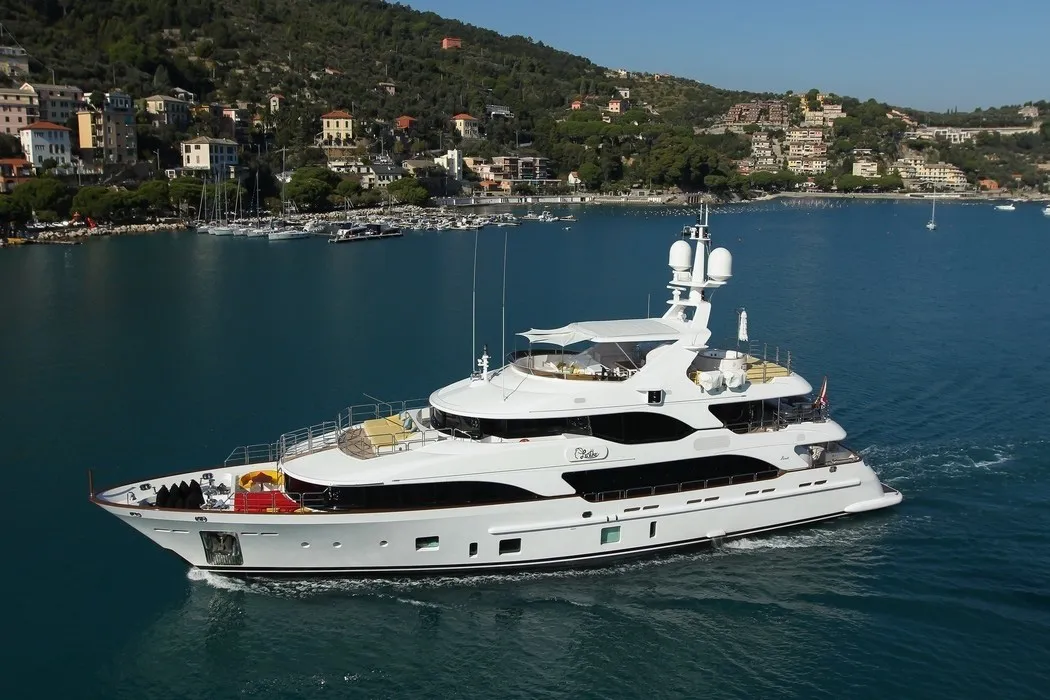
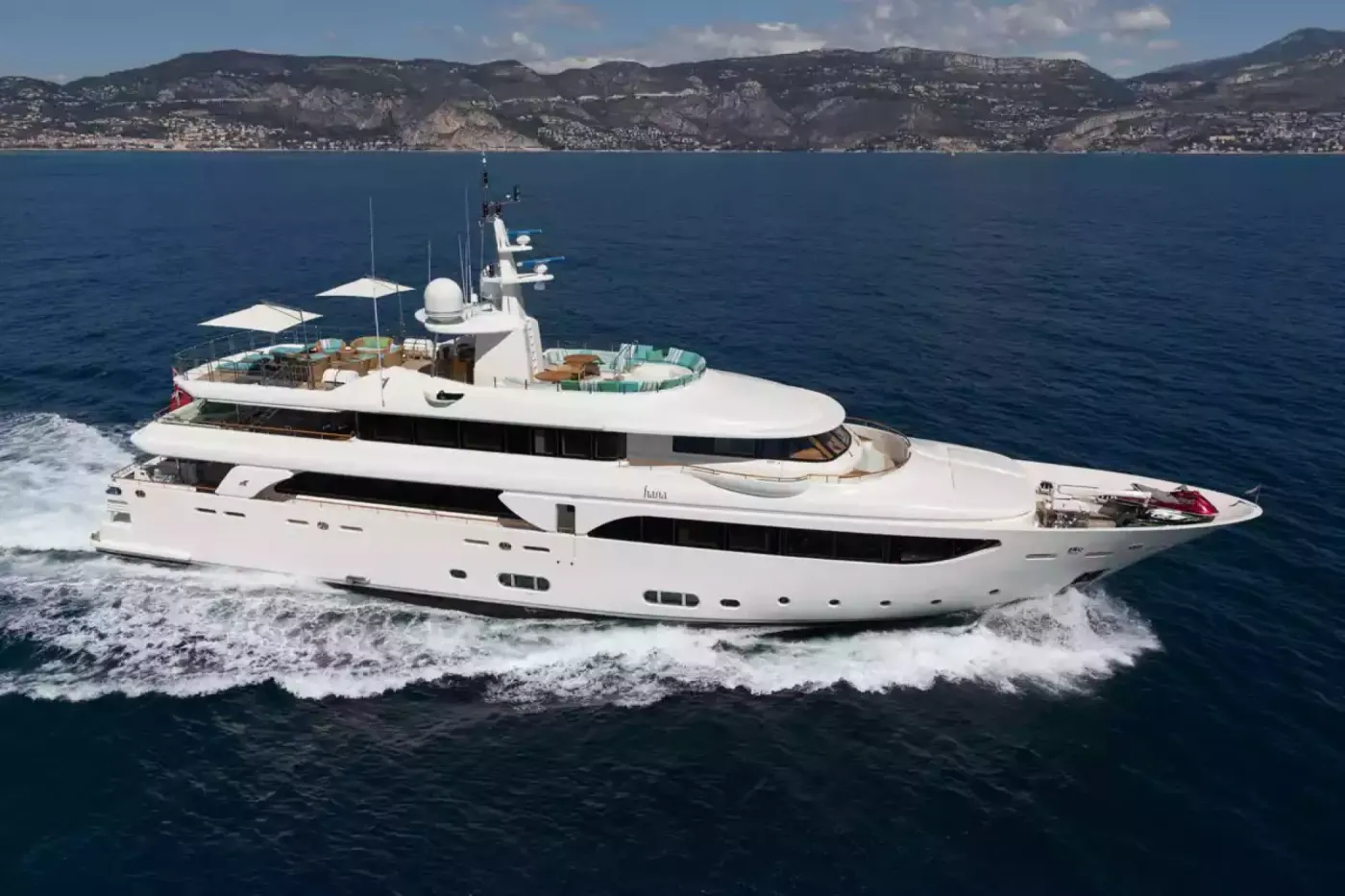
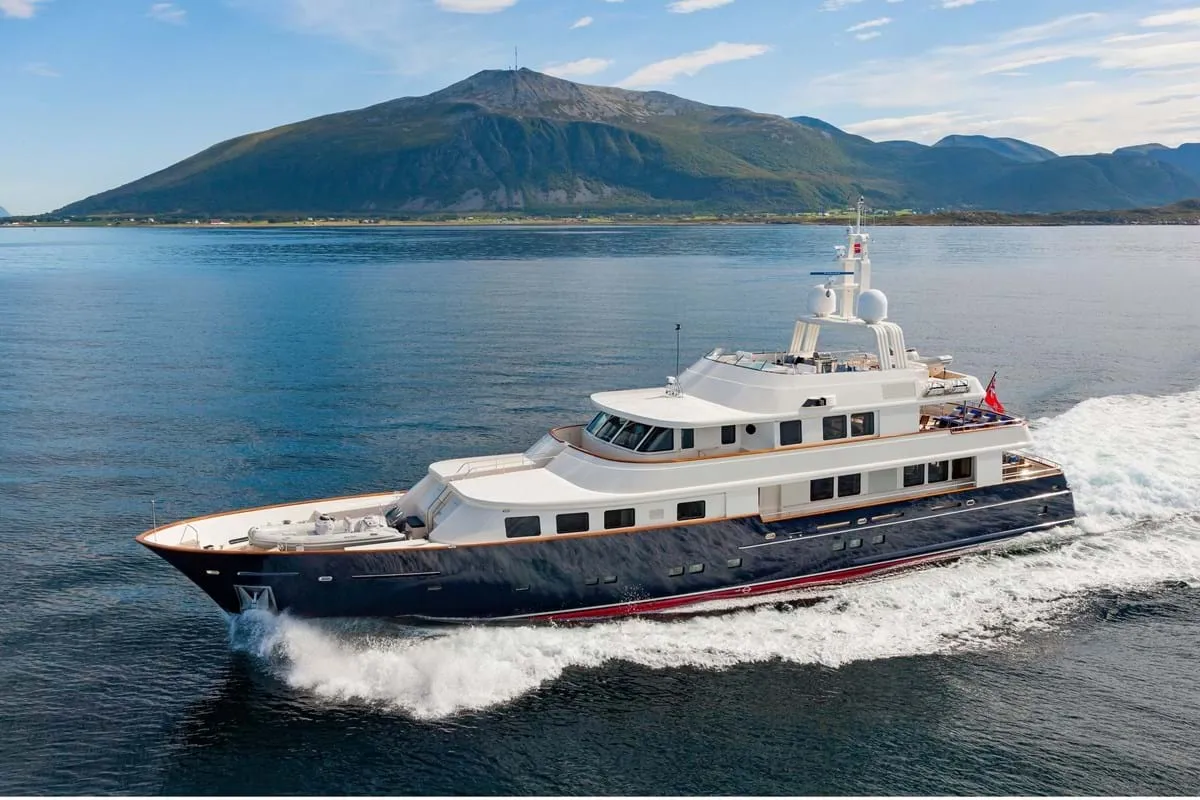
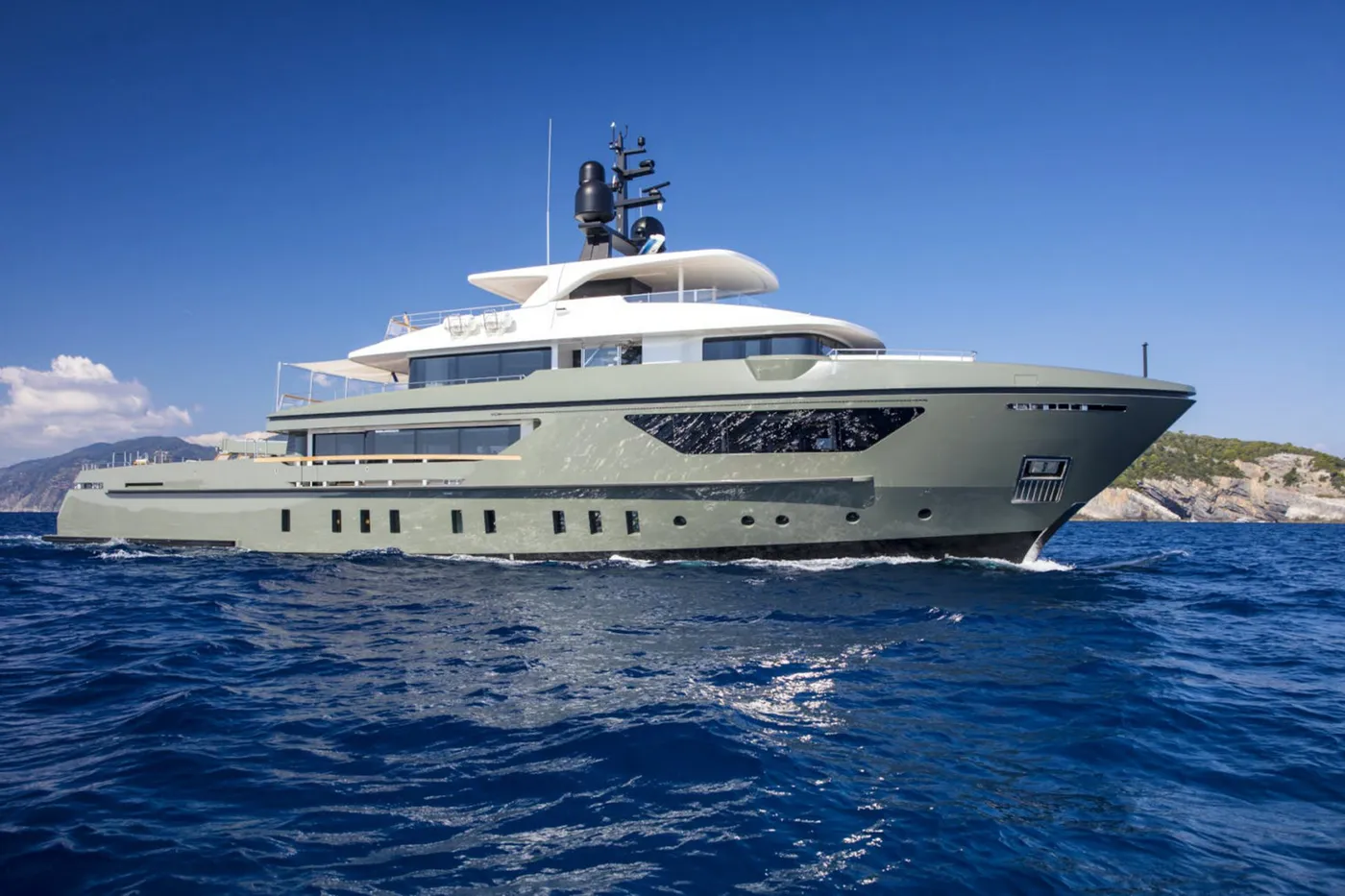
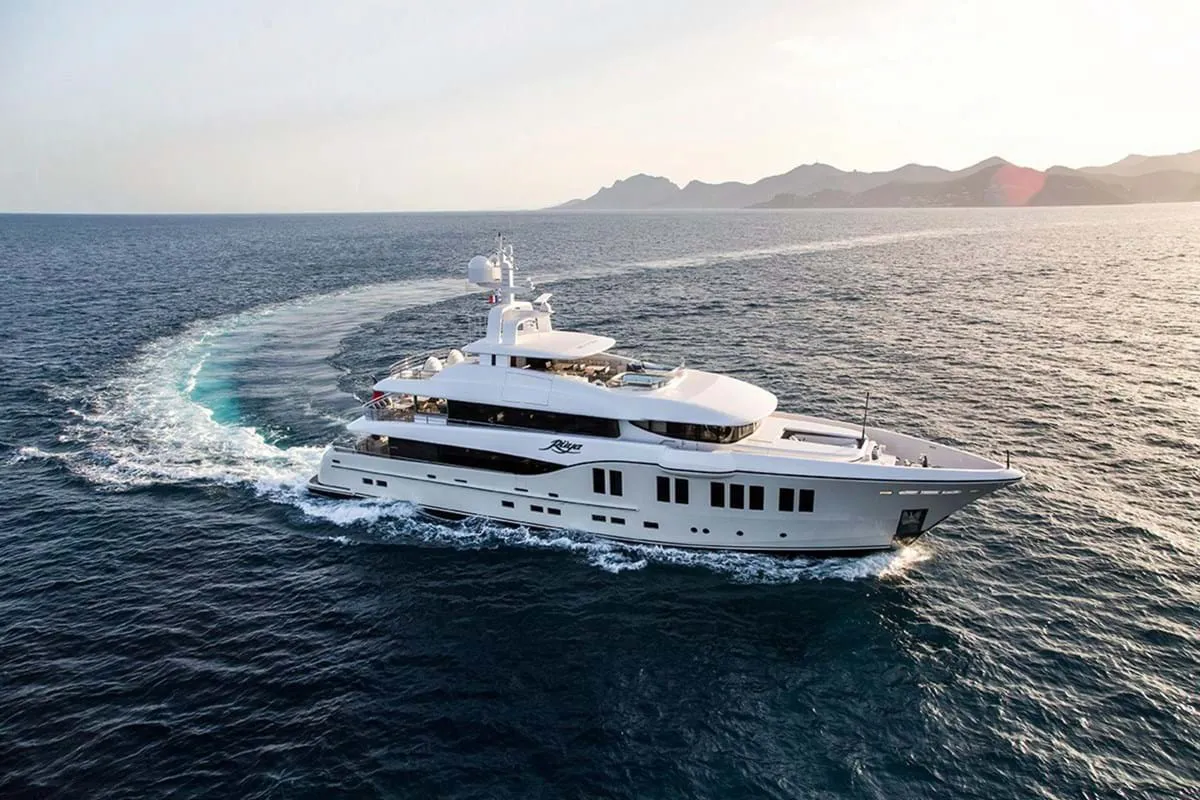
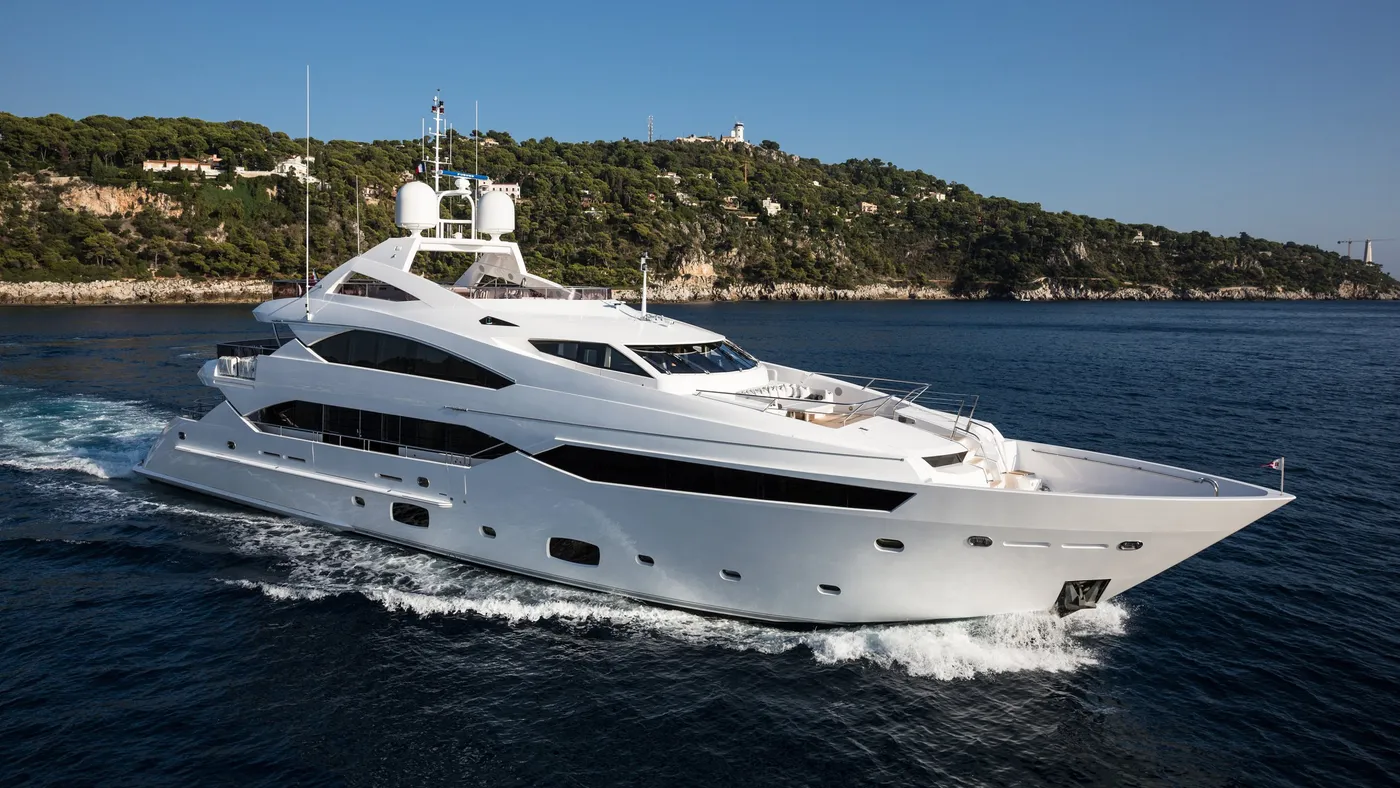
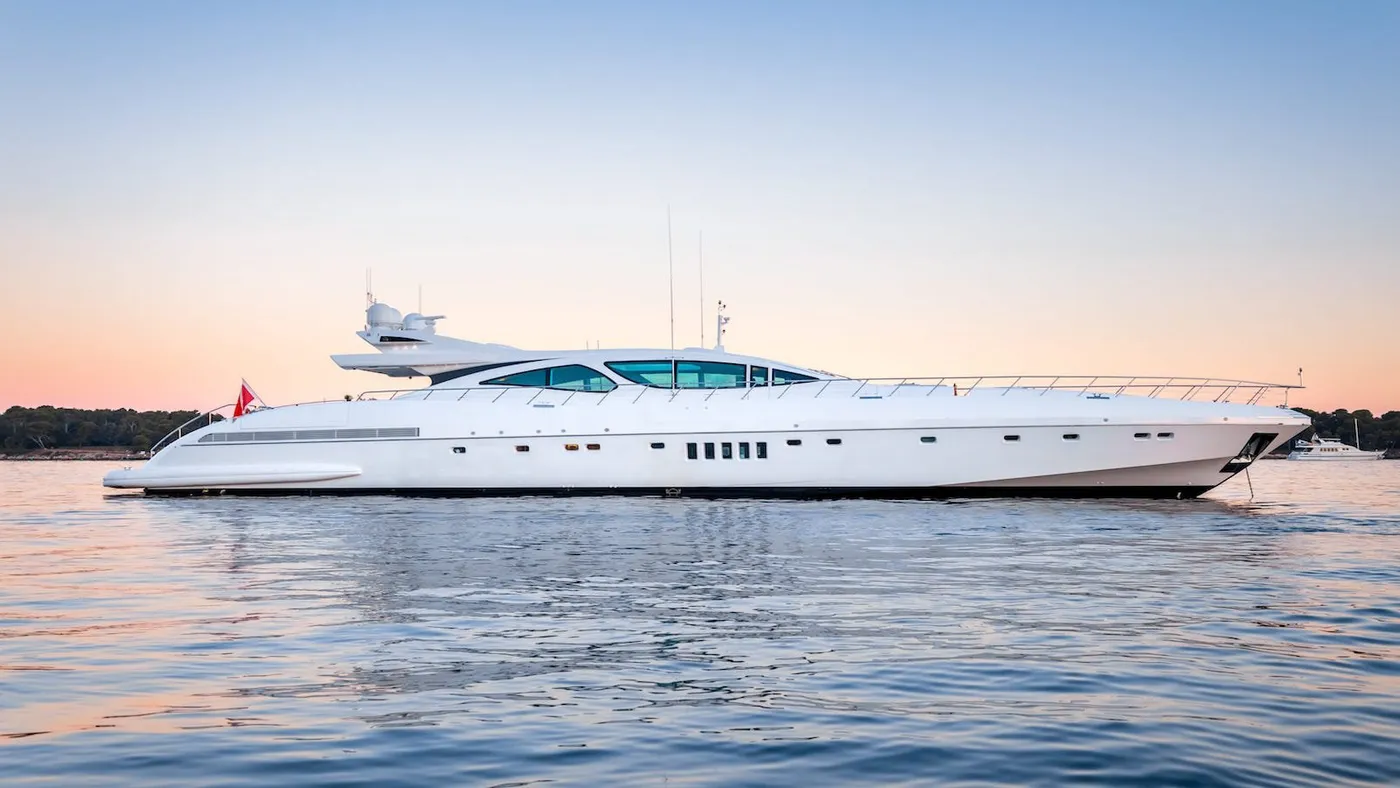
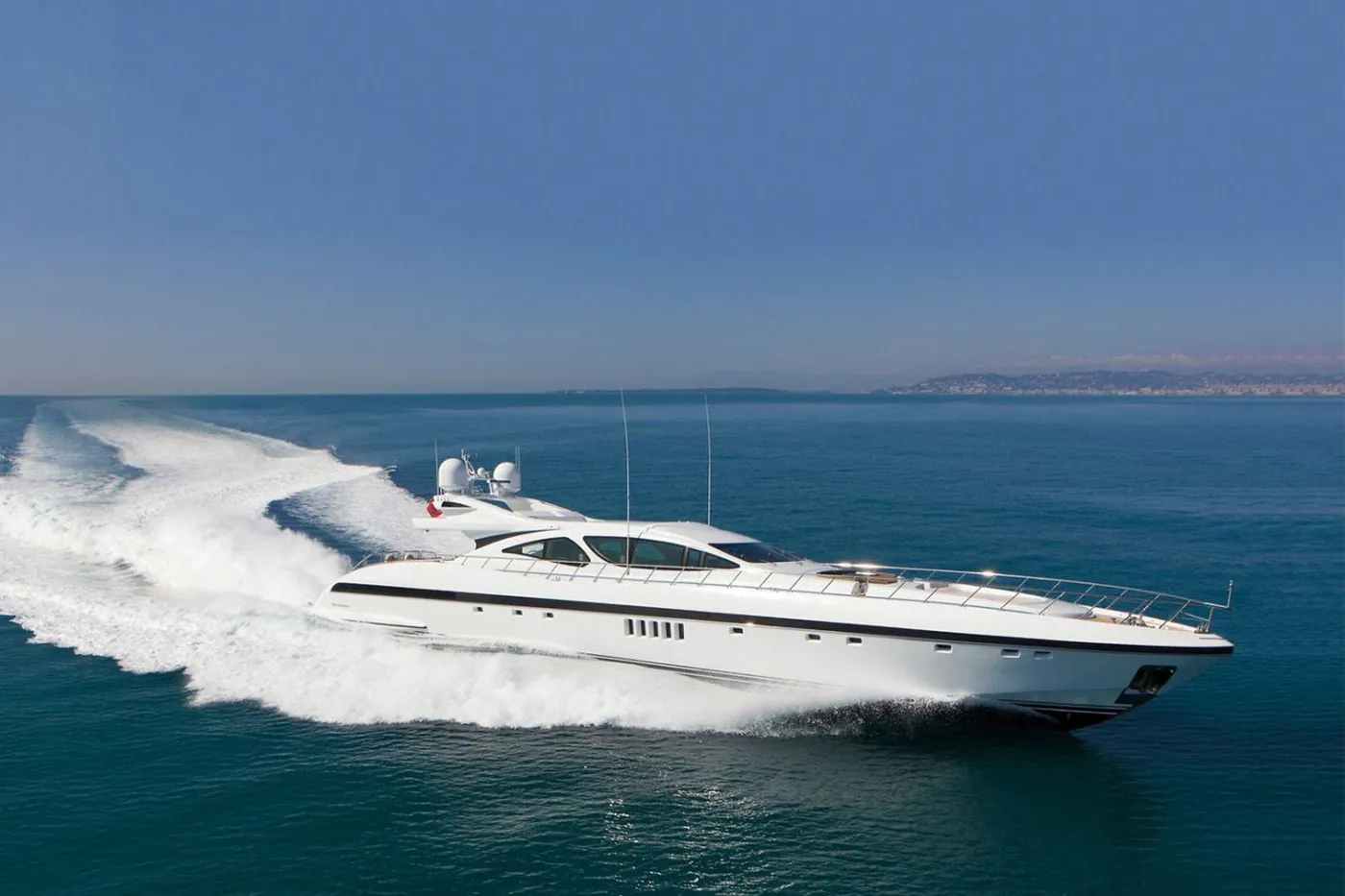
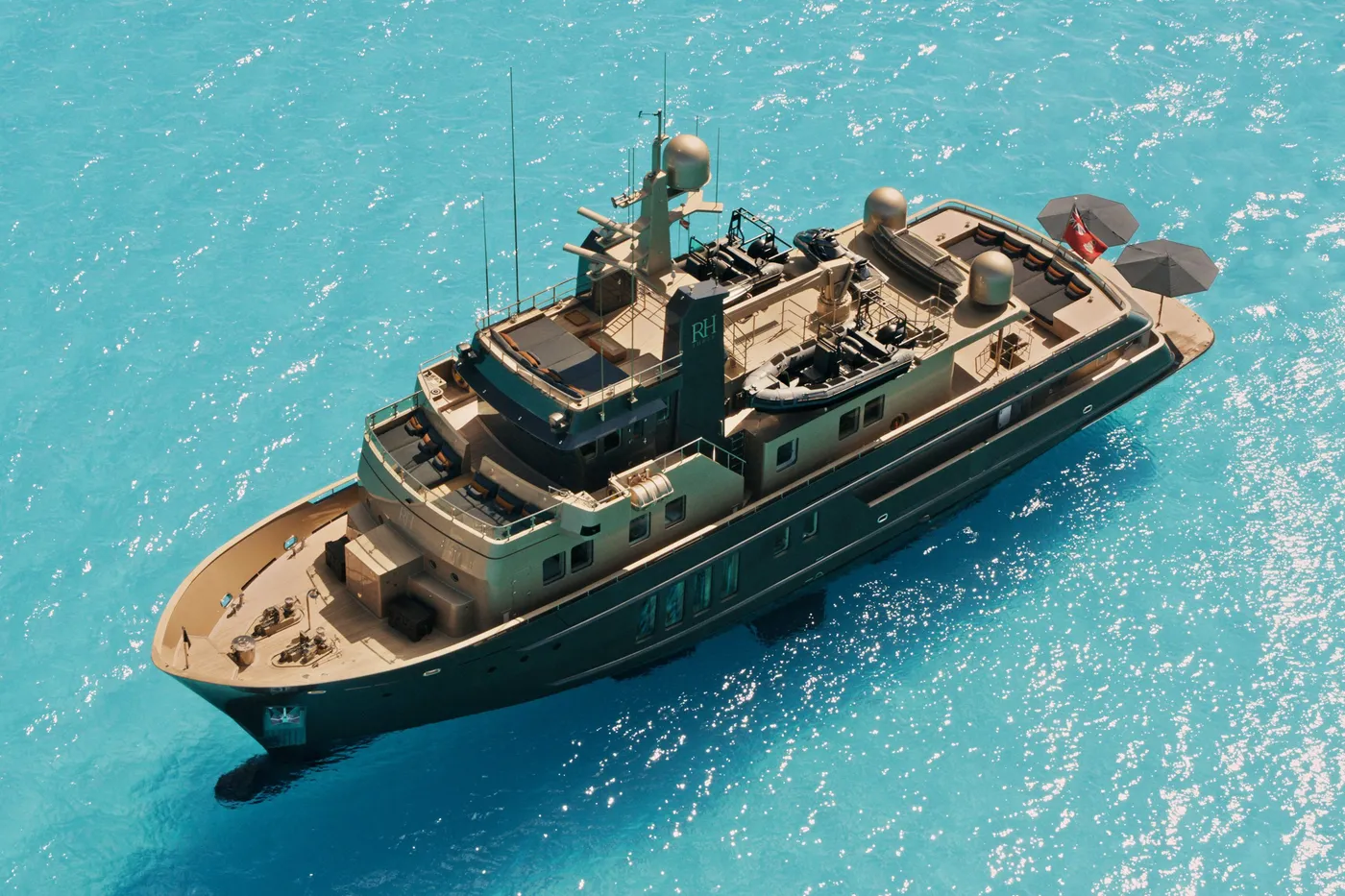
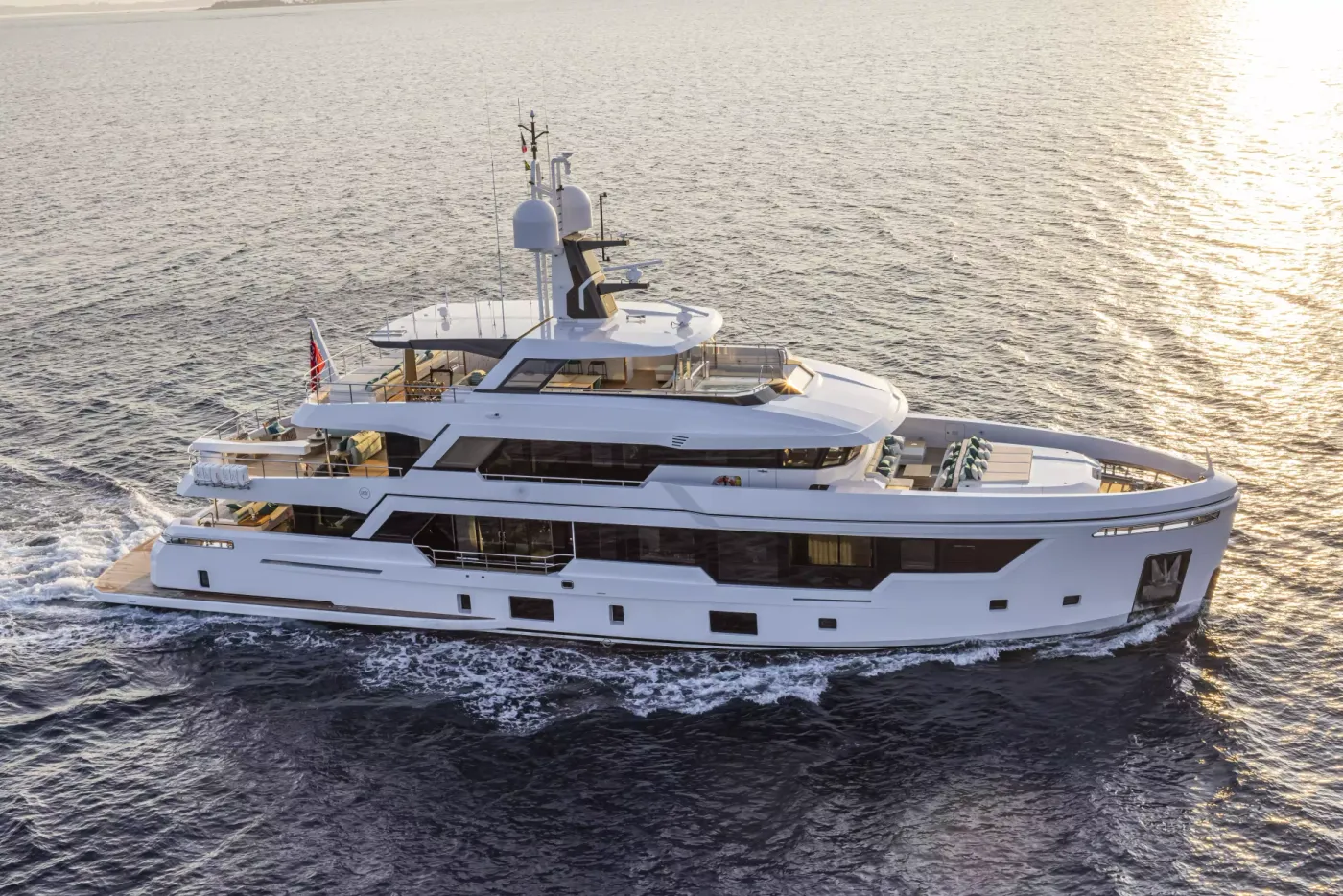
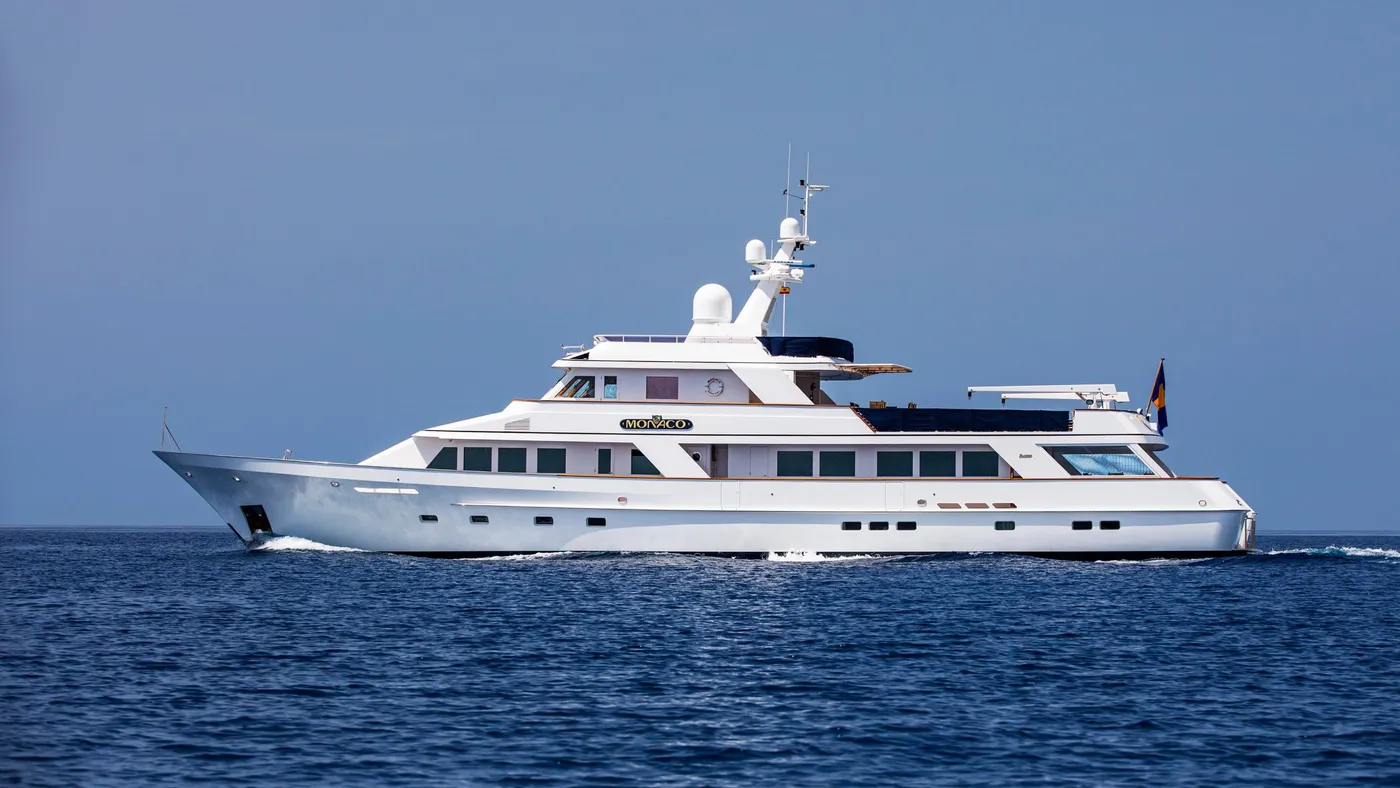
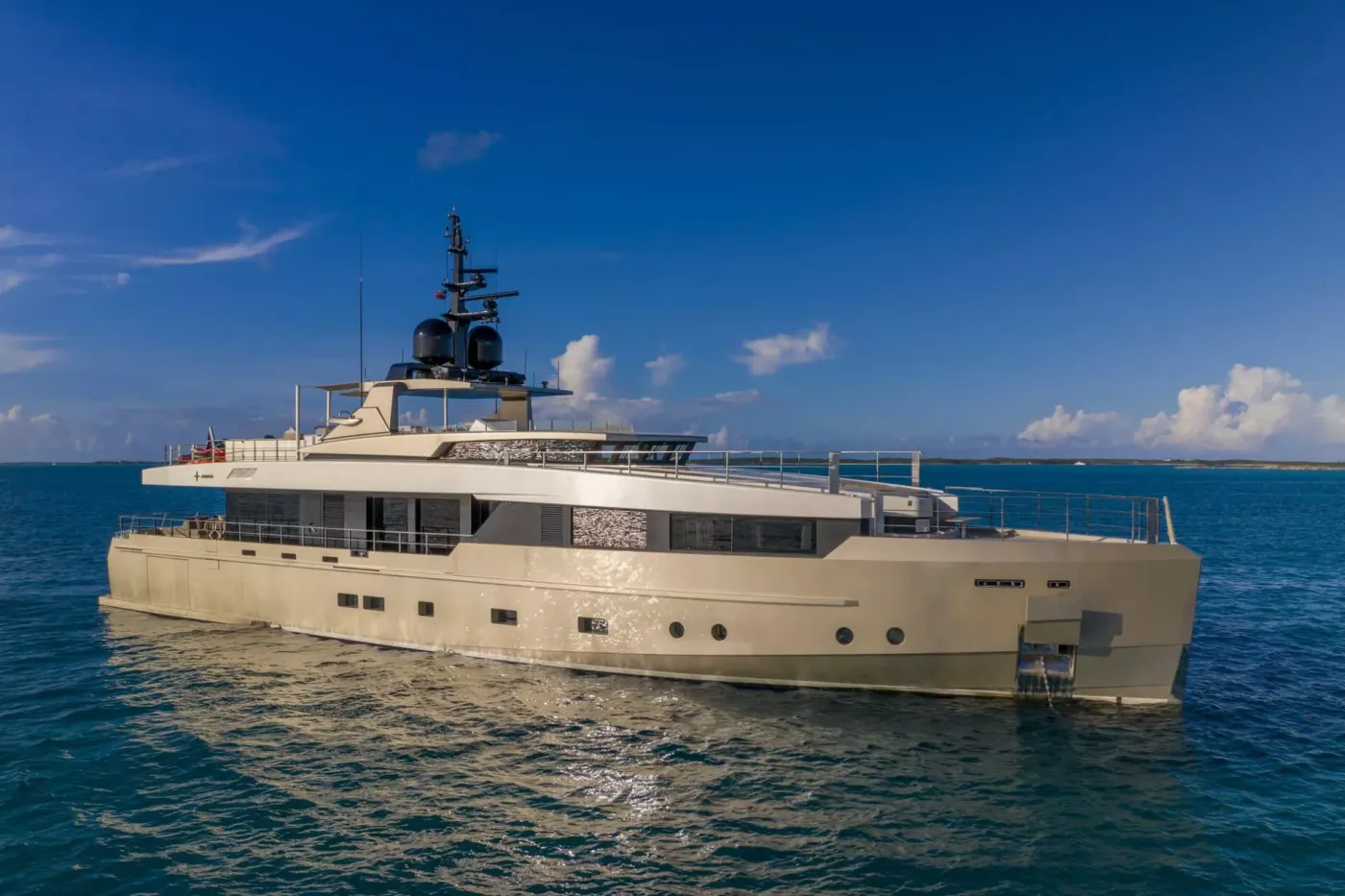
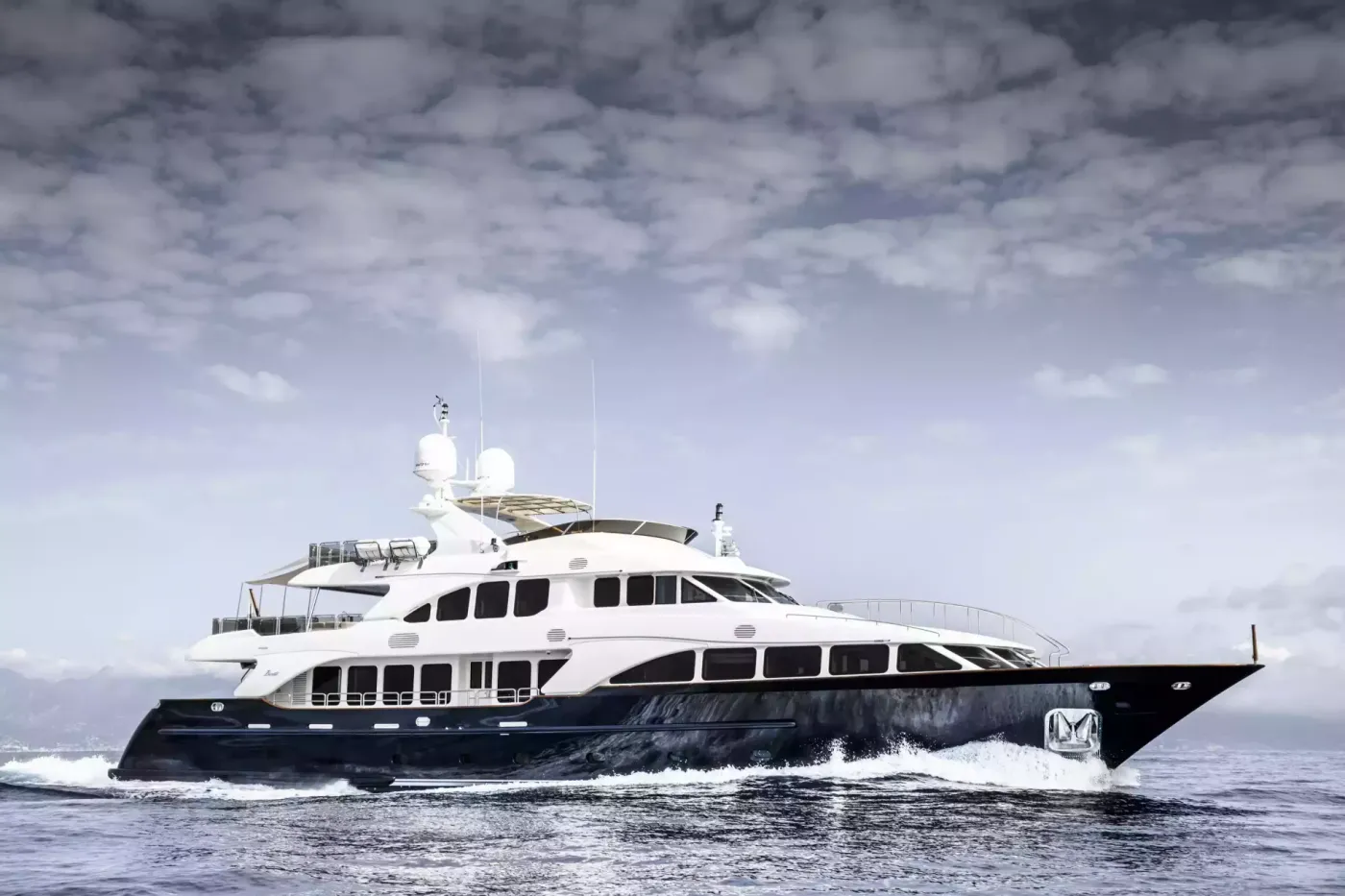
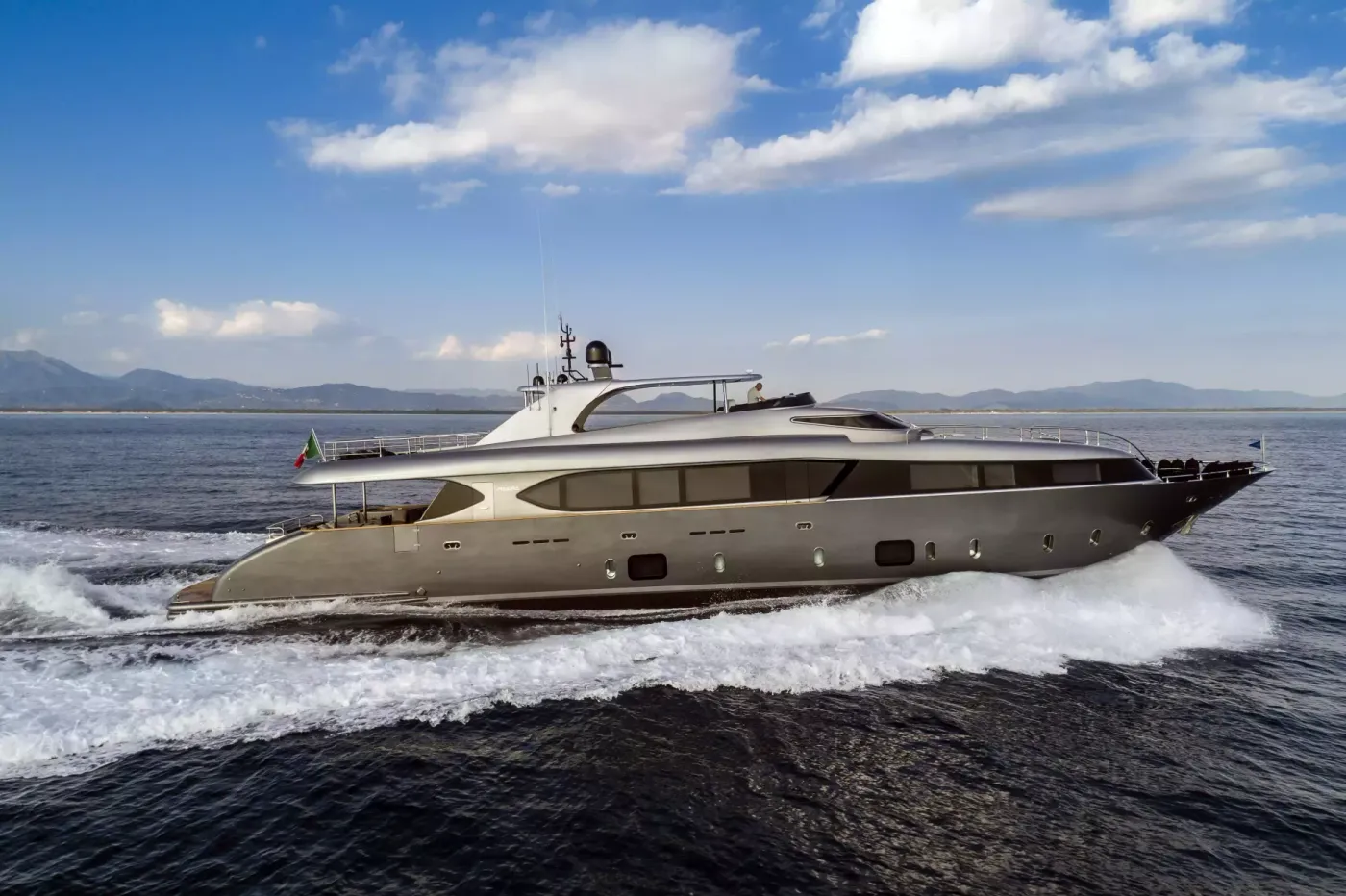
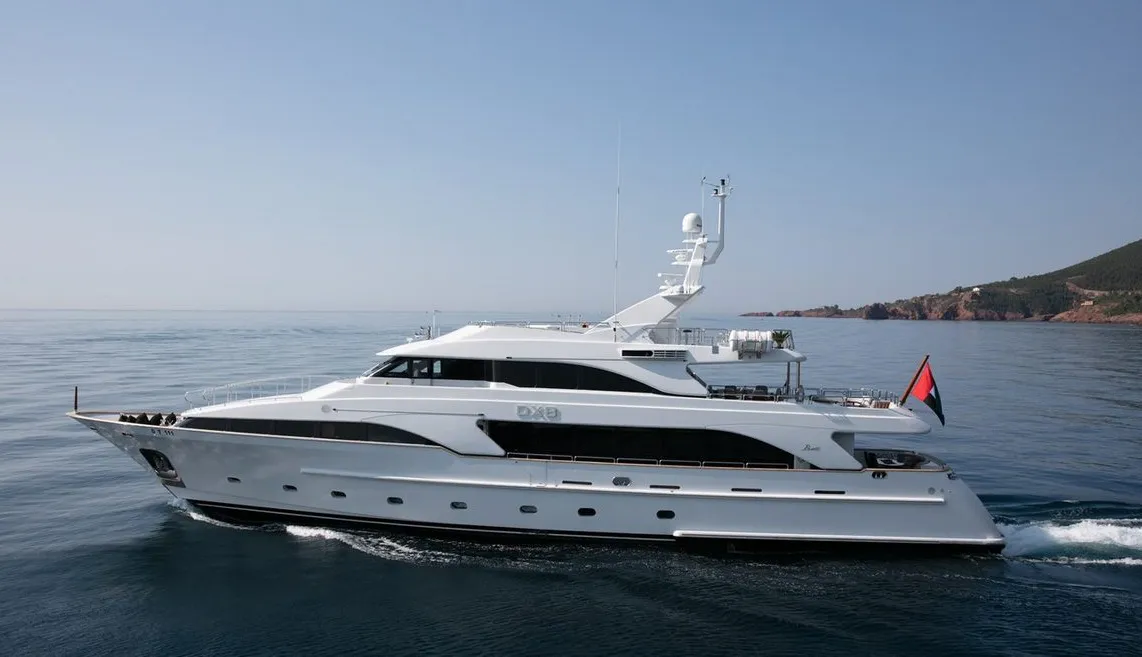
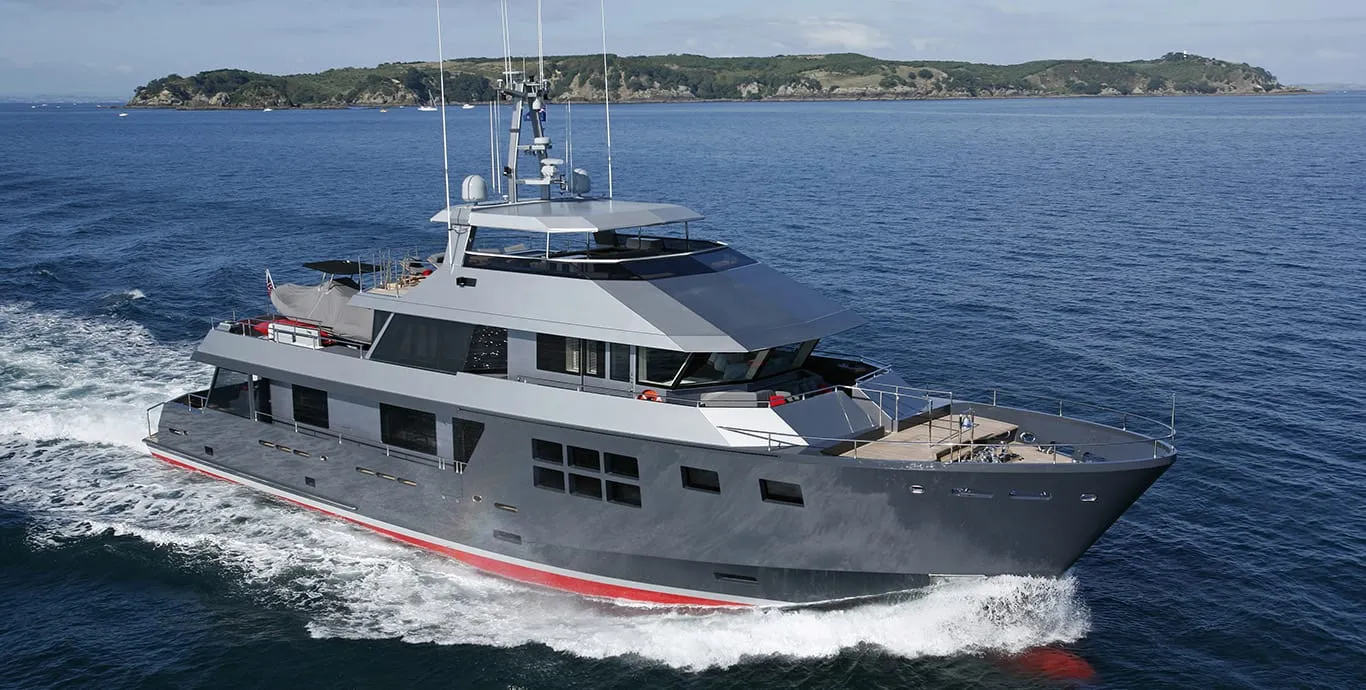
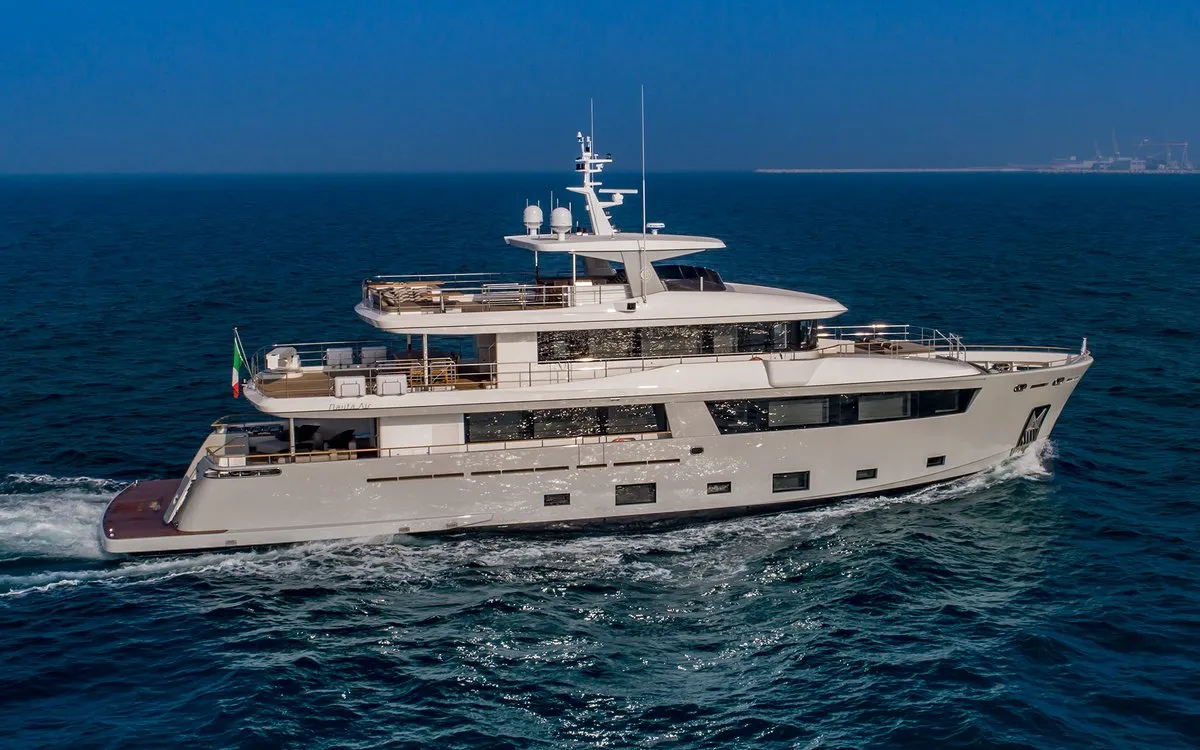
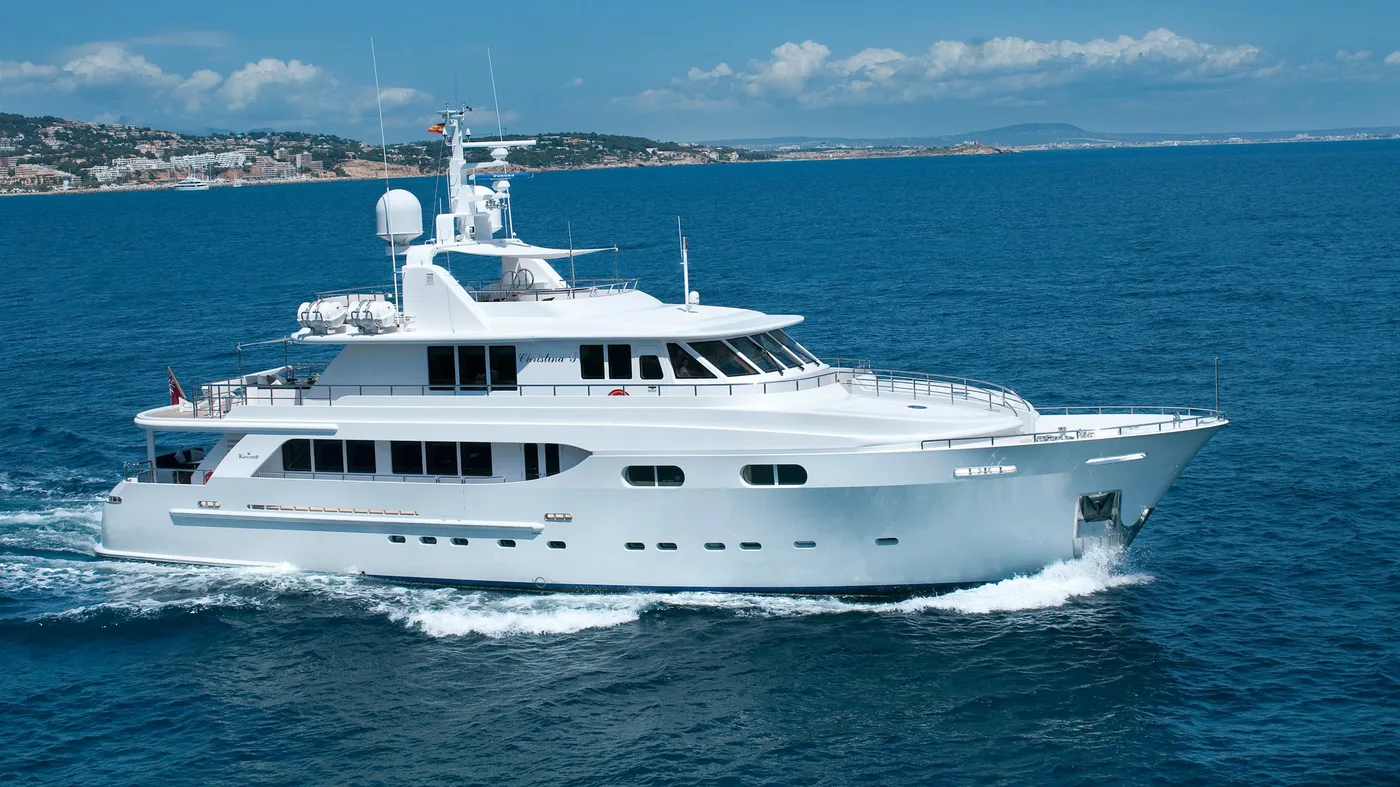
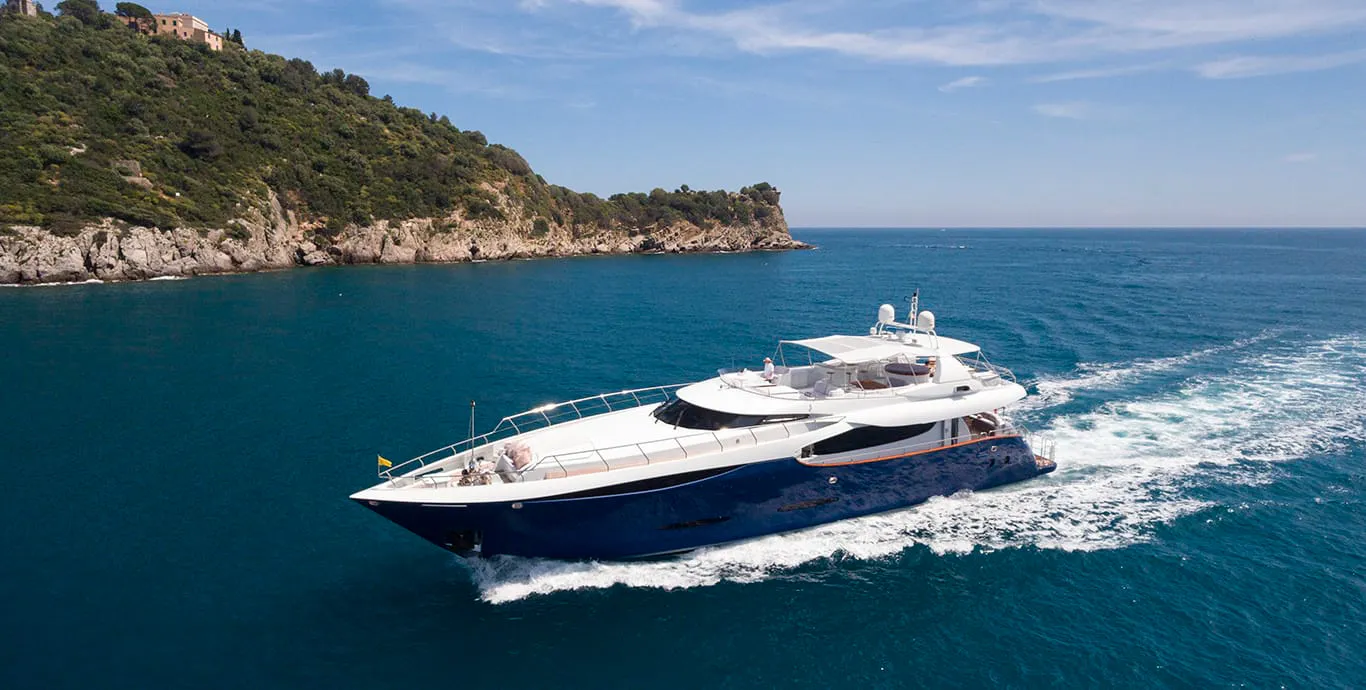
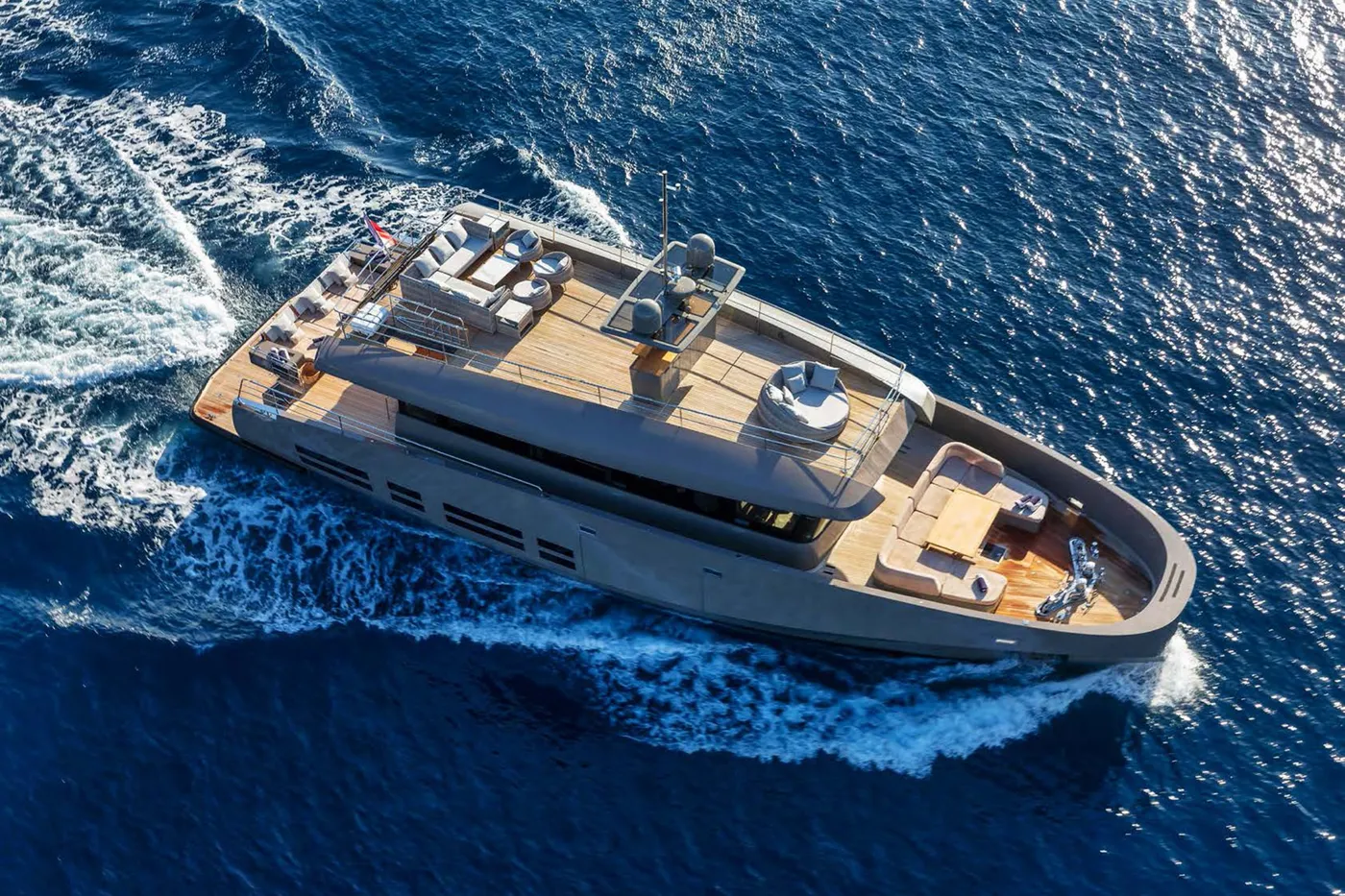
A 30–50 m motor yacht with good tenders and zero-speed stabilisers suits the coast: the hops are short, plans change when an anchorage is full, and there is little room to berth in Positano or Amalfi.
- Motor yacht, 30–50 m. Suits the short hops, for the reasons above.
- Larger yachts (60 m+). Ask which harbours can take a yacht of that length before you plan nights in port.
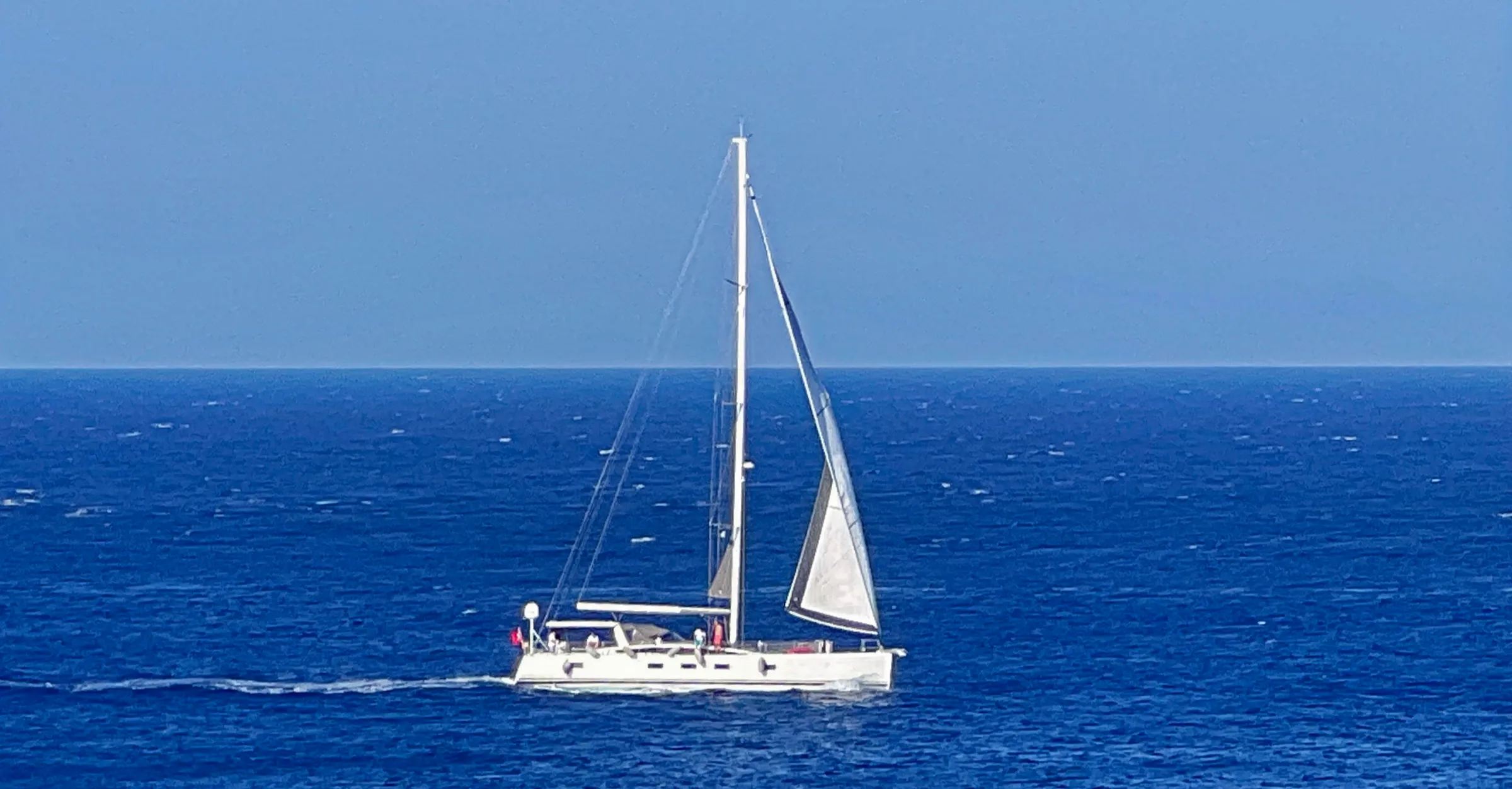
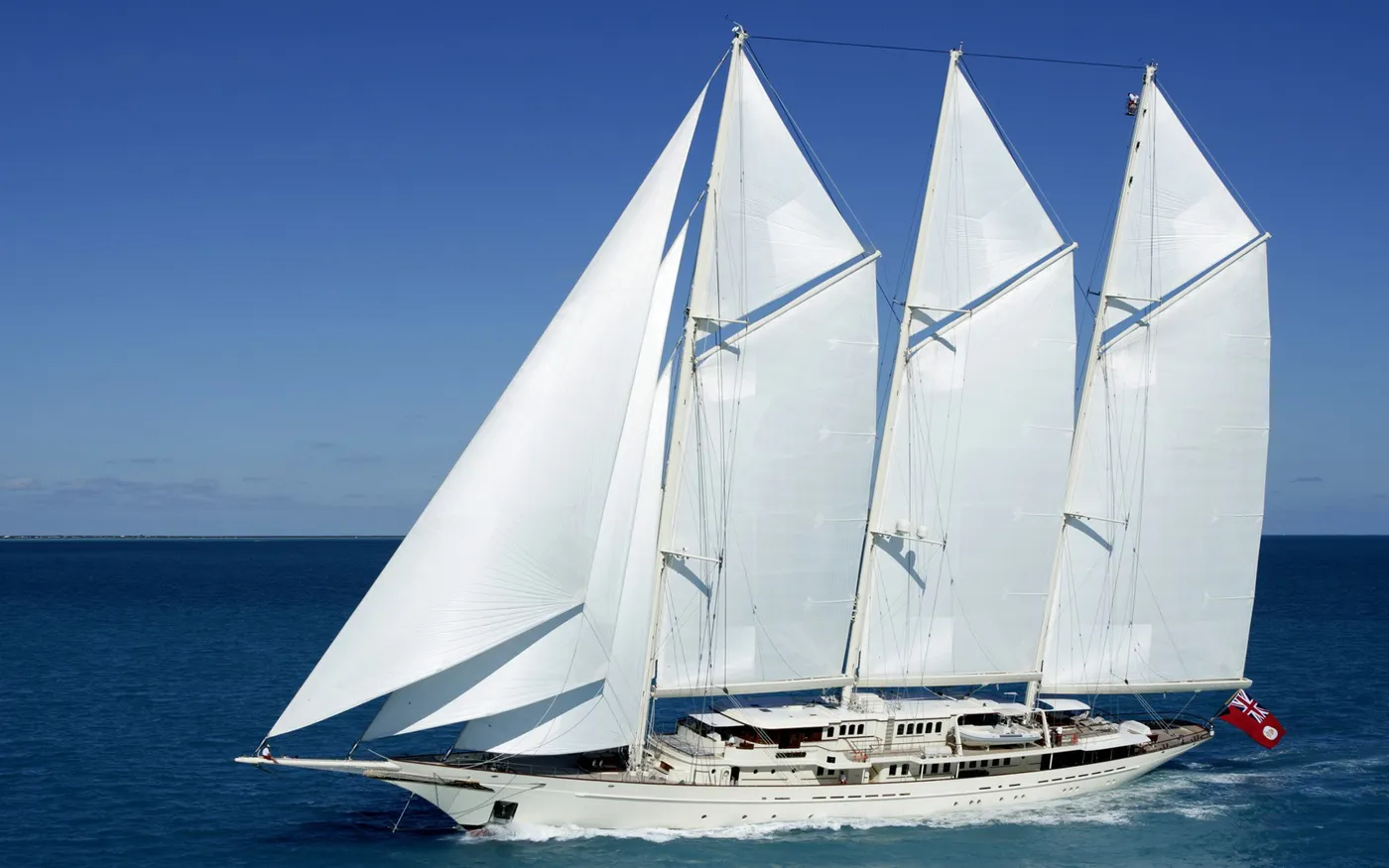
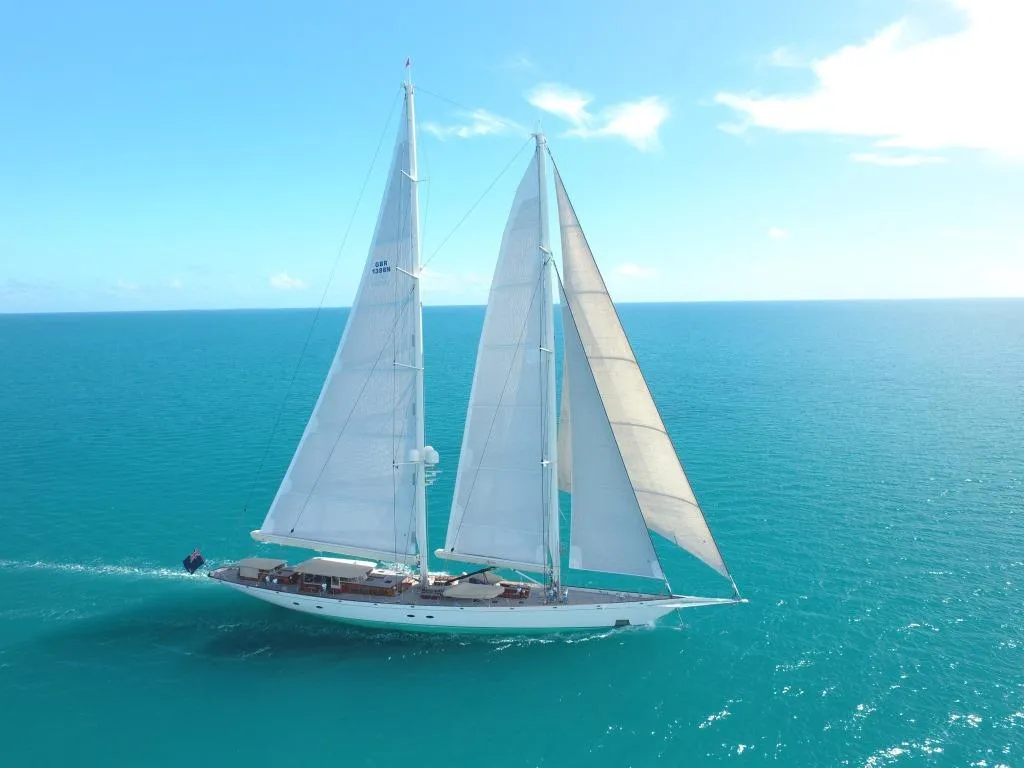
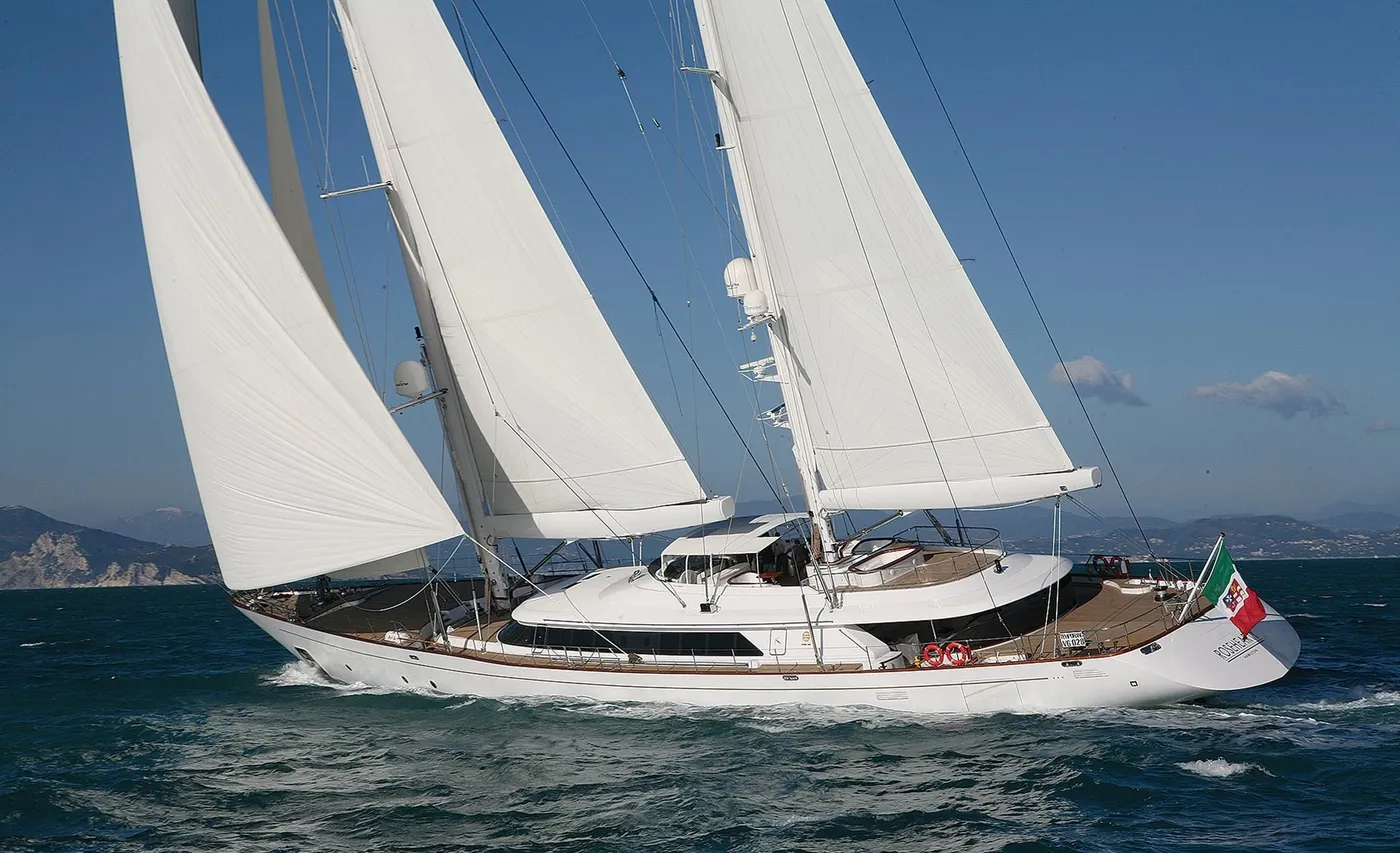
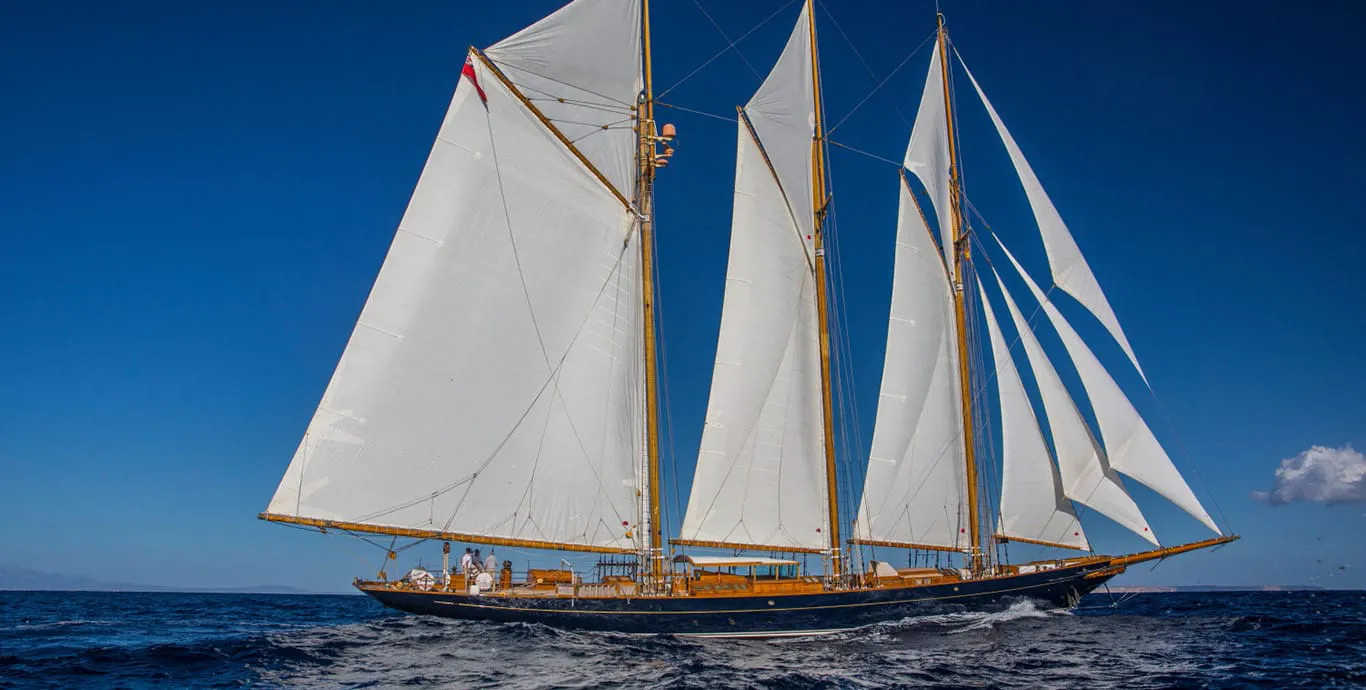
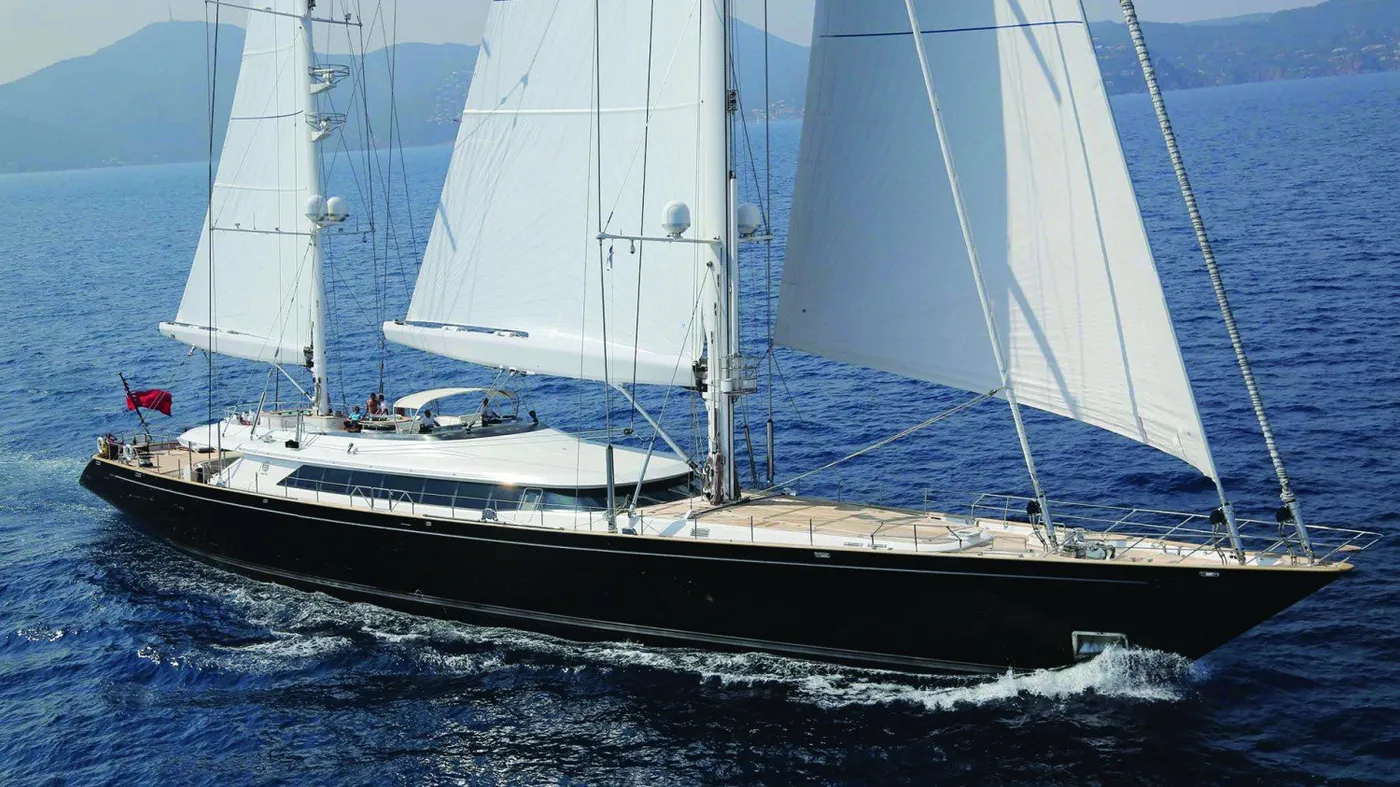
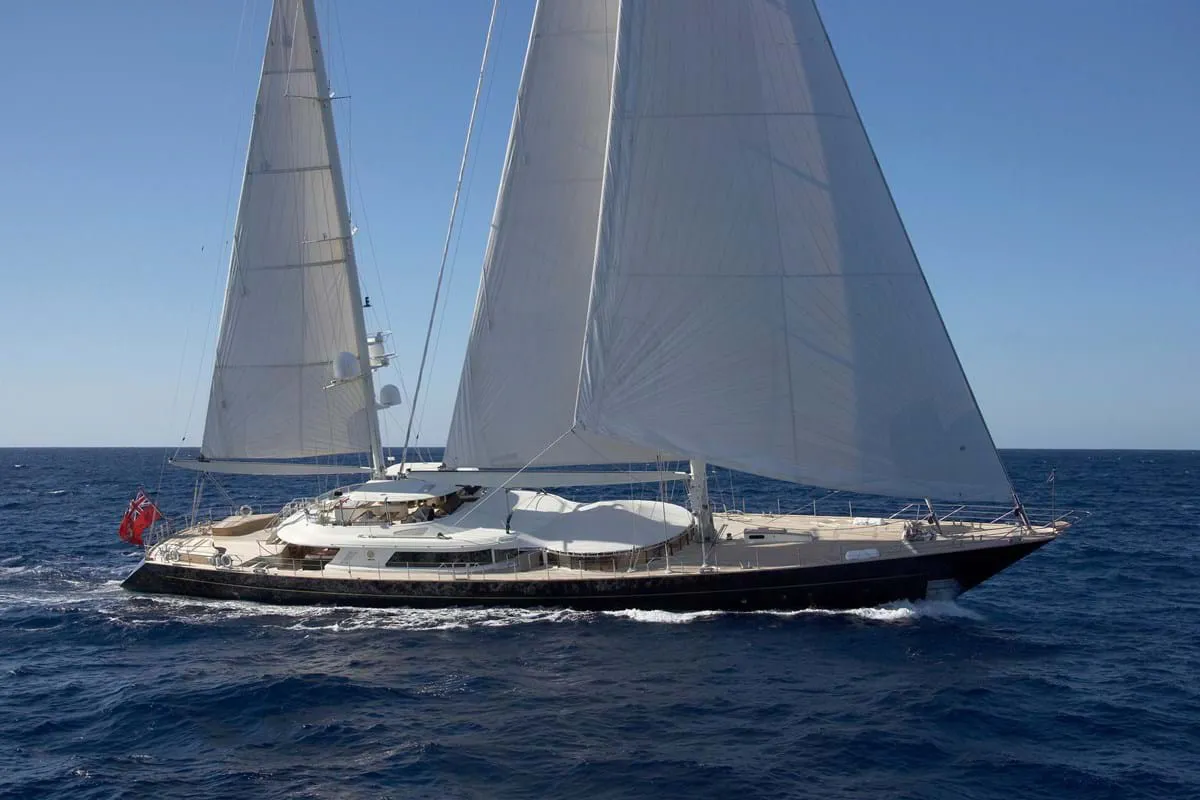
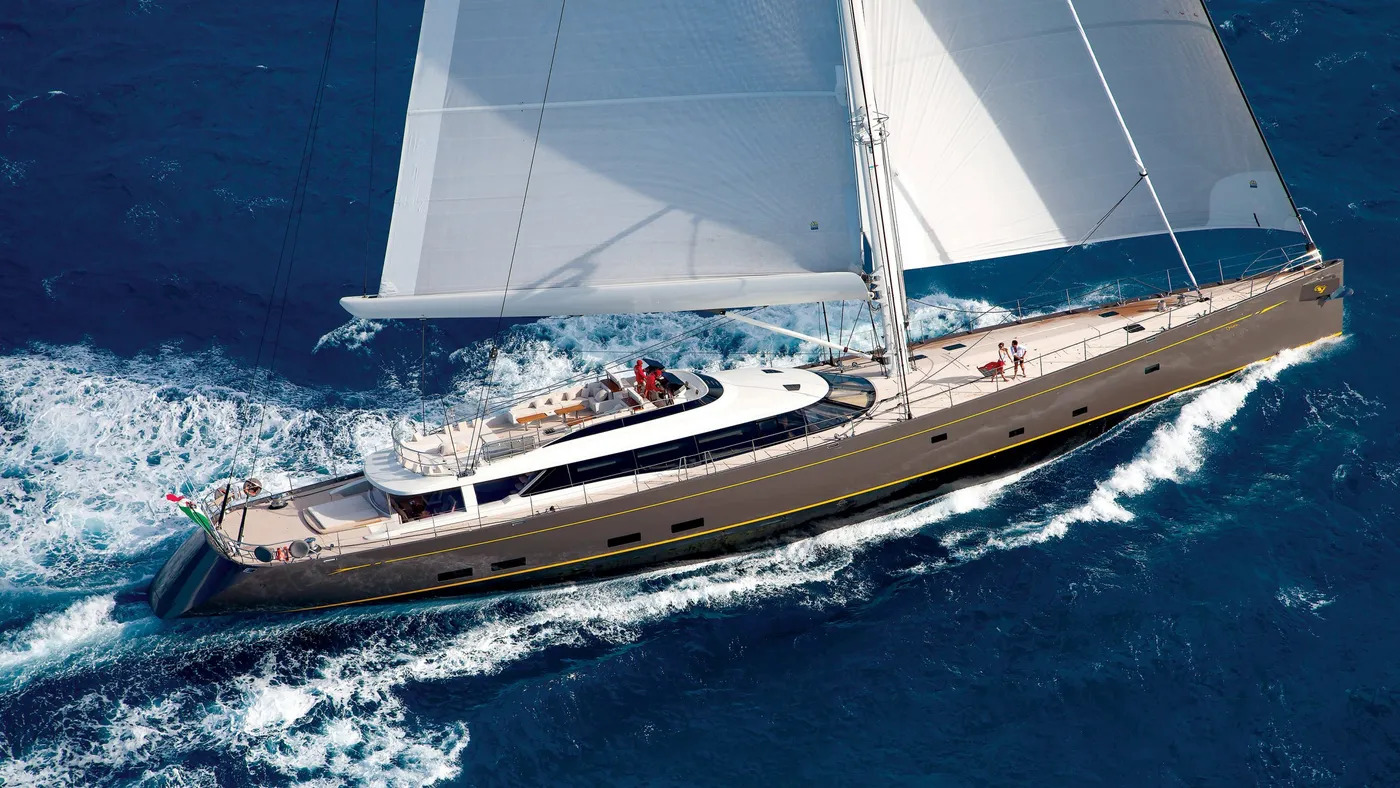
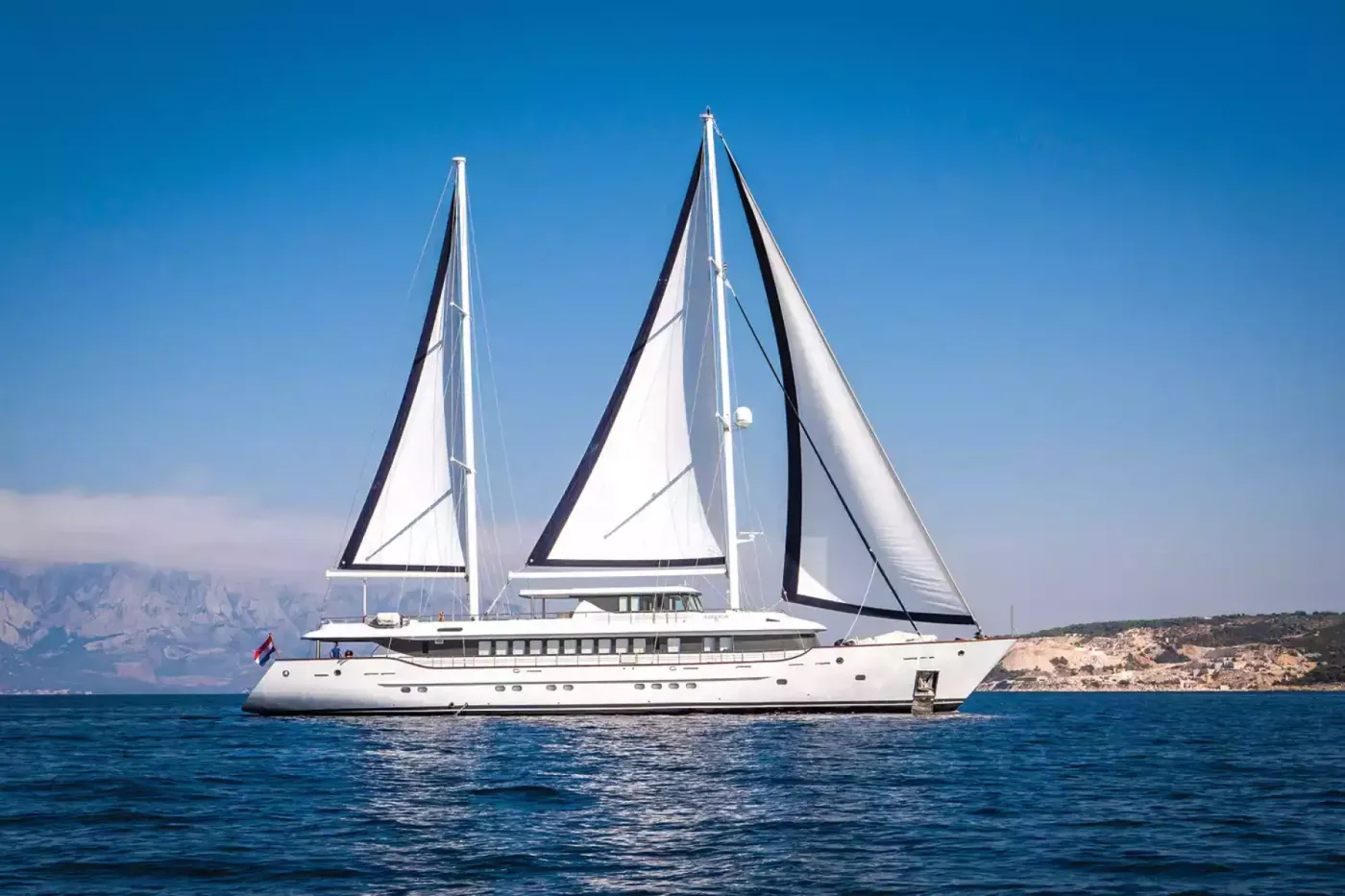
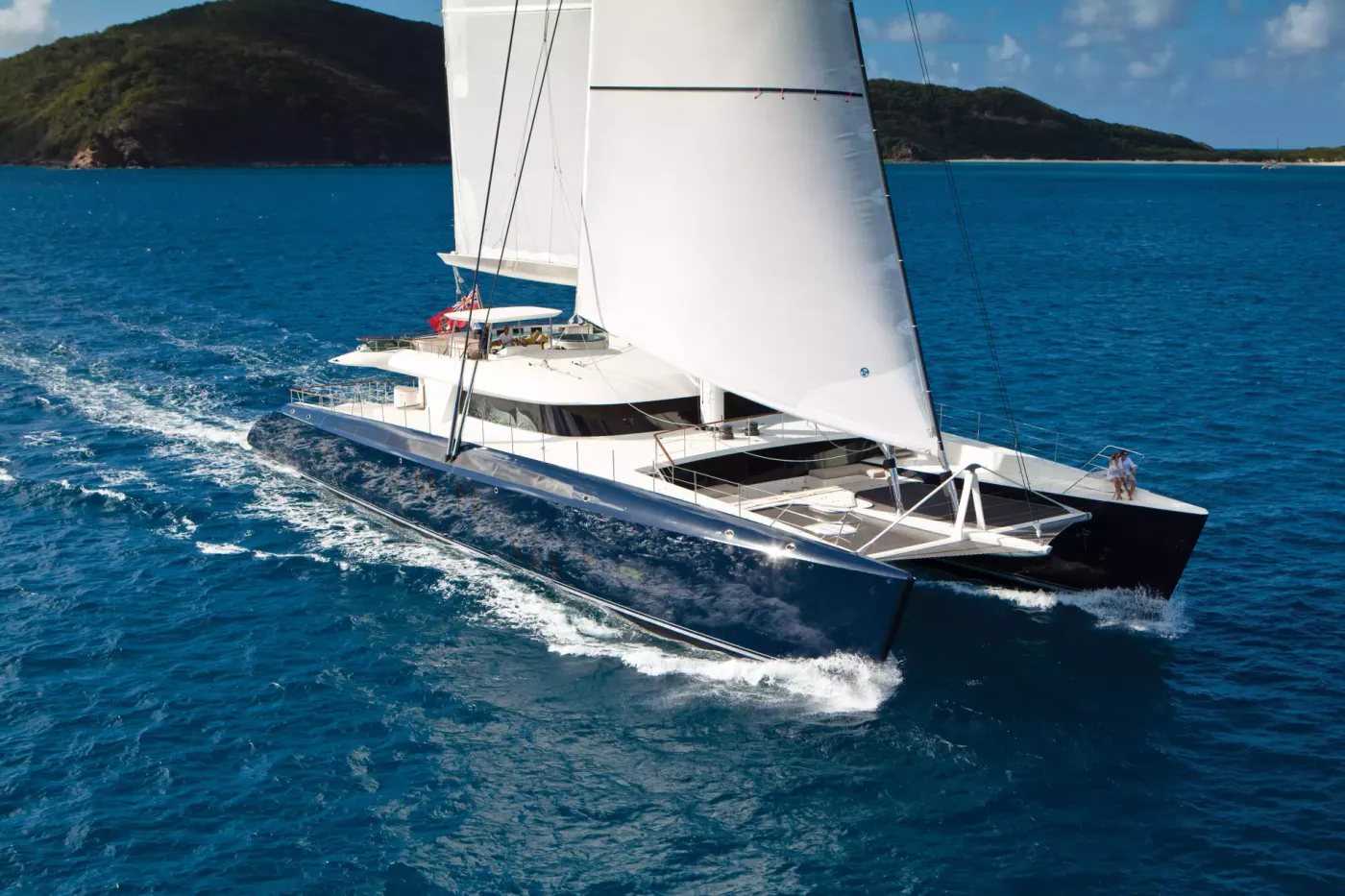
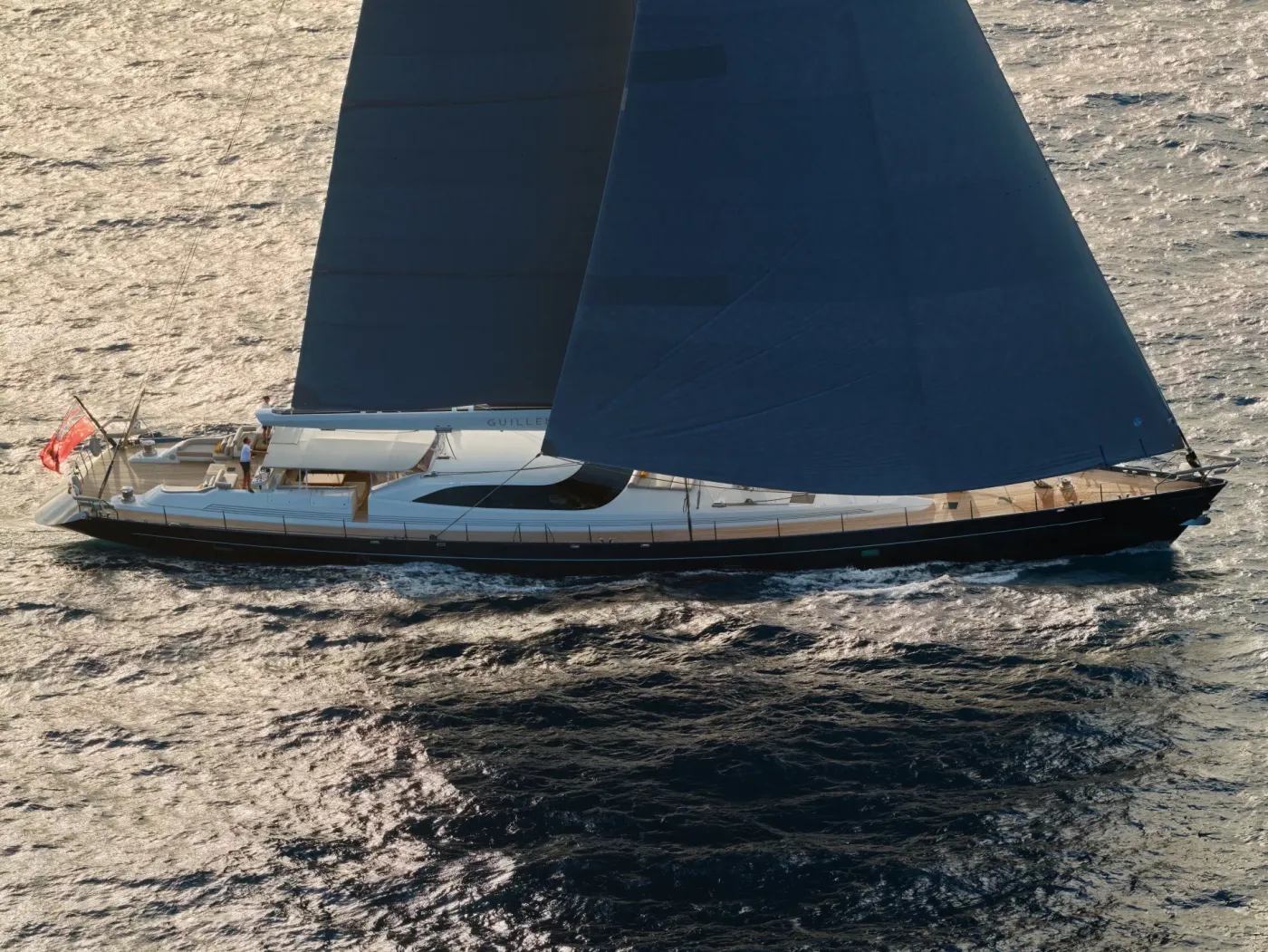
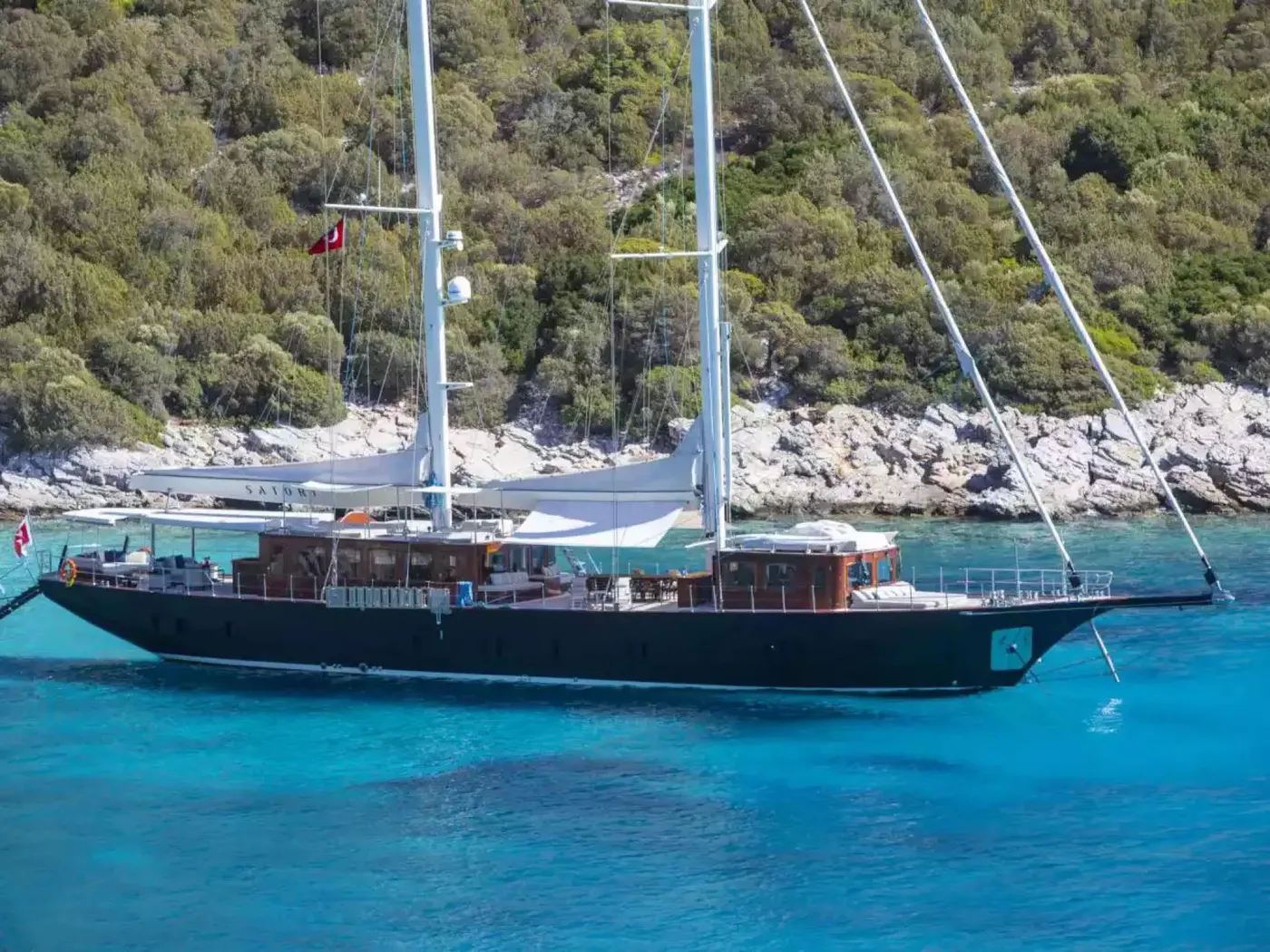
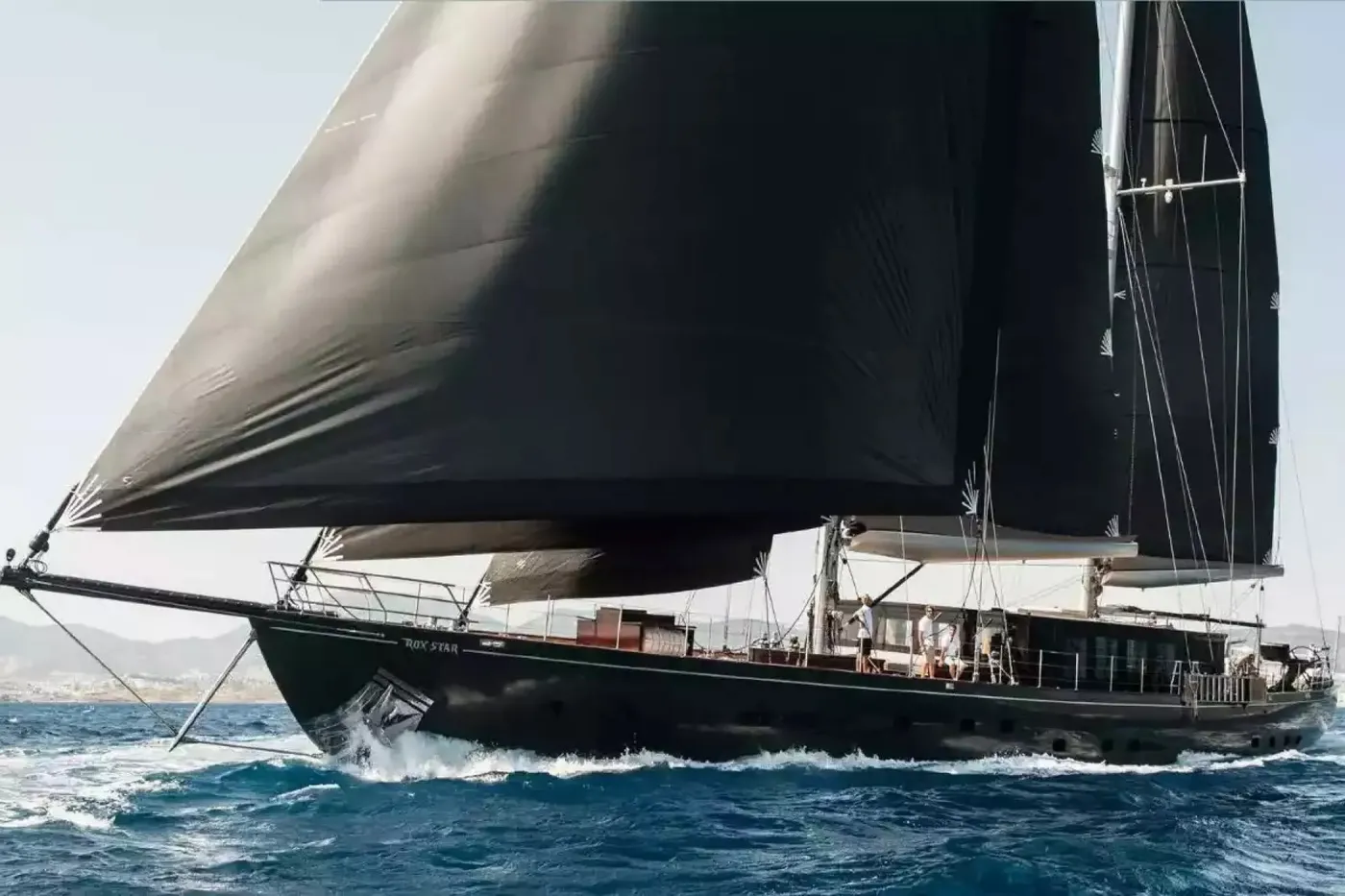
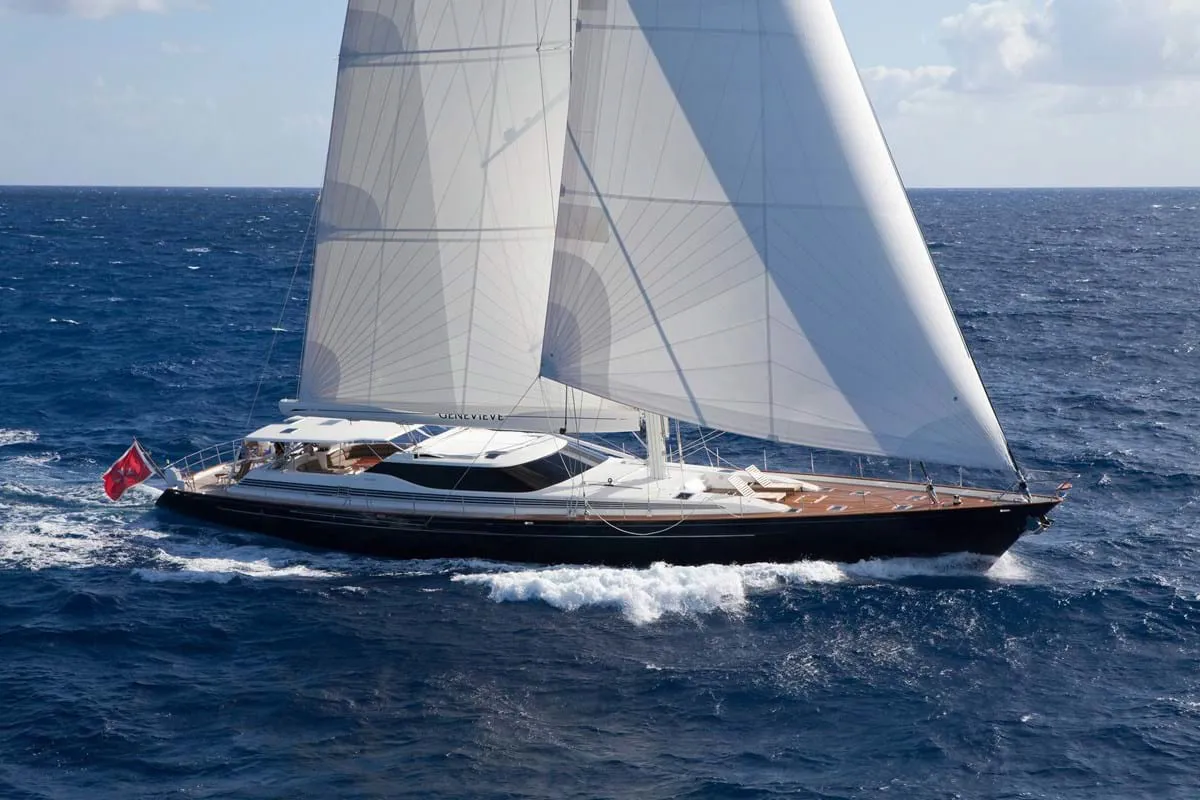
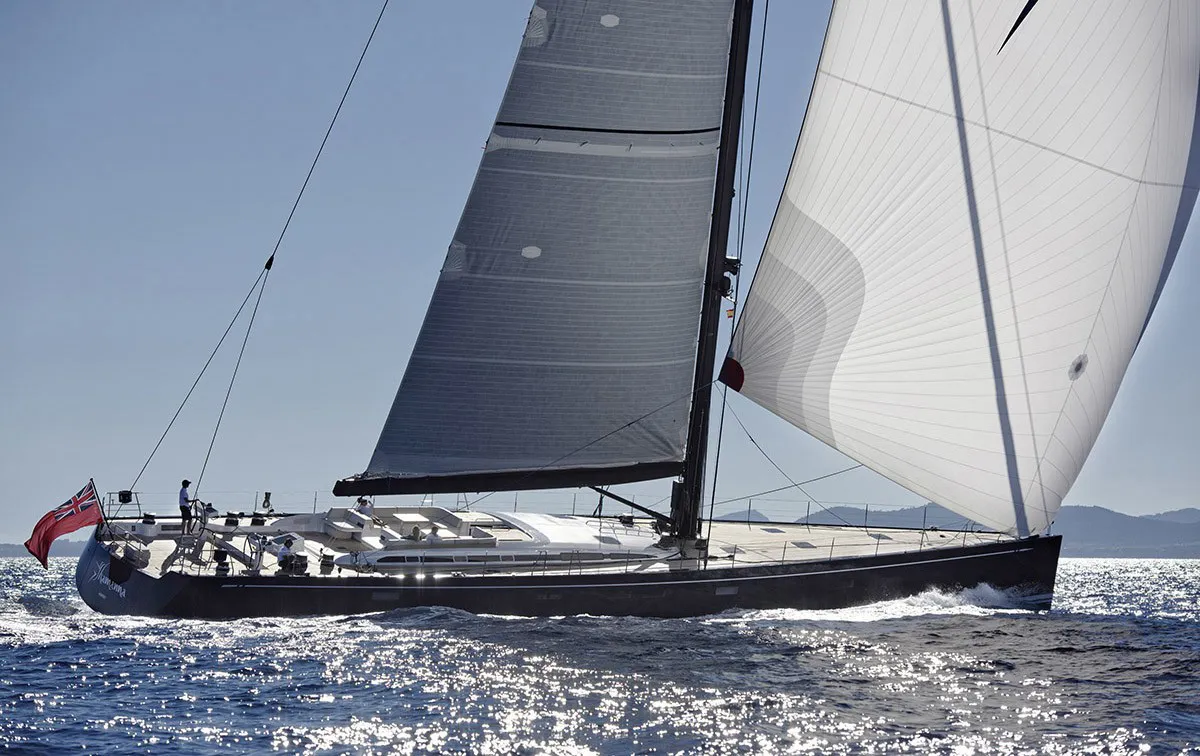
- Sailing yacht. Rewarding in June and September. The legs on the Amalfi side are short, so ask the captain how much of the week you can sail rather than motor.
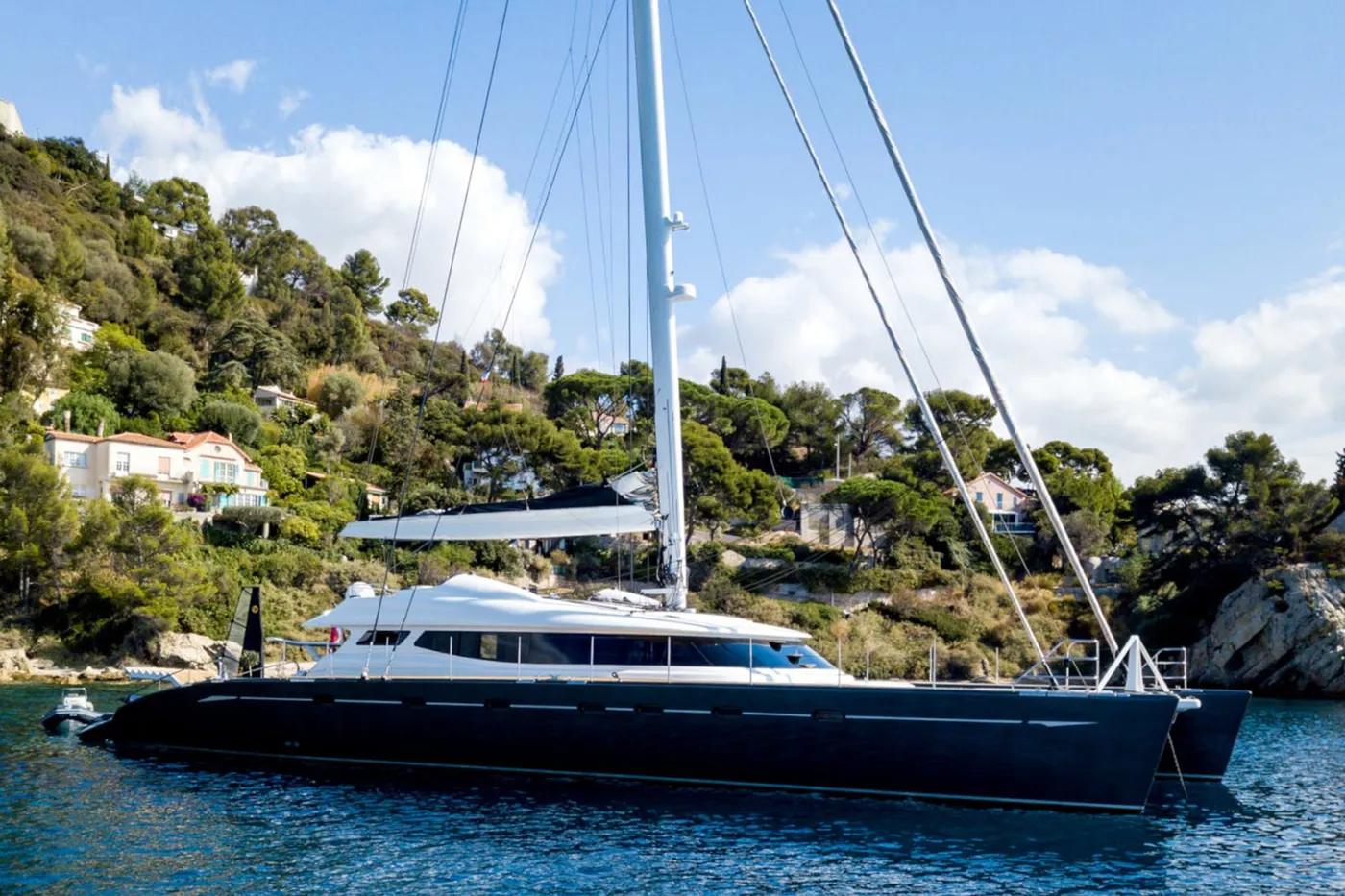
- Catamaran. Comfortable at anchor when there is swell.
Ask about stabilisers at anchor: where an anchorage is open to the swell, zero-speed stabilisers make a real difference to how well you sleep.
What is worth going ashore for?
Capri and Anacapri, Positano, Amalfi and Ravello, Pompeii and Herculaneum, Naples and the spas of Ischia:
- Capri and Anacapri. The Piazzetta, the gardens of Augustus, Villa San Michele and the chairlift up Monte Solaro.
- Positano. Steep lanes, boutiques and restaurants. The tender drops you at the main beach.
- Amalfi and Ravello. Amalfi’s cathedral, and the gardens of Villa Rufolo and Villa Cimbrone in Ravello.
- Pompeii and Herculaneum. Easy to reach from Naples, Sorrento or Castellammare di Stabia; worth a morning on the first or last day.
- Naples. The historic centre, the archaeological museum and, for many, the pizza.
- Ischia. Thermal gardens and spas, ideal for a slow day.
What do people get wrong about the Amalfi Coast?
Mostly berths, distances and swell:
- Expecting to berth in Positano or Amalfi. Large yachts usually anchor off and use the tender.
- Trying to fit the Aeolians into one week from Naples. It means two overnight passages. Plan it as a one-way charter or a separate trip.
- Ignoring the swell. Choose a yacht with good stabilisation and let the captain move anchorage when needed.
- Assuming last year’s Capri rules still apply. The protected-area rules are being written now.
- Comparing base rates only. With APA, 22% VAT and gratuity, the total is often 60% or more above the headline rate.
Asking about Capri, Amalfi and beyond
The useful details here are your dates (and whether they fall around Ferragosto), the size of the group, and whether you want to stay between Capri and Amalfi, add the Pontine or Aeolian islands, or go one way to Sicily, which changes both the yacht’s delivery fee and your flights home. A charter specialist will reply with yacht options and a realistic budget. The charter is contracted with the yacht’s owner through a licensed charter agency, usually under the MYBA agreement, with the full price and VAT clear before you sign. Send your request.