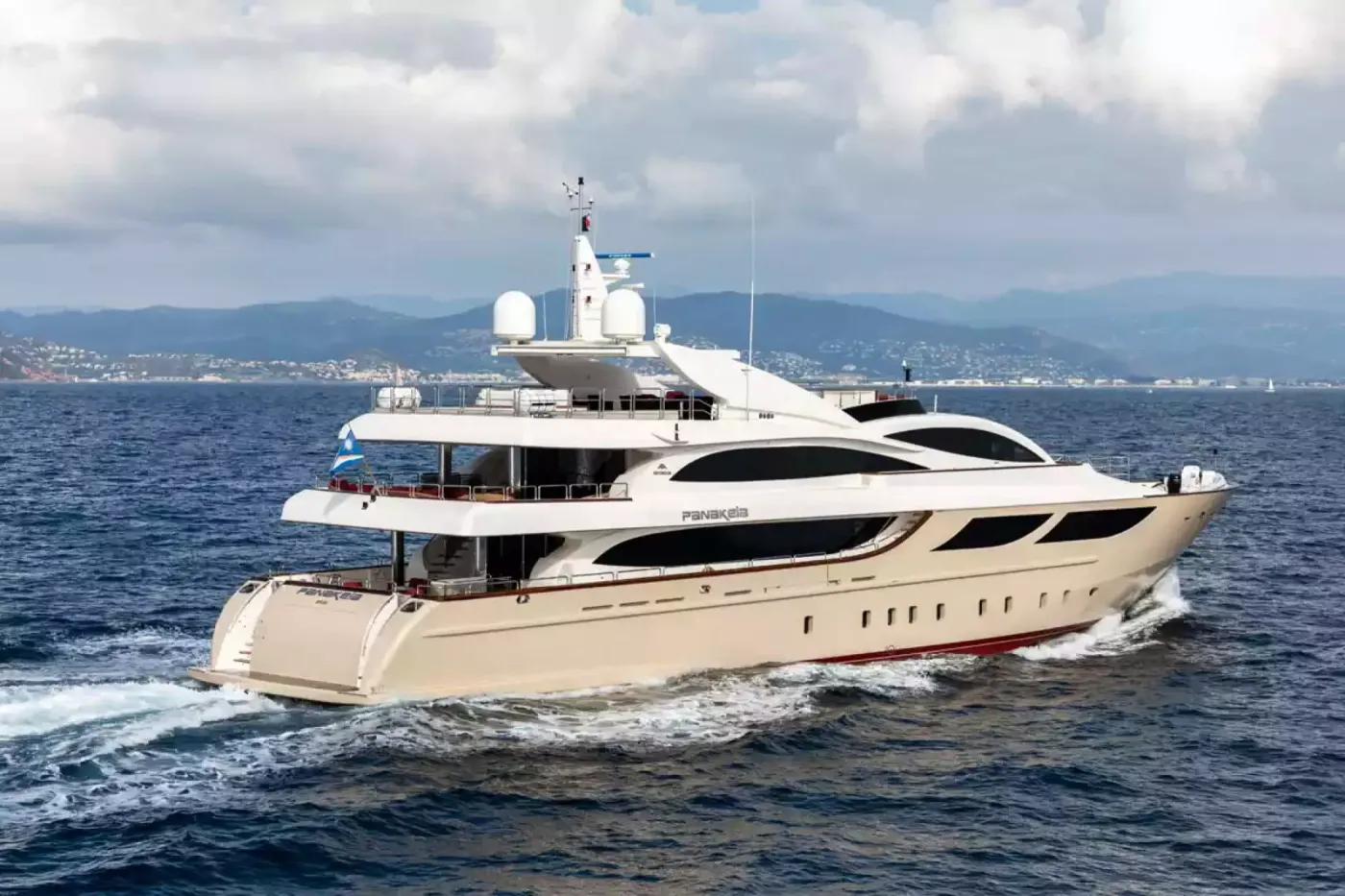
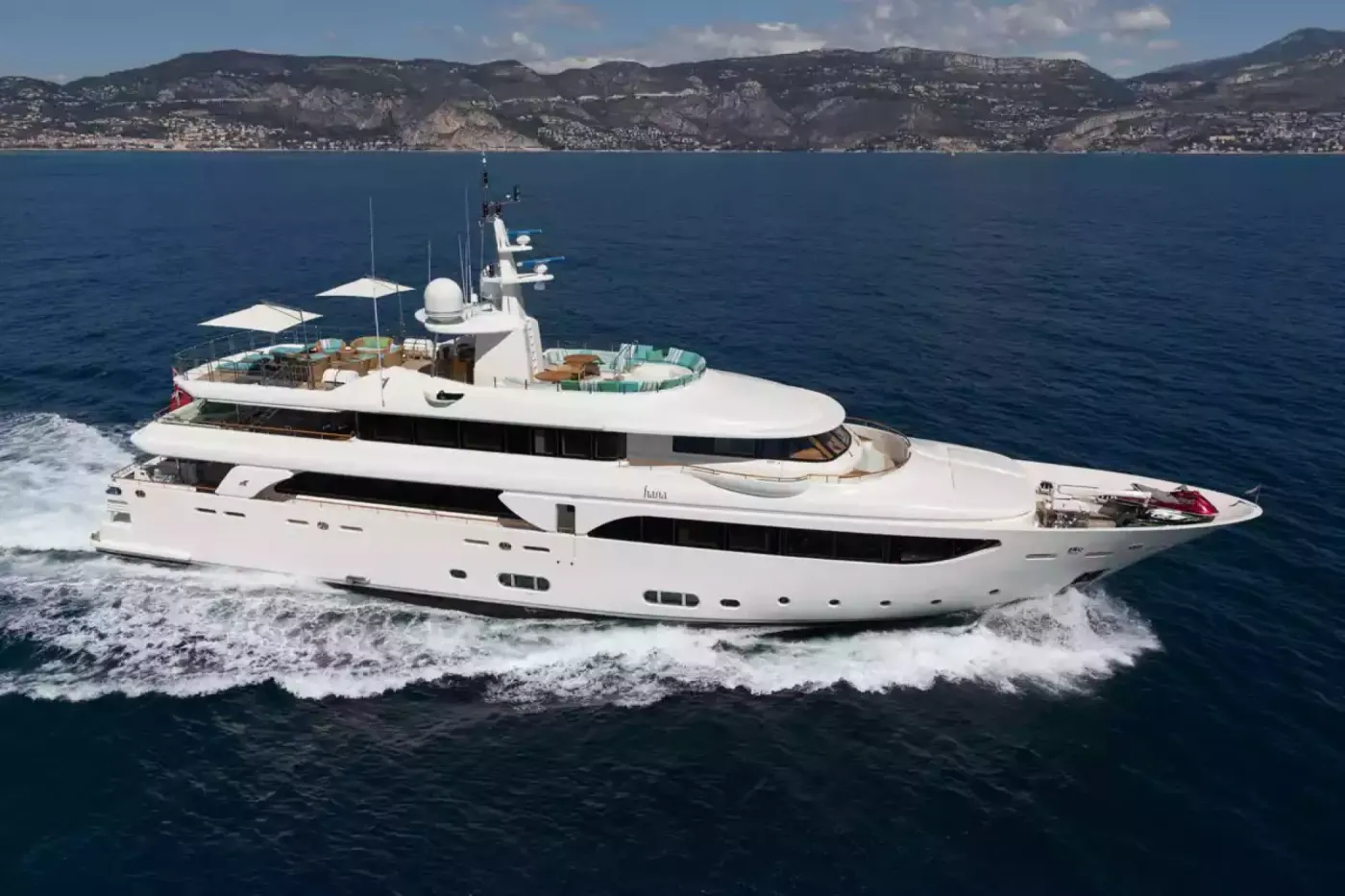
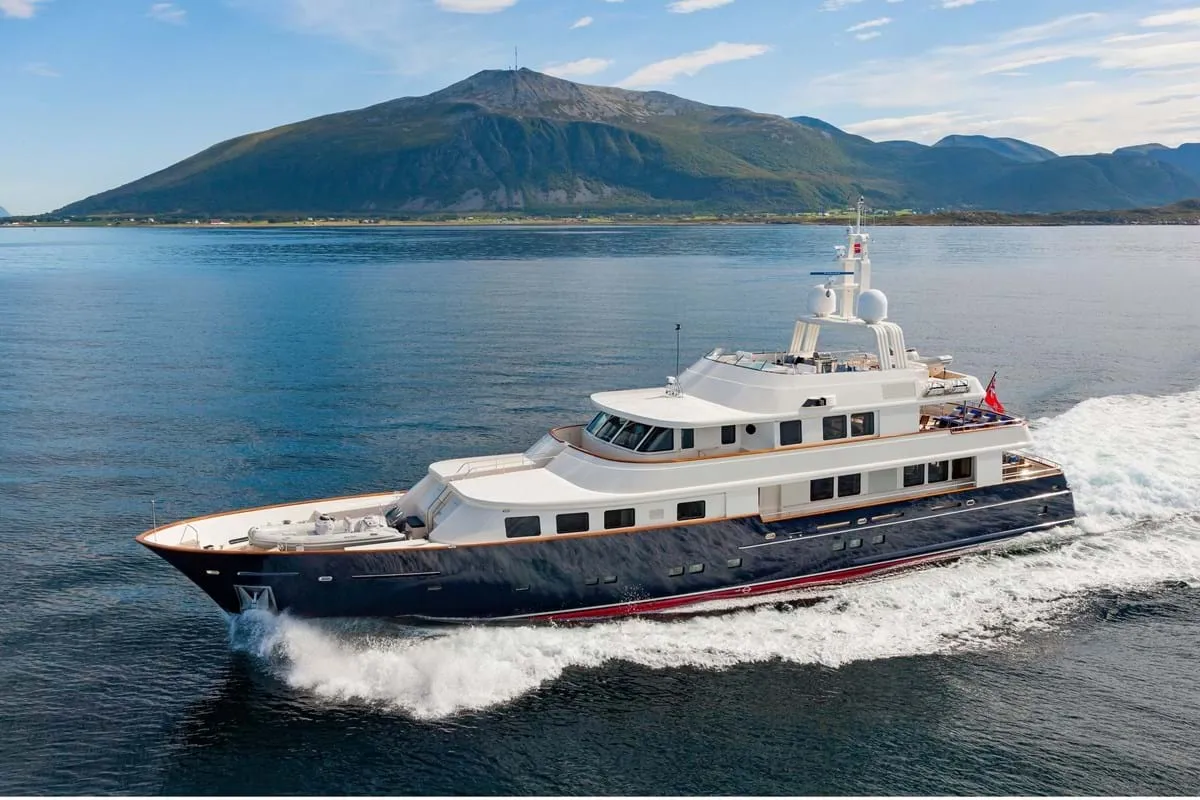
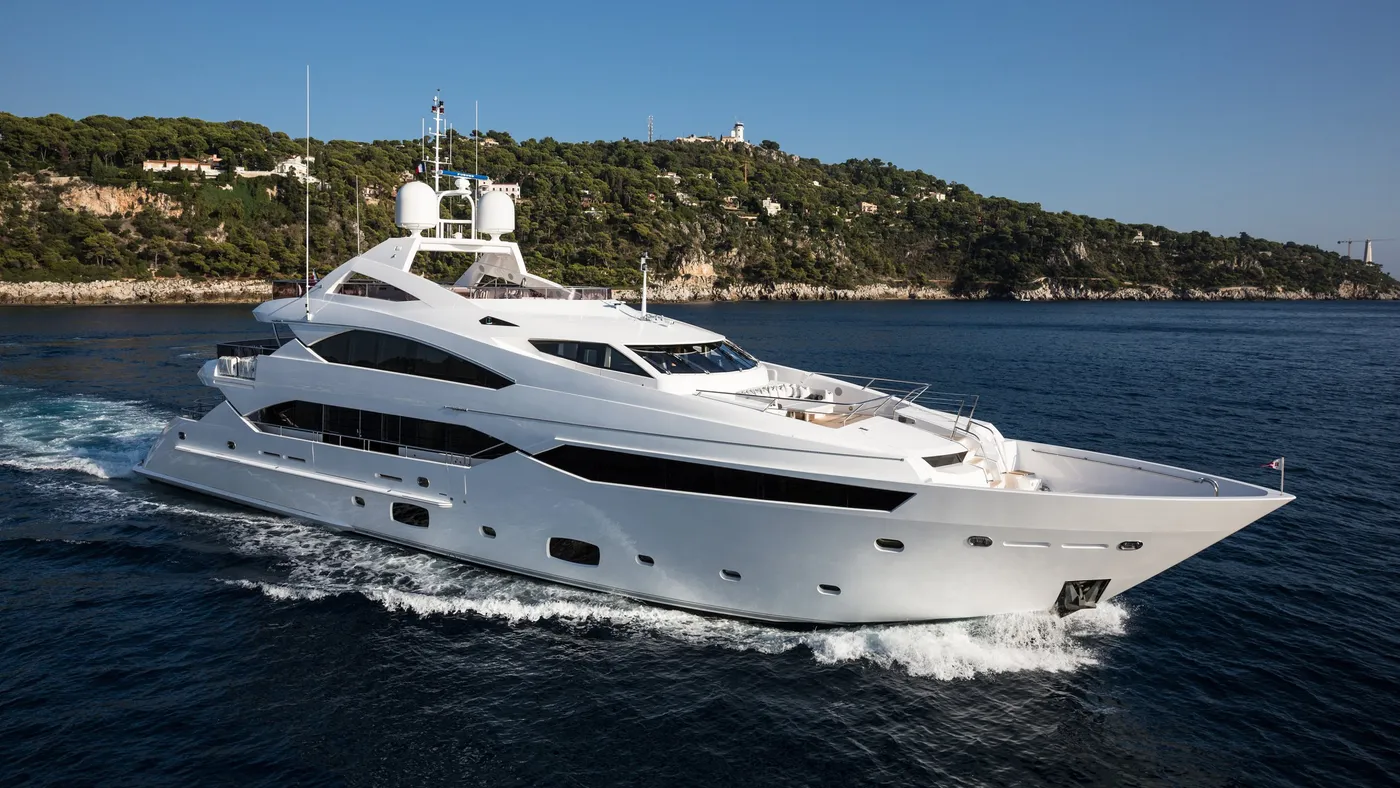
In this guide
- What makes Tuscany different as a charter area?
- When is the best time to charter in Tuscany?
- What are the winds like around Elba and the islands?
- The Tuscan Archipelago National Park: what are the rules at sea?
- Where to start: Porto Ercole, Portoferraio or Viareggio?
- A seven-day route: Giannutri, Giglio, Capraia and Elba
- How much does a yacht charter in Tuscany cost?
- What VAT applies to a charter in Tuscany?
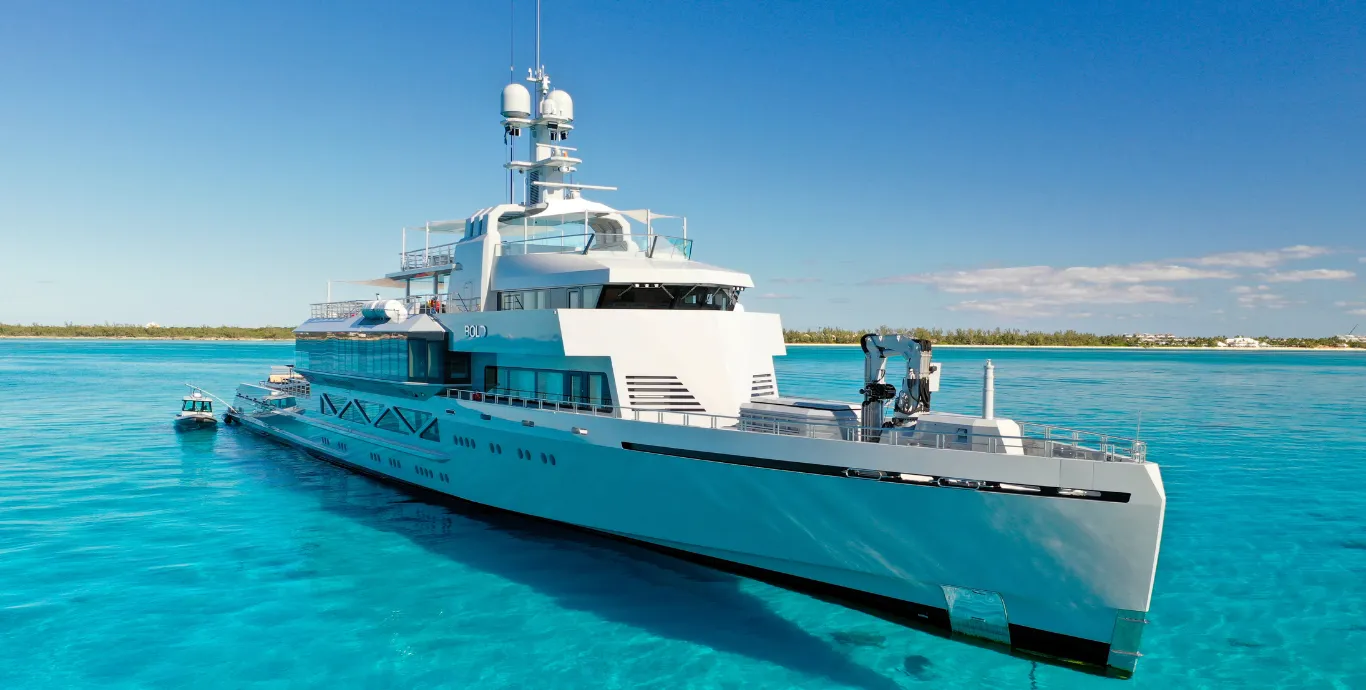
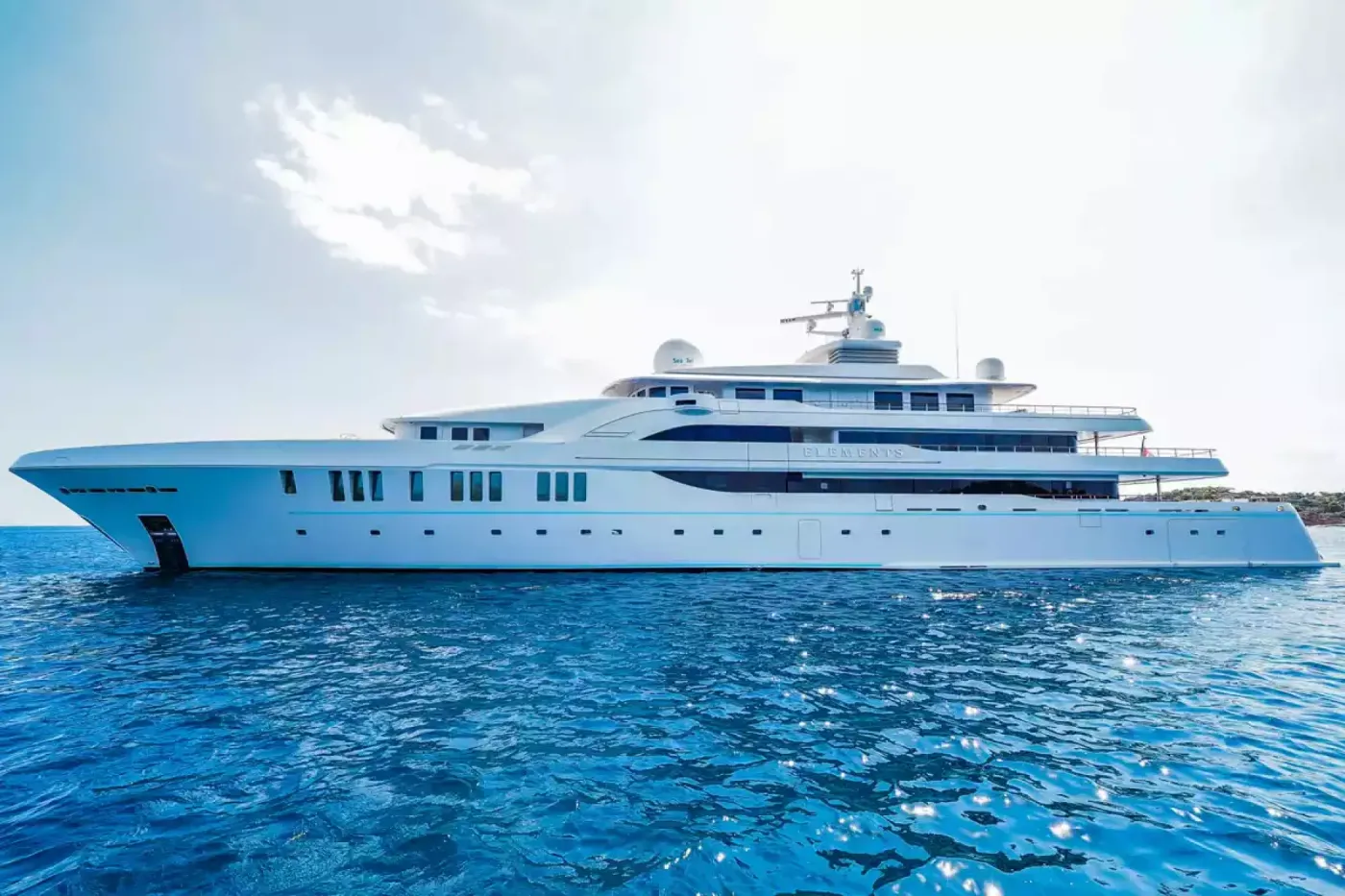
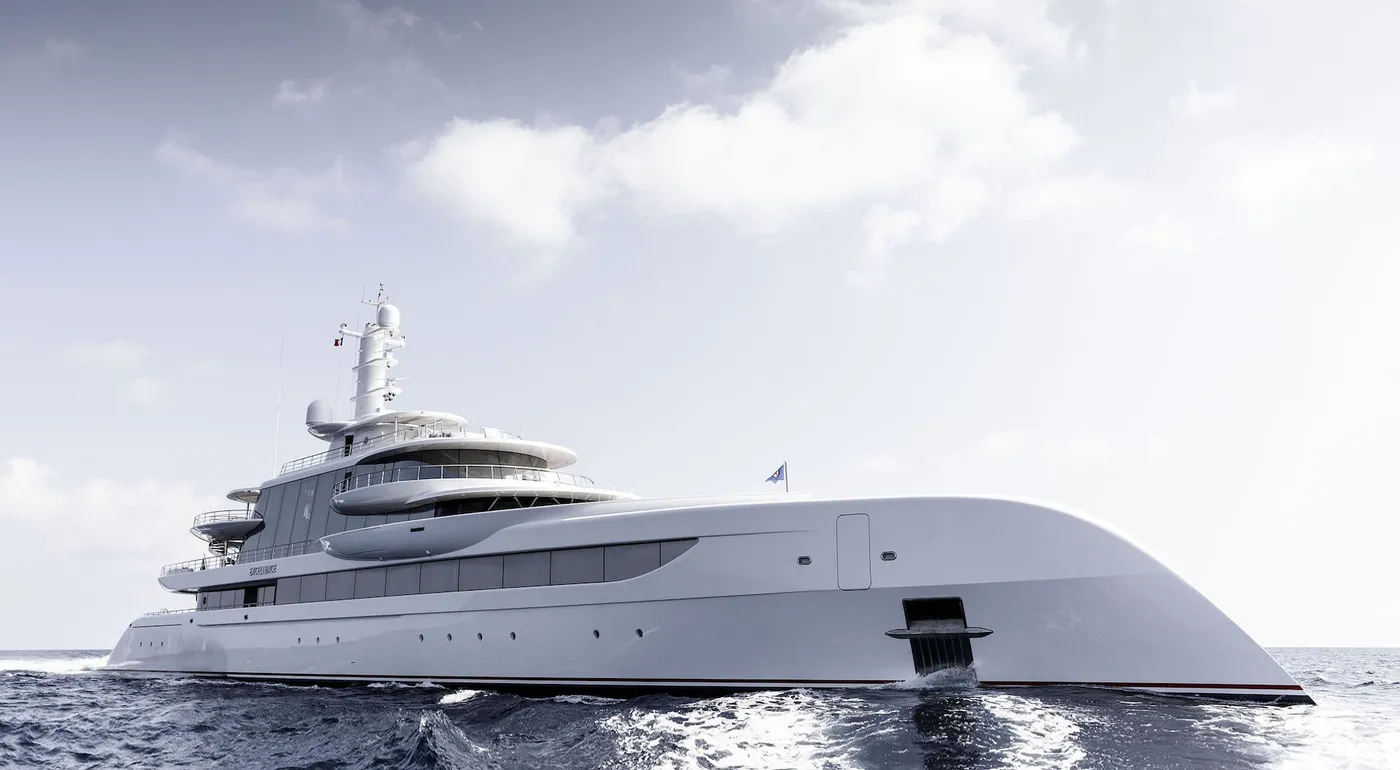
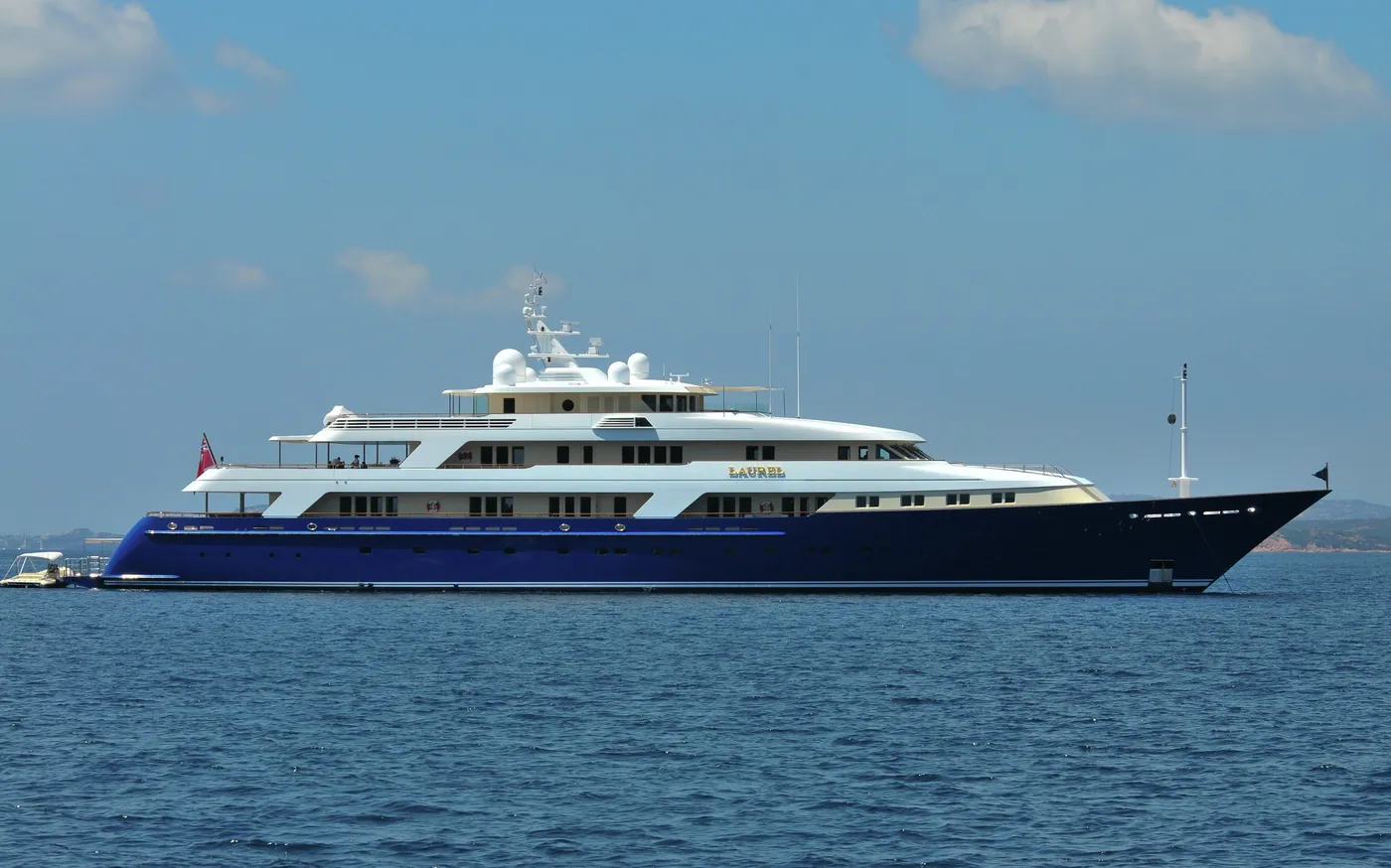
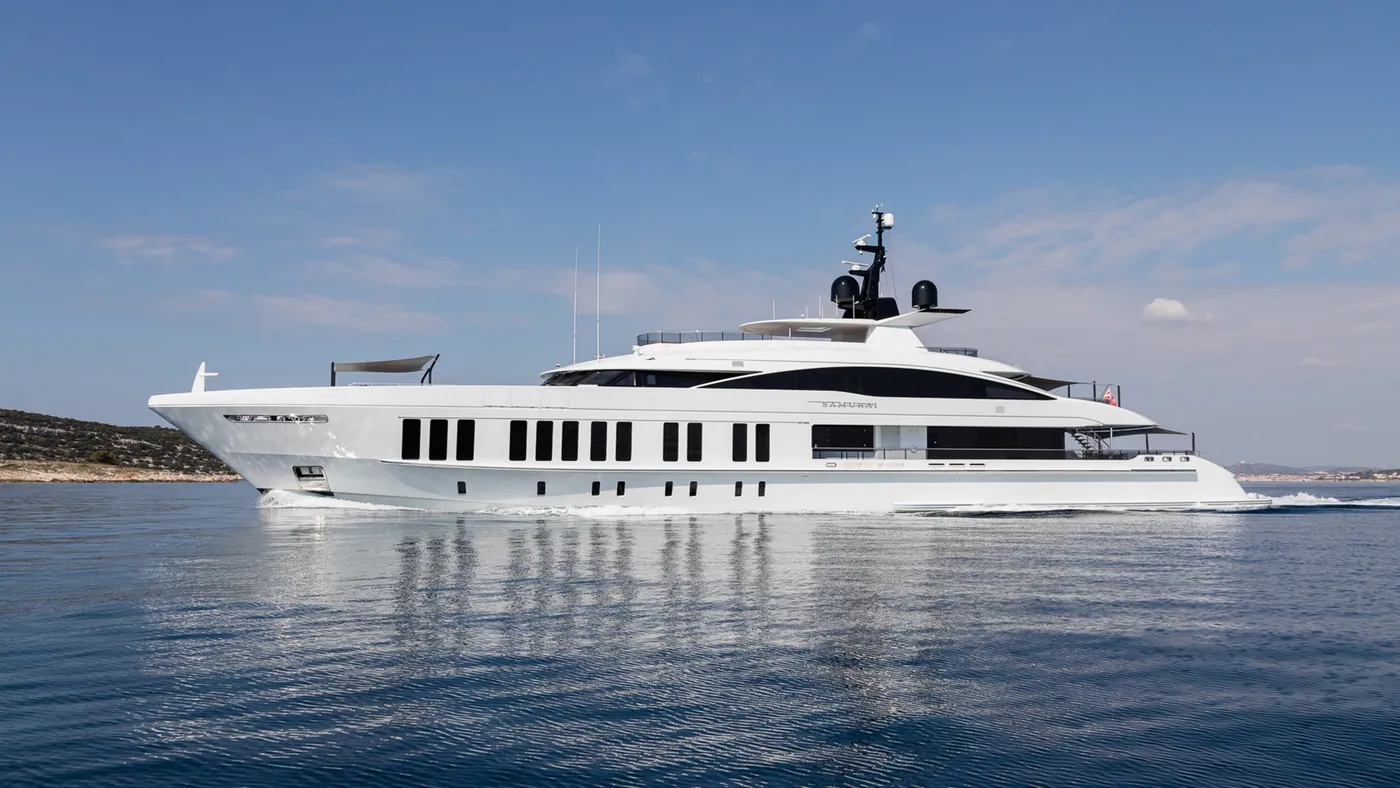
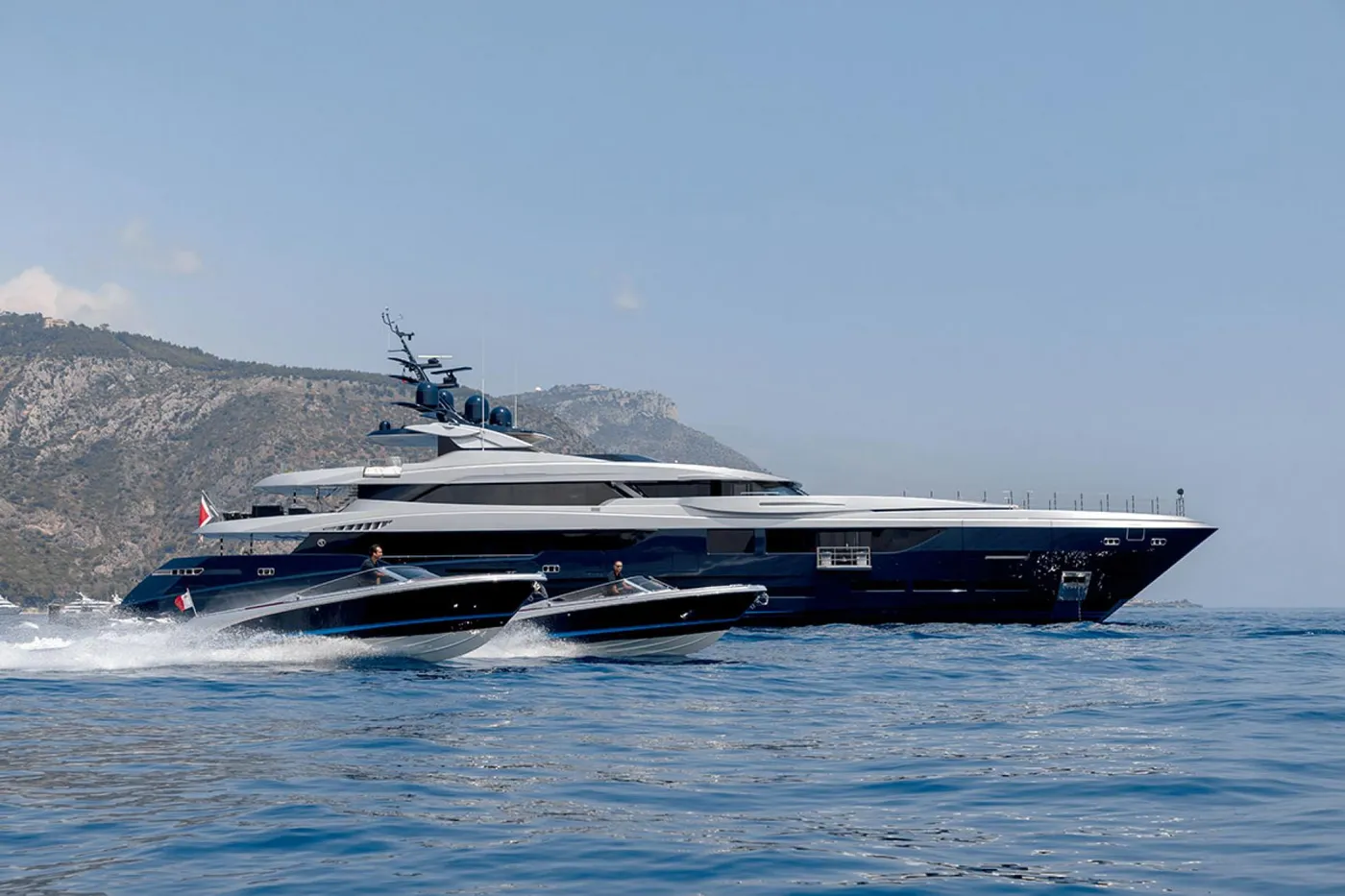
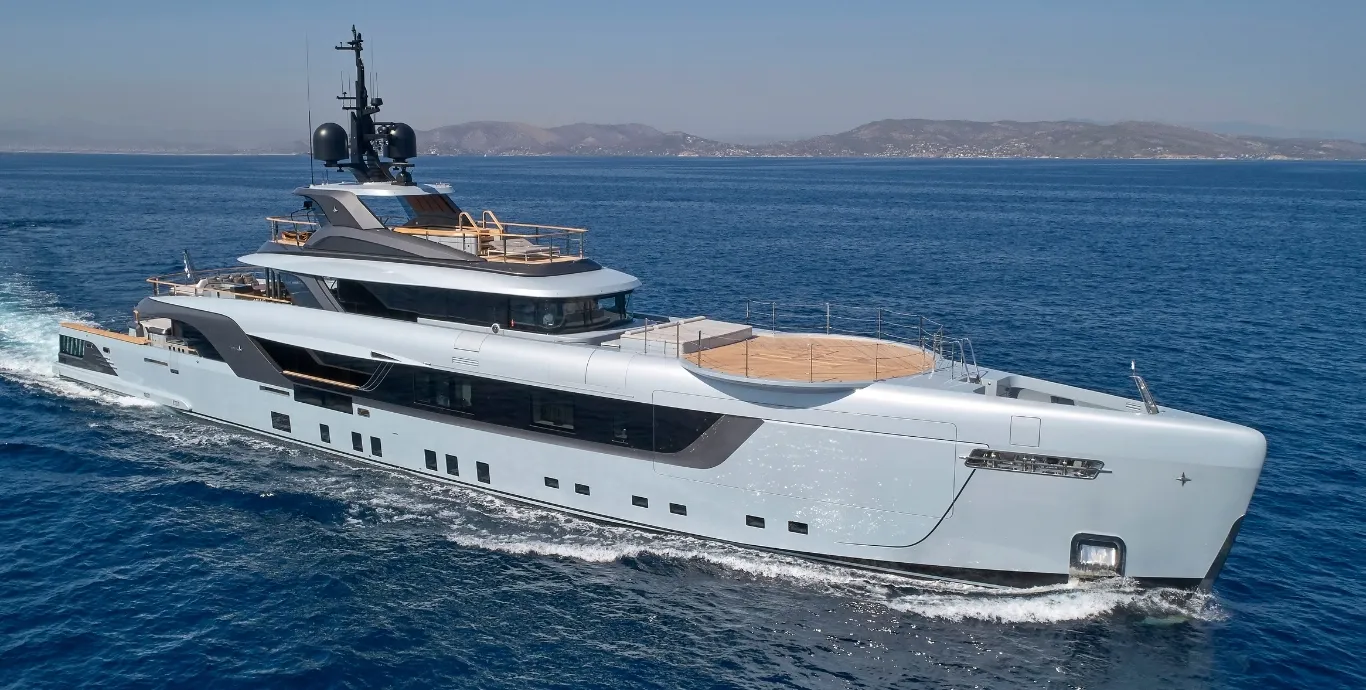
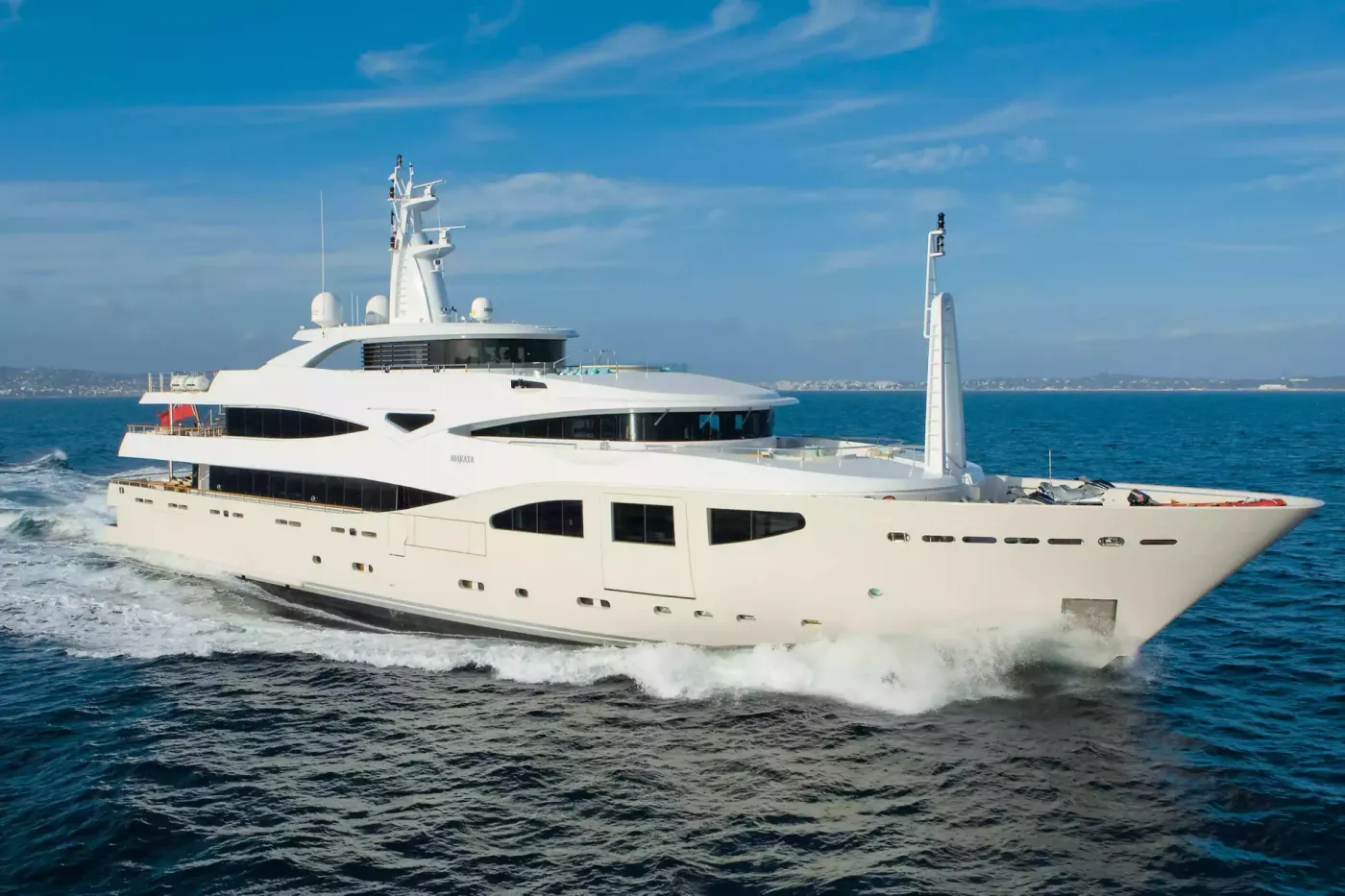
- Which yacht suits Tuscany?
- Practical points before you go
- Can you combine Tuscany with Corsica or Sardinia?
- Common mistakes to avoid
- Planning a week in Tuscany?
Tuscany is two charters in one. On the mainland you have Monte Argentario with Porto Ercole and Porto Santo Stefano in the south and the Versilia coast around Viareggio and Forte dei Marmi in the north. Offshore you have the Tuscan Archipelago, whose seven islands sit inside a national park. What shapes the week is not a single permit but a set of island-by-island rules: Elba and Giglio are open cruising, Giannutri, Capraia, Pianosa and Gorgona have protected waters with zones, and Montecristo is closed to passing boats for about a kilometre around. Advertised weekly rates run from around €55,000 for a yacht of about 30 metres to around €400,000 for one of 55 to 75 metres (Ahoy Club, all destinations), with APA, VAT and a crew tip on top.
What makes Tuscany different as a charter area?
Short distances and a lot of protected sea. The park authority describes a park of seven islands and many islets and rocks in the Tyrrhenian Sea, inside the Pelagos sanctuary for marine mammals, set up as an international protected area in 1999. Not every island is protected in the same way. According to the park, its boundary takes in about half of Elba (57% on the park’s Elba page), 40% of Giglio, 80% of Capraia and 100% of the smaller islands. At sea, the difference is even bigger: the waters around Elba and Giglio are not part of the park, while those around Capraia, Gorgona, Giannutri and Montecristo are. Pianosa’s mile of sea is a separate protected area, set up by a 1997 ministerial decree pending the extension of the park, which issues its permits.
For a crewed charter that translates into three kinds of days:
- Open-coast days around Elba, Giglio and Monte Argentario, where the general Italian rules on anchoring apply and the captain chooses the bay by the wind.
- Park days at Giannutri and Capraia, where zones decide where the yacht can stop, swim and dive, and where a landing ticket may apply.
- Islands the yacht cannot visit: Pianosa, closed to private boats for a nautical mile around, which guests reach on the scheduled boat from Elba; Montecristo, which you see from a distance unless you join a park visit; and Gorgona, still partly a prison, with organised visits only.
The coast itself has two characters. In the south, Monte Argentario is a former island joined to the mainland by sand bars, with Porto Santo Stefano on its north side and Porto Ercole, overlooked by four old fortresses, on the other, as Boatbookings describes it. In the north, Viareggio and Forte dei Marmi are beach towns with restaurants and beach clubs; Burgess lists several in Forte dei Marmi. Elba, between the two, is the largest island of the archipelago, and YachtCharterFleet counts more than 150 beaches along its coast.
When is the best time to charter in Tuscany?
Burgess gives May, September and October as the best months for its Italian Riviera and Tuscany area. For swimming, the water decides: on Elba the average sea temperature is about 18 °C in May, 21.5 °C in June, 24 °C in July, 25 °C in August, 23 °C in September and 20.5 °C in October, according to Climates to Travel. Month by month:
| Period | What to expect | Who it suits |
|---|---|---|
| May | Quiet harbours; the sea still cool for most swimmers. | Walkers, food lovers, couples who prefer calm over swimming. |
| June | Long days, water warming up. | Families and first-timers. |
| July–August | Warmest water and busiest weeks. Harbours fill and anchorages get crowded, especially in August. | Groups who want beach clubs, restaurants and a lively scene. |
| September | Water still warm, crowds thinning; one of Burgess’s three best months. | Guests who want warm water without the August peak. |
| October | Shorter days, more changeable weather, water still around 20 °C. | Flexible guests who want quiet islands. |
Two things about high summer. Yacht.de’s area guide notes that in July and August the islands fill up as boats arrive from the mainland, berths become scarce and the anchor bays are packed; YachtCharterFleet singles out August on Elba. And if a visit to Montecristo matters to you, the park only runs visits from 1 March to 15 April and from 15 May to 31 October, closing in between to protect migrating birds.
What are the winds like around Elba and the islands?
Mostly gentle, with one exception. Yacht.de’s guide describes weak to moderate westerly and north-westerly winds in the summer months, calls Elba a light wind area and warns about two stronger winds: the libeccio, a south-westerly that can blow when a low passes over the Gulf of Genoa, and the mistral, which is well forecast but can be stormy even in summer. When the mistral blows, many anchorages become unusable because of the swell, and boats head for the few safe harbours.
On a crewed charter that means:
- Elba has a sheltered side. A superyacht captain interviewed by BOAT International in 2015 said that on Elba’s north, south and east coasts there is always a calm spot whatever the wind. The captain chooses the side; you choose the kind of bay.
- The small islands need calm days. On Capraia and Giglio, Yacht.de notes, there are plenty of anchorages in calm weather, but in a strong mistral many bays have a swell. Keep them for the settled days.
- Stay flexible. Tell the crew which places matter most (a lunch on Giglio, a night in Porto Ercole, a walk in Portoferraio) and let them fit the rest around the forecast.
The Tuscan Archipelago National Park: what are the rules at sea?
There is no single rule for the whole park. Each island has its own regime, and the park’s pages describe it island by island and zone by zone. The founding decree of 1996 already set the basic logic: in the most protected areas, called Zone 1, navigation, access, stopping and anchoring of vessels of any kind are banned, and across the park fishing of any kind is banned for visitors, with exceptions only for residents and spearfishing banned outright. The park plan has since refined the zones, so the captain works from the current charts and ordinances.
Montecristo: can you visit by yacht?
Only in a very limited way. Montecristo is in Zone 1, according to the park. Swimming is banned and boats may not sail around the island within about 1 km of the coast; Visit Tuscany adds that fishing is banned within three miles. Access is capped at a maximum of 2,000 visitors a year, nobody under 12 may land, and visits run only in the two periods given above.
There are two ways to set foot on it. The usual one is a guided trip organised by the park, booked early in the year, with 75 places per date, leaving from Piombino with a stop at Porto Azzurro. The other is reserved for pleasure boats under 16 metres, which can ask the Carabinieri biodiversity unit in Follonica for authorisation; it allows landing only at Cala Maestra and the museum. A charter yacht of 16 metres or more does not meet that length limit, so for most charters Montecristo is a view from beyond the 1 km line, not a landing.
Gorgona and Pianosa
Gorgona, in the sea off Livorno, is still partly a prison island, according to Visit Tuscany. The park covers the whole island and its waters except the access corridor to the pier, visits are capped at 100 people a day on approved routes with a guide, and swimming is banned. Treat it as an organised excursion, not a stop.
Pianosa, south-west of Elba, is open to day visitors in limited numbers: Visit Tuscany says the number of visitors admitted each day is limited and trips leave from Marina di Campo or Rio Marina on Elba. It cannot be reached by yacht. A ministerial decree of 1997, still cited by the park in 2026, bans the transit of any vessel within one nautical mile of the coast except service and research boats, the scheduled boats and those of residents, unless the park authorises it. Once there, swimming is allowed only on the beach of Cala Giovanna. Diving is possible, but only with dive centres authorised by the park and only from its buoy field.
Giannutri: Zone 1 and Zone 2
Giannutri, the southernmost island, is the clearest example of how zoning works. According to the park:
- Zone 1 bans swimming, diving, fishing and the navigation, stopping and anchoring of vessels of any kind.
- Zone 2 allows swimming and the navigation, stopping and anchoring of vessels. Fishing is banned.
- The approach corridors to the two landing places, Cala dello Spalmatoio on the east coast and Cala Maestra on the west, are outside the protected sea area.
- Anyone landing from a private boat must pay the landing ticket online: €2.50 in 2026.
The park’s buoy field at Giannutri is not working. In resolution 9 of 25 February 2026 the park revoked the old buoy-field rules, noted that no buoy field authorised by the park is operating and, until a new measure, allowed scuba diving only in Zone 2. A new zoning plan for the island’s sea is going through approval with the Tuscany region, so expect the rules to change again.
Capraia
Capraia lies far out: 54 km from the mainland and about 30 km from Corsica, according to the park. The park divides the island into zones A to D, and its protected waters into zones with different permitted activities; in June 2020 the park closed the area around a cave used by monk seals. For a large yacht the key rule is length: under the park plan, pleasure vessels of more than 24 metres may not enter zones MA and MB, may navigate and anchor with limits in zone MC and freely in zone MD. The harbour and the village are outside the park. Below the village there is the Miglio Blu, a 1,100-metre corridor marked by 22 buoys and reserved for swimming. Yacht.de warns that berths on Capraia can be scarce in summer.
Tickets from 2027
From 1 January 2027 the park will charge a single access ticket of €9 per visitor for Gorgona, Pianosa and Giannutri, as it announced in October 2026. On a crewed charter, ask whether the captain will handle the tickets and charge them to the APA, and check that they are in the plan.
Elba, Giglio and the mainland coast
Around Elba and Giglio the sea is outside the park, so general Italian rules and local ordinances apply. One exception is off Portoferraio: according to the park, a 1971 ministerial decree made the sea at Le Ghiaie, between Punta Falcone and Capo Bianco, where Lo Scoglietto lies, a biological protection zone run by the municipality. BOAT International’s Italy guide says it is prohibited to anchor within 200 metres of a beach and that, except when entering or leaving, motoring within 300 metres of the shoreline is forbidden. Yacht.de adds 100 metres from rocky coasts, notes that swimming areas are often marked with floating lines and that anchoring and sailing are restricted in the bay of Portoferraio because of ferry traffic. There are random checks and sometimes severe fines. The crew handles all of this; what you will notice is that the yacht anchors further out than the day boats and you reach the beach by tender.
Where to start: Porto Ercole, Portoferraio or Viareggio?
It depends on which half of Tuscany you want to see most.
- Porto Ercole and Cala Galera (Monte Argentario). The natural start for the southern islands: Giglio lies about 15 km west of Monte Argentario, and Giannutri 14 km from Giglio. The Cala Galera marina has almost 670 berths, 60 of them reserved for boats in transit up to 50 metres, according to the Argentario tourism site.
- Porto Santo Stefano. On the north side of the promontory and the livelier of the two Argentario harbours, with a fish market and restaurants that draw large sailing and motor yachts, as Boatbookings describes it. The ferries to Giglio and Giannutri leave from here, one hour to each island.
- Portoferraio (Elba). Elba’s main harbour. The Darsena Medicea, the old Medici harbour, is a marina run by the municipality, according to the Tuscany region, and an Elba ship agent told Superyacht24 in January 2026 that Portoferraio can take yachts of up to 100 metres.
- Viareggio. The base for the northern coast. Boatbookings describes it as a prime location where many of the yachts it lists are berthed, with good access to the Cinque Terre, the archipelago and the Tuscan coast.
- Livorno and Piombino. Livorno is the closest port to Gorgona; Piombino is where the Elba ferries leave, about one hour to Portoferraio.
Starting and finishing in different ports is possible but may add a delivery fee, which the agency will quote.
A seven-day route: Giannutri, Giglio, Capraia and Elba
This route follows the southern alternative in Boatbookings’ seven-day Tuscany sailing itinerary: Piombino, Giannutri, Giglio, Pianosa, Capraia, Portoferraio and back to Piombino. It was written for sailing yachts and lists only the islands; what the park’s rules, or the Italian rules outside the park, allow a yacht of 30 to 50 metres at each stop is gathered in the box at the end of the route. One stop changes: a private yacht may not enter the waters around Pianosa, so that day it waits off Elba and guests cross on the scheduled boat. In a mistral the crew will reorder the days and keep the small islands for calmer weather.
| Day | Leg | Miles |
|---|---|---|
| 1 | Piombino | — |
| 2 | Piombino → Giannutri | — |
| 3 | Giannutri → Giglio | — |
| 4 | Giglio → Marina di Campo (Elba) | — |
| 5 | Marina di Campo (Elba) → Capraia | — |
| 6 | Capraia → Portoferraio | — |
| 7 | Portoferraio → Piombino | — |
Day 1: Piombino
An unhurried start, in the port the Elba ferries leave from.
Embark in Piombino. As the itinerary’s main route suggests for its first day, the first night is in the harbour or a nearby cove, with time to finish provisioning.
Day 2: Giannutri
The first park island: two coves, a path between them and a sea divided into zones.
South to Giannutri, the southernmost island. The yacht anchors in the park’s Zone 2, and the tender lands guests at Cala dello Spalmatoio or Cala Maestra once the landing ticket has been paid online (€2.50 in 2026). Both coves are free for swimming, and the path between them can be walked without a guide; anywhere else on the island, visits are only with a guide.
Day 3: Giglio
An island outside the park, with three villages to choose from.
Giglio’s waters are outside the park, so the general Italian rules on distances from the shore apply (see the box below). The island has one harbour, so the yacht anchors off and the tender takes guests to Giglio Porto, up to Giglio Castello or to Campese, the island’s three centres according to Visit Tuscany.
Day 4: Pianosa, from Elba
A day out on the scheduled boat, to an island no yacht may approach.
The itinerary puts Pianosa here, but a yacht cannot anchor there (see the box below). So the yacht crosses to Elba’s south coast, outside the park, and anchors off Marina di Campo; guests take the daily scheduled boat from Marina di Campo to Pianosa, about 13 km south of Elba, and pay the access ticket with the fare. Ashore, swimming is allowed only at Cala Giovanna, and the old prison area can be visited only with an authorised guide.
Day 5: Capraia
The furthest island of the week, far out from the mainland.
North-west to Capraia, 54 km from the mainland. The harbour and the village are outside the park; the rest of the coast is divided into sea zones, and the yacht’s length decides which ones it may enter (see the box below). The tender takes guests to Cala del Ceppo, the bay the itinerary’s main route recommends for a swim, or to the Miglio Blu below the village.
Day 6: Portoferraio
A night in harbour and an evening in town, on Elba.
Back to Elba, whose waters are outside the park. The yacht berths in Portoferraio’s harbour: an Elba ship agent told Superyacht24 that Portoferraio can take yachts of up to 100 metres and that guests disembark right in front of the Porta a Mare, on the Darsena Medicea. Ashore, the old town and Napoleon’s two residences, the Villa dei Mulini and the Villa San Martino.
Day 7: Piombino
The last crossing, back over the channel.
To Piombino to disembark, as in the itinerary.
Other published weeks
The same itinerary’s main route takes a different line: Elba’s north coast and Portoferraio, Capraia, a crossing to Macinaggio in Corsica, then back to Elba’s south coast and Porto Azzurro. It suggests adding the southern route to it for a two-week sail. Another published superyacht week, from 2017, starts in Viareggio and spends its first days in Liguria (La Spezia, the Cinque Terre and Porto Venere) before crossing overnight to Elba, then Giglio, Montecristo, Porto Ercole and a night at anchor off Giannutri, ending at Civitavecchia, the port of Rome. On its Tuscan legs the same rules apply: Montecristo only from beyond the 1 km line, Giannutri anchored in Zone 2. Its Ligurian days fall outside the park and this guide.
On a sailing yacht or catamaran
This is the kind of boat the route was written for, and the light summer winds suit relaxed sailing. A sailing yacht or catamaran of up to 24 metres is not a “nave da diporto”, so at Capraia it may enter zone MB, where larger yachts cannot go. In the stricter part of zone MB, though, the park plan’s table allows motoring and anchoring only to boats of up to 10 metres, so a larger sailing yacht can only sail through there. Accept a day in harbour if the mistral blows hard.
For a 30–50 m yacht
- Giannutri (day 2). The park’s Zone 1 bans the navigation, stopping and anchoring of vessels of any kind; Zone 2 allows them, so the yacht anchors in Zone 2. The approach corridors to Cala dello Spalmatoio and Cala Maestra are outside the protected sea area. No park buoy field is working, and for now scuba diving is allowed only in Zone 2.
- Giglio (day 3). No anchoring within 200 metres of a beach and no motoring within 300 metres of the shore except to enter or leave, according to BOAT International’s Italy guide, and 100 metres from rocky coasts, according to Yacht.de.
- Pianosa (day 4). A 1997 ministerial decree, which the park still cites in its 2026 rules, made the sea within one nautical mile of Pianosa a protected area where the transit of any vessel is banned, except service and research boats, the scheduled boats and those of residents, unless the park authorises it.
- Capraia (day 5). Under the park plan’s summary table, pleasure vessels of more than 24 metres (“navi da diporto” in Italian law) may not enter zones MA and MB, may navigate and anchor with limits in zone MC and freely in zone MD. A yacht of 30 to 50 metres therefore anchors in zone MC or MD, or berths in the harbour if there is room; Yacht.de warns that berths are scarce in summer.
- Portoferraio (day 6). Anchoring and sailing are restricted in the bay because of ferry traffic, according to Yacht.de, which is why the yacht berths in the harbour.
How much does a yacht charter in Tuscany cost?
From around €55,000 a week for a yacht of about 30 metres to around €400,000 for one of 55 to 75 metres, before expenses. Those are Ahoy Club’s typical advertised weekly rates for the yachts it lists in euros (consulted November 2026).
| Yacht size | Typical advertised rate per week (yachts listed in euros, all destinations) | Upper end of euro listings |
|---|---|---|
| About 30 m (27–33 m) | around €55,000 | up to about €155,000 |
| About 40 m (37–43 m) | around €105,000 | up to about €285,000 |
| About 50 m (46–55 m) | around €180,000 | up to about €440,000 |
| 55–75 m | around €400,000 | up to about €990,000 |
Fraser’s Mediterranean examples sit in the same range: from €30,000 for the 27-metre Coco VI and from €391,000 for the 59.9-metre Formosa.
On top of the base rate, budget for:
- APA (Advance Provisioning Allowance). Typically around 30% of the base rate, according to Fraser; Ahoy Club says it typically runs 30% or more in high season. It covers fuel, food and drink, berths, local taxes and similar running costs. The captain accounts for every euro and returns what is left. Our APA guide explains how it works.
- VAT. See the next section.
- Crew gratuity. Customary but voluntary. Fraser recommends around 15–20% of the base rate, the top of the published range; the MYBA guideline is 5–15% and Burgess quotes 10–15% (see our crew tipping guide).
- Delivery fees if you start or finish away from the yacht’s base port.
For a fuller worked example, see how much a luxury yacht charter costs.
Before you budget
- The rates cover yachts listed in euros across all destinations, not only those cruising in Tuscany. None of the sources consulted publishes a rate table for Tuscany alone, so treat them as a guide to the market, not a local price.
- The rate for a specific yacht and week comes from the charter agency.
What VAT applies to a charter in Tuscany?
Italian VAT at 22% on the charter fee. IYC’s 2026 summary says the final calculation may be influenced by the itinerary and the time spent in non-EU waters, and BOAT International notes that the rate is reduced depending on how much time the yacht has spent cruising outside EU waters.
That reduction needs proof. The Agenzia delle Entrate set out the means of proof in provision 234483 of 15 June 2020, as summarised by Assolombarda; for yachts with satellite navigation, the evidence comes from voyage charts and satellite or transponder data. How much of a Tuscan week, which runs along the Italian coast and islands, counts as outside EU waters depends on the actual route, so ask the agency for the VAT figure in writing before you sign. The same IYC summary gives 20% for charters that start in France or Monaco; if a charter that starts in Italy crosses to Corsica, ask the agency how those days are treated. Our guide to yacht charter VAT by country explains the logic.
Which yacht suits Tuscany?
Every type works. What matters more than usual is the size of the harbours you want to use, a good tender for landings in the park, and comfort at anchor if the mistral leaves a swell.
- Harbour size. Portoferraio can take yachts of up to 100 metres, according to the Elba ship agent quoted by Superyacht24, who adds that Porto Azzurro is being upgraded for yachts of up to 60 metres and that Marciana Marina caters for up to 40 metres. Cala Galera takes transit yachts up to 50 metres. Giglio and Capraia have one harbour each, according to Yacht.de, so on the small islands a larger yacht will usually anchor off and use the tender.
- Tender. Landings at Giannutri, Giglio’s beaches and Elba’s coves are done by tender. A capable tender, and ideally a second one, makes the week.
- Stabilisers at anchor. With the mistral, at-anchor stabilisers make nights off the islands much more comfortable.
- Length and the islands. Private landings on Montecristo are reserved for boats under 16 metres, so a charter yacht of normal size cannot use that route. At Capraia, a yacht of more than 24 metres may not enter the zones closest to the coast (MB), so it anchors further out than a smaller boat. Our yacht size comparison explains what else changes with length.
- Toys. In the park, diving is tightly limited by zone and fishing is banned, so check what the crew can offer before counting on scuba days; snorkelling in Zone 2 waters and around Elba is the usual alternative. Our water toys guide covers the rest.
Our guide on how to choose a charter yacht goes through cabins, crew and layouts in more detail.
Practical points before you go
Getting there
Tuscany has two main airports, Galileo Galilei in Pisa and Amerigo Vespucci (Peretola) in Florence, plus smaller airports in Grosseto, the Versilia and on Elba, according to Visit Tuscany. Elba’s airport is at La Pila, in the municipality of Campo nell’Elba, and ferries from Piombino reach Portoferraio in about an hour. For Monte Argentario, Rome is often the more practical gateway: Boatbookings puts southern Tuscany about an hour’s drive from Fiumicino airport. One published superyacht week through the islands even finishes at Civitavecchia, the port of Rome.
Documents and formalities
BOAT International’s Italy guide notes that the crew’s official documentation must be sent to the Italian authorities at least two weeks before arrival. The captain will ask for passport details for the guest list in good time. Italy is in the Schengen area and uses the euro.
Booking ahead
July and August are the busiest weeks on Elba and the Argentario. If you want a specific size or style of yacht in peak season, start looking several months ahead; our guide on when to book a yacht charter goes through the timing.
Can you combine Tuscany with Corsica or Sardinia?
Yes. BOAT International describes the Tuscan islands as a convenient stepping stone between the Tuscan coast and Corsica. Capraia is about 30 km from Corsica, and Yacht.de says the hop over to Corsica can be done in a couple of hours, with Bastia worth a detour. From Porto Ercole, Boatbookings notes, yachts head out to Elba, Sardinia and the rest of the Italian coast.
A charter that starts in Corsica pays French VAT, according to IYC. For the La Maddalena park, on the Sardinian side, see our Sardinia and Corsica guide. To the north, the Ligurian Riviera and the Côte d’Azur continue the coast; see our French Riviera and Monaco guide if you are thinking of a one-way charter.
Common mistakes to avoid
- Putting Montecristo on the list as a stop. Boats must stay about 1 km off and swimming is banned. Landing needs a place on a park visit or, for boats under 16 metres, an authorisation.
- Planning a stop at Pianosa. No yacht may enter the sea within one nautical mile of the island without the park’s authorisation; guests go across on the scheduled boat from Marina di Campo.
- Planning scuba days in the park without checking. Diving is banned or limited by zone, and at Pianosa it is only possible with authorised dive centres.
- Fishing from the tender. Fishing is banned in the park’s waters for visitors.
- Assuming the price includes VAT. In Italy VAT at 22% is added to the charter fee; check how the yacht applies it to your route.
Planning a week in Tuscany?
For this area, the useful details are your dates, the size of the group, where you would like to start (Porto Ercole, Portoferraio or Viareggio) and whether you want the southern islands, Elba, the Versilia coast or a crossing to Corsica, because that decides the starting port and the size of yacht that suits you. Add the kind of week you have in mind, from quiet coves to restaurants and beach clubs, and a charter specialist will reply with yacht options priced in full, APA, VAT and any delivery fee included. The charter itself is signed with the yacht’s owner through a licensed charter agency, normally under the MYBA contract, with the full price and VAT clear before you sign. Send us your dates.