In this guide
- Why combine Sardinia and Corsica in one charter?
- When is the best time to charter in Sardinia and Corsica?
- How does the mistral affect a charter here?
- La Maddalena National Park: do you need a permit?
- Corsica: what are the anchoring rules for large yachts?
- Where to start: Porto Cervo, Olbia or Corsica?
- A seven-day route: Costa Smeralda, La Maddalena and Bonifacio
- How much does a yacht charter in Sardinia cost?
- What VAT applies to a charter in Sardinia and Corsica?
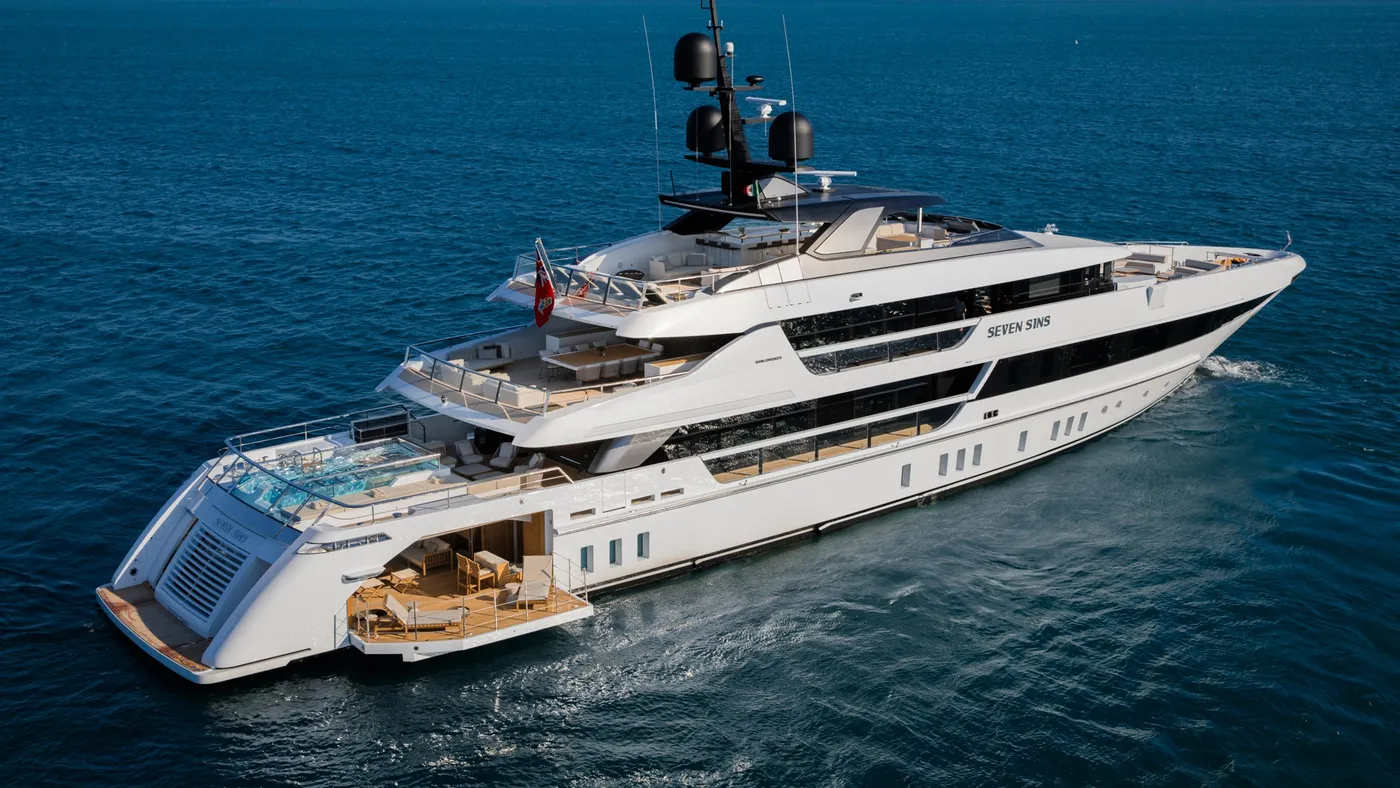
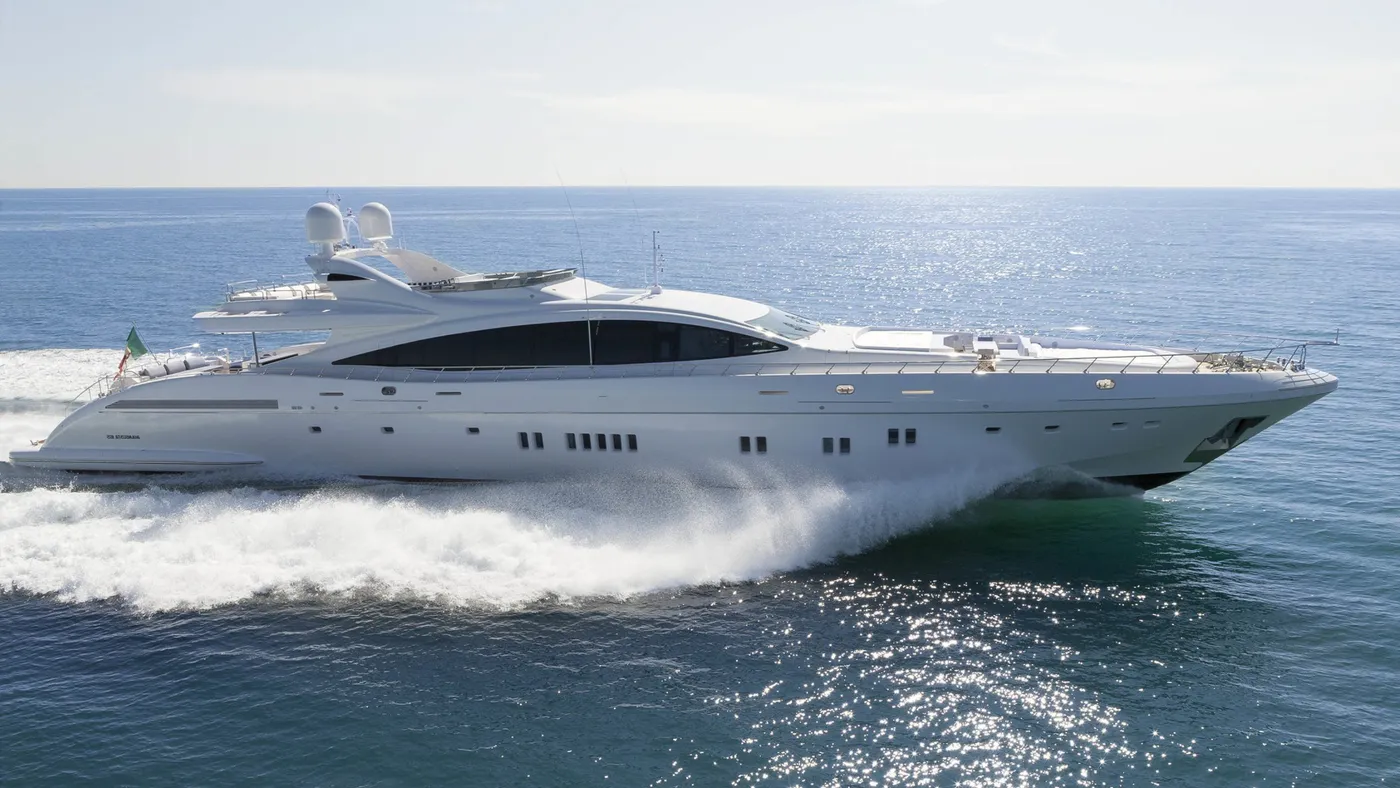
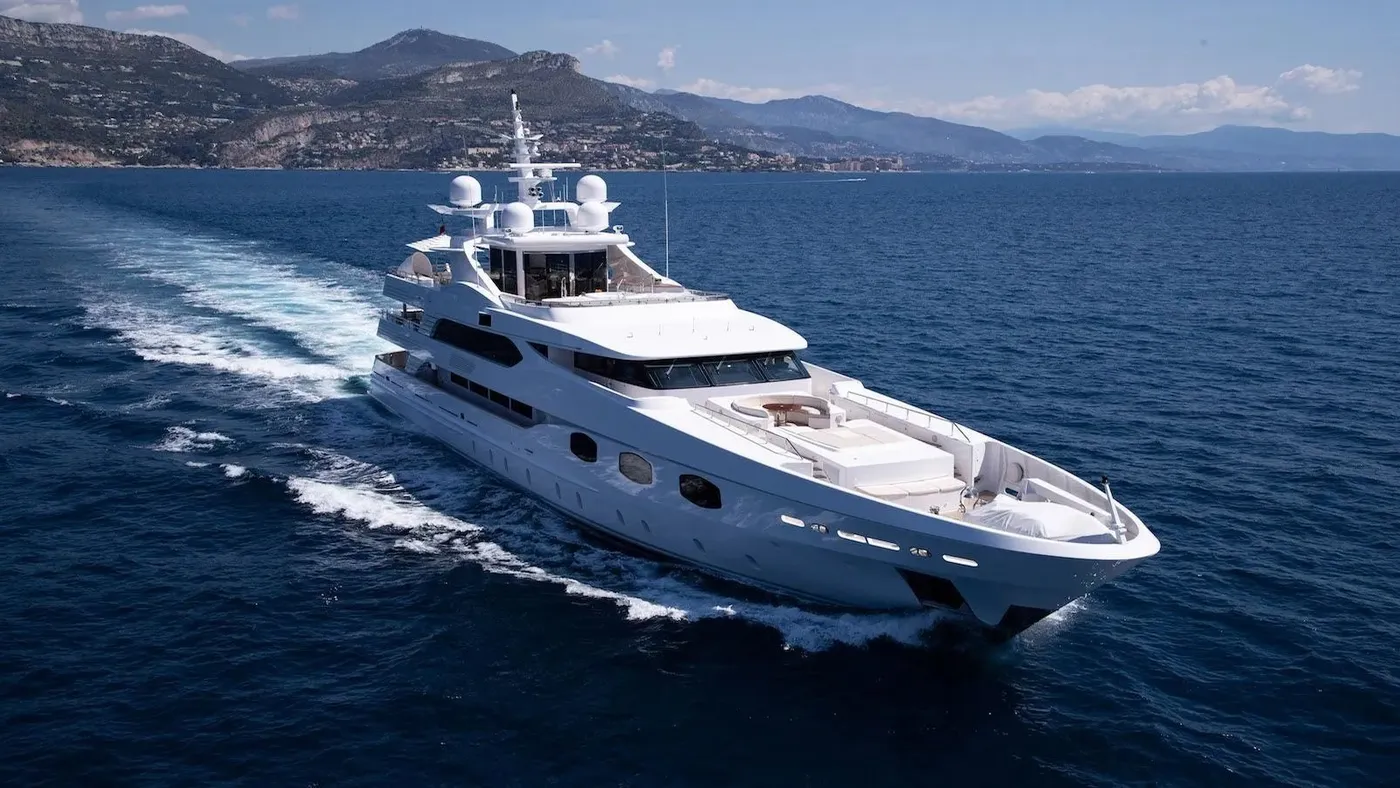
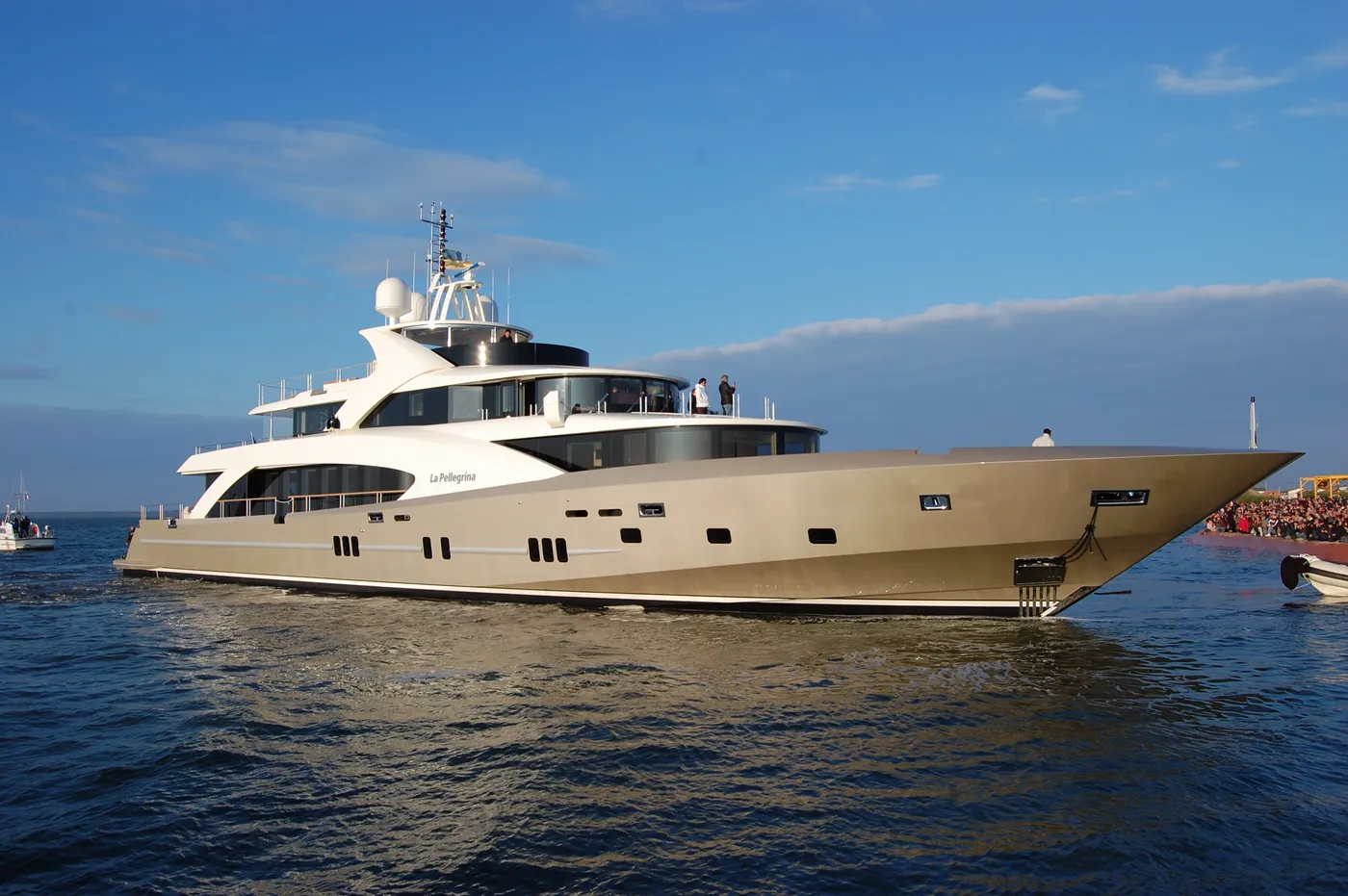
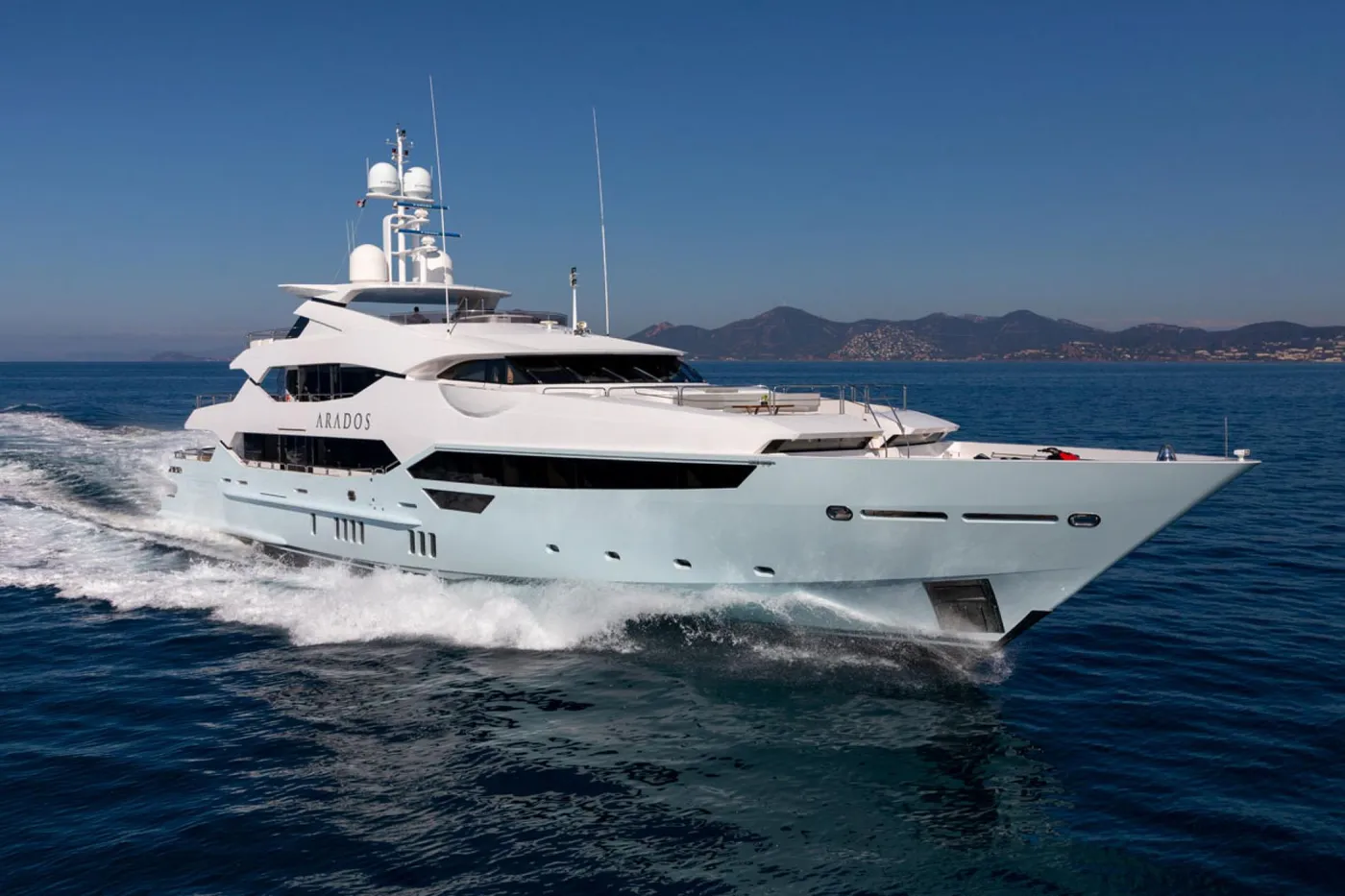
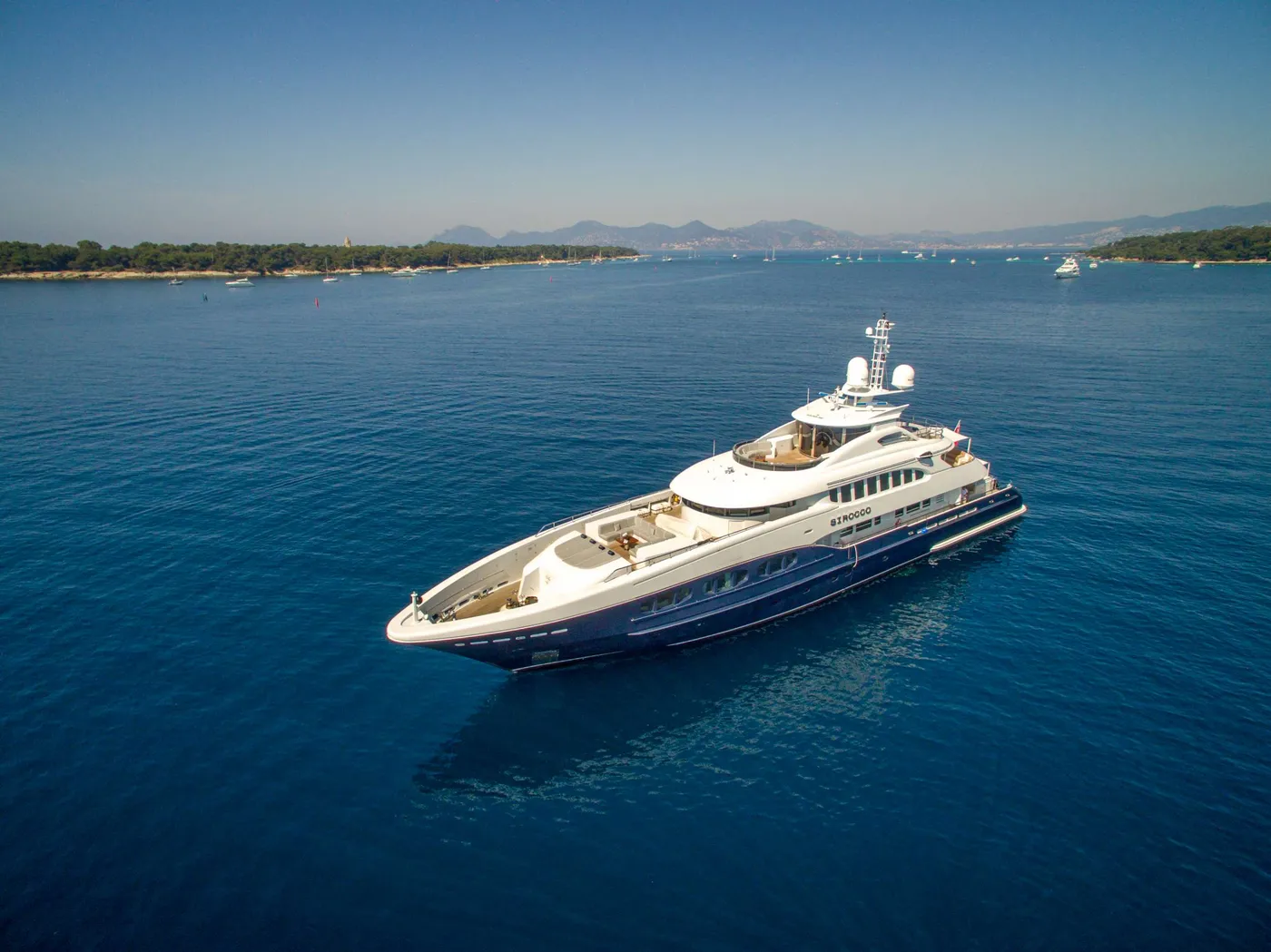
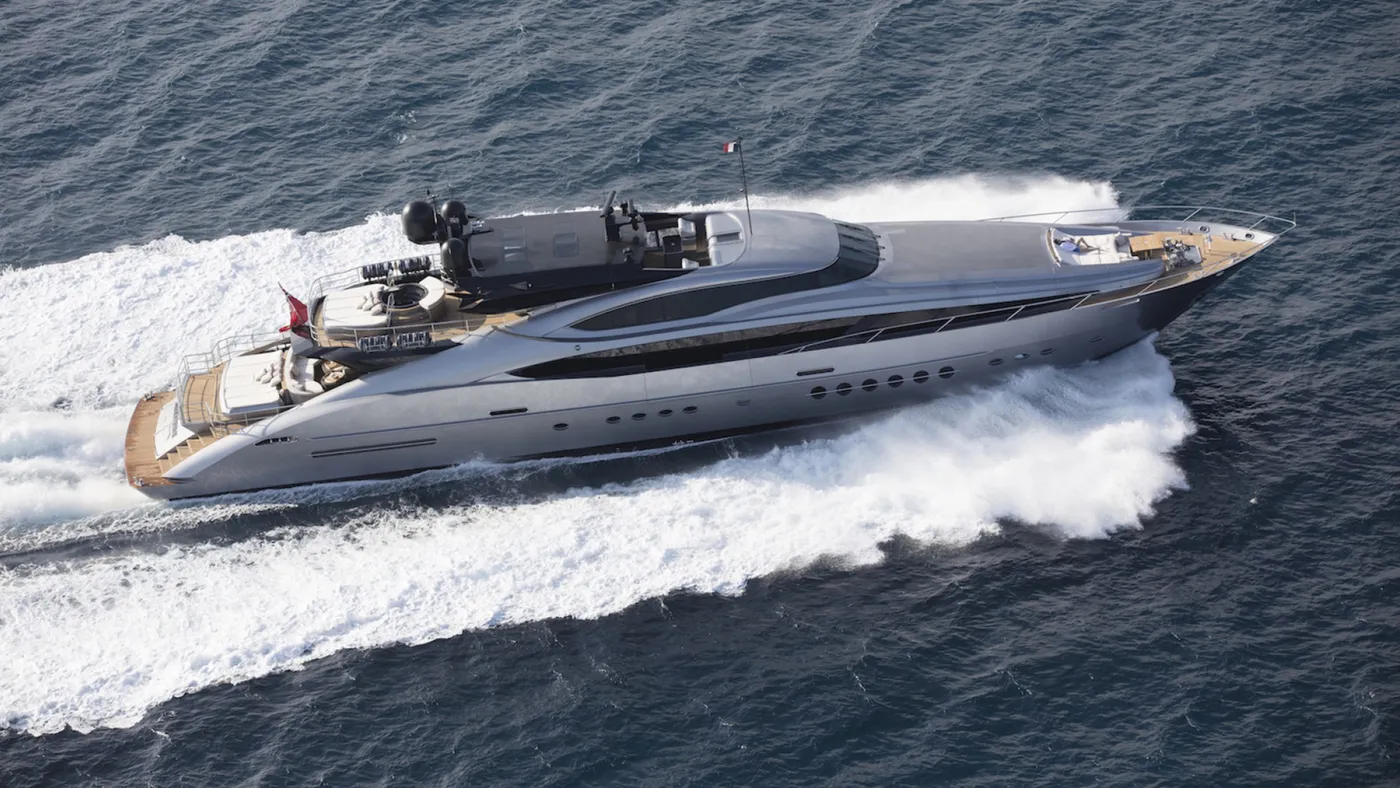
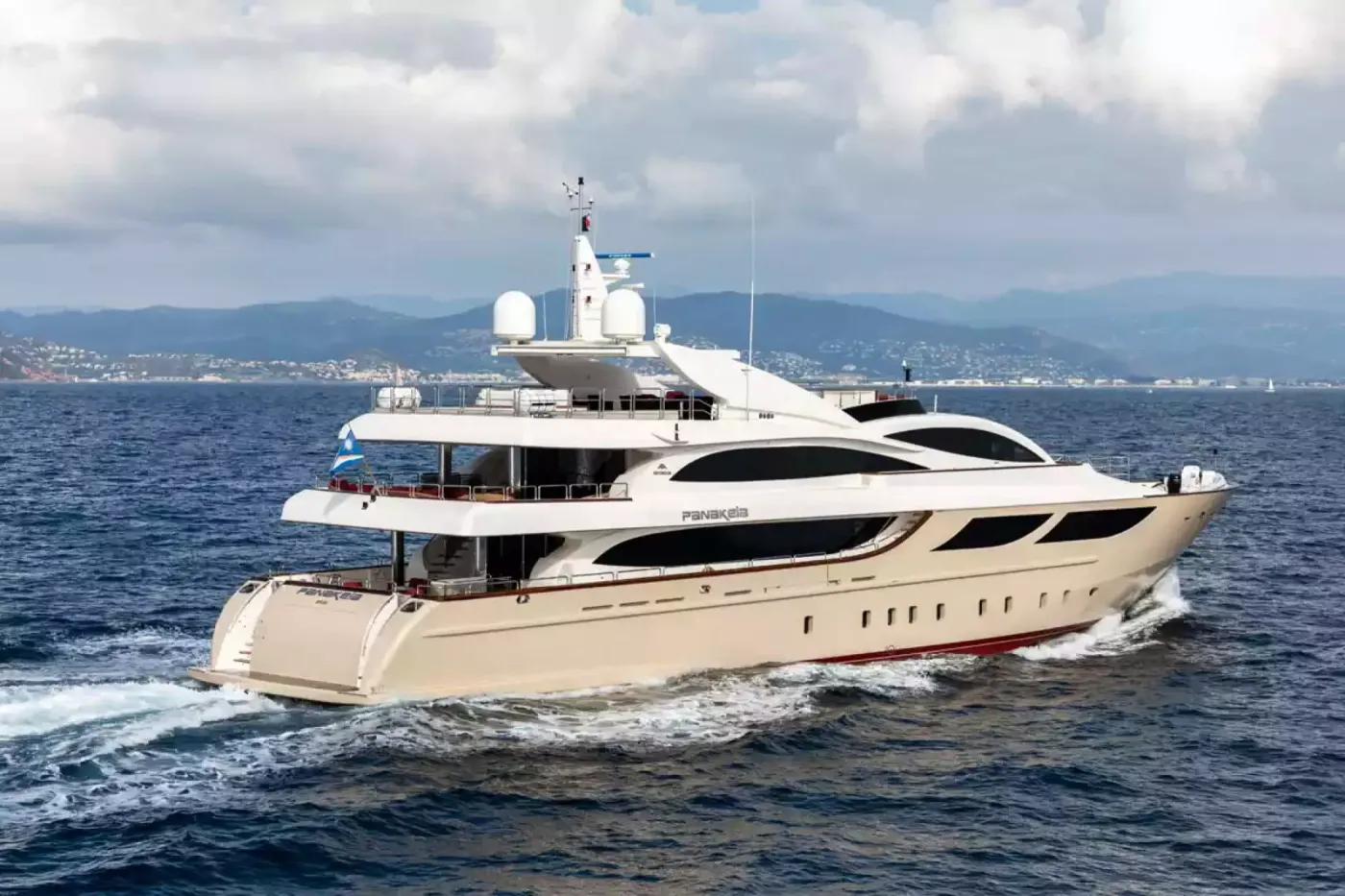
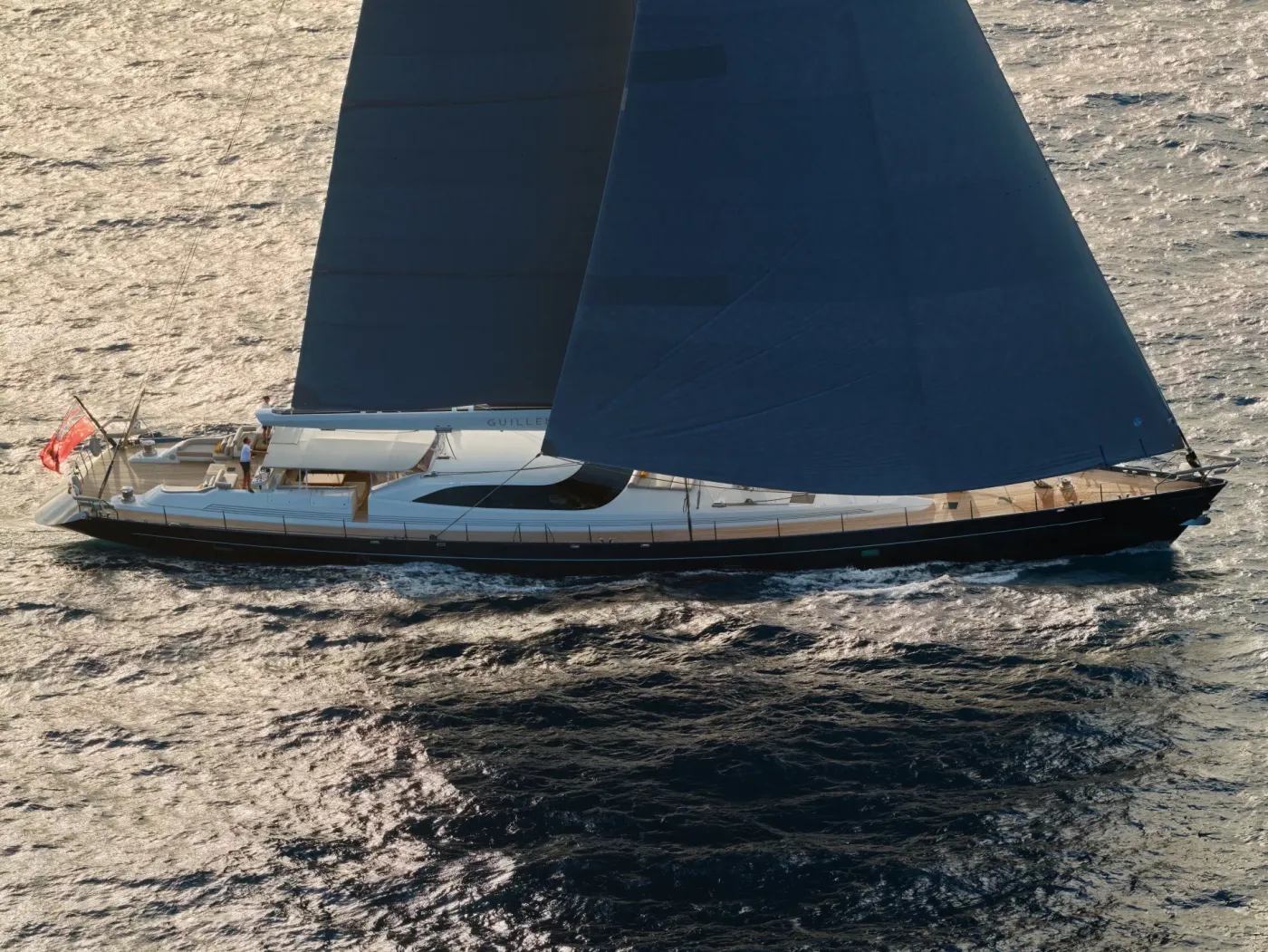
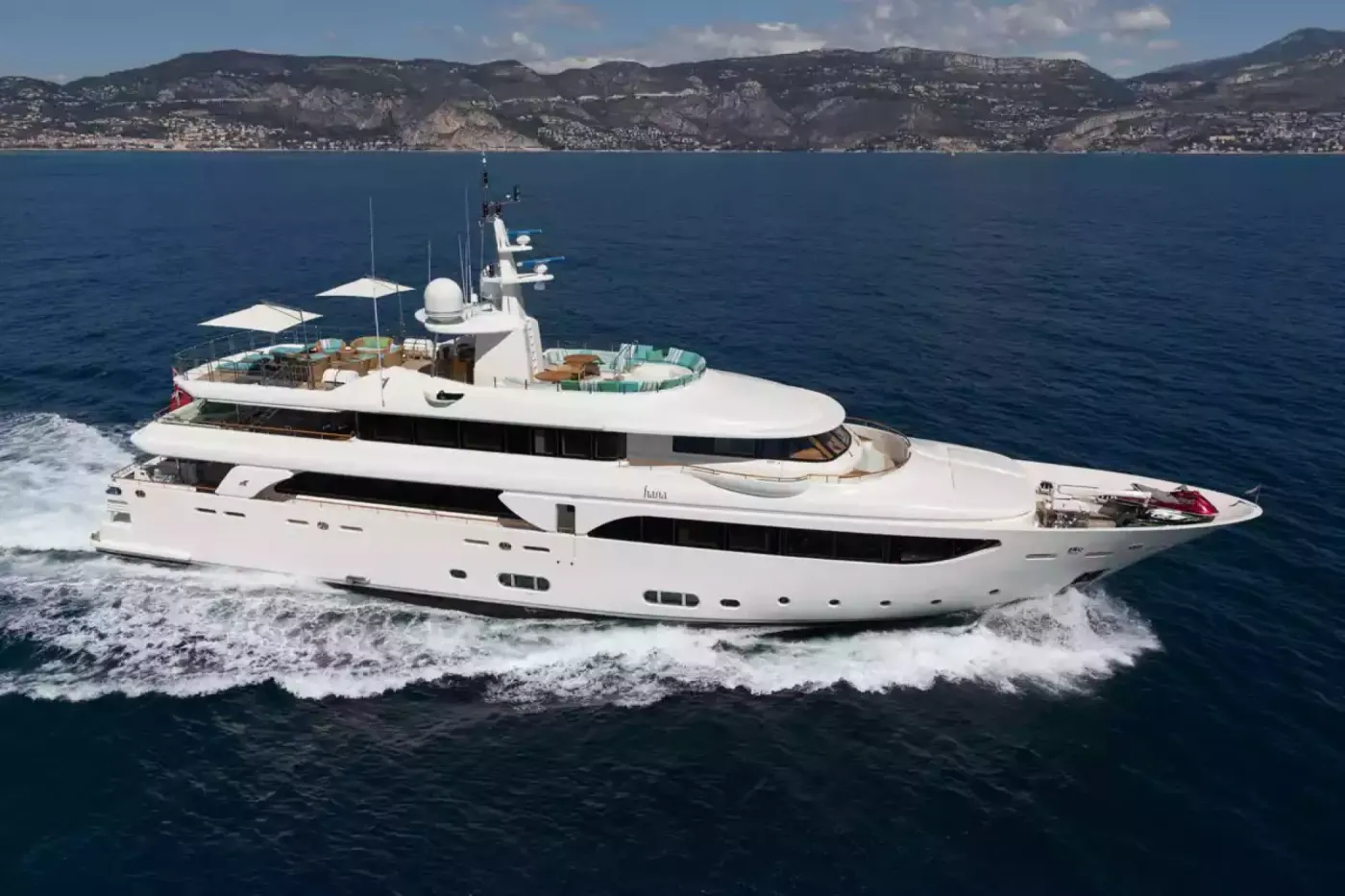
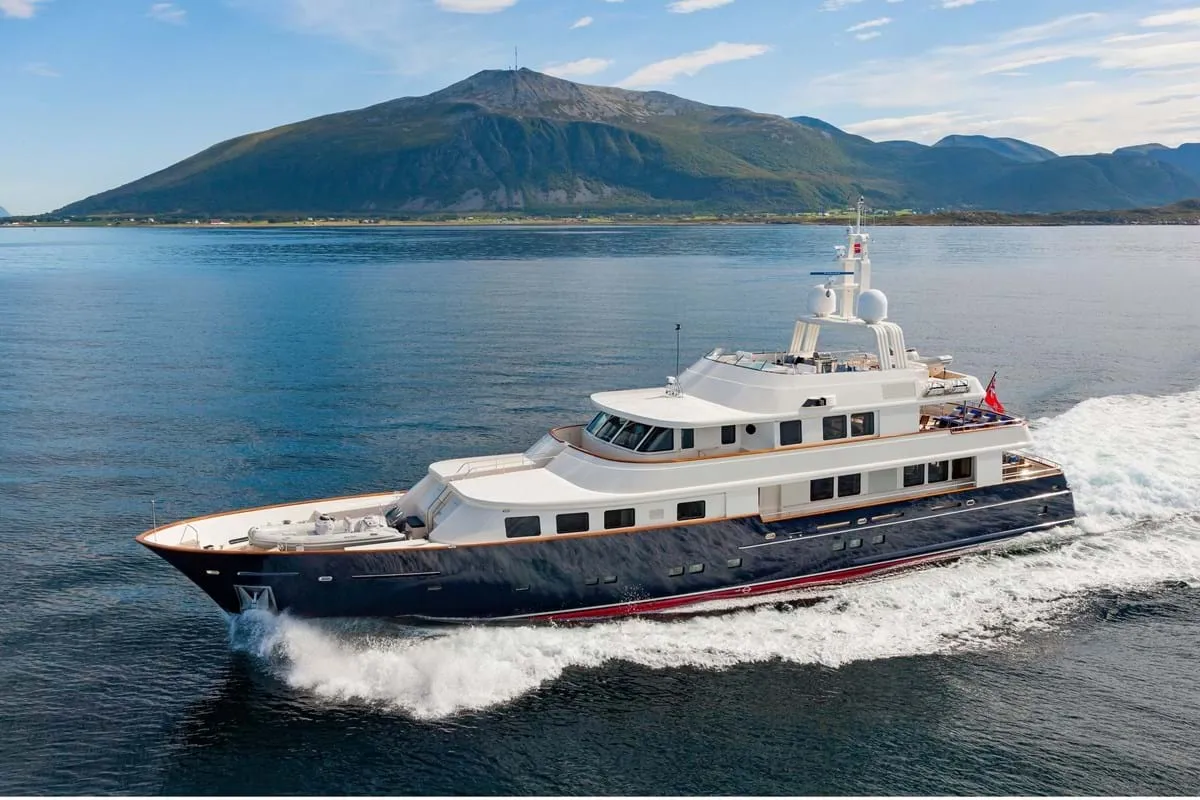
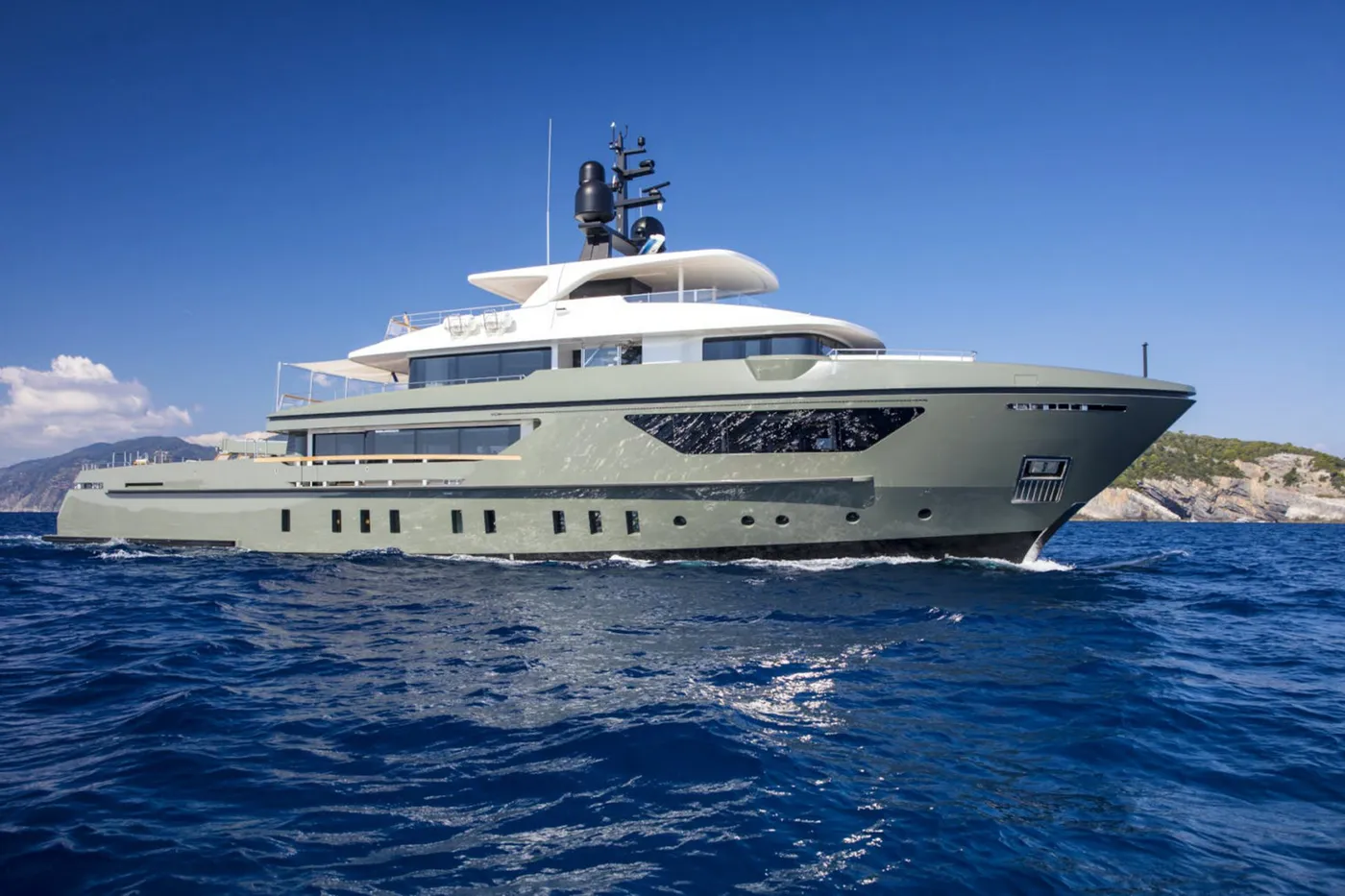
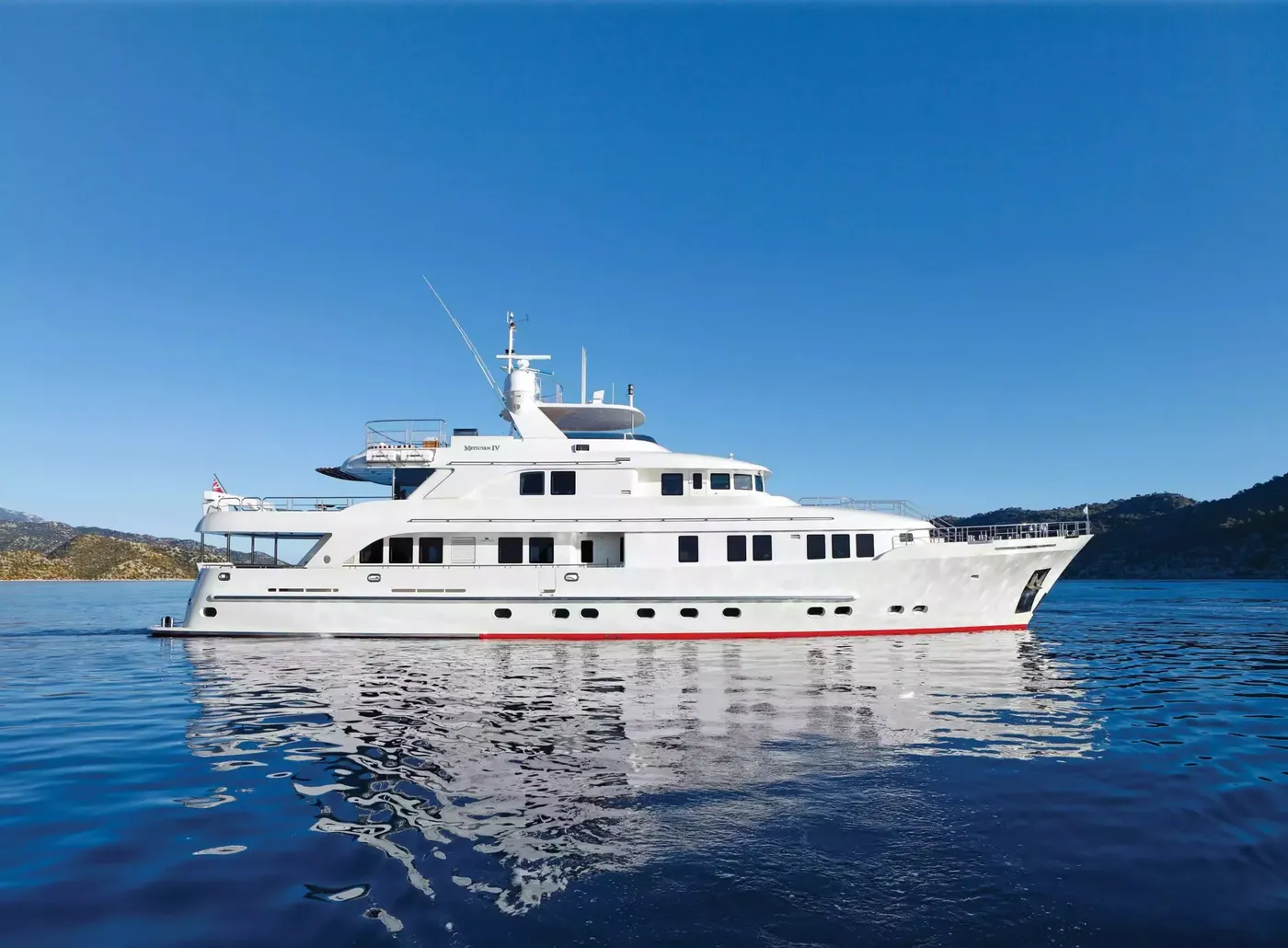
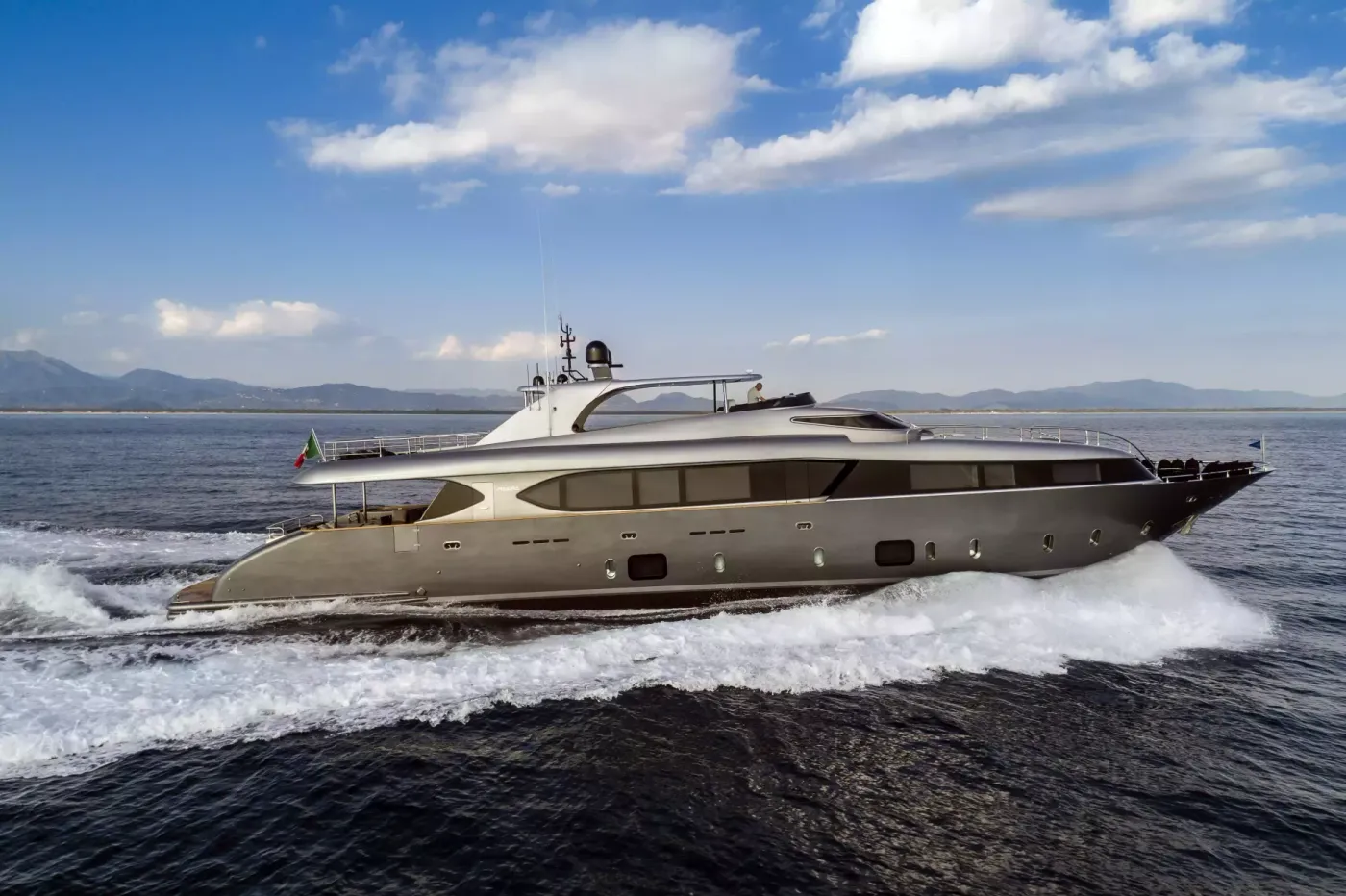
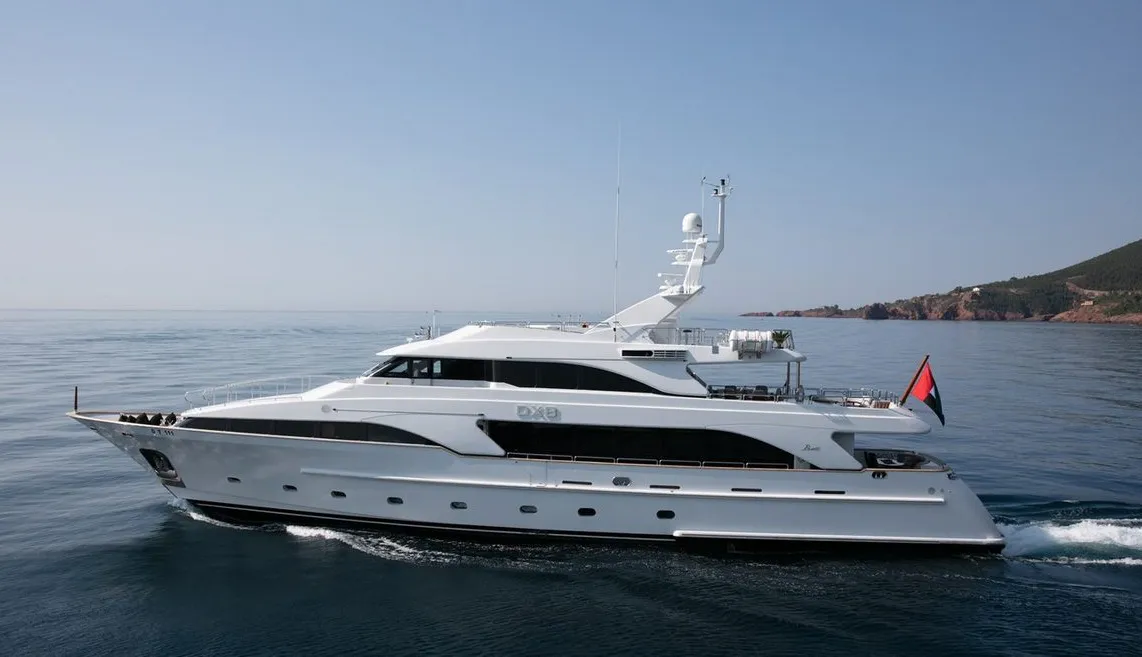
- Which yacht suits this area?
- Practical points before you go
- Common mistakes to avoid
- Planning a week between Sardinia and Corsica?
Two rules shape this week more than the scenery does: the La Maddalena park permit and the 24-metre threshold that limits where larger yachts may anchor in Corsica. If Corsica is a big part of your plan, that threshold can decide between two otherwise similar boats. The weather factor is the mistral funnelling through the Strait of Bonifacio, which decides on which day you cross. Base rates for a crewed motor yacht start at roughly €25,000 a week for the smallest boats and, in the examples Fraser publishes, go past €500,000 for the largest, with APA, VAT and a crew tip on top.
Why combine Sardinia and Corsica in one charter?
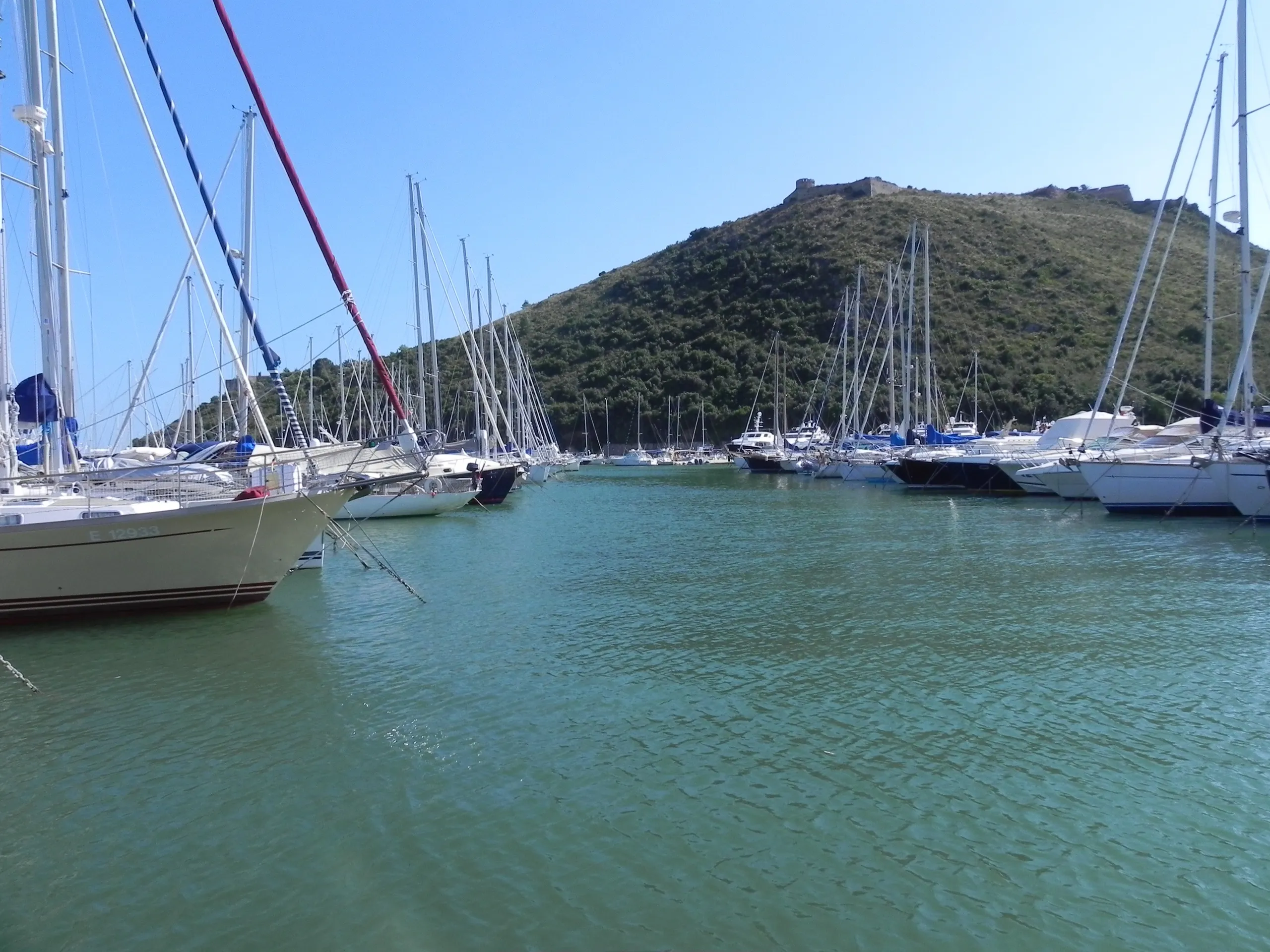
Because they are practically one cruising ground. Less than ten nautical miles separate Sardinia’s north coast from Corsica at the Strait of Bonifacio, according to the area guide published by Yacht.de. On a crewed motor yacht that is a short crossing; on a sailing yacht it is a morning’s sail when the wind is kind.
The two islands give you two countries, two cuisines and two very different coastlines in the same week:
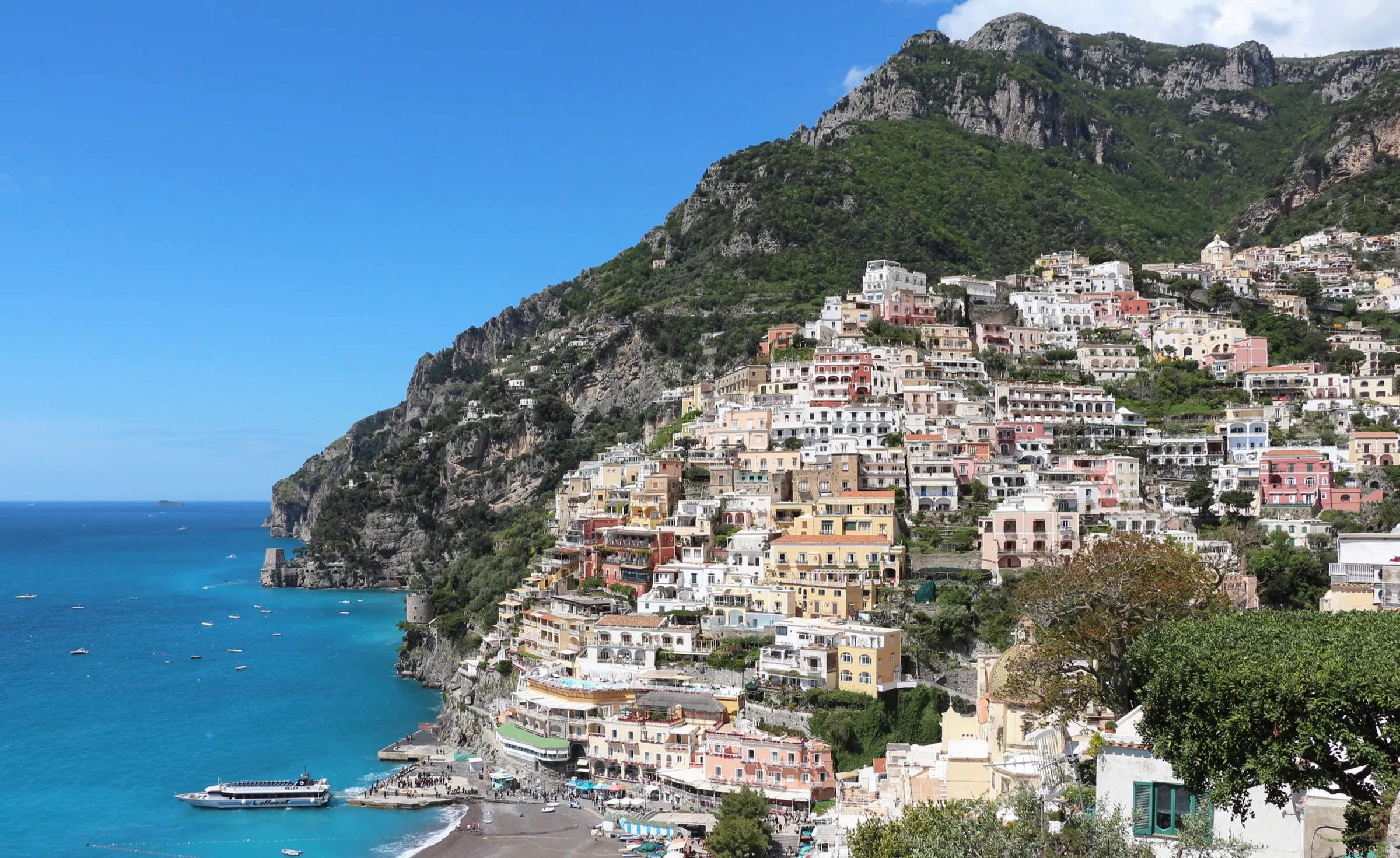
- North-east Sardinia (Italy). The Costa Smeralda, developed from the 1960s, with Porto Cervo as its harbour and social centre. Granite headlands, sheltered coves, beach restaurants and a busy summer scene.
- The La Maddalena archipelago (Italy). A national park of seven main islands and many islets between Sardinia and Corsica. This is where most of the swimming stops on a Sardinian charter happen.
- South Corsica (France). Bonifacio on its limestone cliffs, the Lavezzi islands, the bays around Porto-Vecchio and, further up the west coast, the Scandola nature reserve near Girolata.
A week can be relaxed and still take in the three. Two weeks let you go round the north of Sardinia to the west (Stintino, Alghero) or up Corsica’s west coast to Calvi.
When is the best time to charter in Sardinia and Corsica?
The usable charter season runs from April to October, with July and August as high season, as Ocean Independence states on its Sardinia page. Month by month:
| Period | What to expect | Who it suits |
|---|---|---|
| April–May | Quiet anchorages, cooler water, more changeable weather. | Couples and groups who prioritise calm harbours over swimming. |
| June | Long days, warm enough to swim, the harbours not yet full. | Families and first-timers wanting good value and space. |
| July–August | Peak heat and peak demand. Porto Cervo and Bonifacio are at their busiest and berths cost the most. | Groups who want the social scene and restaurants open every night. |
| September | Water still warm, after the July–August high season. | Guests who want warm water outside the high season. |
| October | Shorter season for crewed yachts, more wind days. | Flexible guests happy to adapt the route. |
One thing to know about the shoulder months: Yacht.de notes that in the low season the mistral brings a lot of wind and a high north-westerly swell to the Strait of Bonifacio, which matters more on a sailing yacht than on a large motor yacht.
How does the mistral affect a charter here?
It decides when you cross the strait and which side of each island you anchor on. Yacht.de’s area guide describes north-westerly winds along Sardinia’s north coast in summer that often reach force 5 to 6 in the Strait of Bonifacio, because the strait acts like a funnel between the two islands. It also notes that a strong mistral can arrive even in midsummer and last several days.
On board, that translates into three things:
- The strait is the bottleneck. When the mistral blows, crossing between Sardinia and Corsica may be uncomfortable or postponed. A good captain will cross on the calmer day and leave the strait alone on the others.
- There is usually a sheltered bay. The islands often have sheltered bays for every wind direction.
- Keep the route flexible. A fixed list of “must-see” bays forces a captain into bad choices. Tell the crew what matters (a restaurant, a beach, a day in Bonifacio) and let them fit it around the forecast.
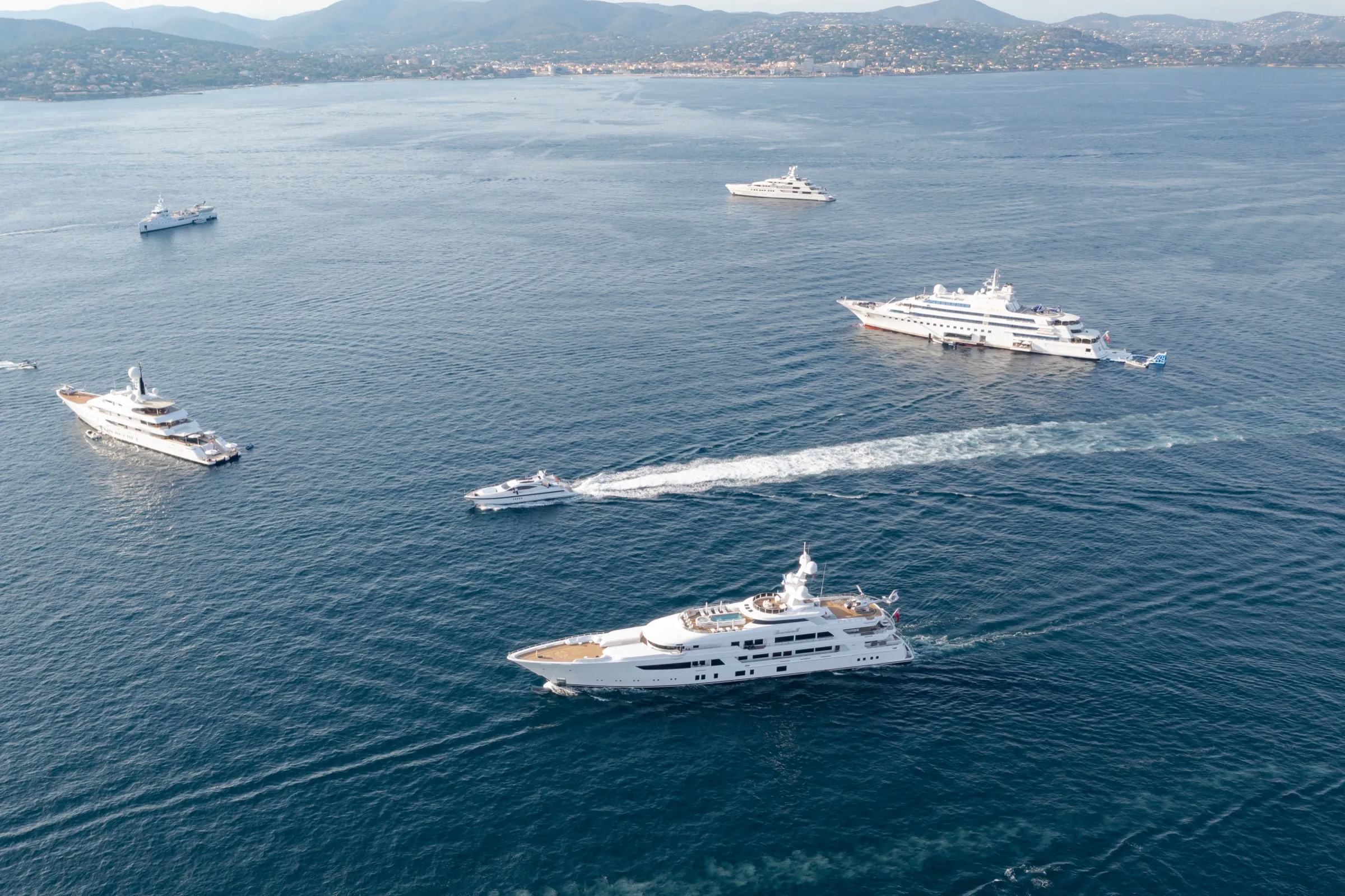
On a motor yacht the main effect is comfort at anchor and during crossings. On a sailing yacht or catamaran, strong mistral days can mean a day in port. Stabilisers, especially at-anchor (zero-speed) stabilisers, make a real difference here; it is worth asking about them when comparing boats.
La Maddalena National Park: do you need a permit?
Yes. Any recreational boat that sails, moors or anchors within 300 metres of the coast in the La Maddalena Archipelago National Park needs a permit from the park authority. The park’s own permit page sets out how it works:
- The fee depends on the boat’s length, and permits are sold by period (daily up to seasonal).
- Sailing yachts pay 40% less than motor yachts of the same length.
- Payment is through the Italian PagoPA system, and buying online gives a small discount.
- Boats found in the park without a permit risk fines and a 40% surcharge.
How much does the La Maddalena permit cost?
For a pleasure boat, a seven-day permit costs from €211 for a 20-24-metre yacht to €760 from 40 metres, on the 2026 rates of the park’s permit platform. A single day is charged per metre of length:
| Length | 1 day | 7 days |
|---|---|---|
| 20-24 m | €3.00 per metre | €211 |
| 24.01-29.99 m | €4.50 per metre | €437 |
| 30-35 m | €4.50 per metre | €518 |
| 35.01-39.99 m | €5.00 per metre | €666 |
| 40 m and over | €5.00 per metre | €760 |
Paying online takes 5% off, and sailing yachts pay 40% less. The rates apply from 1 January to 31 December 2026; the platform also sells 15, 30 and 120-day permits.
Inside the park, the rules are stricter than on the open coast. The park is divided into zones with different levels of protection; some areas are closed to anchoring, some to night anchoring, and mooring buoys are used in the most visited spots. The famous Pink Beach (Spiaggia Rosa) on Budelli is under integral protection: access to the shore is forbidden, and swimming, sailing, anchoring and mooring are prohibited in the sea area in front of it; a park path with walkways lets visitors see it from a distance.
For a 30–50 m yacht
- Which rate applies. These are the pleasure-boat rates. The platform lists rental activities as a separate category, and the park’s permit page has separate procedures for companies and for boaters who rent out boats, so a charter yacht may fall under another category.
- Who arranges it. Who arranges the permit on a crewed charter, and how it is billed, neither the platform nor the park’s pages say: ask the captain how it is handled for your dates, which category applies and whether the yacht’s length class is correct.
- Figures change. Treat any figure you read online as indicative and check the current table with the agency before signing.
Corsica: what are the anchoring rules for large yachts?
France has tightened anchoring rules along much of the Corsican coast to protect posidonia seagrass meadows, and the rules depend on the yacht’s length. The key threshold is 24 metres.
- The French maritime prefecture’s order 168/2023 of 7 June 2023 regulates anchoring and stopping of vessels of 24 metres and over along the coast of Haute-Corse and Corse-du-Sud, from Pointe de Lozari to the Gulf of Roccapina. It allows them to anchor only seaward of a limit line set out by coordinates in its annex; inside that line, it allows them to stop on moorings and buoys under a permit from the département’s prefect.
- Separate orders cover other stretches of coast and protected areas, including the Bouches de Bonifacio nature reserve.
- In the Bouches de Bonifacio reserve, several sectors are closed to anchoring. At the Lavezzi islands, anchoring is allowed only in the clean-anchoring zones marked in season and only for vessels under 24 metres; outside those zones, those vessels may anchor only beyond the 40-metre depth line. Yachts of 24 metres and over fall under specific orders, according to Figaro Nautisme’s June 2026 summary. Since 2023, several sectors around the island of Lavezzi, Ratino, Porraggia and Perduto have also been closed to navigation, anchoring and stopping, to protect seabirds.
- In the Scandola nature reserve on the west coast, anchoring is allowed only by day outside the strict reserve and banned day and night in the strict reserve itself, as summarised by Figaro Nautisme in May 2026.
What this means in plain terms: if you charter a yacht of 24 metres or more, your Corsican days will be built around anchorages further from the shore, ports (Bonifacio, Porto-Vecchio, Calvi, Ajaccio) and the tender. It is still excellent cruising; it simply means fewer spontaneous drops of the anchor in tiny coves.
For a 30–50 m yacht
- A yacht of this size is over the 24-metre threshold, so the rules for larger vessels apply to it all along the coast described above.
- These rules change from year to year, and the captain is responsible for following them.
- If you are choosing between two boats either side of 24 metres, get the agency to confirm what applies to each before you decide.
Italian anchoring distances
On the Italian side, Yacht.de’s guide gives the general minimum distances as 300 metres from harbour entrances, 200 metres from beaches and 100 metres from rocky coasts, with spot checks by the coastguard. Local summer ordinances can add buoyed swimming areas. Again, the crew handles this; what you need to know is that the yacht will often anchor a little further out than the day boats, and you reach the beach by tender.
Where to start: Porto Cervo, Olbia or Corsica?
You can start on the north-east coast of Sardinia, where Yacht.de notes a large number of charter fleets around Olbia, or in Corsica:
- Porto Cervo. The centre of the Costa Smeralda and the most prestigious embarkation point. Berths in the Sardinian marinas are expensive, and in summer Porto Cervo is almost unaffordable for charter crews, the same guide says, because it is a mecca for superyachts; that shows up in the APA if you spend nights there.
- Olbia and the marinas around it (Portisco, Porto Rotondo). Practical starting points close to Olbia airport. Transfers from the airport to the northern marinas take roughly 20 to 30 minutes by car.
- Bonifacio, Porto-Vecchio or Ajaccio. Starting in Corsica is possible and sometimes makes sense if the yacht is based there or if you want more time on the French side. Figari airport serves the south of Corsica.
Starting and finishing in different ports is possible but may add a delivery fee, which the agency will quote.
A seven-day route: Costa Smeralda, La Maddalena and Bonifacio
This route follows an eight-day, seven-night itinerary published by Ahoy Club, which starts and ends in Olbia (Portisco). Day 6 could be Tavolara instead of Cala di Volpe, and day 7 can add Cala Spinosa to Tavolara. On mistral days the crew will reorder the week.
| Day | Route | Highlights |
|---|---|---|
| 1 | Olbia (Portisco) to Porto Cervo | The social side first. Embark at Portisco, cruise along the Costa Smeralda, evening in Porto Cervo. |
| 2 | La Maddalena archipelago and Caprera | The swimming heart of the trip. Into the national park (permit required): swimming and snorkelling at anchor where the park’s zones allow it. |
| 3 | Cross to Bonifacio | Into France. The crossing of the strait; the old town on the cliffs and the King of Aragon’s staircase cut into the rock. |
| 4 | Lavezzi and Cavallo | A day in the water. Snorkelling in the Lavezzi nature reserve, then the private island of Cavallo. |
| 5 | Santa Teresa Gallura | Back to Italy. The beach of Rena Bianca and the town above the harbour. |
| 6 | Cala di Volpe | The Costa Smeralda again. South along the coast to the bay of Cala di Volpe. |
| 7 | Tavolara | A last night at anchor. The island of Tavolara, inside a marine protected area: coves and snorkelling. |
| 8 | Olbia | The end of the loop. Back to Olbia; disembark. |
With a second week, two seven-day itineraries published by YachtCharterFleet go in two directions: south down Sardinia’s east coast to Cala Luna in the Gulf of Orosei, or along Corsica’s west coast from Calvi and Girolata, beside the Scandola reserve, to Ajaccio.
For a 30–50 m yacht
- La Maddalena. The park’s zones described above decide where the yacht may anchor, by day and at night.
- Lavezzi and Cavallo. The prefecture’s 2025 order for the Bonifacio coast reserves the anchoring zones marked each summer at Lavezzi for yachts under 24 metres; anchoring by larger yachts in the reserve is governed by a separate order. A yacht of 30 to 50 metres therefore cannot use those zones, and the coves are a tender trip. The same order recalls that anchoring is banned close to the islands of Cavallo and Piana.
- Bonifacio. Berths in the marina are allocated only on a booking made beforehand, never by phone. From 1 to 25 August, a stay is limited to 1 night for boats under 18 metres and 2 nights for the rest, according to the marina.
- Tavolara. The island lies in the Tavolara–Punta Coda Cavallo marine protected area. Its regulations ban anchoring on posidonia everywhere and in zone A altogether. In zone B they allow it up to 30 metres (up to 40 metres inside one small circle at the Piscine di Molara) and in zone C up to 40 metres, in both cases only on sand or pebbles; above 40 metres, only inside two small circles, at La Cinta and at Spalmatore di Terra on Tavolara. A 35-metre yacht can therefore anchor only in zone C or in the Molara circle, and a 50-metre one only at La Cinta or Spalmatore di Terra.
On a sailing yacht or catamaran
The same week works, with two adjustments. Plan the strait crossing for a calm window the captain picks from the forecast, and accept one day in port if the mistral blows hard. A catamaran’s shallow draught is useful in the La Maddalena shallows; its comfort at anchor is useful everywhere.
How much does a yacht charter in Sardinia cost?
In November 2026, the yachts Ocean Independence lists for Sardinia ranged from €25,000 (26 m) to €660,000 (73 m) a week, before APA, VAT and tip. Prices are set per week and vary with size, age, season and the boat’s popularity:
| Yacht size | Weekly base rates published for Sardinia (examples) |
|---|---|
| 24–30 m | €25,000 (26 m), €27,000 (24 m), €58,000 (30 m) |
| 31–40 m | €52,000 (40 m), €95,000 (34 m) |
| 41–55 m | €85,000 (41 m), €100,000 (55 m), €160,000 (45 m), €230,000 (46 m), €295,000 (55 m) |
| Over 55 m | €250,000 (59 m) to €660,000 (73 m) |
On top of the base rate you should budget for:
- APA (Advance Provisioning Allowance). Typically around 30% of the base rate, according to Fraser, paid before the charter. It covers fuel, food and drink, berths, local taxes and similar running costs. The captain accounts for every euro, and anything unspent is returned. In this area, nights in Porto Cervo or Bonifacio in high season and long runs at speed push APA up. Our APA guide explains how it works.
- VAT. See the next section.
- Crew gratuity. Not compulsory, but customary. The same source recommends around 15–20% of the base rate, the top of the published range; the MYBA guideline is 5–15% of the charter fee if the crew has given excellent service, and Burgess quotes 10–15% (see our crew tipping guide). It is voluntary and depends on the service.
- Delivery fees if you start or finish away from the yacht’s base port.
For a fuller worked example of the total cost, see how much a luxury yacht charter costs.
Before you budget
- These are “from” rates for yachts offered in Sardinia, and the list changes. They are indicative: the final price is the one the charter agency quotes for your dates and the specific boat.
What VAT applies to a charter in Sardinia and Corsica?
In the EU, VAT is due in the country where the charter begins, although there are exceptions, according to IYC’s tax summary updated in May 2026. As a rule, then, the rate follows where the charter starts:
- Italy (Sardinia). Charter VAT is 22%. The final amount depends on the itinerary and the time spent outside EU waters.
- France (Corsica). For charters that start in France or Monaco, VAT is 20%, which can be reduced in proportion to the time spent outside EU waters, with documentation.
Our guide to yacht charter VAT by country explains the logic.
Before you sign
- For a charter that starts in Sardinia and spends a few days in Corsica, ask the agency how those days are treated; it will tell you how the yacht applies VAT based on where it is registered, where the charter starts and the planned itinerary.
- The figure goes on the contract before you sign, and because these rules change, that contract figure is the one that counts.
Which yacht suits this area?
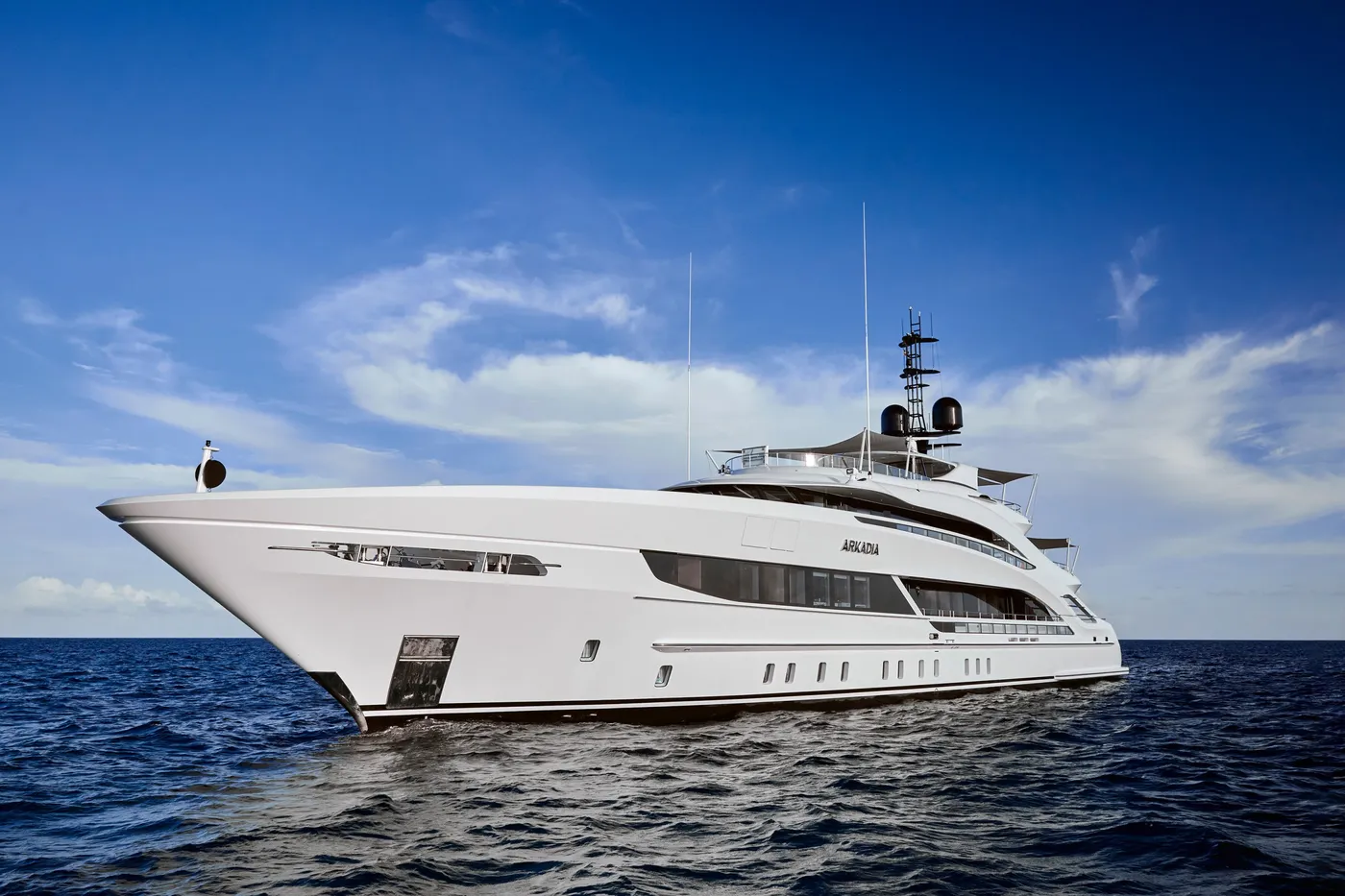
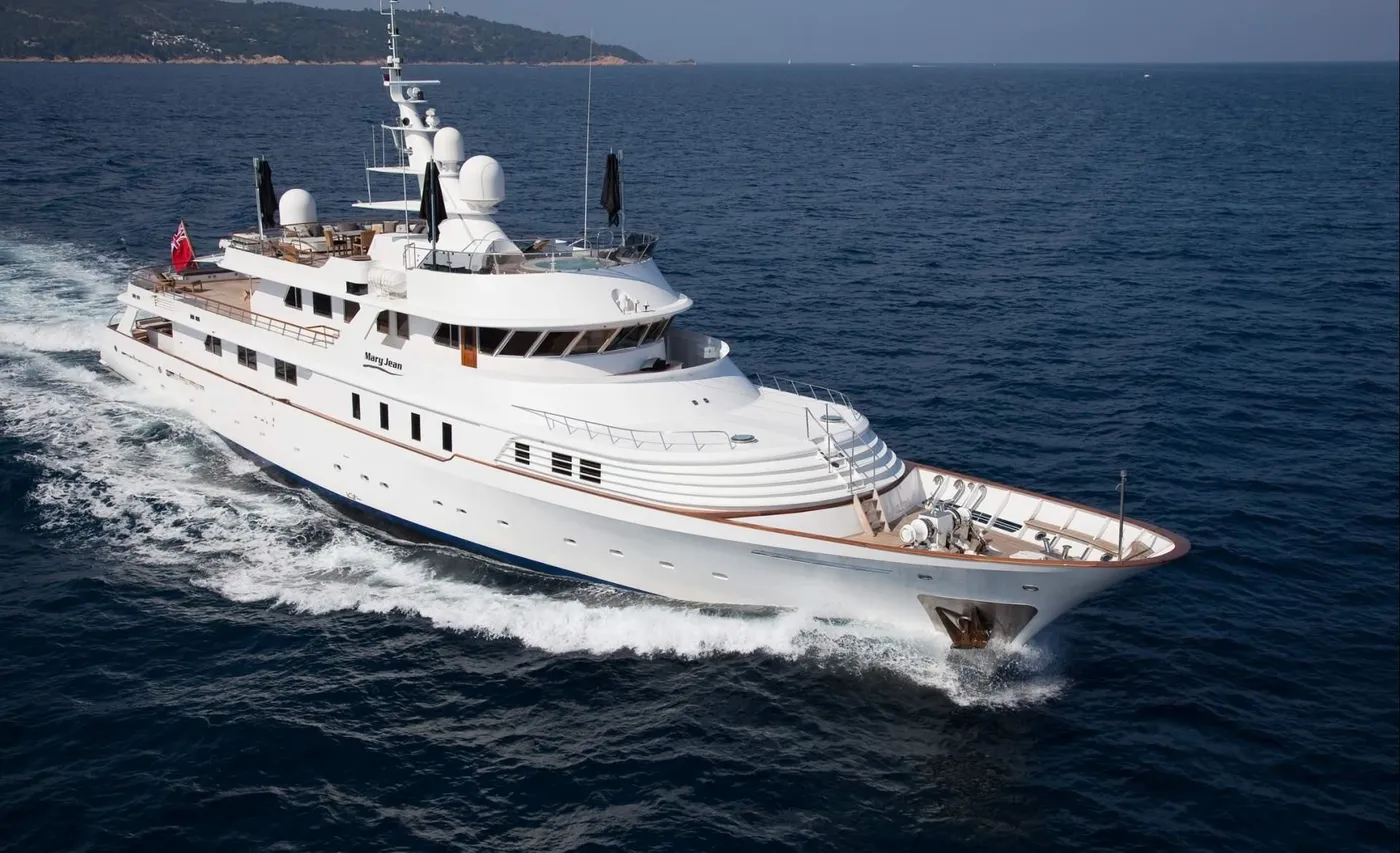
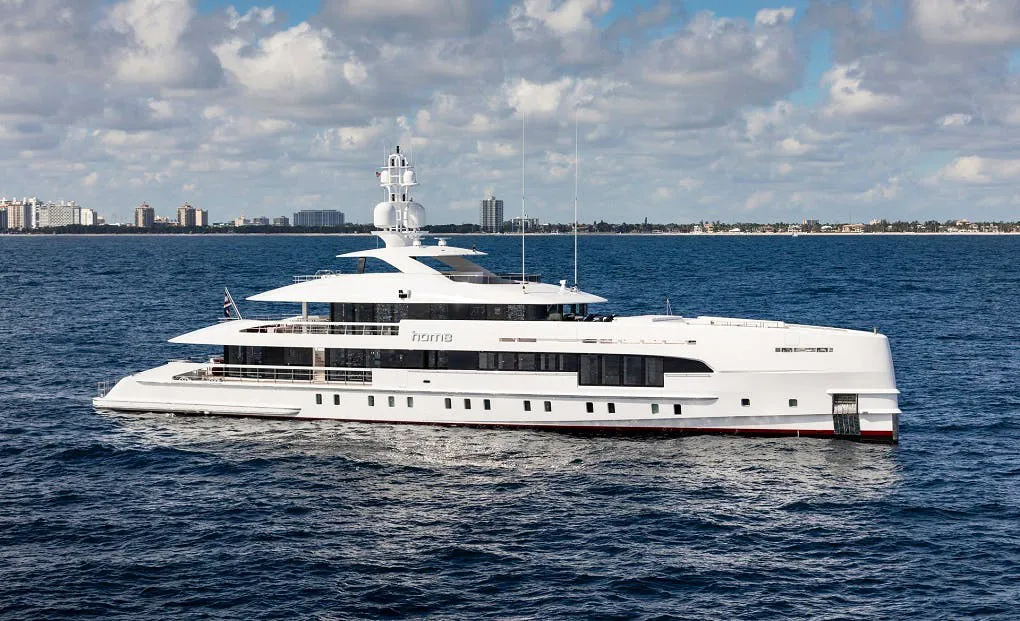
Every type of yacht works here. What matters more than usual is a capable tender for the La Maddalena shallows, which side of 24 metres the yacht falls on if you plan time in Corsica, and stabilisers that work at anchor when the mistral leaves a swell.
- Draught and tender. The best swimming in La Maddalena is in shallow water. A yacht with a capable tender (and ideally a second, smaller one) gets you to beaches the yacht cannot reach.
- Length either side of 24 metres. In Corsica, a yacht under 24 metres has more freedom to anchor in protected areas than one just over. If Corsica is a large part of your plan, it is worth asking the agency how the rules apply to each option. Our yacht size comparison explains what else changes with length.
- Stabilisers at anchor. With the mistral and the swell it leaves behind, at-anchor stabilisers make nights at anchor much more comfortable.
- Range and speed. A fast motor yacht can do Porto Cervo to Bonifacio and back in a day trip; a displacement yacht will prefer to spend the night in Corsica. Both are fine, but speed costs fuel and fuel comes out of the APA.
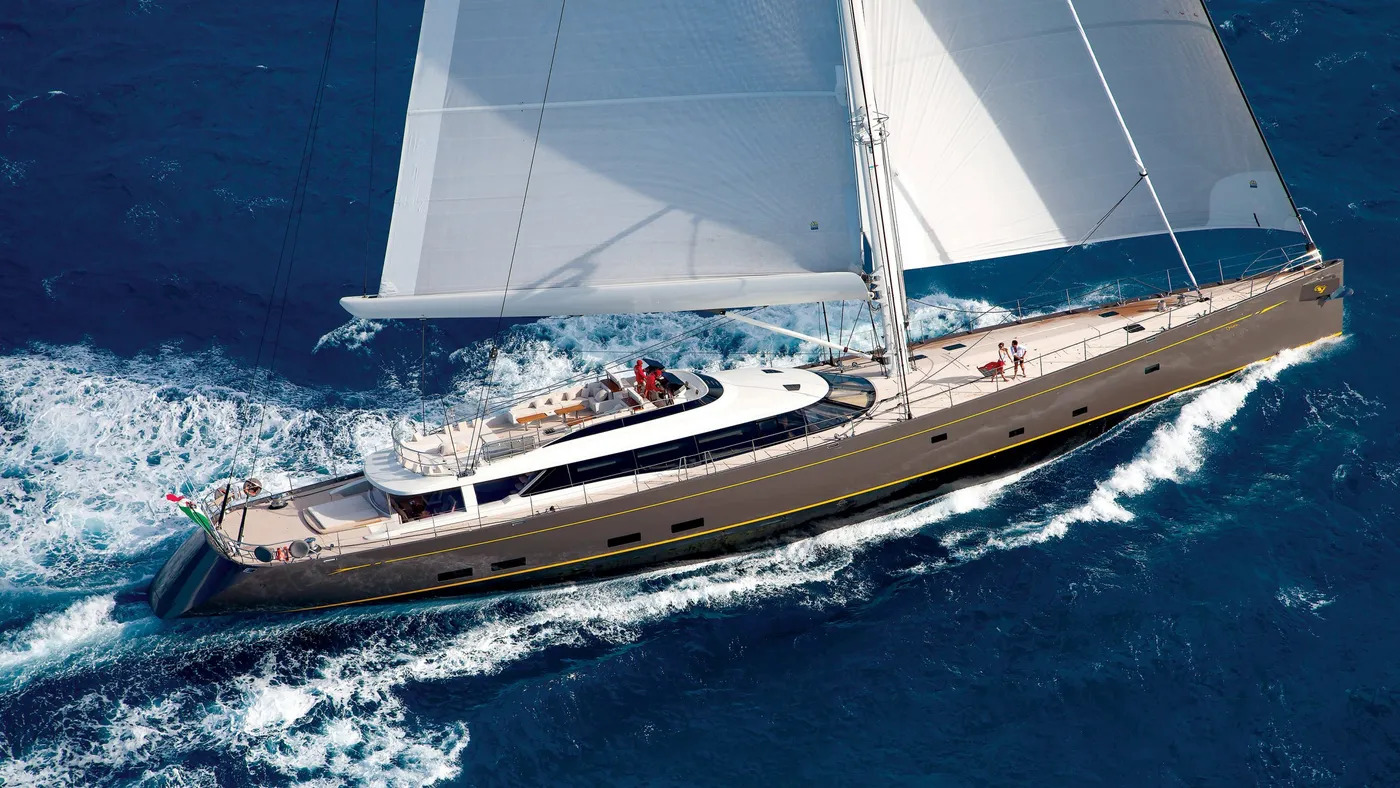
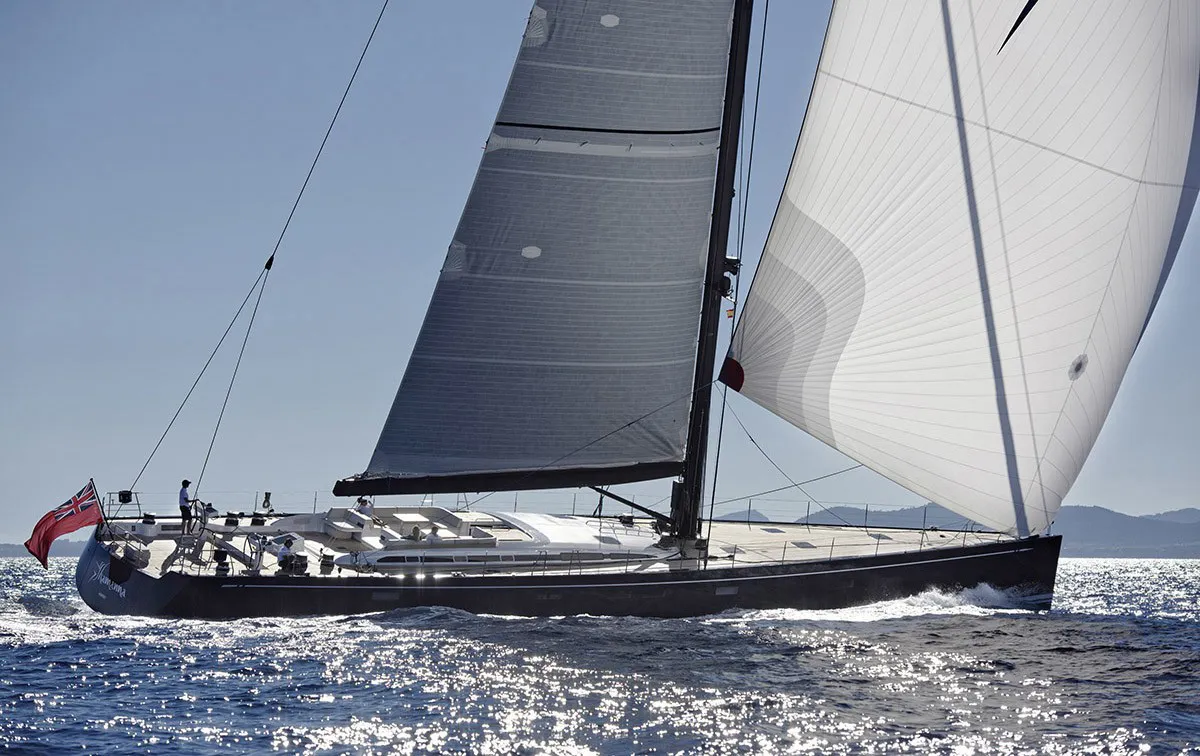
- Sailing yachts. The strait’s winds can be excellent sailing for those who enjoy it, and rough for those who do not. Choose a sailing yacht if the sailing itself is part of the holiday.
Our guide on how to choose a charter yacht goes through cabins, crew and toys in more detail.
Practical points before you go
Getting there
Olbia Costa Smeralda airport is the main gateway for north-east Sardinia, with a general aviation terminal for private jets run by Eccelsa Aviation. For Corsica, Figari serves the south and Ajaccio and Bastia the rest of the island. If you start in Corsica and finish in Sardinia (or the other way round), allow for the different airports in your flight plans.
Money, language and documents
Both islands use the euro. Italian is spoken in Sardinia and French in Corsica, with English common in the main harbours. EU citizens need an identity card; others should check entry requirements for the Schengen area, which covers both countries. The captain will ask for passport details before the charter for the crew list.
Booking ahead
July and August on the Costa Smeralda are among the most in-demand weeks of the Mediterranean season. If you want a specific size or style of yacht in peak season, start looking several months ahead (our guide on when to book a yacht charter goes through the timing).
Combining with other destinations
Sardinia and Corsica sit between the French Riviera and the Italian mainland. A one-way charter from the Riviera to Corsica and Sardinia means starting and finishing in different ports, which may add a delivery fee. See our French Riviera and Monaco guide for that side of the trip.
Common mistakes to avoid
- Planning the week around a fixed list of bays. The wind decides which side of each island is comfortable. A route that ignores the mistral wastes days.
- Ignoring the 24-metre threshold in Corsica. It changes where you can anchor. Ask before choosing between two similar boats.
- Underestimating APA in the hotspots. A few nights in Porto Cervo in August, plus long fast crossings, can push running costs above the usual 30%.
- Assuming the price includes VAT. In Italy and France, as in most countries, VAT is added on top of the charter fee (IYC); check how the yacht applies it to your route.
- Booking peak weeks late. If you want a specific size or style of yacht in July or August, start looking several months ahead.
Planning a week between Sardinia and Corsica?
For this area, the useful details are your dates, the size of the group, where you would like to start (Porto Cervo, Olbia or Corsica) and how much of the week you want on the French side, because that decides whether a yacht under or over 24 metres suits you better. Add the kind of week you have in mind, from quiet coves to restaurants, and a charter specialist will reply with yacht options priced in full, APA, VAT and any delivery fee included. The charter itself is signed with the yacht’s owner through a licensed charter agency, normally under the MYBA contract, with the full price and VAT clear before you sign. Send us your dates.