In this guide
- When is the best time to charter a yacht on the French Riviera?
- Which events fill the Riviera, and when?
- How does an event charter differ from a normal week?
- A 7-day route from Antibes to Monaco
- Where can a large yacht anchor on the Riviera?
- Which ports work for embarkation?
- How much does a yacht charter on the French Riviera cost?
- Which yacht suits the Riviera?
- What is worth going ashore for?
- Can you combine the Riviera with Corsica or Italy?
- Where do Riviera plans go wrong?
- Planning around an event, or avoiding one
Two things set the Riviera apart from other Mediterranean cruising grounds. The first is the calendar: around the Cannes Film Festival and the Monaco Grand Prix, which in 2027 will be Monaco’s first sprint weekend, high-season rates usually apply, a charter shorter than a week costs more per day (both according to Burgess), and berths near the action are scarce. The second is France’s anchoring rule for yachts of 24 metres or more, which lets them anchor only seaward of a limit line along this coast, the bays off Cannes, Nice and Villefranche included.
When is the best time to charter a yacht on the French Riviera?
June and September, outside the event weeks. The sea is around 20 °C in June and 22 °C in September, and both months fall outside July and August, which Burgess lists among the periods when high-season rates usually apply.
Average figures for Nice:
| Month | Avg. max air (°C) | Sea (°C) | Days with some rain | Sunshine (h/day) |
|---|---|---|---|---|
| May | 19 | 17 | 9 | 8 |
| June | 22 | 20 | 8 | 9 |
| July | 26 | 23 | 5 | 11 |
| August | 26 | 24 | 6 | 9 |
| September | 23 | 22 | 7 | 8 |
| October | 19 | 20 | 9 | 6 |
Month by month:
- May is event month: the Cannes Film Festival dominates the second half. The sea, around 17 °C, is cool for swimming. You come for the festival and the towns, not the beaches.
- June starts with the Monaco Grand Prix and then settles into a quieter, pleasant month.
- July and August are the peak. The sea reaches 23–24 °C, Saint-Tropez and the Cap d’Antibes are at their busiest, and rates and berth prices are at their highest.
- September brings the boat shows (the Cannes Yachting Festival early in the month and the Monaco Yacht Show later on), with warm water and the summer crowd gone. Outside show week it is one of the best months to charter.
- October keeps the sea at around 20 °C in Nice, with more days of rain and less sunshine than September.
Which events fill the Riviera, and when?
Four, in 2027: the Cannes Film Festival from 11 to 22 May, the Monaco Grand Prix on 6 June, the Cannes Yachting Festival from 7 to 12 September and the Monaco Yacht Show from 22 to 25 September. Each one fills the berths of its port, and the first two change the way yachts are chartered.
Cannes Film Festival (11–22 May 2027)
The 80th edition runs from 11 to 22 May 2027. During the festival, yachts are used as floating hospitality: screenings, parties and meetings on board, often moored stern-to in Cannes or anchored in the bay. Demand is concentrated on a small area, so berths near the Palais are difficult and expensive. The festival lasts twelve days, but Y.CO notes that many guests attend for several days or a long weekend. If you need a yacht for the festival, start early and be clear whether you need it berthed in town or are happy at anchor with a tender service.
Monaco Grand Prix (6 June 2027)
The 2027 race is on Sunday 6 June, at the end of an event that runs from 3 to 6 June, according to the Automobile Club de Monaco, which still gives these dates as subject to approval by the FIA World Motor Sport Council. For the first time Monaco will host a sprint race, so the weekend has competitive running on more than one day. Port Hercule sits beside the circuit, and a yacht berthed there is one of the classic ways to watch the race. These berths are scarce and priced at a premium, and many yachts follow the weekend from anchor outside the harbour or from a berth along the coast and come in by tender. The 2026 listings below quote weekly rates; if you only want the race days, ask whether the yacht accepts a shorter charter and how the rate is worked out. If the Grand Prix is the point of the trip, say so in your request: it changes which yachts are possible.
How much does a yacht for the Monaco Grand Prix cost?
In the 2026 Grand Prix listings published by YachtCharterFleet, weekly rates for the yachts listed in euros went from €53,000 plus expenses for L’As Bleu, a 24.91-metre yacht, to €900,000 plus expenses for Mimtee, a 79-metre yacht berthed in Port Hercule for the race; some yachts were listed in dollars, up to $1,000,000 a week for Silver Fox.
Before you budget
- Those are the advertised “from” rates of specific yachts, not a quote: APA, VAT and the tip go on top, as on any charter.
- The rate for a given yacht and Grand Prix week is the one the agency confirms.
Monaco Yacht Show (22–25 September 2027)
The Monaco Yacht Show is a trade show for superyachts, held in Port Hercule. The 2027 edition runs from 22 to 25 September. It affects charter clients in two ways. First, the organisers put 120 superyachts on show, available for purchase, charter and visits, so some charter yachts spend show week in Port Hercule. Second, berths in Monaco and the ports around it are busy. If you want a September charter on the Riviera, plan it around the show rather than through it.
Cannes Yachting Festival (September)
The 2027 edition runs from 7 to 12 September in Cannes’ Vieux Port and Port Canto, with more than 700 boats from 5 to 55 metres on show. It fills those harbours for the week, so check the dates before fixing a Cannes embarkation in September.
How does an event charter differ from a normal week?
It can be shorter, it costs more per day and it is mostly spent in one place. Burgess applies high-season rates to the Monaco Grand Prix and the Cannes Film Festival, and charges a premium for charters of fewer than seven days. Outside the events, a Riviera charter works like anywhere else: a week, embarkation and disembarkation in agreed ports, the route adapted to the weather.
- Shorter periods. Most yachts will not consider less than a week. When one does, the weekly rate is divided by six and multiplied by the number of days, so each day costs more than a seventh of the week. Ask how the yacht you want works it out.
- Fixed position. The yacht spends most of the time in one place, berthed or at anchor. Fuel use is lower, but berth costs are higher, so the APA is spent differently.
- More guests by day than by night. Hosting is the point, so the number of guests the yacht may carry for a day event matters as much as the number of cabins. The overnight limit on most charter yachts is 12 guests.
- Logistics on shore. Race tickets, festival access, restaurant tables and transfers are not part of the charter. The crew can help with some of it, but plan the shore side separately.
- Cancellation terms. Event charters are booked far ahead and terms can be stricter. Read the cancellation clause before signing; our guide to the MYBA charter agreement explains what to look for.
A 7-day route from Antibes to Monaco
This route follows an Antibes to Monte-Carlo itinerary published by YachtCharterFleet, presented as a seven-day charter: seven days on board and disembarkation in Monaco on the eighth. What the French anchoring orders allow a yacht of 30 to 50 metres at each stop is gathered in the box at the end of the route.
| Day | Leg | Miles |
|---|---|---|
| 1 | Antibes → Saint-Tropez | — |
| 2 | Saint-Tropez → Pampelonne | — |
| 3 | Pampelonne → Porquerolles | — |
| 4 | Porquerolles → Lérins islands → Cannes | — |
| 5 | Cannes → Cap d'Antibes | — |
| 6 | Cap d'Antibes → Villefranche | — |
| 7 | Villefranche → Saint-Jean-Cap-Ferrat | — |
| 8 | Saint-Jean-Cap-Ferrat → Monaco | — |
Day 1: Antibes to Saint-Tropez
The week opens with an old town and a museum, and ends in Saint-Tropez’s famous old port.
Board in Antibes, by Port Vauban. The morning is for the old town and the Picasso Museum, then lunch underway to Saint-Tropez and the night in the port.
Day 2: Pampelonne
A beach-club day at Pampelonne.
Round the bay to Pampelonne beach for the beach clubs.
Day 3: Porquerolles
An island morning inside a national park, with the beaches reached by tender.
An overnight passage from Saint-Tropez to wake up off Porquerolles, in the Port-Cros National Park. Lunch is at anchor, with the tender for the beaches.
Day 4: Lérins islands and Cannes
From an island beach club to an evening on the Croisette.
On the way to Cannes, a stop at the Lérins islands for La Guérite beach club, then a berth in the Vieux Port or Port Pierre Canto and an evening on the Croisette. Off the islands the tender takes guests ashore.
Day 5: Cap d’Antibes and Juan-les-Pins
A short hop back west, to the Cap d’Antibes.
Back towards Antibes for Juan-les-Pins and the Hôtel du Cap-Eden-Roc on the Cap d’Antibes.
Day 6: Villefranche
Cobbled streets and dinner ashore.
East to Villefranche, with its cobbled streets and its restaurants in the evening.
Day 7: Saint-Jean-Cap-Ferrat
Breakfast at anchor and an afternoon in the gardens.
Breakfast at anchor, then on to Saint-Jean-Cap-Ferrat and the gardens of the Villa Ephrussi de Rothschild.
Day 8: Monaco
The week ends in Monaco’s harbour, a walk from the casino.
Berth in Port Hercule, walk up to the casino, and disembark.
For a 30–50 m yacht
- The general rule. From 24 metres (from 20 metres between the Var and Monaco), a yacht may anchor only seaward of a limit line drawn in each order, and inside that line it may only lie on moorings and buoys licensed by the prefect. Dynamic positioning, holding the yacht in place with its engines, is banned within 500 metres of the shore. From 45 to 80 metres, the captain must also declare each anchorage to the navy semaphore at least an hour before arriving.
- Pampelonne (day 2). The bay has its own mooring zone, run by the town of Ramatuelle from 1 April to 31 October: yachts of 24 to 45 metres have a free anchoring area on sand within it, and there are visitor buoys for yachts of up to 30, 50 and 80 metres. From 45 metres, a yacht may anchor only in the compulsory zones the préfecture has drawn for its size. Dynamic positioning is banned in the mooring zone during the season.
- Porquerolles (day 3). In the Port-Cros National Park no one may anchor on posidonia. For yachts of 24 metres and more, the order covering this coast allows anchoring only beyond its limit line; the only inshore sectors it opens to them are the Golfe de Giens, for yachts under 45 metres, and La Badine, for yachts under 60 metres, not the island’s coves. Dynamic positioning is banned within 600 metres of the island.
- Lérins islands, Cannes and Antibes (days 4 and 5). From the Pointe de l’Aiguille to the Var, a yacht of 24 metres or more may anchor only beyond the order’s limit line. Besides that, yachts of 24 to 80 metres may anchor in the zone the préfecture calls “Golfe-Juan – mouillage du Piton”, where they have priority over boats under 24 metres.
- Villefranche and Cap Ferrat (days 6 and 7). East of the Var the threshold drops to 20 metres, and the order for the Rade de Villefranche recalls that yachts of that size may never anchor inside the limit line. The buoy field in the bay takes boats of 6 to 16 metres only, so a yacht of 30 to 50 metres anchors beyond the line. Speed in the bay is limited to 5 knots.
Where can a large yacht anchor on the Riviera?
Seaward of a limit line, if it is 24 metres or more. The framework order of the Préfecture maritime de la Méditerranée (order 123/2019) leaves the zones and the length thresholds to an order for each département’s coast. On the Riviera, each of those orders draws a limit line along its stretch of coast, and a yacht of 24 metres or more (20 metres or more between the Var and Monaco) may anchor only beyond it; inside the line it may only lie on moorings and buoys licensed by the prefect. The framework order also bans any vessel from anchoring where it would damage the habitat of protected marine plants. According to YachtCharterFleet, posidonia is normally found in 30 to 40 metres of water, so a large yacht may need to anchor in deeper water, or move to a buoy field or a marina.
What the rule says. The orders for this coast date from 2020 and have been amended since: one from the Pointe de l’Aiguille to the Var (Cannes, the Lérins islands, Antibes), one from the Var to Monaco (Nice, Villefranche, Cap Ferrat), and several for the Var coast. From 45 metres there are extra rules, set out in the route above. Penalties reported by YachtCharterFleet go up to €150,000, a ban from French waters and, for captains, possible prison. The lines and zones are updated, so the captain checks the current order before each season.
What it means in practice:
- Free apps such as DONIA, recommended by the national park, help captains see the seabed and find legal spots.
- In the Port-Cros National Park, anchoring on posidonia is prohibited for everyone. Within 300 metres of the coast, speed is limited to 5 knots, and within 600 metres to 12 knots.
- For you, the consequence is the same as in the Balearics: in the most famous anchorages the yacht may sit further from the beach, and the tender does more work.
French anchoring orders are revised regularly; what is written here reflects 2026.
Which ports work for embarkation?
Monaco, Antibes and Cannes are the main harbours, with Nice, Beaulieu, Villefranche and Golfe-Juan as alternatives, and Saint-Tropez is the hardest berth to get in high season. Large yachts compete for a limited number of big berths, above all in July and August and during events.
- Monaco. Port Hercule is the main harbour, beside the Grand Prix circuit. Port de Fontvieille is smaller.
- Antibes. Port Vauban is the main harbour of Antibes.
- Cannes. Several harbours, including the Vieux Port and Port Pierre Canto. Very busy during the film festival and the September boat show.
- Saint-Tropez. A small, famous old port. Berths for large yachts in high season are difficult to get and expensive; many yachts anchor in the bay instead.
- Nice, Beaulieu, Villefranche, Golfe-Juan. Useful alternatives, especially for embarkation.
The charter agency arranges embarkation and disembarkation berths. If you have flexibility, ask which port gives the best value that week: embarking in Antibes rather than Monaco during Grand Prix week, for example, can make a difference.
How much does a yacht charter on the French Riviera cost?
A yacht of about 40 metres typically advertises at around €105,000 a week, before expenses, on Ahoy Club’s rates for the yachts it lists in euros (consulted November 2026). During the Cannes Film Festival and the Monaco Grand Prix, high-season rates usually apply, and a charter shorter than a week costs more per day.
| Yacht size | Typical advertised rate per week (yachts listed in euros, all destinations) | Upper end of listings |
|---|---|---|
| About 30 m (27–33 m) | around €55,000 | up to about €155,000 |
| About 40 m (37–43 m) | around €105,000 | up to about €285,000 |
| About 50 m (46–55 m) | around €180,000 | up to about €440,000 |
| 55–75 m | around €400,000 | up to about €990,000 |
Add:
- APA: usually 30–40% of the base rate, covering fuel, food, drinks and berths. Riviera berths in season are expensive, so APA tends to be used. Unspent APA is returned. See the APA guide.
- VAT: charters starting in France or Monaco pay 20% VAT on the charter fee. A proportional reduction may apply for time spent outside EU waters, which depends on the route and on proof of it; on a Riviera week you will rarely leave EU waters, so plan on the full rate. More in yacht charter VAT by country.
- Gratuity: customary and discretionary, typically 10–20% on the same listings; Mediterranean guidance from other houses is lower (see our crew tipping guide).
On that 40-metre yacht at €105,000, APA at 35% is €36,750, VAT at 20% on the fee is €21,000, and a 10–20% gratuity is €10,500–21,000, which puts the week at about €173,000–184,000 before unspent APA comes back. See how much a luxury yacht charter costs for the full method.
Before you budget
- The rates cover yachts listed in euros across all destinations rather than the Riviera alone. They are indicative, not offers.
- In event weeks the base rate itself is higher.
- The VAT rule is the position published in 2025, to be confirmed before you sign.
Which yacht suits the Riviera?
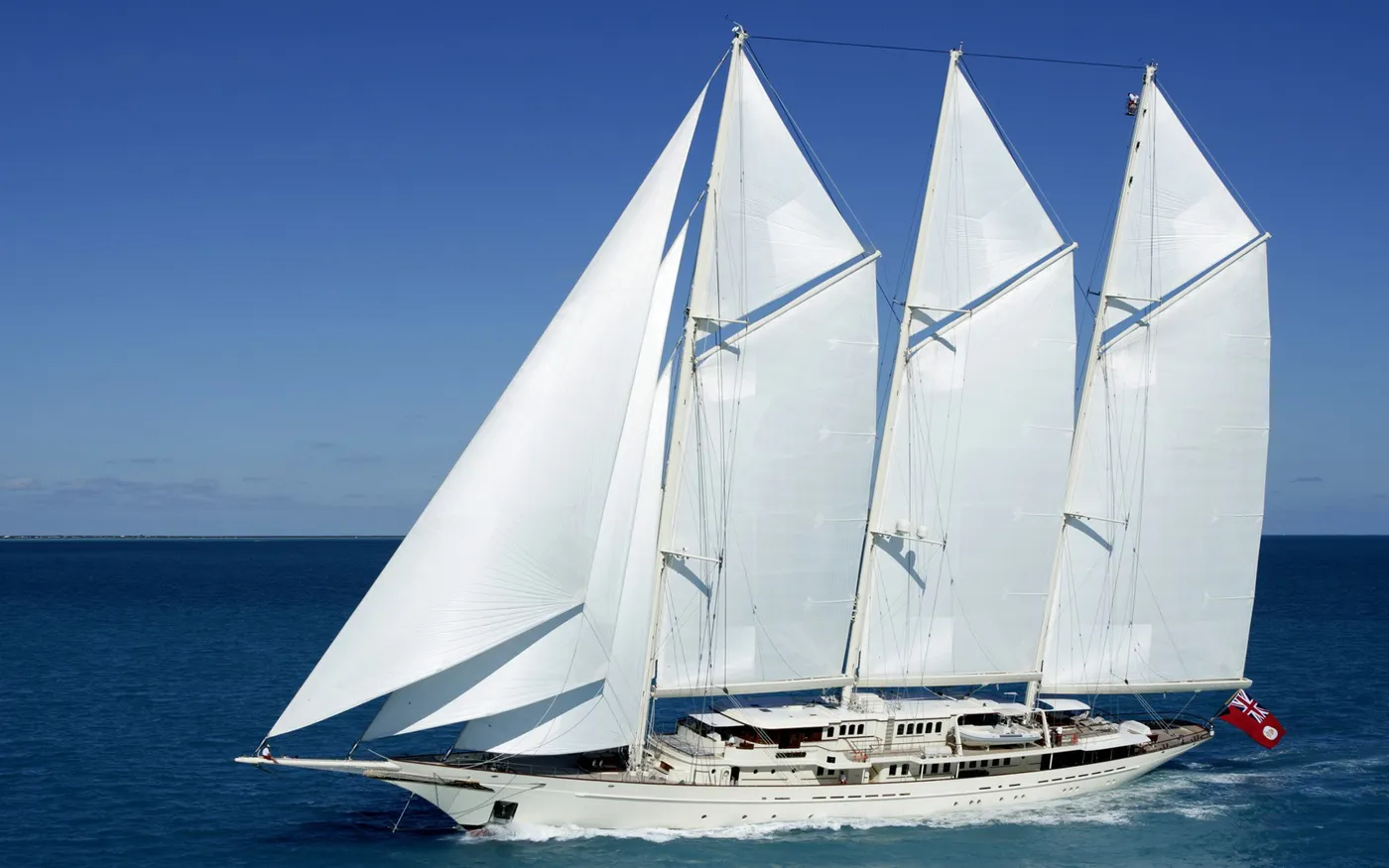
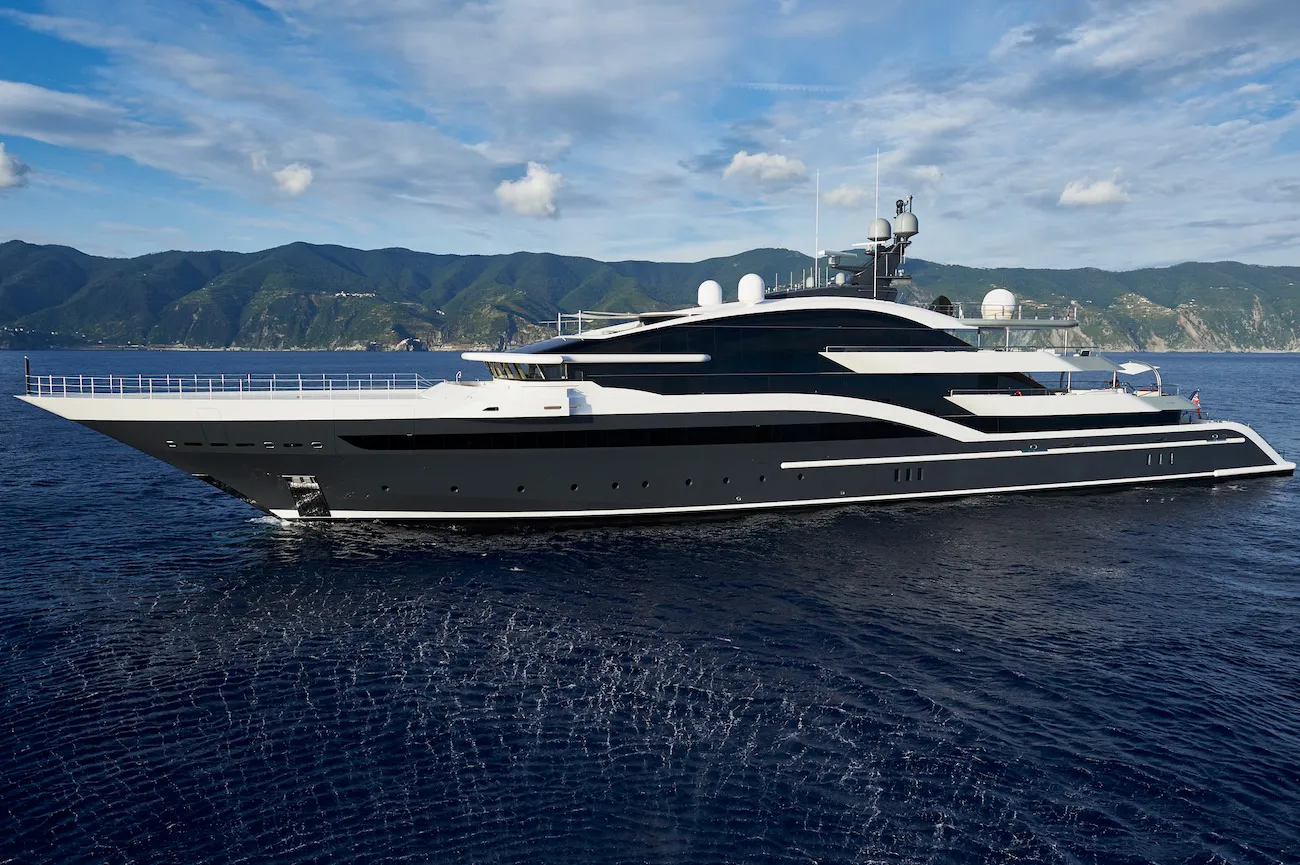
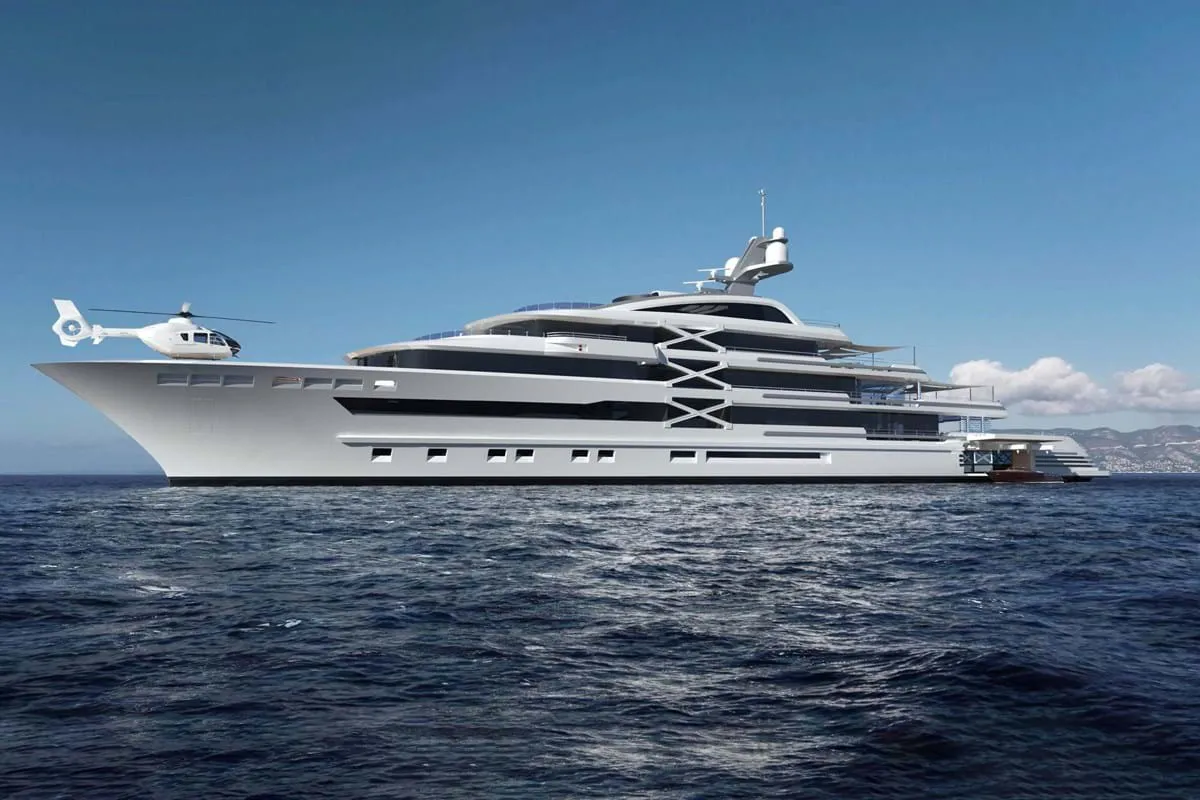
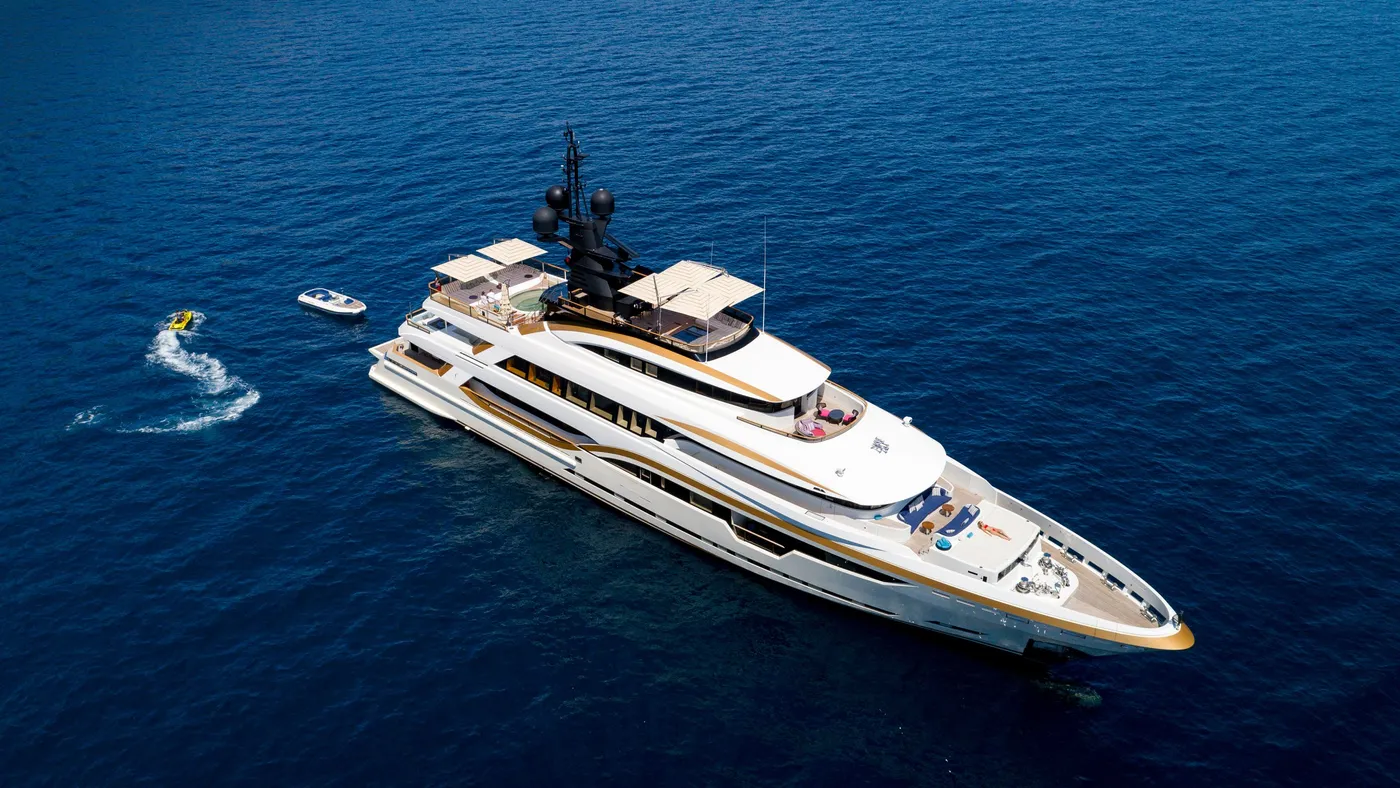
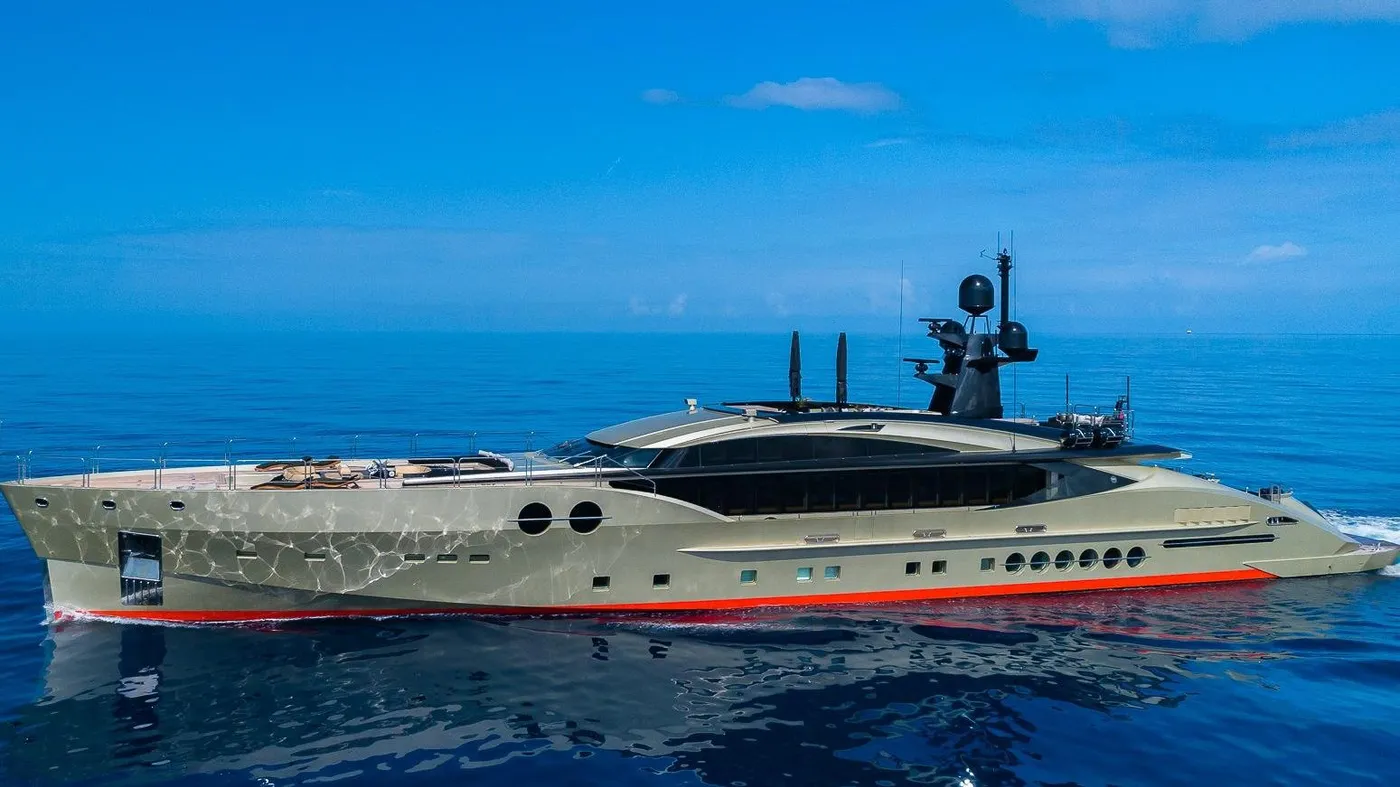
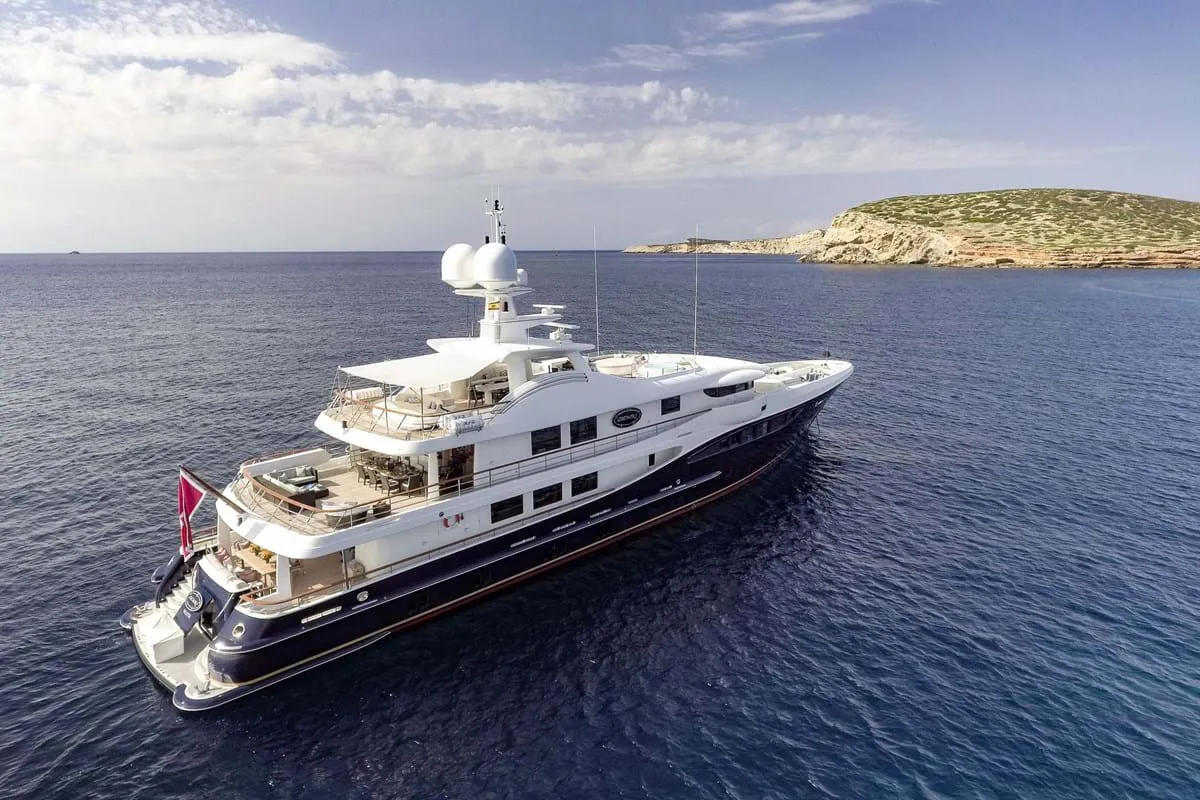
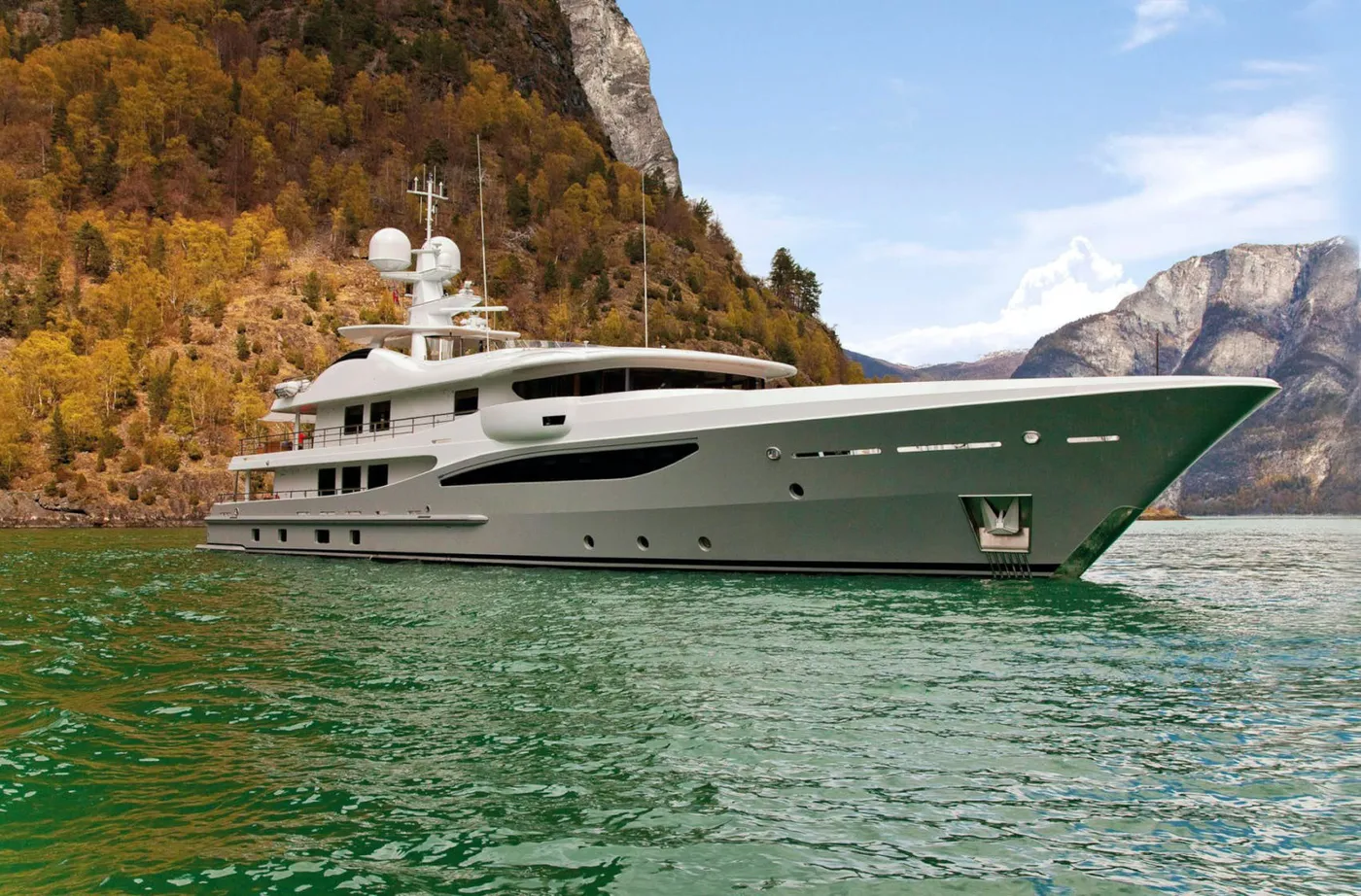
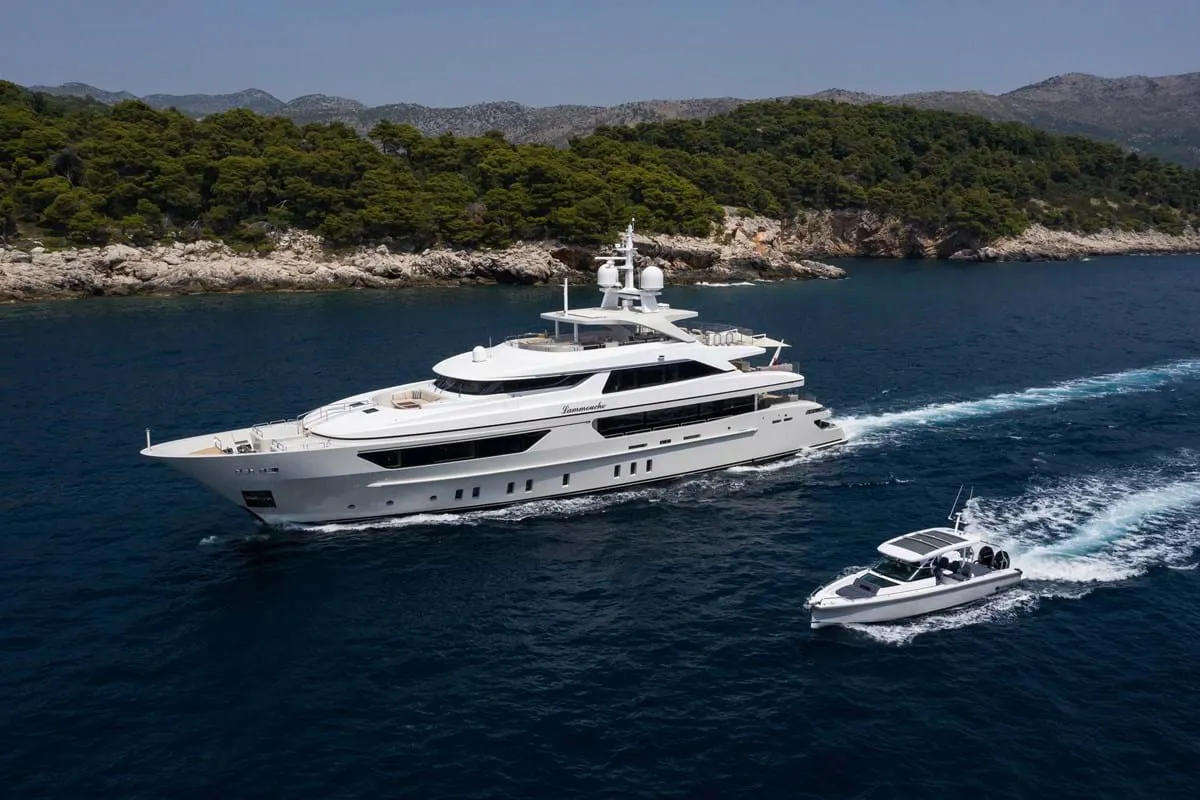
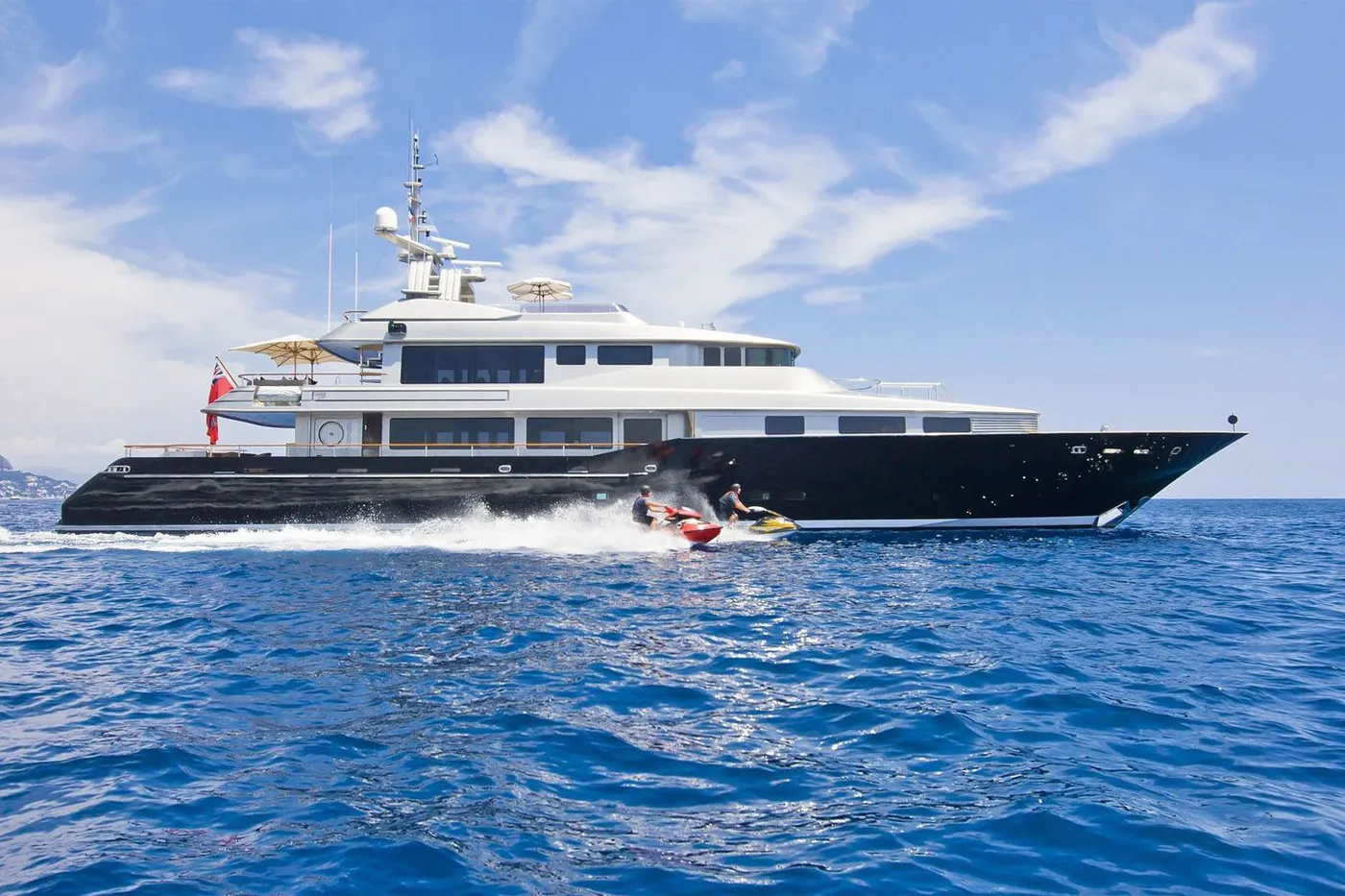
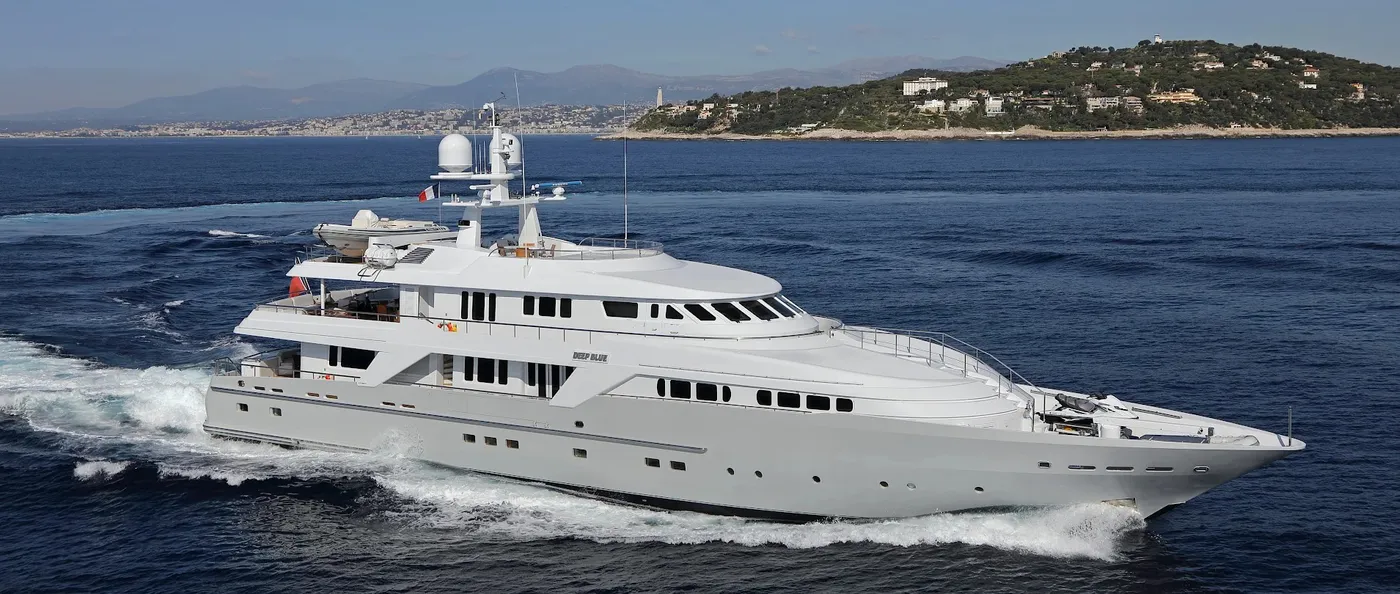
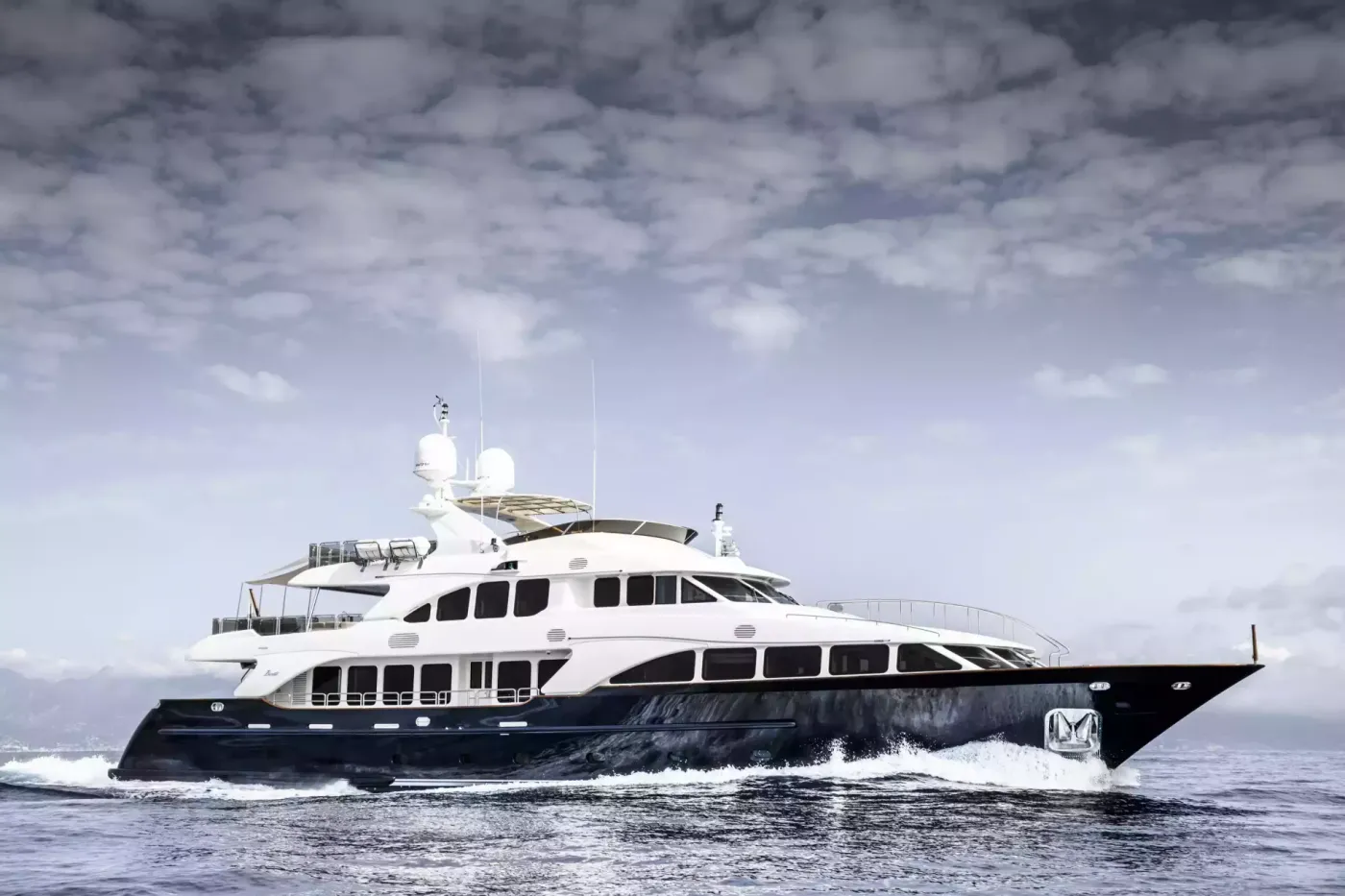
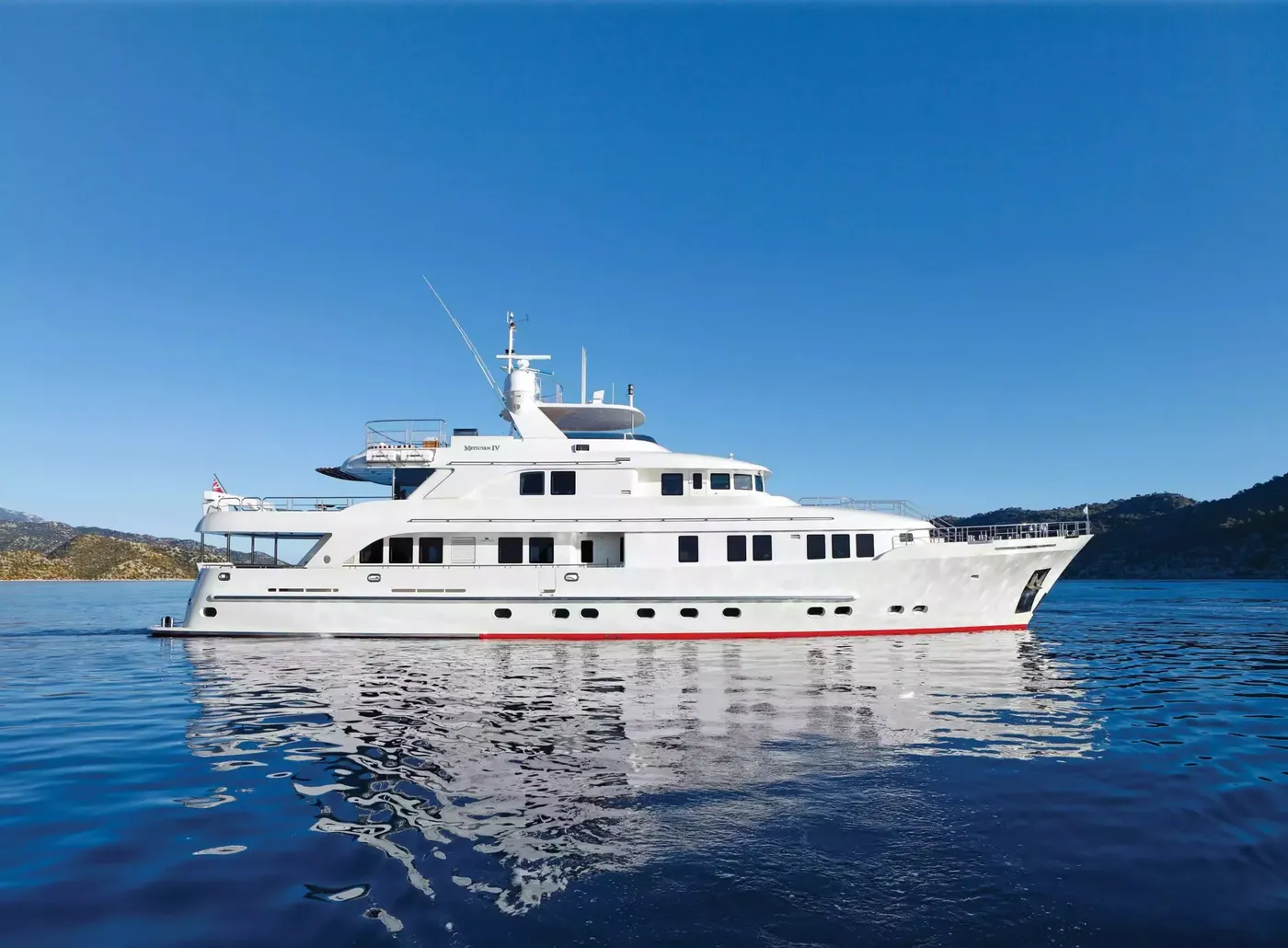
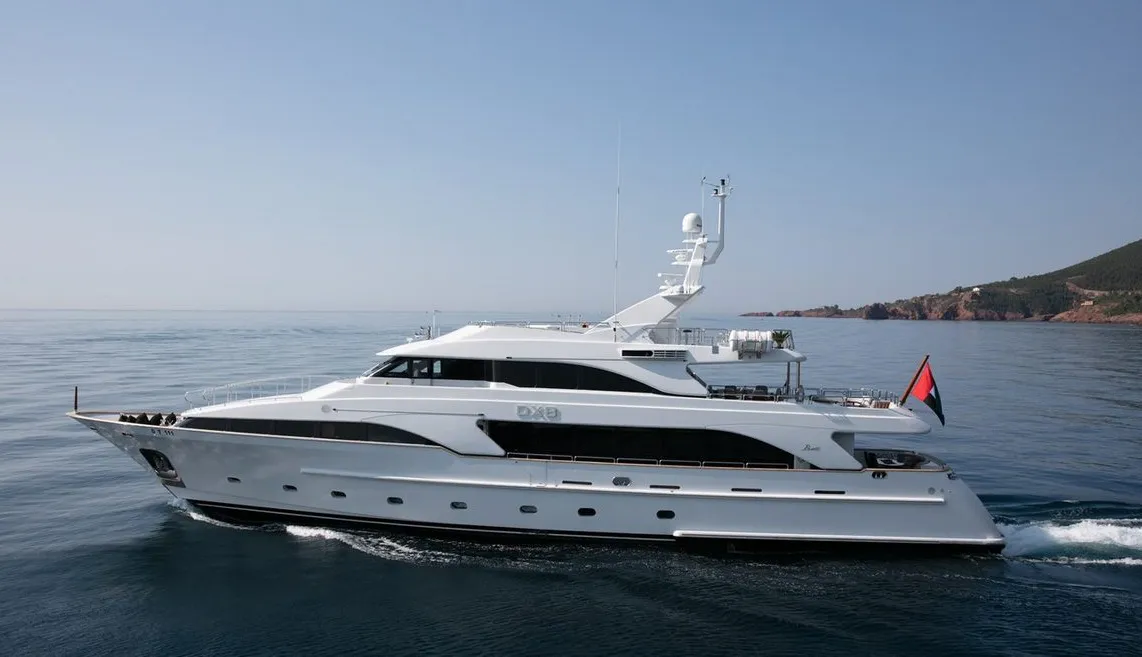
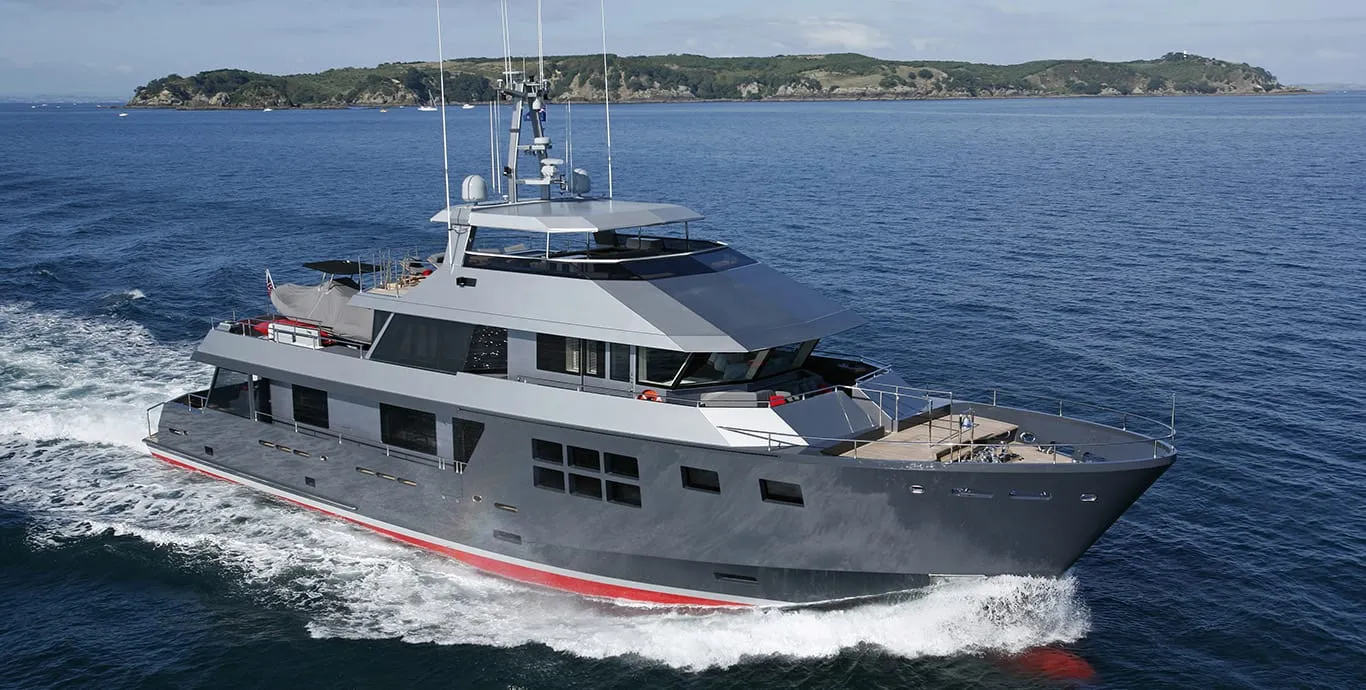
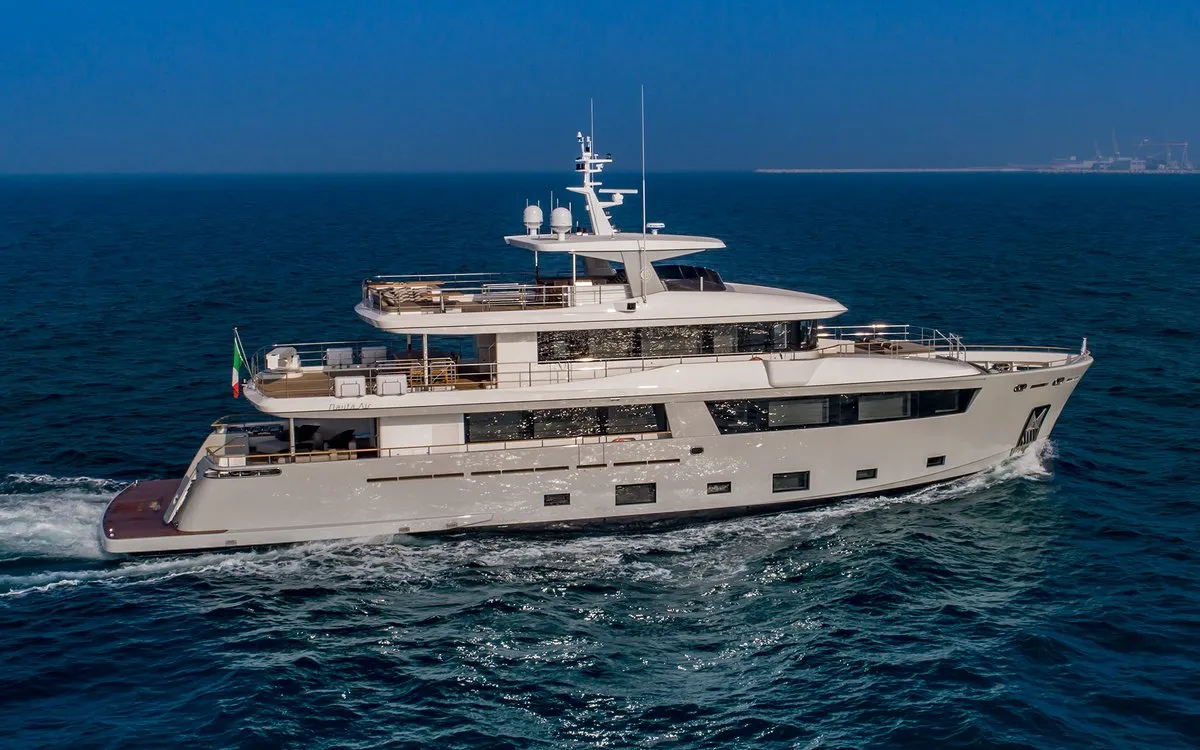
A motor yacht of 35–60 m suits this coast: large decks for hosting, good tenders for getting into town, and fast enough to move between Monaco and Saint-Tropez in a morning.
- Motor yacht, 35–60 m. For the reasons above.
- Under 24 m (20 m between the Var and Monaco). Smaller yachts fall outside the limit-line orders, which gives them more choice of anchorages, though no vessel may anchor where it would damage protected marine plants.
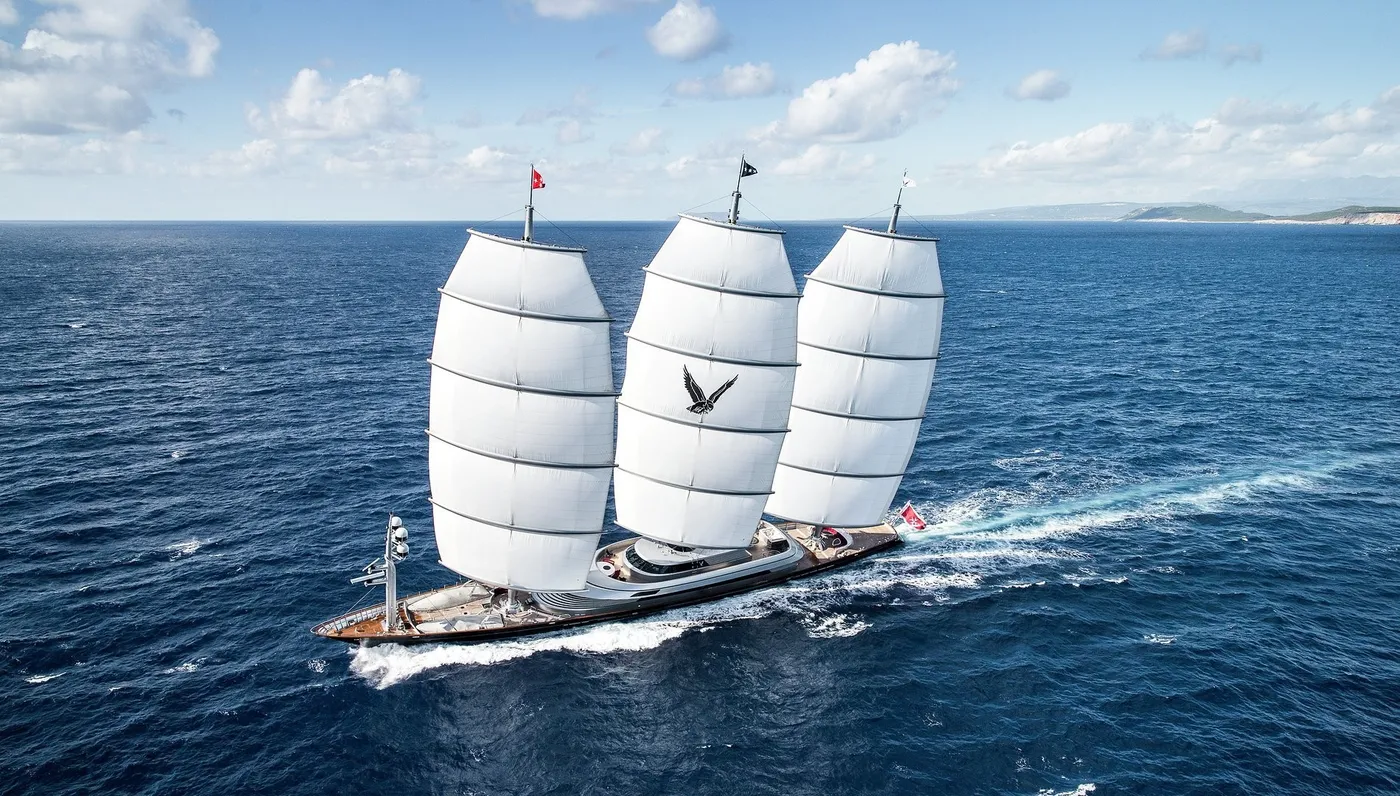
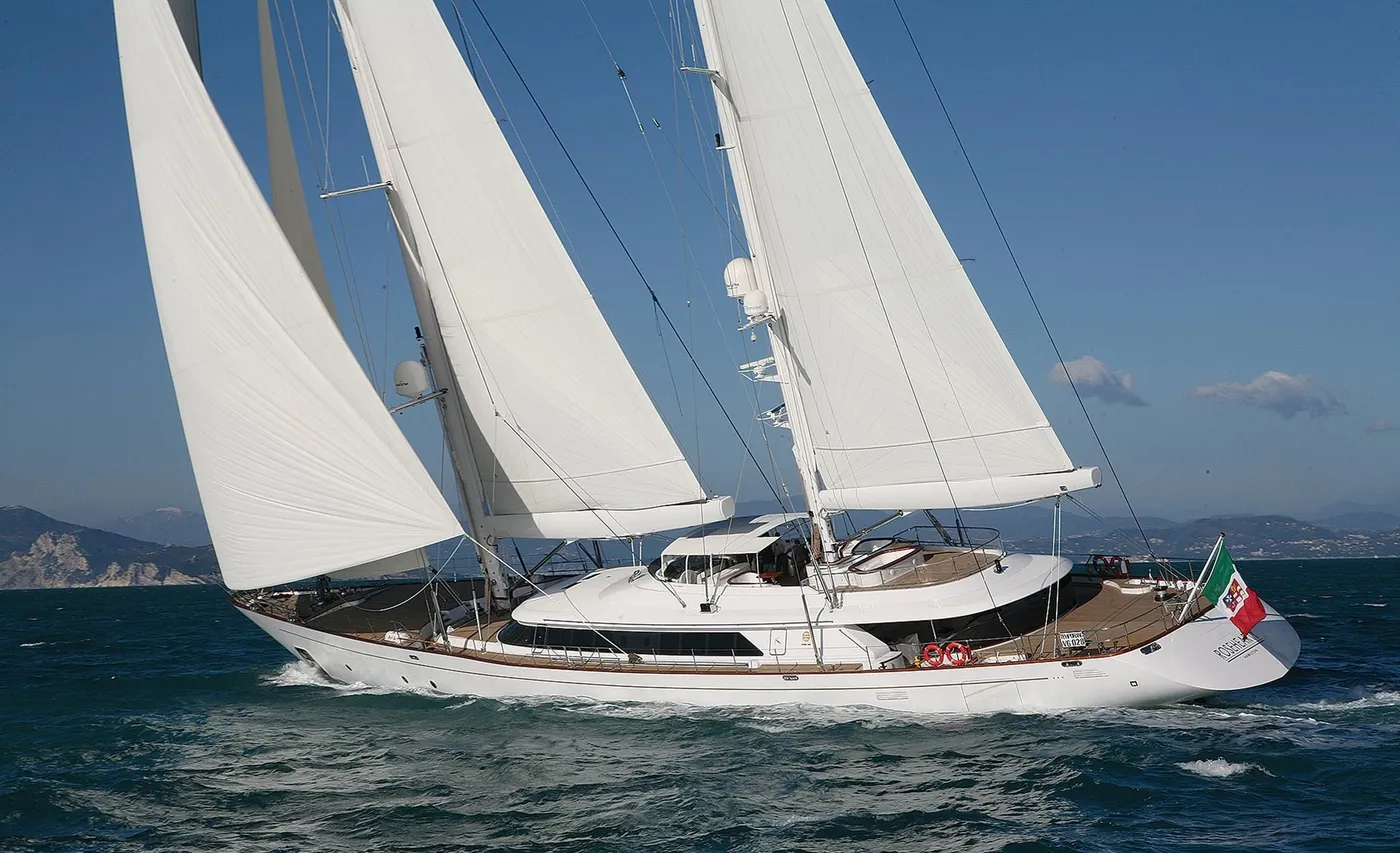
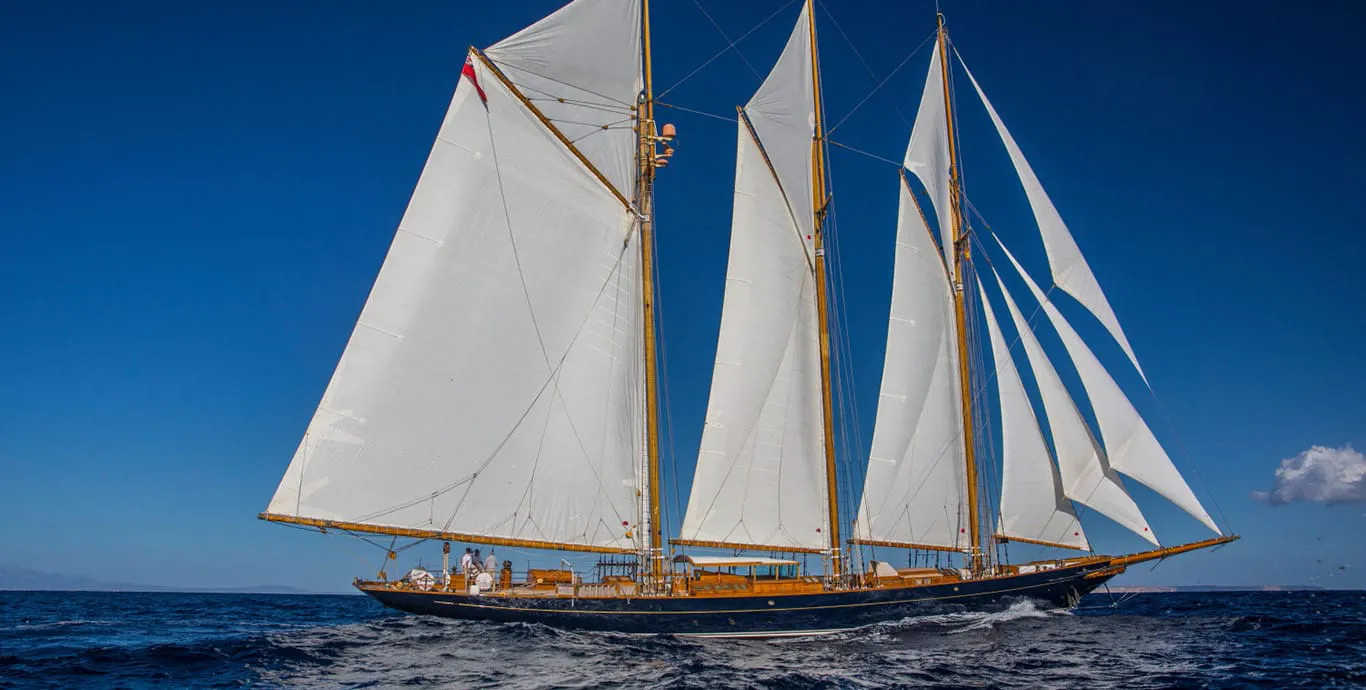
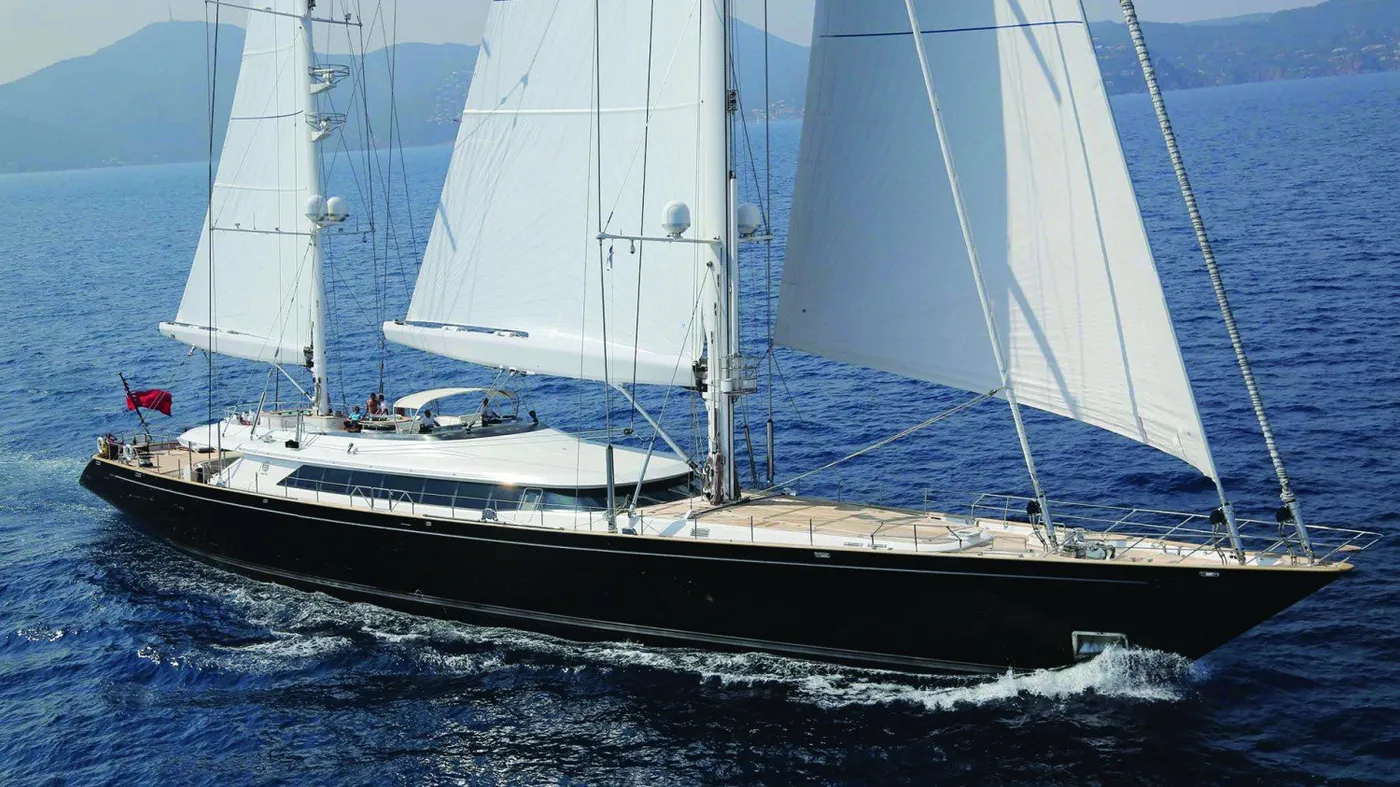
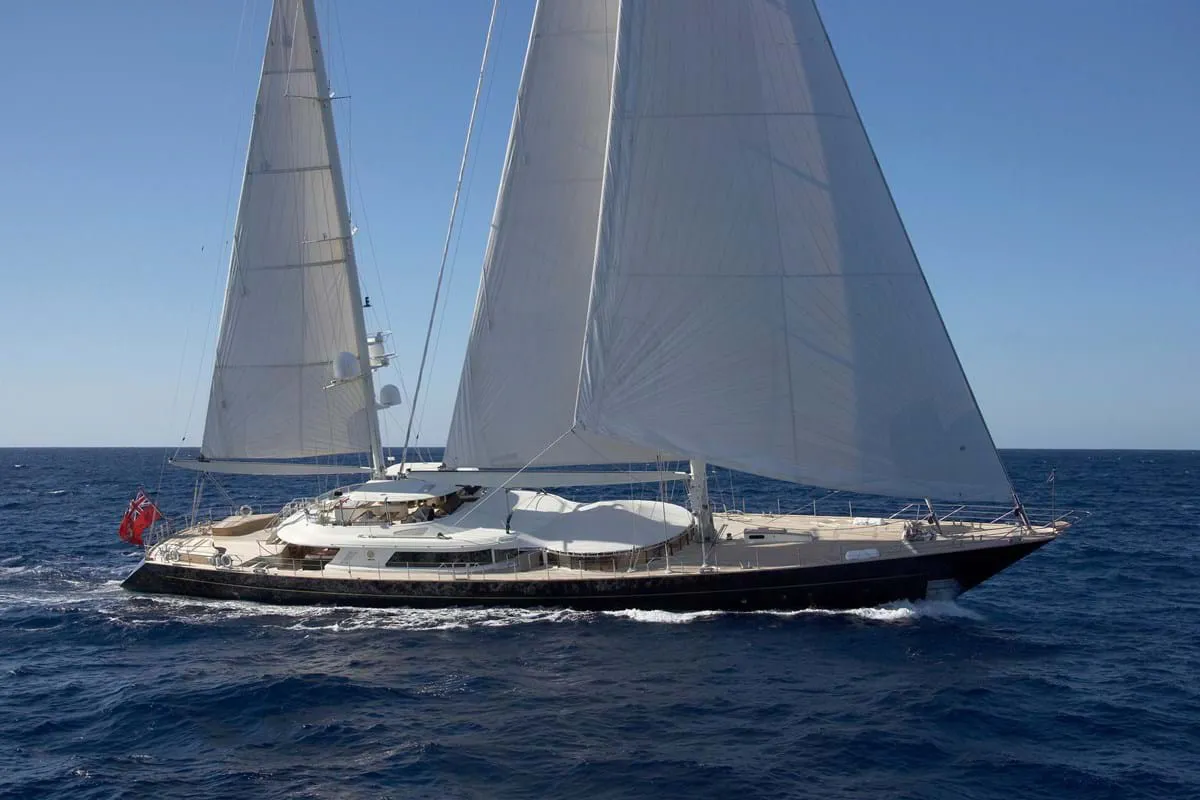
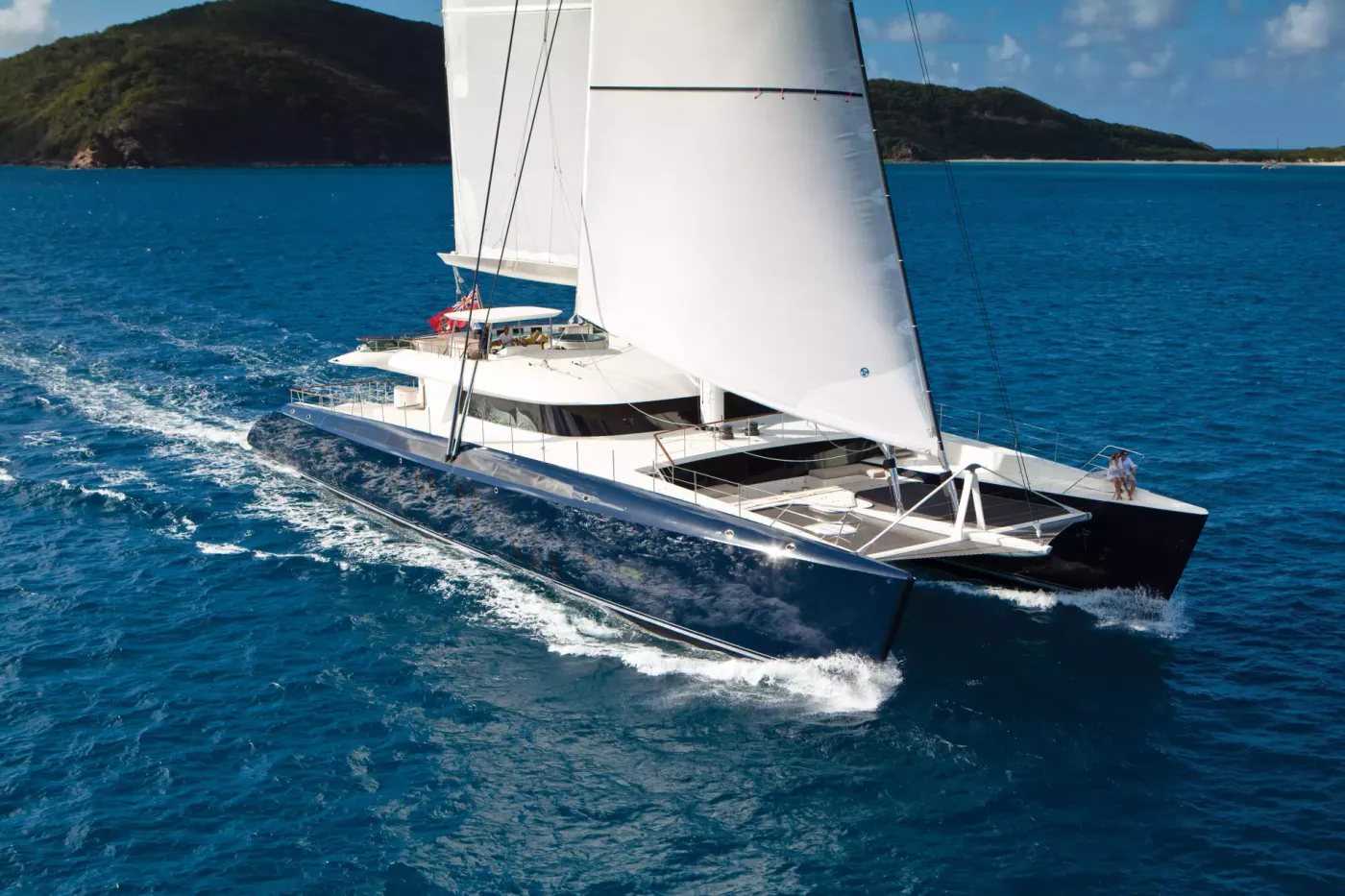
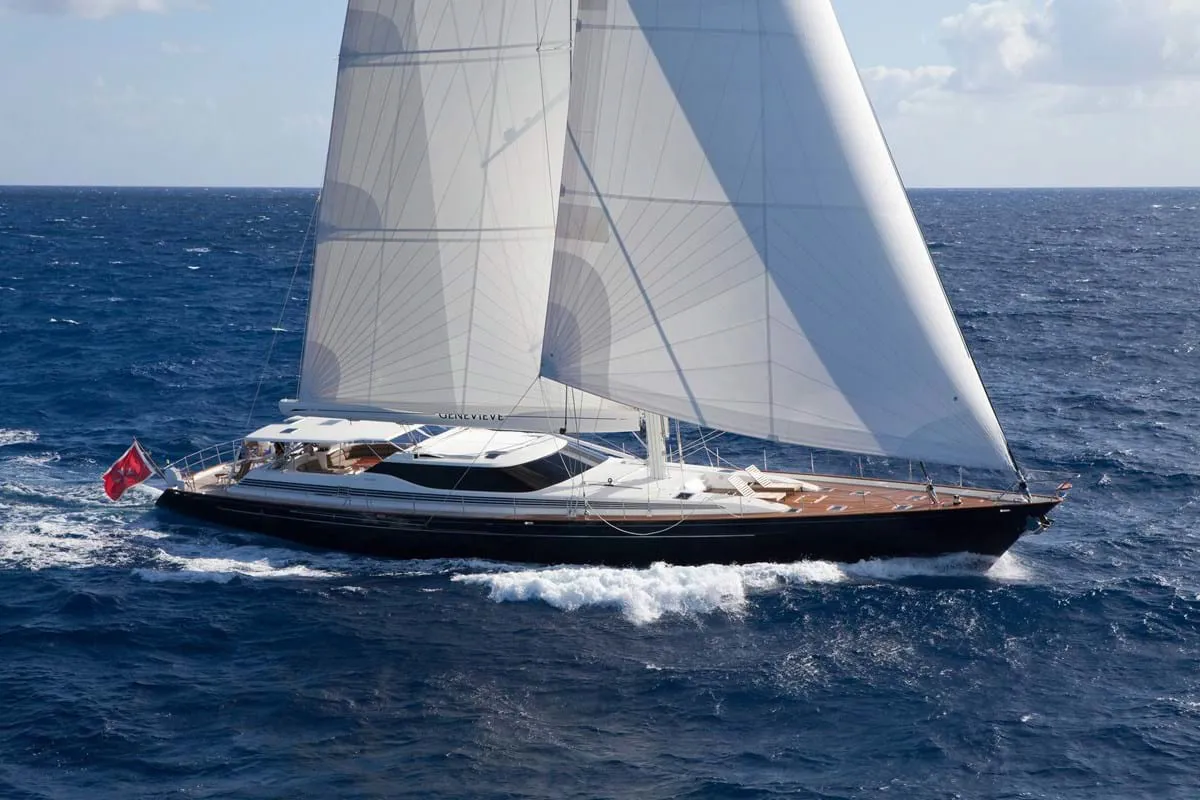
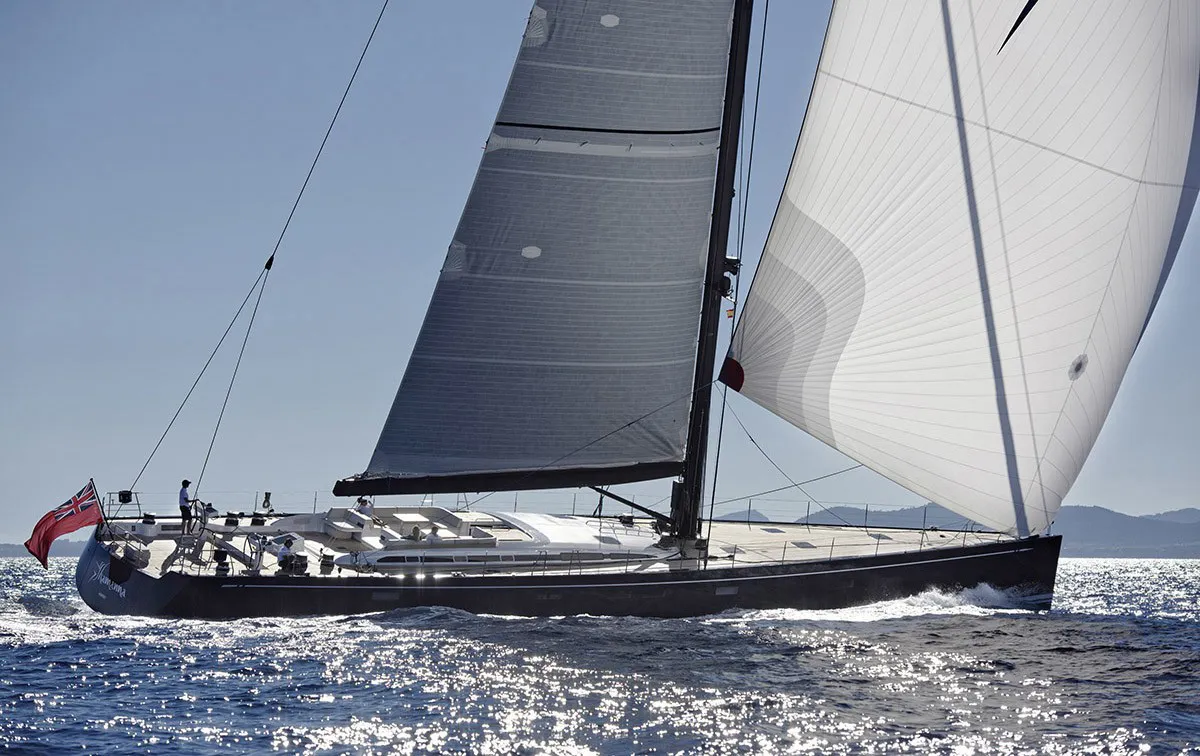
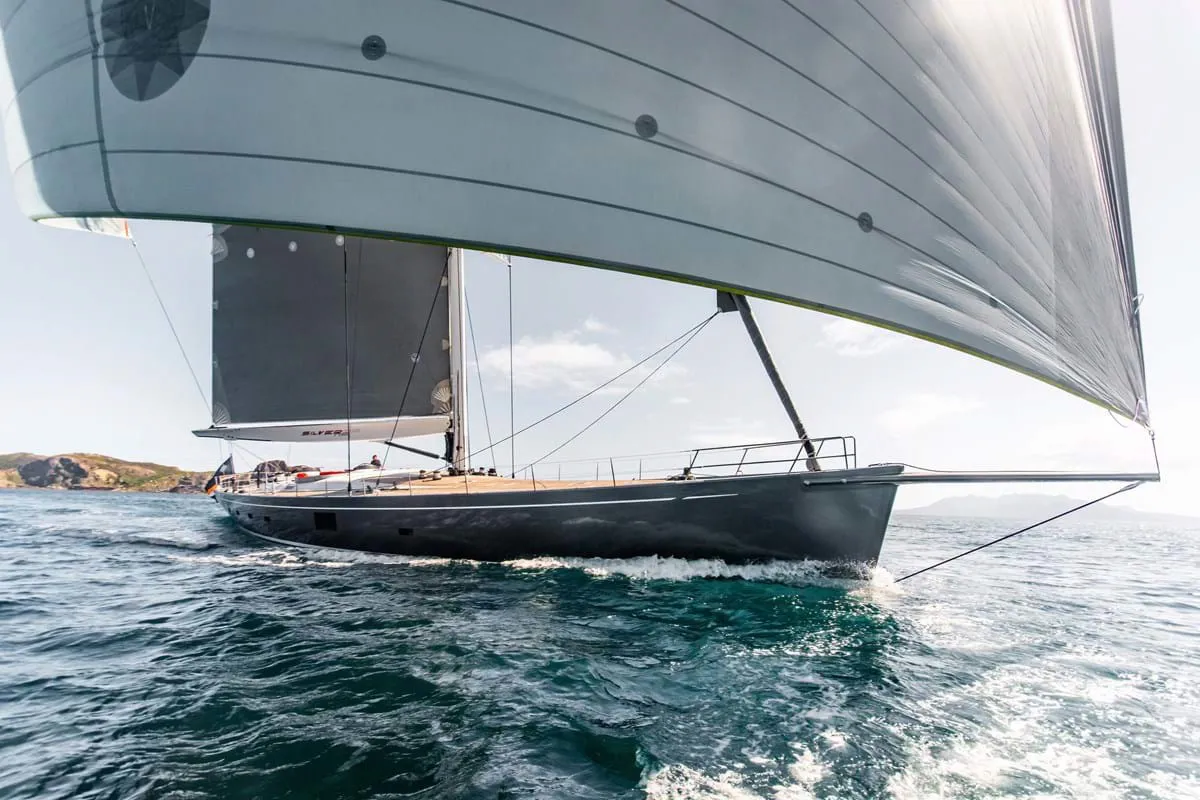
- Sailing yacht. Also an option; say so in your request if you would rather sail.
- For events. If you will host on board, look at the main deck and the aft deck, the number of guests the yacht may take for day events (Burgess notes that, for events, yachts can have more people on board provided they stay in port) and whether it can berth stern-to in town.
What is worth going ashore for?
Monaco’s old town and casino square, the hill villages of Èze and Saint-Paul-de-Vence, old Antibes, Cannes and the old port of Saint-Tropez. Every stop on this coast has something to do on land, and these are easy to reach from the yacht:
- Monaco. The casino square, the old town on the Rock, the Oceanographic Museum and the circuit itself, walkable from Port Hercule.
- Èze. A medieval hill village above the coast between Monaco and Nice, a short drive from Beaulieu or Villefranche.
- Saint-Paul-de-Vence. Walled hill village and art foundations inland from Antibes and Nice.
- Antibes. The old town, the ramparts, the covered market and the Picasso Museum in the Château Grimaldi.
- Cannes. The Croisette, the old quarter of Le Suquet and the Forville market.
- Saint-Tropez. The old port, the Place des Lices market and the villages of Ramatuelle and Gassin above Pampelonne.
Can you combine the Riviera with Corsica or Italy?
Yes, with ten days or two weeks: Corsica lies to the south, and the Italian Riviera and Portofino to the east. See the Sardinia and Corsica guide.
Where do Riviera plans go wrong?
Usually around the events:
- Booking late for an event. For Cannes in May and Monaco in June, the right yachts and berths go early.
- Expecting an event charter to be priced like a normal week. It is not, and minimum periods vary.
- Assuming the yacht can anchor anywhere off the famous beaches. From 24 metres, it must anchor beyond the limit line.
- Embarking in the busiest port at the busiest time. A different embarkation port can save time and money.
- Comparing base rates only. With APA, VAT and gratuity, the total is often 60% or more above the headline rate.
Planning around an event, or avoiding one
If an event is the reason for the trip, say which one, whether you need the yacht berthed in town or are happy at anchor with a tender service, and how many guests you will host by day as well as how many will sleep on board. If you would rather avoid the events, give your dates and whether you can embark somewhere other than Monaco or Cannes. Either way, a charter specialist will send you yacht options and a realistic budget. The charter is contracted with the yacht’s owner through a licensed charter agency, usually under the MYBA agreement, with the full price and VAT clear before you sign. Send your request.