In this guide
- When is the best time to charter a yacht in Mallorca?
- Why do most Mallorca charters start in Palma?
- Route 1: West and north, the Tramuntana coast
- Route 2: South and east, the coves and Cabrera
- Can your yacht visit Cabrera?
- Where else are anchoring and jet skis restricted?
- What is worth leaving the yacht for?
- Can you add Menorca or Ibiza?
- How much does a yacht charter in Mallorca cost?
- Which yacht suits Mallorca?
- What goes wrong on a Mallorca charter?
- What to include in a Mallorca request
Palma is what makes Mallorca easy to plan. Most Balearic charters start and finish there. From Palma the week goes one of two ways: west and north under the cliffs of the Serra de Tramuntana, or south and east to sandy coves and, with the right permits, the national park of Cabrera. The wind usually decides, because the north coast is exposed to northerlies. Menorca is a natural extension if you have more than a week.
Two sets of rules shape every route. Anchoring on posidonia seagrass is banned throughout the Balearics, so your captain will look for sand or buoys. And Cabrera has its own strict system: no anchoring at all, only bookable buoys, with a maximum size that rules out the largest yachts.
When is the best time to charter a yacht in Mallorca?
June or September. June brings the sea to about 22 °C with long, settled days; September keeps it at about 25 °C, close to August’s peak.
Average figures for Palma:
| Month | Avg. max air (°C) | Sea (°C) | Days with some rain | Sunshine (h/day) |
|---|---|---|---|---|
| May | 21 | 18 | 9 | 9 |
| June | 25 | 22 | 6 | 10 |
| July | 28 | 25 | 4 | 11 |
| August | 28 | 26 | 5 | 10 |
| September | 26 | 25 | 7 | 8 |
| October | 22 | 22 | 12 | 7 |
- May is quiet and fresh, with the sea at around 18 °C. Good for walking ashore in the Tramuntana; cool for swimming.
- June brings the sea to about 22 °C, with 6 days of some rain and 10 hours of sunshine a day on average.
- July and August are hot and dry, and the sea is at 25–26 °C.
- September keeps the sea at about 25 °C, with fewer rain days than October.
- October can still be good, but it has more rain days (12 on average).
The north coast is the one to watch for weather. It is steep, with few beaches or harbours. The sailing magazine Multihulls World says the tramontane, which blows from the north and north-west, hits this coast, that winds are most turbulent in the low season, and that Port de Sóller is the only safe haven along it when the sea is too rough. When the wind blows from the north, the captain may move the plan to the south or east coast. That switch is easy from Palma, which sits in a wide bay in the south-west.
Why do most Mallorca charters start in Palma?
Most Balearic charters start and finish in Palma, according to BOAT International, which adds that most international flights come in there and that it has the best facilities for superyachts. For you that means:
- Delivery fee. A yacht based elsewhere may charge a delivery fee; ask whether the quoted rate includes it.
- Easy logistics. The airport is close to the city, and provisioning, florists, chefs’ suppliers and transfers are all routine.
Along the south-west coast, there are also the marinas of Puerto Portals and Port Adriano, and Port d’Andratx in the far west is a pretty, busy harbour often used as a stop on the way to the Tramuntana coast. On the north-east coast lie the bays of Pollença and Alcúdia. The charter agency arranges the berths; in July and August, a berth for a large yacht in Palma or Andratx is booked well ahead.
Route 1: West and north, the Tramuntana coast
Palma to Portals Vells and Santa Ponsa, Sa Dragonera and Port d’Andratx, along the cliffs to Port de Sóller and Sa Calobra, then round Cap de Formentor into the bay of Pollença. It is the scenic week, and it works best when the wind is light or from the south. It combines a published seven-day west Mallorca motor-yacht itinerary, from Portals Vells to Sa Calobra, with a nine-day Balearics itinerary for the night in Andratx and the run from Sa Calobra round Cap de Formentor to Pollença.
The Serra de Tramuntana runs along Mallorca’s north-west coast. It has been a UNESCO World Heritage cultural landscape since 2011, and from the sea it is the most dramatic coastline in the Balearics: high cliffs, terraced hillsides, stone villages and very few beaches.
| Day | Leg | Miles |
|---|---|---|
| 1 | Palma → Portals Vells → Santa Ponsa | — |
| 2 | Santa Ponsa → Sa Dragonera → Port d'Andratx | — |
| 3 | Port d'Andratx → Port de Sóller | — |
| 4 | Port de Sóller | — |
| 5 | Port de Sóller → Sa Calobra | — |
| 6 | Sa Calobra → Cap de Formentor → Bay of Pollença | — |
| 7 | Bay of Pollença | — |
Day 1: Palma, Portals Vells and Santa Ponsa
An easy start: a first swim just west of Palma.
Board in Palma and head west to Portals Vells for a swim, then on to Santa Ponsa for the night.
Day 2: Sa Dragonera and Port d’Andratx
An uninhabited island in the morning, a pretty, busy harbour at night.
A morning swim off Sa Dragonera, the natural park off the south-west tip. Guests go ashore by tender at the Cala Lledó quay, the only way into the island, or stay on the beaches of Cala Cucó and Cala Llebeig. The night is in Port d’Andratx, the nine-day itinerary’s preferred stop; if there is no space, the alternative it gives is Port Adriano.
Day 3: Along the Tramuntana to Port de Sóller
The most dramatic run of the week, under the cliffs of the Serra de Tramuntana.
North and then north-east along the coast, where the mountains drop almost straight into the sea and there are few beaches or harbours. It is a long run to Port de Sóller, halfway along the coast, where the yacht spends the night.
Day 4: Sóller and Deià
A day off the water, in the villages of the Tramuntana.
The old centre of Sóller, and Deià, the hilltop village a short taxi ride away.
Day 5: Sa Calobra and Torrent de Pareis
Two beaches hidden at the foot of the mountains.
North-east to Sa Calobra, where the mountains plunge into the sea and two beaches sit at the mouth of the Torrent de Pareis gorge. The seven-day itinerary spends the night here.
Day 6: Cap de Formentor and the bay of Pollença
Round the northern tip of the island to the bay of Pollença.
Past Cala Sant Vicenç and round Cap de Formentor, with an afternoon swim at Cala Figuera. The night is at anchor in the bay of Pollença; the old town of Pollença is a few miles inland, a short taxi ride away.
Day 7: Disembark in the north or head back
The week ends in the north, or carries on.
Either disembark in the north (with a road transfer back to Palma airport) or start the passage back. The nine-day itinerary carries on from Pollença to Menorca (see below).
Expect fewer beach clubs on this route, and more walking, villages and long lunches.
For a 30–50 m yacht
- Portals Vells (day 1) lies in one of the posidonia zones where anchoring is banned, so the yacht will find sand or stay further out. If you plan to use water toys around Santa Ponsa, the Illes del Ponent marine reserve rules below apply.
- Sa Dragonera (day 2). Between Sant Elm and Sa Dragonera there is a regulated buoy field: inside it, boats must moor to the buoys and may not drop anchor, and outside it the posidonia ban still applies. A group of more than 10 needs prior authorisation from the park to go ashore.
- Port de Sóller (day 3). With so few harbours on this stretch, the captain confirms the night there well ahead.
- Sa Calobra (day 5) is not possible in a northerly swell.
Route 2: South and east, the coves and Cabrera
Palma to Es Trenc, a night in Cabrera if the permit and the buoy are in place, then up the east coast to Cala d’Or, Porto Cristo, Cala Mesquida and Alcúdia, and back down the coast to Portocolom. The days follow a published seven-day east Mallorca crewed motor-yacht itinerary, which ends with disembarkation in Palma on the eighth morning. The south and east coasts are lower, warmer and full of small sandy coves, many of them reachable only by sea: this is the route for swimming, snorkelling and quiet anchorages.
| Day | Leg | Miles |
|---|---|---|
| 1 | Palma → Es Trenc | — |
| 2 | Es Trenc → Cabrera | — |
| 3 | Cabrera → Cala d'Or | — |
| 4 | Cala d'Or → Porto Cristo | — |
| 5 | Porto Cristo → Cala Mesquida | — |
| 6 | Cala Mesquida → Alcúdia | — |
| 7 | Alcúdia → Portocolom | — |
| 8 | Portocolom → Palma | — |
Day 1: Palma and Es Trenc
The south starts with a long sandy beach and a first night at anchor.
Board in Palma and head south-east to the long beach of Es Trenc, inside the Es Trenc–Salobrar de Campos natural park. The anchor goes down on sand.
Day 2: Cabrera National Park
A national park out at sea, and the stop that depends most on the rules.
The Cabrera archipelago, south of Mallorca, is a maritime-terrestrial national park. The yacht spends the night on a booked buoy, and guests go ashore by tender at the park’s two quays. Whether your yacht can come at all is in the box below.
Day 3: Cala d’Or
A night in a marina, with time ashore.
North-east to Cala d’Or, with the berth booked before the charter. Go ashore, or explore the coves round the headland by tender.
Day 4: Porto Cristo and the Coves del Drac
Caves by tender and a sheltered cove for the night.
North to Porto Cristo. The night is at anchor in a sheltered cove, and the tender takes you to the Coves del Drac.
Day 5: Cala Mesquida
Dunes and pine scrub behind the anchorage.
A morning ashore in Porto Cristo, then north to Cala Mesquida, a cove backed by dunes and pine scrub, for a night at anchor.
Day 6: Alcúdia and Pollença
Water sports by day, the town by night.
Round into the bay of Alcúdia: most of the day at anchor off the town, then an evening ashore. Pollença, at the northern end of the island, is the next bay along.
Day 7: Portocolom
The last night: a drink ashore and a farewell dinner on board.
A long run back down the whole east coast to Portocolom.
Day 8: Palma
Back to Palma to disembark.
For a 30–50 m yacht
- Es Trenc (day 1). The Es Trenc–Salobrar de Campos natural park’s 2017 law leaves anchoring and mooring to a future park plan and, until that plan is approved, applies the environmental rules of the Cabrera Natura 2000 management plan. The posidonia ban applies here too.
- Cabrera (day 2). Anchoring is banned throughout the park and the free day buoys take boats only up to 15 metres, so a 30-metre yacht can only come on a booked overnight buoy: the red ones, for yachts over 20 and up to 35 metres. The buoy is yours from 18:00 on the first day to 17:00 on the last. A yacht over 35 metres needs an exceptional authorisation; without one, it goes from Es Trenc straight to Cala d’Or.
- Portocolom (day 7). The seasonal buoys that Ports IB allocated there for summer 2026 were for boats of up to 9 or 15 metres, so a yacht of 30 to 50 metres cannot use them: ask the captain where the yacht will spend this night.
Can your yacht visit Cabrera?
Only if it is no longer than 35 metres, holds a navigation permit and has a buoy booked: anchoring is banned throughout the national park, and a yacht over 35 metres can only get an exceptional authorisation. This is where Mallorca charters most often run into rules the client did not expect. The key points, as published by the Balearic government when we checked in November 2026:
- Navigation needs a permit. Every private yacht needs a written authorisation to navigate in the park. It is requested online and is valid for twelve months.
- Anchoring is banned throughout the park. You may only moor to the official buoys; if all of them are taken, you still cannot anchor.
- Day buoys are for small boats. The free day buoys can only be used by vessels up to 15 metres, between one hour after sunrise and one hour before sunset.
- Overnight buoys must be booked. Each night needs a reservation on top of the navigation permit. Stays are limited to two nights in July and August and seven nights the rest of the year, and the park caps the number of boats per day.
- Buoys are sized by length. The largest category (red) is for yachts over 20 metres and up to 35 metres. When we checked in November 2026, the published rate for a red buoy was €275 per day from 1 May to 30 September and €105 per day from 1 October to 30 April.
- Over 35 metres is the exception. A yacht longer than 35 metres can only receive a special authorisation, with prior justification and at the maximum rate. Do not plan a week around it.
In practice:
- A 30-metre yacht can visit Cabrera if the captain secures the permit and a buoy in time. The park allows at most 50 boats a day, so Cabrera has to be in the plan from the start.
- A 50-metre yacht will usually not moor in Cabrera. Ask whether a day visit by tender from outside the park is possible and sensible that week; it depends on the weather and the distance. Any boat entering park waters, the tender included, needs a navigation permit, and guests may only land at the park’s two quays.
- The park revises these rules and fees from time to time, so the current position is checked again before you sail.
Where else are anchoring and jet skis restricted?
On posidonia meadows anywhere in the Balearics; in the Illes del Ponent marine reserve off the south-west, where jet skis are banned in the core areas; and in the natural park of Sa Dragonera.
Posidonia. Since 2018 the Balearic government has banned anchoring on posidonia meadows, for vessels of every size. Popular anchorages such as Portals Vells, west of Palma, and Sa Foradada, on the Tramuntana coast, are inside no-anchoring zones. Environmental patrols ask boats on seagrass to move. Your captain will use sand patches or bookable buoys; in busy coves that means arriving early.
Illes del Ponent marine reserve. Off Mallorca’s south-west coast, a marine reserve created under Decree 26/2025 joins and extends the protected waters around El Toro, the Malgrats islets and Illa del Sec, covering about 2,300 hectares. Boats must slow to between 3 and 6 knots in the protected zones and jet skis are banned in the core areas. If you are planning to use water toys near Palma, Portals or Santa Ponsa, ask the captain where they are allowed.
Sa Dragonera. Between Sant Elm and Sa Dragonera, boats must use the buoys of the regulated field and may not anchor inside it; outside it, the posidonia ban applies.
All of this reflects 2026. Protected-area rules change between seasons, so take it as a guide to the kind of limits you will meet rather than the final word.
What is worth leaving the yacht for?
Palma’s cathedral and old town, the Tramuntana villages of Valldemossa, Deià and Sóller, the old towns of Pollença and Alcúdia, and the vineyards of the south-east. Mallorca is a big island with a lot to do ashore, which sets it apart from Formentera or the smaller Greek islands. Give the crew an idea of what the group likes and they will plan stops around it.
- Palma. The cathedral (La Seu) overlooks the harbour, and the old town behind it is easy to walk from the marinas. A good first or last evening.
- Valldemossa and Deià. Mountain villages of the Tramuntana, reached by car from Port de Sóller or Palma. Deià is known for its restaurants and its link with artists and writers.
- Sóller. The town, the orange groves and the old tram down to the port. An easy half day.
- Pollença and Alcúdia. Old towns near the northern bays, with Sunday markets and walled streets.
- The south-east. Vineyards and country estates inland, and the long beaches of Es Trenc.
- Golf, cycling and walking. Mallorca is popular with road cyclists and walkers in spring and autumn, and there are several golf courses near Palma.
If the group is more interested in the sea than the shore, the Cabrera and east-coast route is the better fit. If it wants restaurants, villages and a little culture between swims, the Tramuntana route wins.
Can you add Menorca or Ibiza?
Menorca fits easily: it is a short crossing from the north-east tip of Mallorca. Ibiza is a full passage from Palma and suits two weeks or a one-way charter.
Menorca. The north-east tip of Mallorca is a short crossing from Ciutadella, on Menorca’s west coast. Menorca is quieter and greener, with coves along its south coast (Macarella, Turqueta, Mitjana) and a long, natural harbour at Mahón. Menorca has been a UNESCO Biosphere Reserve since 1993, including a large marine area. A Mallorca–Menorca week works well if you start in Alcúdia or Pollença rather than Palma. If you start in Palma, ten days is more comfortable.
Ibiza and Formentera. The crossing from Palma to Ibiza is a full passage, not a hop. See the Ibiza and Formentera yacht charter guide.
For a comparison with another big Mediterranean base, see the French Riviera and Monaco guide.
How much does a yacht charter in Mallorca cost?
A yacht of about 50 metres typically advertises at around €180,000 a week, and one of about 30 metres at around €55,000, before expenses. Those are Ahoy Club’s typical weekly rates for the yachts it lists in euros (live data, consulted November 2026).
| Yacht size | Typical advertised rate per week (euro listings, all destinations) | Upper end of listings |
|---|---|---|
| About 30 m (27–33 m) | around €55,000 | up to about €155,000 |
| About 40 m (37–43 m) | around €105,000 | up to about €285,000 |
| About 50 m (46–55 m) | around €180,000 | up to about €440,000 |
| 55–75 m | around €400,000 | up to about €990,000 |
Then add:
- APA: usually 30–40% of the base rate, for fuel, food, drinks, berths and fees such as Cabrera buoys. Unspent APA is returned. More in the APA guide.
- VAT: charters that start in Spain pay 21% VAT on the full charter fee, with no reduction for time in international waters (Ocean Independence, 2025 rates). See yacht charter VAT by country.
- Gratuity: customary and discretionary, typically 10–20% on the same listings; Mediterranean guidance from other houses is lower (see our crew tipping guide).
On that 50-metre yacht at €180,000 a week, APA at 30% is €54,000, VAT at 21% on the fee is €37,800, and a 10–20% gratuity is €18,000–36,000: about €290,000–308,000 for the week, less whatever APA is not spent. The full method is in how much a luxury yacht charter costs.
Before you budget
- The rates cover yachts listed in euros across all destinations, not only those cruising in Mallorca. They are indicative, not offers: the price for a specific yacht and week comes from the charter agency.
- Rates move with the season, so ask for June and September prices as well as July and August.
- Confirm the VAT position with the agency before signing.
Which yacht suits Mallorca?
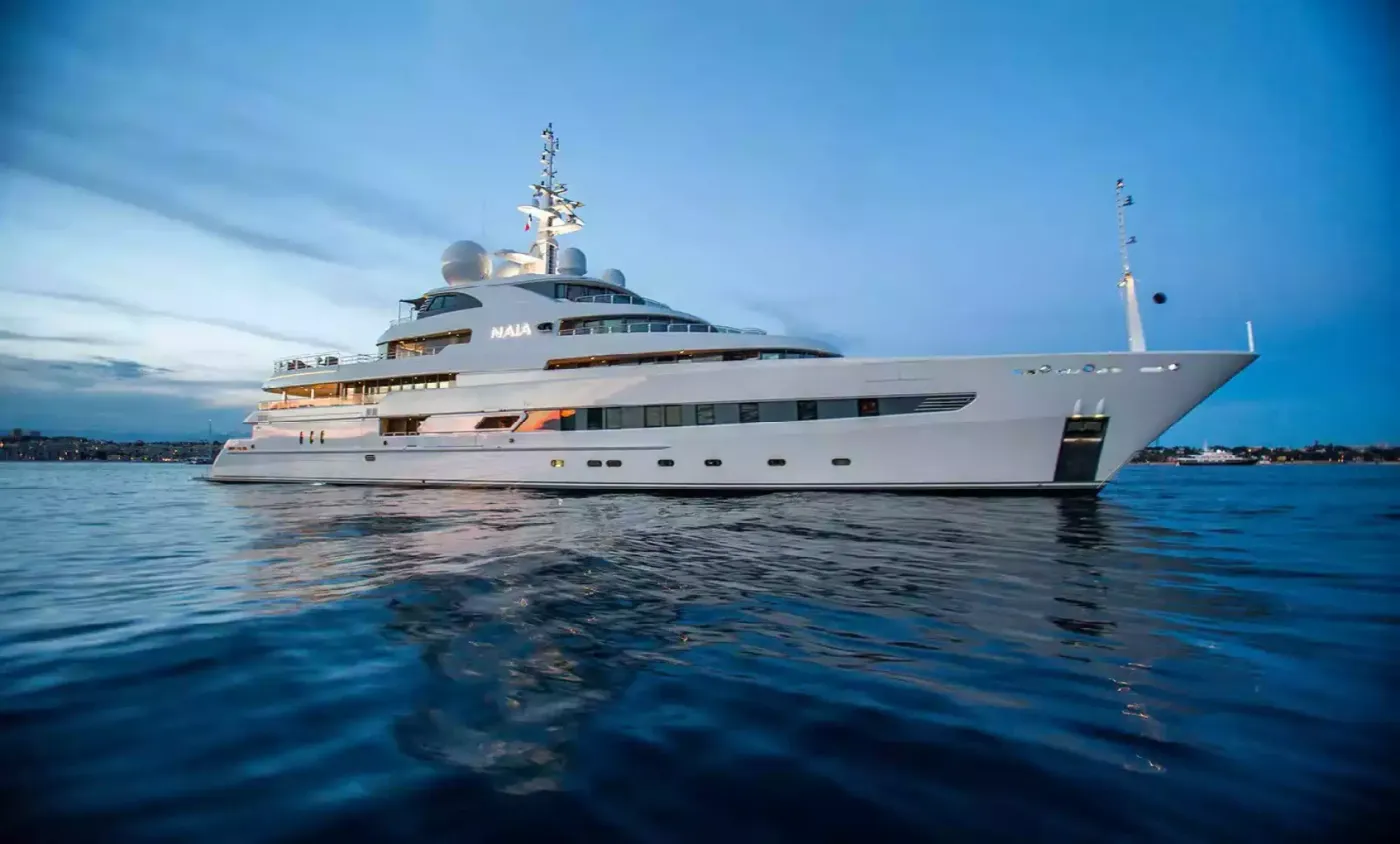
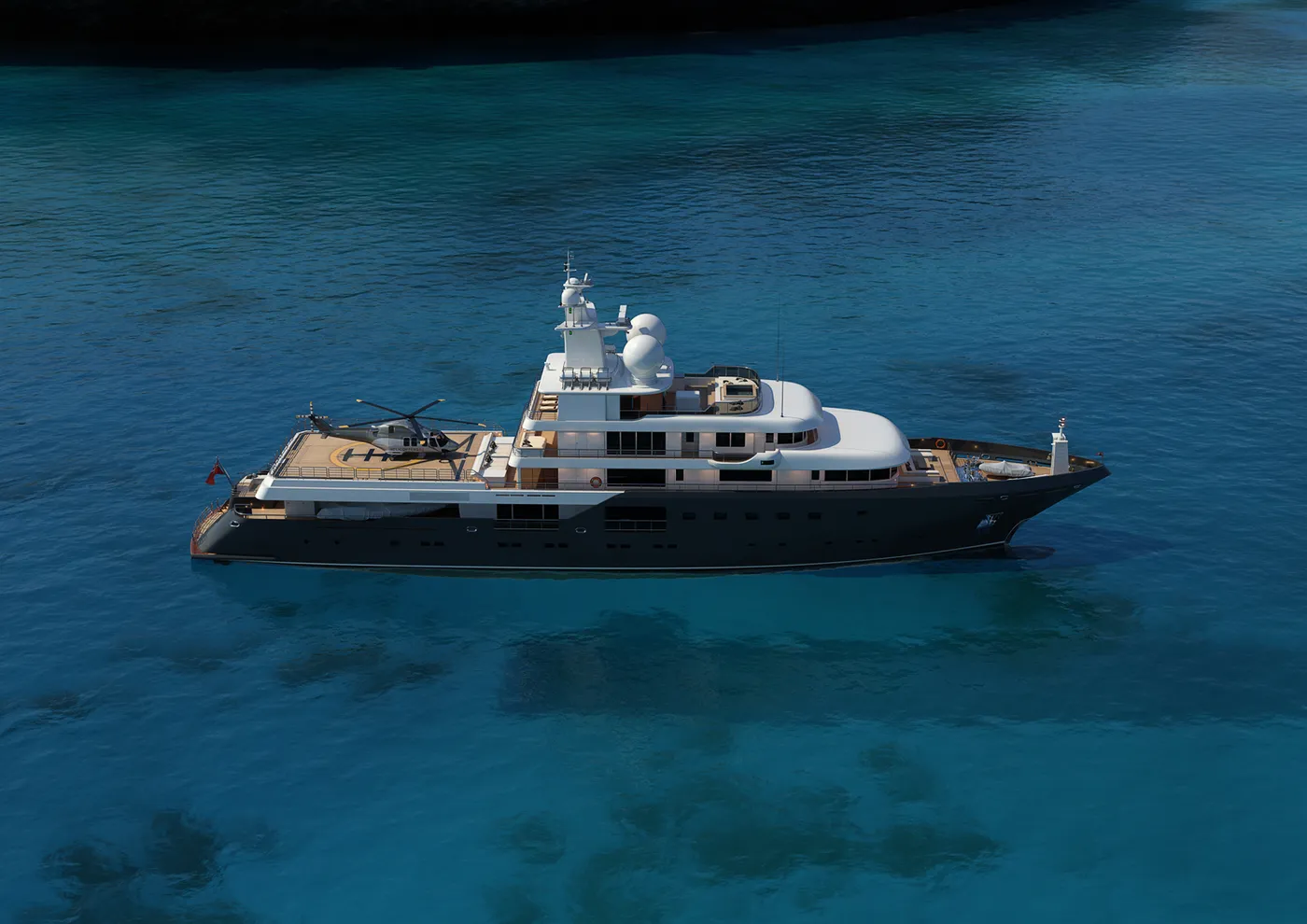
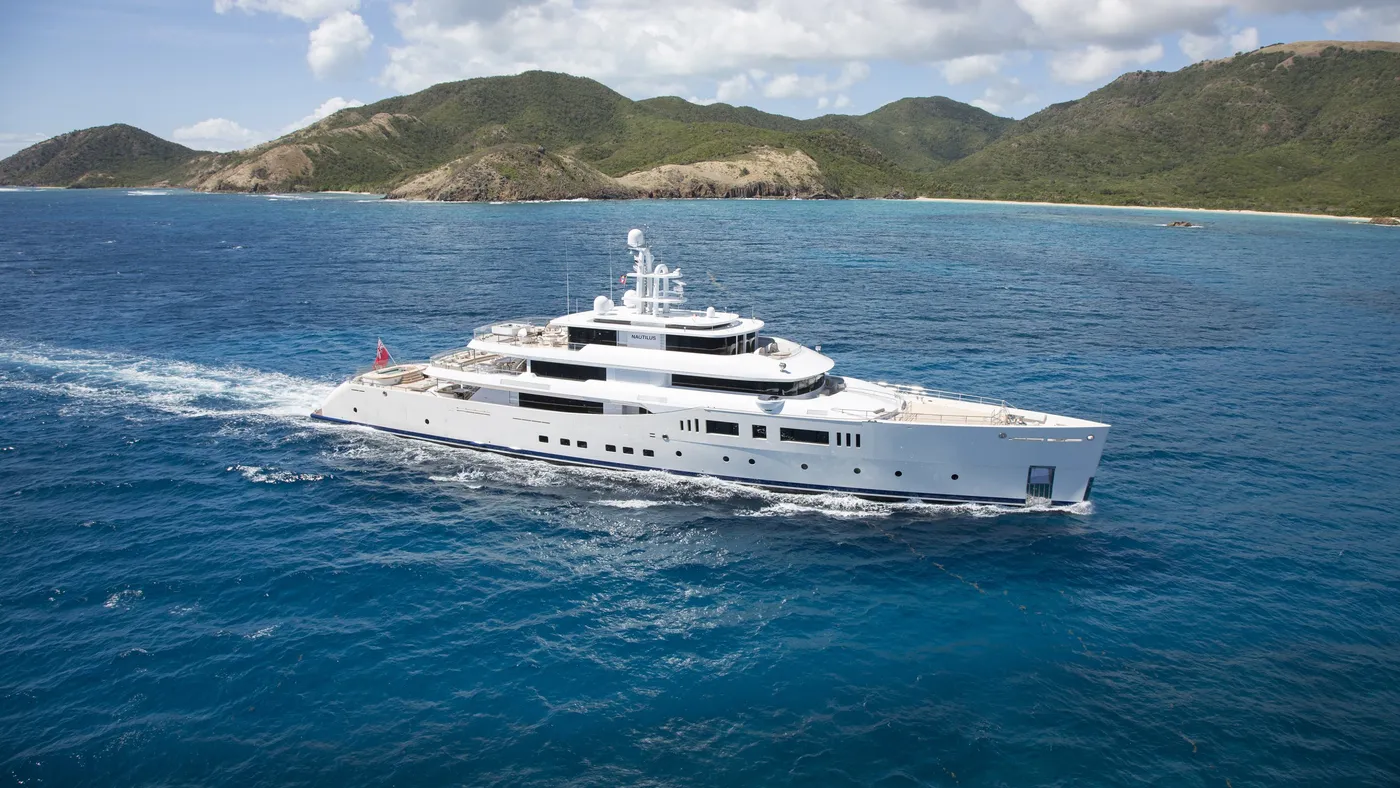
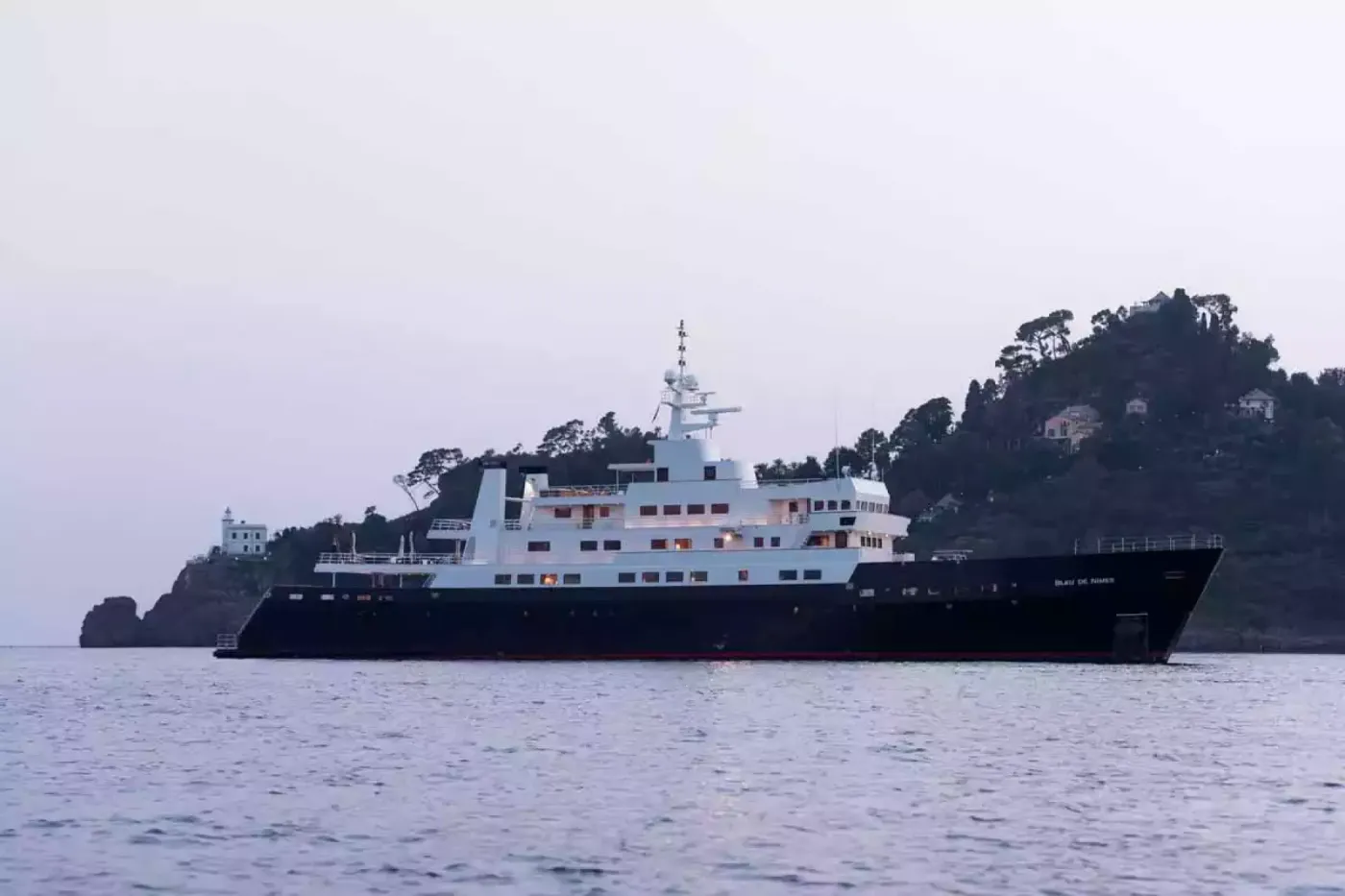
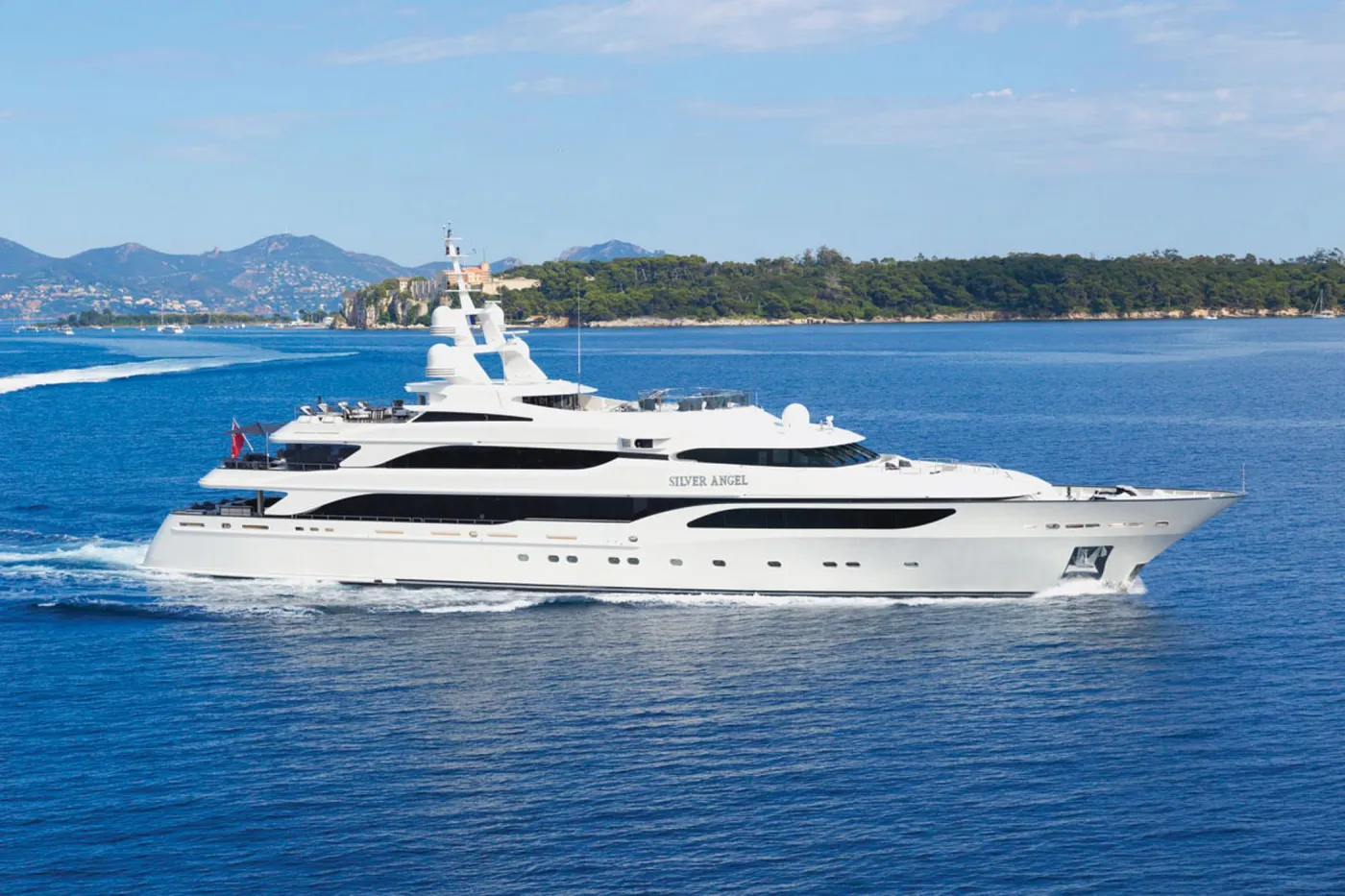
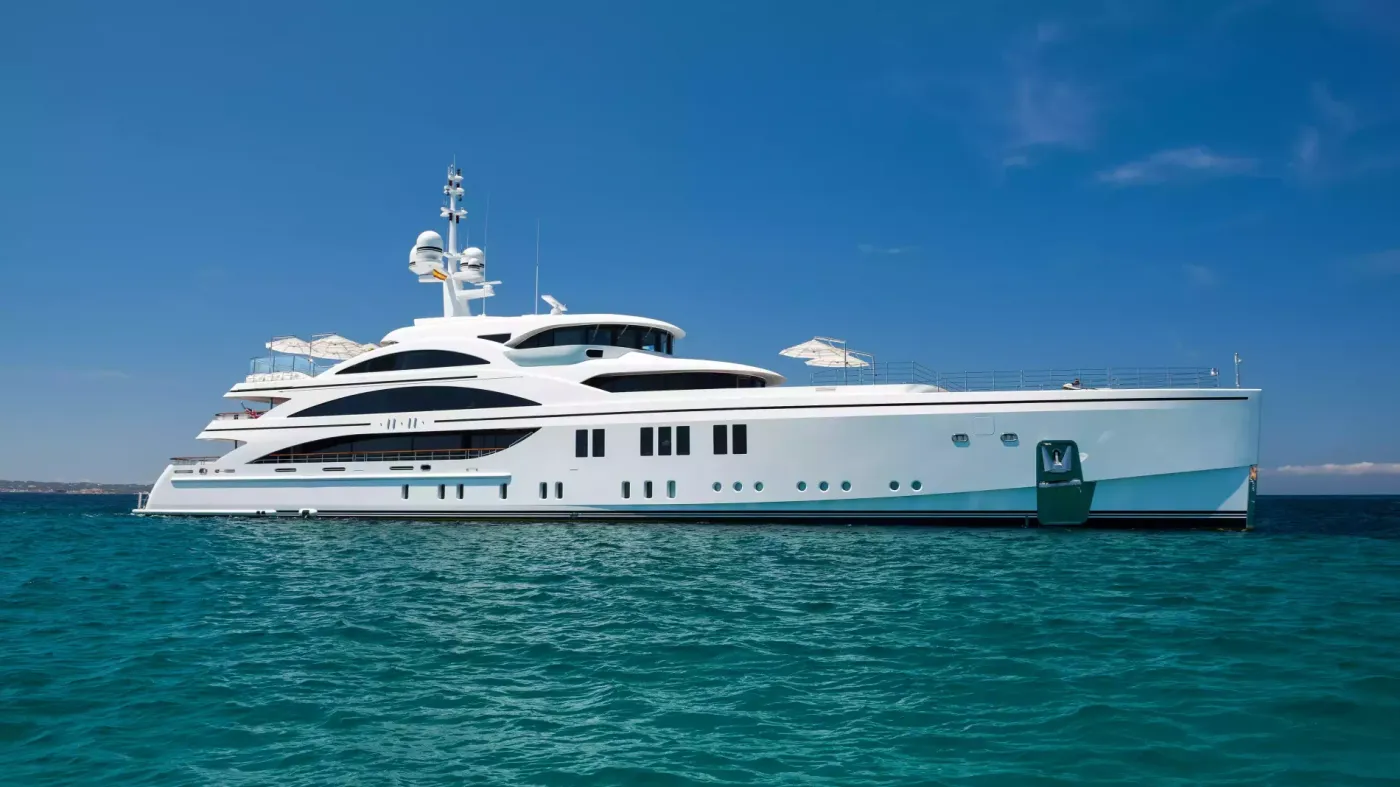
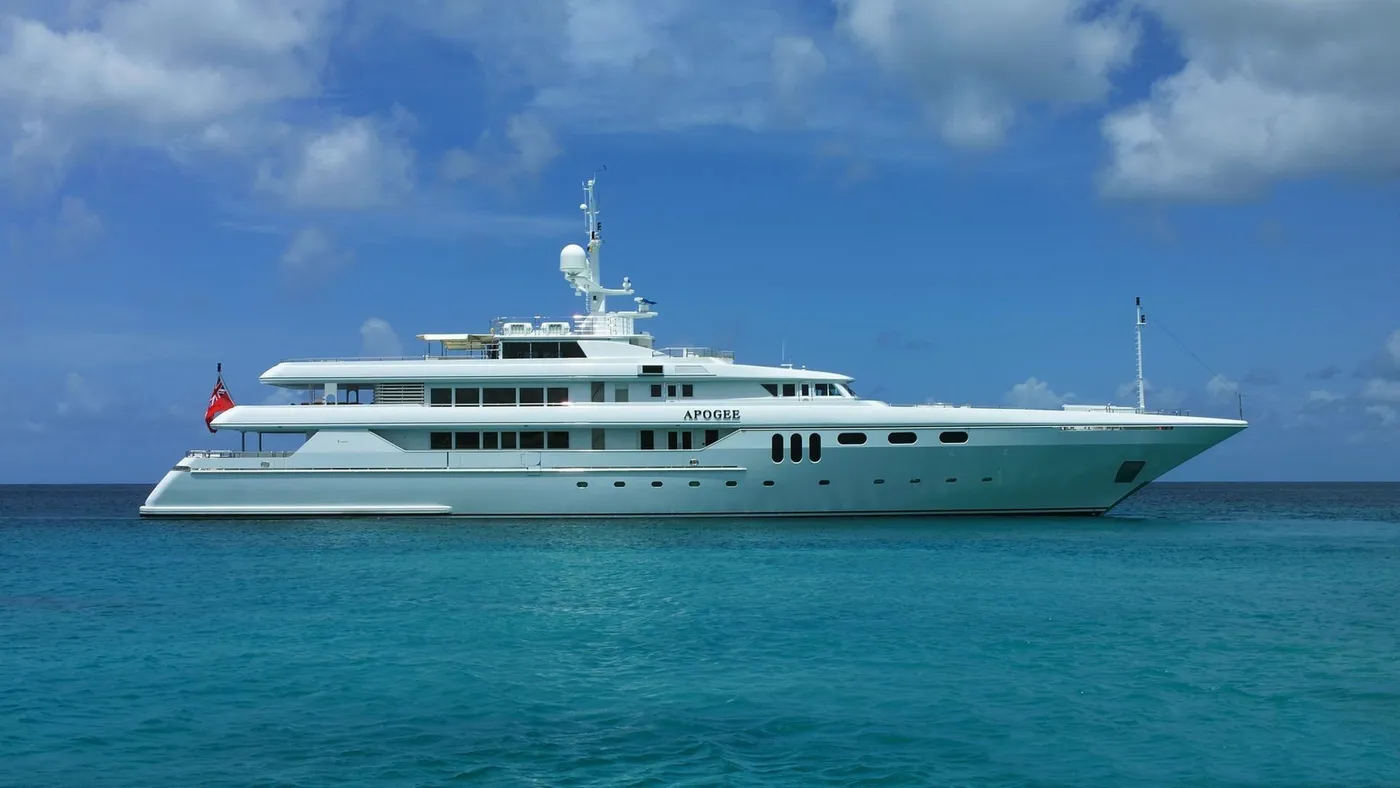
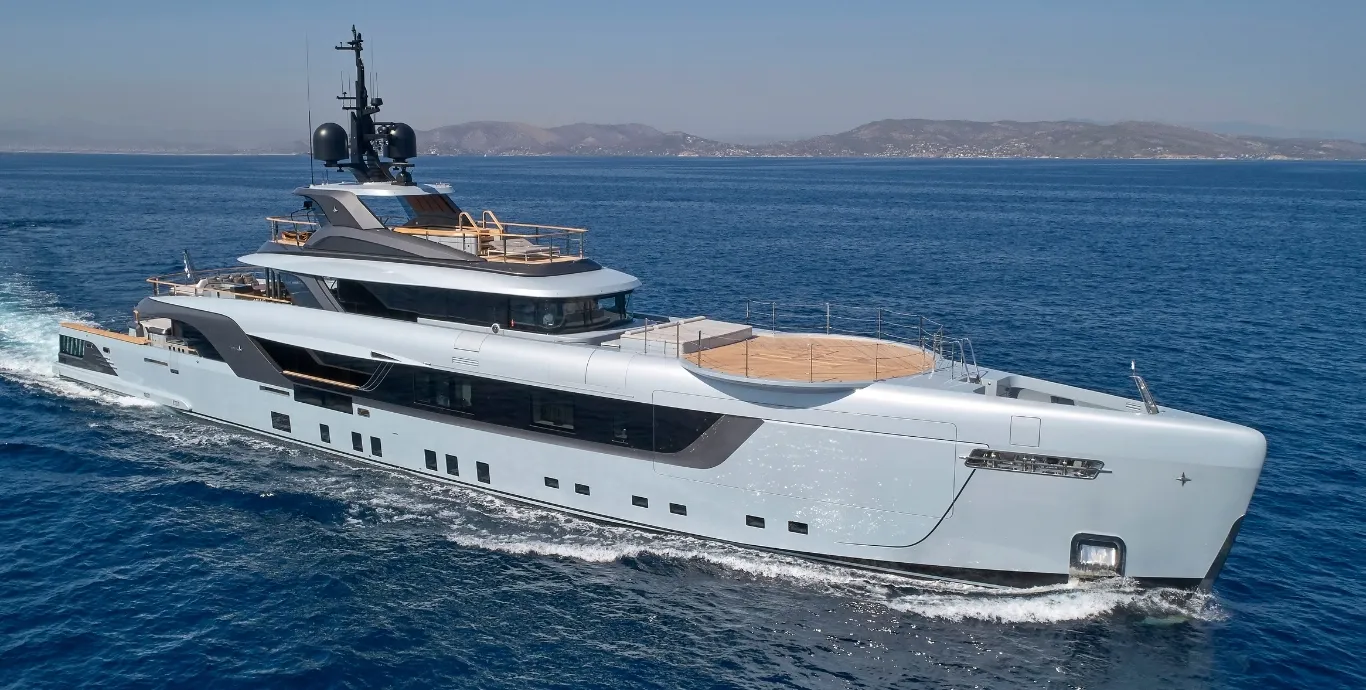
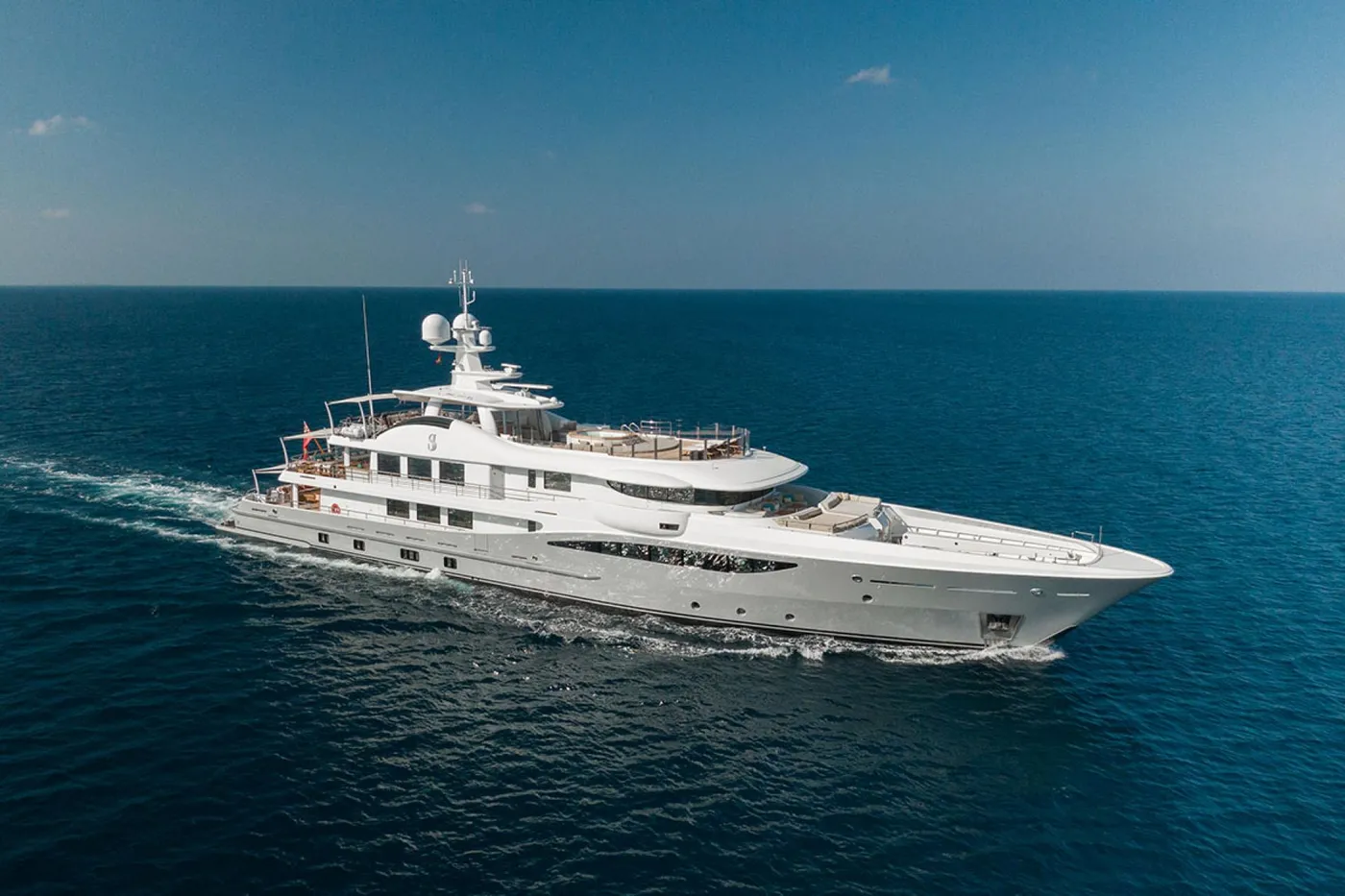
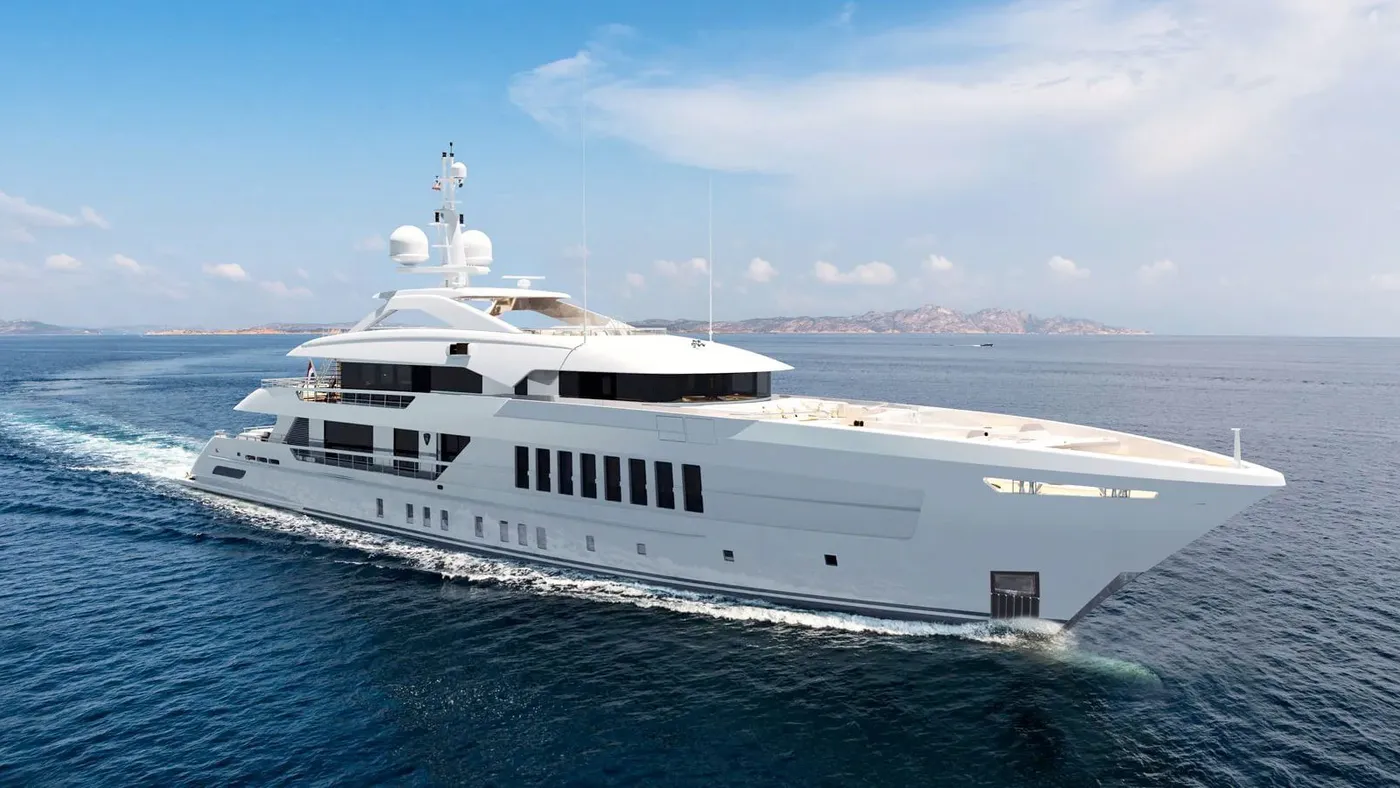
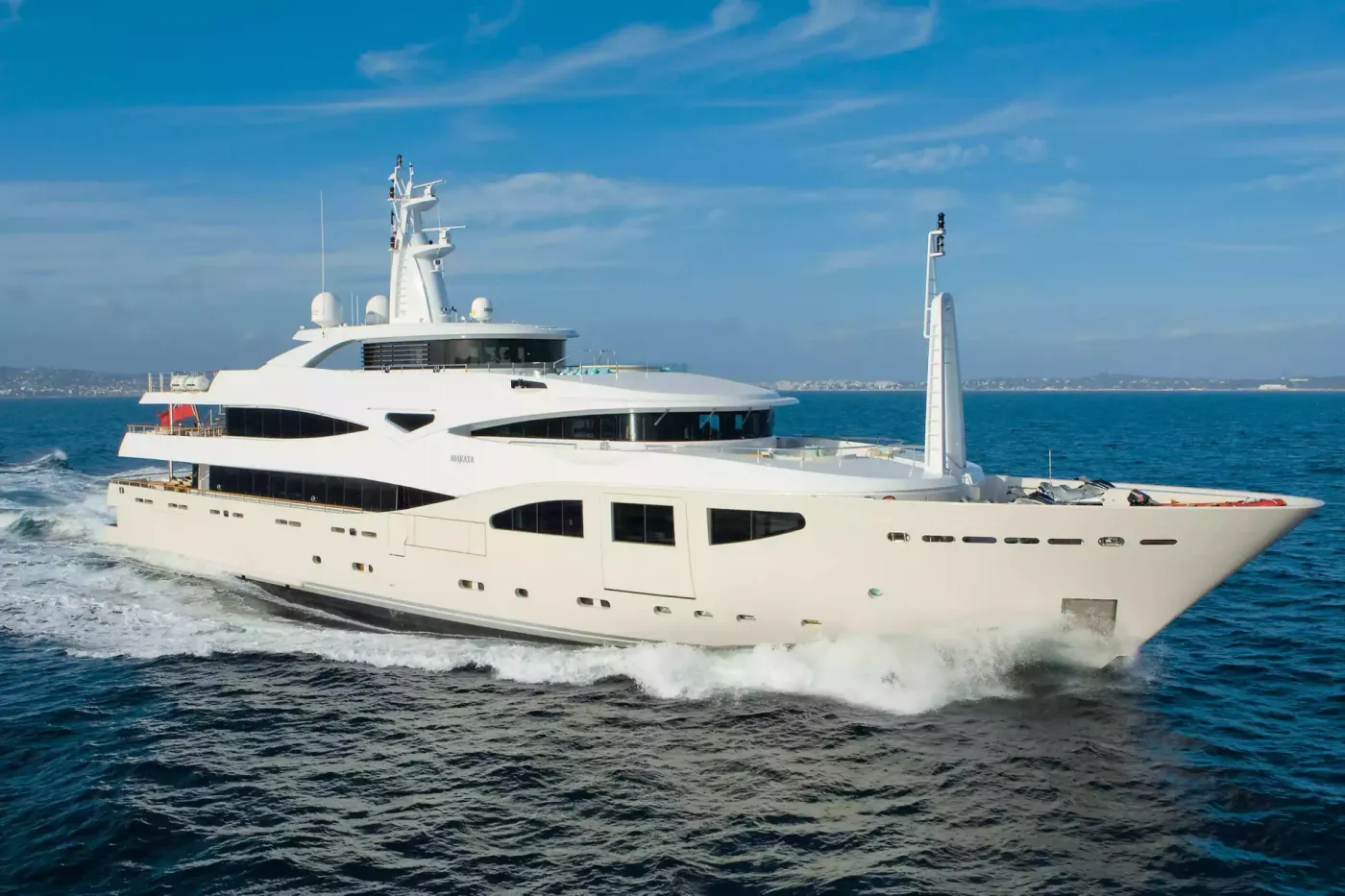
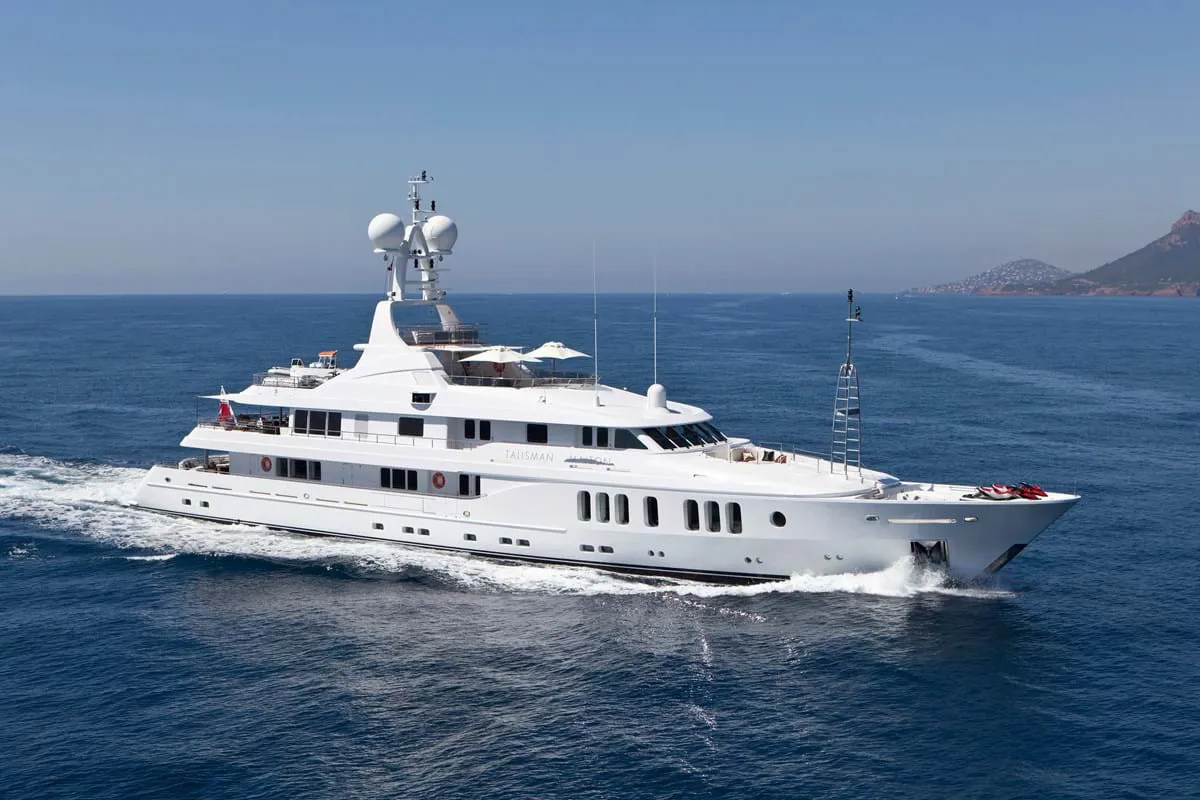
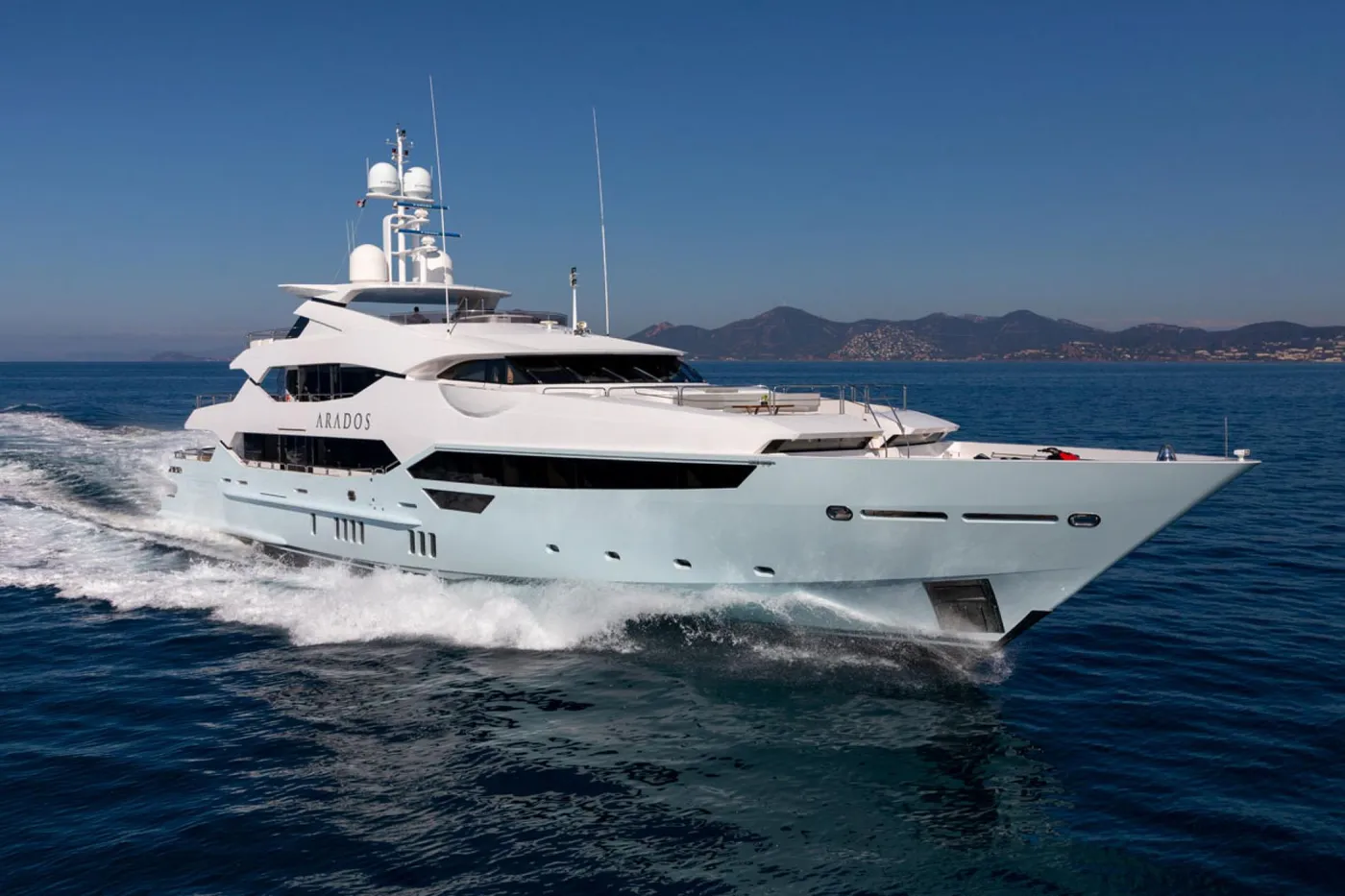
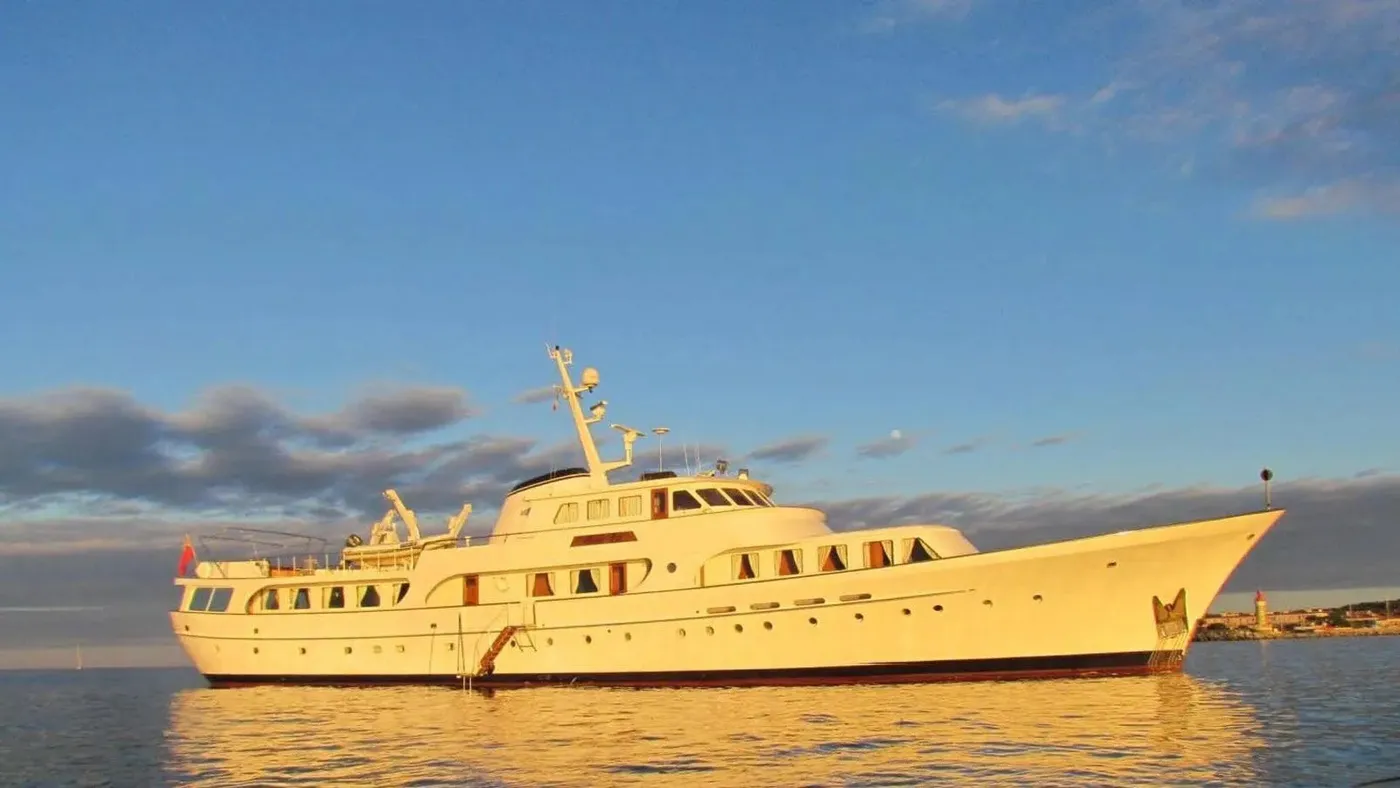
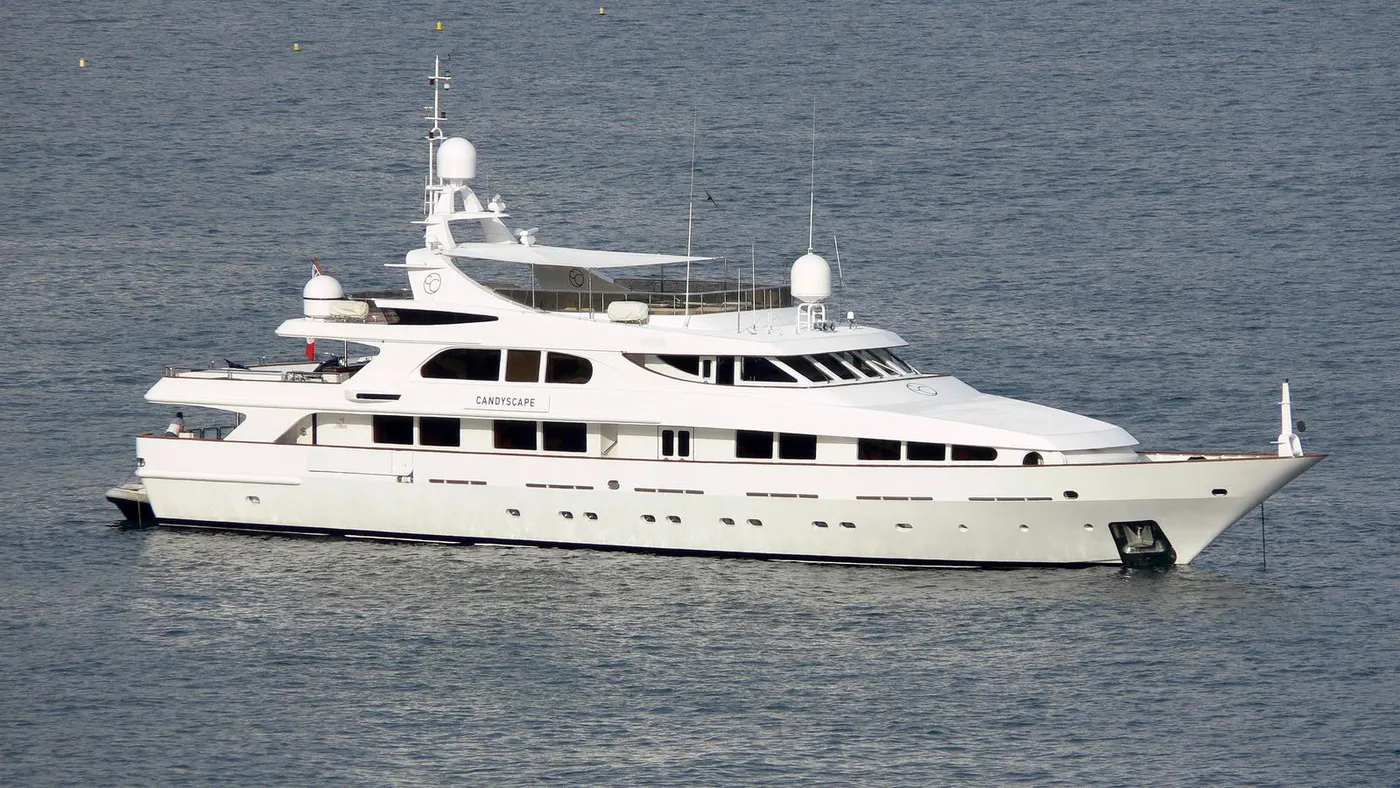
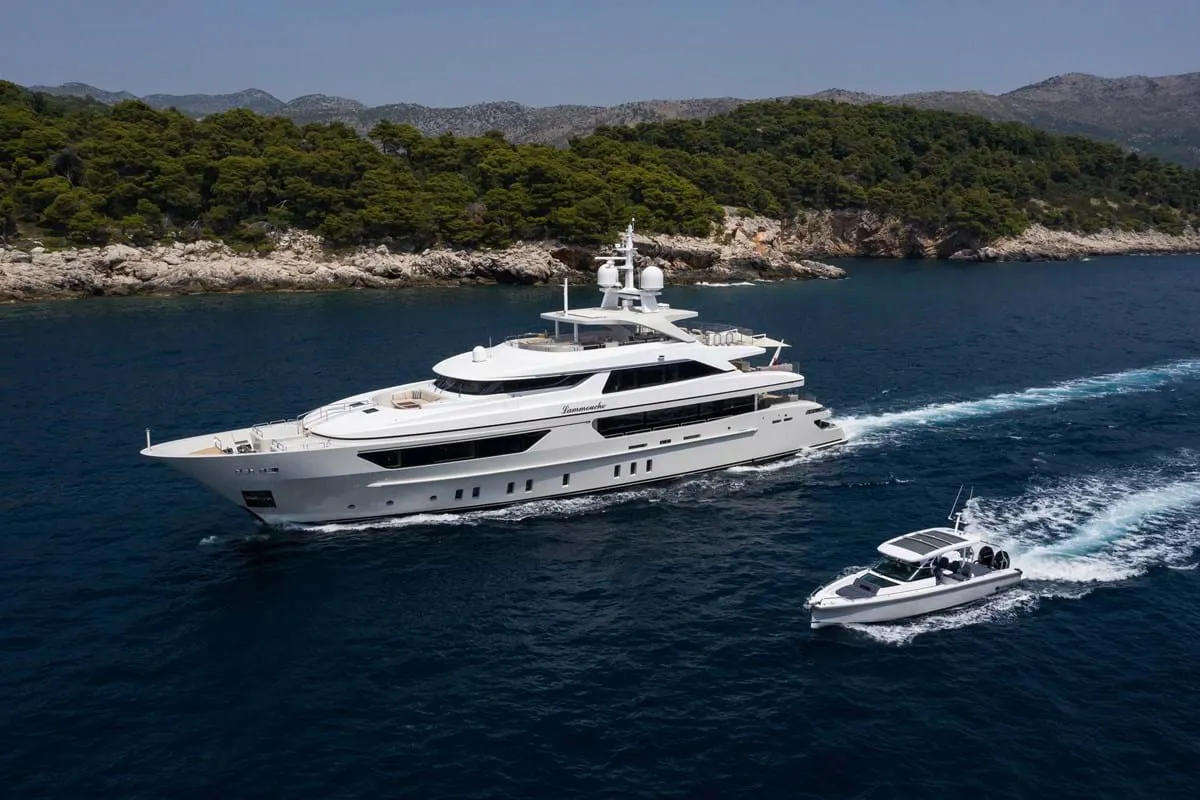
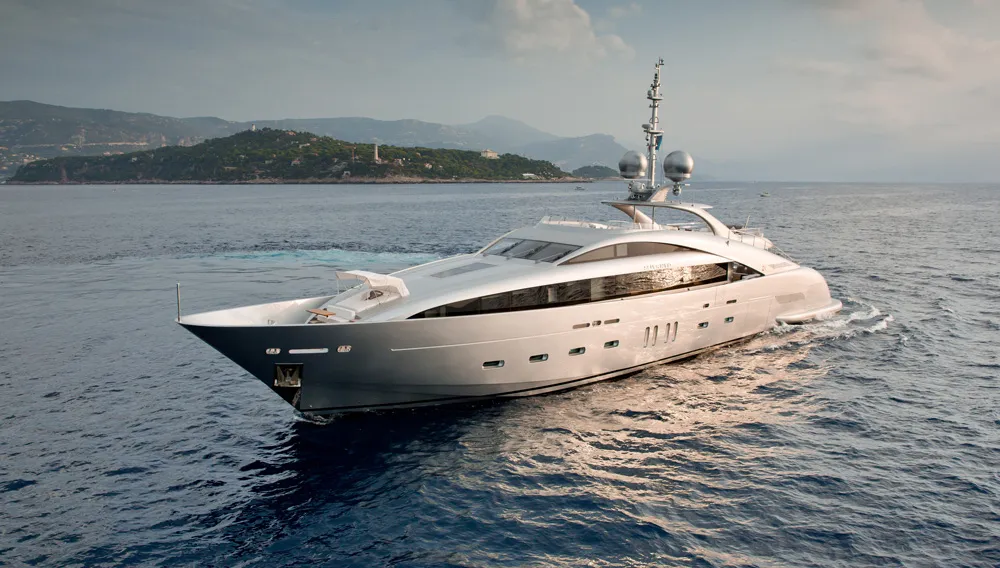
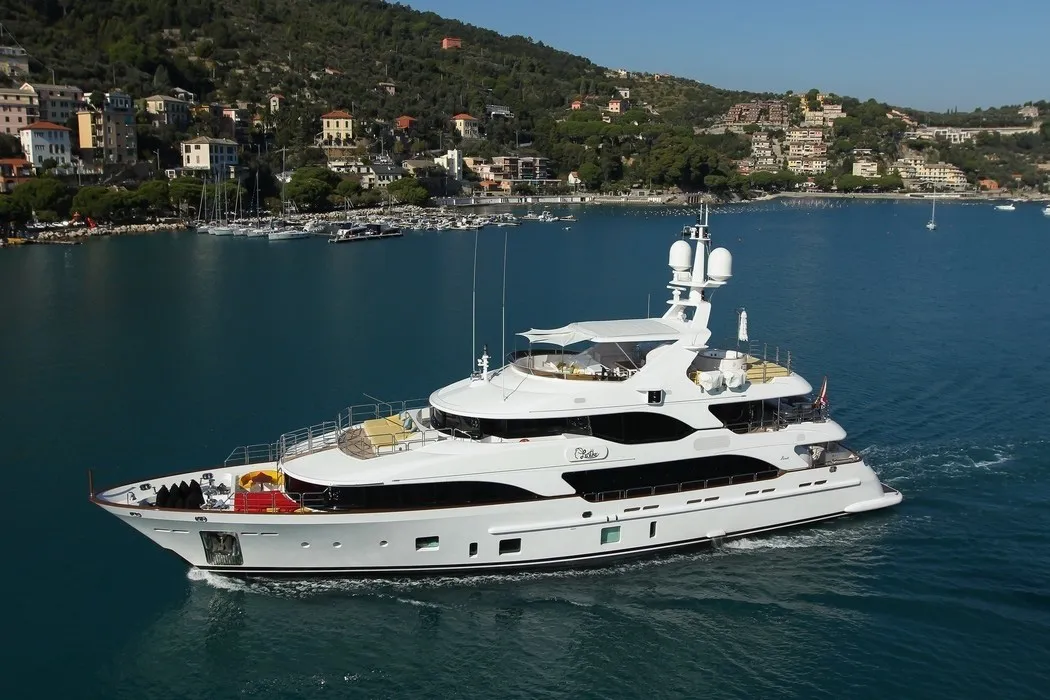
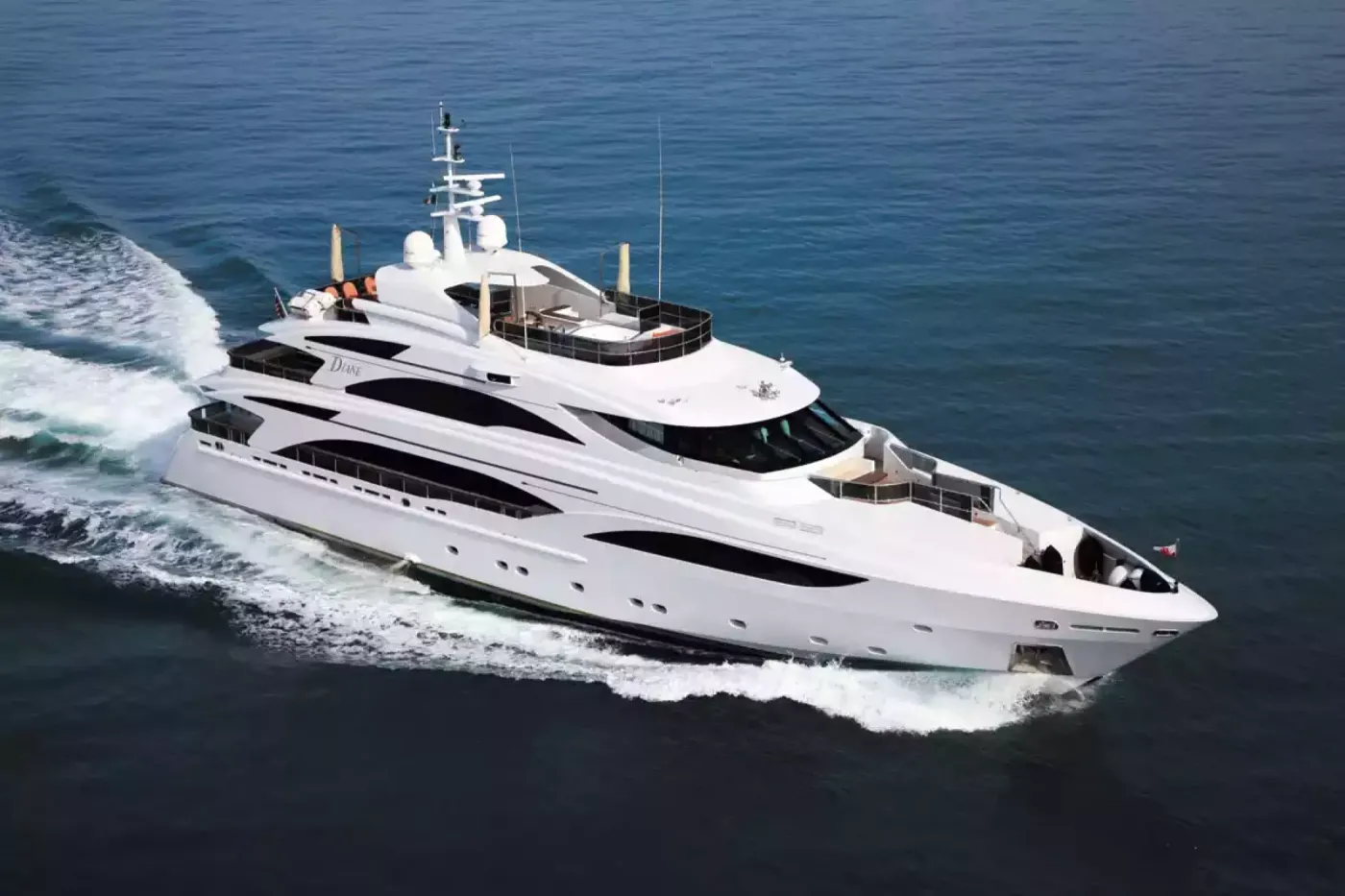
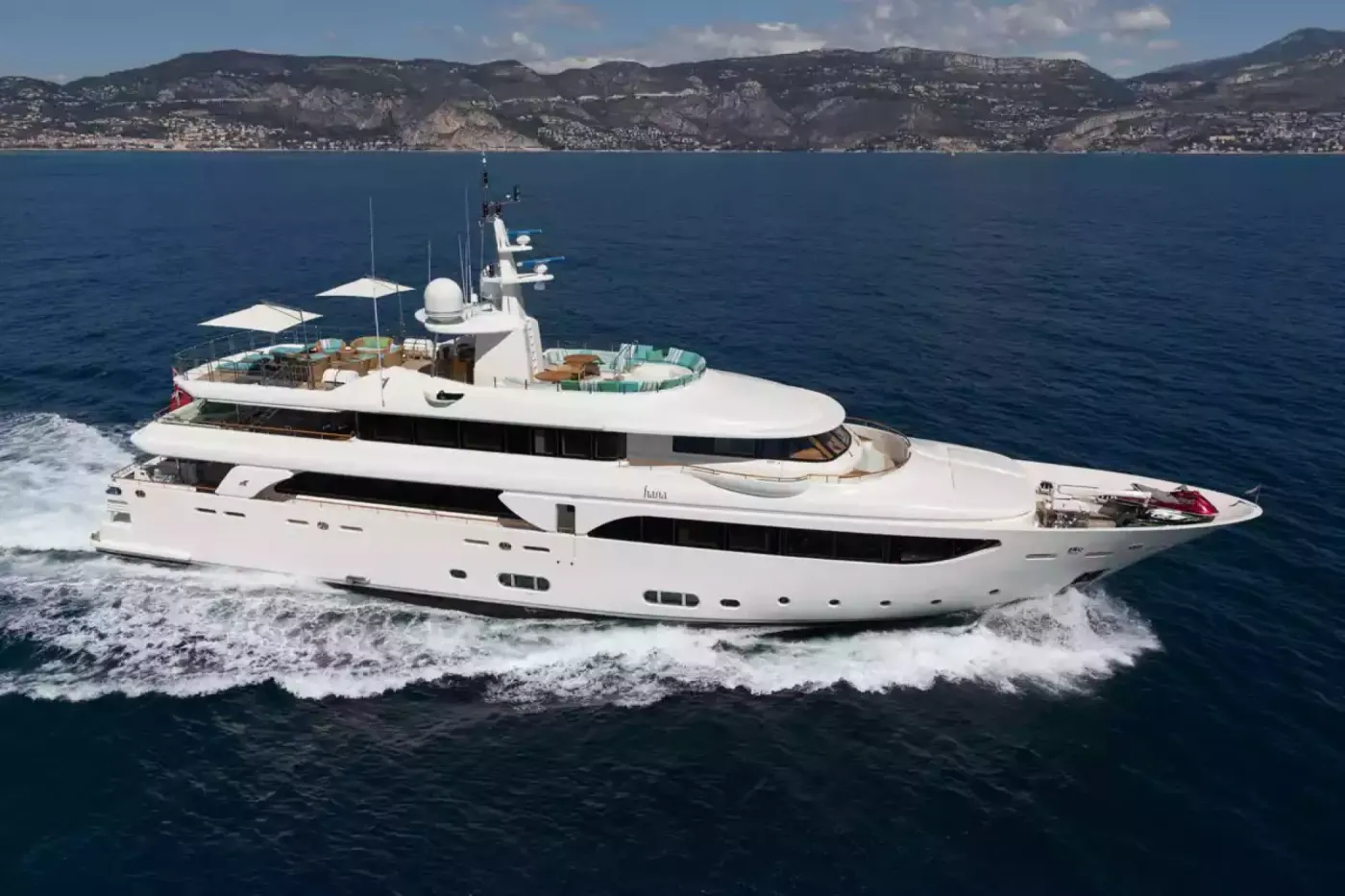
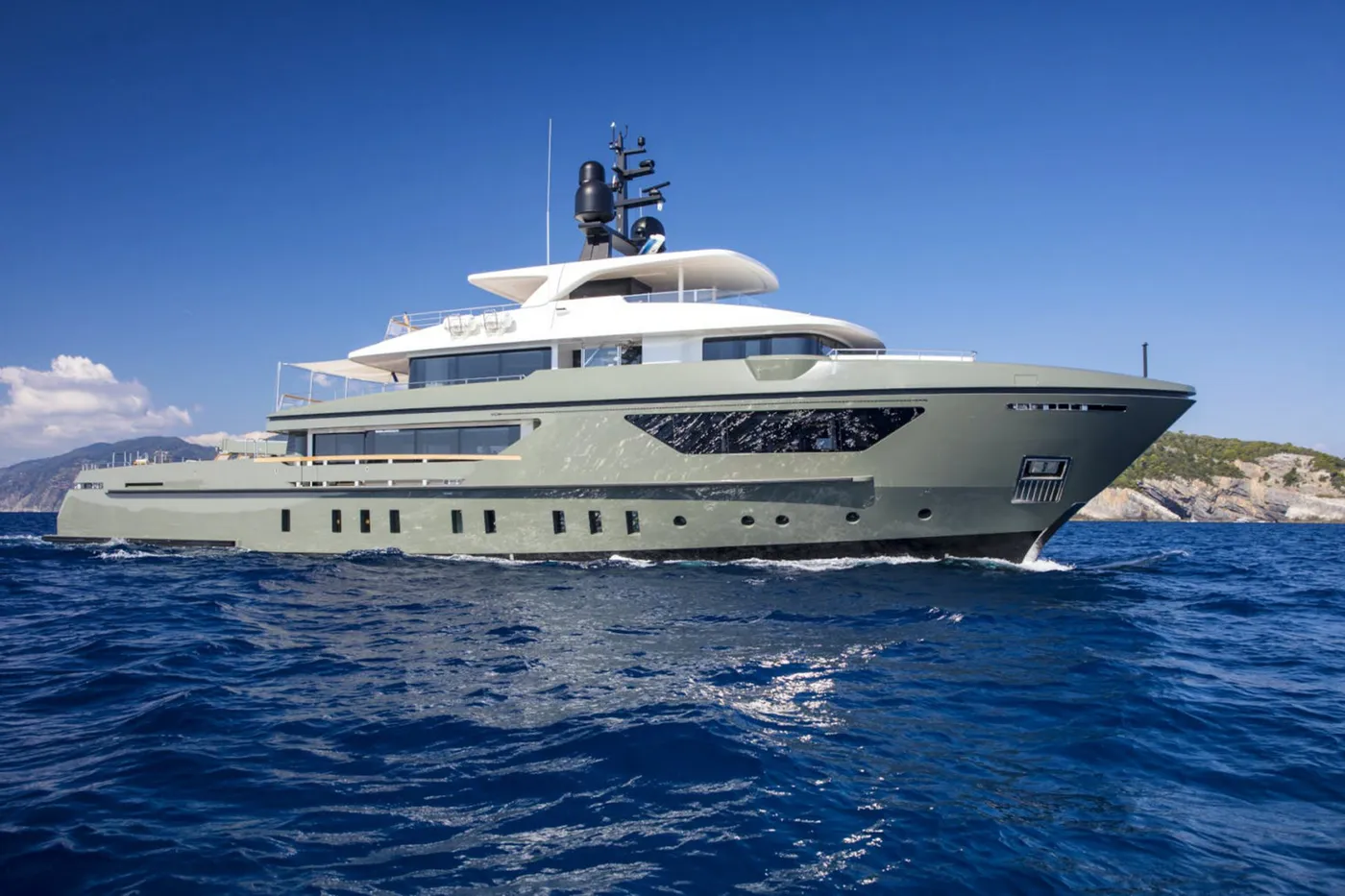
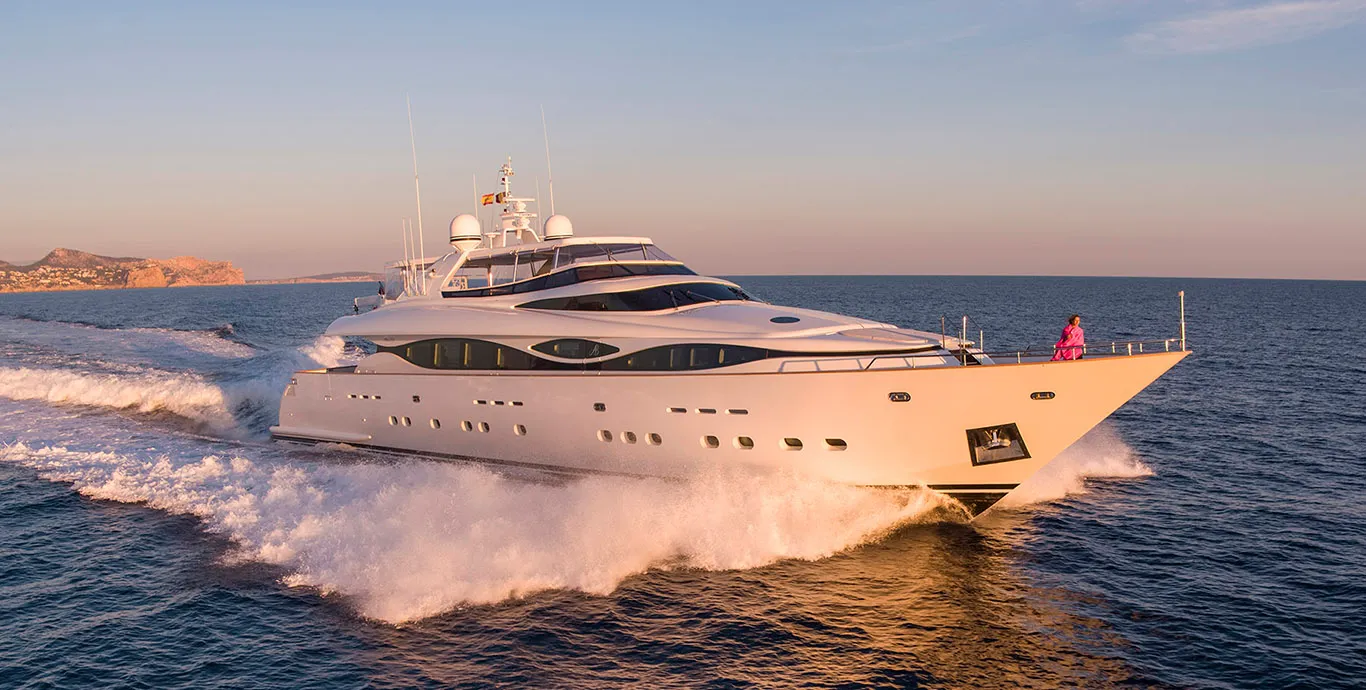
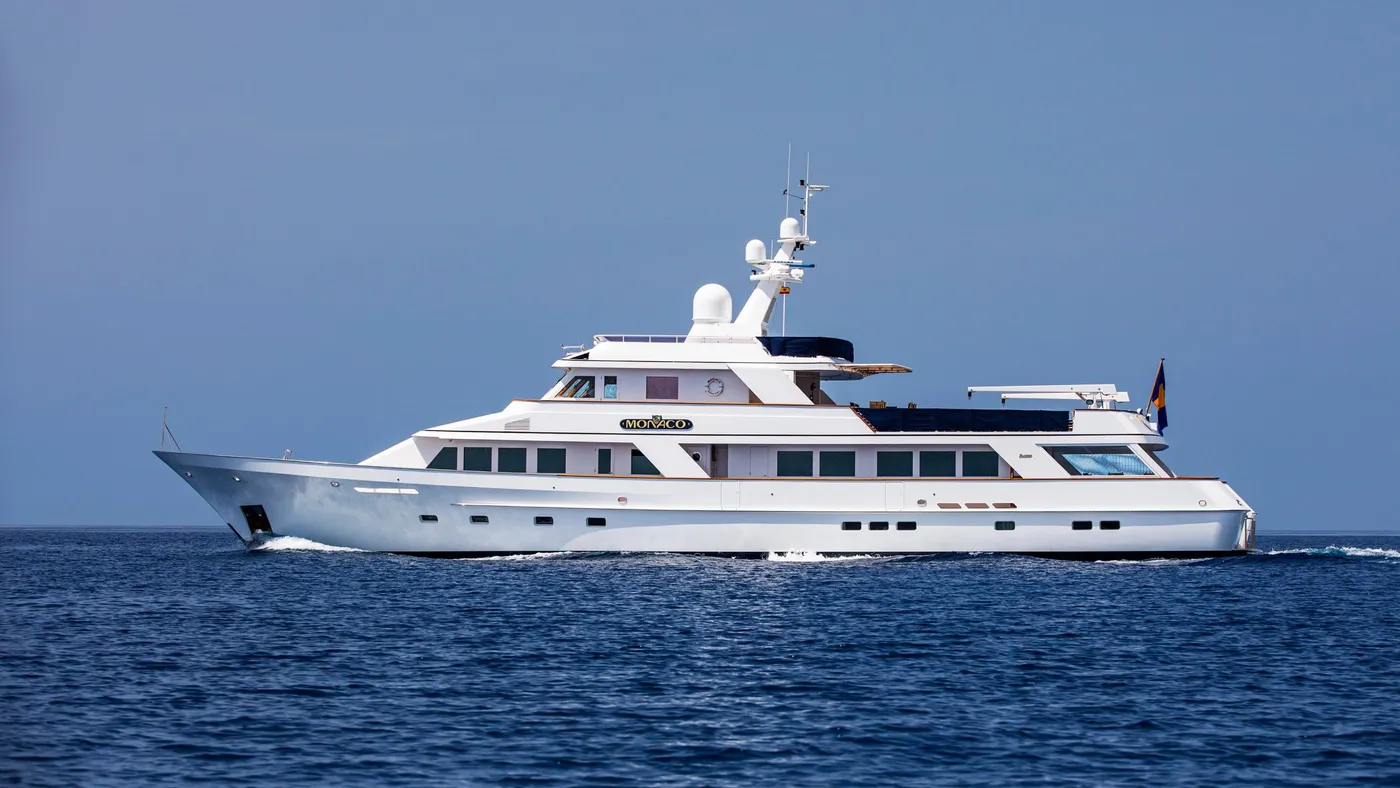
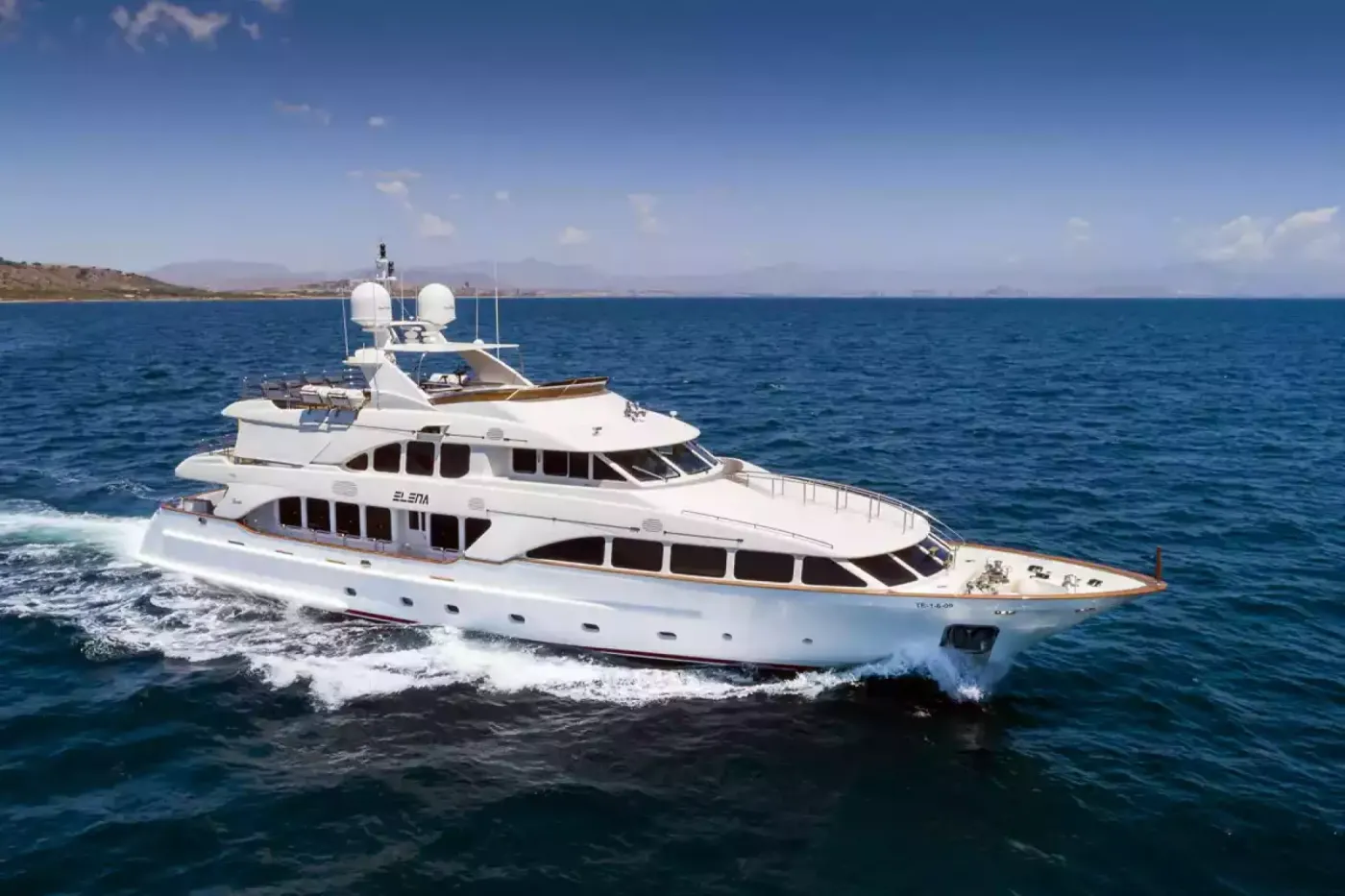
A 30–50 m motor yacht, fast enough to switch coasts when the wind changes; or one under 35 m if a night in Cabrera is a must.
- Motor yacht, 30–50 m. The most flexible choice, and around Mallorca flexibility matters.
- Under 35 m, if Cabrera matters. The yacht has to fit the park’s buoys; the yacht size comparison explains how length changes crew, space and price. Say it in your request.
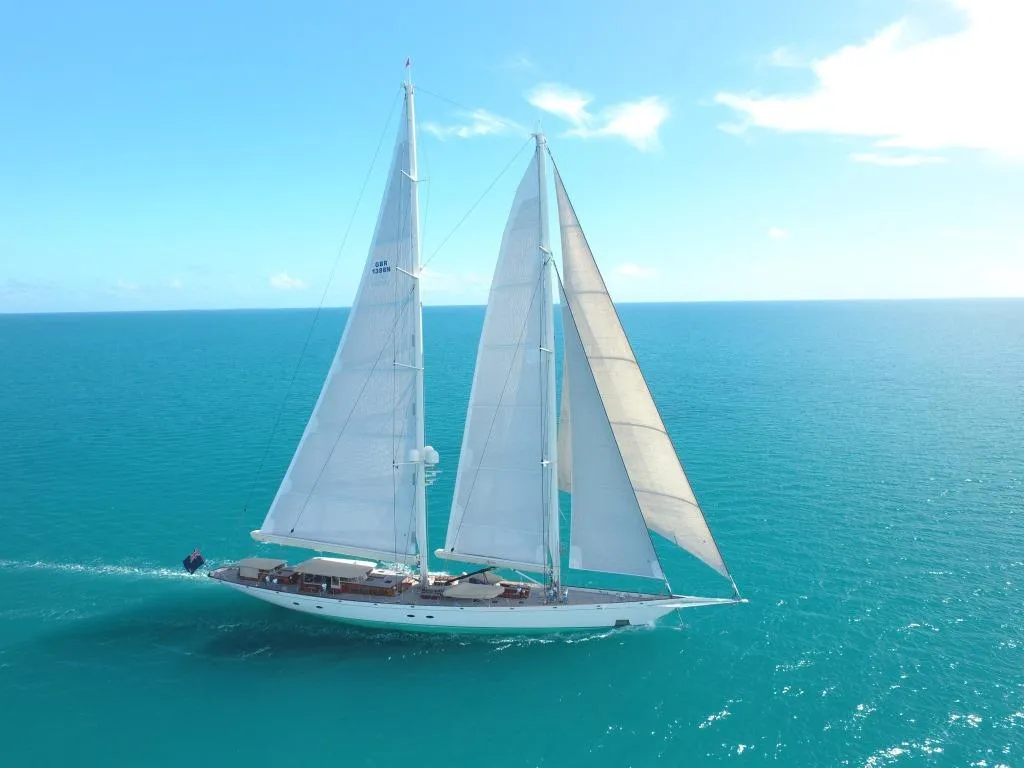
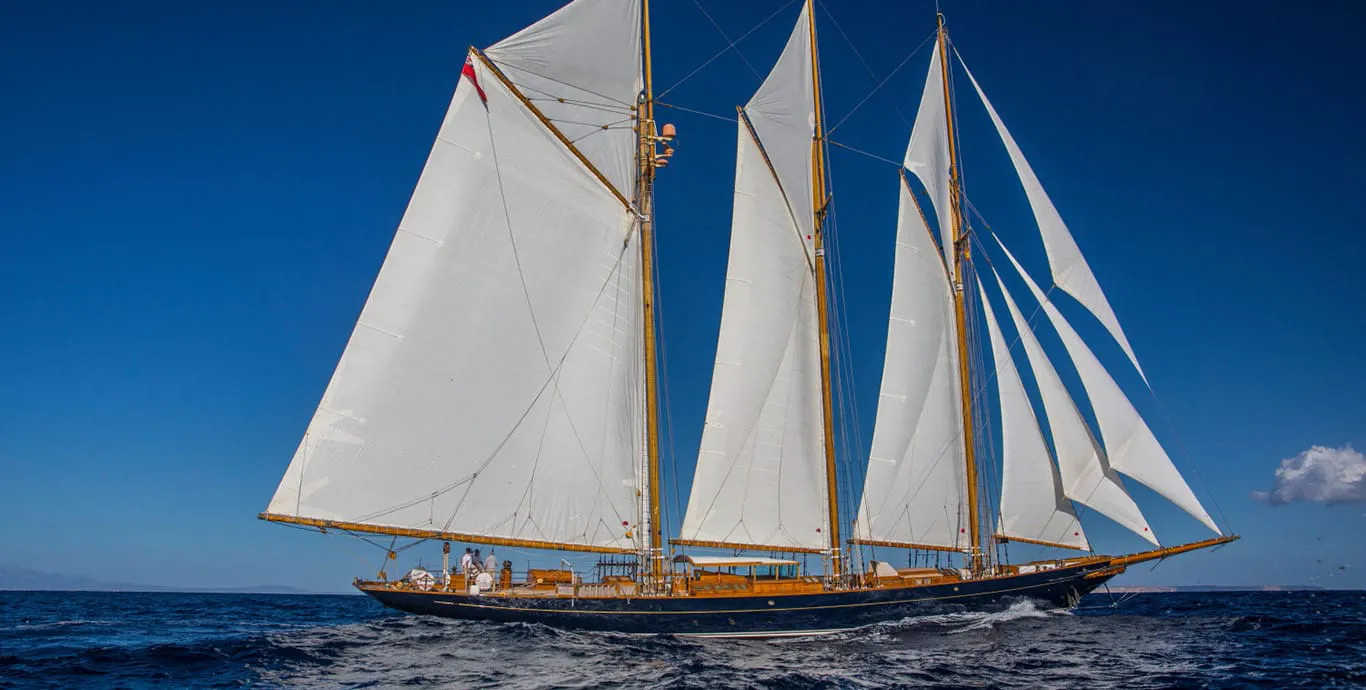
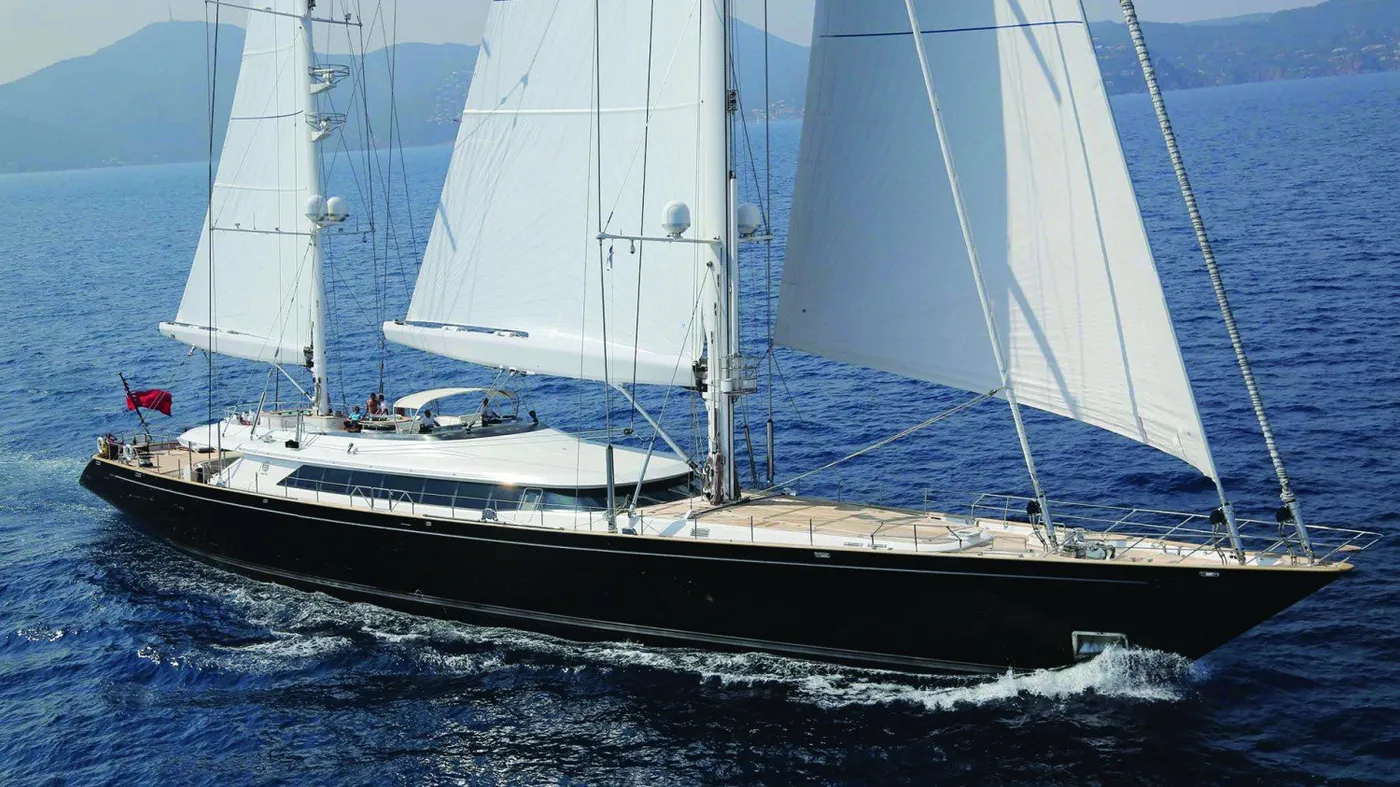
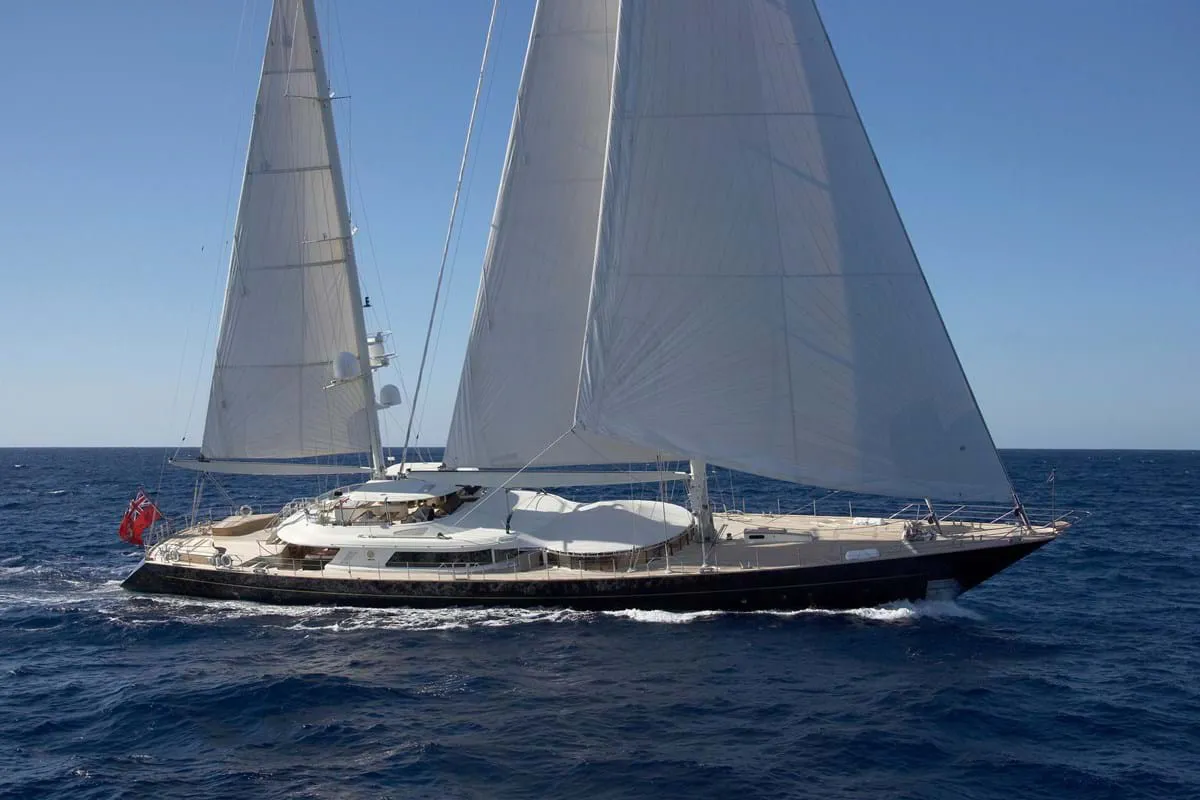
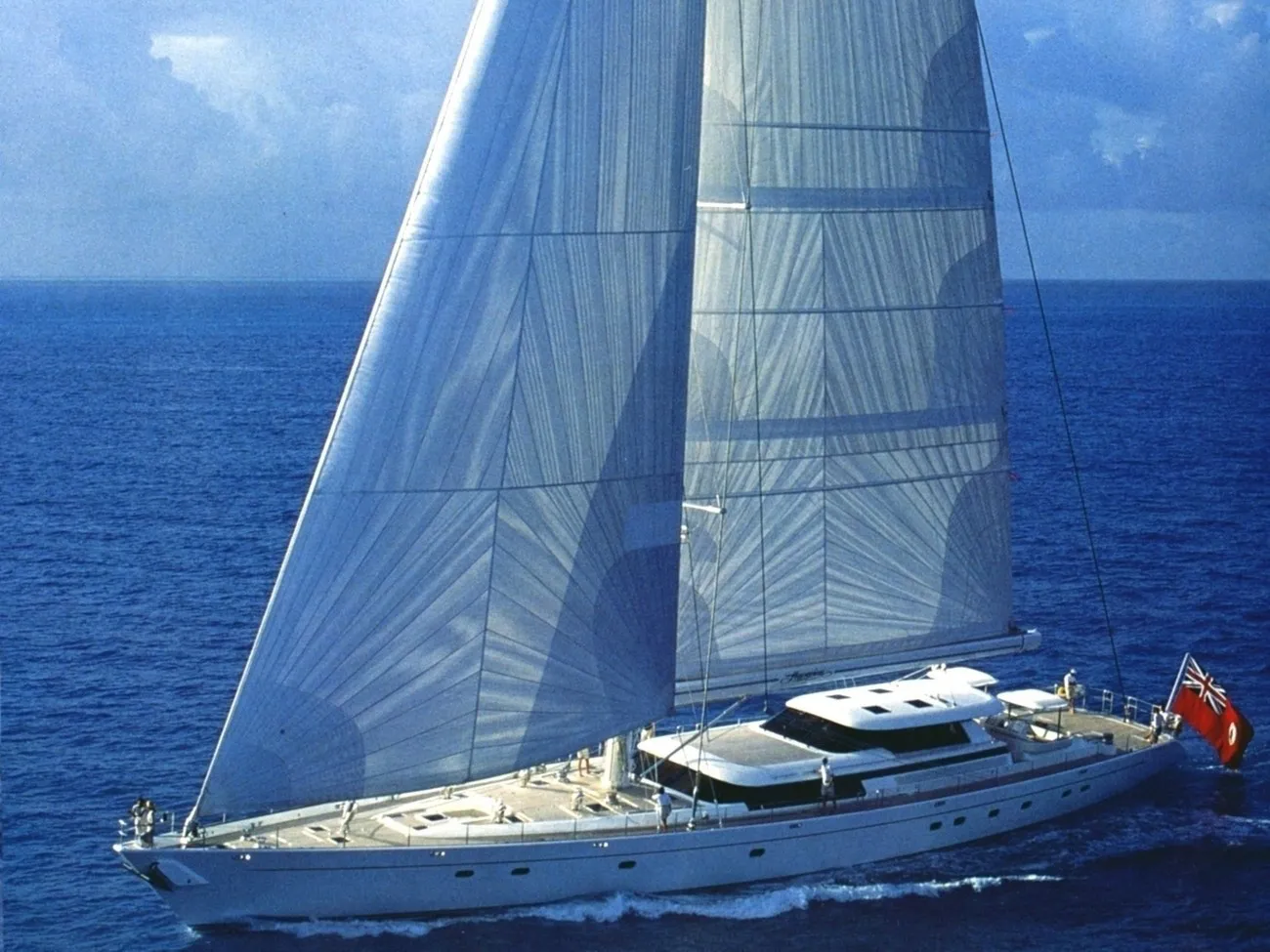
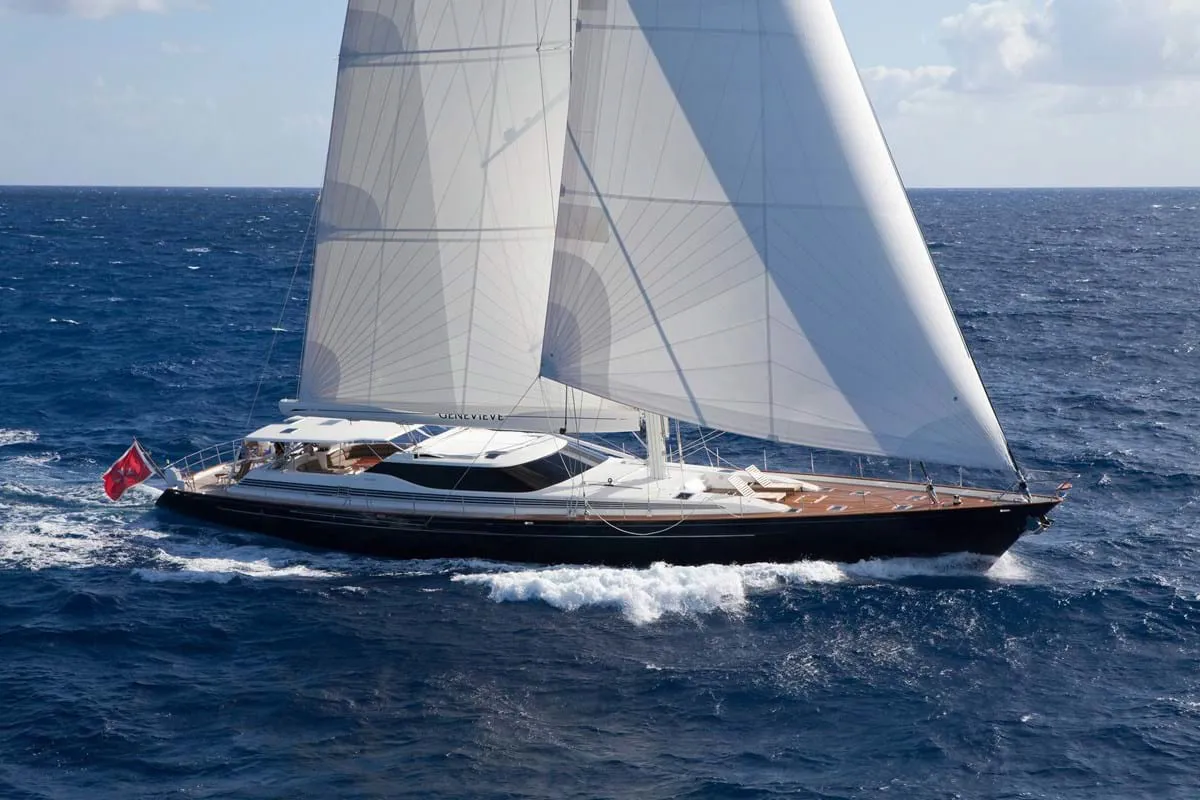
- Sailing yacht. An option if the group wants to sail between anchorages.
- Catamaran. Good for families and the shallow southern coves.
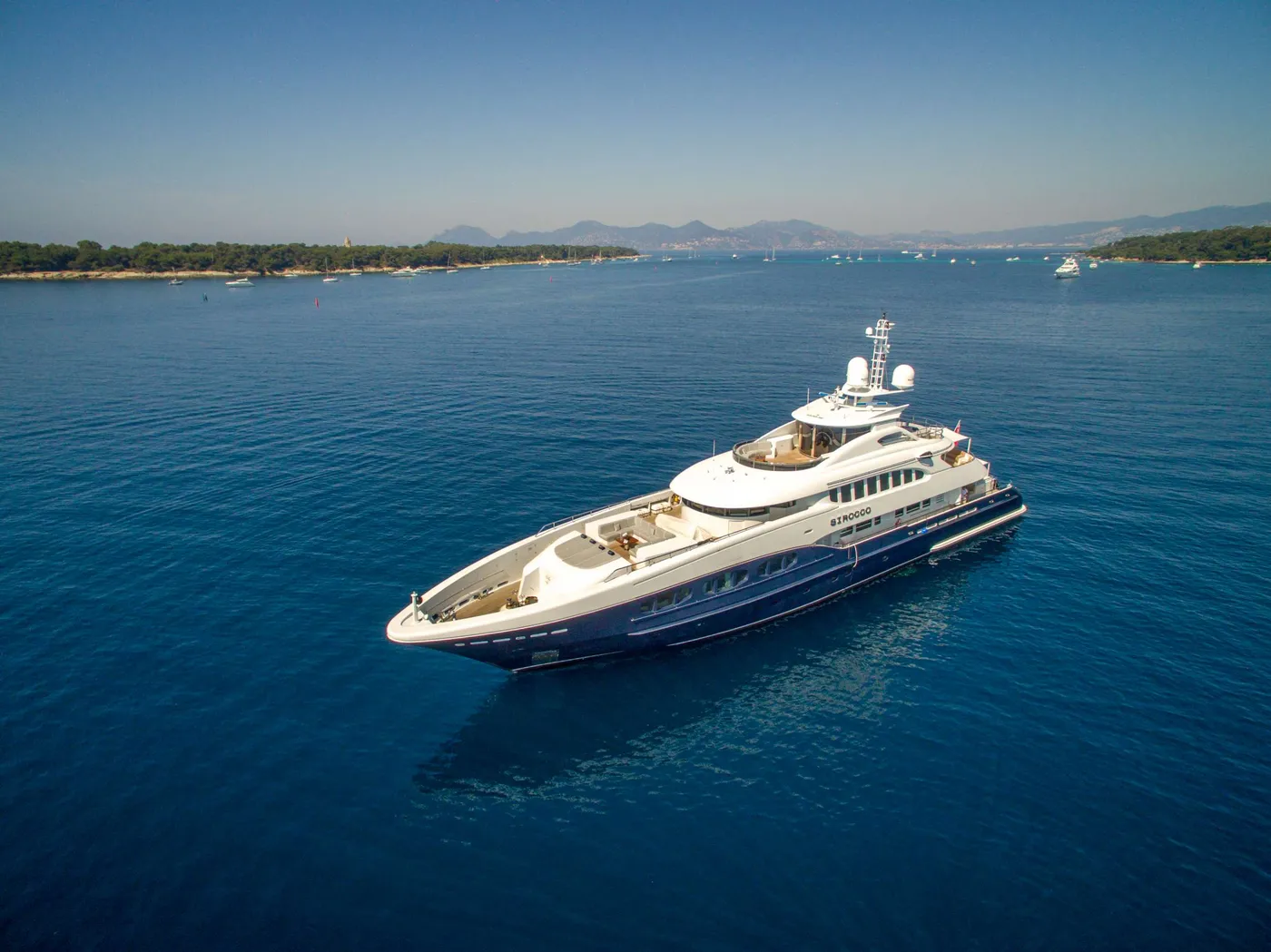
- Large yachts (60 m+). Palma has the best facilities for superyachts in the Balearics, according to BOAT International, but expect to anchor further out in small coves.
What goes wrong on a Mallorca charter?
Mostly Cabrera and the north wind:
- Planning Cabrera on a large yacht. Over 35 metres you need an exceptional authorisation. Check before you choose the yacht.
- Leaving Cabrera buoys to the last minute. The park allows at most 50 boats a day, so book the buoy as early as the system allows.
- Insisting on the north coast in a northerly. Sa Calobra and Formentor are beautiful and exposed. Let the captain swap the route.
- Comparing base rates only. APA, VAT and gratuity can add 60% or more.
- Ignoring the delivery fee. A yacht based outside Mallorca may charge to reposition. Ask whether the quoted rate includes it.
What to include in a Mallorca request
Besides your dates and the size of the group, say which of the two weeks appeals (Tramuntana villages or southern coves), whether a night in Cabrera is essential, since that limits the yacht to 35 metres, and whether you want to add Menorca and embark in Alcúdia or Pollença instead of Palma. A charter specialist then comes back with yacht options and a realistic budget. The charter is contracted with the yacht’s owner through a licensed charter agency, usually under the MYBA agreement, with the full price and VAT clear before you sign. Send your request.