
In this guide
- When is the best time to charter a yacht in Ibiza?
- How far apart are Ibiza and Formentera?
- A 7-day route through Ibiza and Formentera
- Which coves are worth anchoring in?
- Can you anchor anywhere in Ibiza and Formentera?
- Which marina should you embark from?
- How much does a yacht charter in Ibiza cost?
- Which yacht suits Ibiza and Formentera?
- Is Ibiza right for families, or only for parties?
- What catches people out in Ibiza?
- Can you combine Ibiza with Mallorca?
- Asking for Ibiza and Formentera options
Because the hops are short (5 to 18 nautical miles, 30 minutes to about two hours on the published route), an Ibiza week is spent at anchor rather than in transit, and the posidonia rule decides where that anchor goes. It has applied to every vessel since July 2018, with no exemption for size, and the bookable buoys only go up to 25 metres, so the larger the yacht, the further from the beach it sits.
When is the best time to charter a yacht in Ibiza?
June and September. Both give warm water and long days, outside July and August, which are among the most popular charter periods, when high-season rates usually apply. To avoid the crowds in the Mediterranean, Burgess suggests April, May, late September and October.
Average figures for Ibiza Town:
| Month | Avg. max air (°C) | Sea (°C) | Days with some rain | Sunshine (h/day) |
|---|---|---|---|---|
| May | 22 | 18 | 8 | 9 |
| June | 26 | 22 | 5 | 10 |
| July | 29 | 25 | 3 | 11 |
| August | 29 | 26 | 5 | 10 |
| September | 27 | 25 | 6 | 8 |
| October | 23 | 22 | 11 | 7 |
Month by month:
- May has the sea at around 18 °C and is one of those Mediterranean months with fewer crowds.
- June brings the sea to about 22 °C, with about 10 hours of sunshine a day, before the July and August peak.
- July and August are hot, sunny and dry, with the sea at 25–26 °C. Expect high-season rates and the peak of the summer crowds. If your dates are fixed by school holidays, book early.
- September keeps the sea at about 25 °C, a degree below August.
- October keeps the sea at about 22 °C, but with 11 days of some rain it is the wettest month in the table.
If the island’s club nights are part of the plan, or something to avoid, say so in your request.
How far apart are Ibiza and Formentera?
About 10 nautical miles on the ferry route, and less than that from the south of Ibiza to the north tip of Formentera. Between the two islands lies a strait (es Freus) with small islets and shallow, sandy water, and the island of Espalmador just north of Formentera.
These are the hops of the seven-day route below:
- Ibiza Town to Cala Jondal: 8 nautical miles, 45 minutes.
- Cala Jondal to Cala d’Hort and Es Vedrà: 5 miles, 30 minutes.
- Es Vedrà to Cala Salada, past Sant Antoni: 12 miles, 1 hour 15 minutes.
- Cala Salada to the north coast (Cala Xarraca, Portinatx): 18 miles, 2 hours.
- North coast to Santa Eulària: 12 miles, 1 hour 30 minutes.
- Santa Eulària to Formentera (Ses Illetes, Espalmador): 18 miles, 2 hours.
- Formentera back to Ibiza Town: 12 miles, 1 hour 15 minutes.
The whole loop is 85 nautical miles; actual times depend on the yacht’s speed. The short hops are why Ibiza works well for a first charter: crossings are brief, and you can change anchorage at lunchtime if the wind shifts.
A 7-day route through Ibiza and Formentera
This route follows a seven-day itinerary published by Bluebnc: south from Ibiza Town to Cala Jondal and Es Vedrà, up the west coast past Sant Antoni, along the north coast, down the east side to Santa Eulària, then across to Formentera and Espalmador before the return. It starts at Marina Ibiza or one of the other marinas in Ibiza Town. Every captain adapts the route to the wind and the group, so treat it as a shape, not a schedule.
| Day | Leg | Miles |
|---|---|---|
| 1 | Ibiza Town → Cala Jondal | 8 |
| 2 | Cala Jondal → Cala d'Hort | 5 |
| 3 | Cala d'Hort → Cala Salada | 12 |
| 4 | Cala Salada → Portinatx | 18 |
| 5 | Portinatx → Santa Eulària | 12 |
| 6 | Santa Eulària → Formentera | 18 |
| 7 | Formentera → Ibiza Town | 12 |
| Total | 85 | |
Day 1: Ibiza Town to Cala Jondal
The week opens on the island’s sociable side, with beach clubs and yachts at anchor off the sand.
Board at Marina Ibiza and head south along the coast to Cala Jondal. Many of the island’s best-known beach clubs sit here, used to yachts anchoring off and coming in by tender. The first night is spent at anchor off the beach, on sand.
Day 2: Cala d’Hort and Es Vedrà
Today is about the view: the rock of Es Vedrà, and the sunset under it.
A short hop west to Cala d’Hort, which faces Es Vedrà and is one of the classic sunset anchorages in the Balearics. It is exposed if the wind comes from the wrong side; weather permitting, you stay the night. Es Vedrà, Es Vedranell and the islets off this coast are nature reserves, with their own rules (see the box below).
Day 3: Sant Antoni and Cala Salada
A day of choosing between the busy and the quiet side of the west coast.
North past Sant Antoni, with the sunset ashore if the group wants a scene, to the quieter cove of Cala Salada for the night.
Day 4: The north coast, Cala Xarraca and Portinatx
The north is the wilder Ibiza: fewer boats and a rougher coastline.
Round the north-west of the island to Cala Xarraca, and Portinatx near the northern tip. The coast is sheltered only when the wind is from the south, so the wind decides whether this day goes as planned.
Day 5: Santa Eulària
Calmer water on the east side, the shelter to have when the wind blows from the west.
Down the east coast to Santa Eulària des Riu, where the evenings are calmer.
Day 6: Formentera, Ses Illetes and Espalmador
The day most people come for: the shallow water between Formentera and Espalmador.
The crossing to the north of Formentera, to the long, narrow sandbar of Ses Illetes and the water between it and Espalmador. Arrive early, because by late morning in high season the area is full of boats. Formentera’s beach restaurants are booked well ahead in July and August, so give the crew your preferences before you board. Both islands sit inside the Ses Salines natural park, and this is the stop where a large yacht’s size changes the plan (see the box below).
Day 7: Formentera to Ibiza Town
The week closes with a last swim and a last dinner ashore.
A final swim off Formentera, then the short crossing back to Ibiza Town. Dalt Vila, the old walled town, is there for that dinner; disembarkation the next morning.
If the group wants nightlife every night, the route shifts: more nights in or near Ibiza Town and Sant Antoni, shorter days out. If you have small children, more of the week goes to the shallow sandy water around Formentera and Espalmador.
For a 30–50 m yacht
- Espalmador (day 6). In the Ses Salines natural park you may anchor only on sand. In s’Alga bay, on Espalmador, the anchorage is a buoy field: boats moor to the buoys and may not drop anchor, and the largest buoys are for yachts of 25 m. A 30–50 m yacht anchors on sand outside the field, where the rules allow, and guests reach Espalmador by tender, landing only through the entry and exit channels. The park also bans jet skis and bathing in the mud of Espalmador’s lagoon.
- A night at anchor in the park. The park’s official page says yes, with a daily or annual permit applied for through the caib.es website, and gives no more detail: the captain confirms whether the yacht needs that permit before planning a night there.
- Es Vedrà and the western islets (day 2). In these nature reserves you may anchor and spend the night as long as the anchor is not on posidonia, but you may not land on the islets without authorisation.
Which coves are worth anchoring in?
The ones your captain will most likely suggest are Ses Illetes and Espalmador for shallow turquoise water, Cala Jondal for beach clubs, Cala d’Hort for sunset under Es Vedrà, Cala Bassa and Cala Conta on the west coast, and the north and east coasts when you want fewer boats or shelter from the wind.
Formentera and Espalmador. Ses Illetes and the channel to Espalmador have the shallow turquoise water the islands are known for. They sit inside the Ses Salines natural park, which protects the seagrass meadows, so you cannot anchor freely here: the yacht will use sand or a buoy.
Cala Jondal. South Ibiza, beach clubs, yachts anchored off. Easy, sociable, busy.
Cala d’Hort and Es Vedrà. Dramatic scenery, sunset stop, exposed if the wind comes from the wrong side.
Cala Bassa and Cala Conta. West coast near Sant Antoni, very popular for sunset. Busy in high season.
North coast. Portinatx, Cala Xarraca, Cala d’en Serra. Fewer boats, rougher coastline, and sheltered only when the wind is from the south.
East coast. Cala Llonga, Santa Eulària and the coves north of it. Calmer in the evenings and useful when the wind blows from the west.
The beach-club scene changes from year to year. Ask the crew which places are open and well run that season, and book through them.
Can you anchor anywhere in Ibiza and Formentera?
No. Since July 2018 the Balearic government has banned anchoring on posidonia seagrass meadows, for every vessel whatever its size (protected areas, Ses Salines among them, already had zones where anchoring was banned or regulated), so in each cove the yacht drops anchor on sand or moors to an official buoy. There is no exemption for a large yacht with a professional crew.
Posidonia oceanica grows in dense meadows on the seabed around the Balearics. It keeps the water clear and the beaches sandy, and an anchor and chain dragging across it destroys meadows of a plant that grows extremely slowly.
What the rule says
The government publishes maps of where the meadows are and runs a web application to help captains find where they can anchor. During the season, environmental patrol boats check anchorages and tell boats that are on seagrass to move. Breaking the decree is an administrative offence (article 13 of Decree 25/2018). For you it is simple: your captain will not drop anchor on seagrass, and you should not ask them to.
What it means in practice
- In popular coves the yacht can only use the sand patches, so arriving early at Ses Illetes or Cala d’Hort gives the captain more choice of a legal spot to anchor.
- The Balearic port authority (Ports IB) runs bookable buoy fields during the season. Its published buoy sizes go up to 25 metres. A smaller yacht may get a buoy; a 40-metre yacht will usually anchor on sand further out, or stay in a marina and send guests in by tender.
- A larger yacht anchors further from the beach. The tender then does more work, and a good tender driver becomes part of the experience.
- Rules on protected areas, buoy fields and anchoring can change between seasons. What is written here reflects 2026; the captain and the charter agency check the current position before you sail.
Which marina should you embark from?
Usually one in or near Ibiza Town, which has several marinas able to take large yachts.
If your charter yacht is based in Palma, you can also start in Mallorca and cross to Ibiza; that is better suited to a two-week trip or a one-way charter. The Mallorca yacht charter guide covers that option.
Flights: guests arrive through Ibiza airport. Formentera has no airport, which is part of why arriving by yacht is so convenient.
How much does a yacht charter in Ibiza cost?
Typically around €55,000 a week for a yacht of about 30 metres and around €105,000 for one of about 40 metres, before expenses. Those are Ahoy Club’s typical advertised weekly rates for the yachts it lists in euros (consulted November 2026).
| Yacht size | Typical rate, yachts listed in euros (all destinations) | Upper end of euro listings |
|---|---|---|
| About 30 m (27–33 m) | around €55,000 | up to about €155,000 |
| About 40 m (37–43 m) | around €105,000 | up to about €285,000 |
| About 50 m (46–55 m) | around €180,000 | up to about €440,000 |
| 55–75 m | around €400,000 | up to about €990,000 |
On top of the base rate you add:
- APA (Advance Provisioning Allowance): usually around 30–40% of the base rate, paid in advance. It covers fuel, food, drinks, berths and other running costs, and what you do not spend is returned. See our guide to the APA.
- VAT: a charter that starts in Spain pays Spanish VAT at 21% on the full charter fee. Spain does not reduce it for time spent in international waters. More in yacht charter VAT by country.
- Crew gratuity: customary and discretionary, typically 10–20% on the same listings; Mediterranean guidance from other houses is lower (see our crew tipping guide).
Take a 40-metre yacht at a typical €105,000: APA at 30% is €31,500, VAT at 21% on the fee is €22,050, and a 10–20% gratuity is €10,500–21,000. All in, the week comes to around €169,000–180,000 (more if the APA is set nearer 40%) before any unspent APA comes back. For a full breakdown, read how much a luxury yacht charter costs.
Before you budget
- The rates cover yachts listed in euros across all destinations, not only those cruising in Ibiza. They are indicative, not offers: the rate for a specific yacht and week comes from the charter agency.
- Rates move with the season, so the same yacht can cost more in August than in June or September.
- The VAT rule is the 2026 position; confirm it with the agency before signing.
Which yacht suits Ibiza and Formentera?
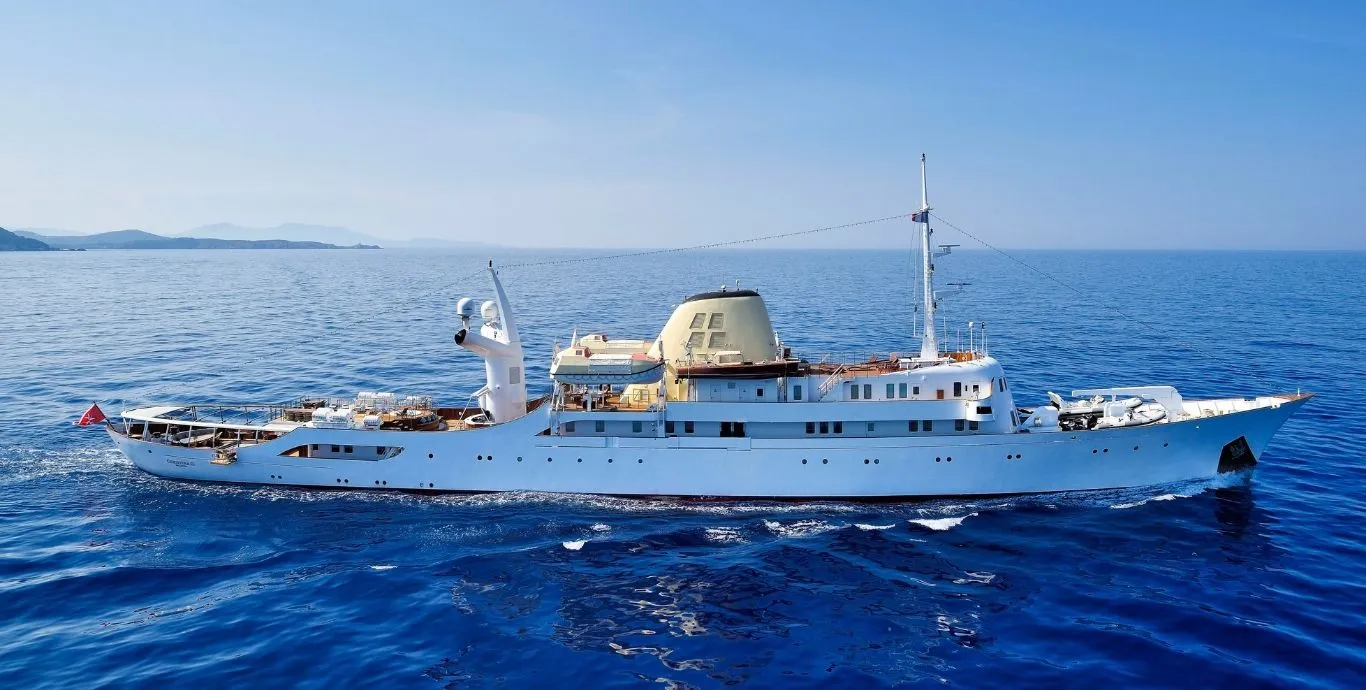
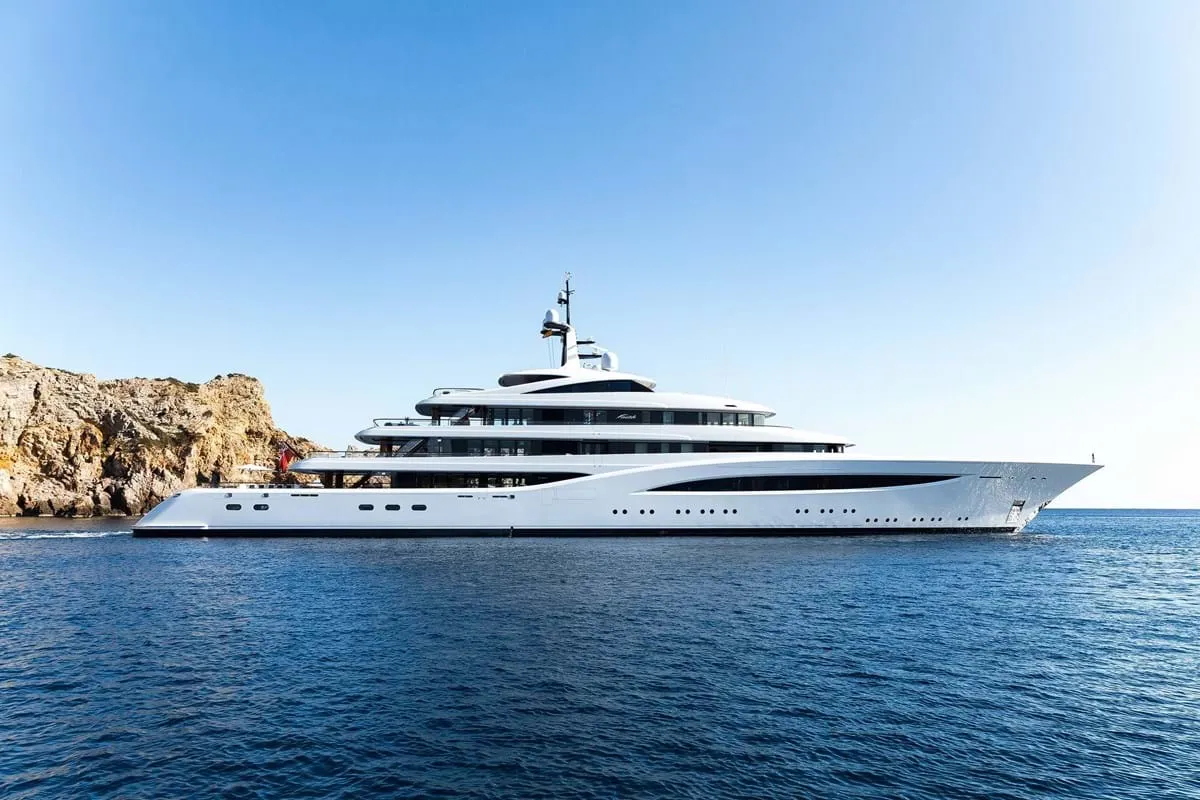
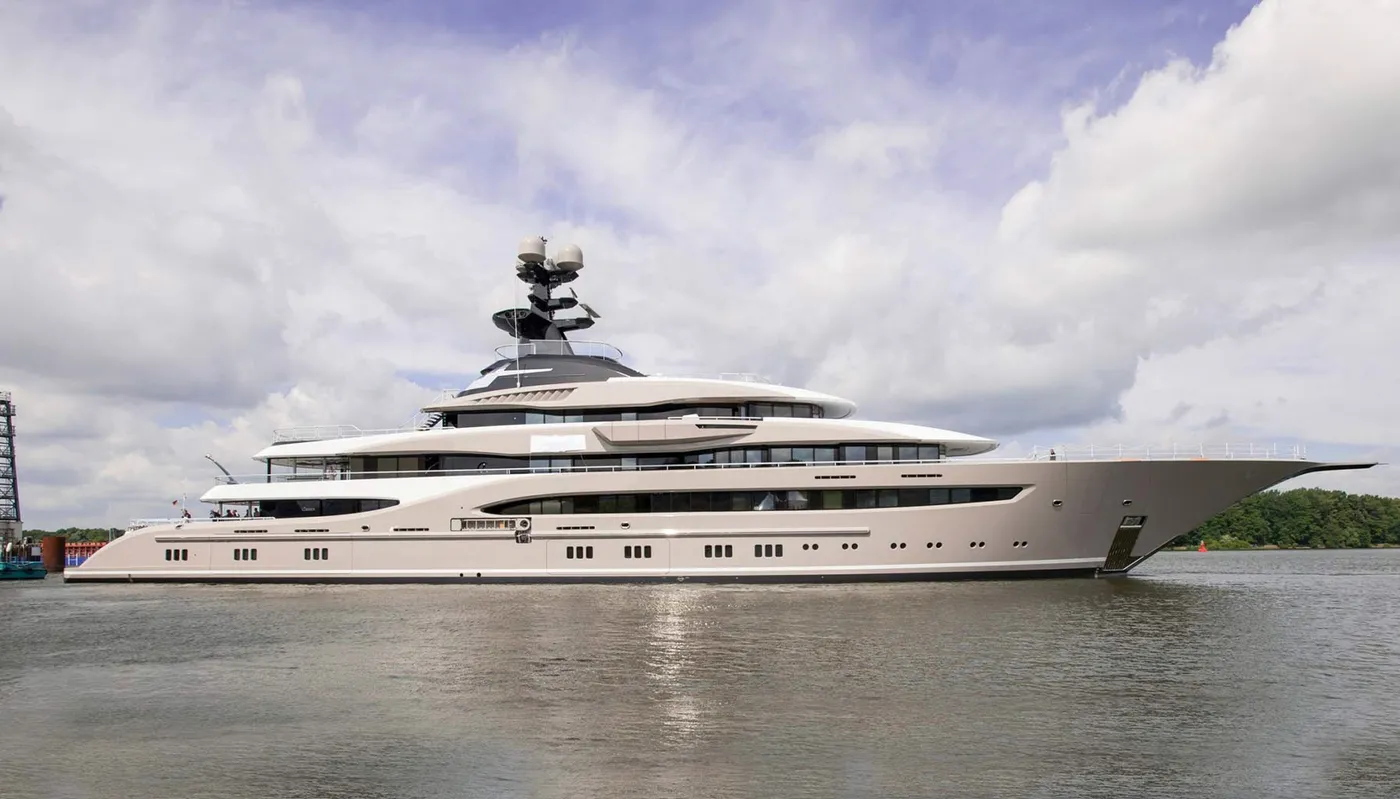
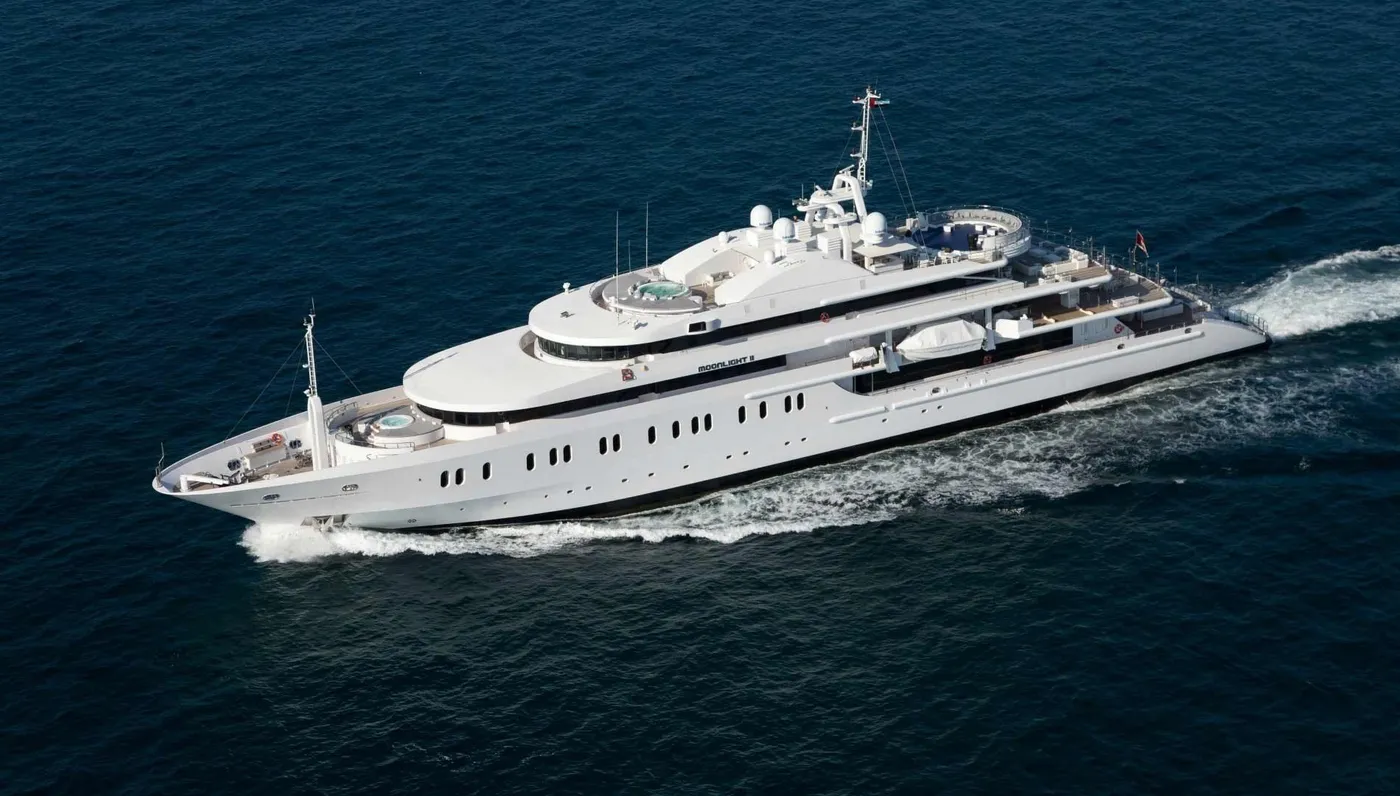
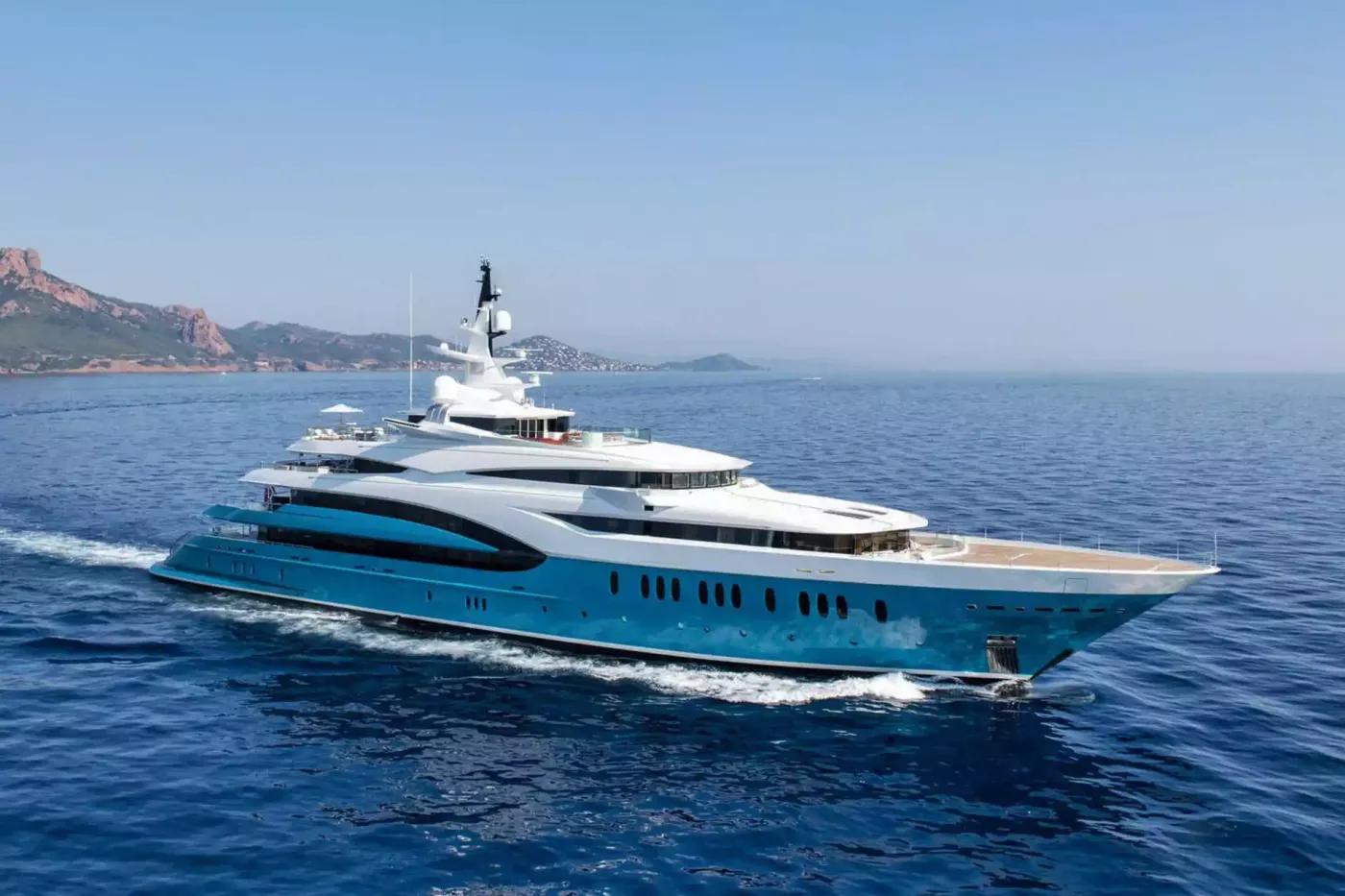
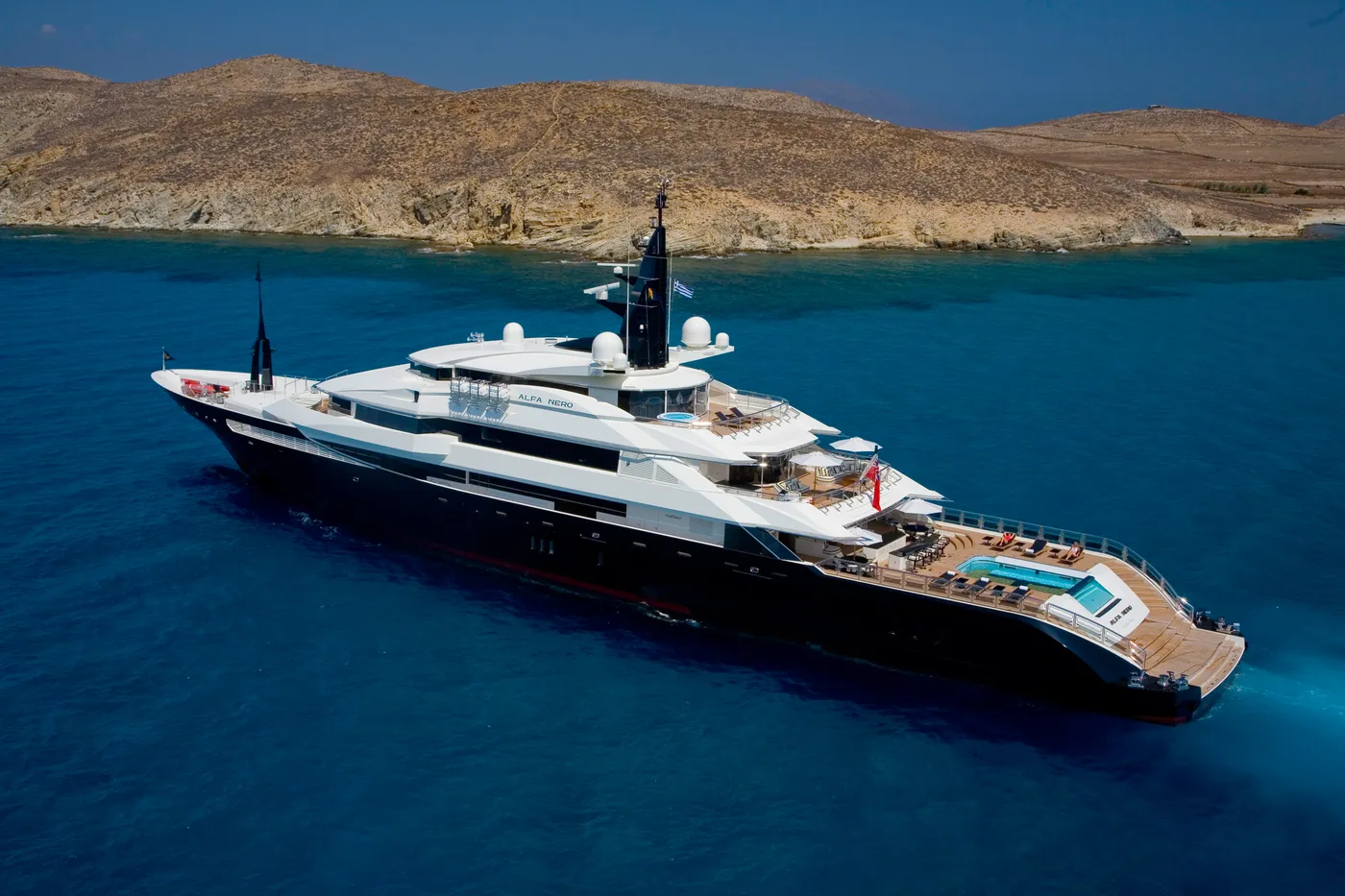
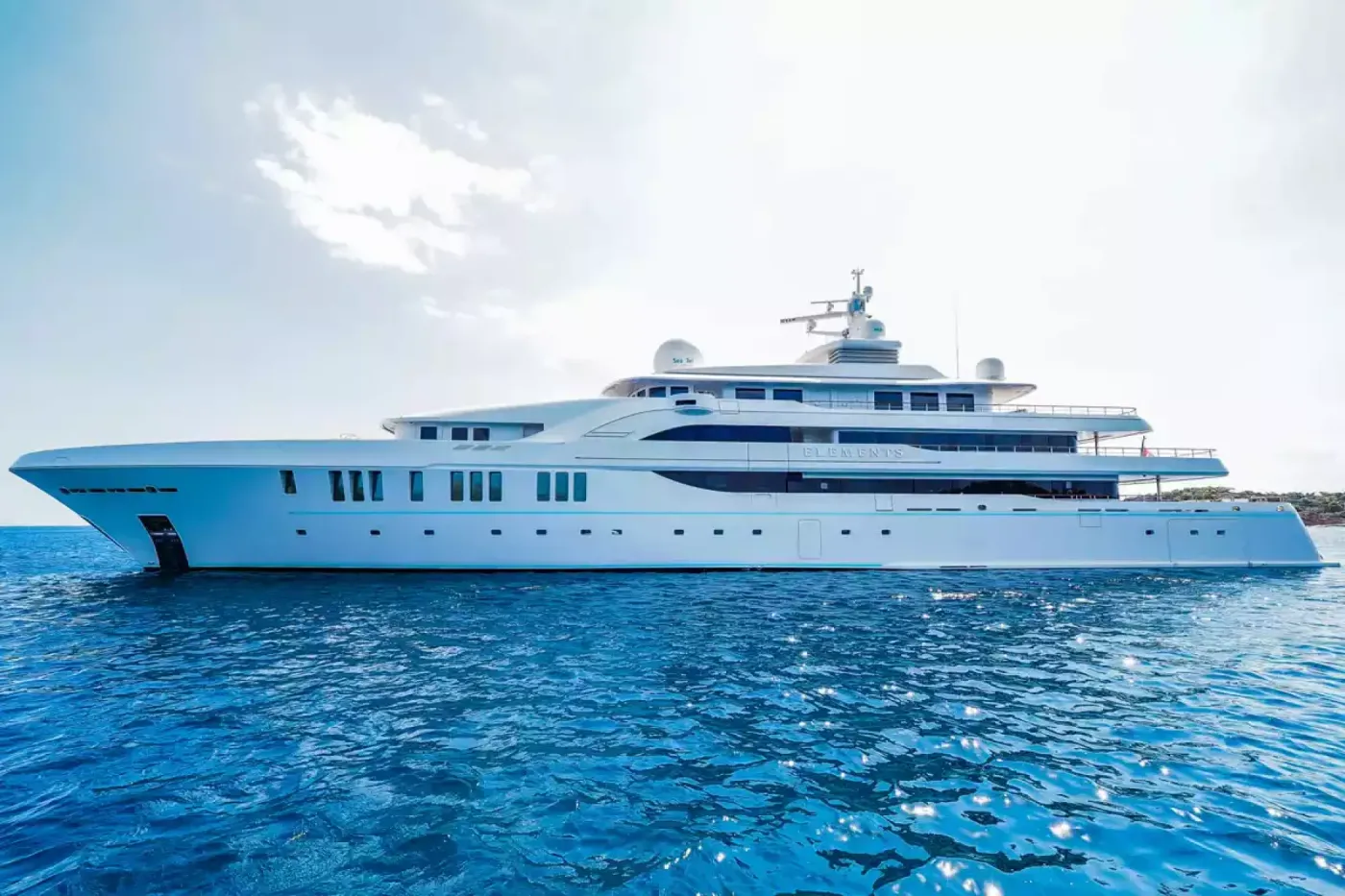
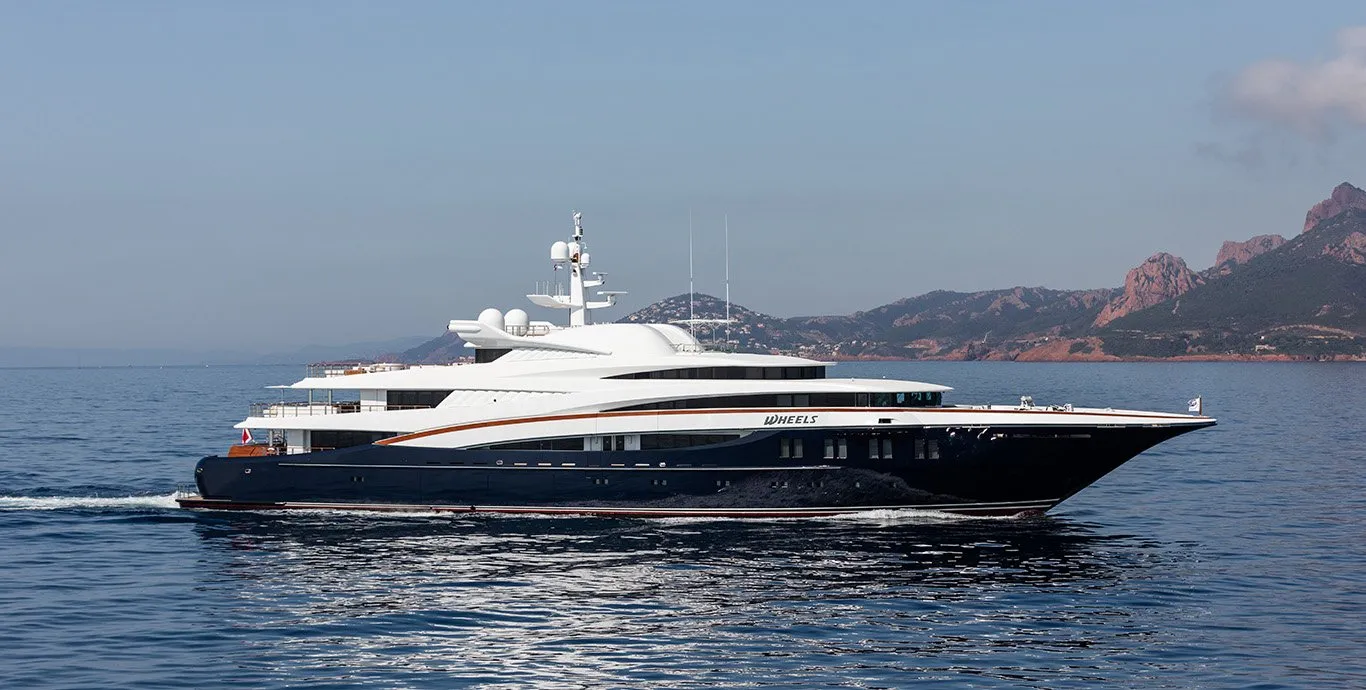
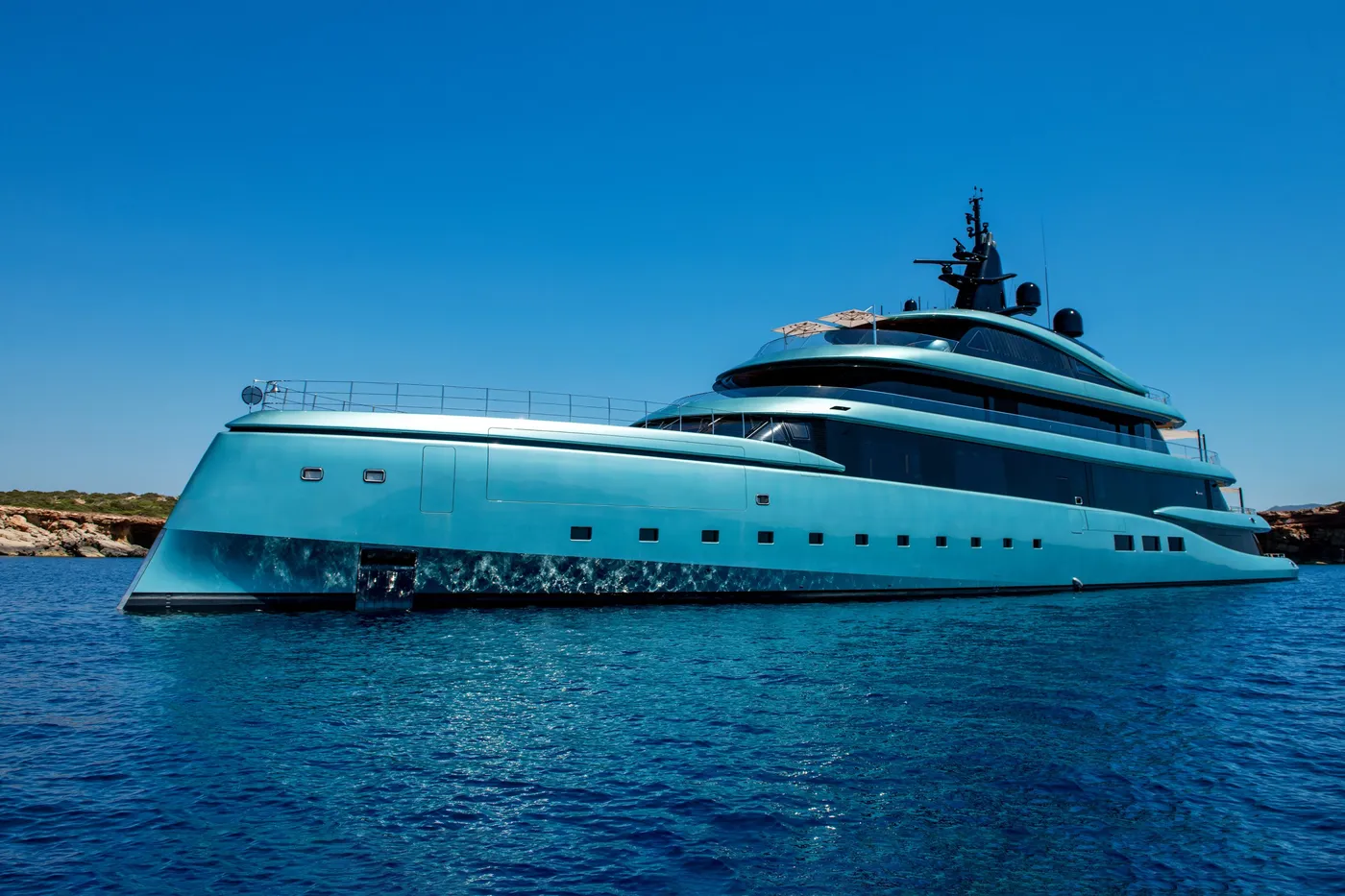
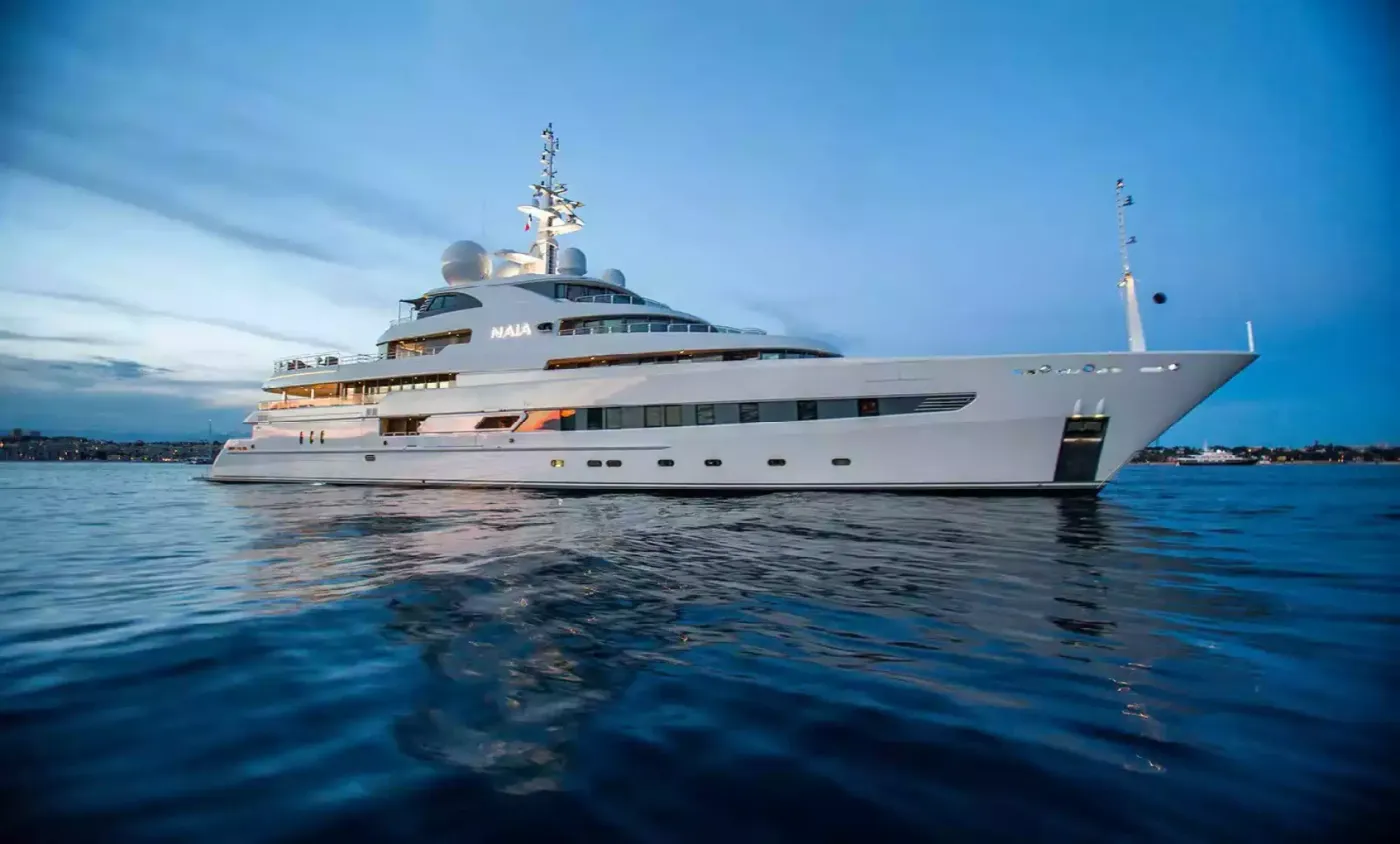
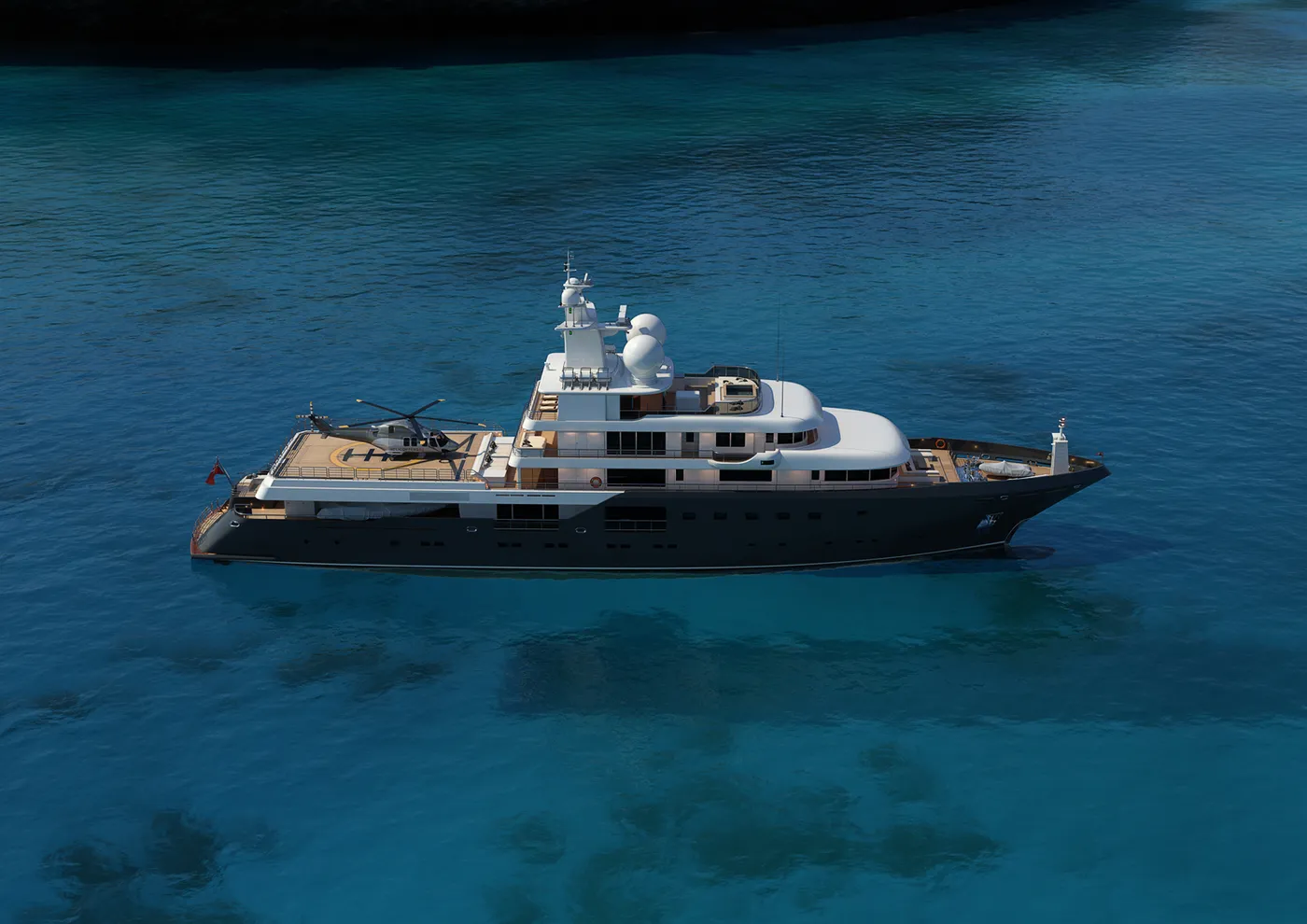
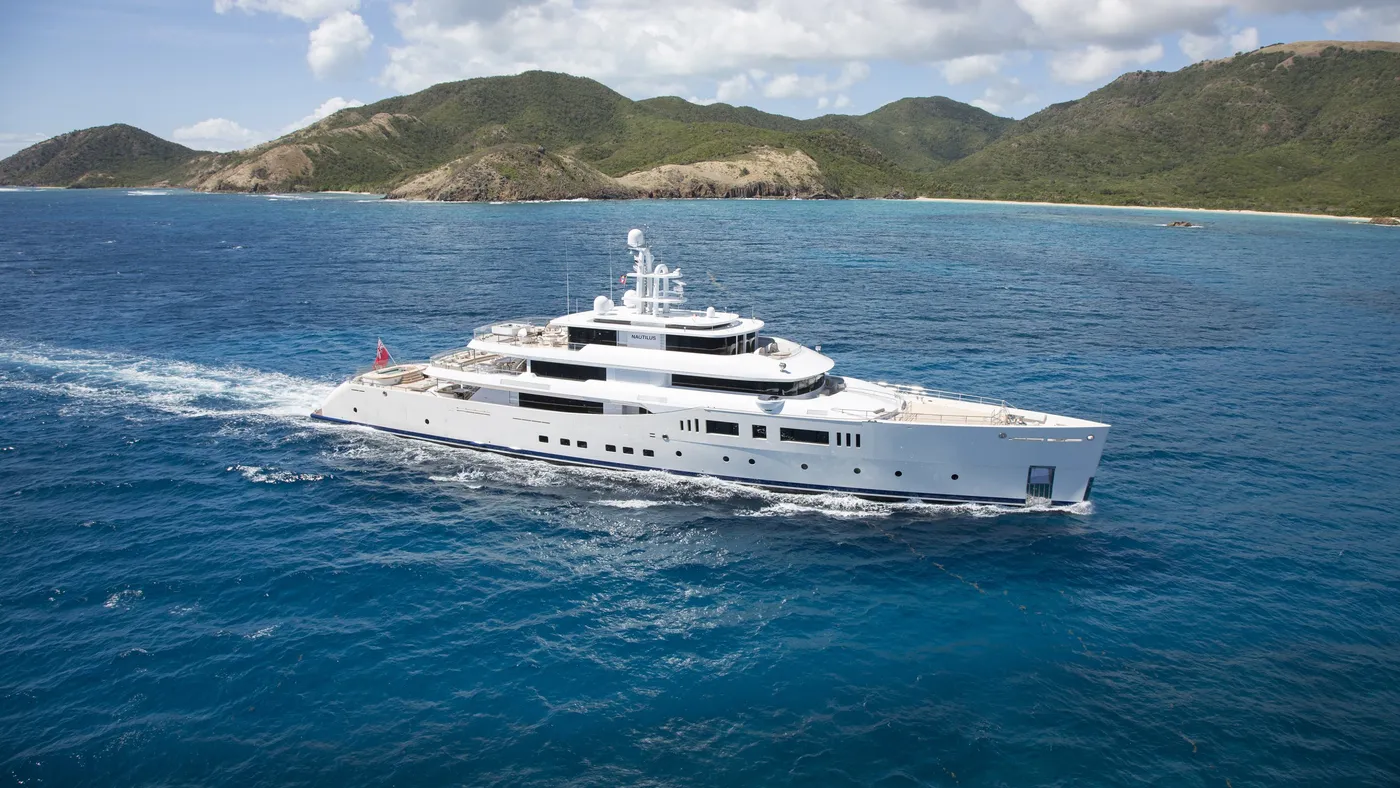
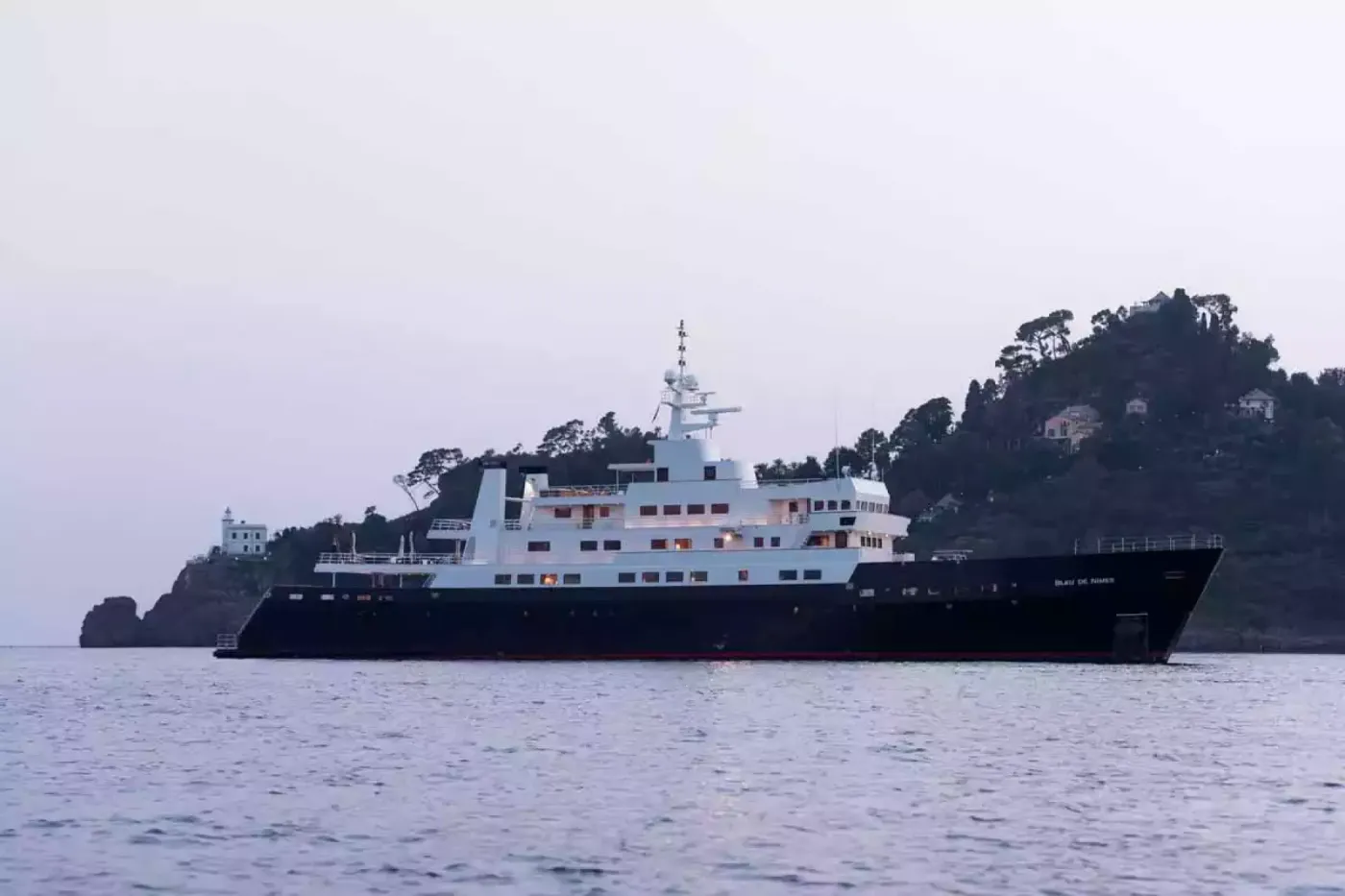
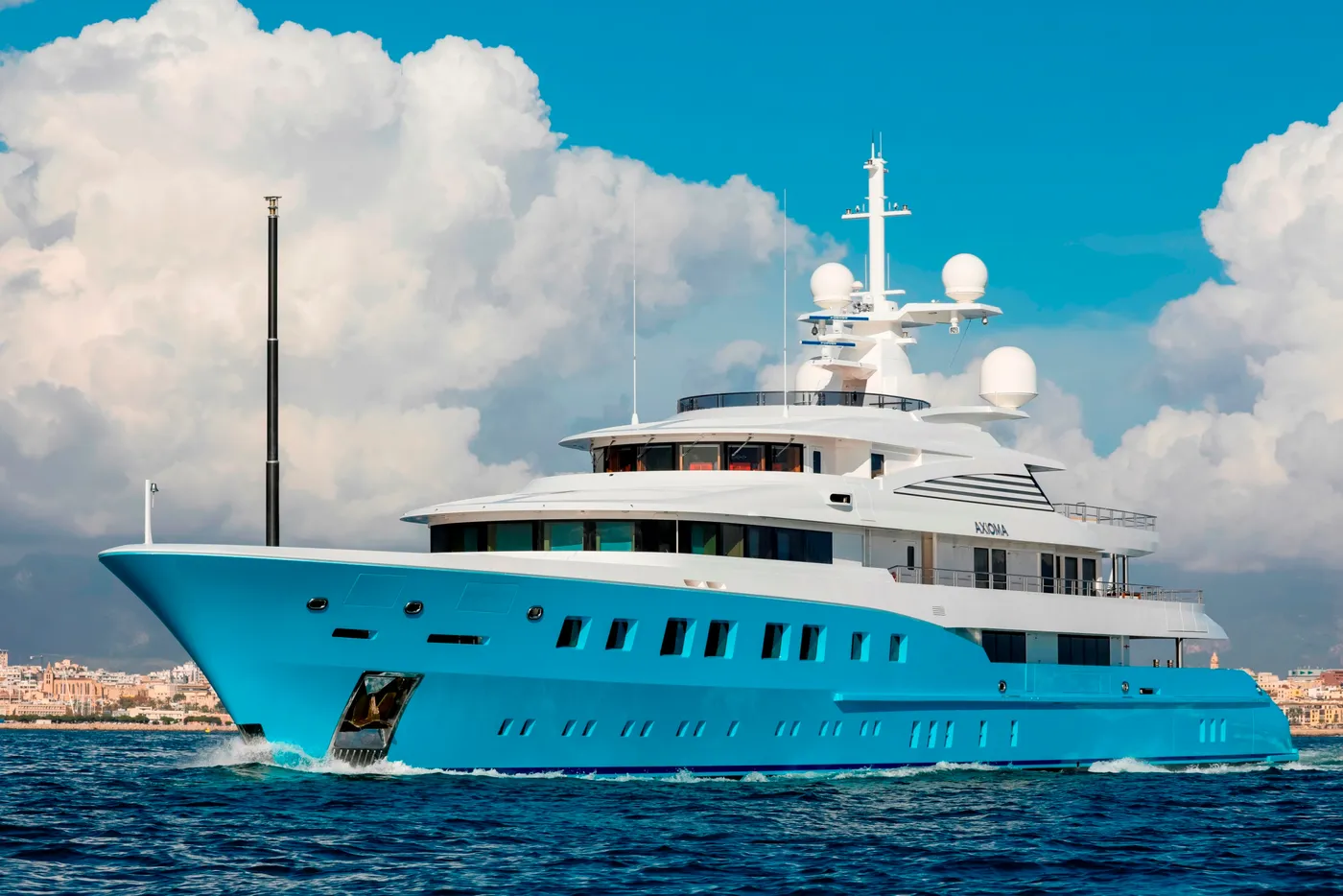
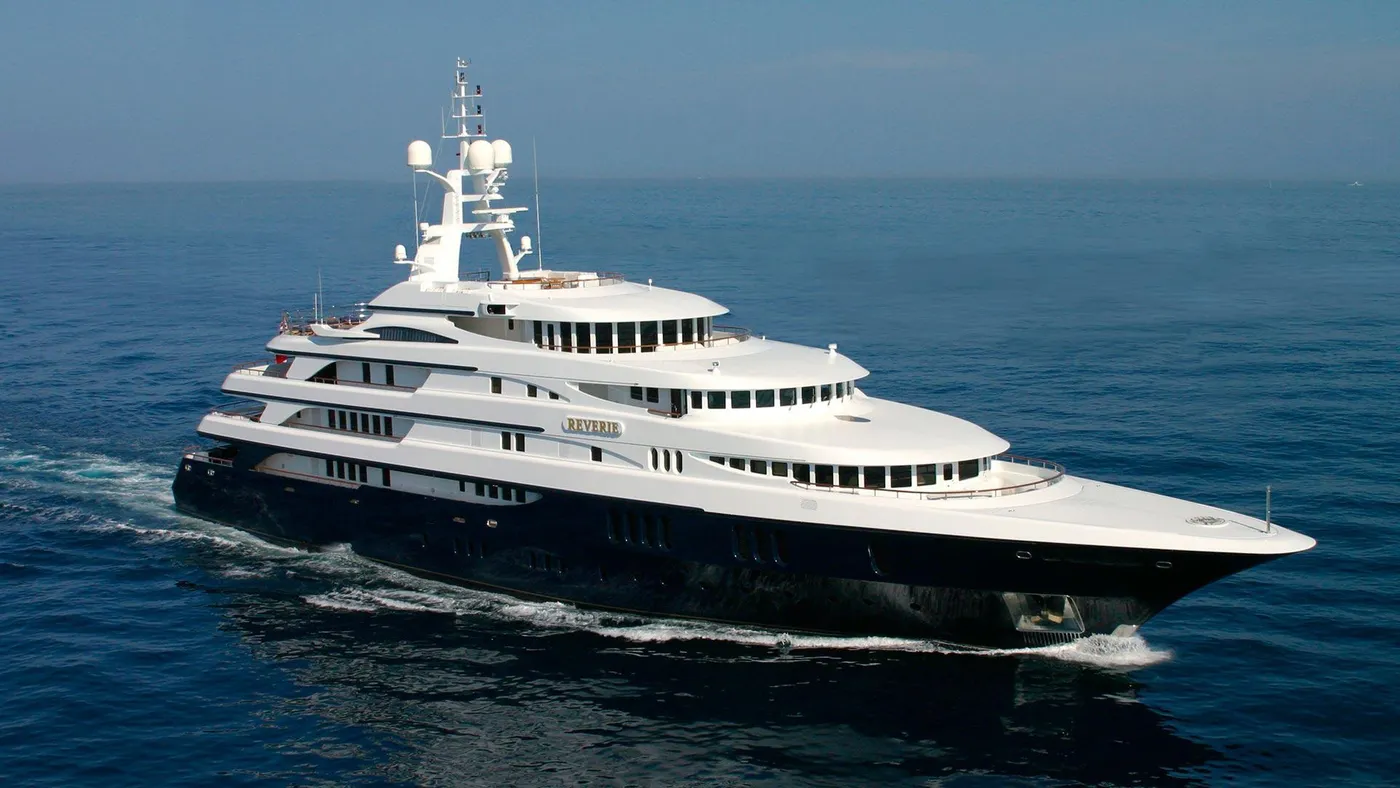
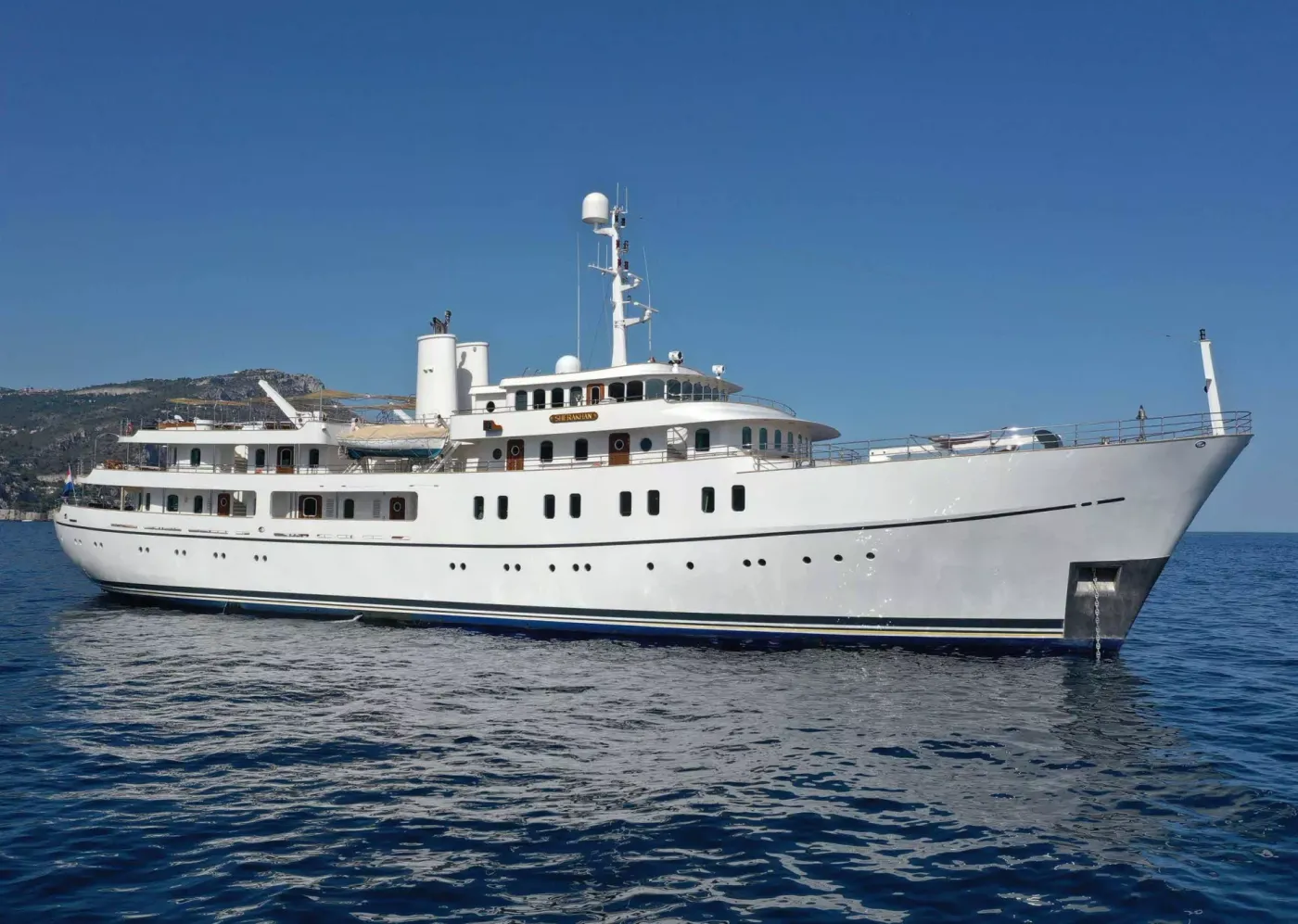
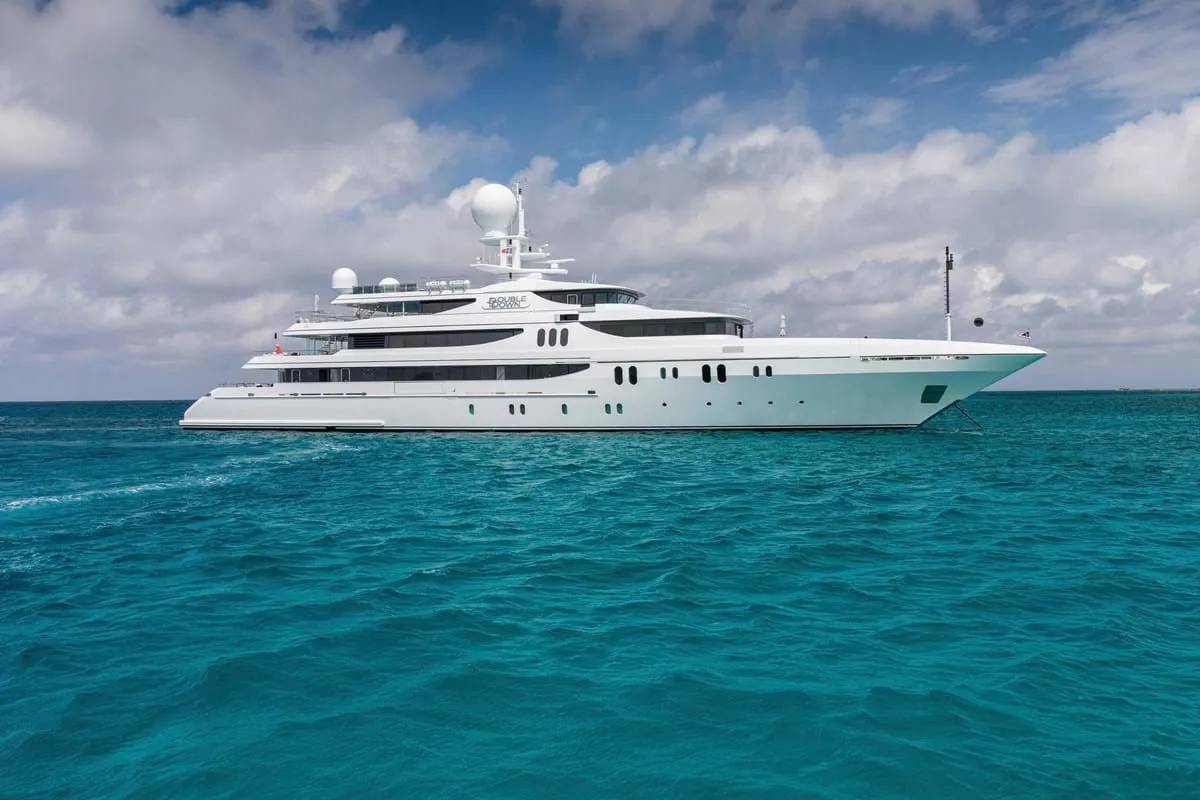
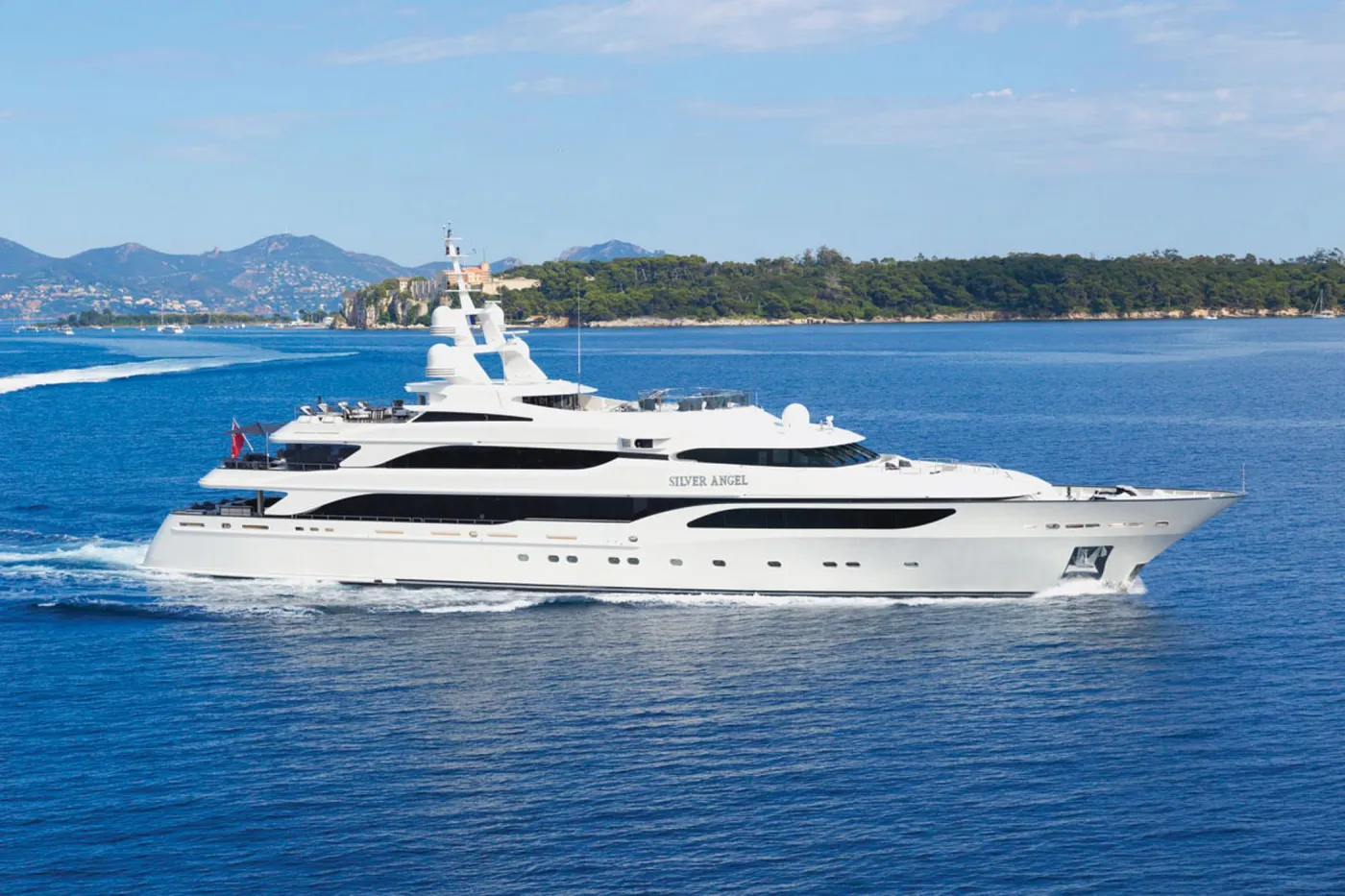
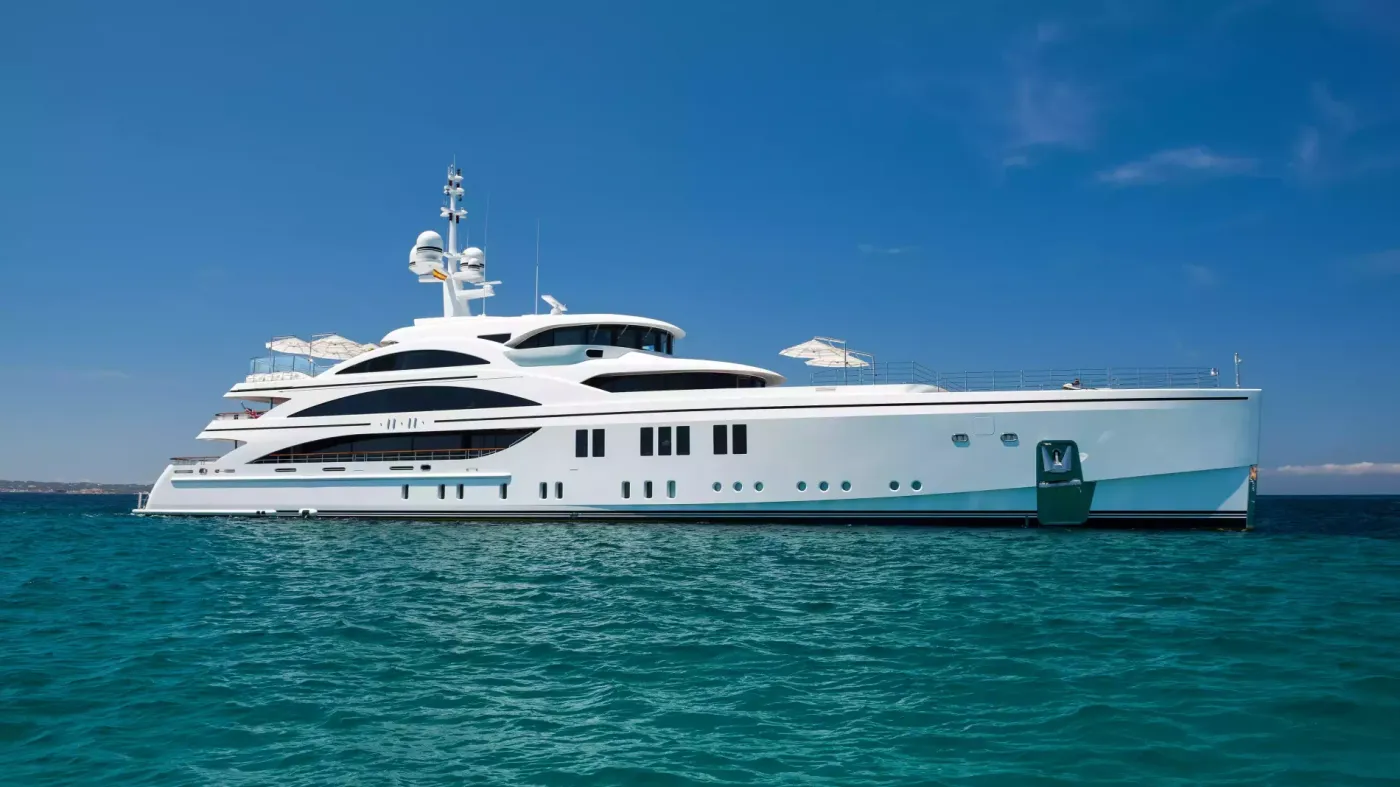
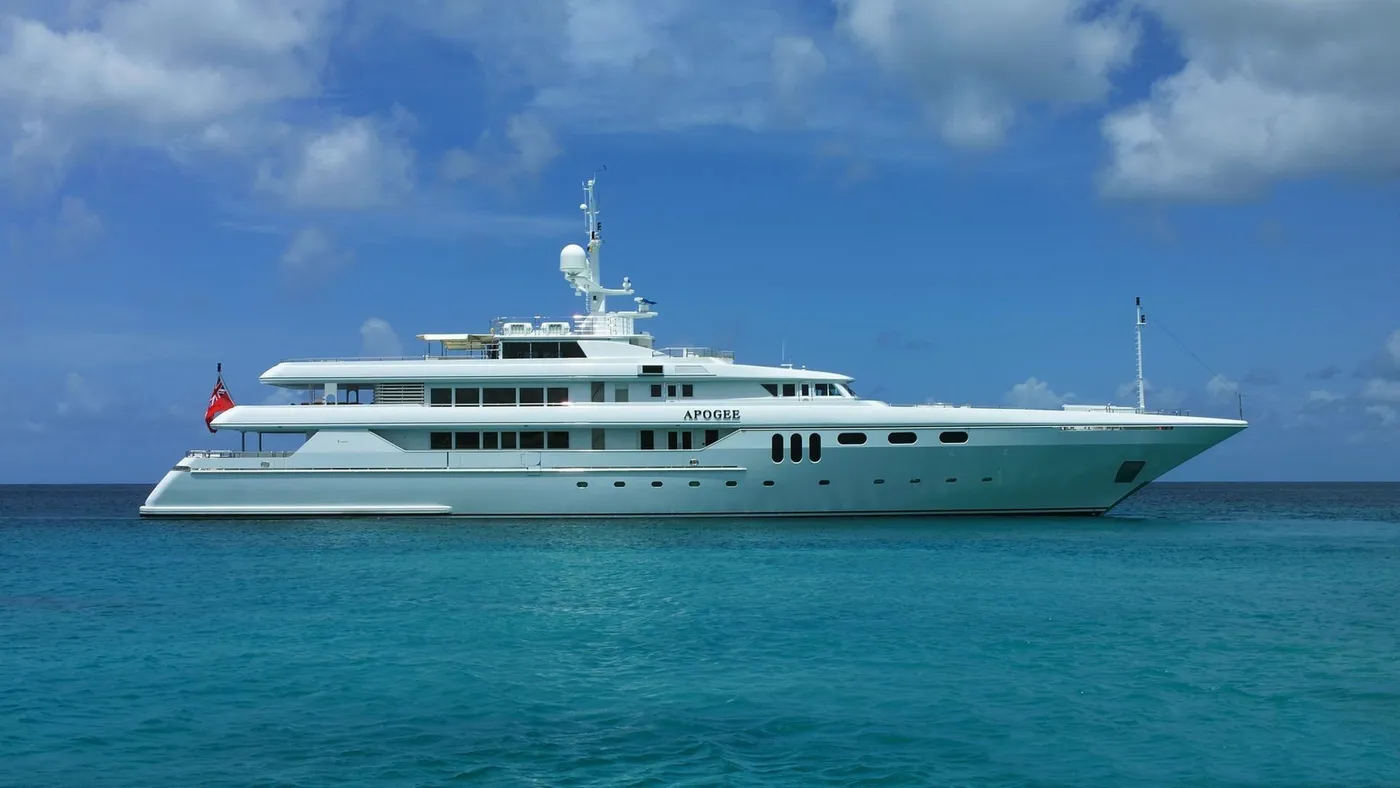
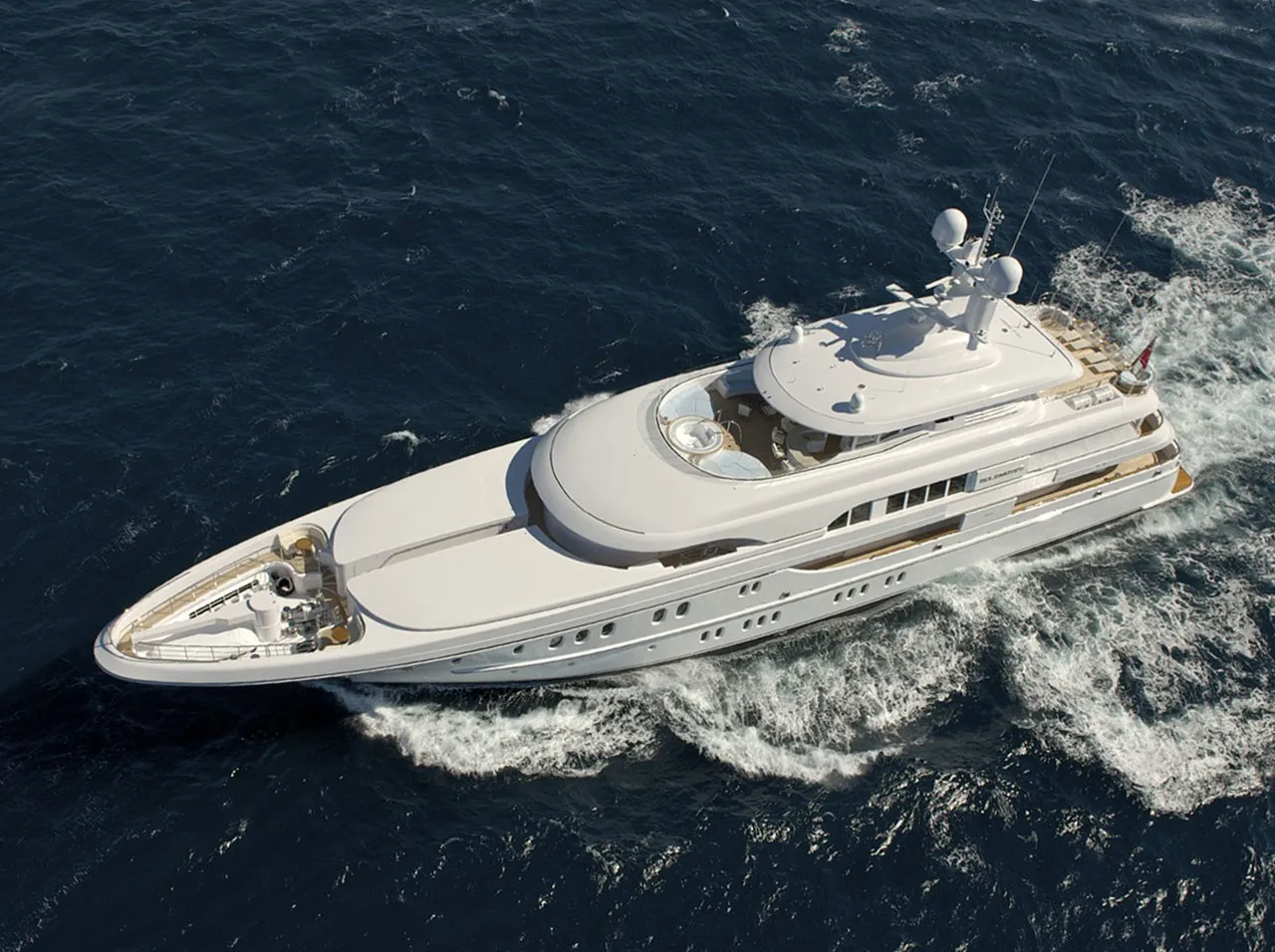
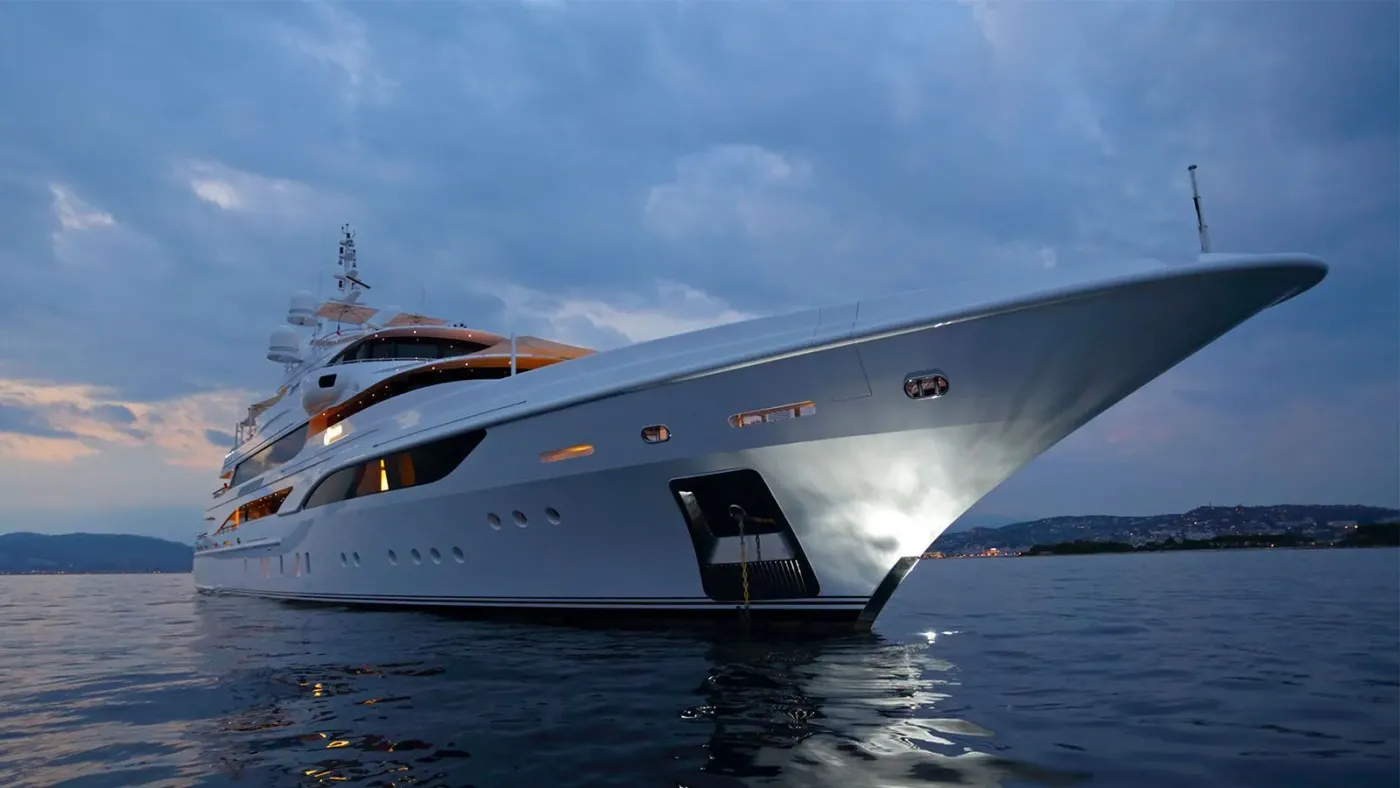
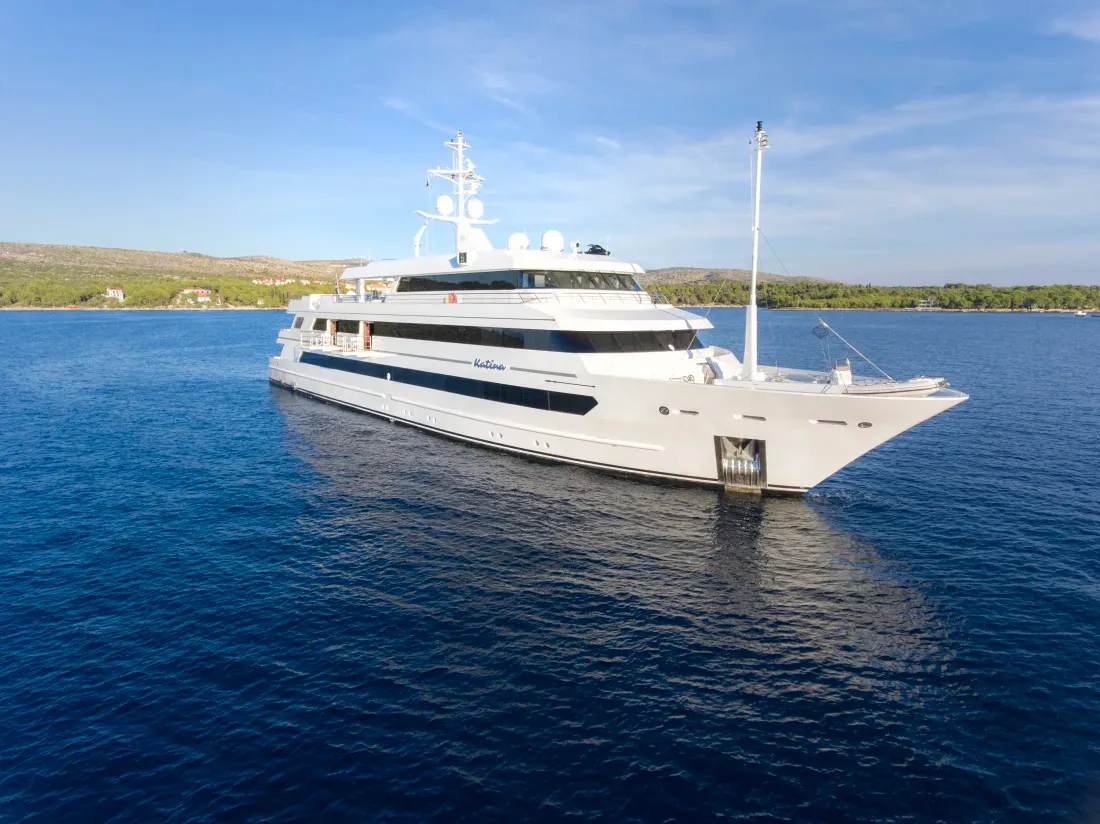
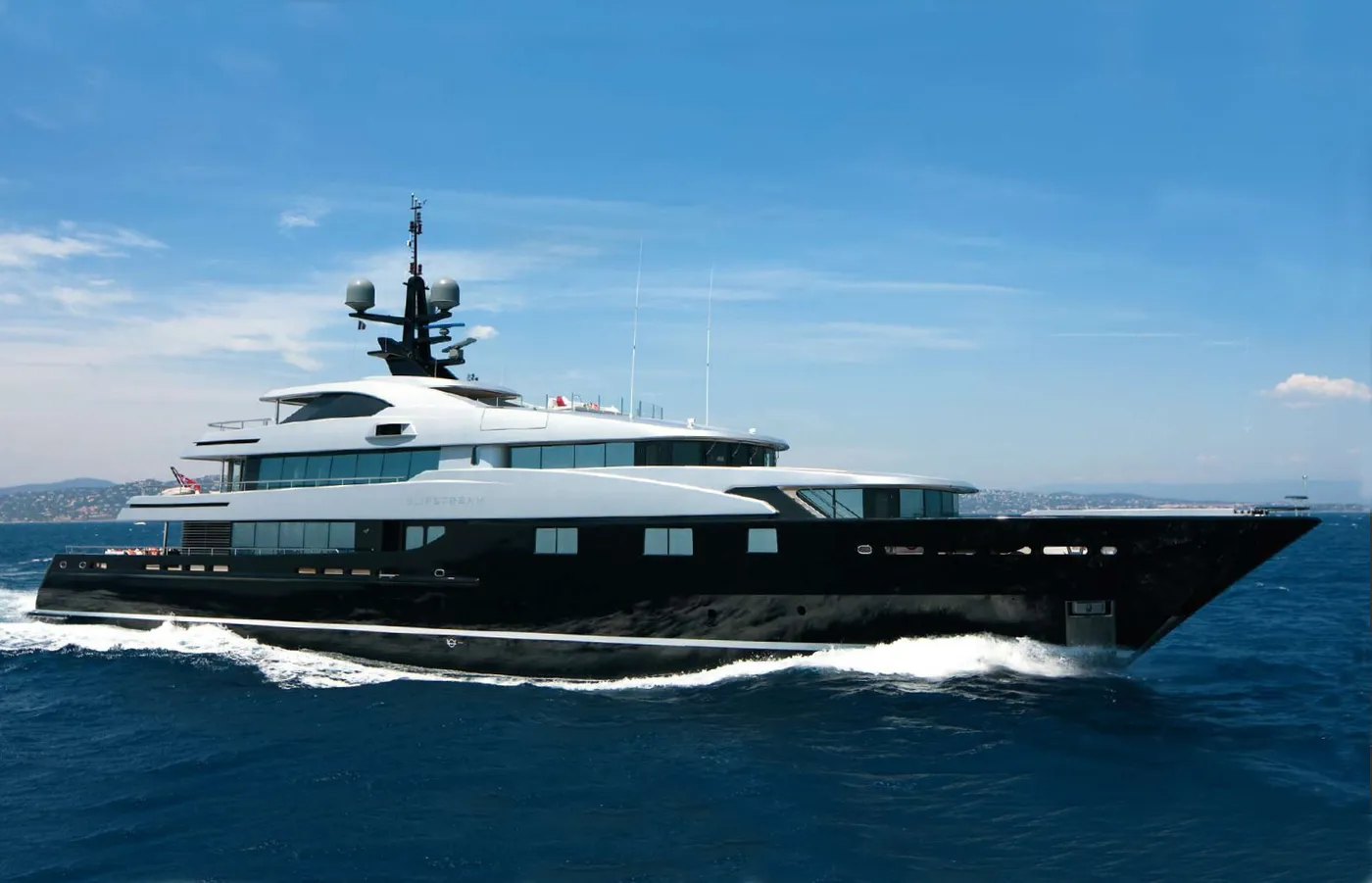
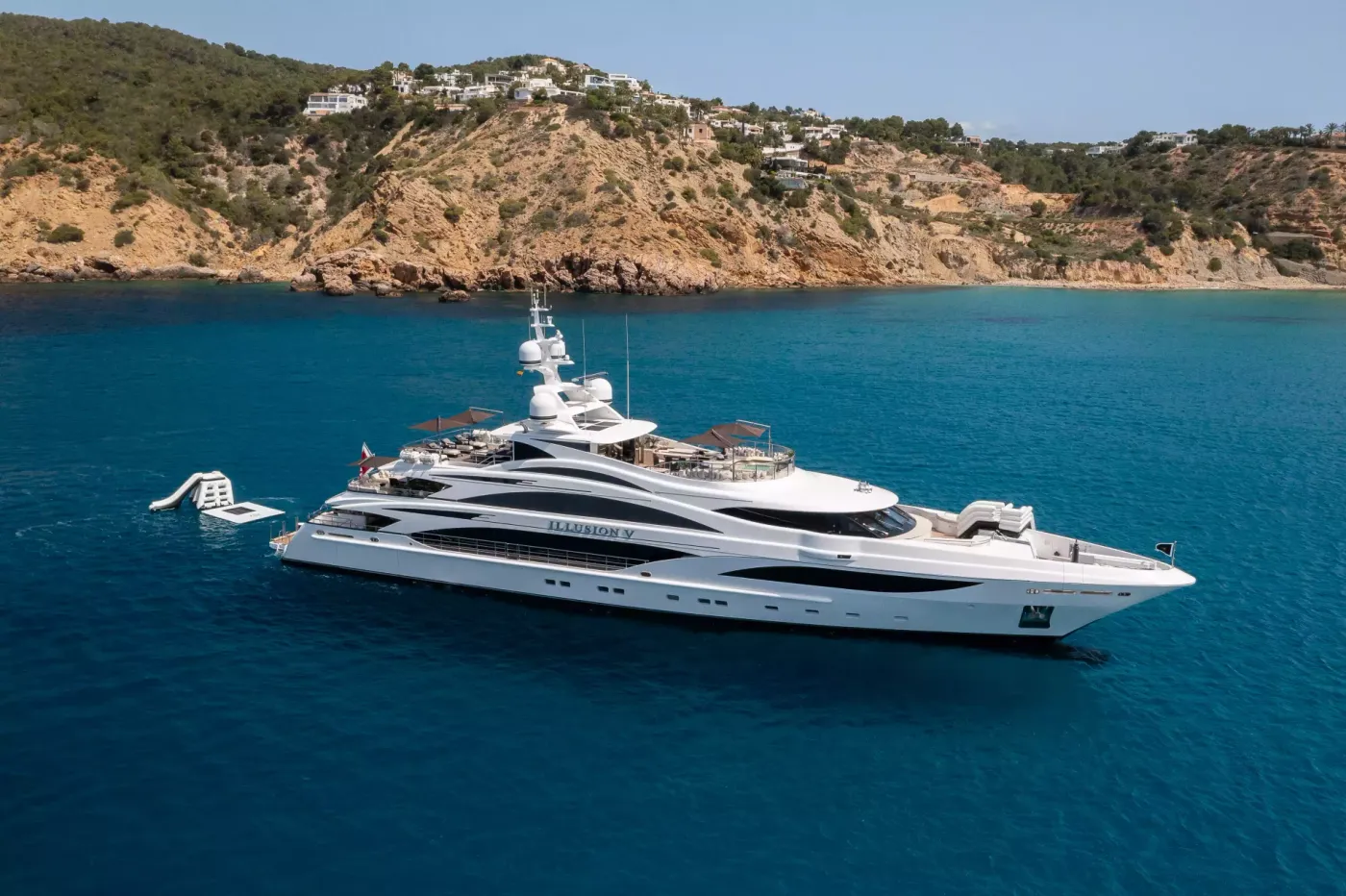
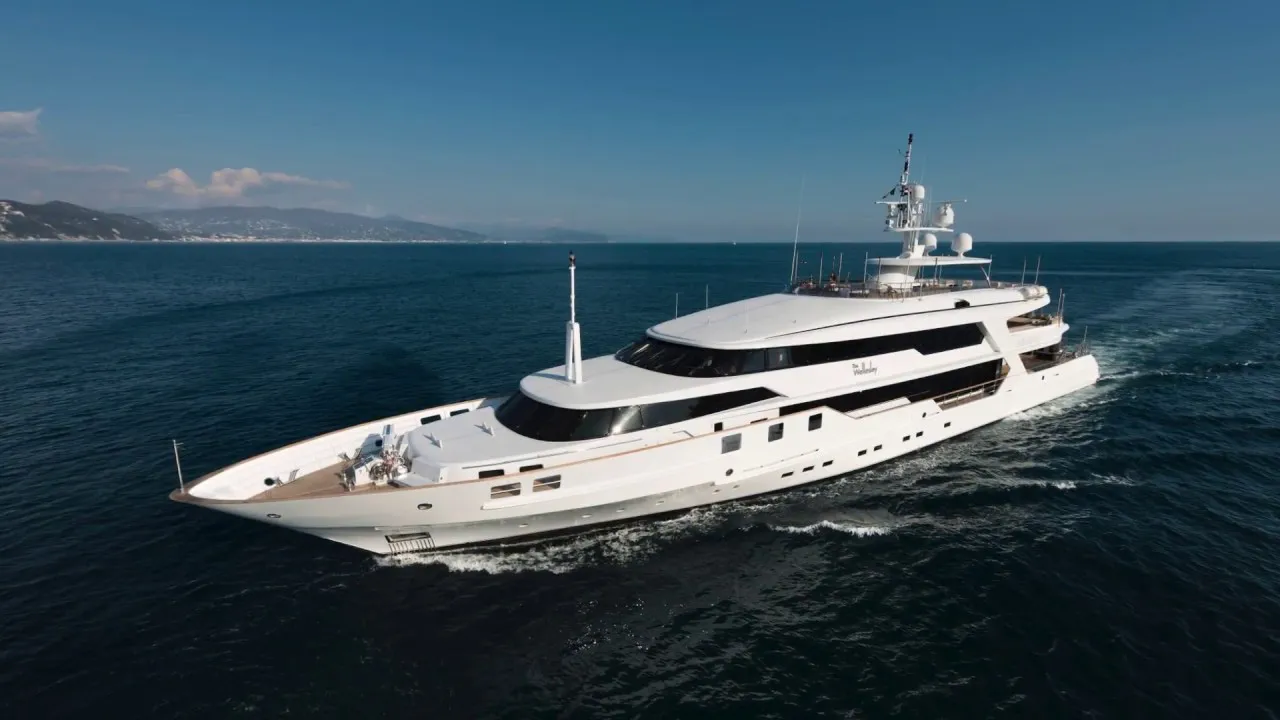
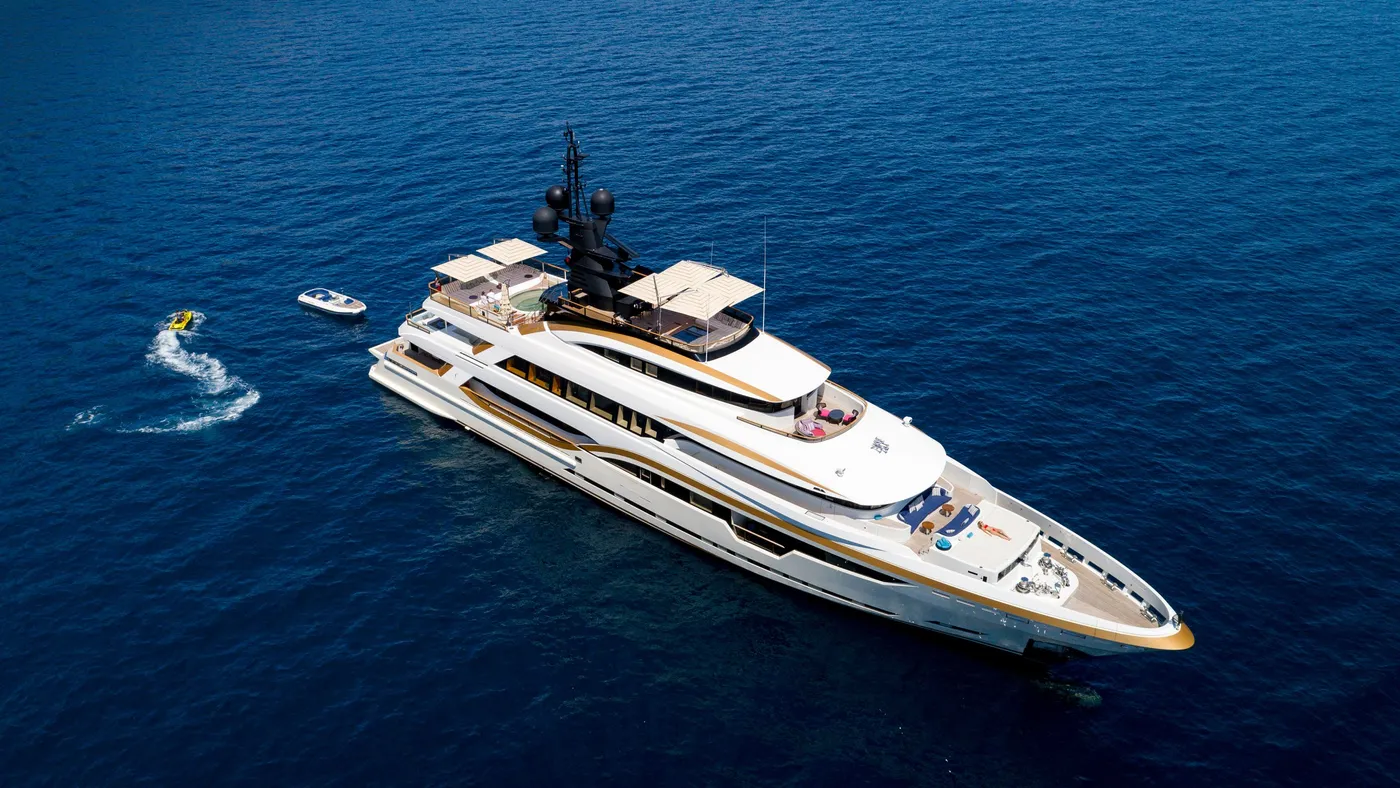
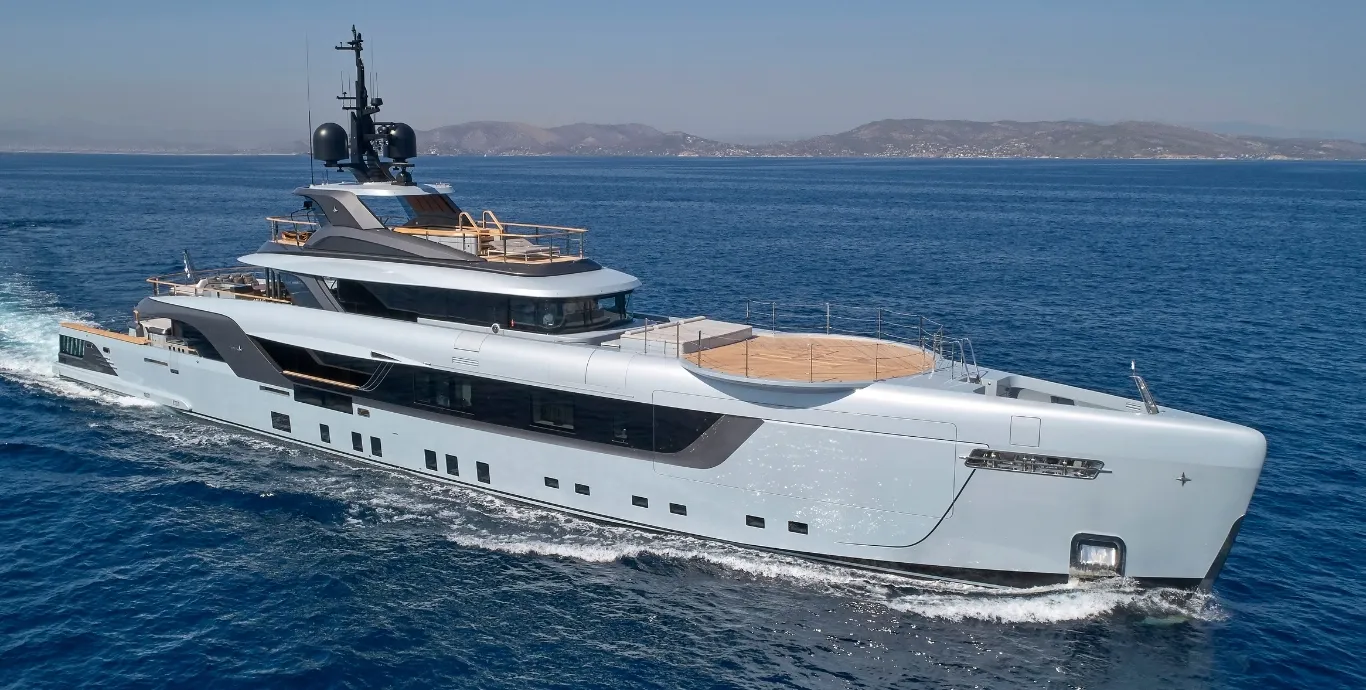
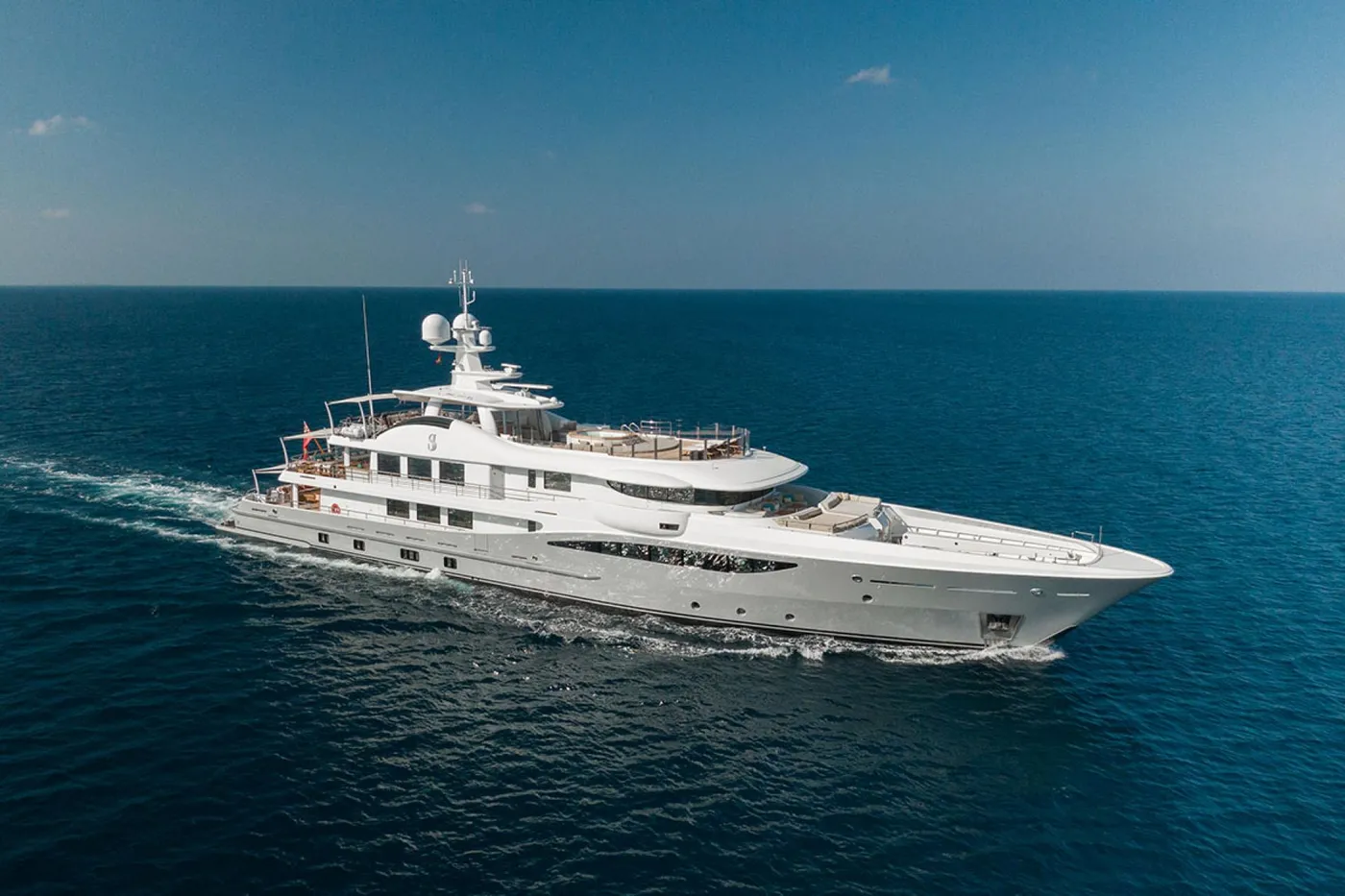
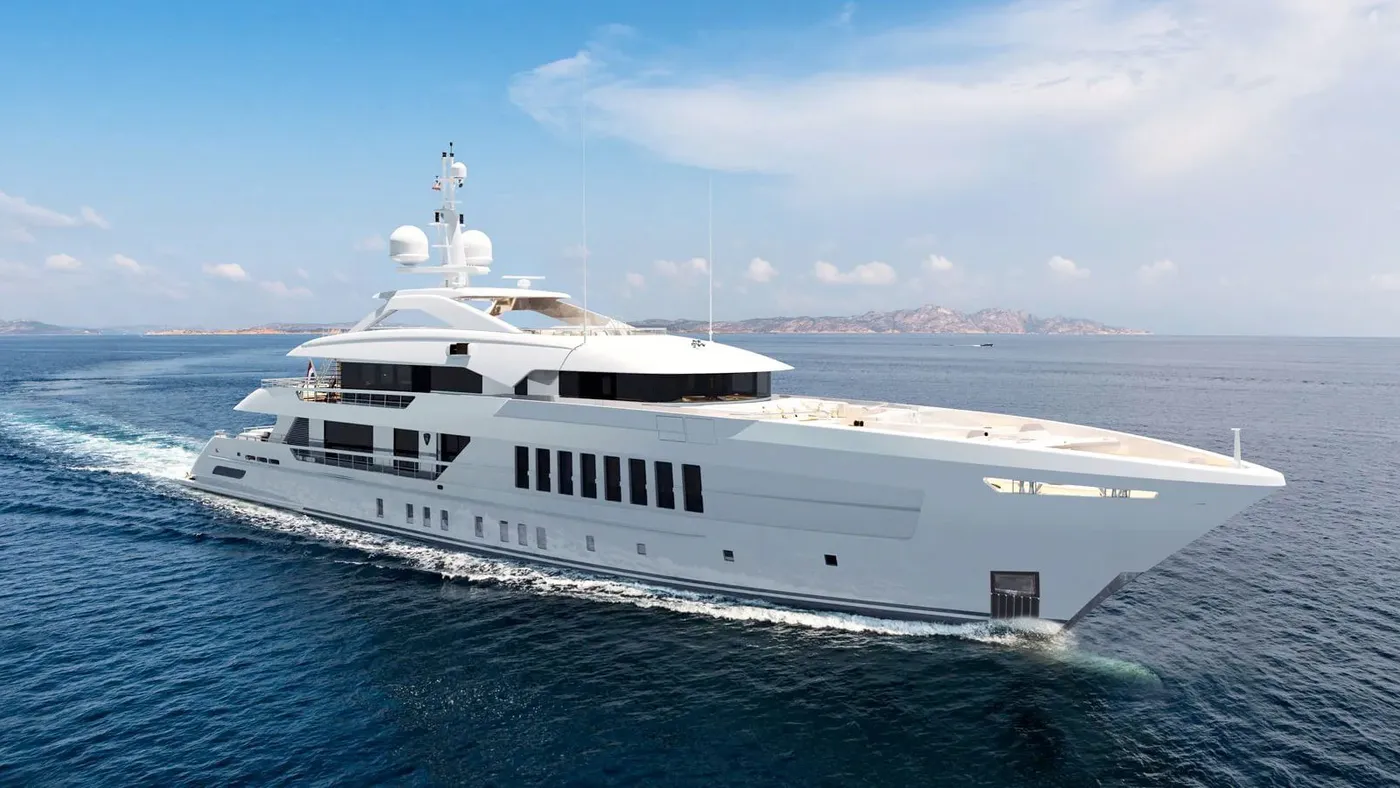
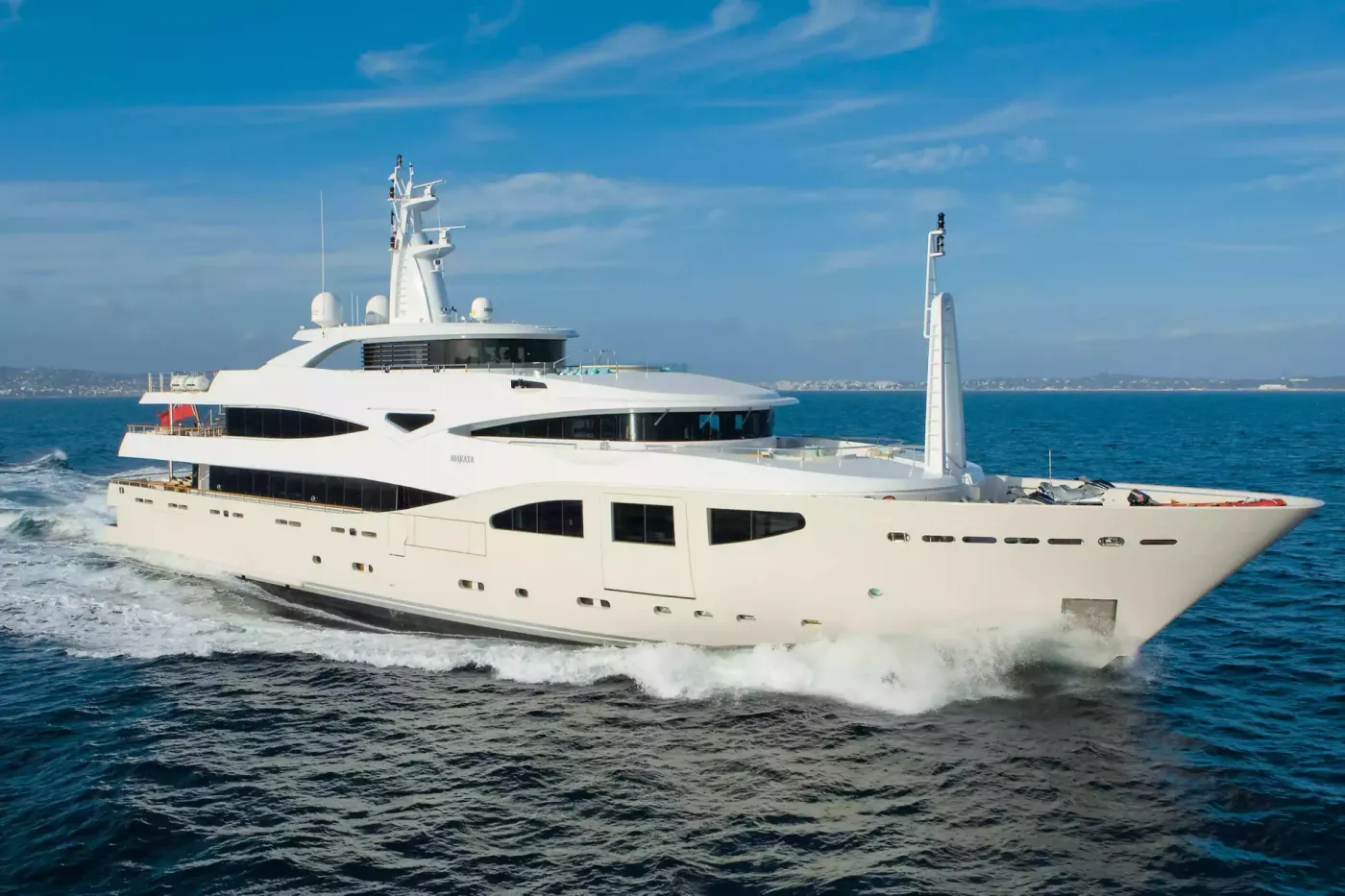
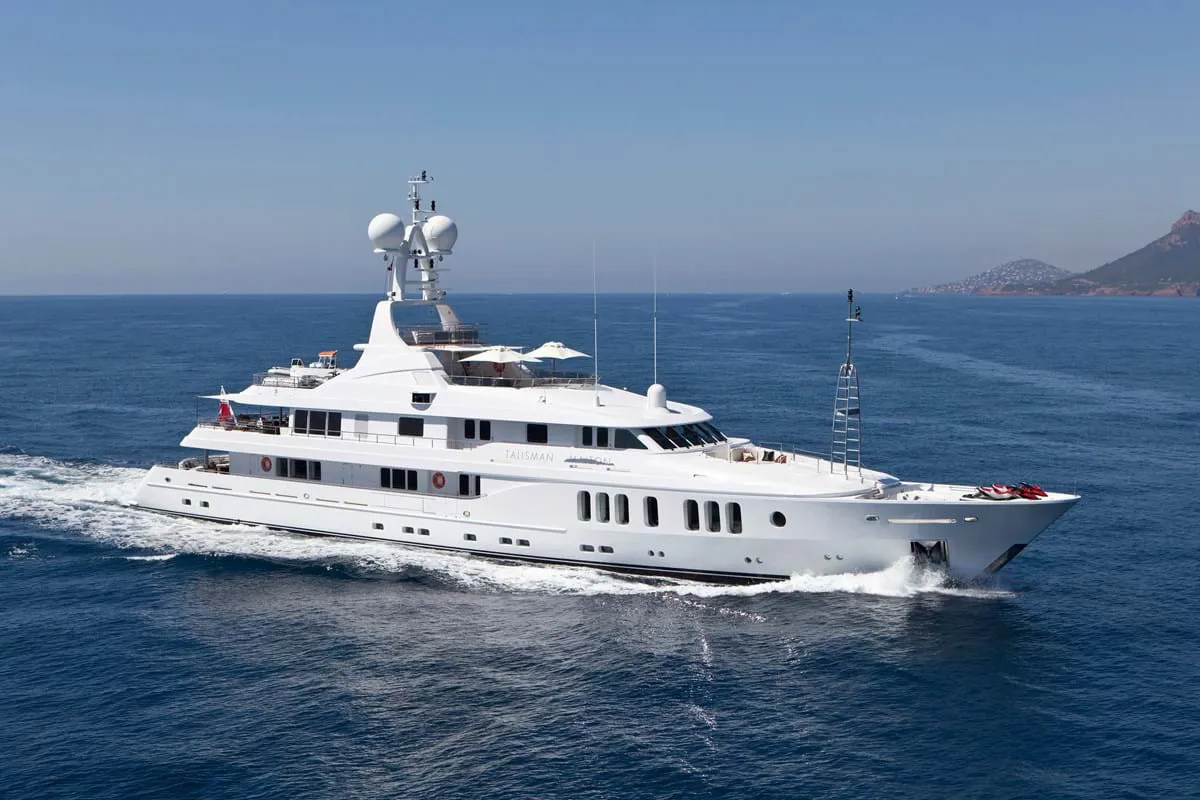
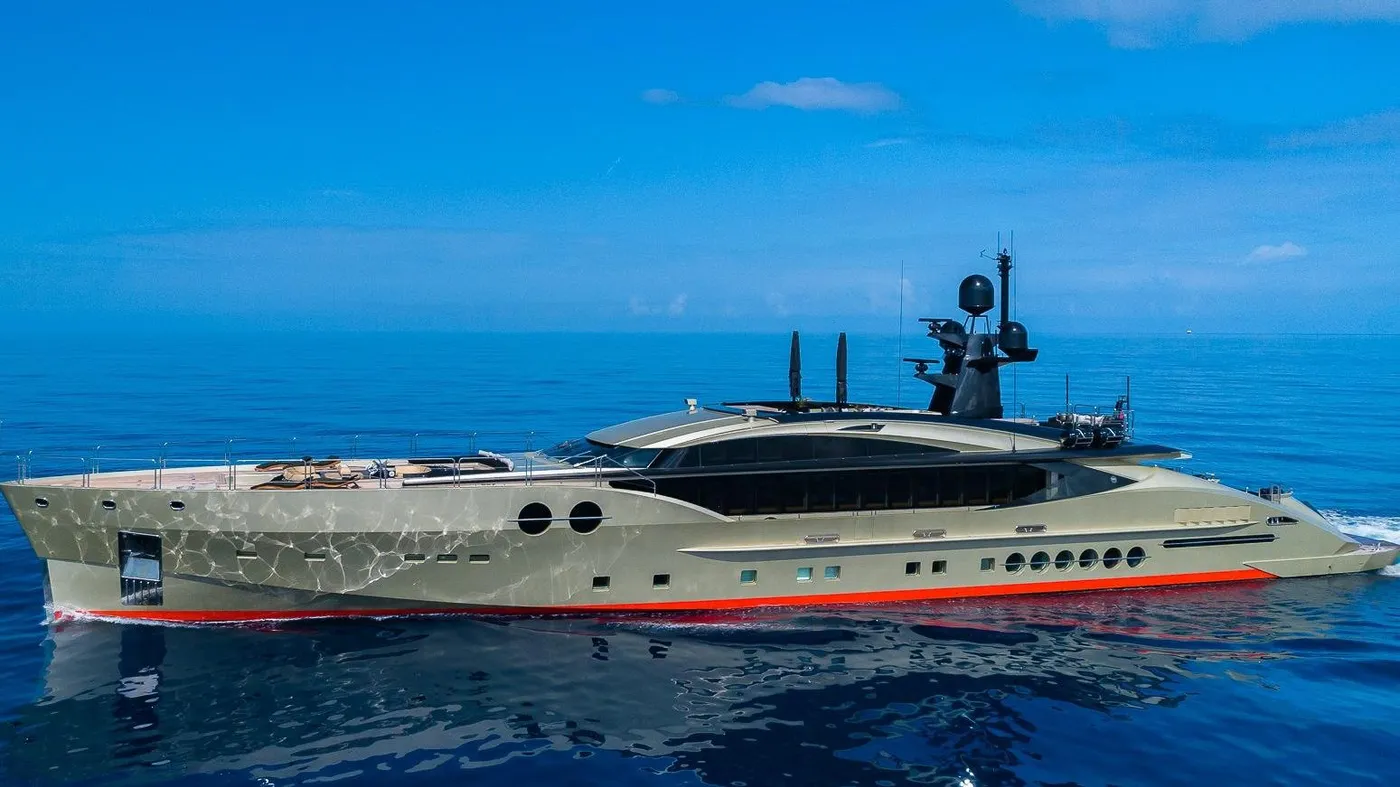
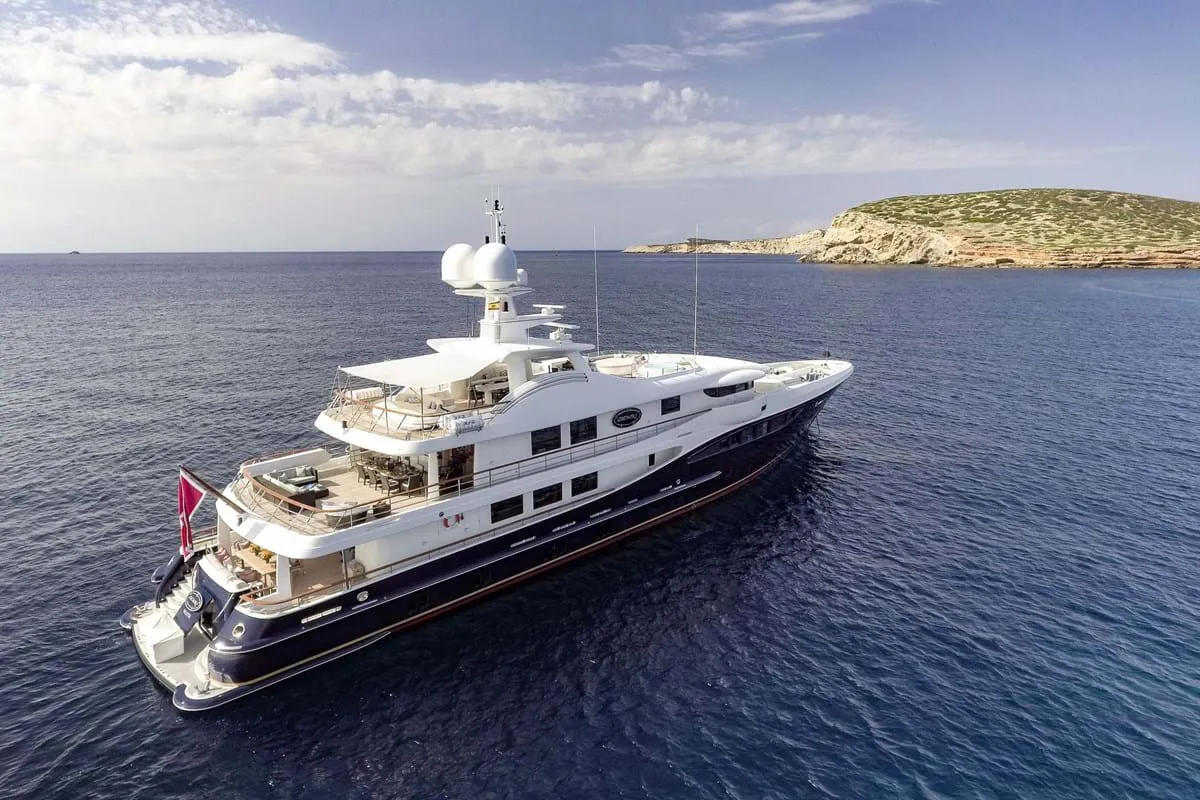
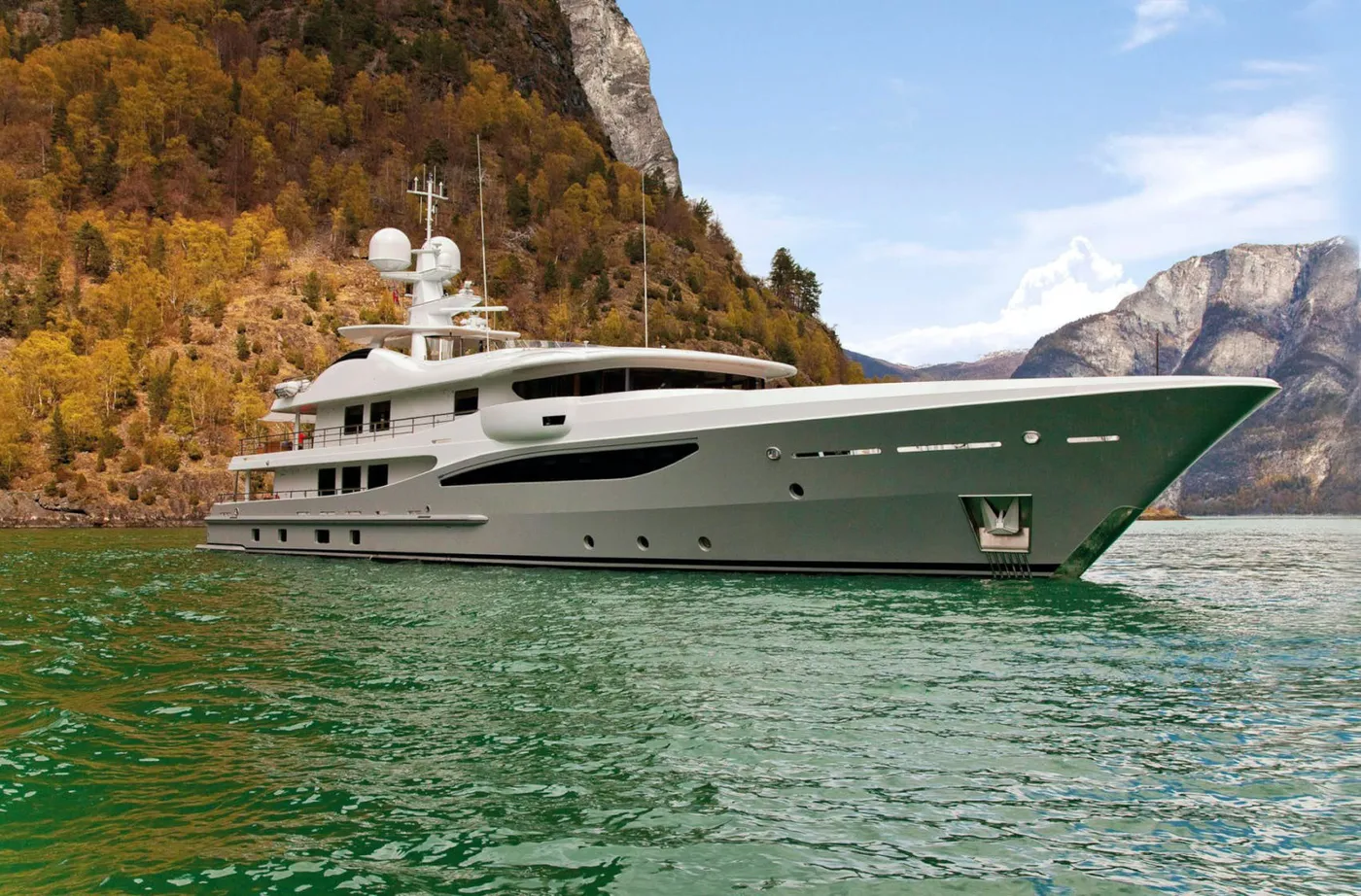
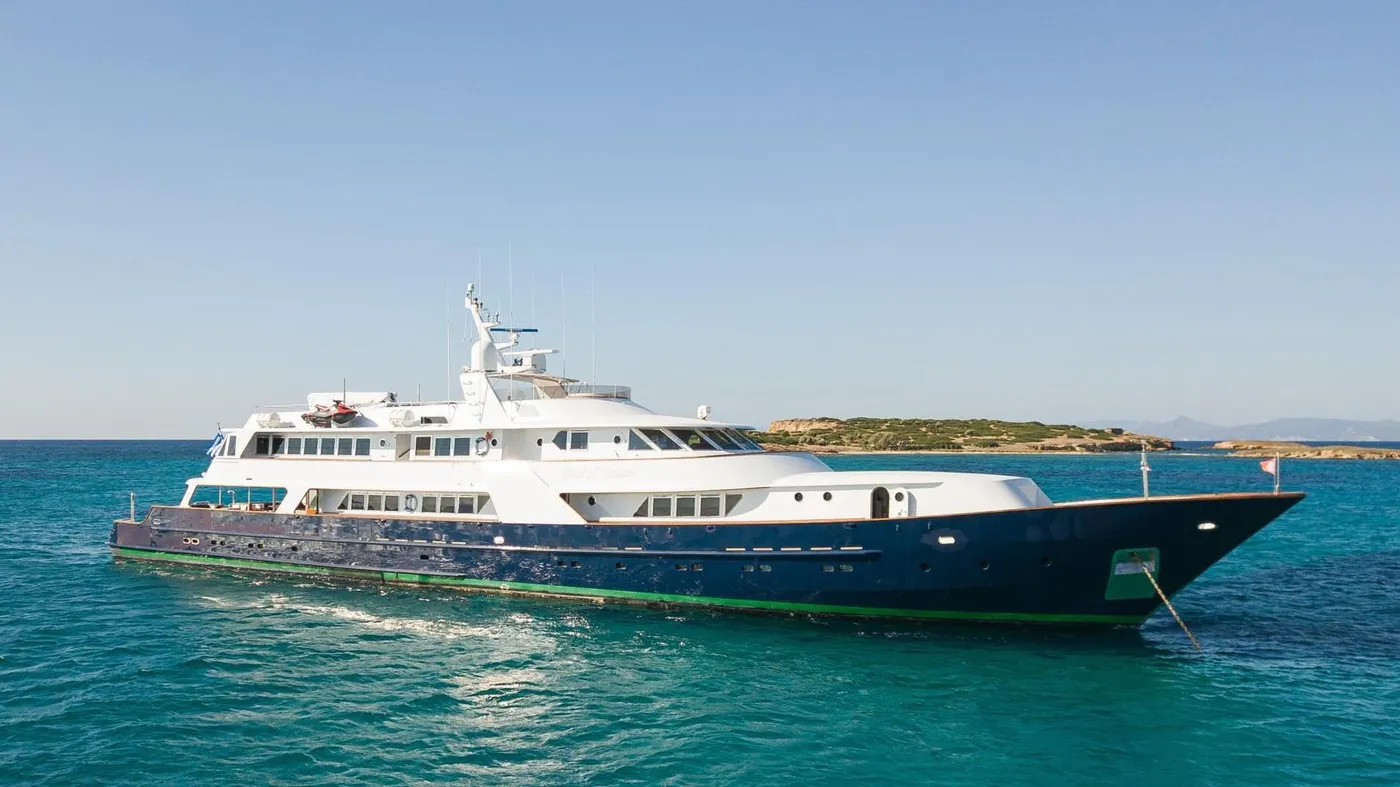
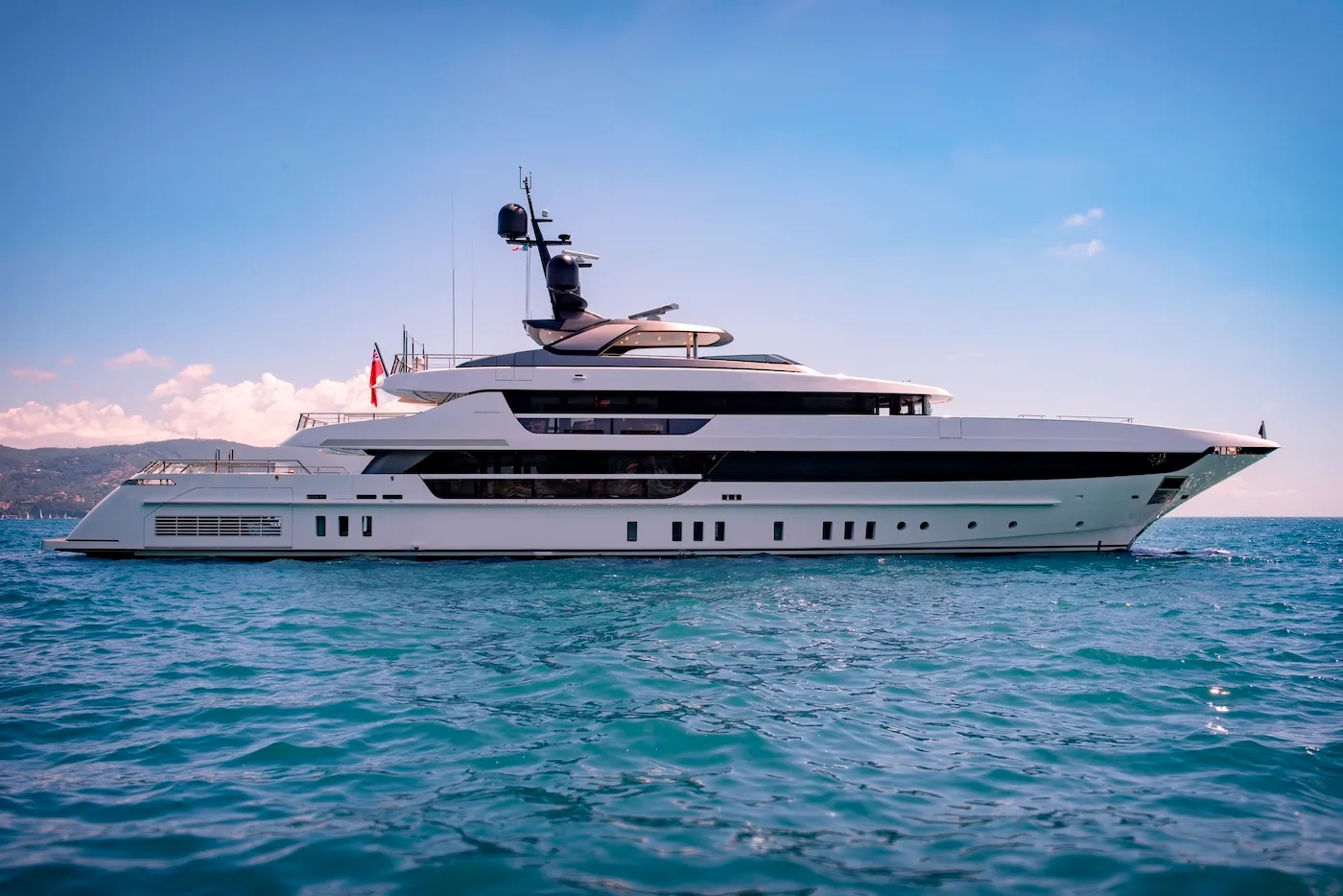
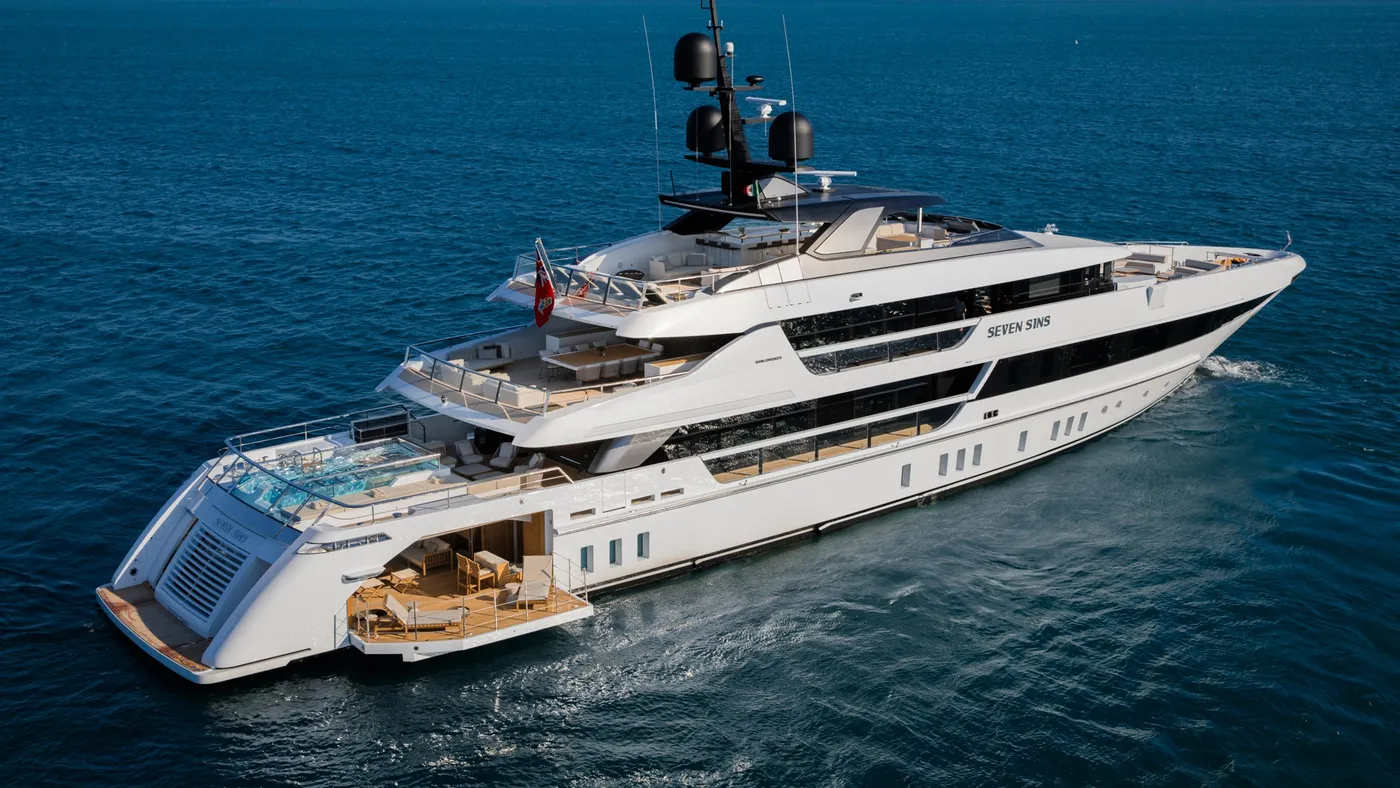
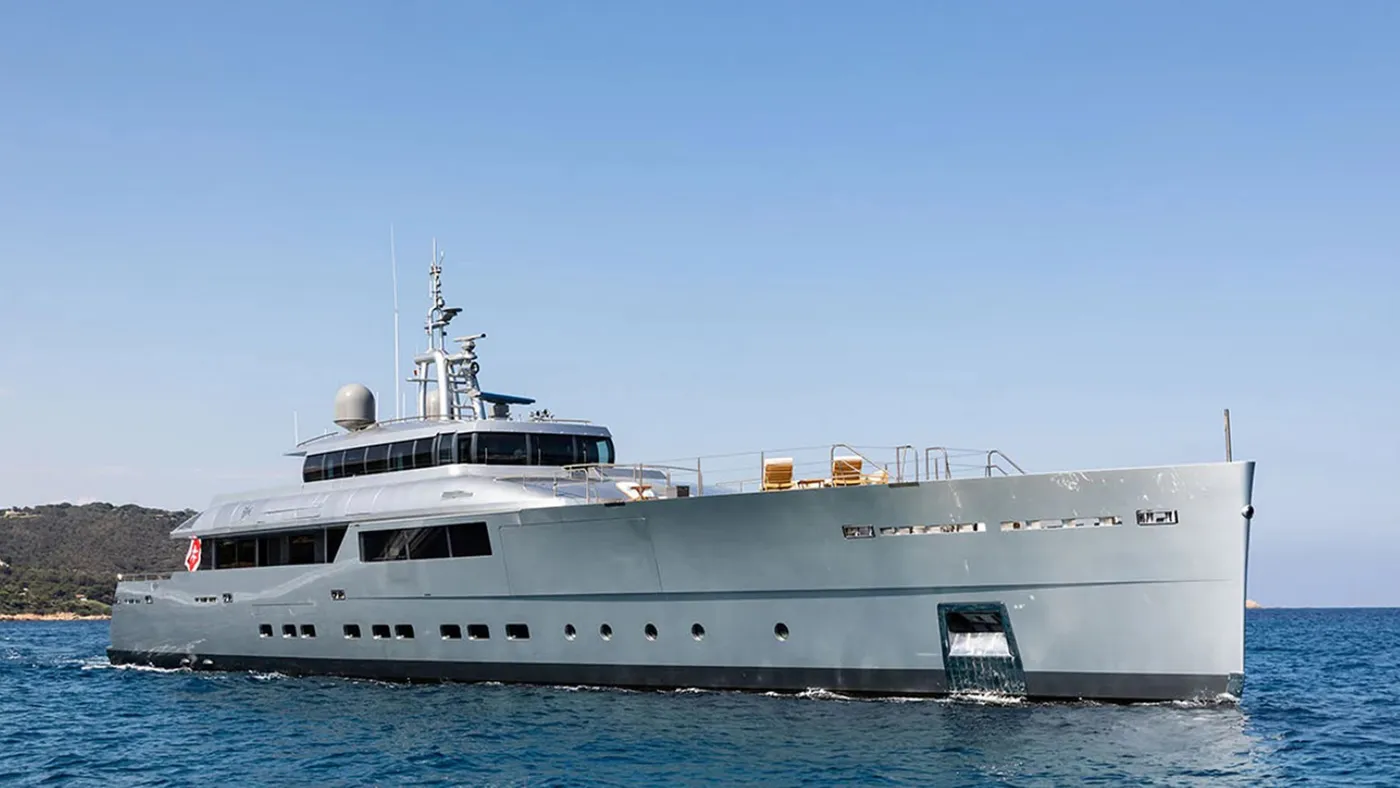
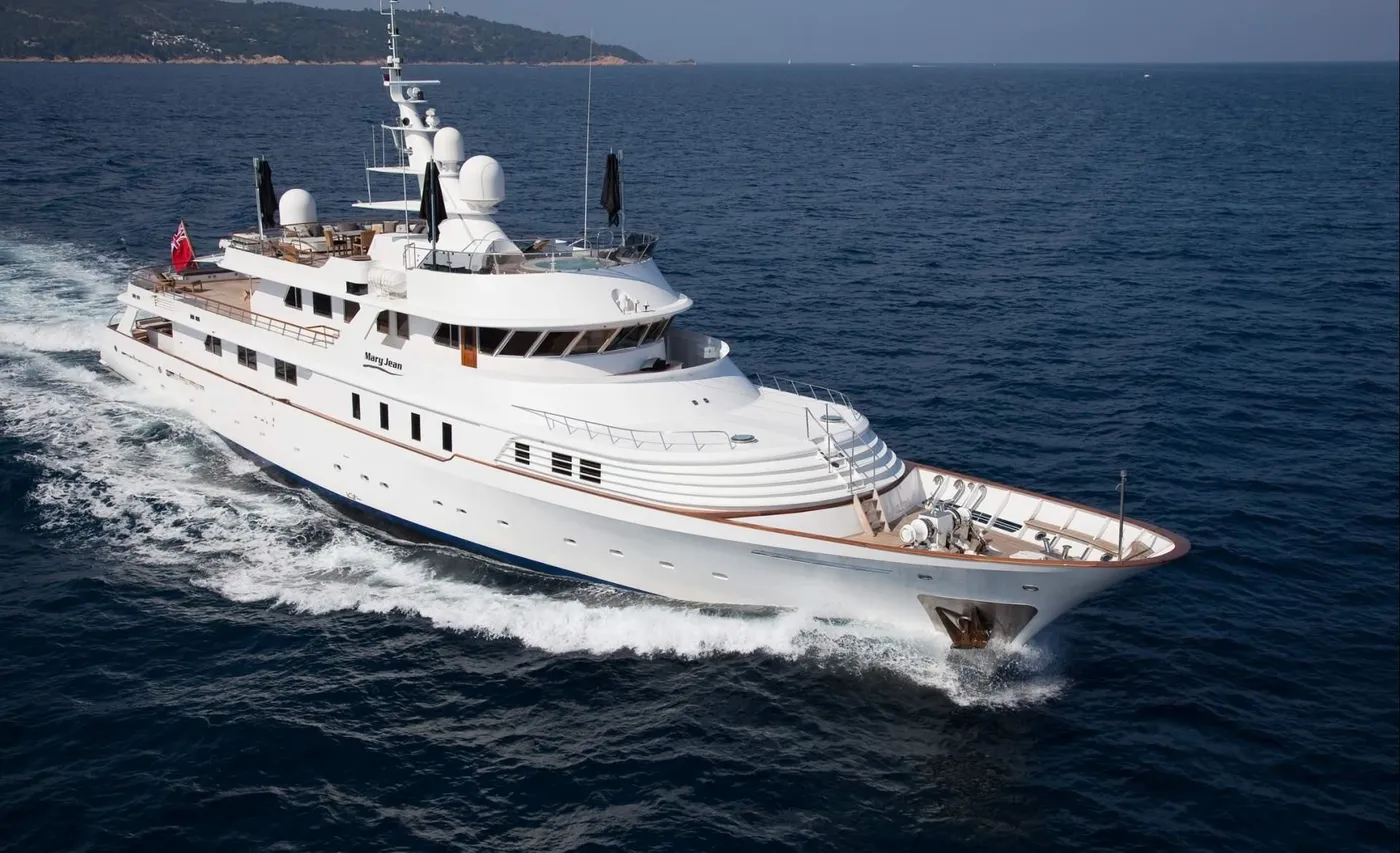
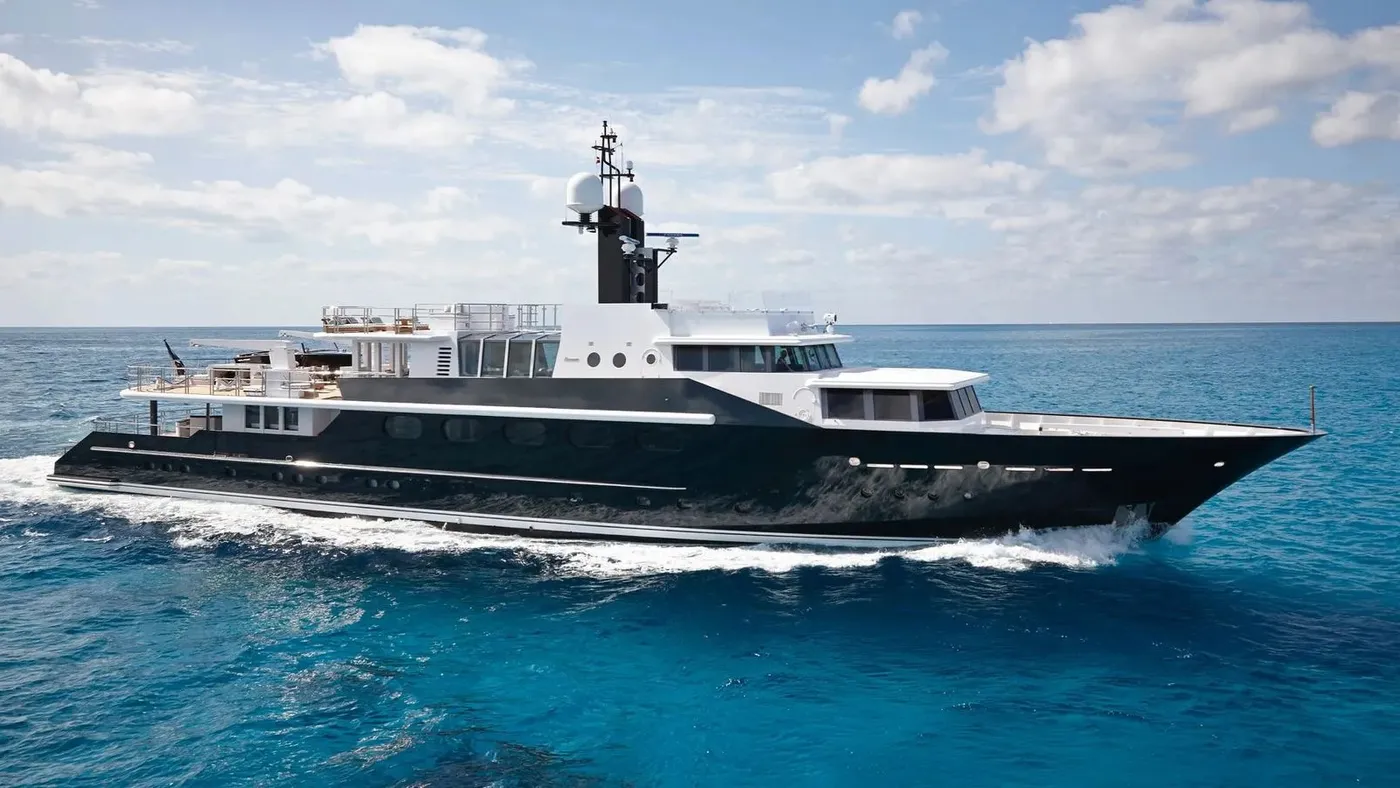
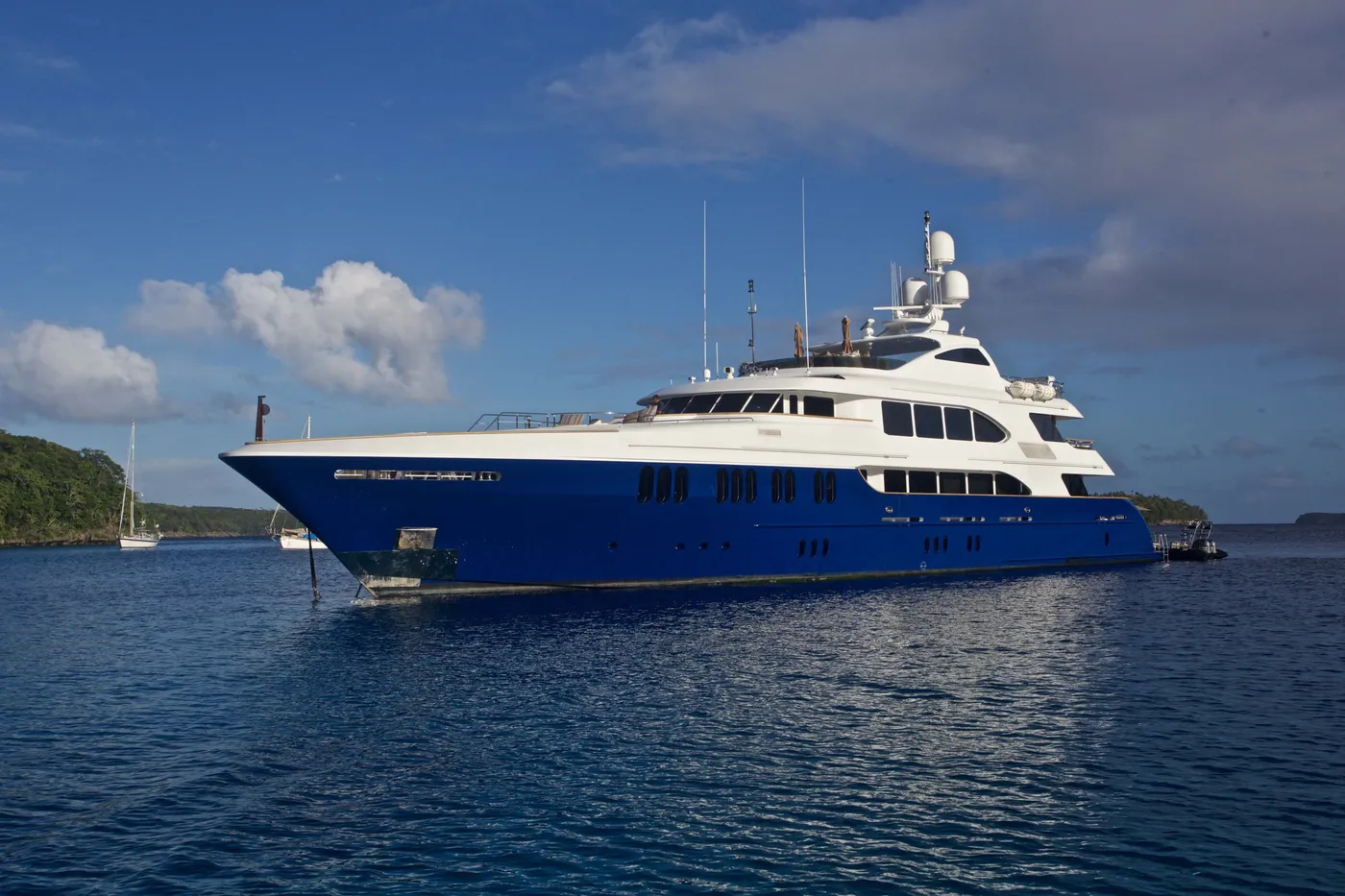
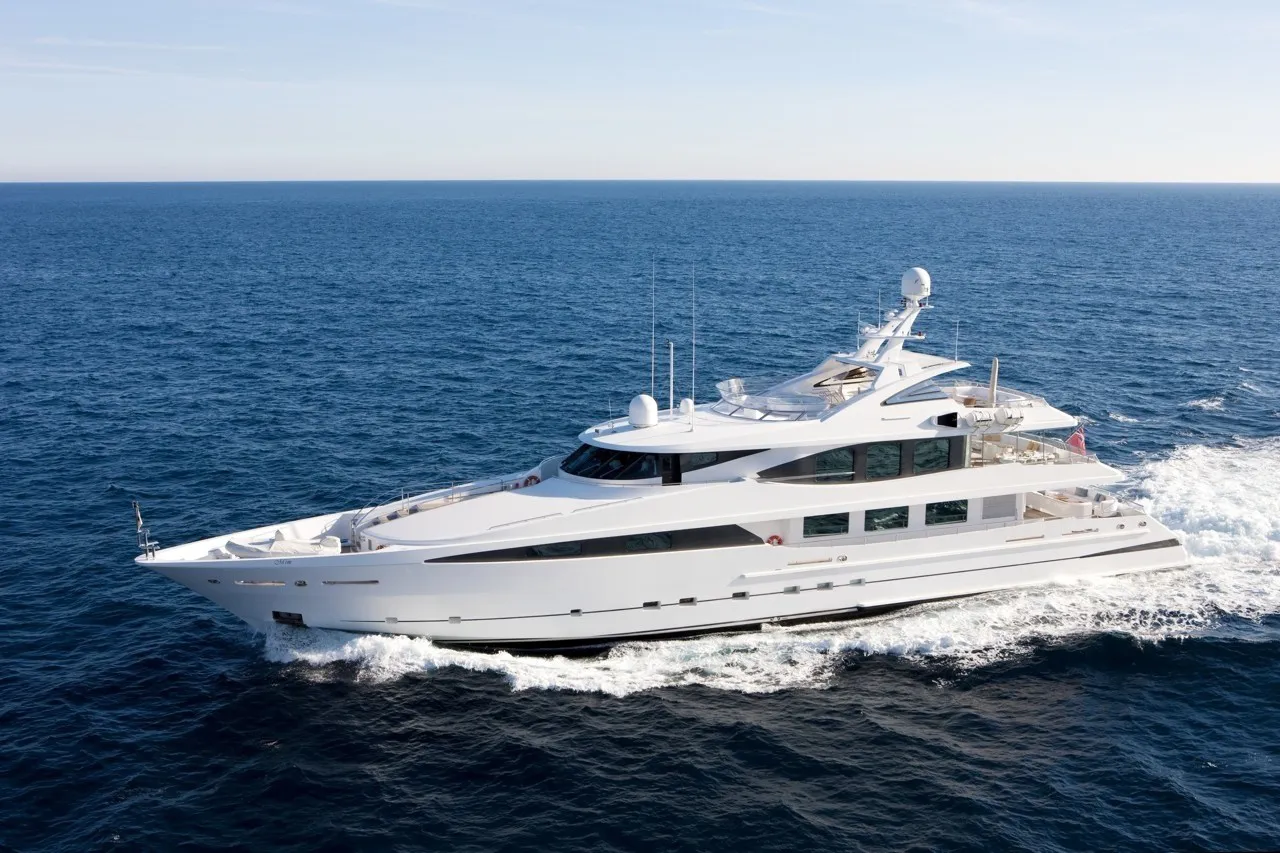
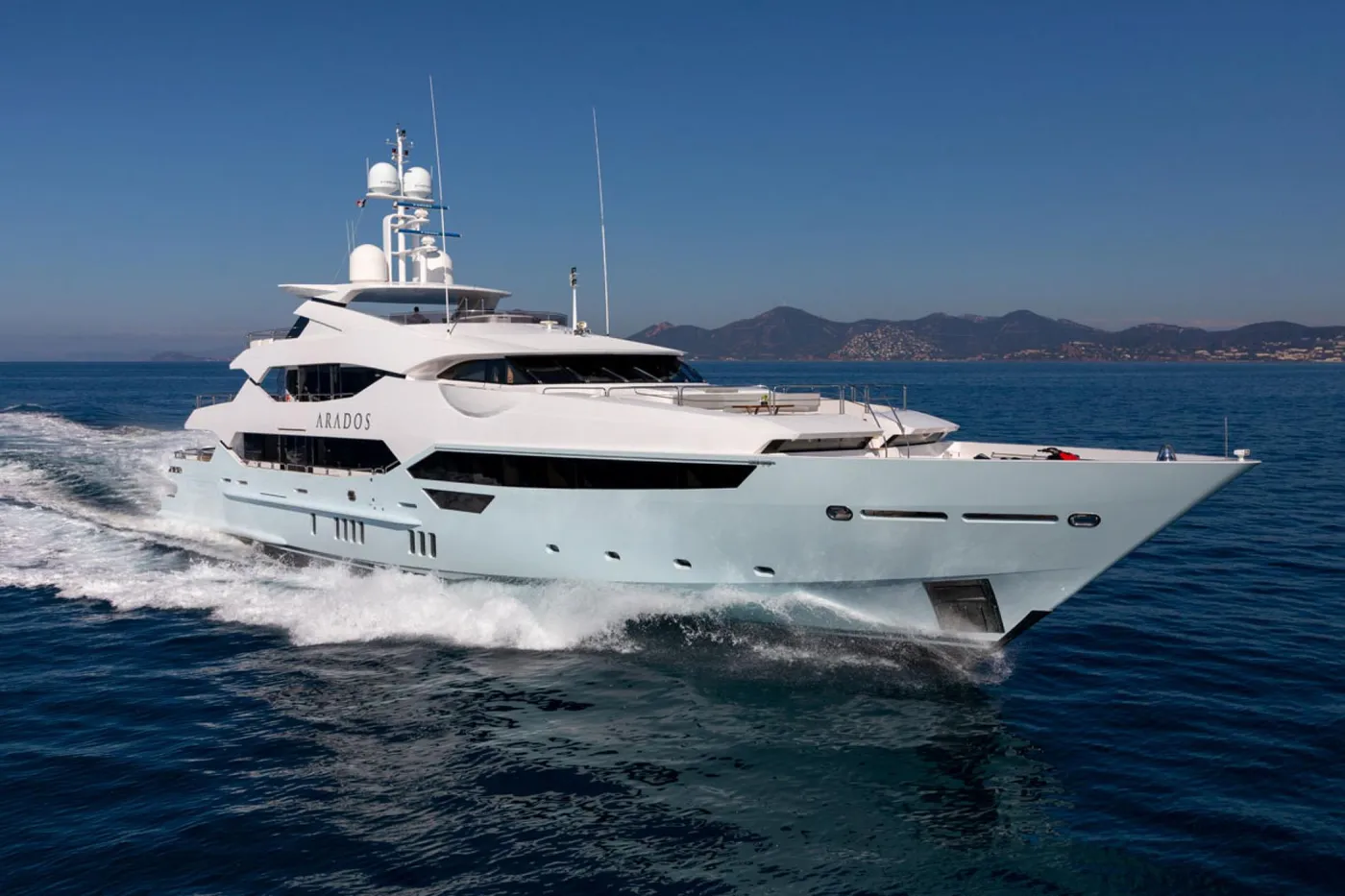
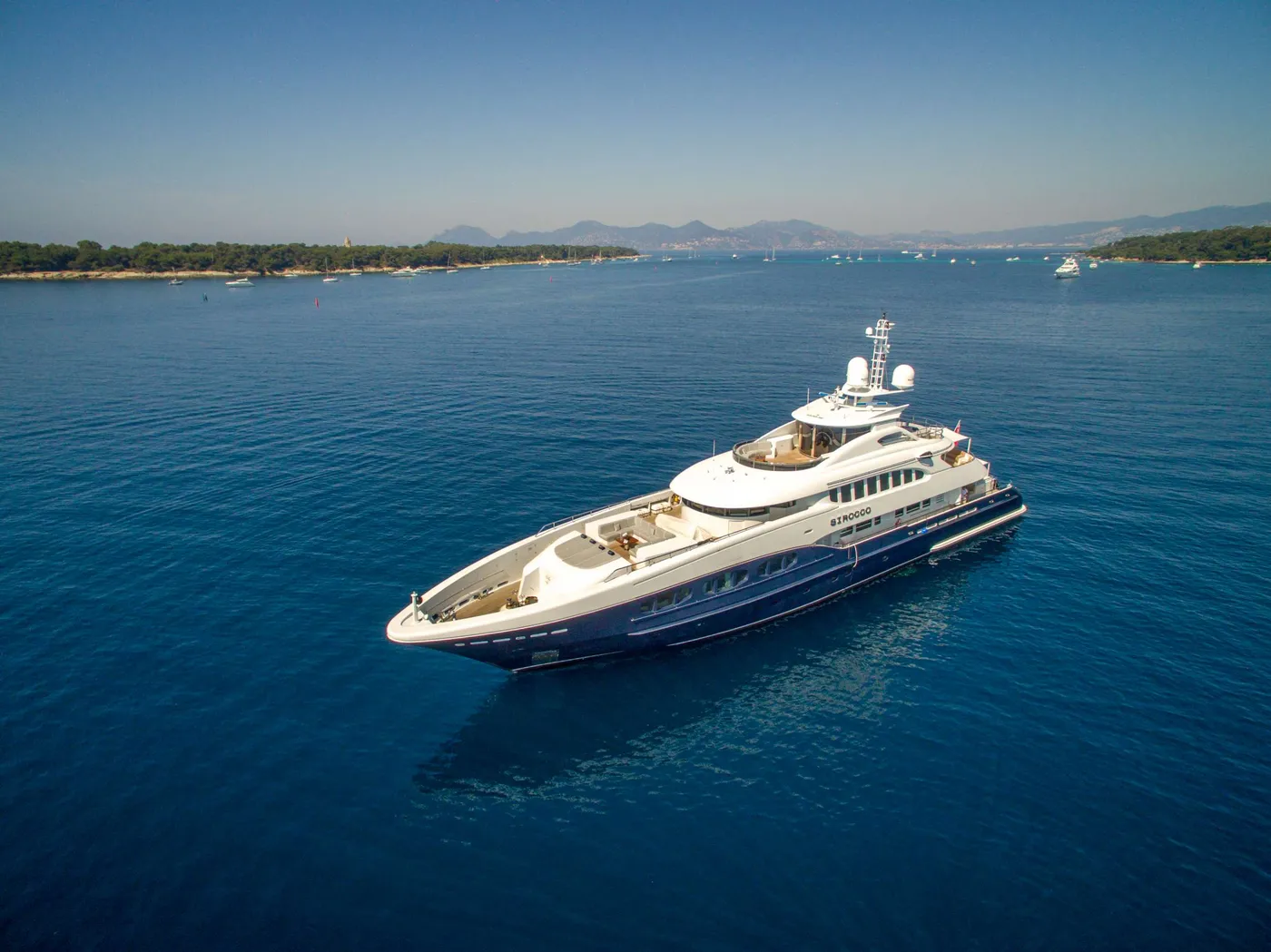
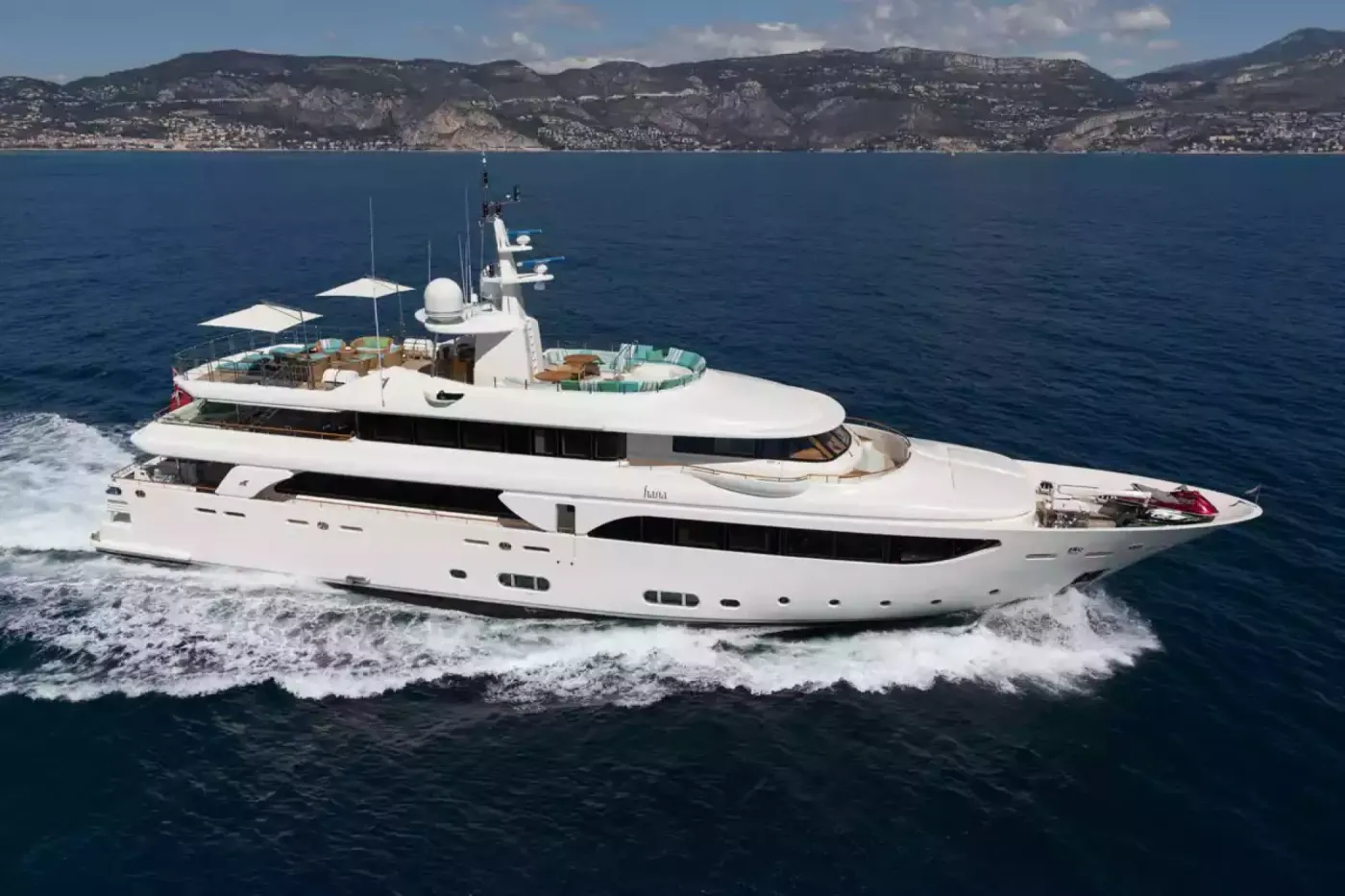
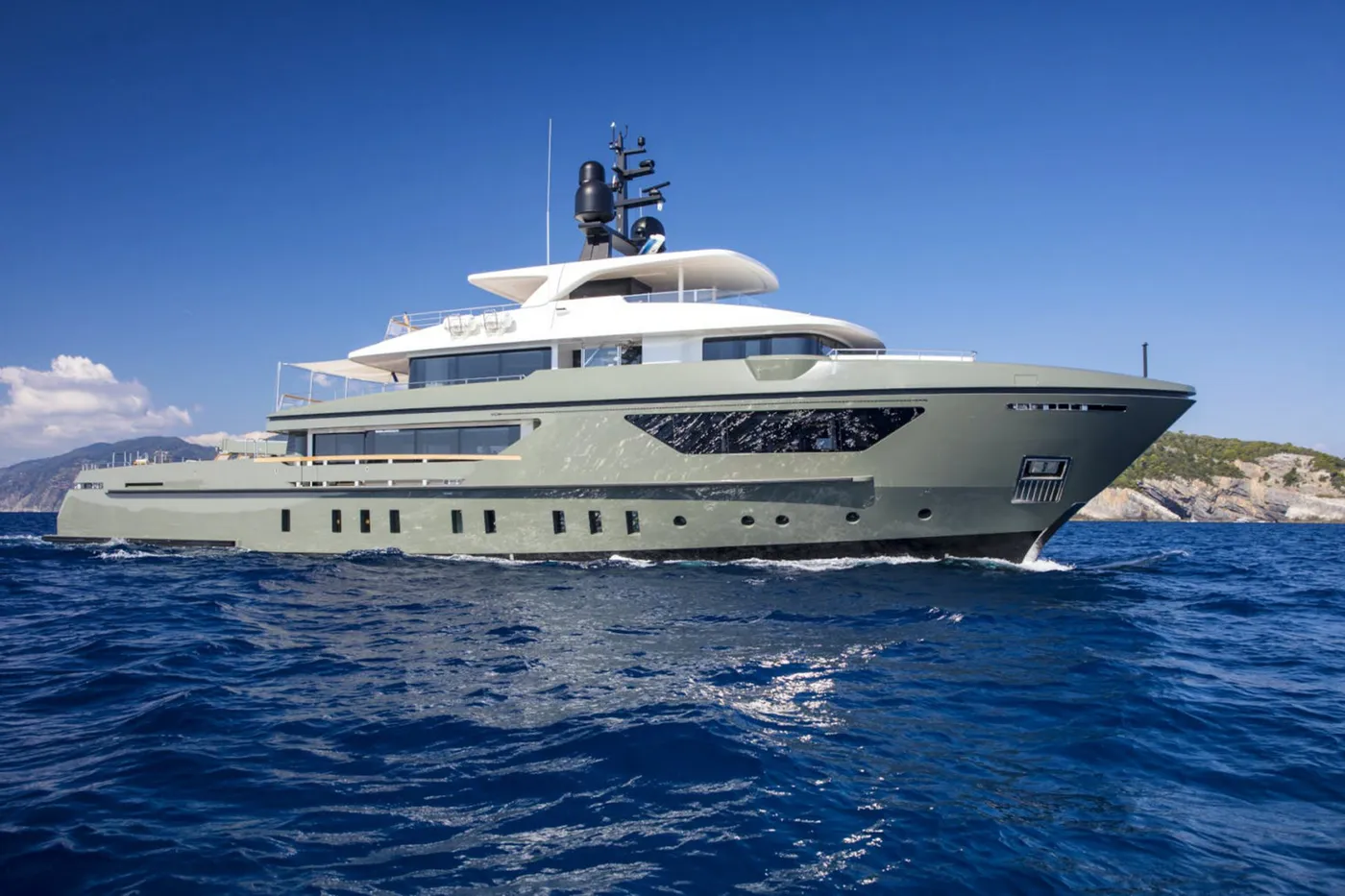
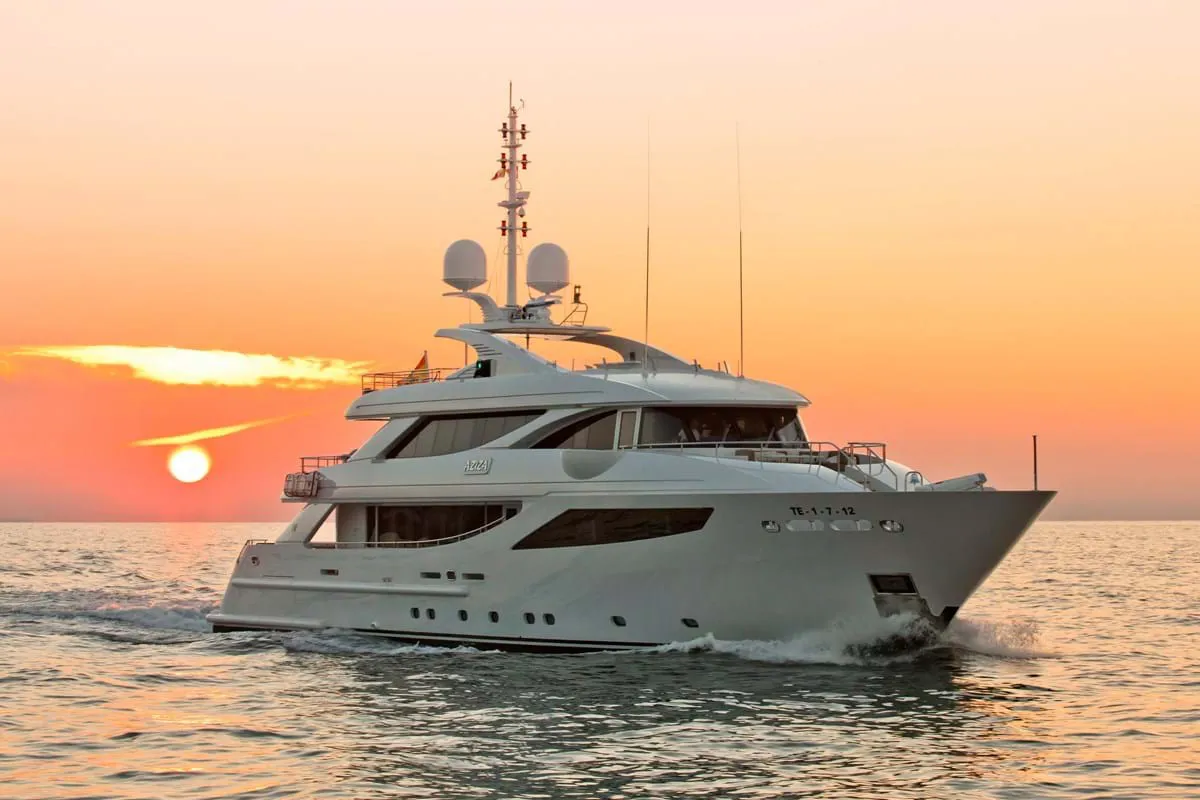
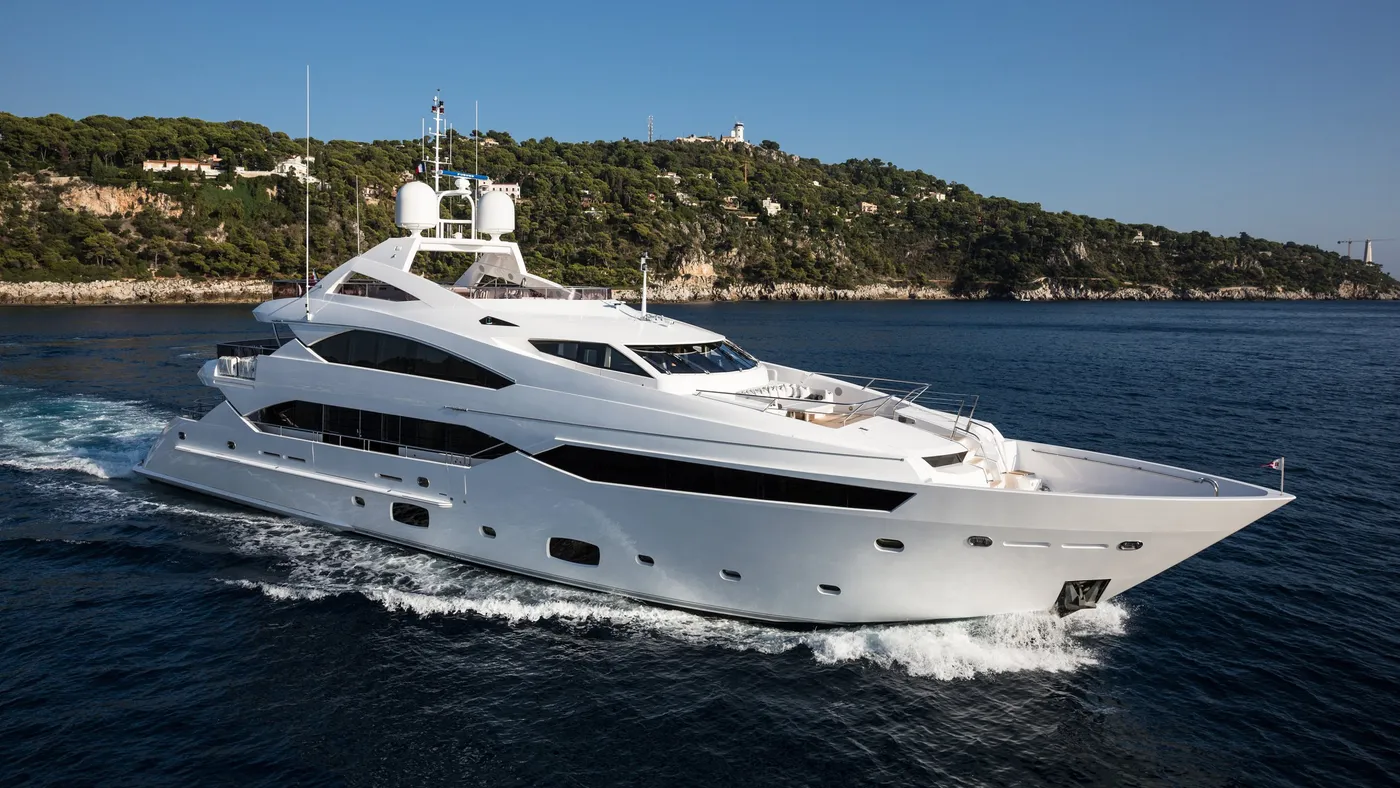
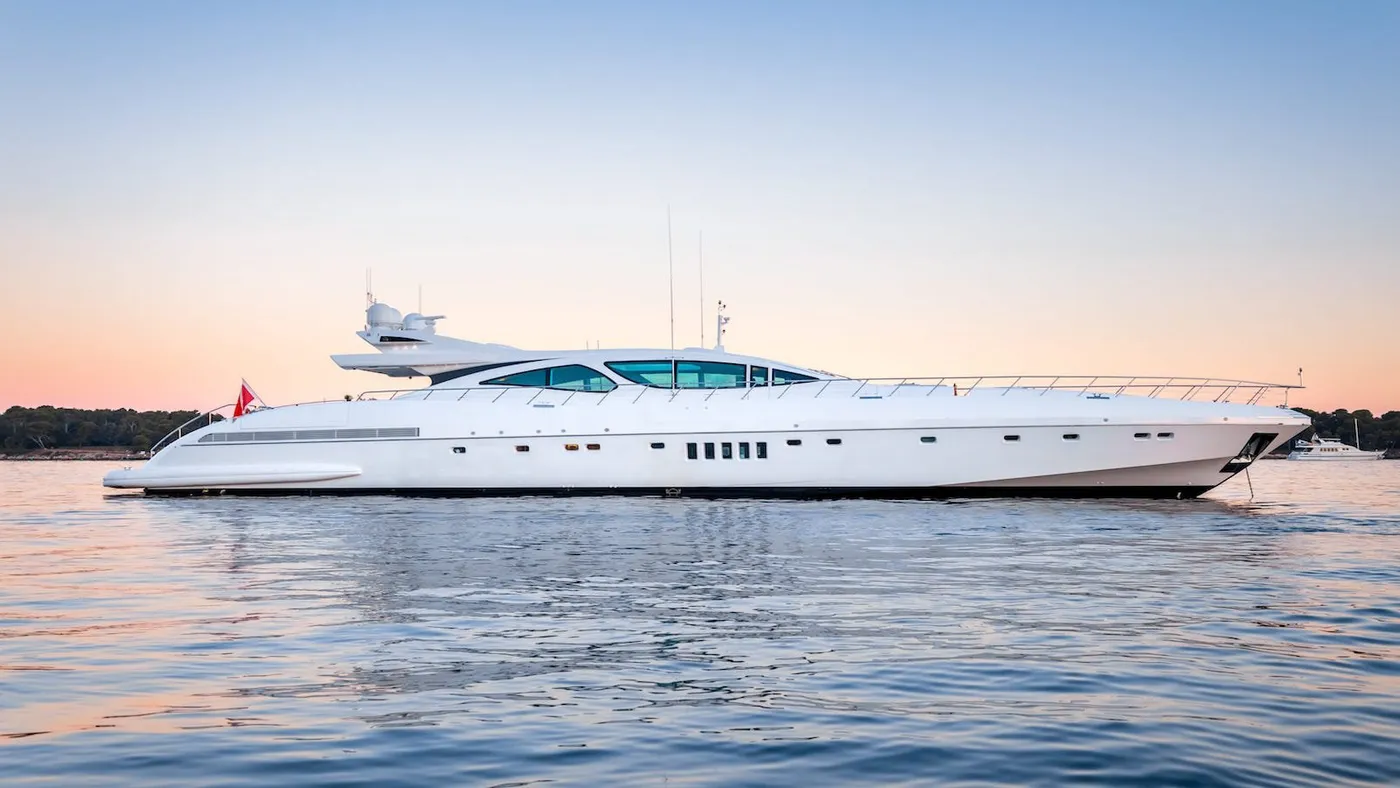
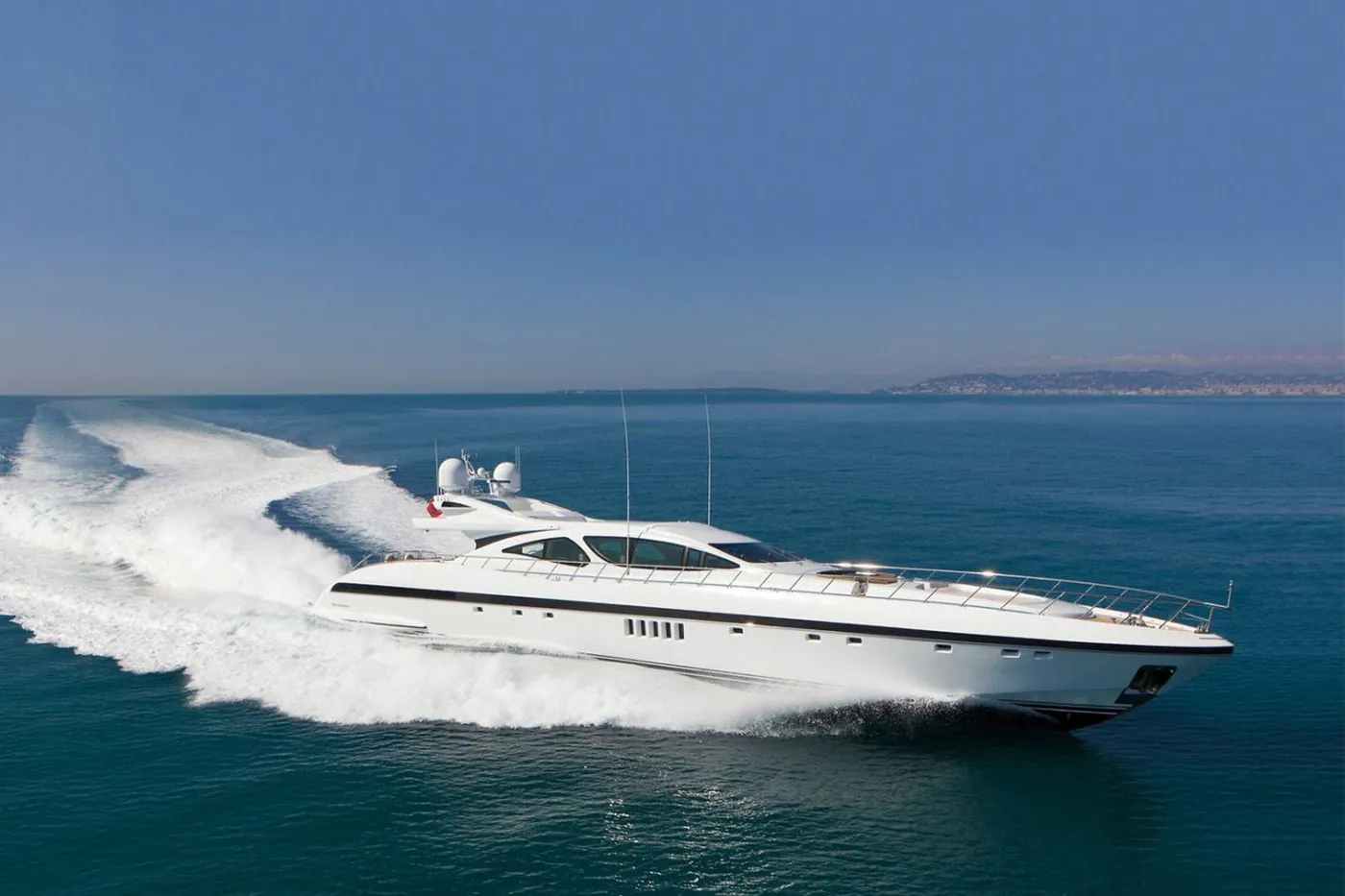
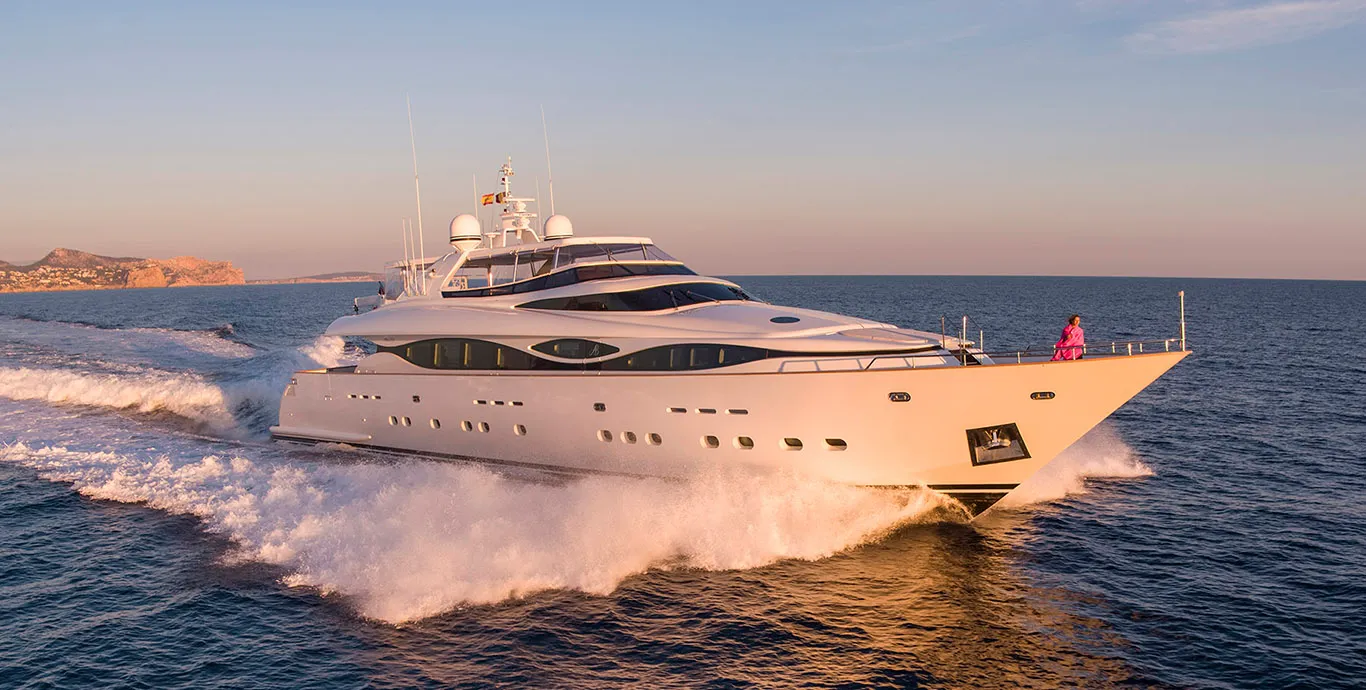
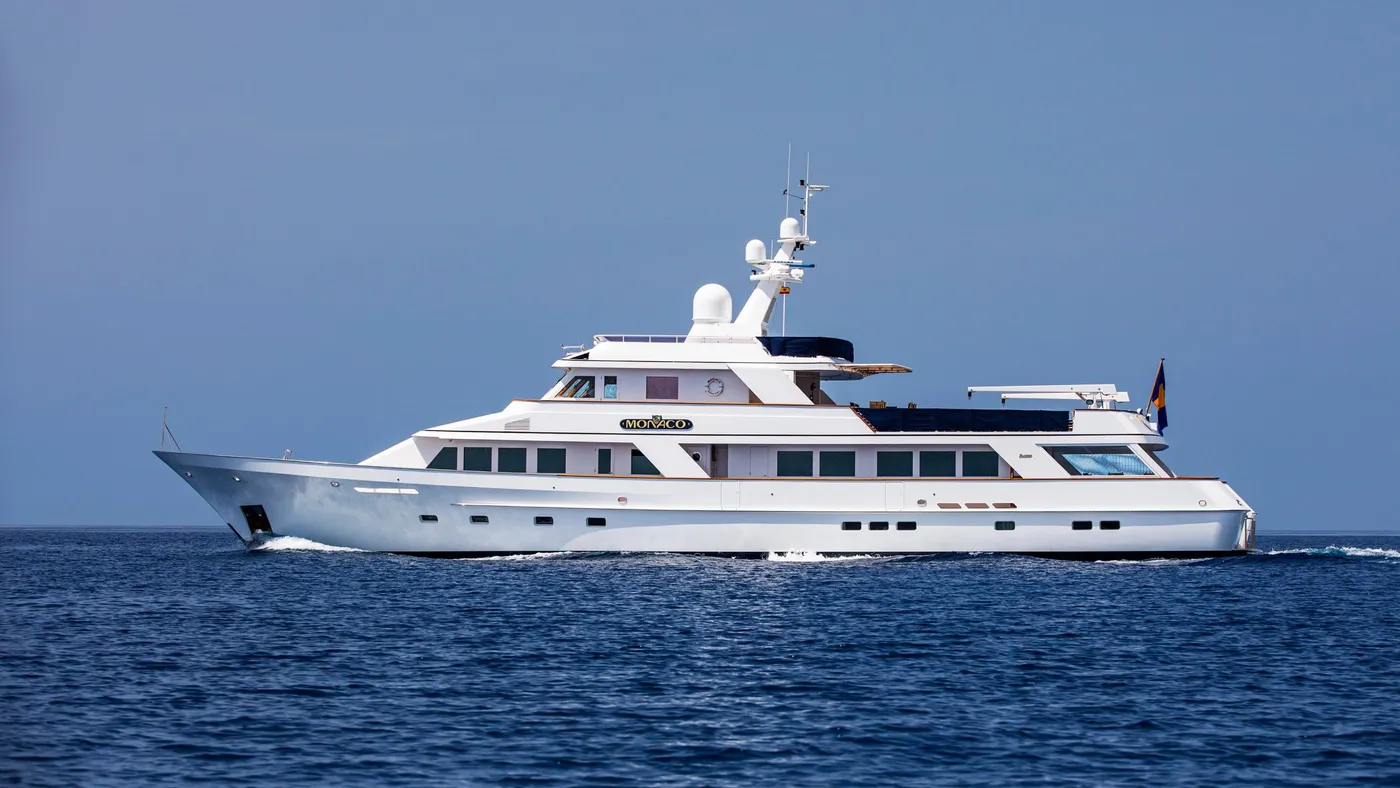
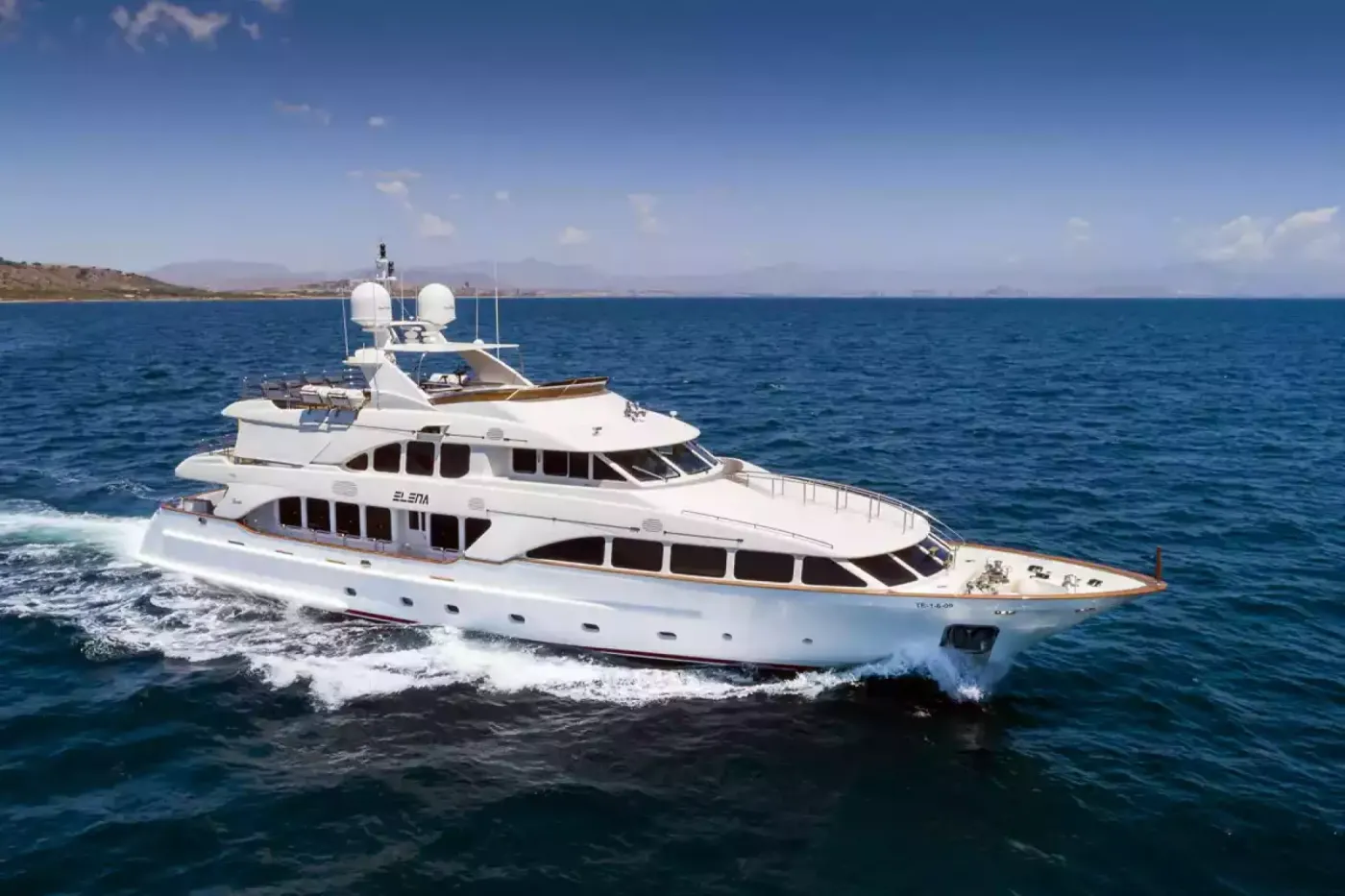
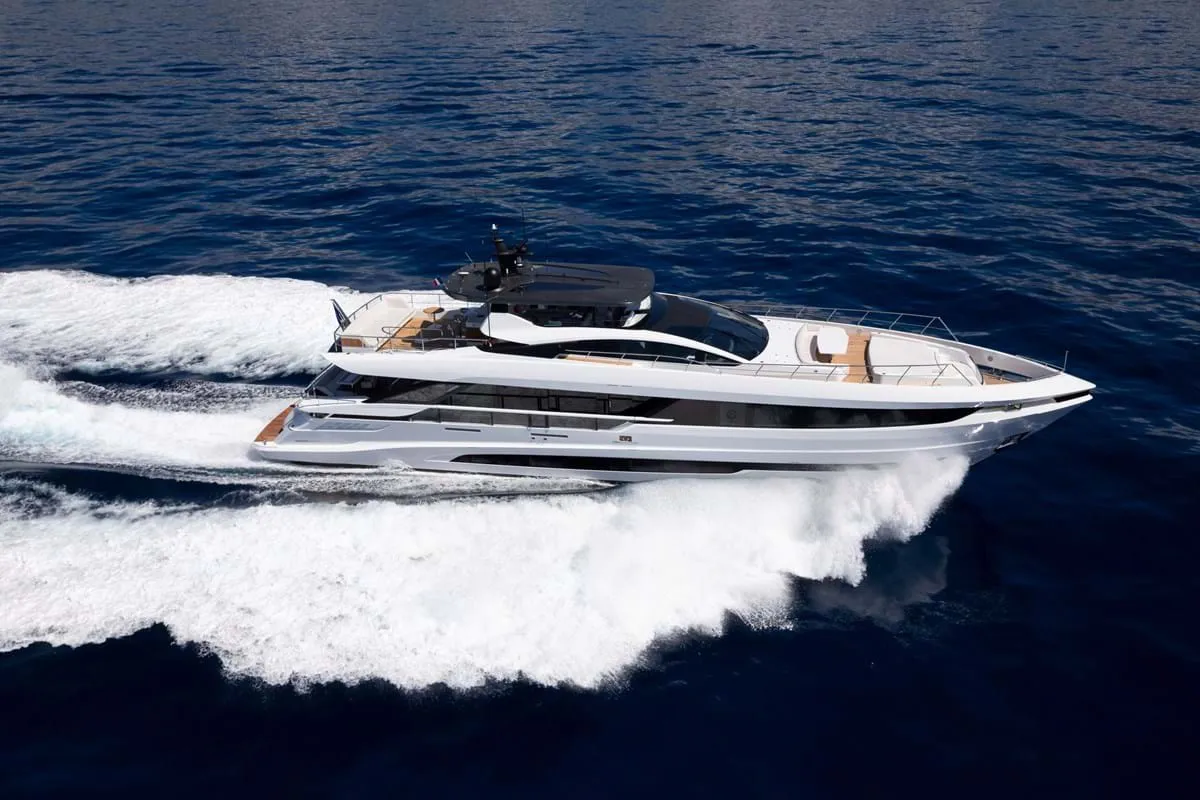
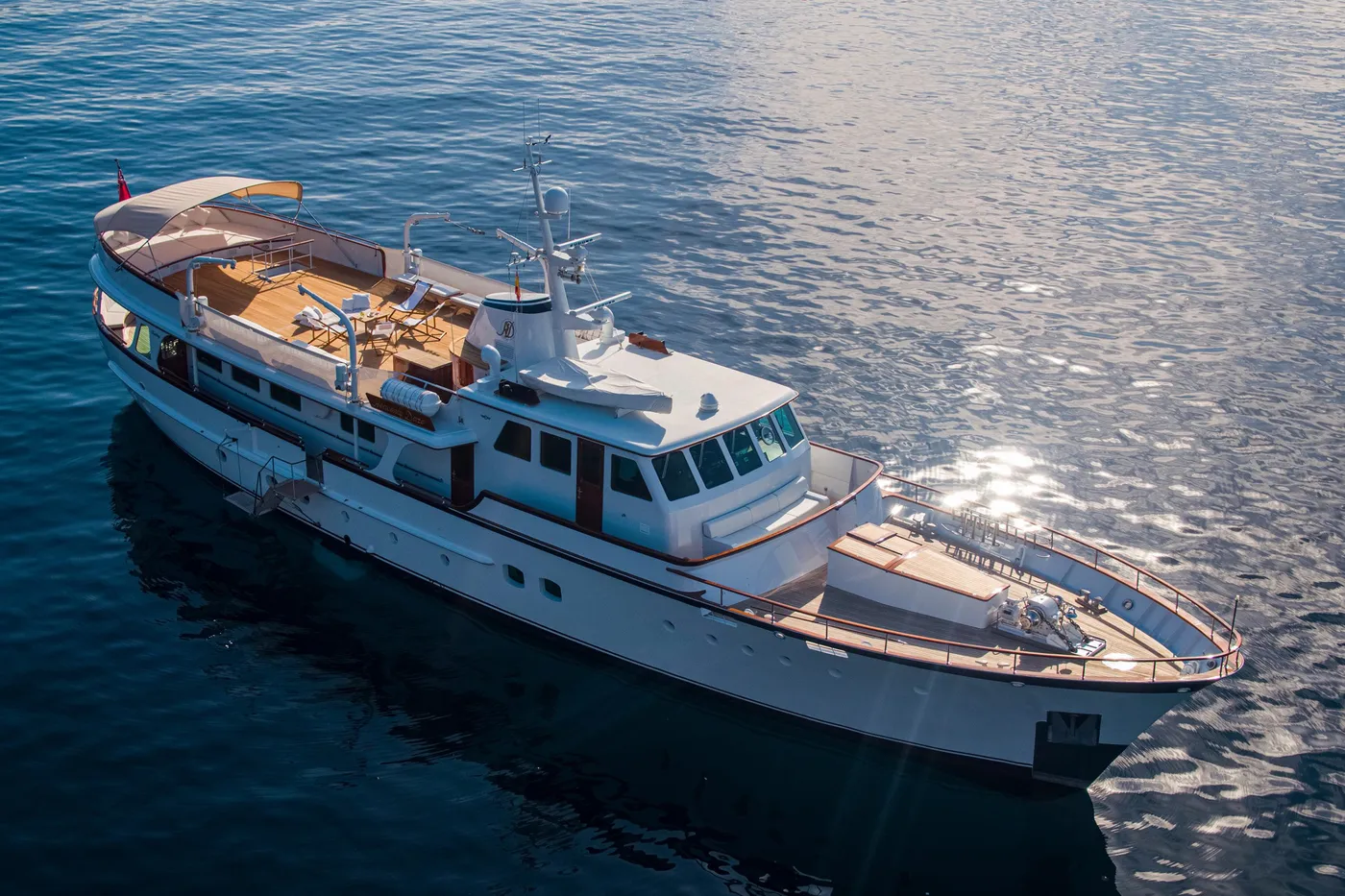
A 30–50 m motor yacht fits Ibiza well: fast enough to change plans at lunchtime, with deck space for a group and a crew used to beach-club logistics. A catamaran’s shallow draft suits Formentera’s sandy water.
- Motor yacht, 30–50 m. For the reasons above.
- Catamaran. Wide, stable and shallow-drafted, which is useful around Formentera’s sandy water.
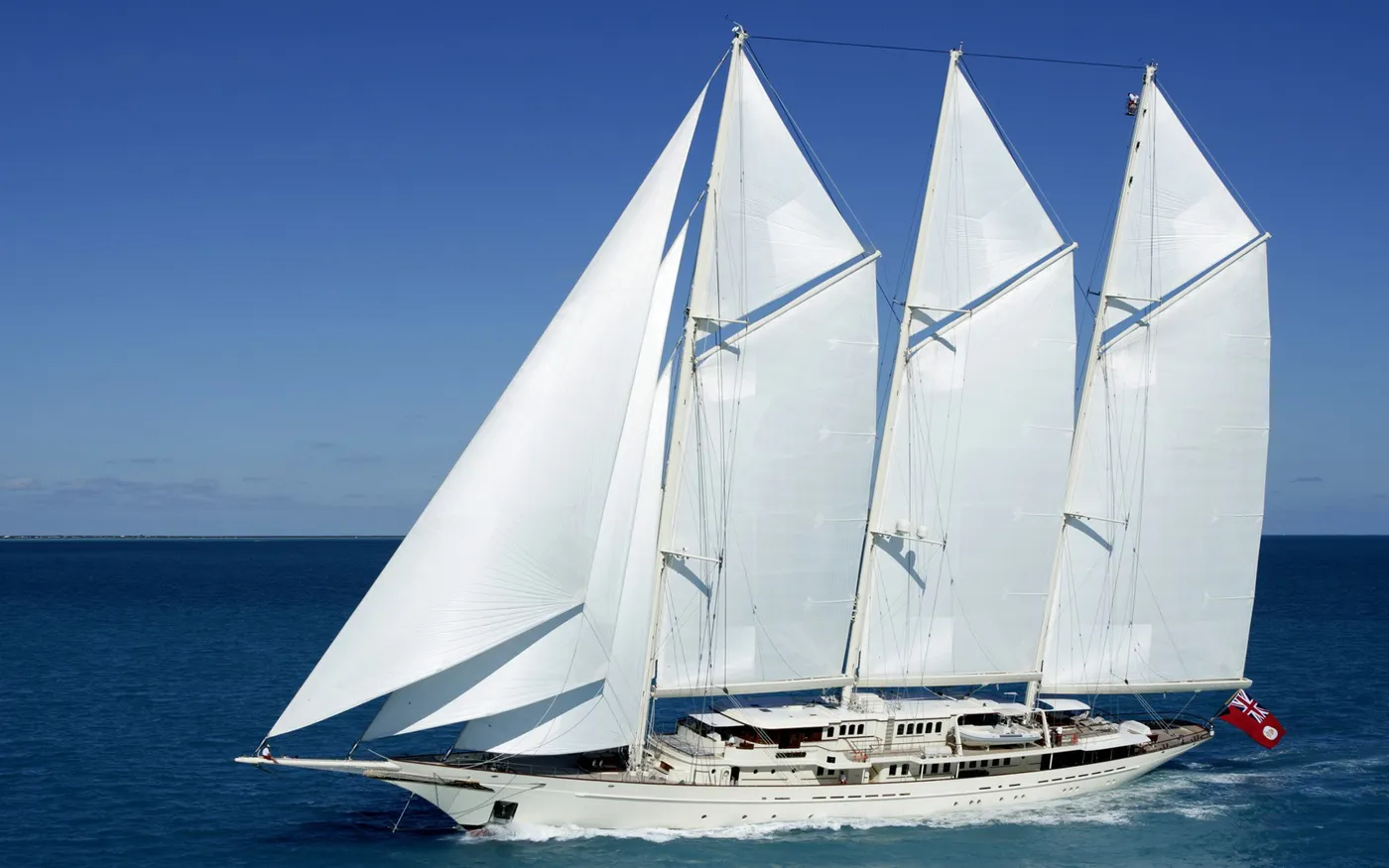
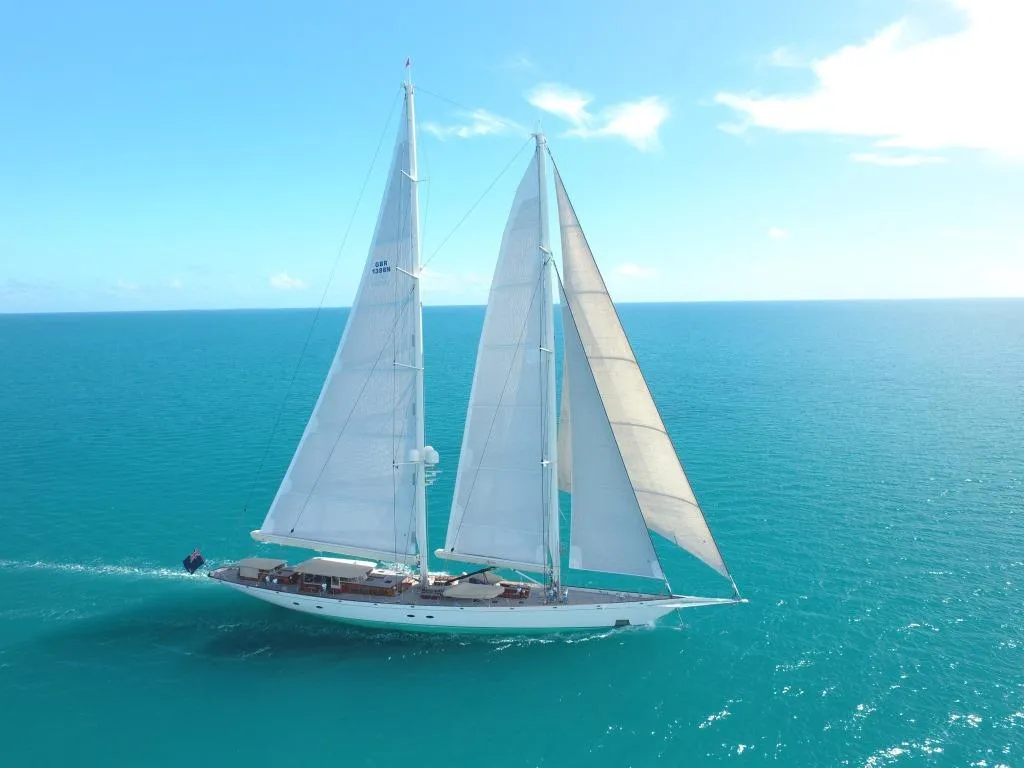
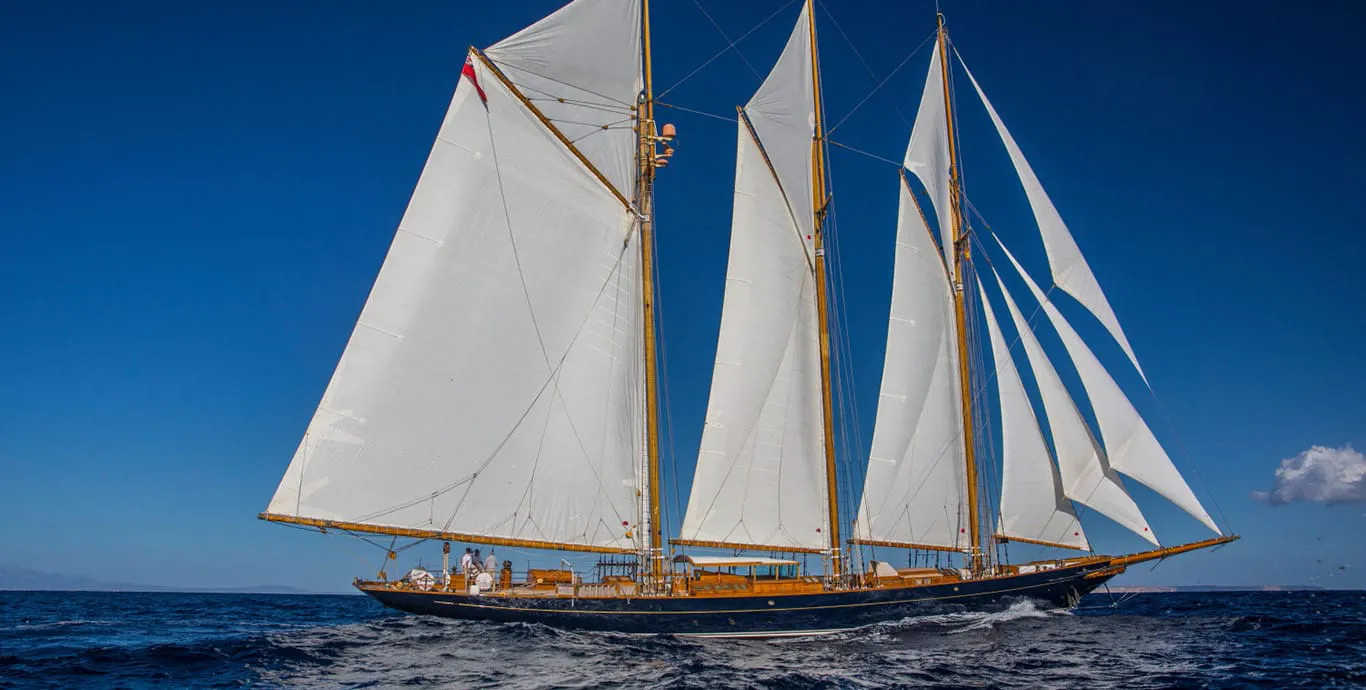
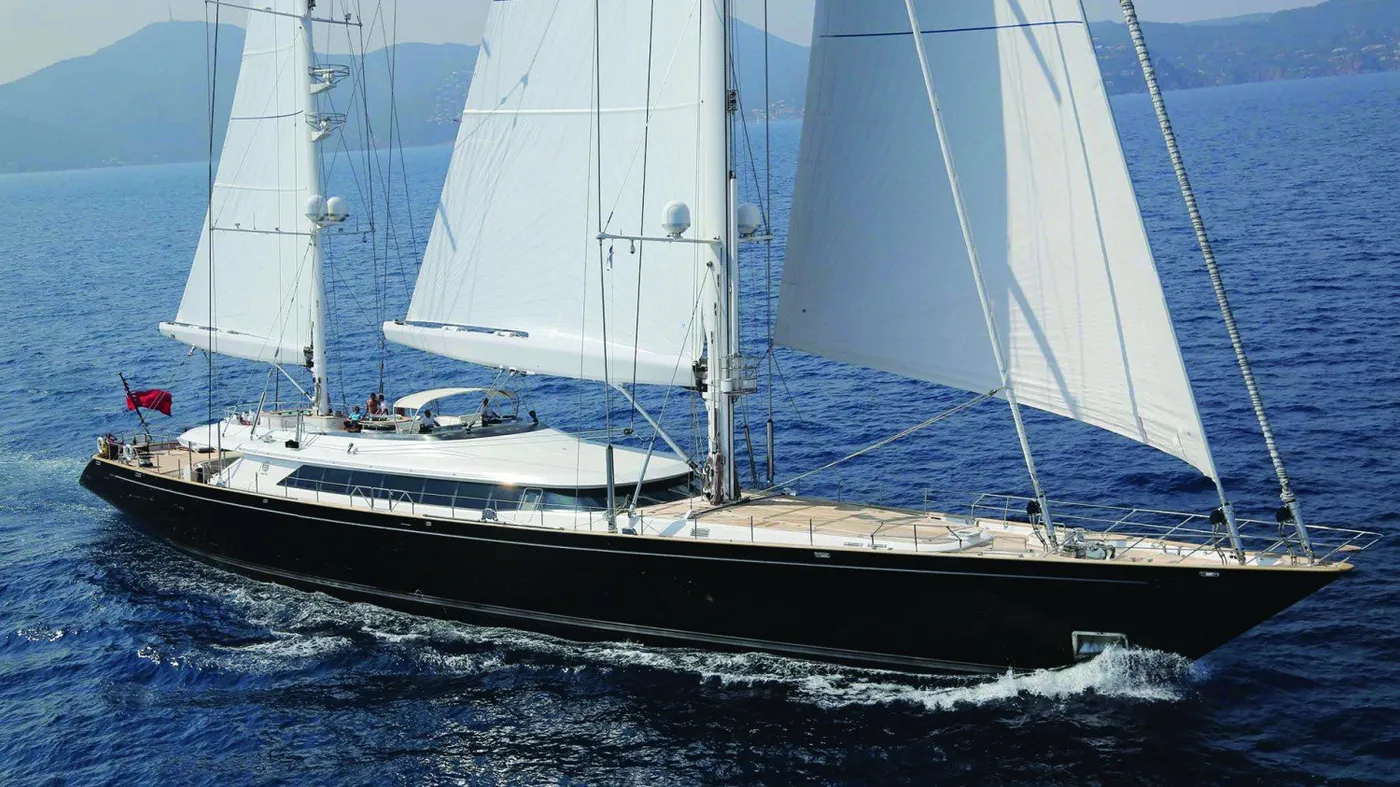
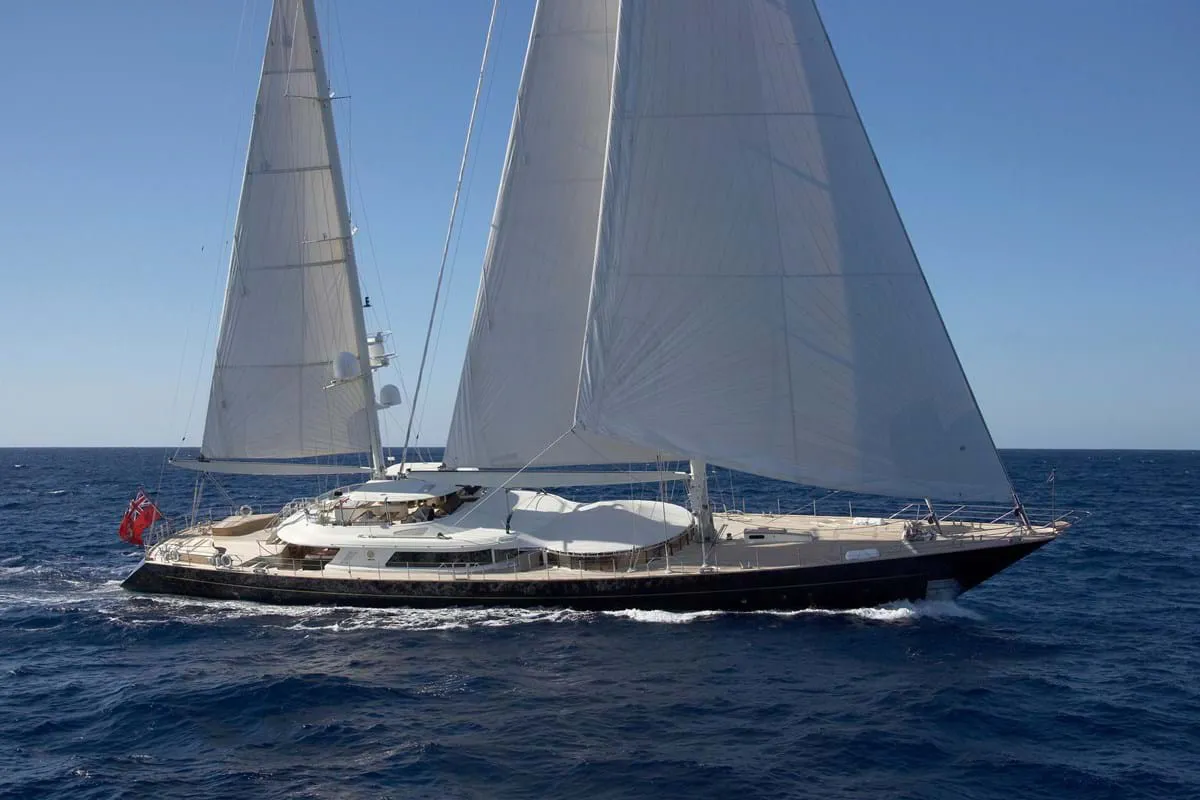
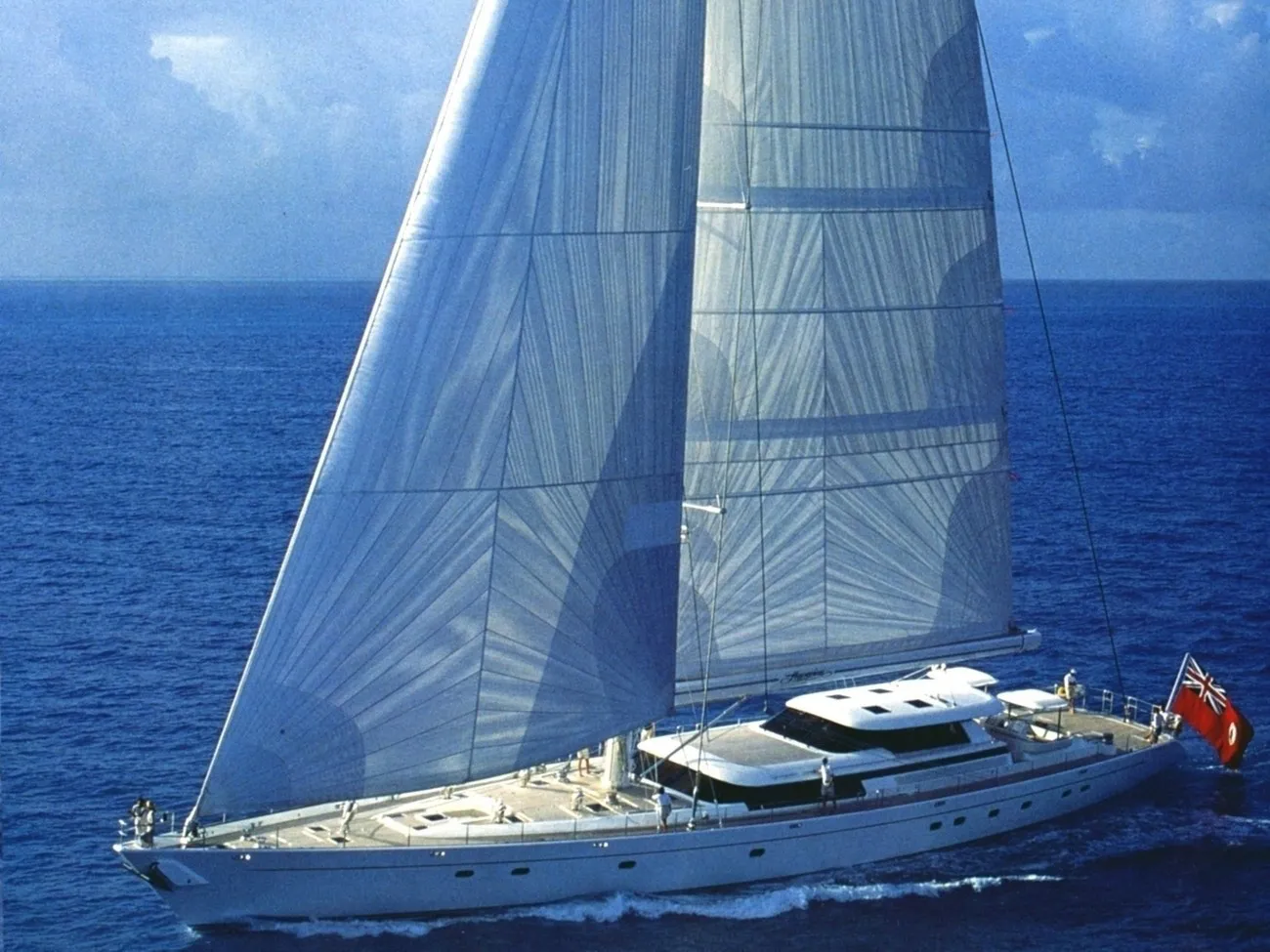
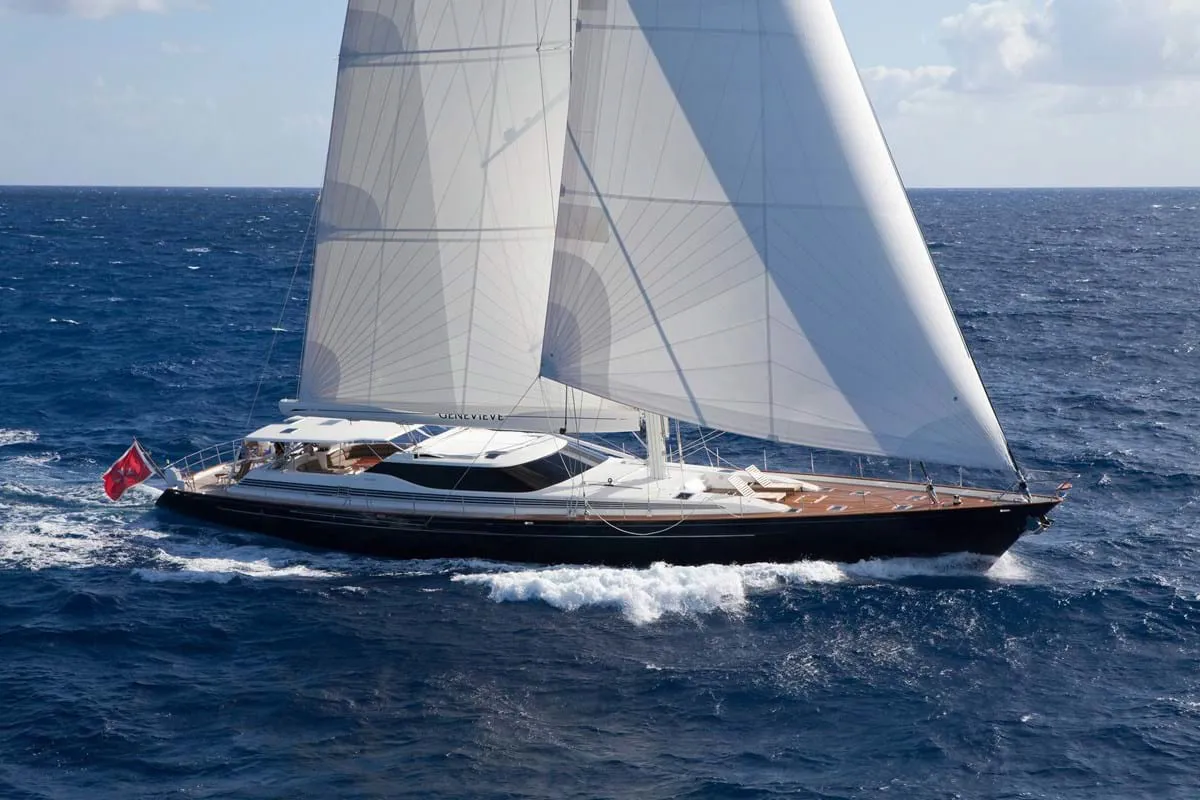
- Sailing yacht. Rewarding, but the distances are so short you will motor more than sail on many days.
- Larger yachts (60 m+). They work, but the anchoring rules and crowded coves mean they spend more time further out. Make sure the yacht has good tenders.
Ask about stabilisers, especially at anchor, and about water toys: jet skis are restricted near beaches and in protected areas, and the rules can change, so check what the yacht can use in Ibiza before you choose it for its toys.
Is Ibiza right for families, or only for parties?
Both work, but they are different charters, and it helps to say which one you want when you make your request.
With children. Formentera and Espalmador are the family side of the trip: shallow sandy water and short crossings. A catamaran or a motor yacht with a large swim platform makes the most of it. Ask for a crew with experience of children, life jackets in the right sizes and a stable tender. Plan short days on the water and long stops at anchor rather than a new cove every few hours.
With friends who want the island’s nightlife. The yacht becomes a floating base between Ibiza Town, Sant Antoni and the south-coast beach clubs. You will spend more nights near a marina, so the berth matters as much as the yacht. Say so early: a good berth in Ibiza in August is booked long before the yacht.
For a company or a celebration. A day or two may be enough. Many yachts in Ibiza are licensed for up to 12 guests overnight, and some can take more for day events. Check the guest limit for the specific yacht before inviting people.
Mixed groups. One option is to sleep at anchor off Formentera or the quieter east coast and go ashore by tender for the evenings that need it. The short distances make that easy.
What catches people out in Ibiza?
Mostly timing and anchoring:
- Arriving at Ses Illetes at noon in August. It is peak season and the yacht can only anchor on sand: go early.
- Booking one week in late August and expecting empty coves. It is peak season. Shift to September if your dates allow.
- Looking only at the base rate. APA, 21% VAT and the gratuity can add 60% or more to the headline figure.
- Expecting to anchor wherever you like. The posidonia rules make the captain’s job harder in the best coves. Trust their call.
Can you combine Ibiza with Mallorca?
Yes, with two weeks, or one way from Palma to Ibiza. The crossing between the two is a full passage, not a hop, so it suits a sailing yacht or a group that enjoys a day at sea. If you are weighing other Mediterranean summer bases, the French Riviera and Monaco guide covers one of the main ones.
Asking for Ibiza and Formentera options
The more a charter specialist knows about the shape of your week, the closer the first proposals will be: your dates (and whether they fall on an opening or closing party weekend), how many guests and whether children are coming, and whether you want nights near Ibiza Town and Sant Antoni or quiet anchorages off Formentera. With that you get yacht options and a realistic budget. The charter itself is contracted with the yacht’s owner through a licensed charter agency, usually under the MYBA agreement, with the full price and VAT clear before you sign. Send your request.