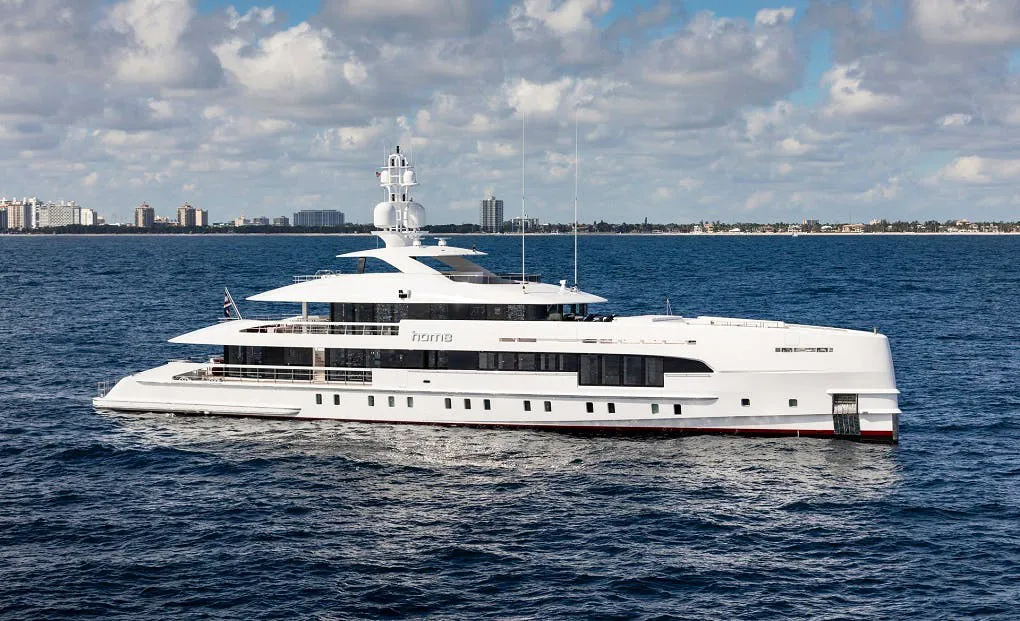
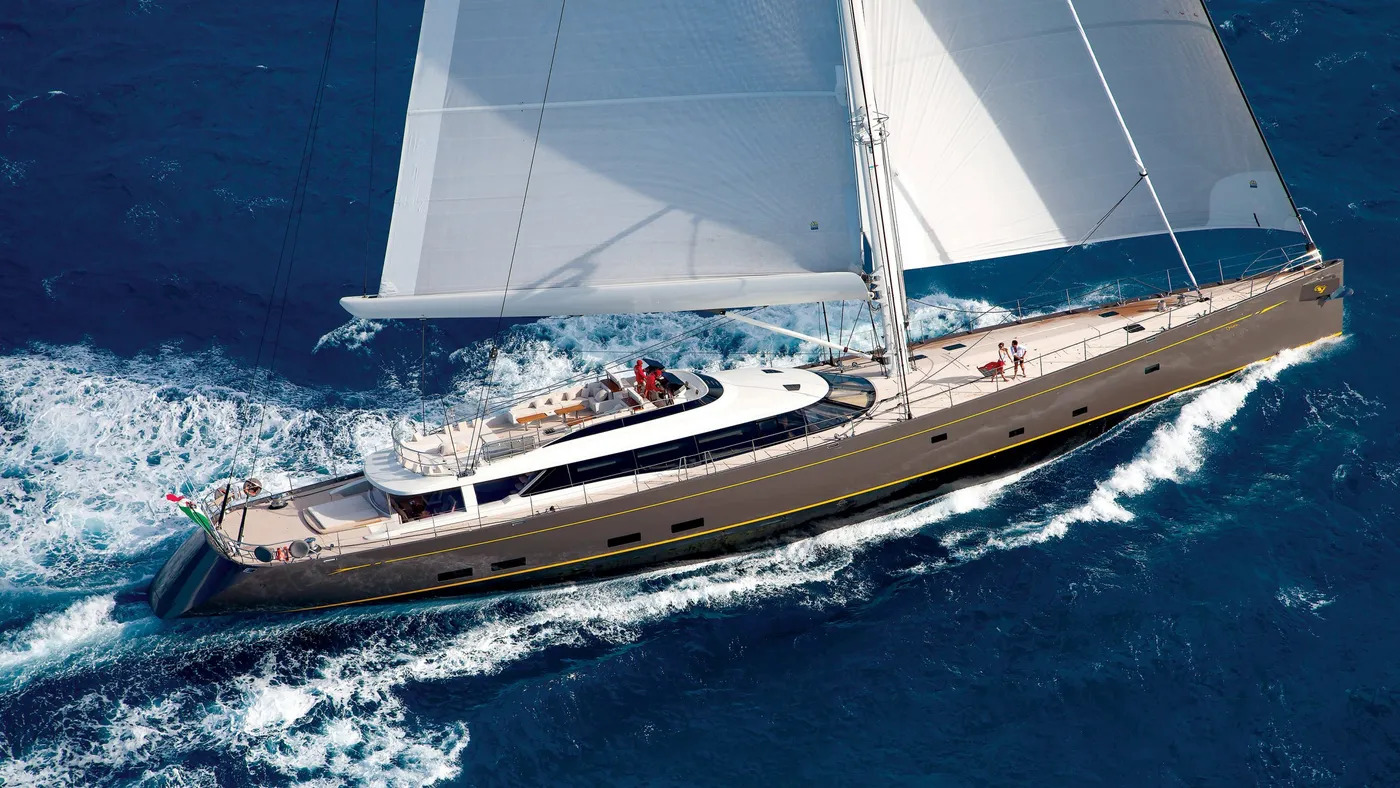
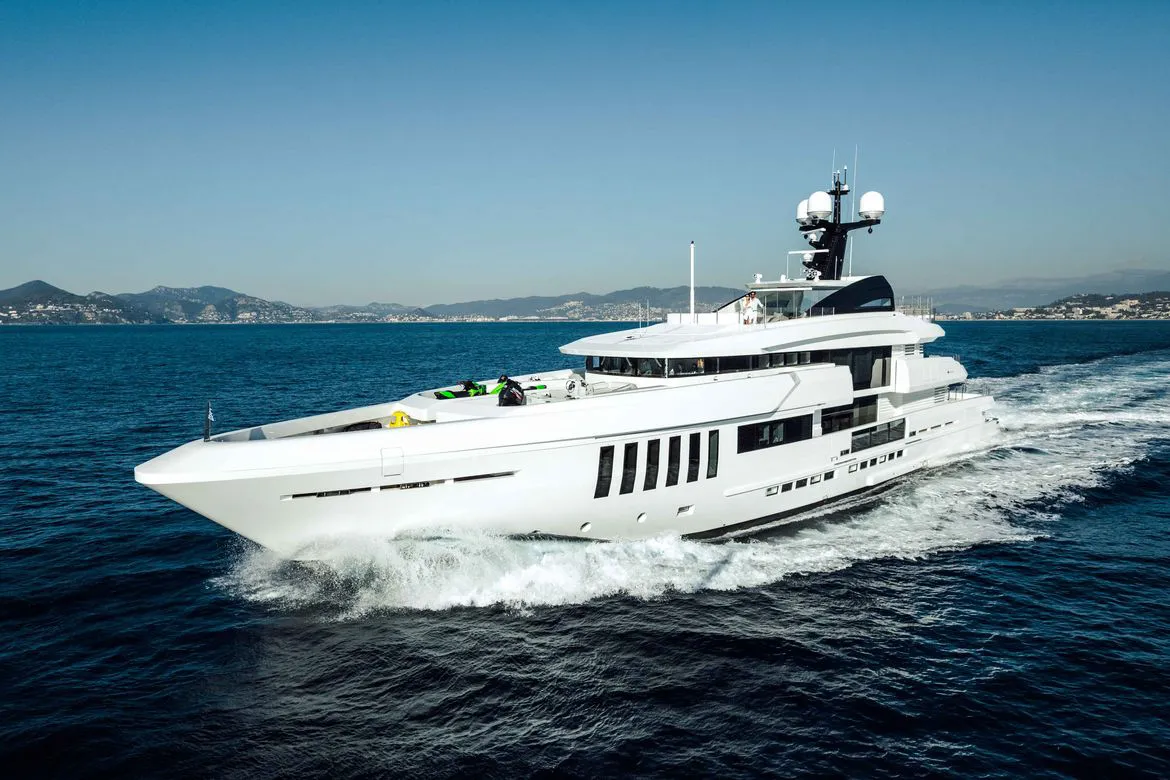
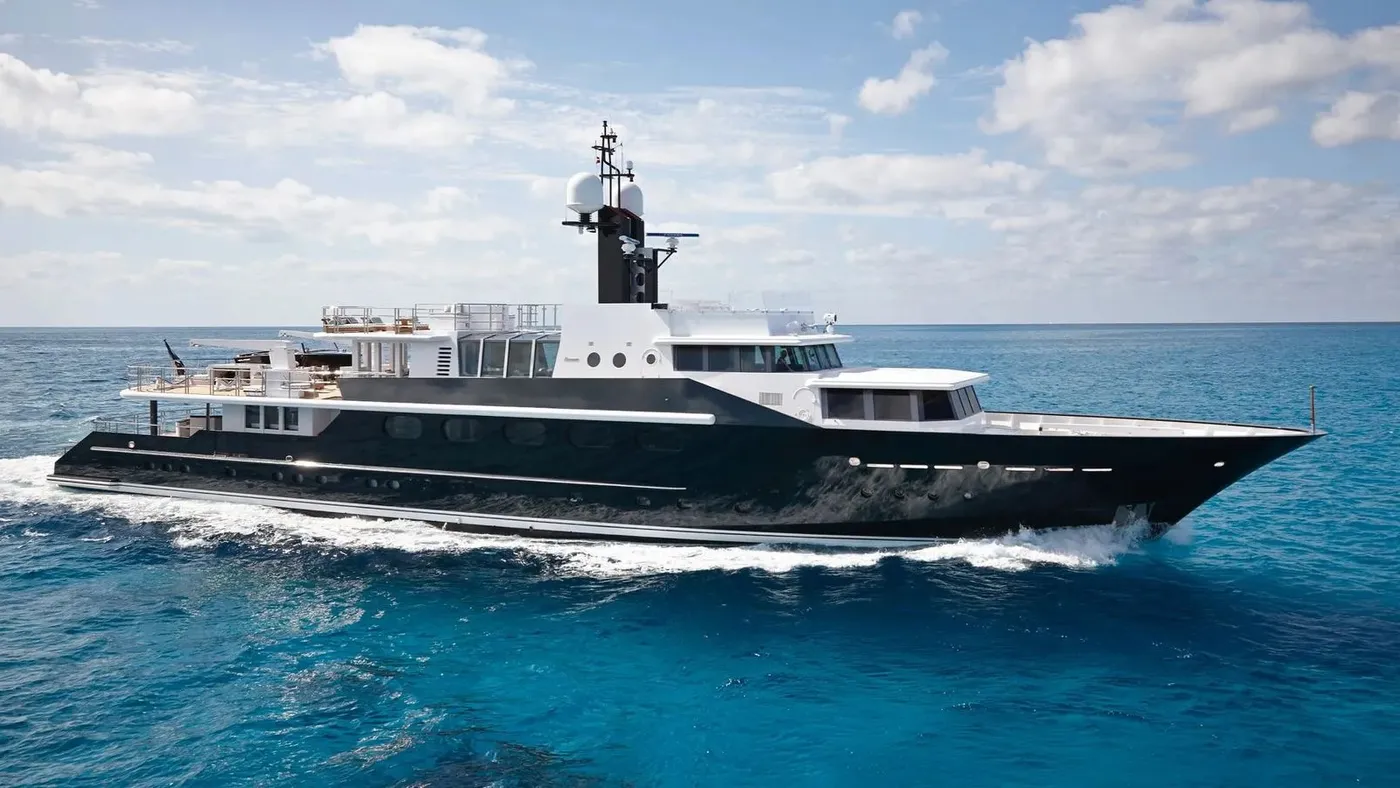
In this guide
- Cyclades, Ionian or Saronic: which Greek islands should you choose?
- What is the meltemi and how does it affect a charter?
- When is the best time to charter in Greece?
- Three seven-day routes in Greece
- What VAT applies to a yacht charter in Greece?
- How much does a yacht charter in Greece cost?
- Which yacht suits the Greek islands?
- Practical points before you go
- Common mistakes to avoid
- Which Greek islands are on your list?
In Greece the island group shapes the week more than the yacht does. For a first charter, or a group prone to seasickness, the Ionian or the Saronic usually give a better week in high summer, and the Cyclades (Mykonos, Paros, Milos, Santorini) are calmer in June and September than in July and August. If you do go in peak meltemi season, plan the route southwards and choose a larger yacht with zero-speed stabilisers. The effective VAT can also differ between two similar yachts, so compare totals, not base rates. Base rates for a crewed yacht start around €25,000 a week for smaller boats and pass €1 million for the very largest, with APA, VAT and a tip on top.
Cyclades, Ionian or Saronic: which Greek islands should you choose?
Choose the Cyclades for the iconic islands if your group does not mind some motion on crossings, the Ionian or the Saronic for calm water and short passages, and the Dodecanese for historic towns and quieter anchorages. The areas feel like different destinations. The table draws on Ocean Independence for the character, wind and best fit of each area; where it uses another source, the cell says so:
| Area | Character | Wind in summer | Best for |
|---|---|---|---|
| Cyclades | Around 220 islands, including Mykonos and Santorini. Whitewashed villages, nightlife, open-sea passages between islands. | Meltemi up to force 7 from mid-July to August; it blows from June to September, according to the Cyclades itinerary below. | Experienced sailors when the meltemi blows. |
| Ionian | Seven main islands. Lush green scenery, sheltered water. | Force 4–6, calmer. | First-timers. |
| Saronic | Islands close to Athens. Short, calm passages. | Calmer, force 4–6. | An easy first charter. |
| Dodecanese | Historic towns and quiet anchorages near the Turkish coast. | Not described by Ocean Independence; ask the captain. | Quieter islands and ancient ruins, according to Fraser. |
If this is your first charter and you are not sure how your group will cope with the sea, the Ionian or the Saronic are the safe bet. If the Cyclades are the point of the trip, they are entirely doable on the right yacht with a flexible route; the next section explains how.
The Cyclades, island by island
- Mykonos. The social centre: beach clubs, restaurants, nightlife. Busy in July and August.
- Paros and Antiparos. Lively but relaxed, with sandy, shallow bays between the two islands that suit families and water toys.
- Naxos. The largest of the Cyclades, with long beaches and mountain villages inland.
- Milos. Volcanic coastline, sea caves and coloured rock formations, best seen from the tender.
- Sifnos, Serifos and Folegandros. Smaller, quieter islands with good food and dramatic villages.
- Santorini. The caldera views are the reason to go; plan it as a highlight rather than a base.
What is the meltemi and how does it affect a charter?
The meltemi is the seasonal northerly wind of the Aegean. The authors of the Yacht Warriors Cyclades itinerary, which the route below follows, describe it as a dry, steady northerly that blows from June through September. Ocean Independence says that from mid-July to August it can reach force 7 in the Cyclades, while the Ionian and Saronic stay calmer, with force 4–6 winds.
What it means in practice:
- Plan the direction of travel. Because the meltemi blows from the north, heading south through the Cyclades is far more comfortable than heading north. The same itinerary is planned downwind, with the meltemi, and its authors advise keeping the harder legs for early morning, when the wind is lighter.
- Swap islands, not days. On a windy day the captain will choose the south-facing coves of the island you are on, or an island in the lee of another. A good Cyclades plan has alternatives built in.
- Choose the boat for the wind. A larger motor yacht with zero-speed stabilisers rides out the meltemi far better than a small, light boat. On a sailing yacht, the meltemi can mean exhilarating sailing for keen sailors and an uncomfortable day for others.
- Consider June or September. The meltemi is at its strongest in July and August. In June and September the Cyclades are usually calmer, the sea is still warm and the islands are less crowded.
There is no rule that guarantees a calm week. The forecast, and a captain who adapts to it, matter more than any calendar.
What a meltemi-season day looks like on board
On a typical July day in the Cyclades, the captain checks the forecast at breakfast and picks the day’s plan around it. If a crossing is needed, the yacht moves early, while the wind is usually lighter, and arrives at the next island before lunch. The afternoon is spent at anchor in a cove sheltered from the north, with the tender and water toys out on the calm side. In the evening you go ashore by tender for dinner in the village, and the yacht either stays at anchor or moves to a sheltered berth for the night. On the strongest days you may stay put: a long lunch ashore and an afternoon on a protected beach is still a very good day. Guests who arrive with that rhythm in mind enjoy the Cyclades far more than those who arrive with a fixed island list.
When is the best time to charter in Greece?
Greece’s charter season runs from April through October, with July and August as high season, according to Fraser. For the Cyclades, June and September combine warm water with calmer winds and fewer crowds; in July and August the Ionian and Saronic stay calmer, with force 4–6 winds, and the sea is warmest in late August, at around 26 °C, according to Ocean Independence.
| Month | What to expect |
|---|---|
| April–May | Spring flowers, quiet islands, water still cool. Good for sightseeing and the Saronic or Ionian. |
| June | Warm, long days, a lighter meltemi than in July and August, islands lively but not full. |
| July–August | Peak heat, peak demand, the meltemi at its strongest in the Cyclades. Ionian and Saronic calmer, force 4–6. |
| September | Warm sea, calmer winds, fewer crowds. Excellent for the Cyclades. |
| October | Shorter days, some island restaurants closing. Good value. |
Most Greek charters run Saturday to Saturday in high season, and most last seven nights. Shorter charters are possible on smaller yachts or in the shoulder months, and ten to fourteen nights let you combine two regions or reach the Dodecanese.
Three seven-day routes in Greece
Cyclades: Athens to Mykonos
The table follows a seven-day Athens-to-Mykonos itinerary published by Yacht Warriors, whose authors built the route to fit a sailing yacht and planned it downwind, with the meltemi. It is a week of island capitals, fishing villages and strips of sand, with most legs heading south or east.
| Day | Route | Highlights |
|---|---|---|
| 1 | Athens (Alimos Marina) to Kea | Embark; the crossing to Kea, the closest Cycladic island to the mainland, and a night at anchor off Vourkari. |
| 2 | Kythnos | Kolona, a strip of sand with open sea on both sides. |
| 3 | Syros | Ermoupoli, the capital of the Cyclades, and the medieval quarter of Ano Syros. |
| 4 | Paros | Naoussa, the fishing village on the north coast. |
| 5 | Antiparos and Mykonos | A morning swim off Antiparos, then the afternoon crossing to Mykonos. |
| 6 | Delos and Mykonos | The morning at the archaeological site of Delos; the afternoon in Mykonos town and Little Venice. |
| 7 | Mykonos | A day at anchor with no passage. |
| 8 | Mykonos | Disembark; Mykonos has an airport. |
Before you plan
The exception to the southward run is the crossing from Paros to Mykonos, which runs north-east; the itinerary warns that the channel between the two islands can funnel the meltemi, so the captain chooses when to cross. The week ends in Mykonos: Fraser notes that repositioning fees may apply when you embark or disembark away from Athens, the base for most yachts.
Delos is a day stop, and the yacht returns to an anchorage off Mykonos for the night. The site keeps the hours set by the Ephorate of Antiquities of the Cyclades: in autumn it opens daily at 08:00 and closes earlier as the season advances, at 19:30 in the first half of September and at 16:00 in November, and it is closed from December to March, with visits only on written request. Check the hours for your dates on the Ephorate’s page. For Santorini and Milos, the itinerary recommends a separate southern Cyclades route on a motor yacht, because there the legs are 50 nautical miles or more.
Saronic and the Peloponnese: a round trip from Athens
The easiest week in Greece for first-timers: short passages between harbour towns, pine-covered bays and ancient temples. The table follows an eight-day Athens-to-Athens itinerary through the Saronic Gulf and the Peloponnese published by YachtCharterFleet, presented for motor or sailing yachts.
| Day | Route | Highlights |
|---|---|---|
| 1 | Athens | Embark; an afternoon in the Plaka or at the Temple of Olympian Zeus, or a first swim at Russian Bay on Poros. |
| 2 | Spetses | At anchor off Zogeria Bay, with its coves and beaches; the town ashore in the evening. |
| 3 | Nafplion | Neoclassical houses, Venetian architecture and the Palamidi fortress above the town. |
| 4 | Porto Cheli | A sheltered bay ringed by pine-covered hills; the water toys out in its coves. |
| 5 | Hydra | A car-free island: the walk up Mount Eros and the house museums of Hydra town; the yacht stays off Mandraki (see below). |
| 6 | Agistri | Mariza Bay and the pine-covered interior of a small, quiet island. |
| 7 | Aegina | The Temple of Aphaia and the fishing village of Perdika. |
| 8 | Athens | The last passage back to Piraeus; disembark. |
For a 30–50 m yacht
Two harbours on this route are small for a yacht of this size. The figures come from a BOAT International article of 2019, so check with the captain how things stand today before you count on them.
- Hydra. The port is tiny, with buoys at Mandraki cove for yachts drawing under five metres, a 30-minute walk from the old town. A large yacht does not count on the harbour and spends the Hydra night off Mandraki, on a buoy if its draught allows.
- Spetses. A stern-to berth in the Old Harbour (Baltiza) is for yachts of 20 metres and under, so a larger yacht stays at anchor, as the itinerary plans it off Zogeria, and guests go into town by tender.
Ionian: Corfu, Paxos, Ithaca and Kefalonia
The table follows a seven-day Ionian itinerary published by Yacht Warriors, presented as a sailing week: green islands, small harbours and swims in sheltered bays. It starts at Gouvia Marina on Corfu and finishes back at Gouvia or, if your flights suit it, at Preveza on the mainland.
| Day | Route | Highlights |
|---|---|---|
| 1 | Corfu (Gouvia Marina) to Syvota | Embark; the short crossing to Syvota on the mainland coast and its Blue Lagoon. |
| 2 | Paxos | A swim in Lakka Bay, then the evening at Loggos. |
| 3 | Antipaxos and Parga | The beaches of Voutoumi and Vrika; the evening at Parga, below its Venetian castle. |
| 4 | Meganisi | Through the Lefkada canal (see below); Spartochori above Porto Spilia, then Rossa Bay. |
| 5 | Ithaca | Kioni and Frikes. |
| 6 | Kefalonia: Fiskardo | The island’s only intact Venetian waterfront and a swim at Emblisi Beach. |
| 7 | Assos and Myrtos | Kefalonia’s west coast and an optional swim at Porto Katsiki on Lefkada; then either an overnight passage back to Gouvia or disembarkation the same day at Preveza. |
| 8 | Gouvia | Disembark, if the week did not end at Preveza the evening before. |
Before you plan
On day 4 the yacht goes through the Lefkada canal, between the island and the mainland. Noonsite gives a minimum dredged depth of 4.5 metres, so a yacht that draws more cannot count on it. The floating bridge across the canal opens to vessels only at set times, published by the Hellenic Navy Hydrographic Service in its navigational warnings, and in July 2025 it closed to boats when its safety certificate expired; boats then had to sail round Lefkada’s coastline. Ask the captain whether the canal is open for your dates and whether the yacht fits it. The return from Kefalonia to Corfu is an overnight passage, and the itinerary does not give its distance.
What VAT applies to a yacht charter in Greece?
Greece’s standard VAT rate is 24%, but charters that meet the Greek rules pay a reduced effective rate. IYC’s tax summary, updated in May 2026, puts the effective rate for eligible charters generally between 5.2% and 13%, and says 24% may apply when the conditions are not met. Fraser’s Greece page also notes that the 24% rate may be reduced depending on the itinerary.
Which rate applies depends on the yacht’s licence and flag, the length of the charter and the itinerary:
- Greek-licensed charter yachts. The reduced rates apply when the yacht and the charter meet the legal conditions, and the agency will tell you the exact rate for your yacht.
- Foreign-flagged commercial yachts over 35 metres. Since 2024, these can charter in Greece through the digital e-Charter Permission. According to Stephenson Harwood’s May 2025 briefing, VAT for yachts certified for international voyages is 5.2% (6.5% for domestic voyages), the yacht must pay a charter fee and at least 70% of the VAT at least two weeks before the charter starts, and each yacht is limited to 21 charter days per calendar year, extendable by 7. The permission is available to steel, aluminium or plastic-hulled yachts, not wooden ones.
In practice, the VAT figure is written into the contract before you sign, and it can vary between two similar yachts. These rules have changed several times in recent years, so the contract figure is the one to compare. For a comparison across countries, see our guide to yacht charter VAT by country.
Is there a cruising tax in Greece?
Yes. Greece charges a fee on recreational and professional vessels over 7 metres, known as TEPAI, which the Greek tax authority (AADE) collects digitally. It is charged on the vessel, whatever its flag, so ask whether your quote includes it. If a quote lists any Greek fee separately, ask the agency what it is and whether it is final.
How much does a yacht charter in Greece cost?
According to Fraser, a 35-metre motor yacht in Greece starts at approximately €73,000 a week in low season, yachts of 50 to 56 metres range from €169,000 to €300,000 a week, and a 95-metre superyacht reaches around €1,150,000 a week. Ocean Independence gives a starting point of around €25,000 a week for smaller crewed yachts.
| Yacht | Published base rate per week | Source |
|---|---|---|
| Smaller crewed yachts | from around €25,000 | Ocean Independence |
| 35 m motor yacht | from approximately €73,000 in low season | Fraser |
| 50–56 m | €169,000 to €300,000 | Fraser |
| 95 m superyacht | around €1,150,000 | Fraser |
Before you budget
These are published starting points, not quotes: high-season weeks cost more than the low-season figures, and the final price is the one the agency gives for the yacht and dates.
On top of the base rate:
- APA. 25–40% of the base charter fee, a range both sources give. It covers fuel, food, wine, berths and extras. The captain accounts for every euro and returns what is left. More in our APA guide.
- VAT, at the rate that applies to your yacht (see above).
- Crew gratuity. 10–20% for exceptional service, as Fraser suggests. It is voluntary.
- Delivery fee, if you embark or disembark away from the yacht’s base, typically when the charter starts or ends away from Athens.
For a full worked example, see how much a luxury yacht charter costs.
Which yacht suits the Greek islands?
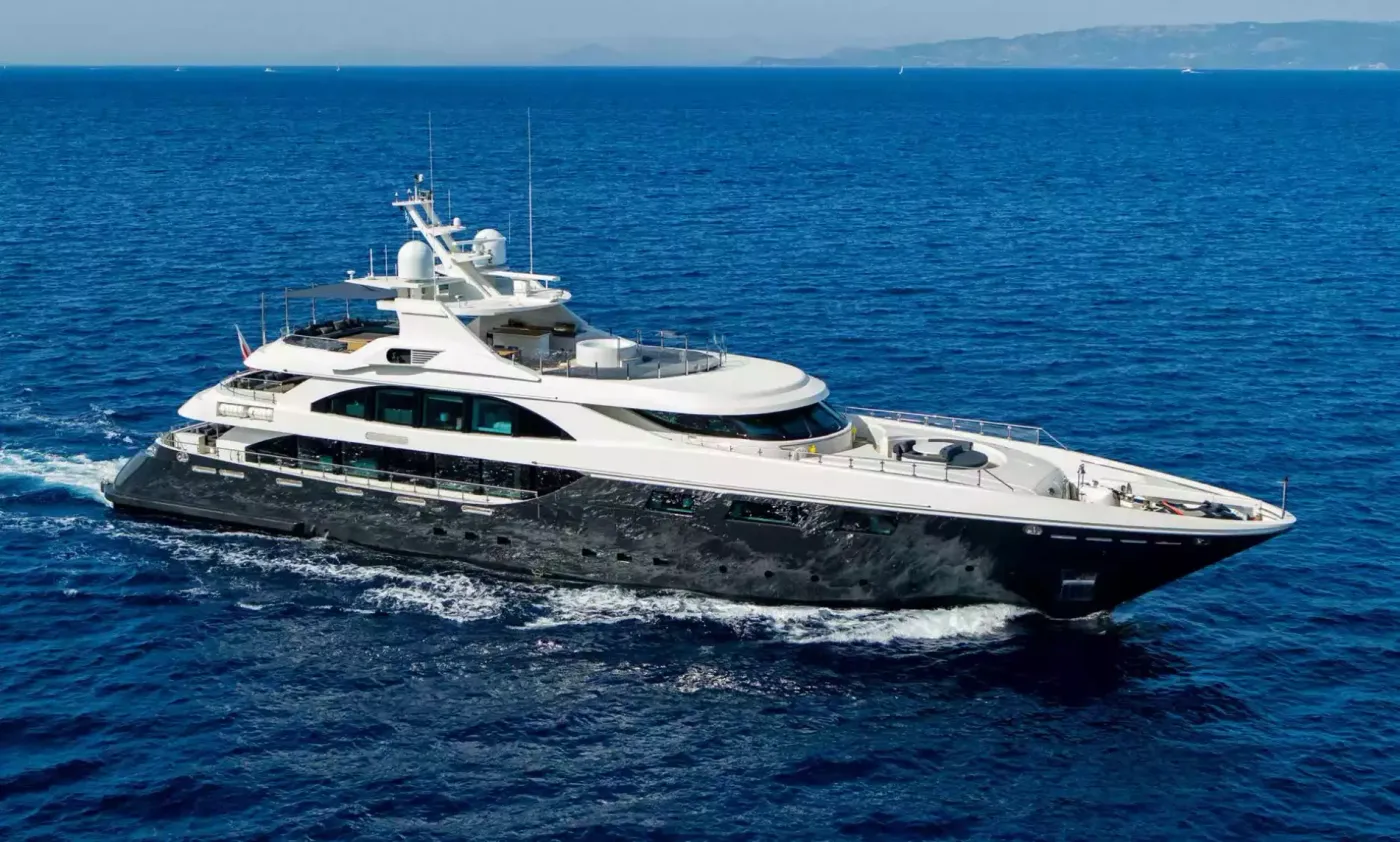
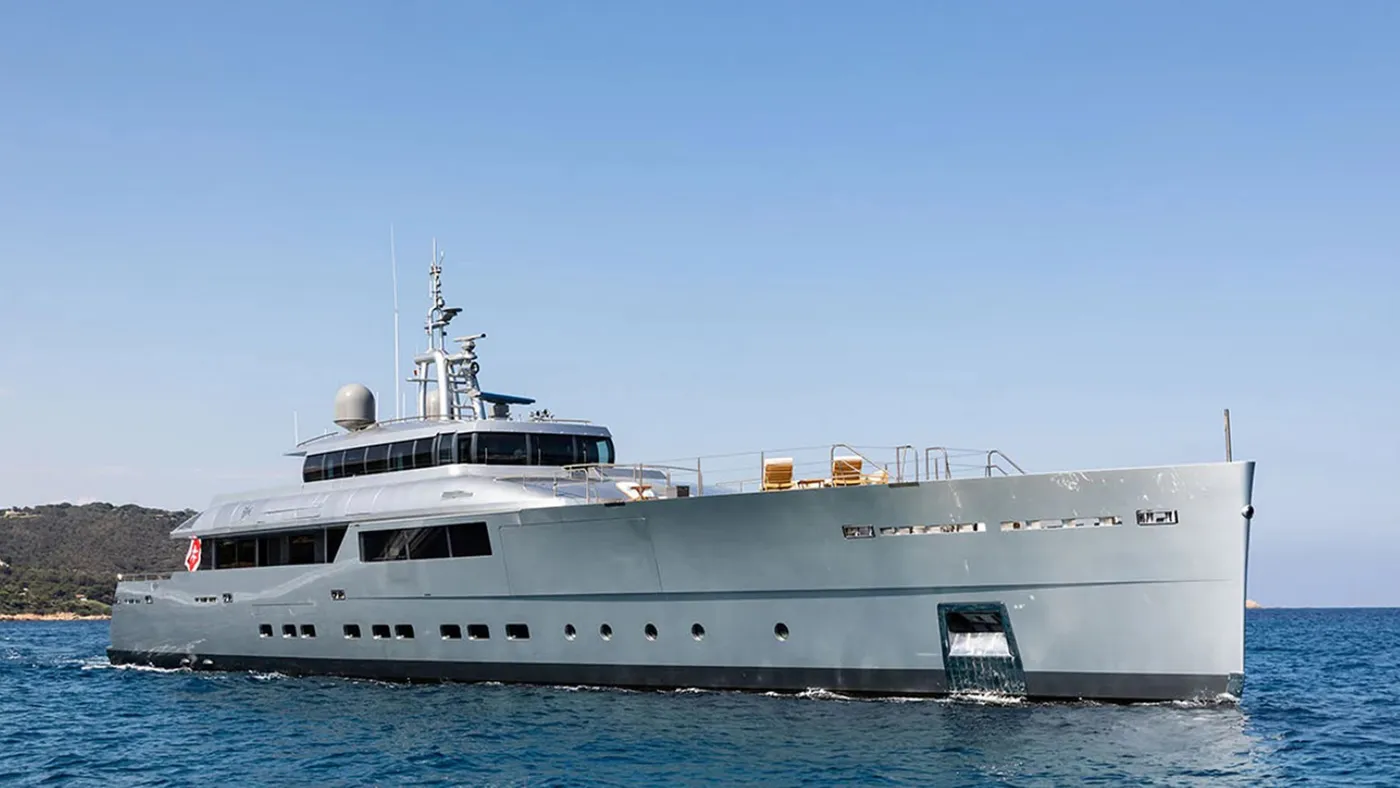
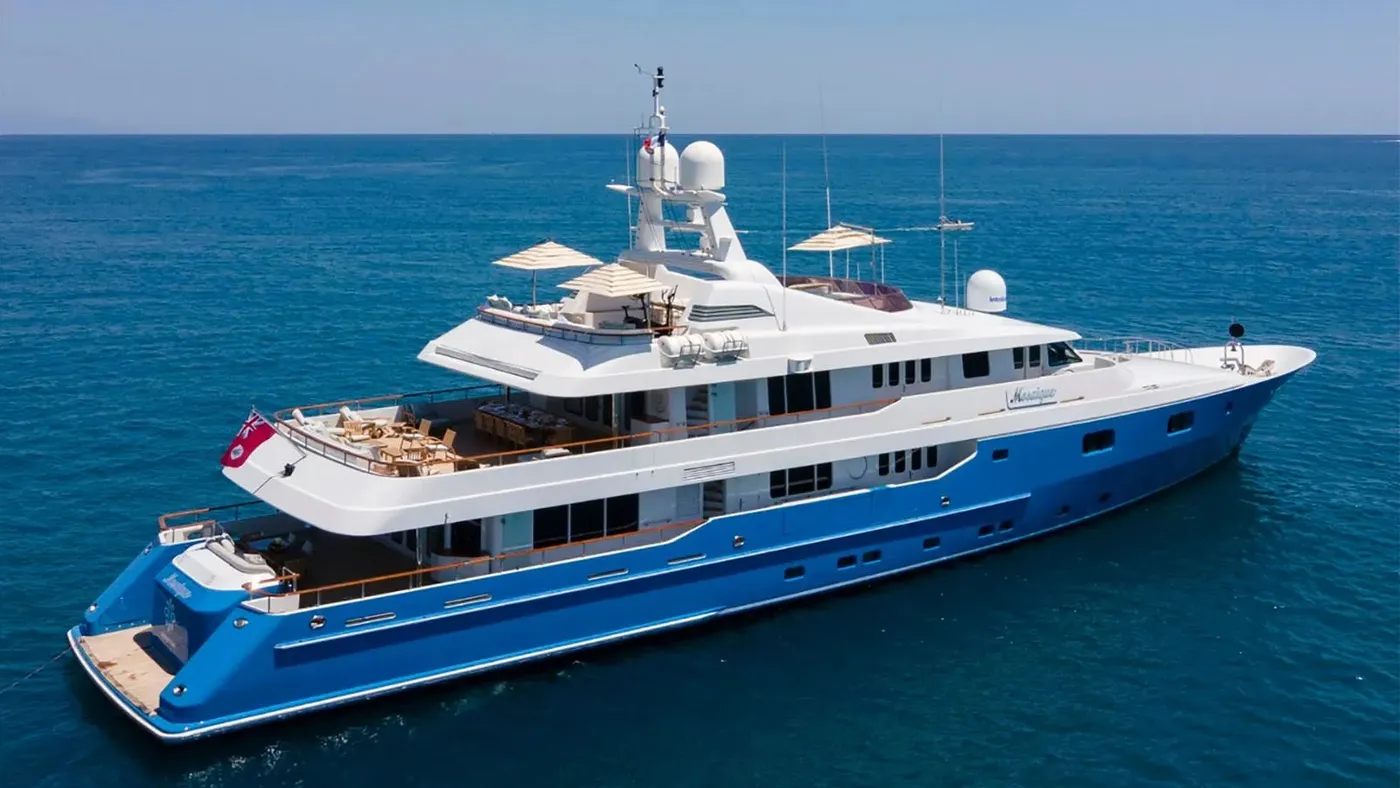
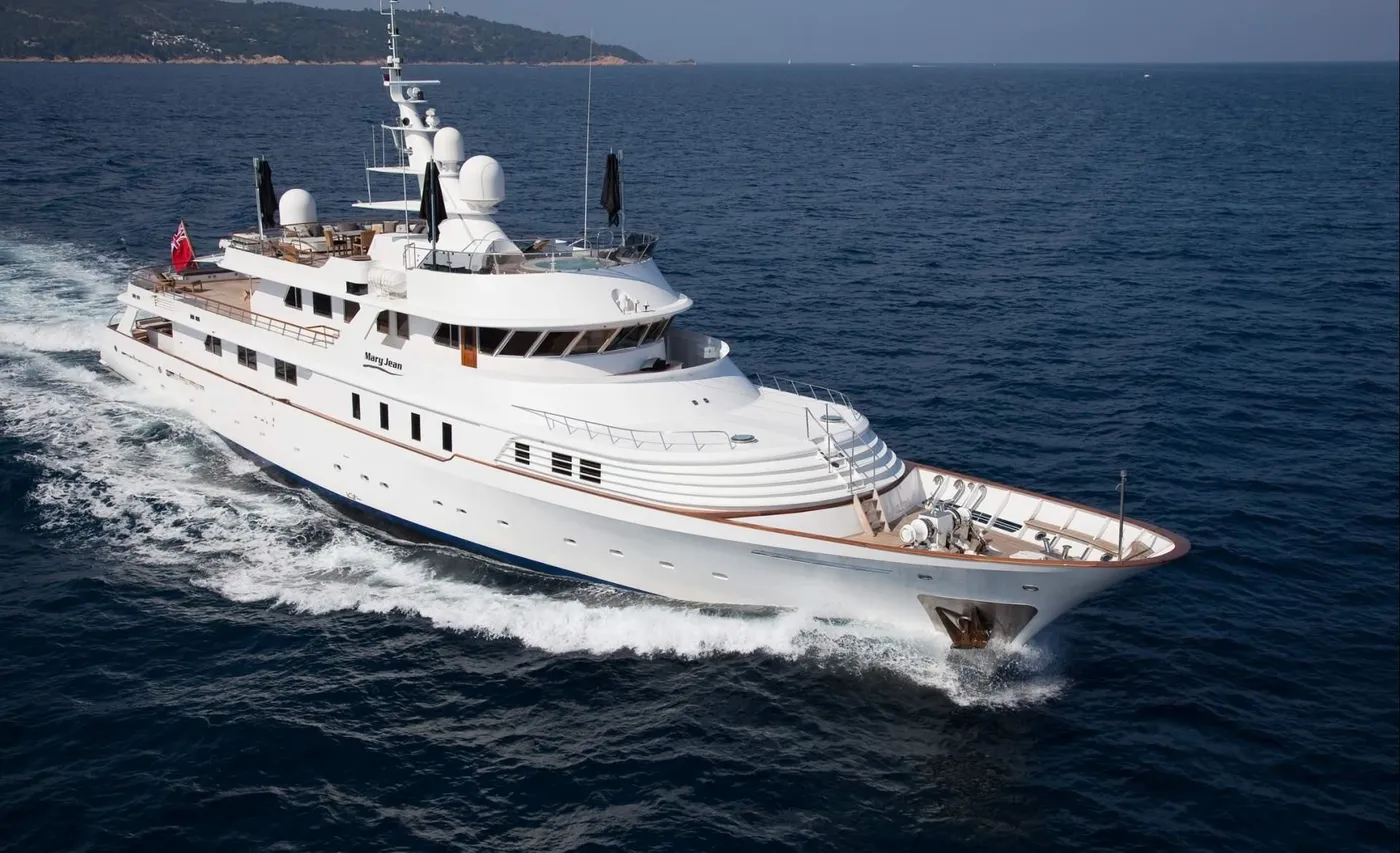
It depends on the island group: in the Cyclades in high summer, size and zero-speed stabilisers make the difference; in the Ionian and Saronic, almost any yacht works.
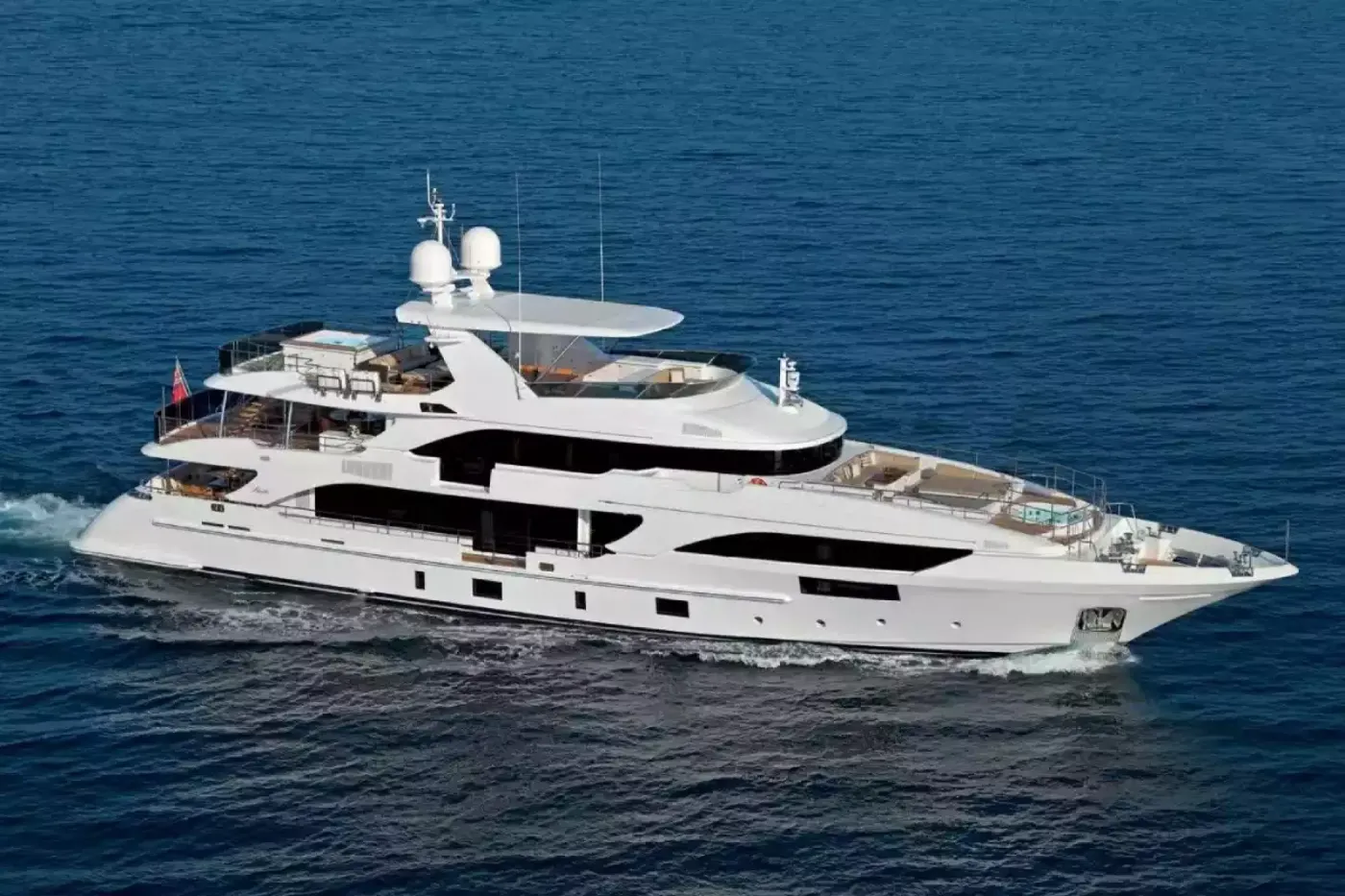
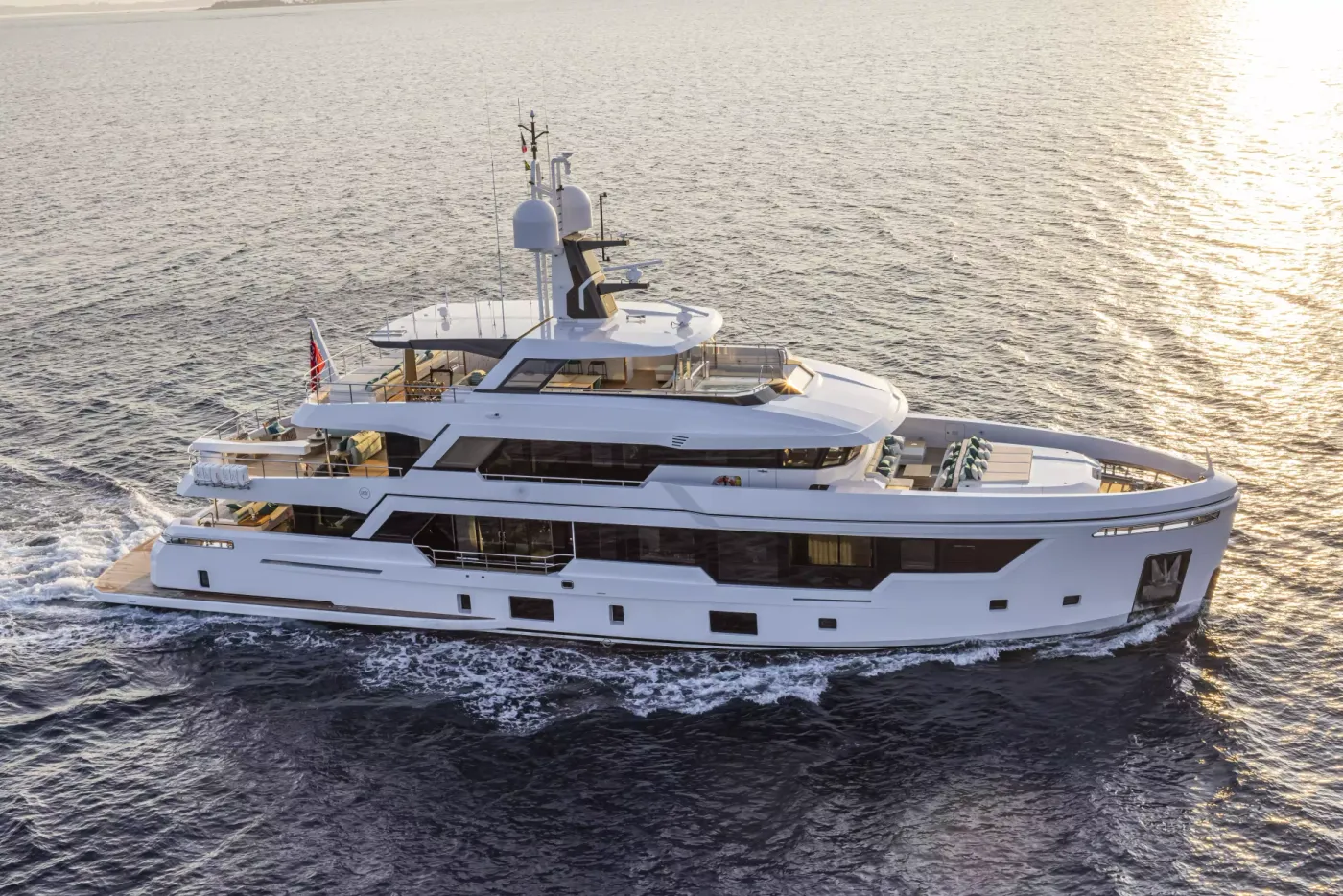
- For the Cyclades in July and August, a larger motor yacht with zero-speed stabilisers is the comfortable choice. Size matters here because it reduces the motion on crossings.
- For the Ionian and Saronic, almost any yacht works, including crewed catamarans, which offer a lot of space at a lower weekly rate and are very stable at anchor.
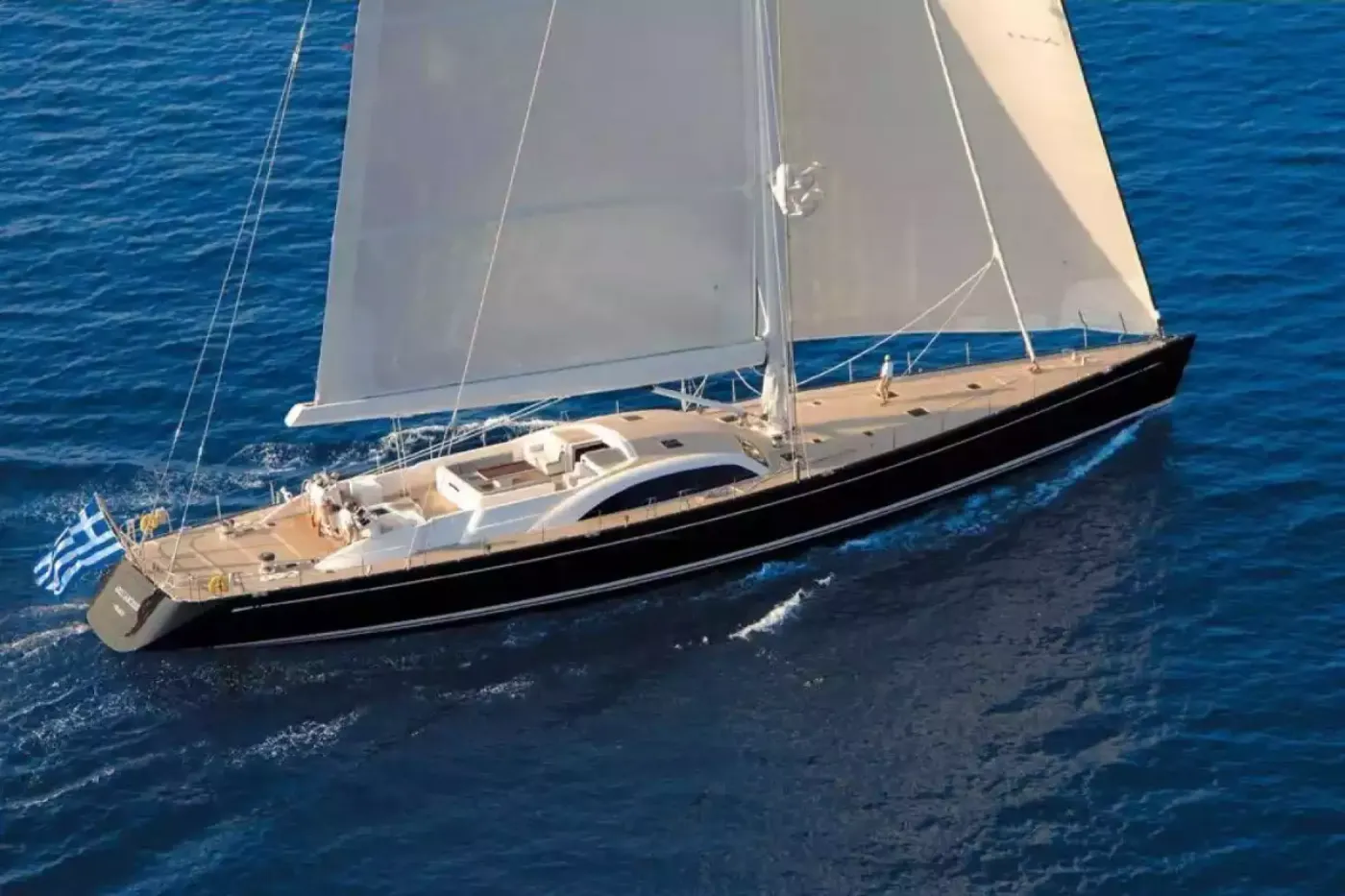
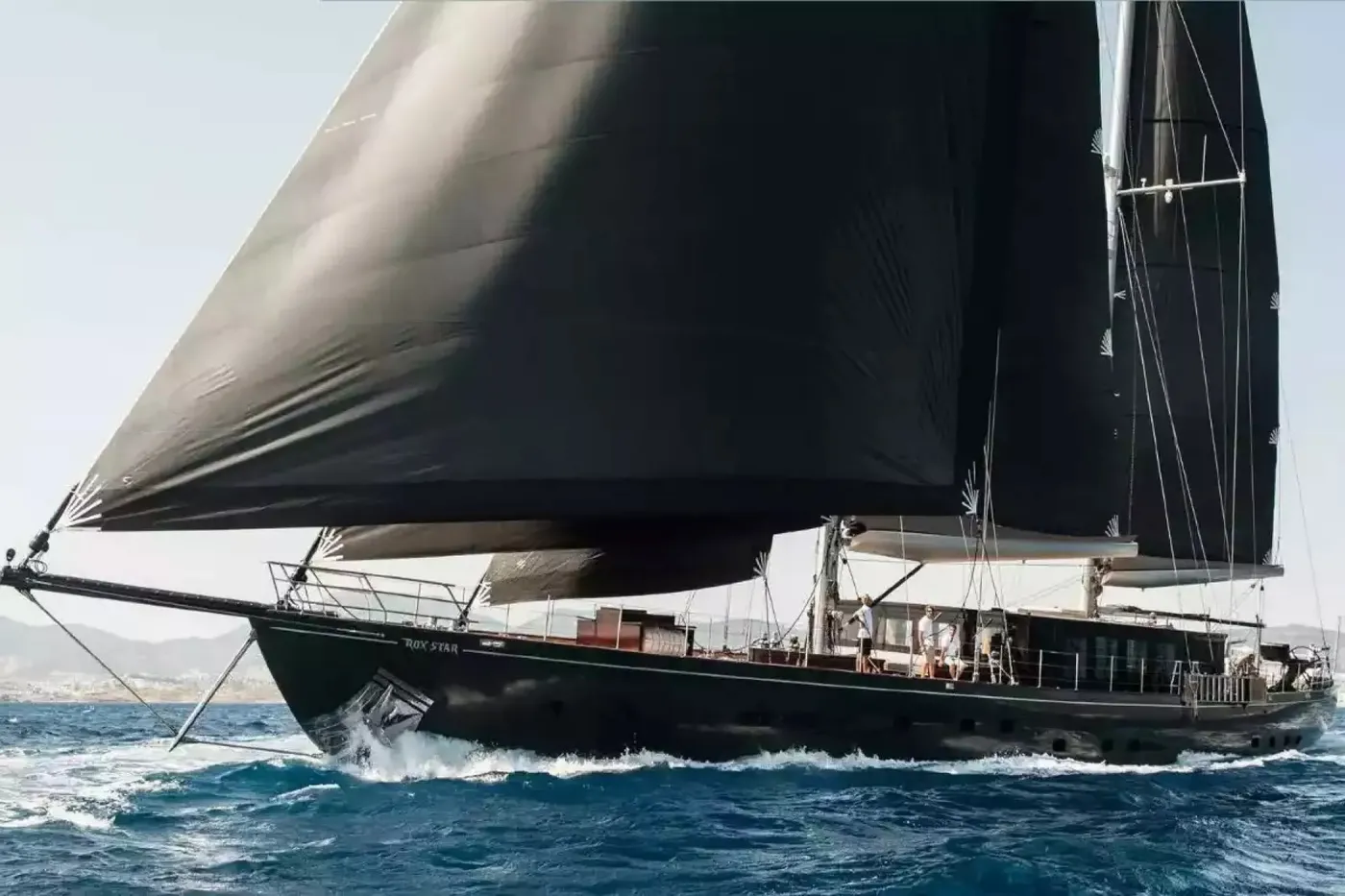
- For keen sailors, the meltemi gives fast, dry downwind reaches, as the Cyclades itinerary above describes, provided everyone on board enjoys it.
- Tenders and toys matter in Greece: on the Saronic route above, a large yacht stays off Hydra and Spetses and guests go ashore by tender.
Our guide on how to choose a charter yacht covers cabins, crew, stabilisers and toys.
Practical points before you go
Where to embark
Most charters start in Athens, at Marina Zea or nearby Lavrio, both within easy reach of Athens International Airport, according to Ocean Independence. Mykonos, Corfu and Rhodes are also common starting points. Starting in an island base saves days of travelling but may carry a delivery fee if the yacht is normally in Athens.
Booking ahead
Ocean Independence recommends booking six to twelve months ahead, especially for July and August. Our guide on when to book a yacht charter covers the timing season by season.
Money, language and documents
Greece uses the euro and is in the Schengen area. English is widely spoken on the islands. The crew will ask for passport details for the passenger list, which is registered with the authorities before the charter starts.
Archaeological sites
Some sites, such as Delos, have fixed opening hours. Tell the crew in advance which sites you want to visit so they can plan the timing.
Common mistakes to avoid
- Planning a Cyclades route north against the meltemi in August. Head south, or keep the crossings north for calm mornings.
- Choosing the Cyclades in high summer for a group prone to seasickness. The Ionian or the Saronic will give a better week.
- Comparing two yachts without checking VAT. In Greece the effective VAT can differ between yachts; compare totals, not base rates.
- Ignoring delivery fees on one-way routes. They can be significant if the yacht is based far from your start or finish.
- Booking late for July and August. Booking six to twelve months ahead gives the widest choice of yachts, according to Ocean Independence.
Which Greek islands are on your list?
For Greece, the month and the island group go together, so tell us both, or, if you have not chosen yet, how your group copes with the sea. Add where you would like to start and finish (Athens, Mykonos, Corfu or Rhodes), because a one-way week can carry a delivery fee, and how many of you there are. A charter specialist will reply with yacht options priced on the same basis, APA, VAT at the rate that applies to each yacht and any delivery fee included. The charter is signed with the yacht’s owner through a licensed charter agency, normally under the MYBA contract, with the full price and VAT clear before you sign. Still deciding on the country? Compare Greece with Croatia. Tell us your islands.