In this guide
- Why charter in Croatia?
- When is the best time to charter in Croatia?
- What winds should you expect in Croatia?
- A seven-day route from Split to Dubrovnik
- Which Croatian islands are worth a stop?
- Kornati National Park: how do the tickets work?
- What VAT and taxes apply to a charter in Croatia?
- How much does a yacht charter in Croatia cost?
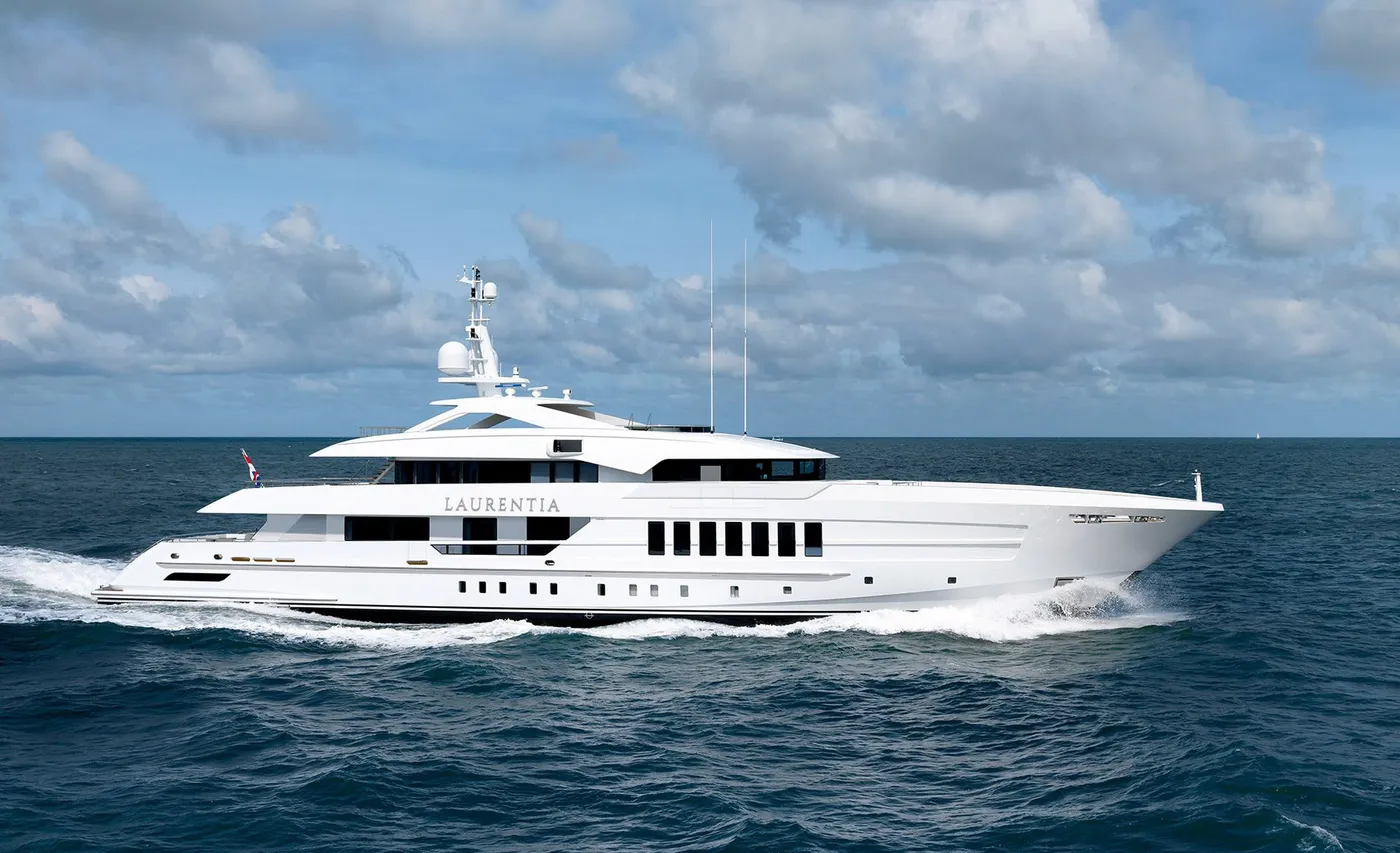
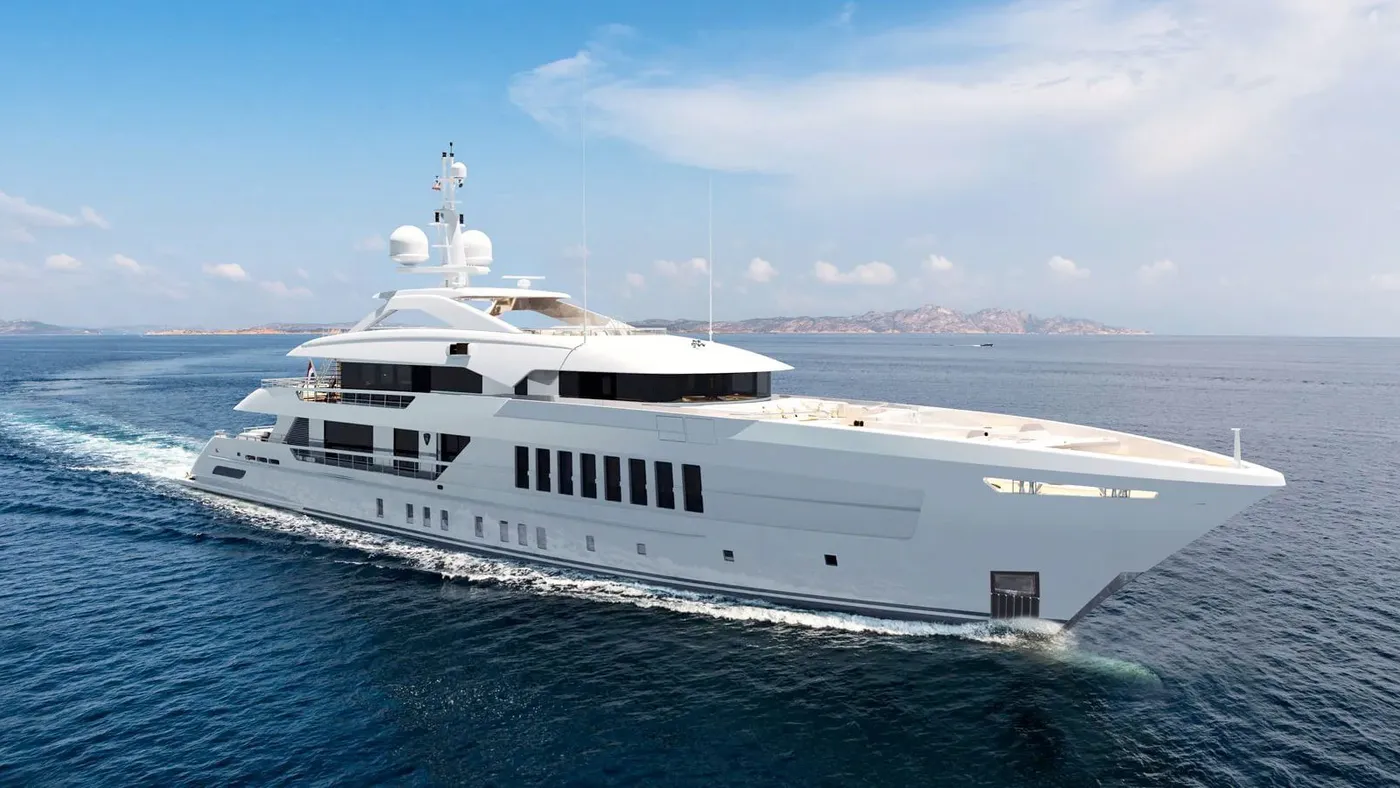
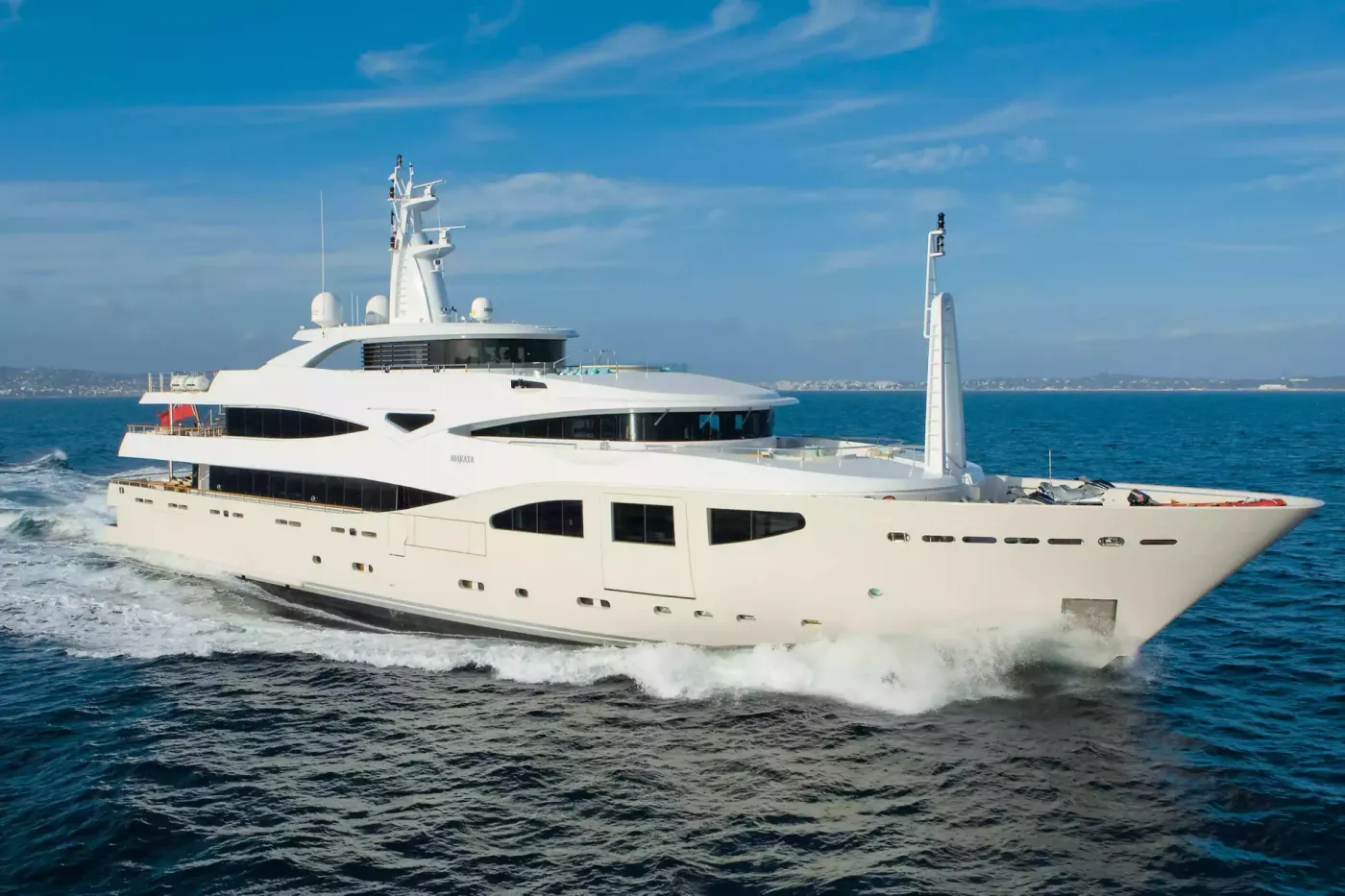
- Which type of yacht works best in Croatia?
- Practical points before you go
- Common mistakes to avoid
- Which Croatian week suits you?
The first decision is the region, not the yacht. Split, Dubrovnik and the islands between them fill a week on their own, while Kornati sits at the other end of Dalmatia and fits better in a week from Šibenik or Zadar; covering both usually means two weeks. The second check is the yacht’s flag and licence, because not every yacht can charter in Croatia in a given year. Croatia’s 13% charter VAT is lower than the rates IYC gives for France (20%), Spain (21%) and Italy (22%), though Greece’s reduced charter rates (5.2–13%) and Montenegro’s 0% are lower or equal. Base rates start at roughly €25,000 a week for smaller crewed motor yachts and can exceed €350,000 for the largest, with APA, VAT and a tip on top.
Why charter in Croatia?
Croatia has more than 1,000 islands along a coastline that runs from Istria to Dubrovnik, as Ocean Independence notes, and most of the islands in central and southern Dalmatia sit close together. That geography gives a crewed charter three advantages:
- Short hops. You rarely need long open-water passages. Cruising distances between islands are short, so a day can fit a swim stop, lunch and an evening in a town.
- Towns with real life. Split, Hvar, Korčula and Dubrovnik are historic towns with restaurants, markets and evening walks, not resorts built for yachts.
- Sheltered water. The islands form channels that break up the open-sea swell.
The trade-off is crowding in July and August, especially around Hvar and in the most famous coves. A crewed yacht helps here: the captain can time stops to avoid the peaks.
When is the best time to charter in Croatia?
The sailing season runs from April to October, with July and August as the warmest and busiest months, and May, June and September as the months many people prefer for milder weather and fewer crowds, according to Ocean Independence.
| Period | Conditions | Best for |
|---|---|---|
| April–May | Quiet harbours, cool water. | Sightseeing-focused trips, lower demand. |
| June | Long days, water warming up, towns lively but not full. | Families and first-timers wanting space and choice. |
| July–August | Hottest, busiest, most expensive. Hvar and Dubrovnik at full volume. | Groups who want nightlife and beach clubs. |
| First half of September | Warm sea, fewer people than in July and August. | Guests who want quieter anchorages. |
| Late September–October | Shorter days, more changeable weather, quieter islands; in October some seasonal restaurants and beach clubs begin to close. | Flexible guests, food and wine trips. |
If you want peak-season dates on a specific size of yacht, book early: the recommendation is six to twelve months ahead, and the most sought-after yachts go first for July and August. Our guide on when to book a yacht charter explains how far ahead to look for each season.
What winds should you expect in Croatia?
In summer, mostly the maestral, a north-westerly that builds during the day and drops in the evening. The bura and the jugo, more frequent from October to April, are the ones that change plans. Marina Frapa’s guide to Adriatic winds describes the three:
- Maestral. The typical summer wind, from the north-west. In fine weather it usually blows every day, starting around 8:00, strongest around 14:00 and dropping around 18:00. It is associated with stable summer weather.
- Bura (bora). A cold north-easterly that comes down from the mountains in sudden, strong gusts. It is mostly a winter wind, but it can blow in summer too, and when it does the captain will pick anchorages carefully.
- Jugo. A warm, humid south-easterly that comes with falling pressure, high waves and heavy rain, and can blow for several days.
In settled summer weather, then, the maestral usually picks up in the morning, peaks in the early afternoon and drops by evening. It is a moderate wind, ideal for sailing yachts. A bura can arrive suddenly and a jugo can last several days: either can change the plan, and the captain decides where to shelter.
A seven-day route from Split to Dubrovnik
Split and Dubrovnik are the two main embarkation points for central and southern Dalmatia. The table combines two published itineraries: Burgess’s “classic” Split to Dubrovnik route through Brač, Hvar, Vis and Korčula, and, for the stop at Mljet, the Dubrovnik–Mljet–Korčula stretch of one by Northrop & Johnson, run here in the opposite direction. It is a week of old stone towns and island harbours, with a swim stop between each.
| Day | Route | Highlights |
|---|---|---|
| 1 | Split | Embark; if time allows, a walk through Diocletian’s Palace before dinner. |
| 2 | Split → Brač | Milna, a small harbour town on Brač, then the Zlatni Rat beach near Bol. |
| 3 | Brač → Hvar | Hvar town: the fortress above the town, and the evening in port. |
| 4 | Hvar → Vis and Biševo | Vis, and the Blue Cave on Biševo on the concession-holder’s boats, which leave from Mezoporat cove. |
| 5 | Vis → Korčula | East to Korčula: the medieval old town and its seafood. |
| 6 | Korčula → Mljet | Mljet National Park: at anchor in Polače bay; the lakes by trail or on the park’s boats. |
| 7 | Mljet → Dubrovnik | Arrival in Dubrovnik and its old town walls. |
| 8 | Dubrovnik | Disembark in the morning. |
Park rules
Two stops on this route have their own rules. The Blue Cave on Biševo can only be visited with the concession-holder, on organised visits from Mezoporat cove, and inside the cave the use of vessels, anchoring, mooring and swimming are all forbidden, so the yacht’s tender does not go in. In Mljet National Park, a vessel needs the park’s permission to move in its waters, which means buying an entrance ticket priced by the vessel’s size. Anchoring is allowed only in designated areas, among them Polače bay and Lokva bay at Pomena; the boats on the Great Lake (Veliko jezero) are the park’s own or ones it authorises, and only rowing boats may enter the Small Lake (Malo jezero).
Running it the other way, or a slower week
Another published itinerary runs the route in the other direction, in eight days from Dubrovnik to Split: Mljet, Lastovo, Vis with the Blue Cave on Biševo, Hvar, Brač and Trogir, without Korčula. For a slower week from Split, there is a published five-to-seven-day route through Šolta, Brač, Hvar and the Pakleni islands to Vis. One-way charters often carry a delivery fee for the yacht to return to its base, which the agency will include in the quote.
Which Croatian islands are worth a stop?
Hvar, Vis, Brač, Korčula and Mljet are among the most requested islands, according to Ocean Independence. The Pakleni islands and, on a longer trip, Lastovo complete the list:
- Hvar. The busiest island in summer, with Hvar town’s harbour at the centre of the nightlife. If you want quieter evenings, Stari Grad on the north side is an alternative.
- The Pakleni islands. A chain of small islands just off Hvar town, with sheltered coves and beach restaurants. Ideal for a lunch stop.
- Vis. Further out and noticeably quieter. It was a closed military island for decades and has kept a slower pace. Komiža, the coves on the south coast and the Blue Cave on nearby Biševo are the highlights. Visits to the Blue Cave are run only by the concession-holder, from Mezoporat cove on Biševo, so the tender takes you to Mezoporat, not into the cave.
- Korčula. A compact walled town on a peninsula, with excellent local white wine. A good night in port.
- Mljet. Much of the western part is a national park with two saltwater lakes. The park charges an entrance fee; the crew will tell you the current price.
- Brač. Close to Split, known for the Zlatni Rat beach and its white stone. A natural first or last stop.
- Lastovo. Remote, protected as a nature park, with very little development. Worth adding on a two-week trip.
Kornati National Park: how do the tickets work?
Every boat entering the park needs a ticket, priced per boat and per day according to the boat’s length and the season, and in every season a ticket bought inside the park costs about twice as much as one bought beforehand. The park’s official 2026 price list sets these prices for a one-day ticket:
| Boat length | Bought outside the park, Jan–May and Oct–Dec | Bought outside the park, Jun–Sep | Bought inside the park, Jun–Sep |
|---|---|---|---|
| 18.00–24.99 m | €80 | €160 | €320 |
| 25.00–34.99 m | €175 | €320 | €640 |
| 35.00–49.99 m | €400 | €640 | €1,275 |
| 50.00–74.99 m | €690 | €1,035 | €2,070 |
| 75.00–99.99 m | €1,035 | €1,725 | €3,450 |
| 100 m and over | €1,210 | €2,245 | €4,485 |
The same price list offers three-day and five-day tickets, and a joint three-day ticket for Kornati and the neighbouring Telašćica nature park, sold only through the mySea platform. The lesson is simple: buy before you enter. On a crewed charter the captain does this, and the ticket is paid from the APA.
Kornati, in northern Dalmatia between Zadar and Šibenik, is a national park of 89 islands, according to Ocean Independence. It is very different from the south: bare limestone islands, few buildings, simple konobas (family restaurants) at anchorages and very clear water.
Is Kornati worth it on a one-week charter?
It depends on where the yacht is based. From Split, Kornati is a longer run north and usually works better as part of a week from Šibenik or Zadar, combined with Krka National Park (the waterfalls, reached via Skradin) and the Šibenik channel. If you start in Split and want Kornati, consider two weeks or accept fewer days in the southern islands.
The table follows the Dalmatian part of an eight-day itinerary from Pula to Trogir that BOAT International published in 2015, from Zadar onwards, and adds a day in the Kornati taken from Northrop & Johnson’s North Adriatic itinerary. It runs one way, from Zadar to Trogir, close to Split airport: bare islands and clear water first, then waterfalls and old towns.
| Day | Route | Highlights |
|---|---|---|
| 1 | Zadar | Embark; the old town, the Sea Organ and the Greeting to the Sun at sunset. |
| 2 | Zadar → Telašćica | Telašćica Nature Park on Dugi Otok: the bay, and a swim in the saltwater lake Mir. |
| 3 | Kornati National Park | Ticket bought in advance; the islands by tender; the night at anchor in one of the bays where the park allows it. |
| 4 | Kornati → Šibenik archipelago → Skradin | Lunch at anchor off Ravni Žakan, then through the Šibenik archipelago and up the Krka estuary to Skradin for the night. |
| 5 | Krka → Šibenik → Rogoznica | The Krka waterfalls on foot or on the park boat; lunch in Šibenik, moored opposite the cathedral; the night in Rogoznica. |
| 6 | Drvenik islands → Trogir | Swim stop at anchor between Drvenik Veli and Krknjaš Veli; the evening on Trogir’s waterfront. |
| 7 | Trogir | Disembark; Split airport is close by. |
For a 30–50 m yacht
Three stops on this route have rules that limit what a large yacht can do. In Kornati National Park, anchoring and overnight stays are allowed only in a list of designated bays and coves, Ravni Žakan among them. The park’s buoys, at sixteen locations, take boats up to 16 and 26 metres, so a yacht of 30 to 50 metres cannot use them and can only anchor in those bays; the park’s stated aim is to install buoys in all the designated bays and prohibit free anchoring altogether. In Telašćica Nature Park, the 2022 protection rules prohibit anchoring, with the no-anchoring zones taking effect as they are published on official nautical charts, and allow mooring only at designated, marked places. They do not say what size of yacht those places take, so where the anchoring ban applies, a night in the bay depends on finding one for the yacht’s length. In Krka National Park, navigating the park’s waters needs the park’s approval and, upstream of the Skradin bridge, only the park and the two monasteries may keep permanent moorings. The yacht stays at Skradin: the park ticket includes the boat from Skradin to Skradinski buk, which can also be reached on foot from the Skradin bridge. Swimming at Skradinski buk is not allowed.
What VAT and taxes apply to a charter in Croatia?
Charter VAT is 13%, and on top of it come a nautical tourism tax and the entrance fees of the parks you visit.
- VAT. IYC’s tax summary, updated in May 2026, gives 13% for qualifying multi-day charters on yachts with the appropriate Croatian charter licence. Praxis explains that the 13% applies to charters starting in Croatia and, for charters starting outside the EU, to the days spent in Croatia.
- Tourist tax. Croatia charges a nautical tourism tax, paid online through the eVisitor system, as D-Marin explains; ask whether it is already in the quote.
- Park tickets and local fees. Kornati, Mljet, Krka and other parks and nature parks charge their own entrance fees, which come out of the APA.
For a comparison with other countries, see our guide to yacht charter VAT by country.
Does the yacht’s flag matter?
Yes, and it is one of the questions worth asking the agency early. According to Praxis (November 2023), yachts flagged in the EU need a Croatian VAT registration and e-crew registration before chartering, while non-EU-flagged yachts also need a cabotage licence, valid for one year; the registration process can take up to a month. Yachts over 45 metres must use a ship agent. None of this is your job as a guest, but it explains why some yachts are not available for charter in Croatia in a given year, and why a yacht arriving from outside the country must clear in at an official port of entry before the charter starts.
How much does a yacht charter in Croatia cost?
Weekly rates for smaller crewed motor yachts generally start at around €25,000, and the largest superyachts can exceed €350,000 a week, according to Ocean Independence. Some published examples by size:
| Yacht size | Published weekly base rates (examples) | Source |
|---|---|---|
| 23–30 m | €30,000 (27 m), €43,000 (28.7 m), €49,000 (23 m, Croatia) | Fraser; Ocean Independence |
| 30–40 m | €35,000 (31 m), €57,000 (36 m), €59,000 (34 m) | Fraser |
| 40–55 m | €135,800 (52.4 m), €165,800 (43.6 m), €235,000 (47 m), €310,000 (50 m, Croatia) | Fraser; Ocean Independence |
| Over 55 m | from €225,000 (56 m) to €875,000 (85 m); in Croatia “can exceed €350,000” | Fraser; Ocean Independence |
Before you budget
- These are published “from” rates for specific yachts, consulted in November 2026. Fraser’s examples are not limited to Croatia.
- The final price is the one the agency quotes for the specific boat and dates.
On top of the base rate:
- APA. 25–40% of the charter fee according to Ocean Independence, around 30% according to Fraser (see our APA guide). In Croatia it covers fuel, food and drink, berths and buoys, park tickets and the tourist tax if it is not already included. Marina and town-quay mooring fees generally range from about €50 to more than €250 a night depending on season and location, with no yacht size given. Anything unspent is returned at the end.
- VAT at 13% on the charter fee (see above).
- Crew gratuity. Customary, not compulsory. Fraser recommends around 15–20% of the base rate, the top of the published range; the MYBA guidance is 5–15% of the charter fee when the crew has given excellent service, and Burgess quotes 10–15% (see our crew tipping guide). It is voluntary and depends on the service.
- Delivery fee for a one-way charter.
For a worked example with all the extras, read how much a luxury yacht charter costs.
Which type of yacht works best in Croatia?
Croatia suits every type of boat, and the choice depends more on your group than on the destination.
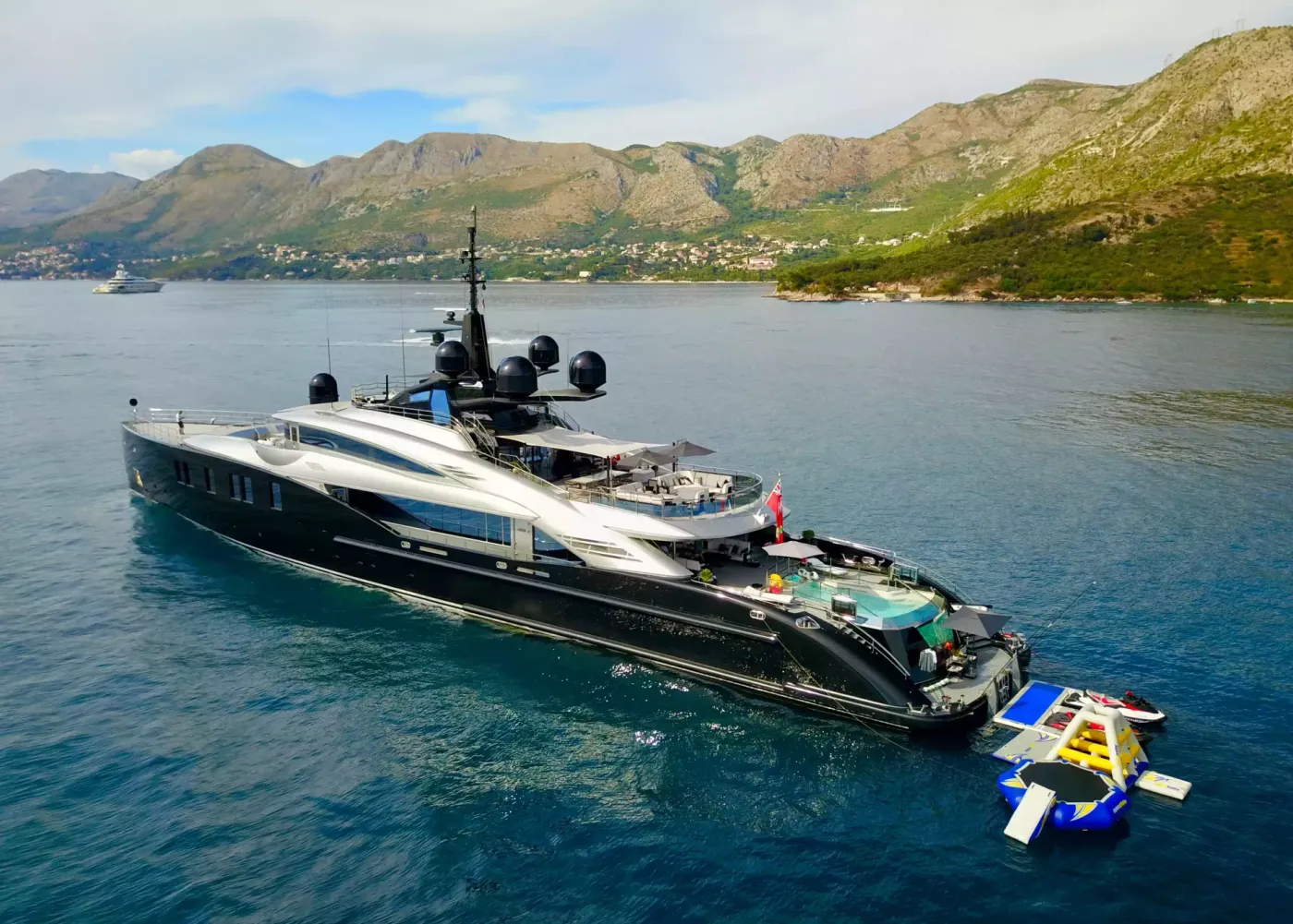
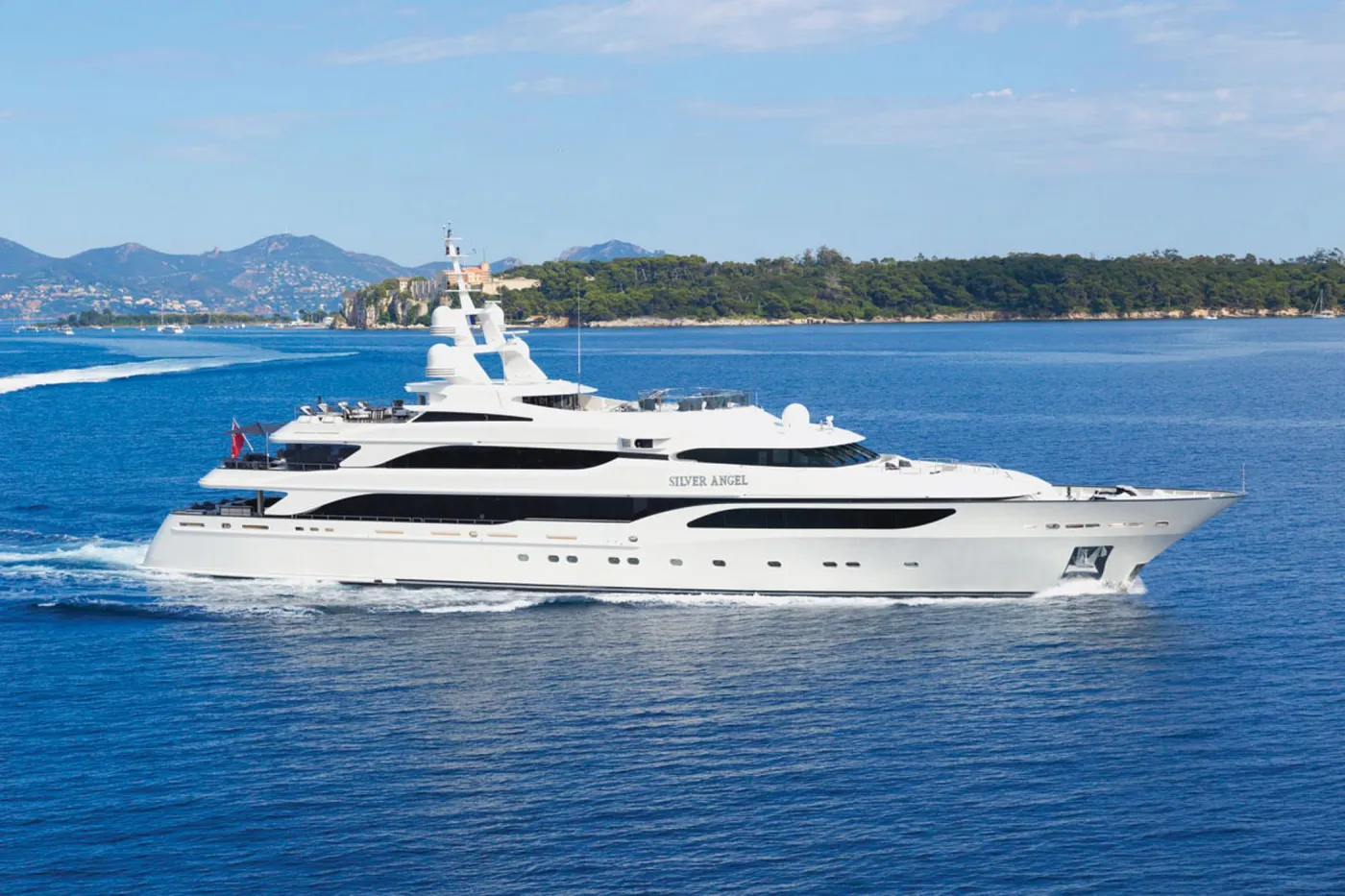
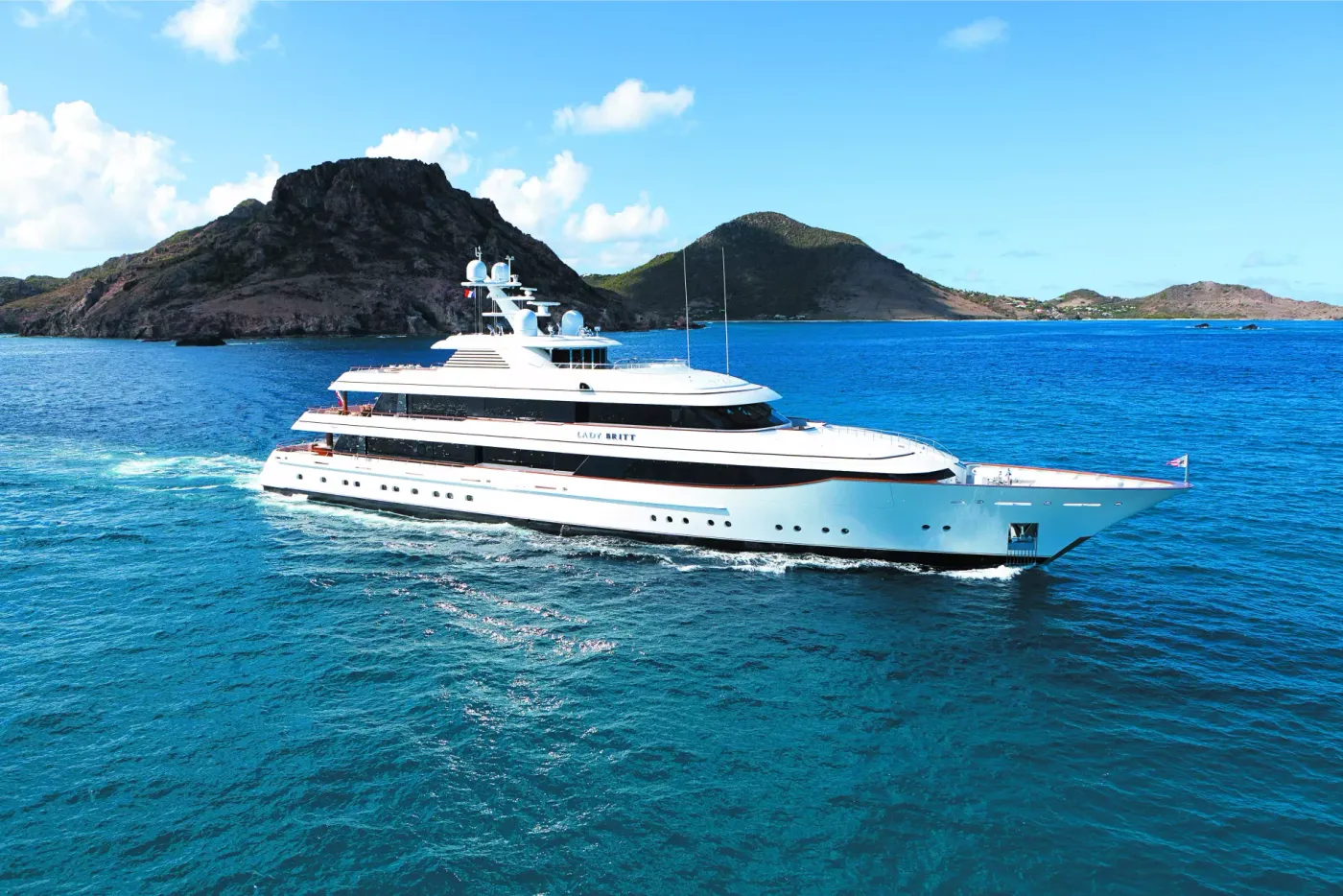
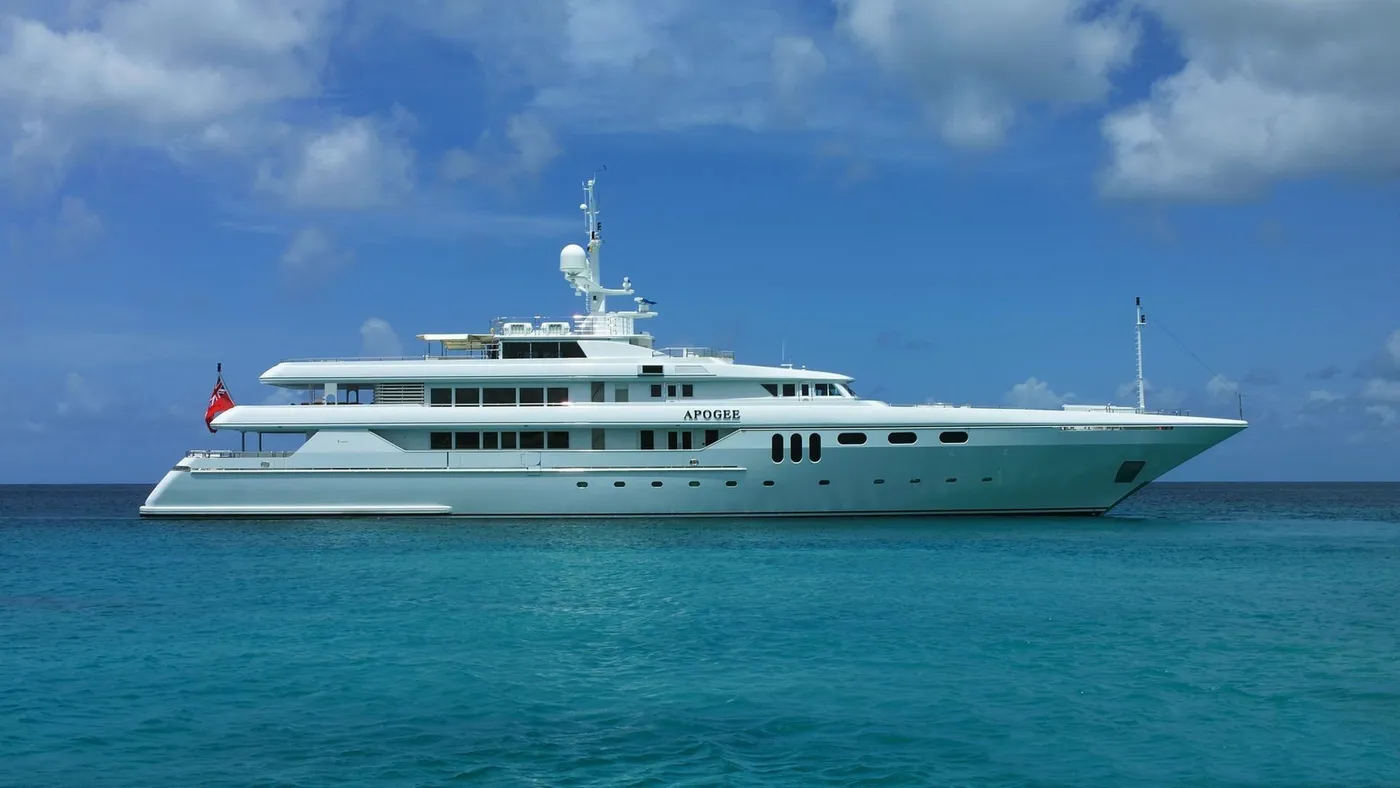
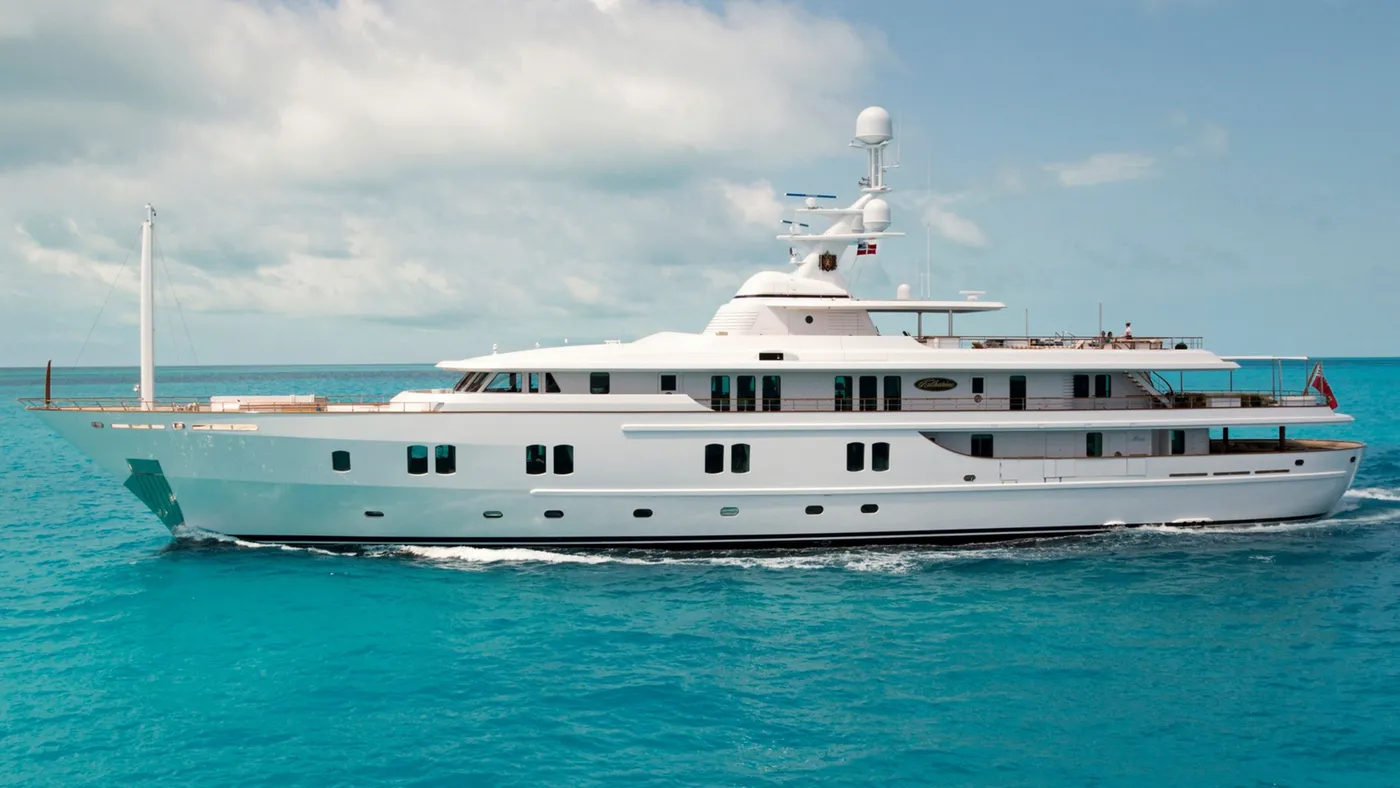
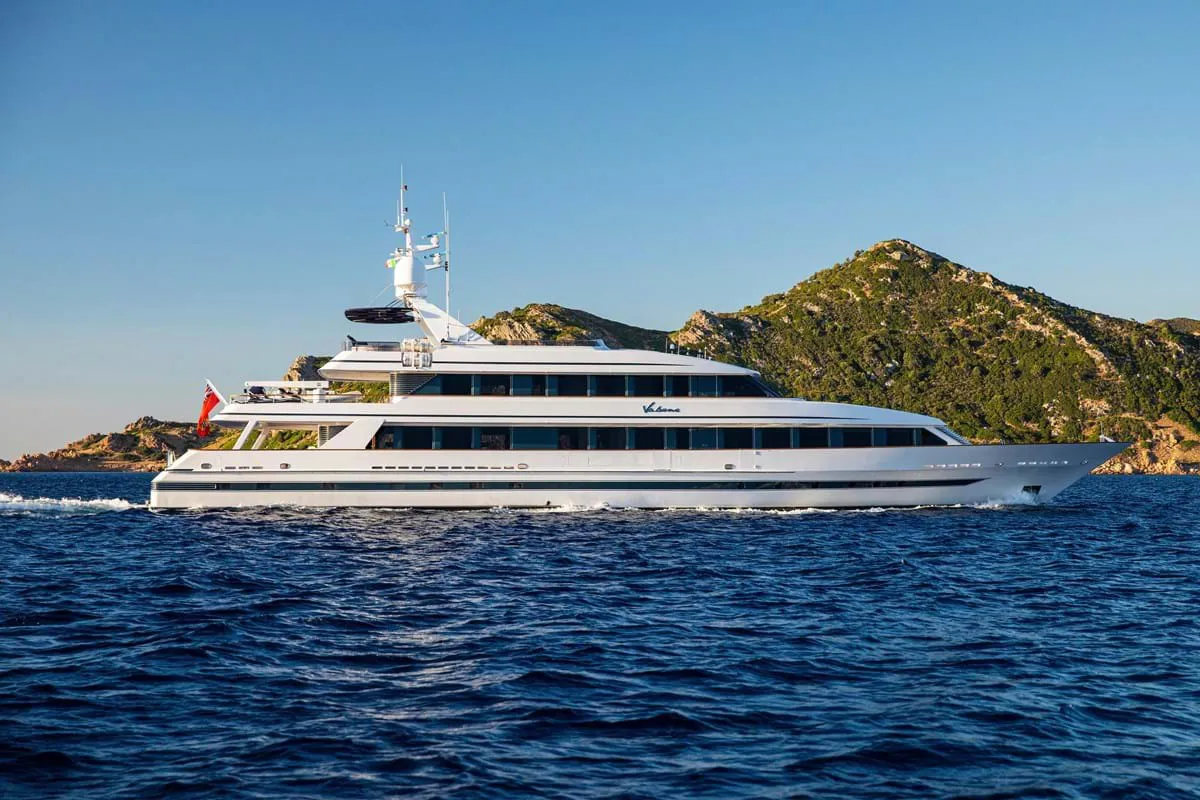
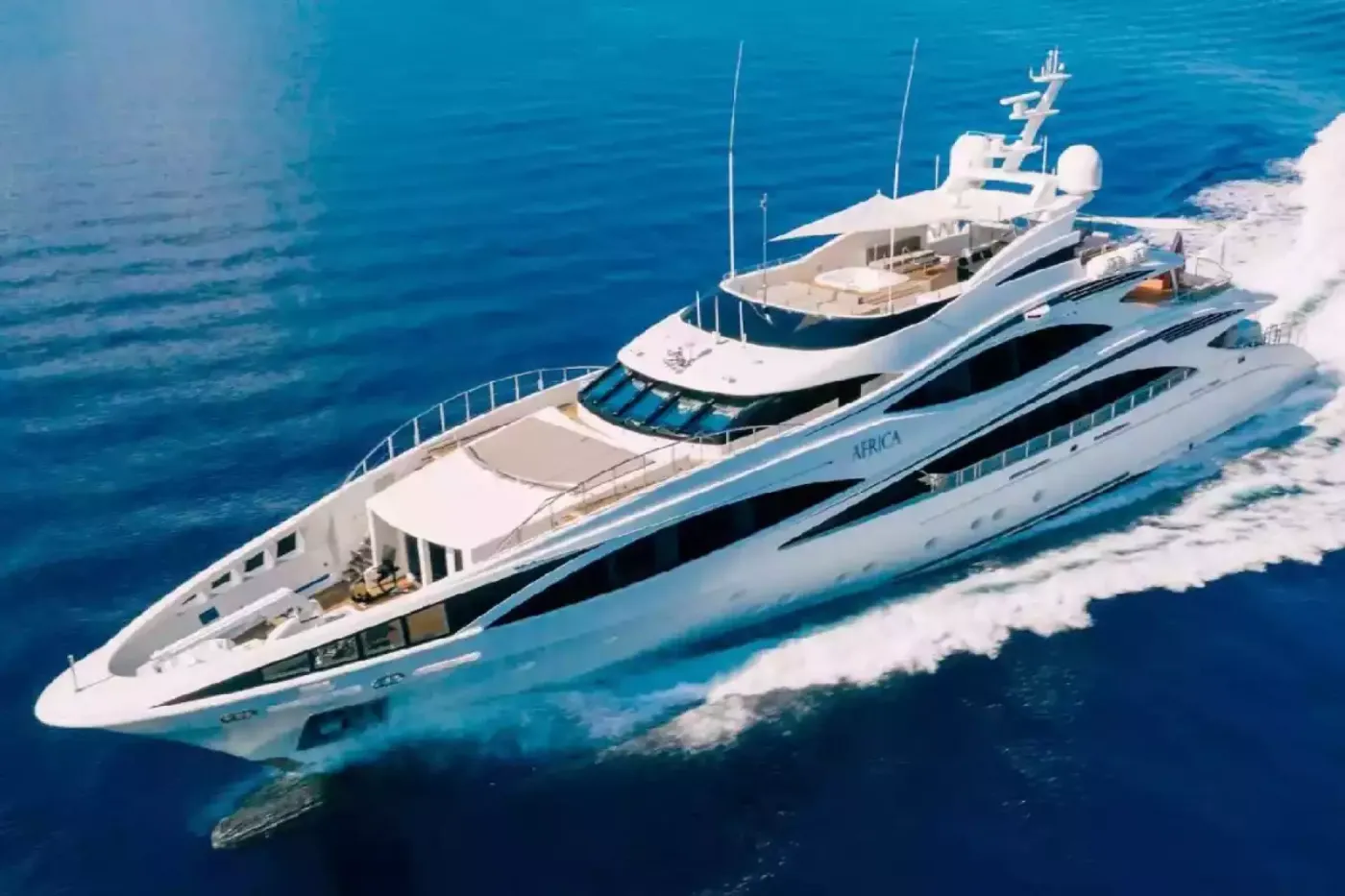
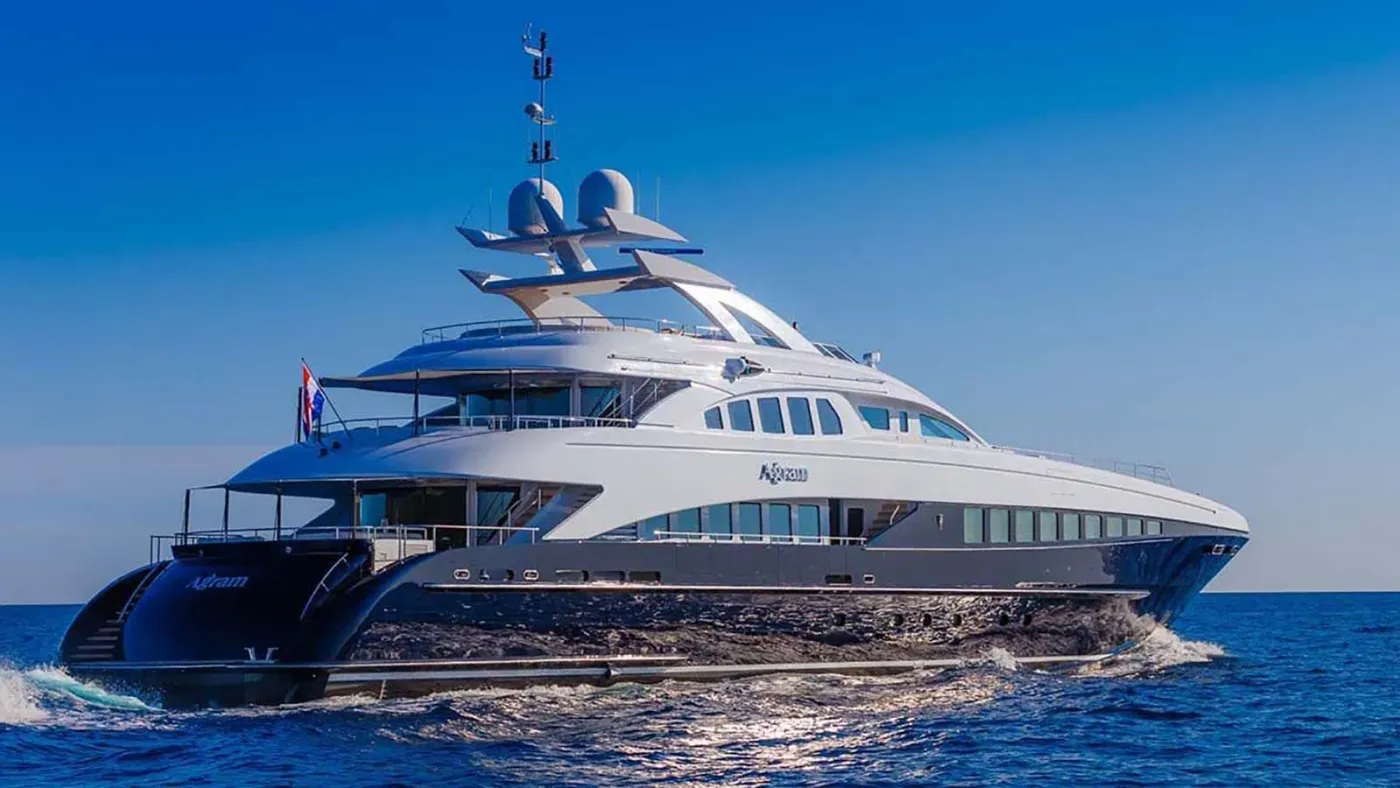
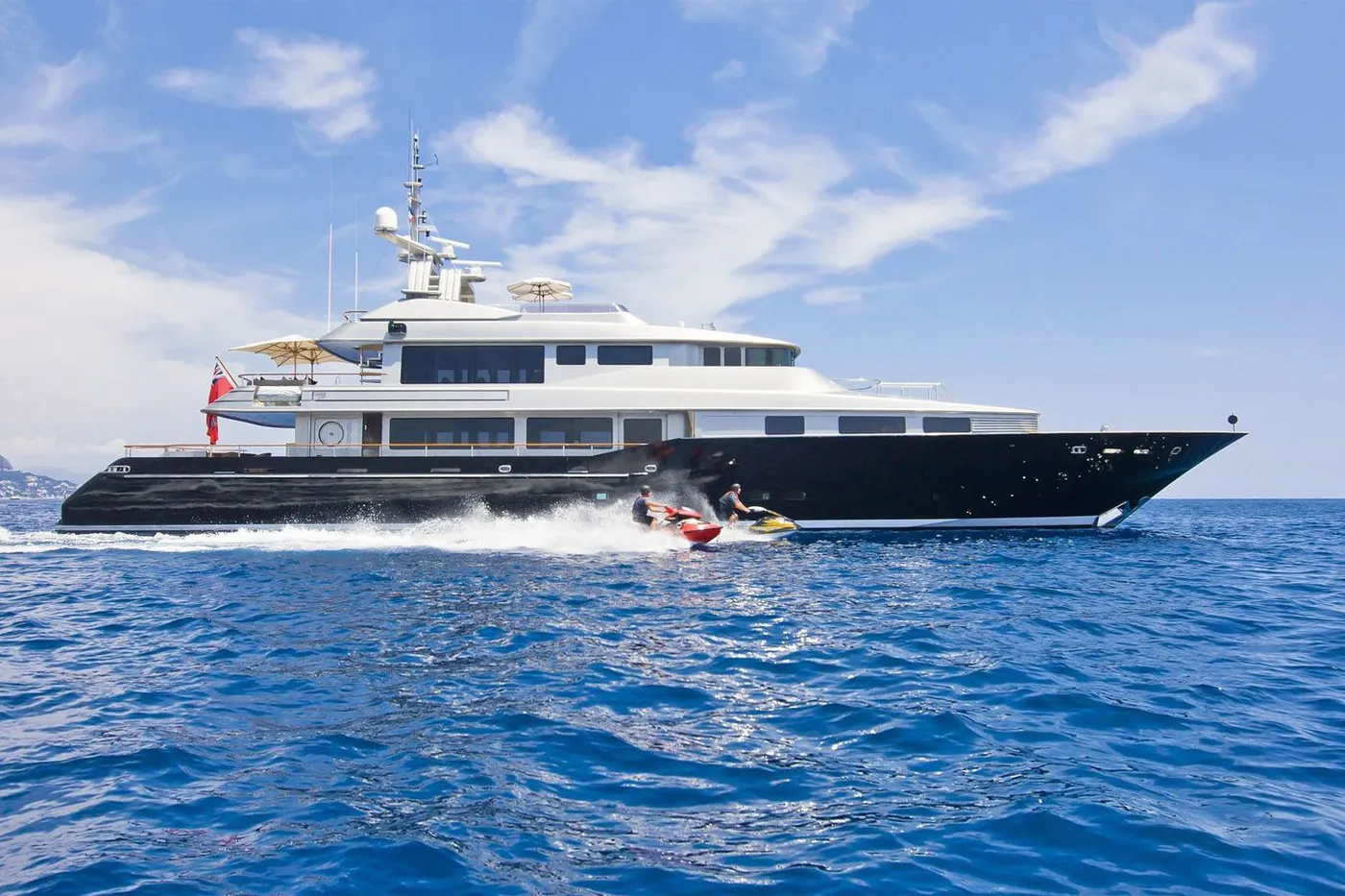
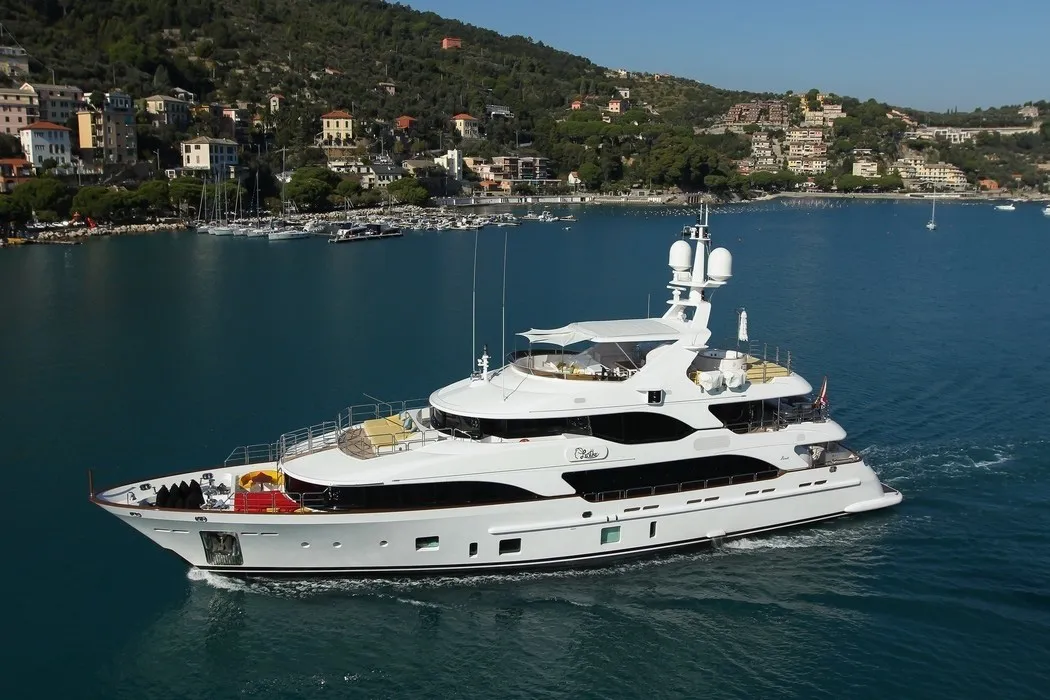
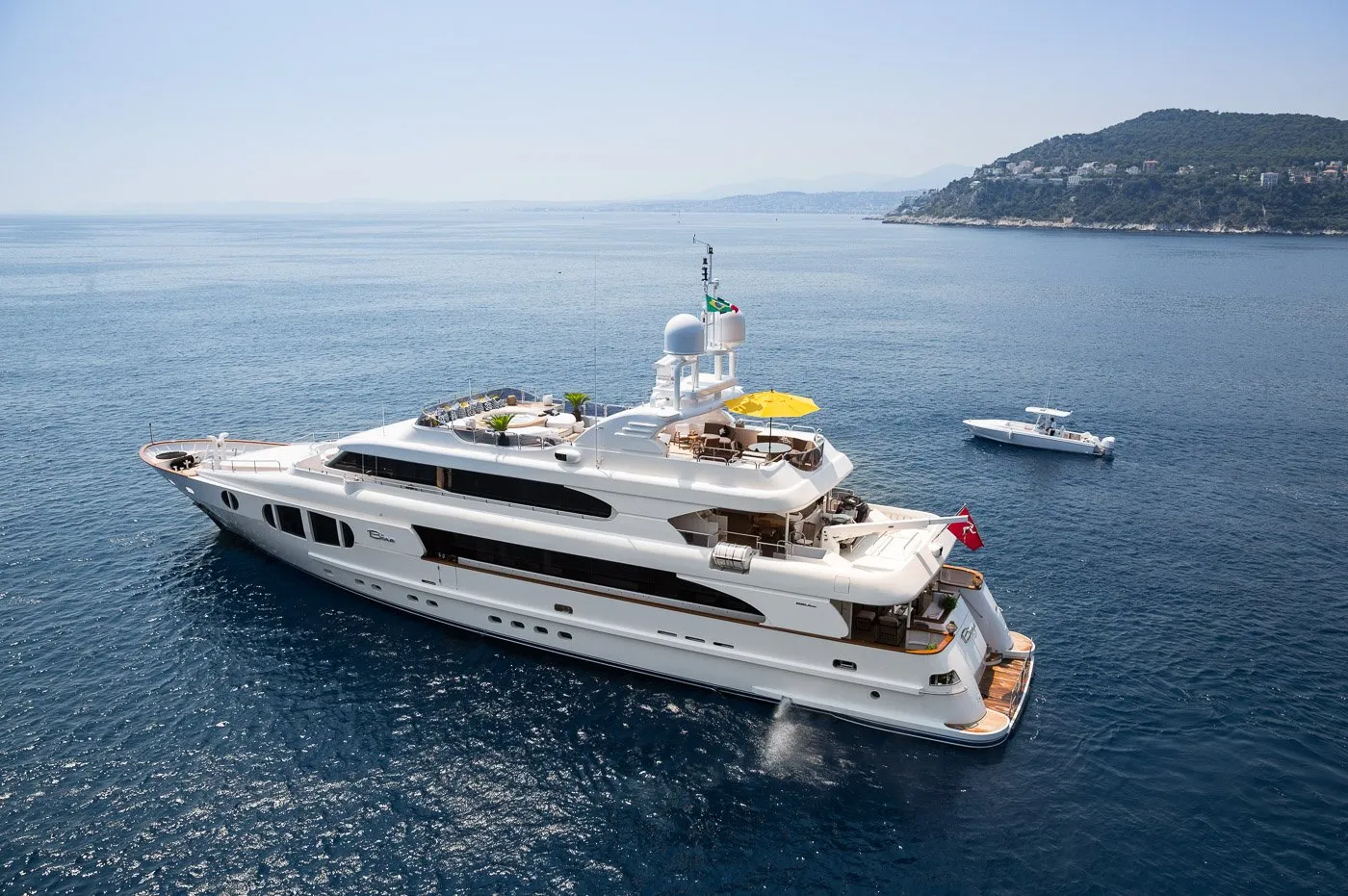
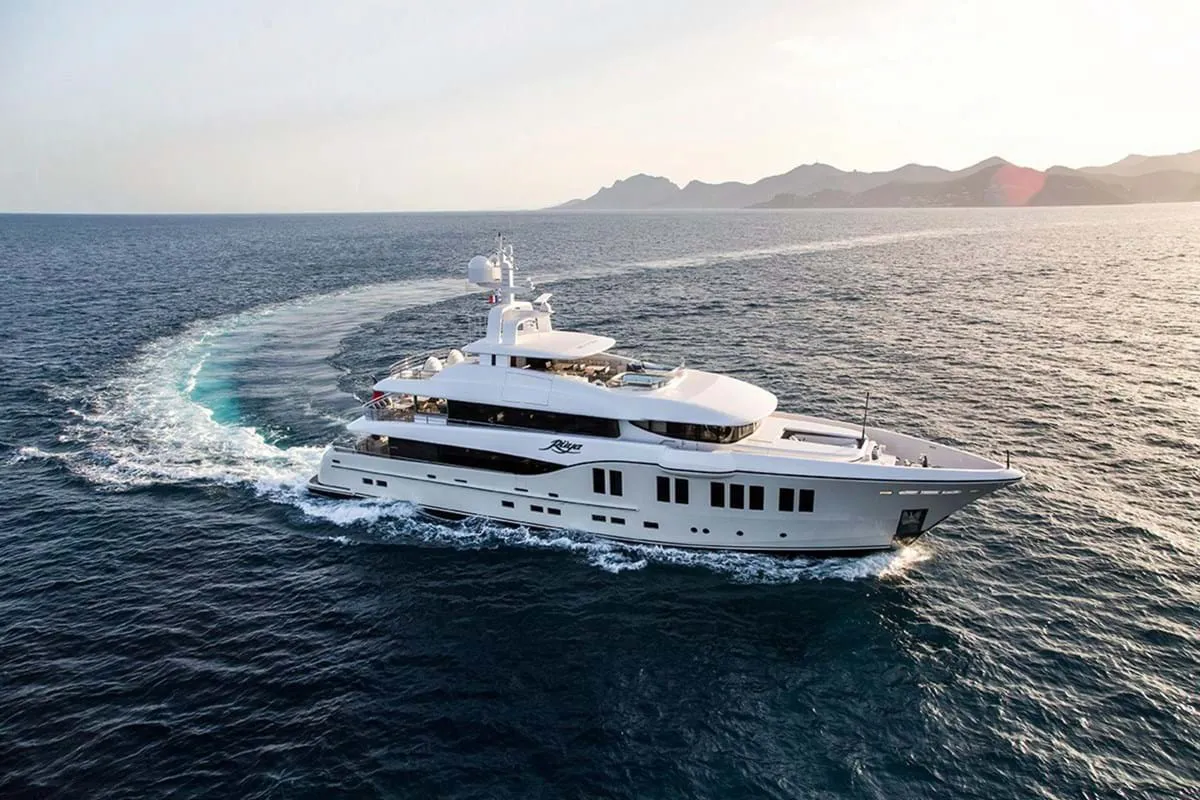
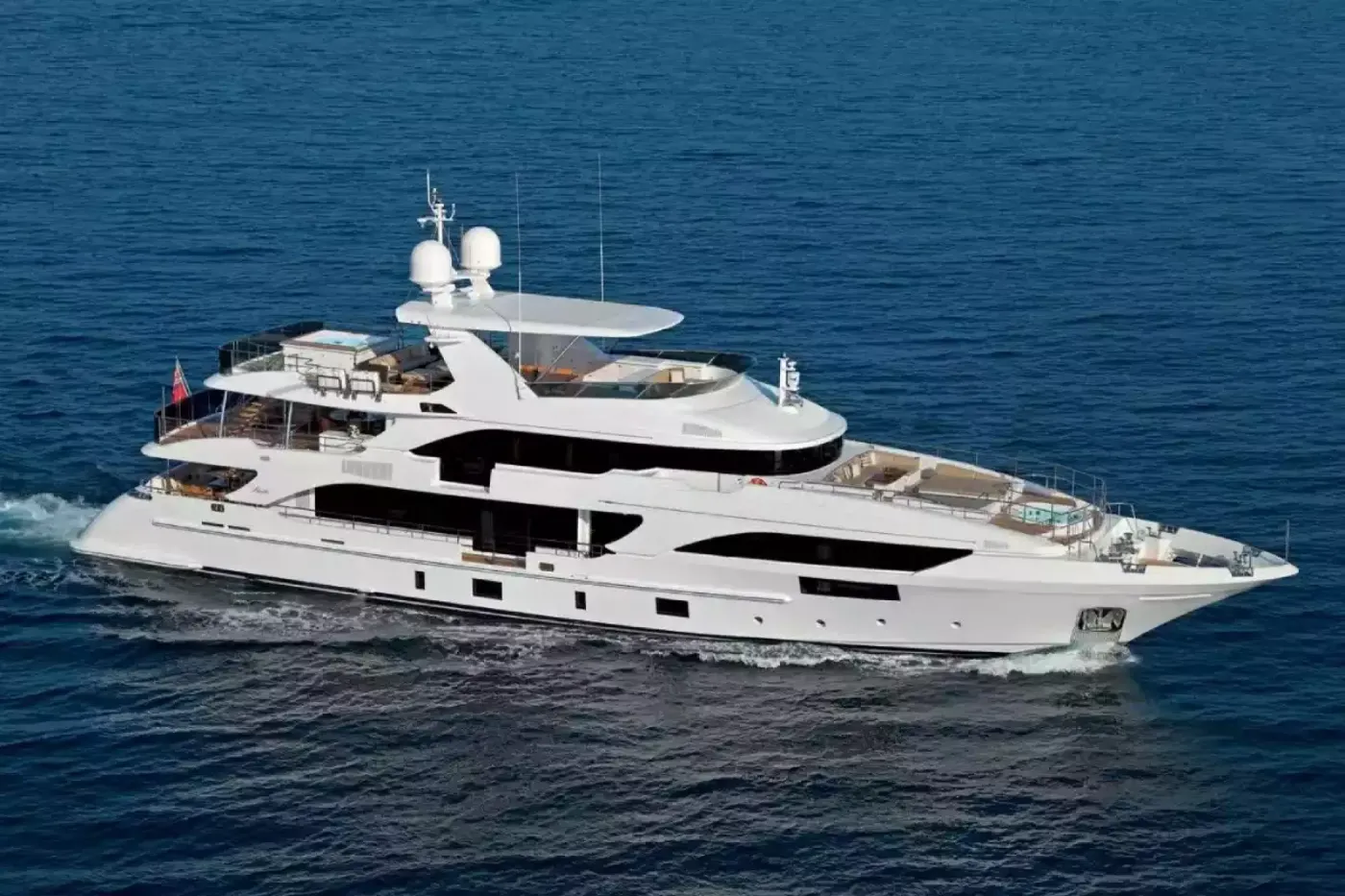
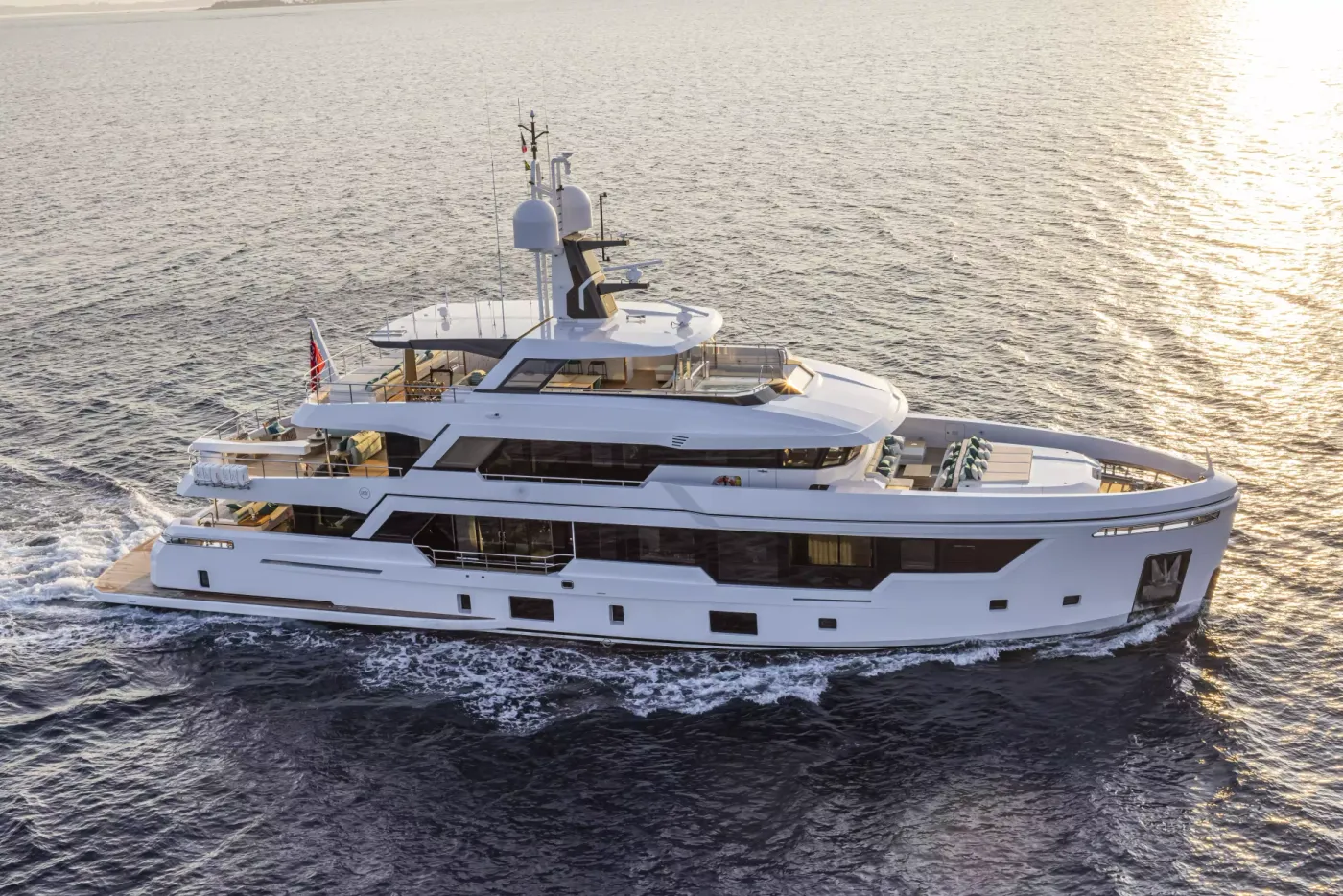
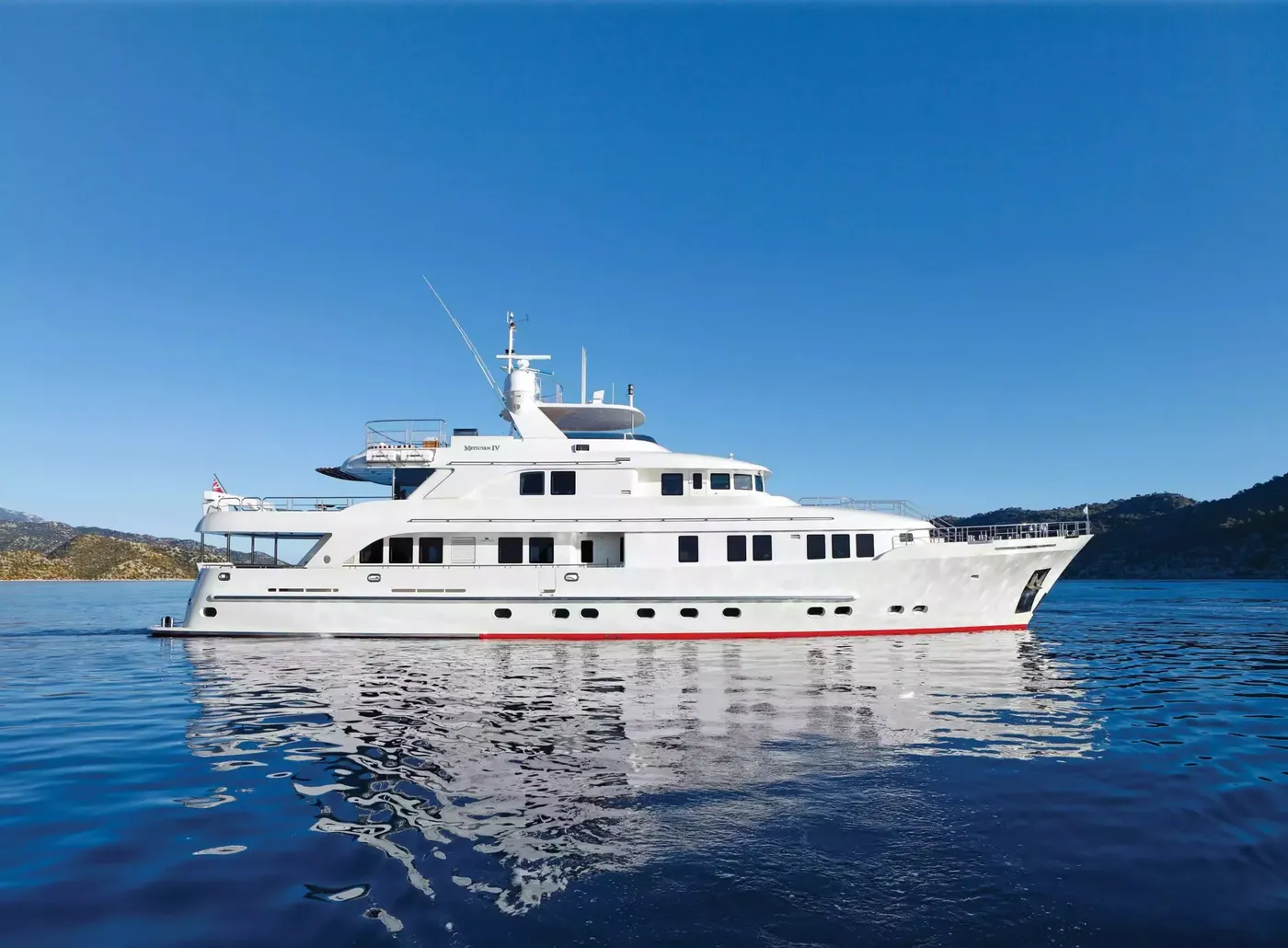
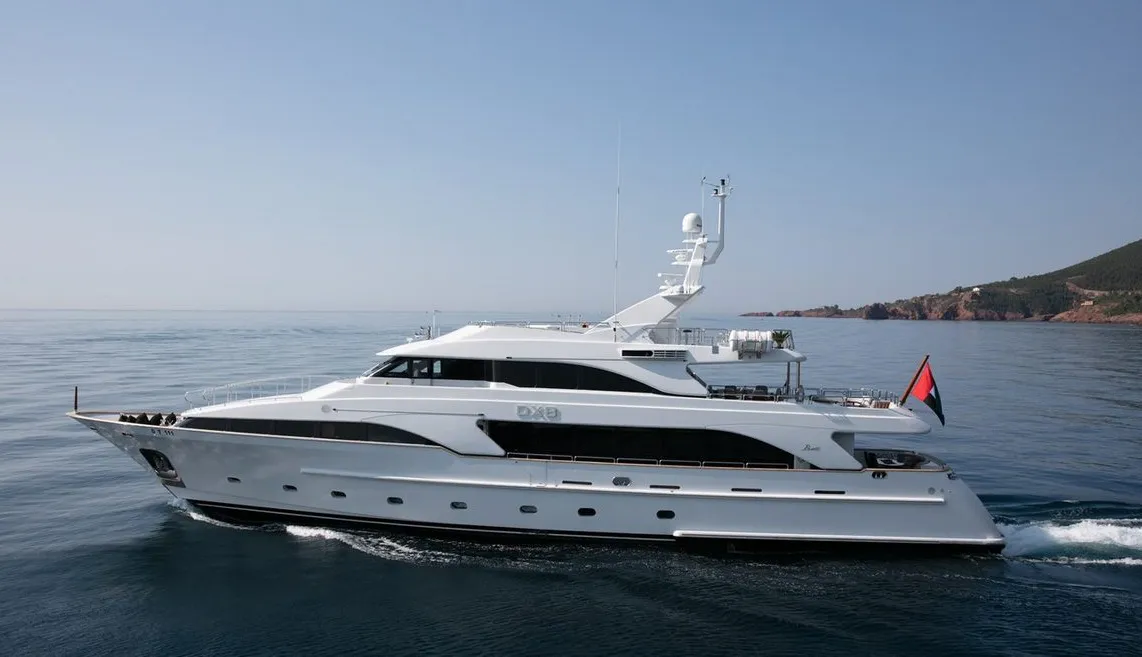
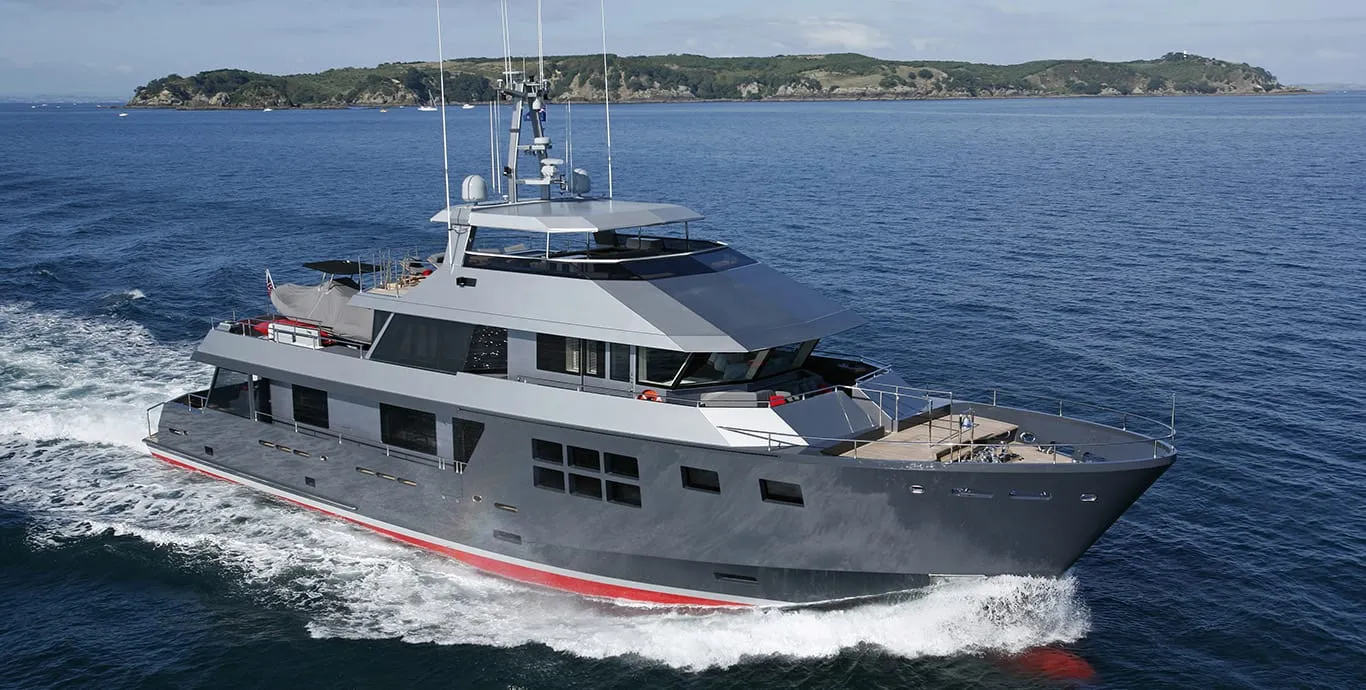
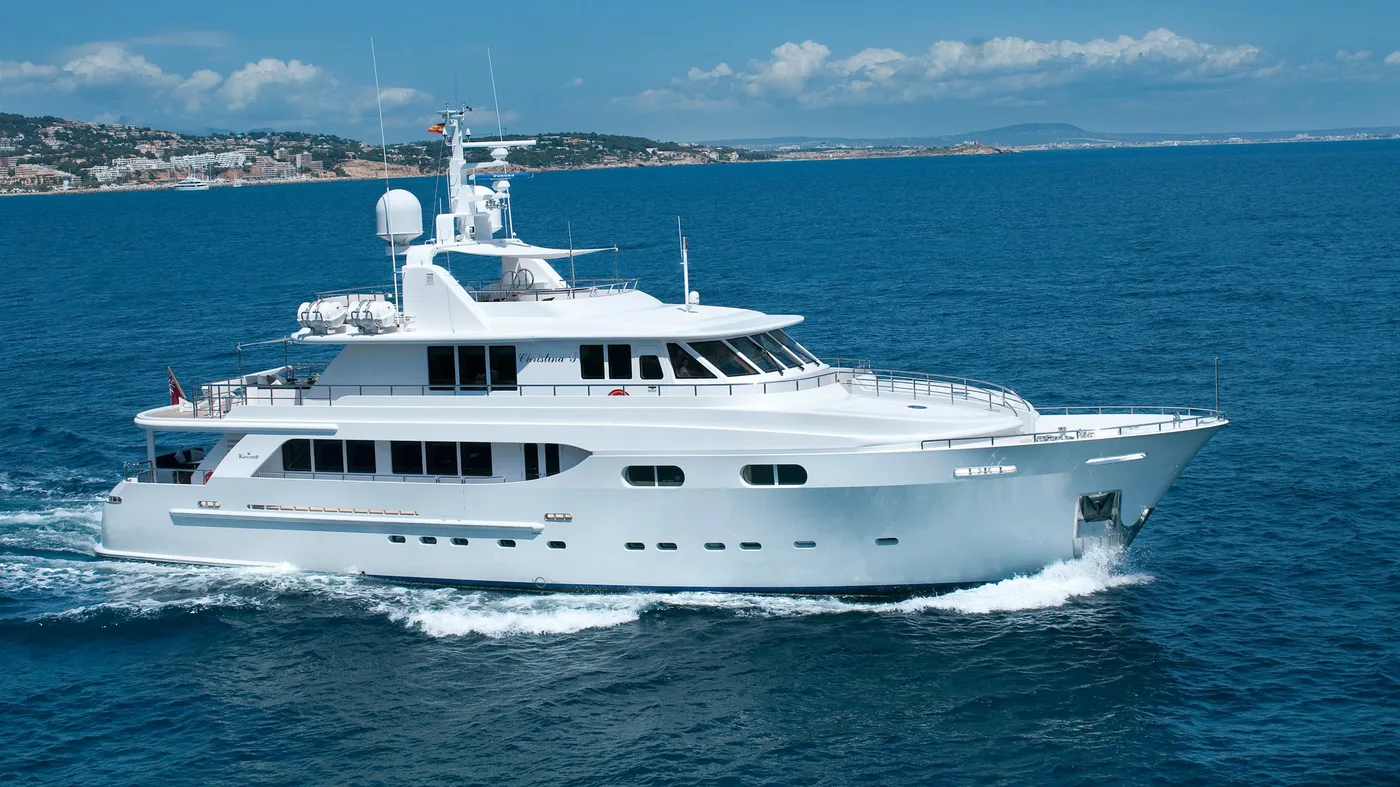
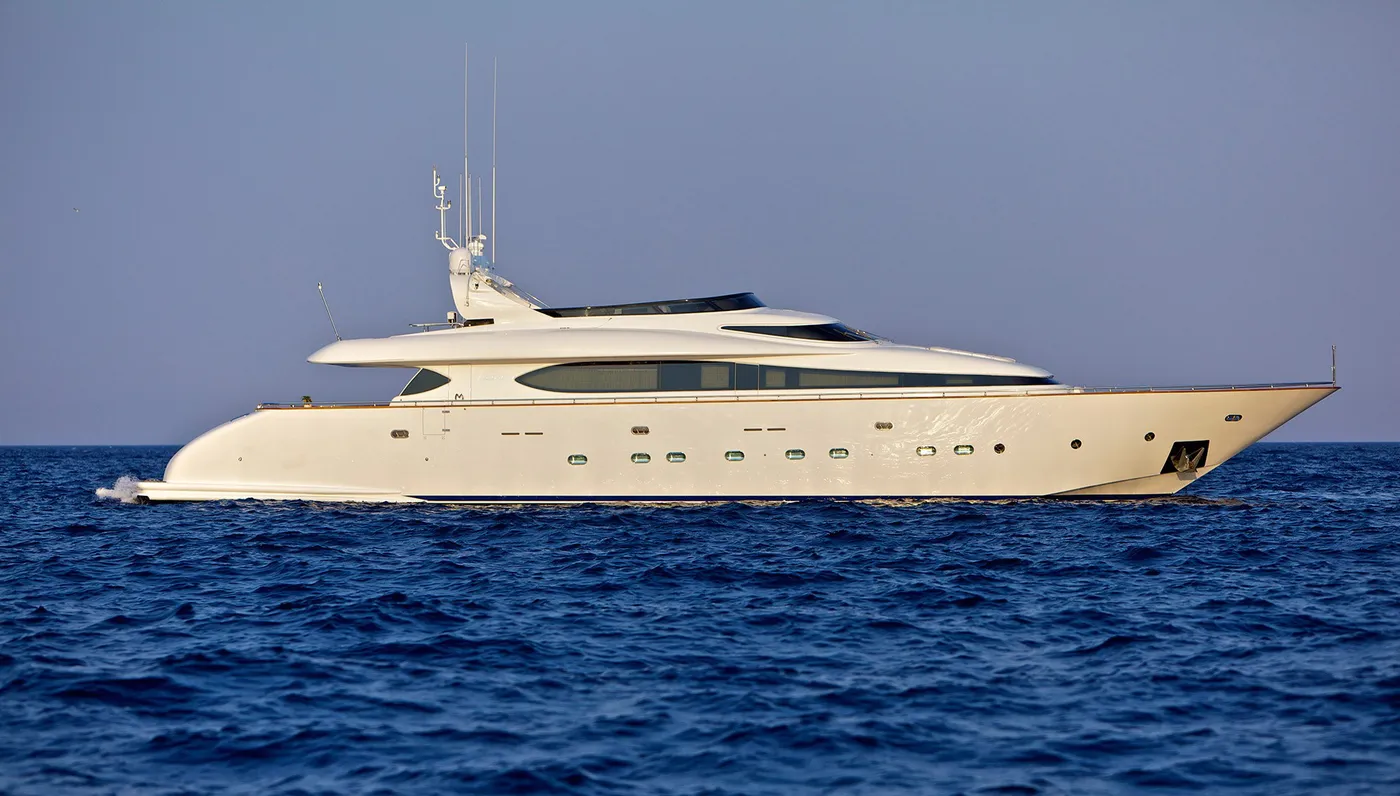
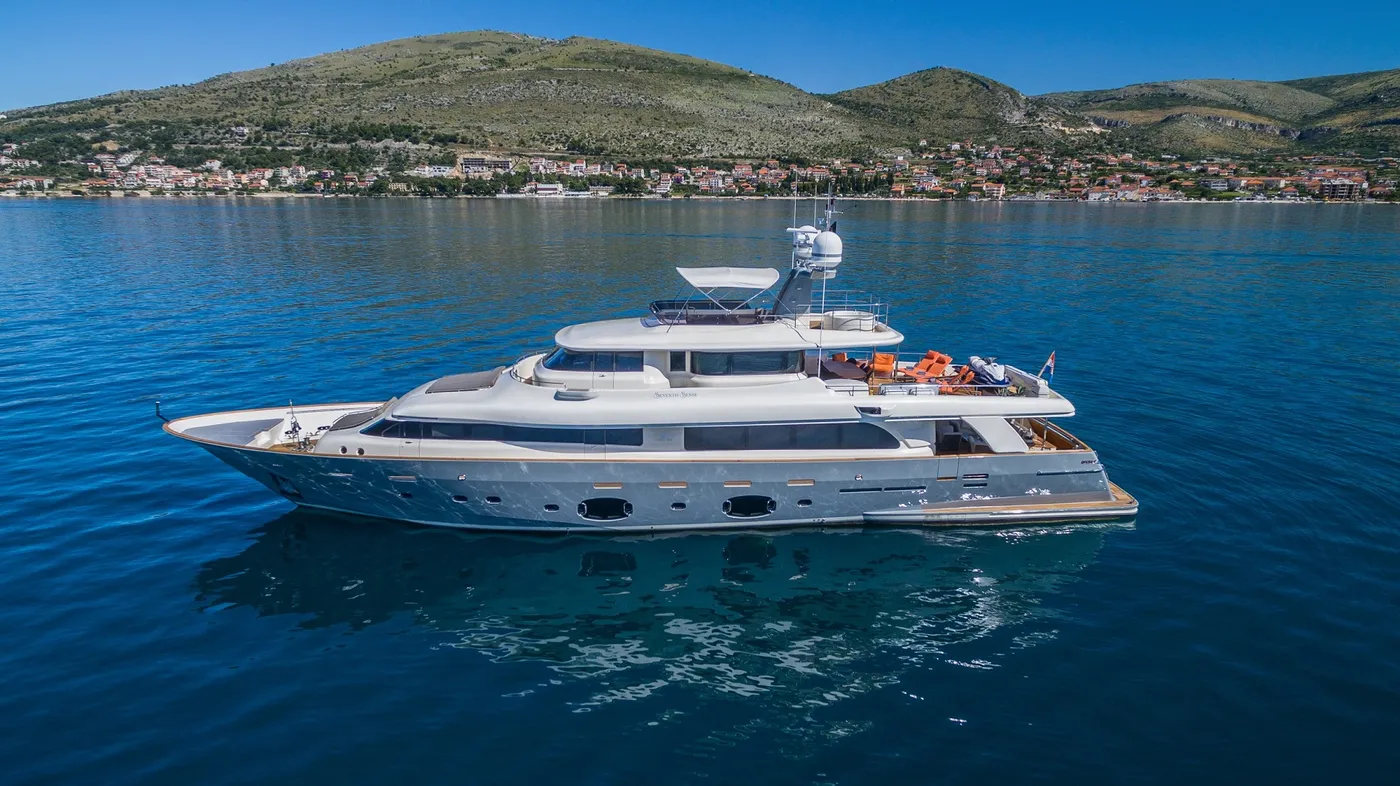
- Motor yachts make the most of the short distances: you can swim in two coves before lunch and still be in a new town by evening. Fast yachts also make it easy to add Vis or Lastovo. They remain the most popular option in Croatia, according to Ocean Independence.
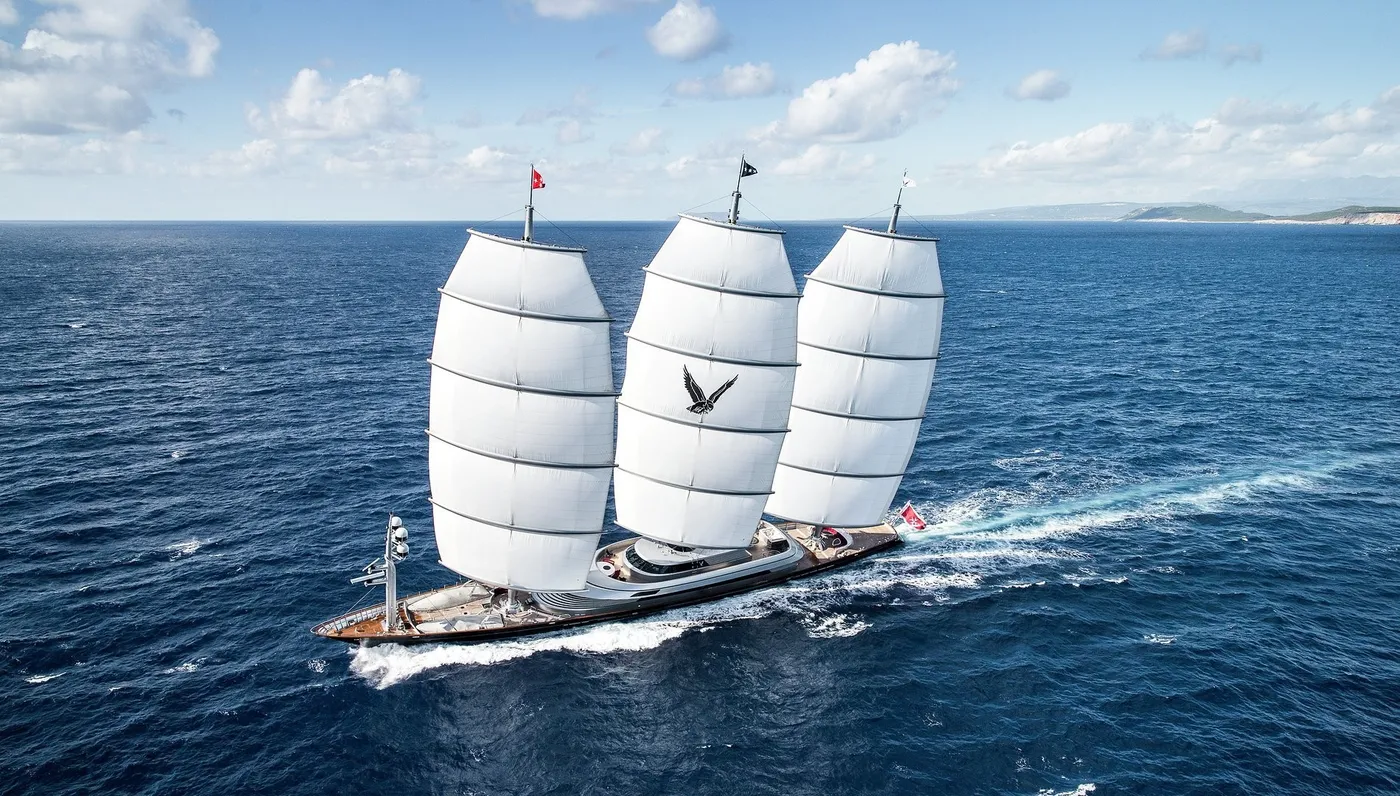
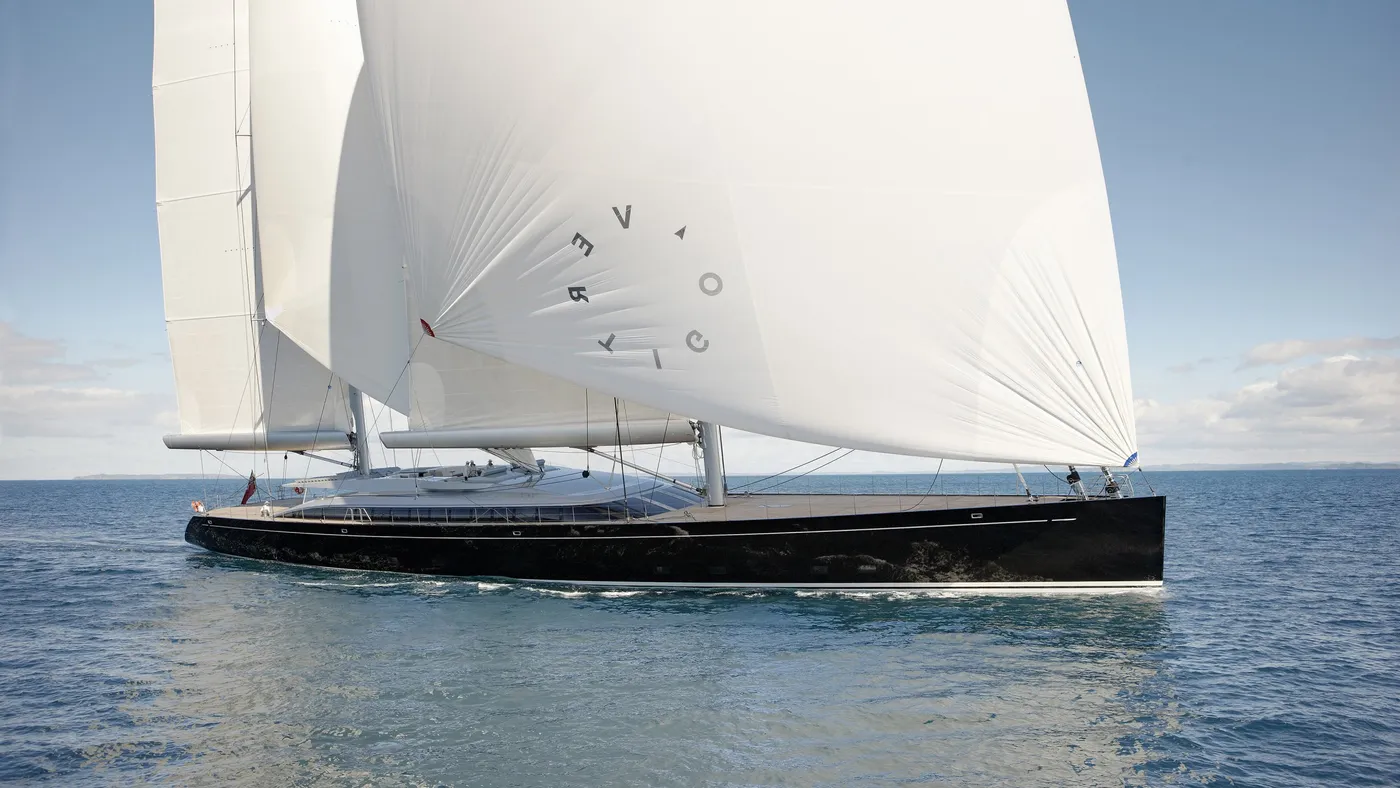
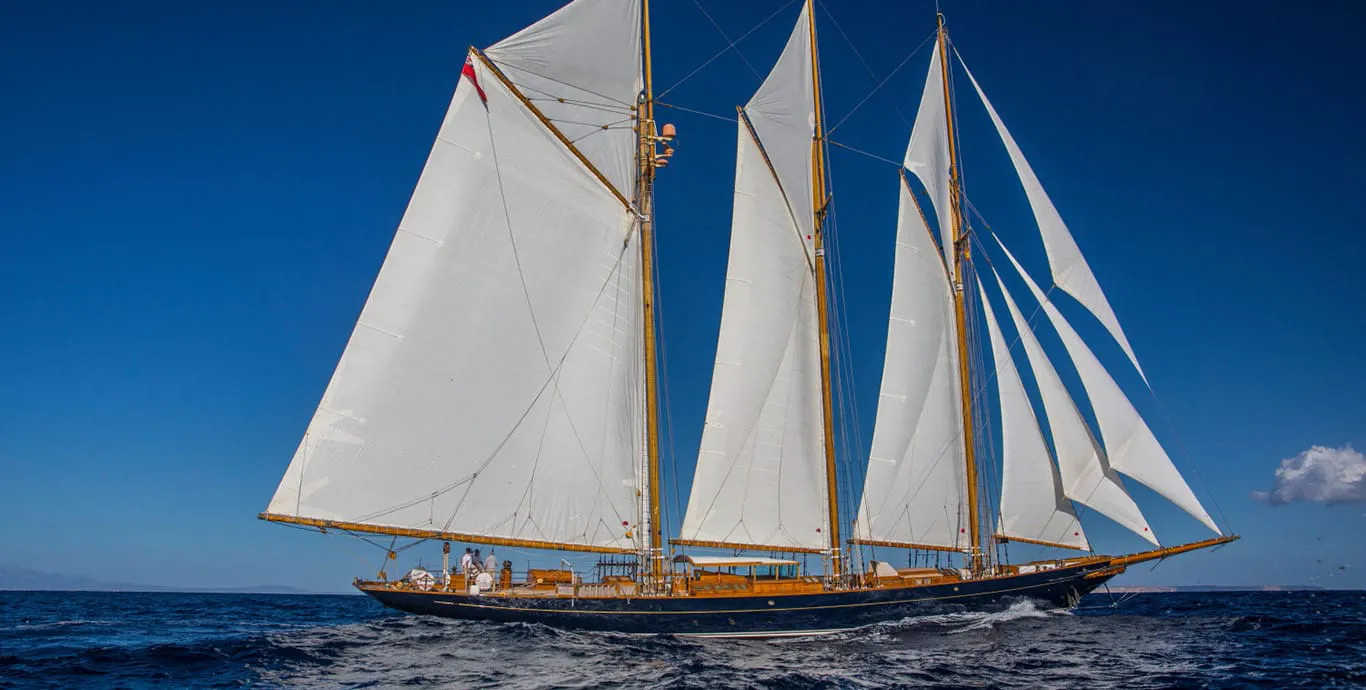
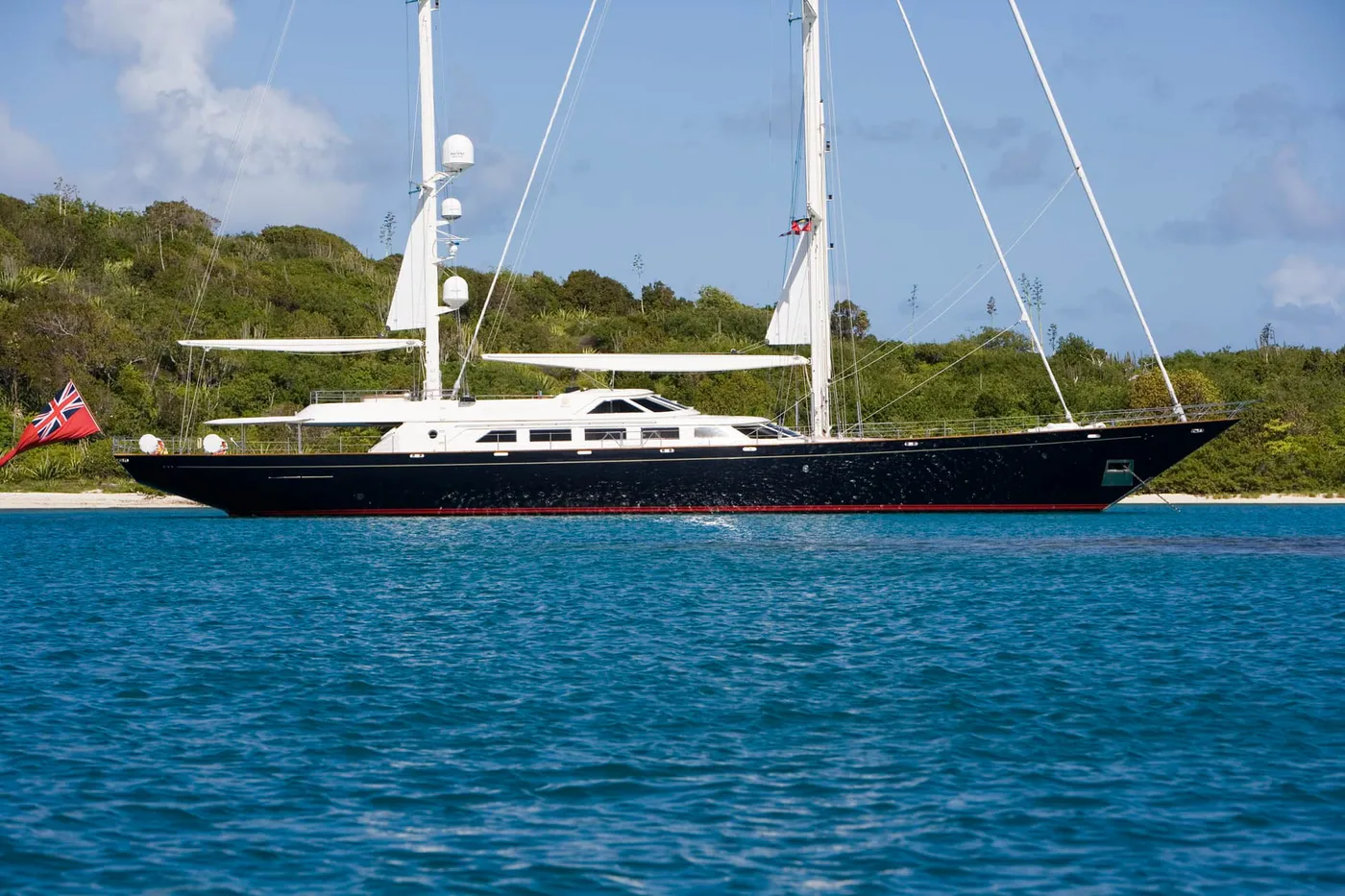
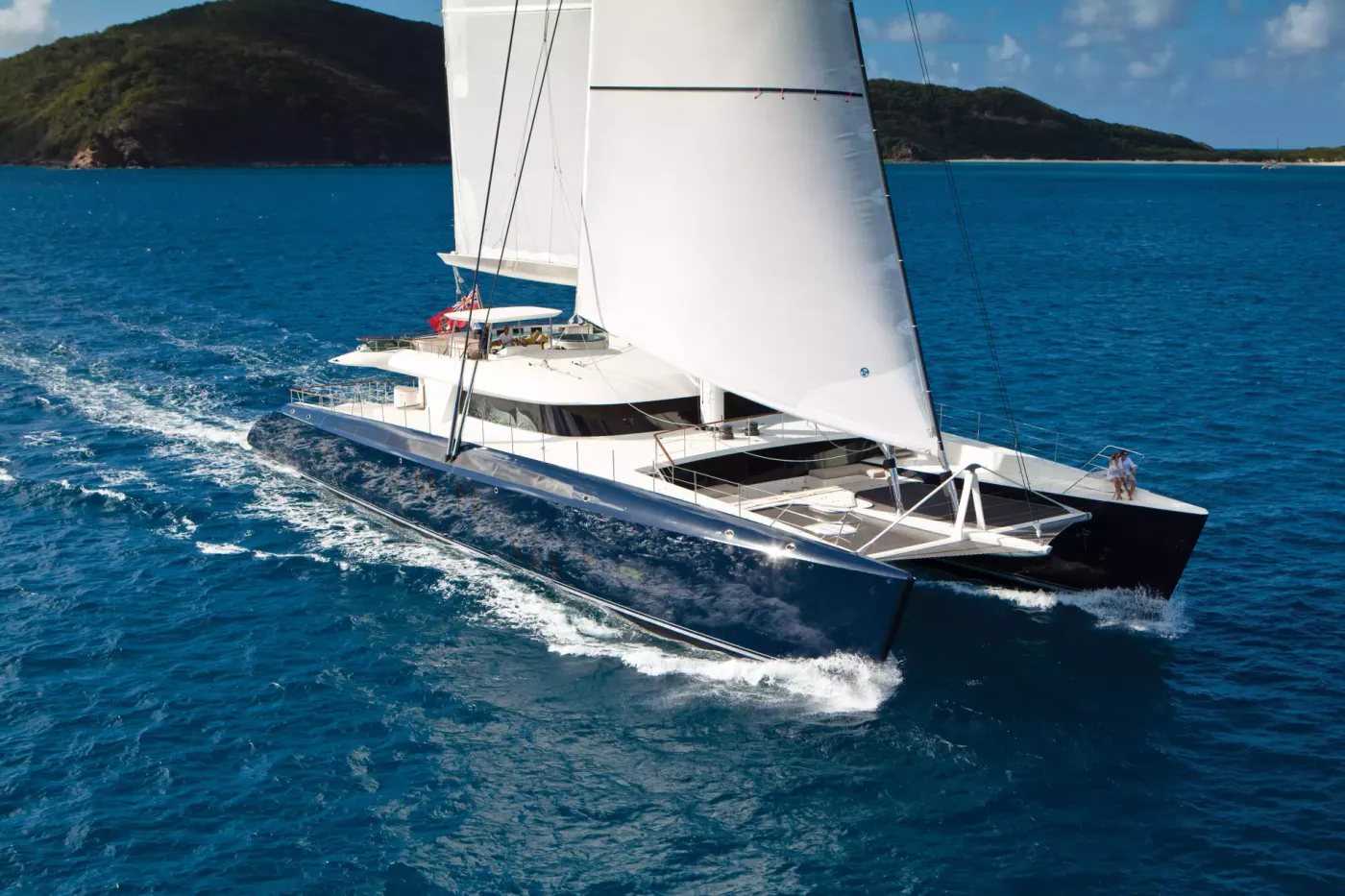
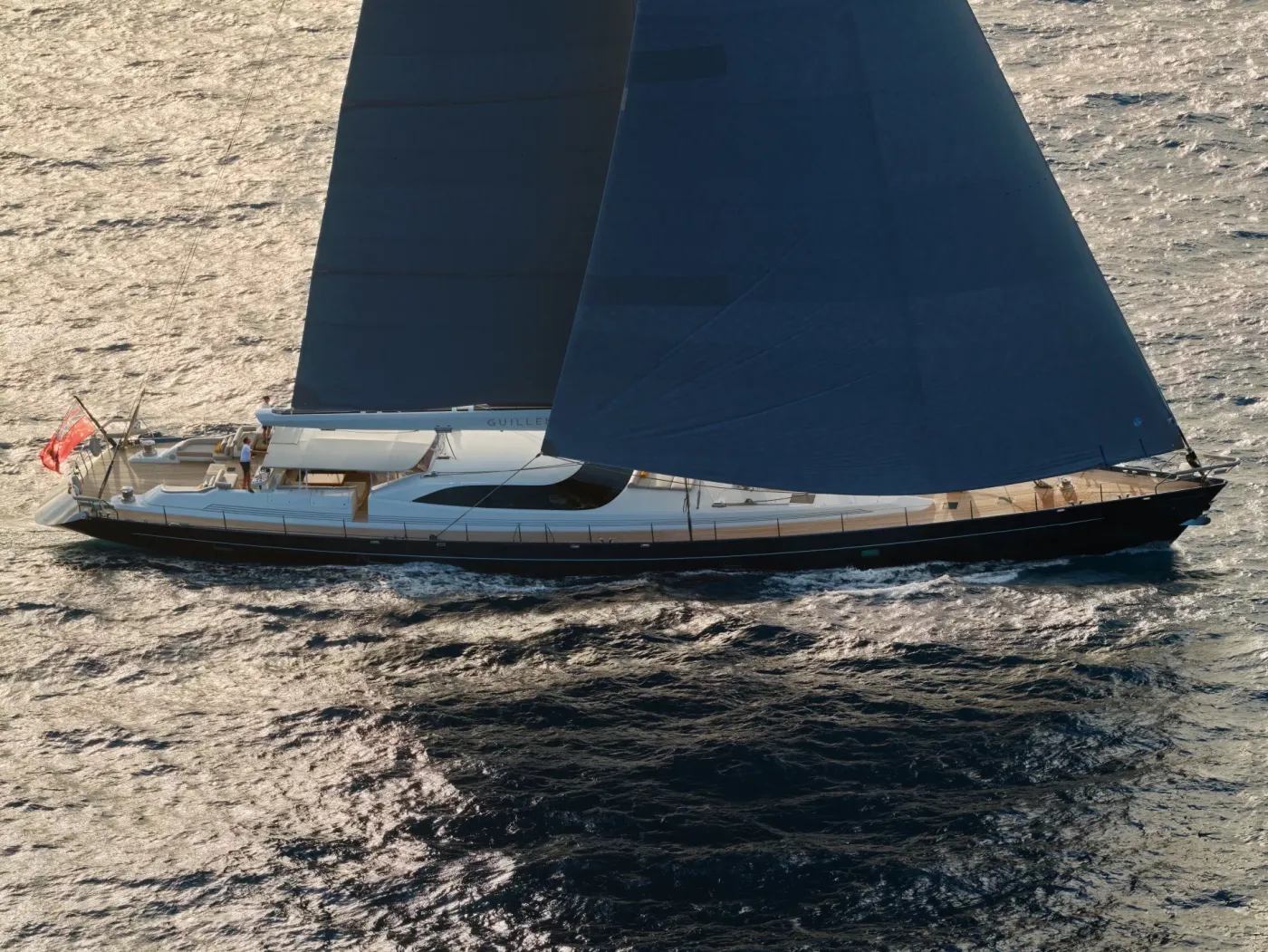
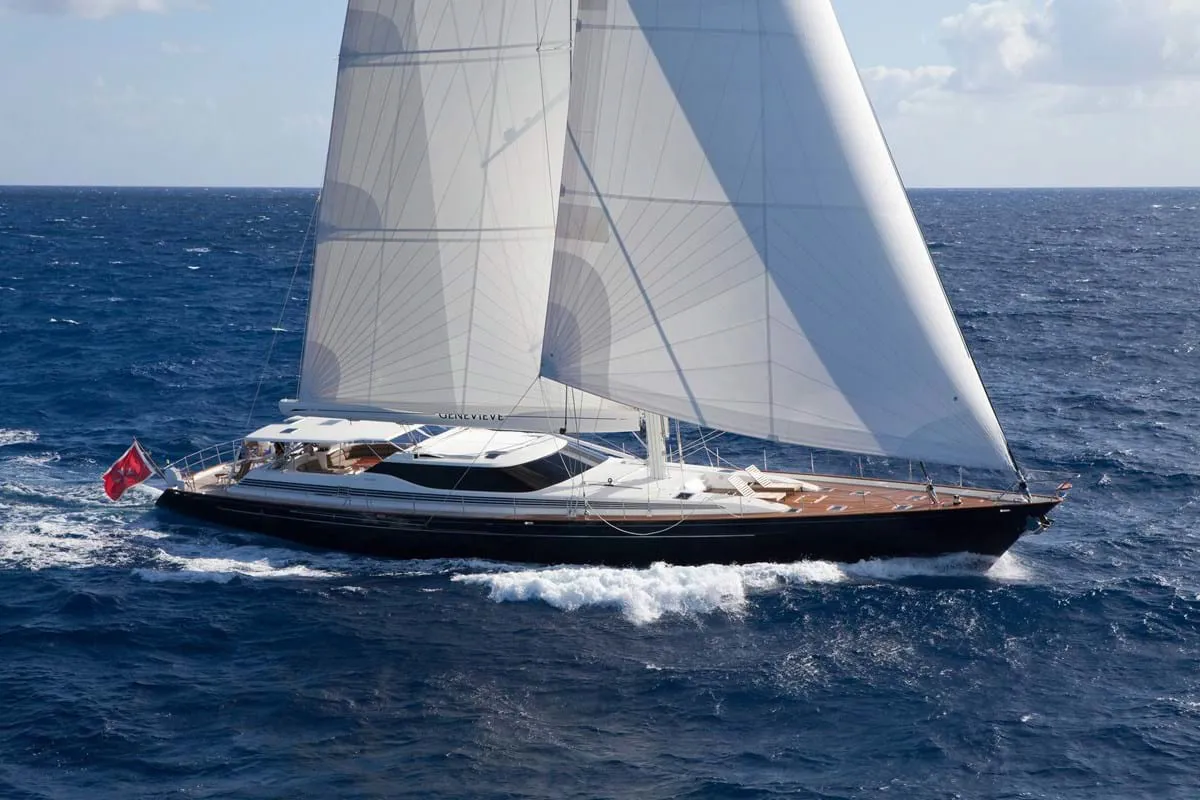
- Sailing yachts and catamarans suit the maestral, a moderate wind that Marina Frapa calls ideal for sailing.
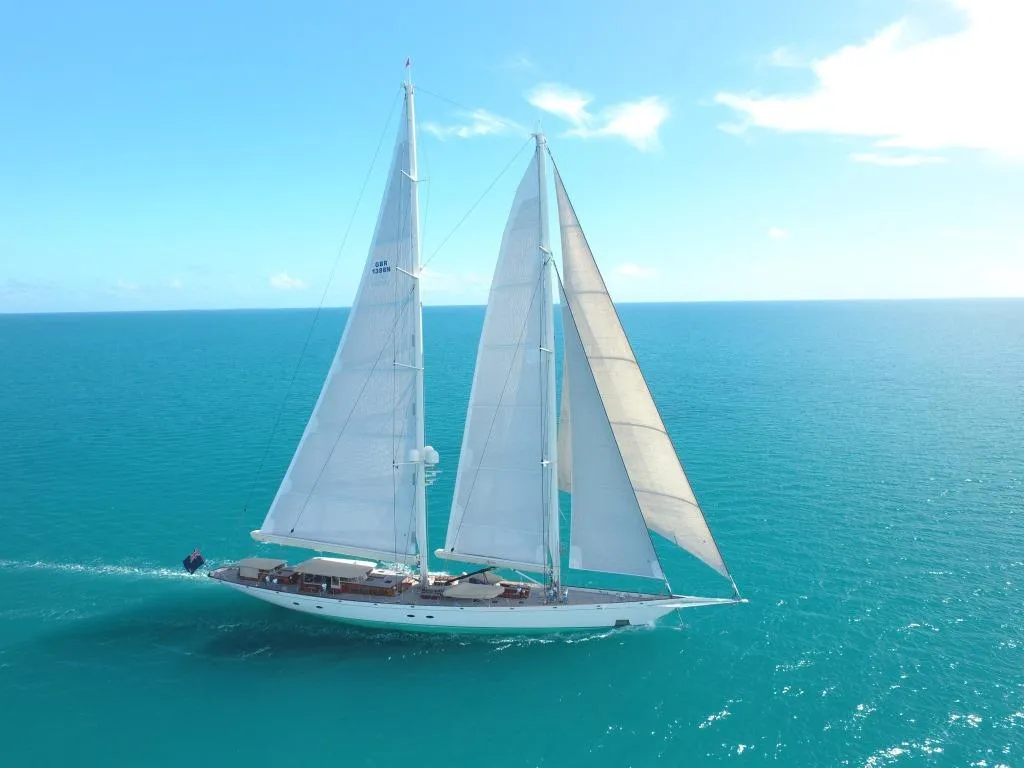
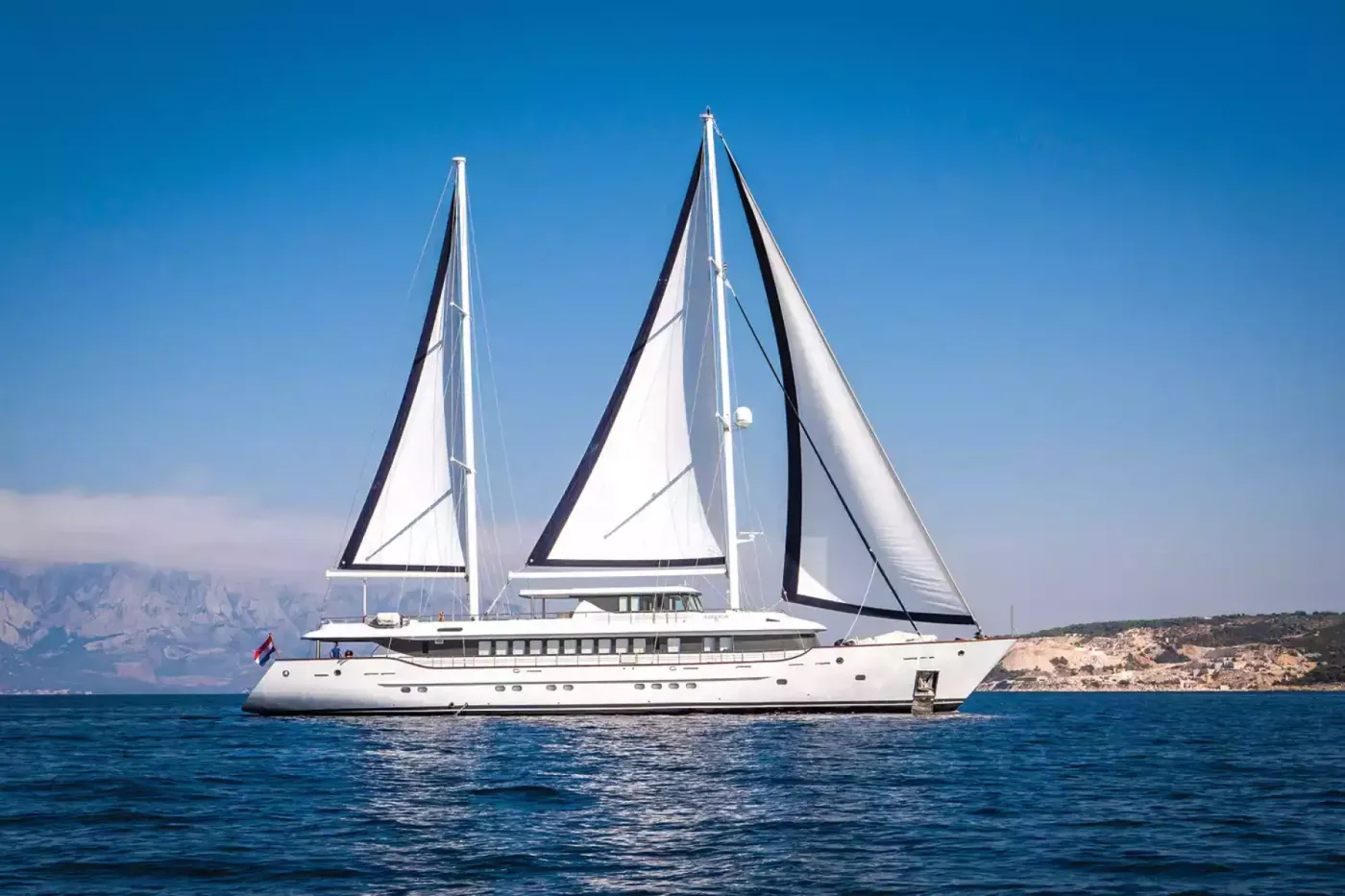
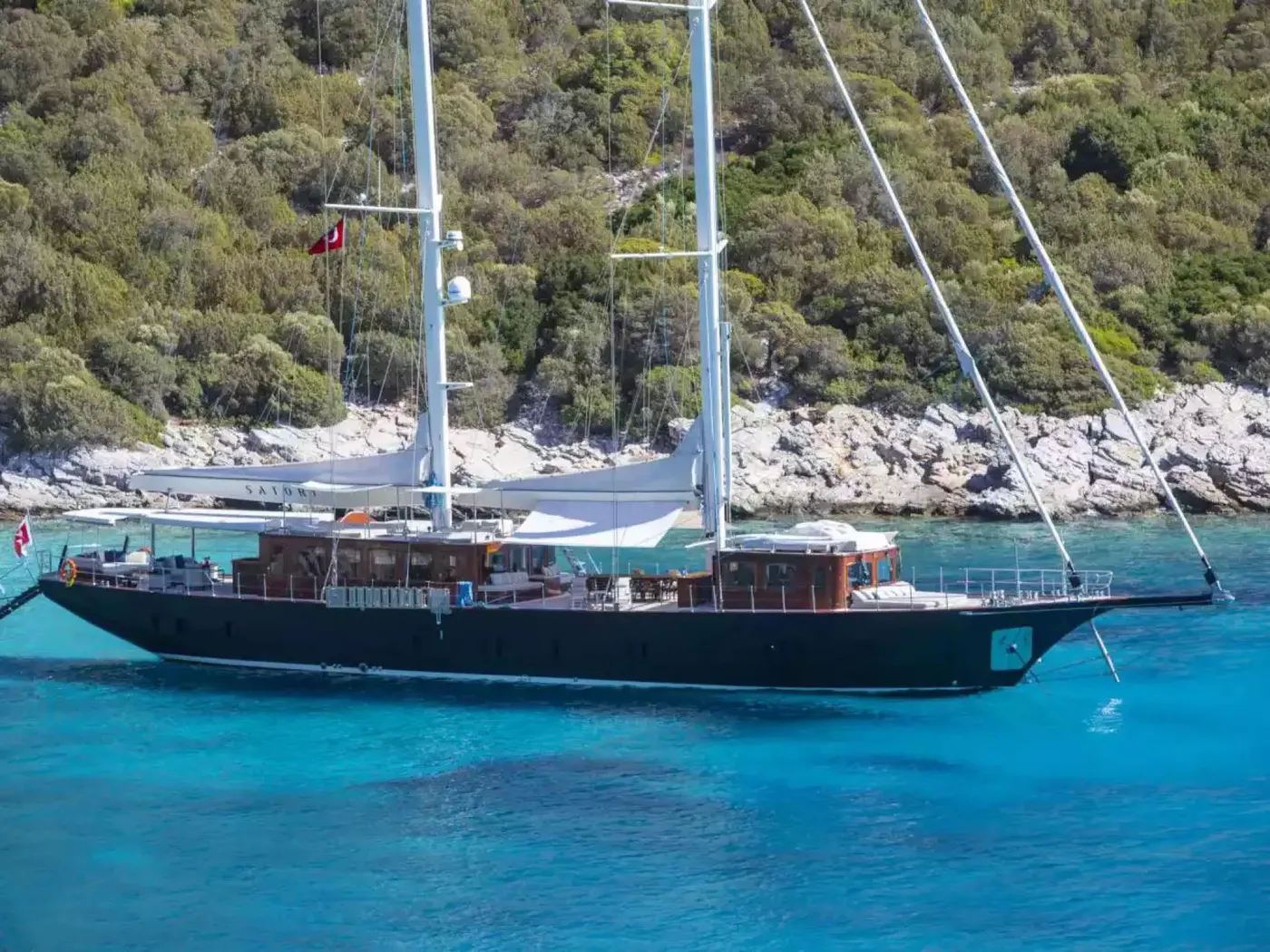
- Gulets, traditional wooden motor-sailers, are another alternative, for families and longer island-hopping trips.
Our comparison of motor yachts, sailing yachts and catamarans goes into the pros and cons.
Practical points before you go
Getting there
Fly into Split or Dubrovnik, depending on where the charter starts. Zadar airport serves the north (Kornati). Split airport is near Trogir, which is also a possible embarkation point.
Money, language and documents
Croatia adopted the euro on 1 January 2023, according to the European Commission, and is part of the Schengen area. Croatian is the official language, and English is widely spoken in marinas and tourist towns. The crew will ask for passport details before the charter for the crew and passenger list.
Mooring in town
Berth fees add to the cost, especially at popular ports in high season, and anchoring lowers it, according to Fraser. The captain arranges berths; what matters for you is that a night on Hvar’s waterfront in August costs more than a night at anchor in a quiet bay.
Crossing borders
Dubrovnik is close to Montenegro. A charter that crosses into Montenegro needs clearance out of Croatia and into Montenegro, and VAT treatment changes. If you want to combine the two, tell the agency at the start.
Common mistakes to avoid
- Trying to fit Kornati and Dubrovnik into one week. They are at opposite ends of Dalmatia. Choose one region or take two weeks.
- Buying park tickets on the spot. In Kornati, a ticket bought inside the park costs double in 2026.
- Assuming any start day works. Most charters in Croatia run in weekly blocks from Saturday to Saturday, according to Ocean Independence; if you want another start day, ask whether the yacht can do it.
- Assuming every yacht can charter in Croatia. Flag and licensing matter; check availability for Croatia specifically.
- Underestimating berth costs in Hvar and Dubrovnik in August. They add up in the APA.
Which Croatian week suits you?
The more useful details for a Croatian enquiry are the region (Split to Dubrovnik, or Šibenik and Kornati), whether you want a one-way week or a round trip, whether Montenegro is part of the plan, your dates and how many of you there are. Say too whether you lean towards towns, quiet islands or a mix. A charter specialist will reply with yachts that can charter in Croatia and their full price, APA, VAT and any delivery fee included. The charter is signed with the yacht’s owner through a licensed charter agency, normally under the MYBA contract, with the full price and VAT clear before you sign. If you are still choosing a country, compare it with the Greek islands. Tell us which week.