In this guide
- Why charter in Montenegro?
- When is the best time to charter in Montenegro?
- A seven-day route from Tivat
- Which places are worth a stop?
- Are there protected areas and anchoring rules?
- What permits and local taxes apply?
- What VAT applies to a charter in Montenegro?
- How much does a yacht charter in Montenegro cost?
- Which type of yacht works best in Montenegro?
- Practical points before you go
- Common mistakes to avoid
- Which Montenegro week suits you?
Montenegro is a short coast with a lot packed into it. Noonsite puts the whole coastline at only about 300 km, and its centrepiece, the Bay of Kotor, is a deep inlet where you can wake up under medieval walls and swim in open sea by lunchtime. That makes it one of the easiest places in the Mediterranean to plan a relaxed week: short passages, sheltered water inside the bay, and a choice of towns, beaches and anchorages within a few hours of each other. It also has two practical points in its favour. IYC lists 0% VAT for charters cruising in Montenegrin waters, and foreign yachts can again buy tax-free diesel at three marinas. What you do need to understand before you ask for yachts is how the vignette and ports of entry work, and what changes if the week also takes in Croatia.
Why charter in Montenegro?
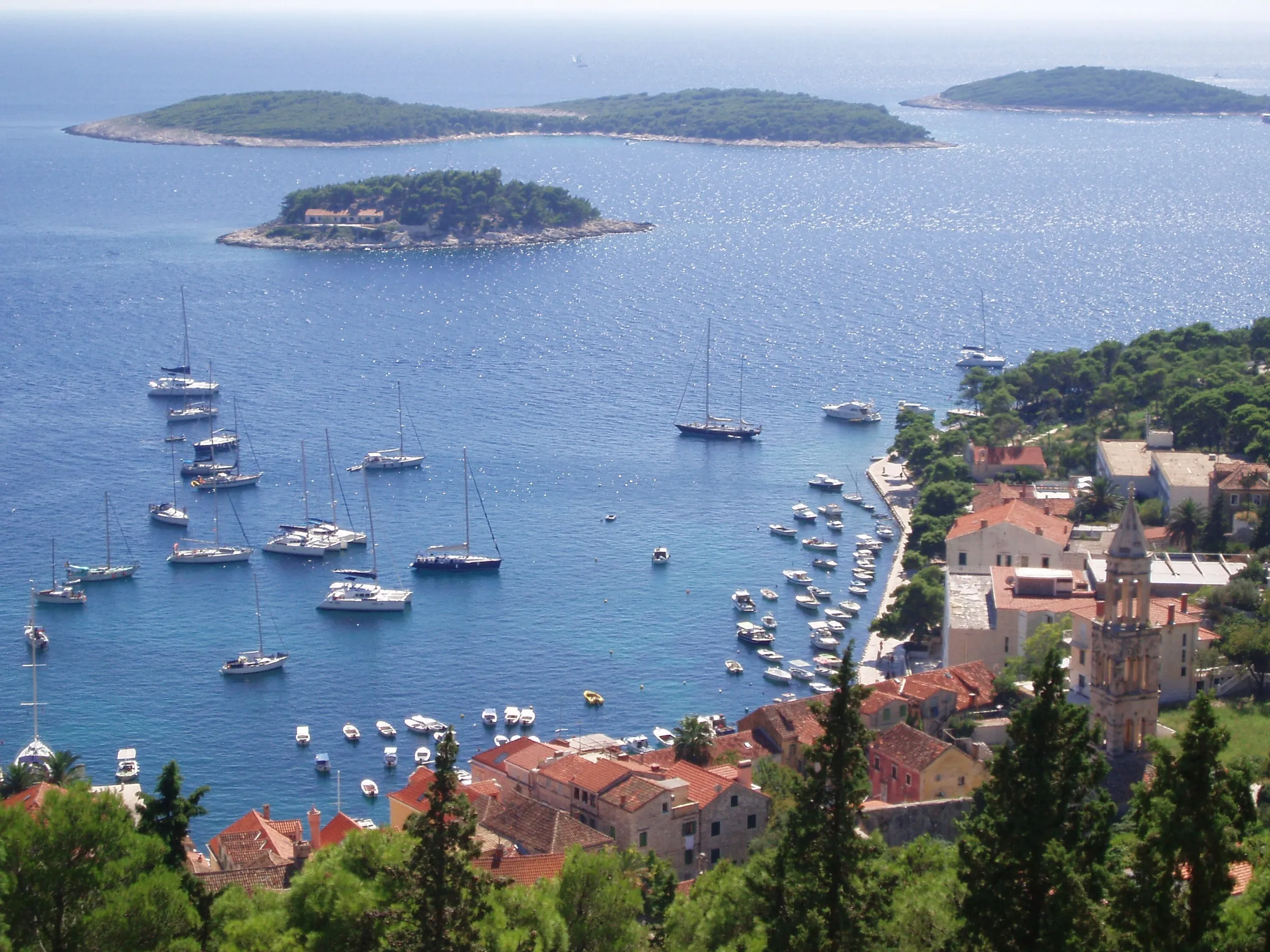
The Bay of Kotor is the reason most people come. Noonsite calls it the longest ria in southern Europe, and BOAT International describes its “glassy stillness” as part of a UNESCO-listed landscape. Mountains rise straight out of the water, and the towns around the shore (Kotor, Perast, Tivat, Herceg Novi) are close enough that a short cruise takes you from one to the next.
Outside the bay, the coast changes character. The Luštica peninsula has clear water and caves, Budva has beaches and nightlife, and further south Sveti Stefan is the postcard view of Montenegro. A crewed yacht lets you split the week between the calm of the bay and the open coast without packing and unpacking.
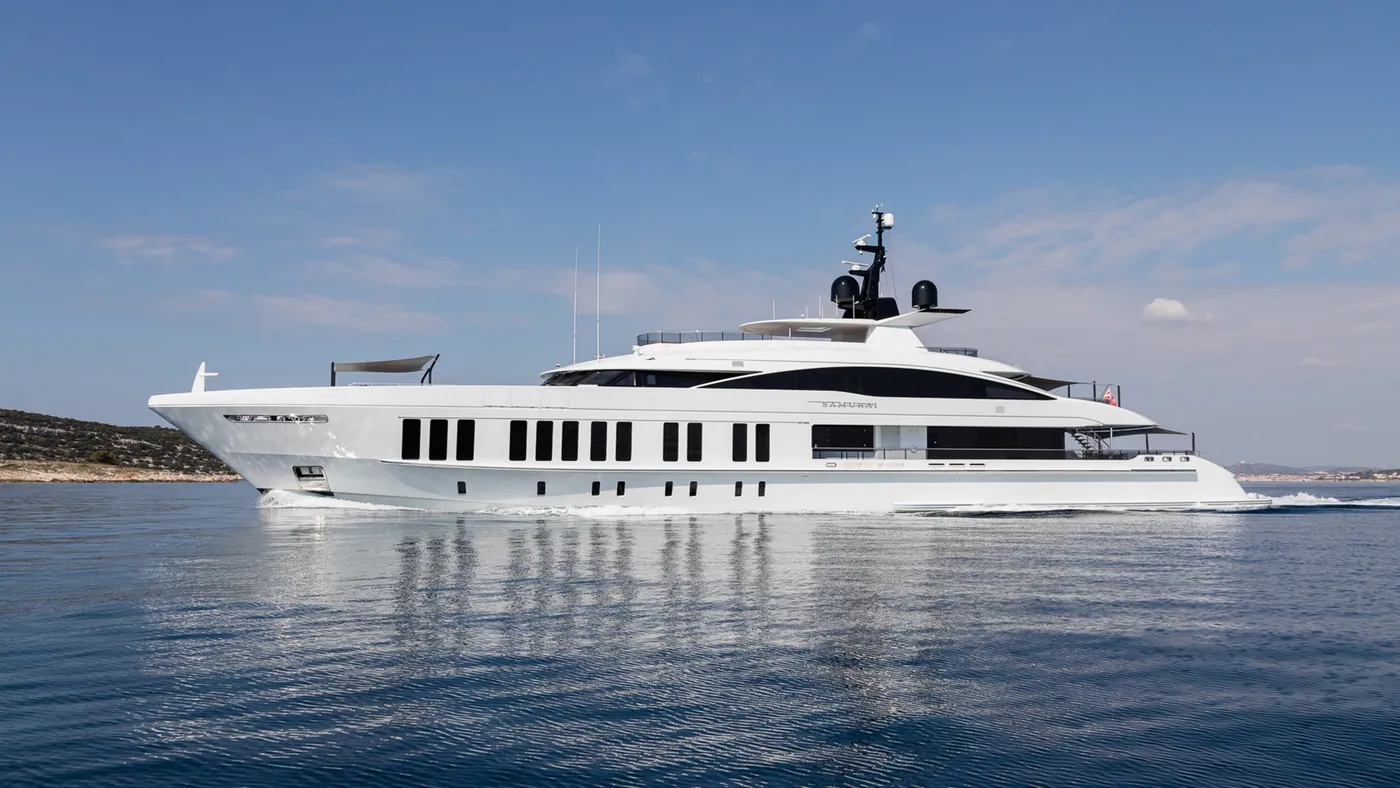
The third advantage is infrastructure. Porto Montenegro, in Tivat, says it has more than 500 berths for yachts up to 250 metres. Its airport is ten minutes away by car, according to BOAT International, so you can step off a flight and be on board the same afternoon.
The trade-off is that the coast is short and the season is concentrated. Kotor and Perast fill up in the middle of summer, and if you want more variety than one coast can give, a Montenegro week often works best combined with southern Croatia or, further south, the Ionian.
When is the best time to charter in Montenegro?
The charter season in Montenegro runs from May to October, according to BOAT International. Average summer temperatures are between 26°C and 30°C, with the hottest and driest months from June to September. July and August are the busiest months; June and September offer sunny skies and quieter anchorages.
| Period | Conditions | Best for |
|---|---|---|
| May | Season opening, quieter towns, cooler water. | Sightseeing, food and wine, lower demand. |
| June | Long days, warm weather, anchorages not yet full. | Families and first-timers. |
| July–August | Hottest and busiest months; Kotor and Budva at full volume. | Groups who want beach clubs and nightlife. |
| September | Warm sea, sunny days, quieter anchorages. | Sun with fewer boats at anchor. |
| October | End of the season, more changeable weather. | Flexible guests, inland excursions. |
Montenegro also has a winter angle. Burgess points out that between January and March you can combine a yacht with skiing: the country has nearly a dozen ski resorts with 61 kilometres of slopes within a few hours’ drive of the coast. This is a niche trip.
For peak-season dates on a particular size of yacht, look early. Our guide on when to book a yacht charter explains how far ahead to start for each season.
What winds should you expect?
Montenegro shares the Adriatic’s wind pattern. Marina Frapa’s guide to Adriatic winds explains that the bura and the jugo shape the weather and blow more often in winter, from October to April, while the maestral blows mostly in summer. Two details matter more here than further north:
- Jugo. A warm, humid wind from the south-east, and it is stronger and more frequent in the southern Adriatic, where Montenegro lies.
- Maestral. The summer wind from the north-west. Marina Frapa describes it as a constant wind of moderate strength, which is why most summer days are easy.
- Bura. A cold, gusty wind from the north-east. Noonsite notes that katabatic winds are common and strong in winter, particularly in the Gulf of Kotor.
When the open coast is uncomfortable, the bay is the natural refuge, which is one of the reasons a Montenegro week is easy to keep on track.
A seven-day route from Tivat
The week starts and finishes at Porto Montenegro in Tivat, inside the Bay of Kotor. The route follows a sample itinerary published by Burgess, presented as seven days: Tivat, Kotor, Perast, the Luštica peninsula, Budva, Sveti Stefan and back to Tivat. It gives the stops in order without dating each one, so the split into days is ours, with two nights at Budva. For scale, a seven-day sailing loop from Tivat published by HELM covers 69 nautical miles, and BOAT International puts Budva around 35 nautical miles south of Kotor.
What Montenegro’s rules allow a yacht of 30 to 50 metres at each stop is gathered in the box at the end of the route.
| Day | Leg | Miles |
|---|---|---|
| 1 | Tivat → Kotor | — |
| 2 | Kotor → Perast | — |
| 3 | Perast → Luštica | — |
| 4 | Luštica → Budva | — |
| 5 | Budva | — |
| 6 | Budva → Sveti Stefan | — |
| 7 | Sveti Stefan → Tivat | — |
Day 1: Tivat to Kotor
The first evening is spent under medieval walls, at the far end of the bay.
Board at Porto Montenegro, cruise through the Verige strait as the inner bay opens up, and anchor beneath Kotor’s walls for the first night. The old town and the bay are both on the UNESCO list.
Day 2: Kotor to Perast
Two small islets and a baroque town, at their best early or late in the day.
Kotor’s old town early, before the crowds, then the short run across the inner bay to Perast, which faces the islets of Our Lady of the Rocks and St George. Go ashore in Perast early or in the evening, when it is quieter, and spend the middle of the day on board. Our Lady of the Rocks is a short tender ride.
Day 3: Perast to the Luštica peninsula
Out of the bay to open sea, clear water and a cave lit blue.
Back out through the Verige strait and west to the Luštica peninsula, outside the bay, to anchor and visit the Blue Cave, or Plava špilja. Guests paddle in by kayak, with the yacht anchored close by.
Day 4: Luštica to Budva
The open coast: beaches, an old town and summer theatre.
South along the coast to Budva, passing Platamuni, one of the nature parks. Budva has its beaches, its old town and, in summer, the Budva City Theatre festival on open-air stages. Guests go ashore by tender.
Day 5: Budva
A day to have the old town almost to yourself before the night begins.
A second day in Budva: the old town early in the morning, when you have it almost to yourself, Mogren beach just beyond the walls for a quieter swim, and the open-air clubs at night.
Day 6: Budva to Sveti Stefan
The postcard view of Montenegro, seen from the water and the mainland.
Past Sveti Nikola island and a string of coves to Sveti Stefan. The islet is the Aman resort and only hotel guests can step onto it, but its beaches are open to the public; the classic view is from the mainland, followed by a spa treatment or dinner at Villa Miločer. Guests land by tender.
Day 7: Sveti Stefan to Tivat
The week closes back inside the calm of the bay.
Back along the coast and into the Bay of Kotor, through the Kumbor strait, to end the charter at Porto Montenegro. To finish, a walk along the promenade in Tivat or a hike in Lovćen National Park.
For a 30–50 m yacht
Most of these rules come from the rulebook on safety of navigation that the Ministry of Maritime Affairs adopted on 19 May 2026.
- Anchoring. A vessel may anchor only where the chart shows no anchoring ban, and in a marked anchorage only with the prior approval of the VTS service (the vessel traffic service) or the competent authority. Every vessel in internal waters must carry the current year’s official information chart, which marks the no-anchoring areas, and foreign vessels must download it before arriving. In the Bay of Kotor, including off Kotor (day 1) and Perast (day 2), anchoring needs the VTS service’s permission, and in the Kumbor and Verige straits vessels may not stop or anchor.
- Distance and speed. Under way in internal waters, a vessel longer than 30 metres keeps at least 300 metres from the shore or from the fence of a bathing area, and within 300 metres of either the speed limit is 6 knots: off Budva (days 4 and 5) and Sveti Stefan (day 6) the yacht stays that far off the beaches and the tender keeps to 6 knots inside it. Speed is also limited to 6 knots in the Kumbor and Verige straits (days 1, 3 and 7), in the inner bay of Kotor (Kotorski zaliv) south of latitude 42°26.55’N, the basin in front of the town, and between Perast and the Verige strait; elsewhere in the Bay of Kotor it is 10 knots more than 300 metres from the shore.
- Port of Kotor (day 1). Its tariff charges yachts over 24 metres €0.16 per gross ton a day to anchor, plus a waste charge of €30 a day that is compulsory at a berth or at anchor, with VAT added to both, and its rules ban swimming, jet skis and fishing in the port’s waters.
- Blue Cave (day 3). The itinerary suggests going by tender, but the rulebook only lets craft without an engine or propeller, such as kayaks, into the cave. Anything with an engine, tenders and jet skis included, must stay more than 20 metres from its entrances, so the tender waits outside that radius. A tender must also stay within 500 metres of its yacht except when carrying people ashore.
- Platamuni (day 4). In this nature park speed is limited to 6 knots and jet skis are allowed only outside the park.
Variations: north to Croatia or south to the Ionian
The week is short in distance, so it is easy to stretch. Published suggestions are to head north to Dubrovnik and the Croatian islands, or south to Bar for Lake Skadar, the largest lake in the Balkan peninsula. From Bar, an overnight passage reaches Saranda in Albania, and Corfu is about six nautical miles across the water from there. Each option crosses a border, which changes the paperwork and the VAT; see below.
Which places are worth a stop?
Inside the bay and along the coast, these are the stops most people ask about:
- Kotor. A walled medieval town at the far end of the bay. As Burgess notes, the climb up the city walls to St John’s Fortress takes more than 1,300 stone steps and rises about 300 m above sea level, for a view over the whole bay. Go early in the day.
- Perast. A small baroque town facing two islets. Our Lady of the Rocks is an artificial island built up from rocks dropped by local sailors; YachtCharterFleet notes that the custom is still celebrated every year on 22 July, when locals take their boats out to throw rocks into the sea. The neighbouring islet of St George has a Benedictine monastery.
- Tivat and Porto Montenegro. The superyacht hub: restaurants, boutiques and the main marina. A good place to start and end the week.
- Luštica peninsula. The Blue Cave, or Plava špilja, is the highlight: sunlight coming through the rock lights the water an intense blue. BOAT International also recommends Bigova bay for an anchorage.
- Budva. The old town is 2,500 years old, on a small peninsula, with open-air clubs going until the early hours. Mogren beach, just beyond the walls, is the place for a quieter swim.
- Sveti Nikola. The island opposite Budva has three sand beaches and makes an easy swim stop.
- Sveti Stefan. A fortified 15th-century village on an islet, now the Aman Sveti Stefan resort. Only hotel guests can step onto the island, but the beaches remain open to the public. Anchor off and enjoy the view from the water.
- Jaz beach. A south-facing arc of pebbles over 1 km long, in a well-sheltered bay near Budva.
Are there protected areas and anchoring rules?
Yes, and they are recent. Montenegro proclaimed its first marine protected area, Platamuni, in April 2021, as PAP/RAC (part of the UN Environment Programme’s Mediterranean Action Plan) reported at the time. It lies between Trašte bay and Cape Platamuni, in the municipality of Kotor. The second is Katič, off the coastal town of Petrovac in the municipality of Budva, according to BirdLife International.
Katič protects seagrass beds, rocky reefs and marine caves. BirdLife notes that Posidonia oceanica, the main seagrass, takes 350 years to develop a clone with a radius of 15 metres: meadows that grow this slowly are easily damaged and slow to recover. The navigation rulebook of May 2026 limits speed to 6 knots through the nature parks of Platamuni, Katič and Stari Ulcinj and allows jet skis only outside them. BirdLife notes that protecting Katič may mean closing fishing in some zones at certain times of year. On a crewed charter, the captain is responsible for knowing the rules in force; if Platamuni or Katič is on your wish list, mention it when you ask for yachts.
On land, the inland parks are day trips rather than places you reach by yacht: Lovćen National Park, with its views back over the Bay of Kotor, and Lake Skadar.
What permits and local taxes apply?
The main one is the vignette, the cruising permit. On top of it comes a tourist tax per person.
- Vignette. Foreign-flagged vessels must buy a vignette to use Montenegrin waters, according to BOAT International, and the German sailing magazine YACHT explains that it is bought when clearing in. Noonsite describes it as a cruising permit fee charged by the week or by the month. The price depends on the yacht and the length of the stay; we have not found an official price list that we can cite, so ask for it to be shown in the quote.
- Tourist tax. Noonsite notes that there is also a per person tourist tax. Ask whether it is in the quote or paid from the APA.
- Marina berths. Porto Montenegro does not publish a general berth tariff; its own FAQ says the cost depends on the size of the boat, the length of stay and the marina, and advises contacting the marina directly.
None of this is paperwork you do yourself as a guest. What matters is knowing these items exist, so you can check that the quote says where they are paid from.
What VAT applies to a charter in Montenegro?
IYC’s tax summary, last updated on 7 May 2026, says Montenegro remains a highly tax-efficient charter destination, with 0% VAT generally applicable to yacht charters cruising in Montenegrin waters. YachtCharterFleet also notes that Montenegro is outside EU tax and import regulations, because the country is not in the EU.
The exception is the itinerary. IYC adds that if the itinerary includes Croatia, Croatian VAT may apply for the time spent in Croatian waters, and the rate it gives for qualifying multi-day charters in Croatia is 13%. A week that spends two days in Dubrovnik is not taxed the same as a week that stays in Montenegro. For a comparison with other countries, see our guide to yacht charter VAT by country.
Tax-free fuel
Fuel is often one of the largest items in the APA on a motor yacht, so this matters. Montenegro reinstated duty-free fuel for foreign private and commercial yachts in 2025, according to YachtCharterFleet. YACHT magazine reports that the 72-hour minimum stay originally required before bunkering was removed with effect from 29 August 2025, and that tax-free diesel is available at three locations: Porto Montenegro, Portonovi and Marina Bar. The price is set by the Montenegrin government and adjusted every fortnight; in February 2025 it was €0.74 per litre. According to the customs administration quoted by YACHT, the advantages are to apply until Montenegro joins the European Union.
How much does a yacht charter in Montenegro cost?
The base rate depends almost entirely on the yacht, not on the destination. These are published “from” weekly rates for yachts that BOAT International lists for charter in Montenegro, a selection rather than the full range of the listing:
| Yacht size | Published weekly base rates (examples) |
|---|---|
| 20–25 m | €30,000 (20.98 m), €70,000 (24 m) |
| 28–32 m | €62,000 (28.43 m), €62,000 (30.12 m), €76,000 (30.6 m), €96,000 (31.08 m) |
| 36–45 m | €66,000 (37 m), €155,000 (44.17 m), €180,000 (36.88 m), €230,000 (37 m) |
| 50–55 m | €179,000 (50 m), €270,000 (50 m), €290,000 (55 m) |
| Over 60 m | €540,000 (62 m), €680,000 (67 m), €700,000 (82.5 m) |
Burgess, for its part, says the minimum weekly rate for a Burgess yacht charter starts around €70,000.
Before you budget
- These rates were consulted in November 2026; they vary by season and are the starting point, not the final price.
- The final figure is the one the charter agency quotes for the specific yacht and dates.
On top of the base rate:
- APA. Burgess gives 20–40% of the charter fee; Fraser says it typically adds around 30% (see our APA guide). Fraser lists local taxes, food and drink, fuel and dockage among what it covers; ask whether the vignette is in it. Tax-free diesel can make the fuel line lighter than in an EU country. Anything unspent is returned at the end.
- VAT. 0% for a charter that stays in Montenegrin waters, according to IYC; Croatian VAT for the days spent in Croatia if the route crosses the border.
- Crew gratuity. Customary, not compulsory. Fraser recommends around 15–20% of the base rate, the top of the published range; the MYBA guideline is 5–15% and Burgess quotes 10–15% (see our crew tipping guide).
- Delivery fee if the yacht is based elsewhere or the charter is one-way.
For a worked example with all the extras, read how much a luxury yacht charter costs.
Which type of yacht works best in Montenegro?
Montenegro suits almost any yacht, because the distances are short and there is always shelter in the bay.
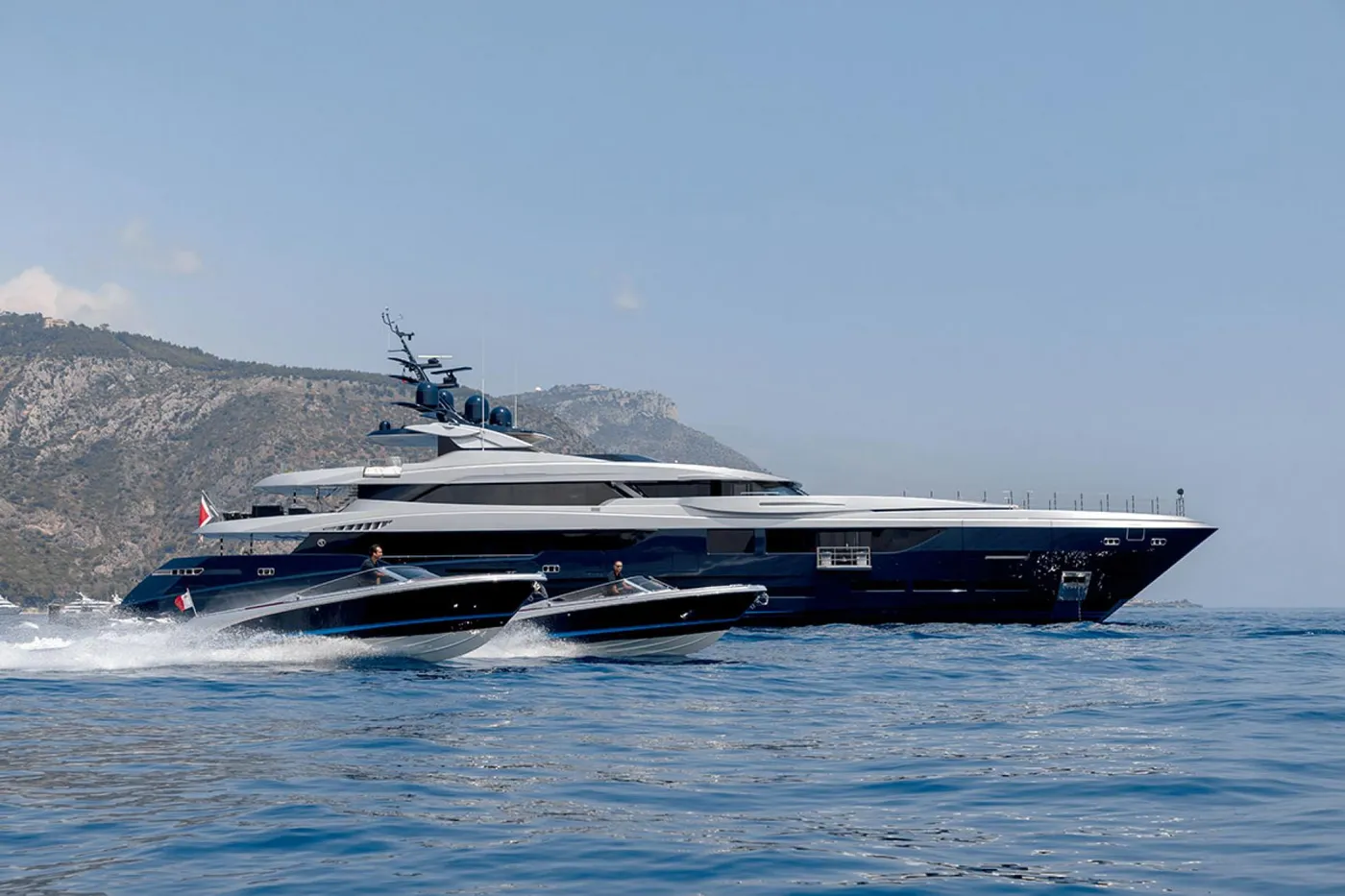
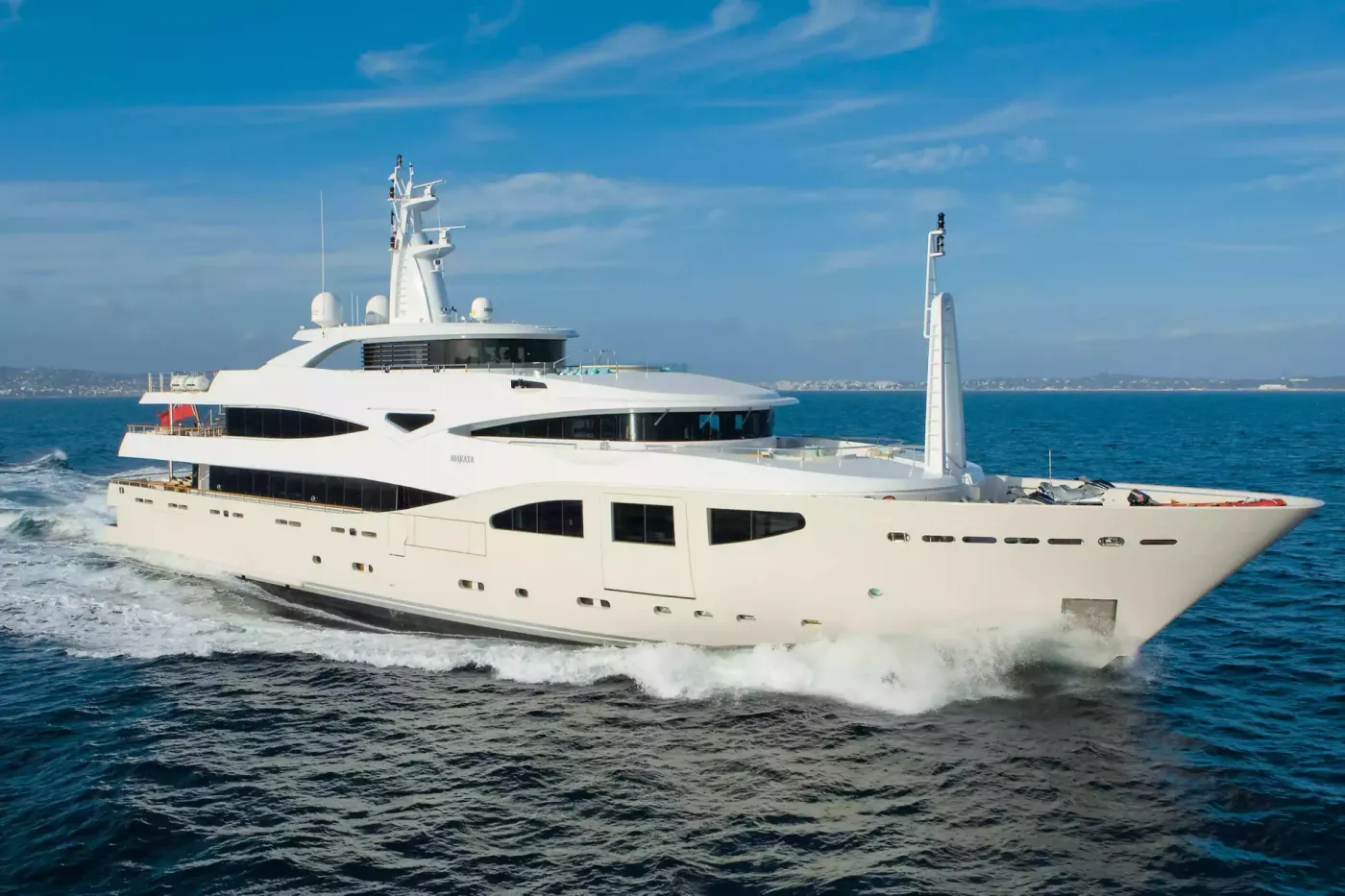
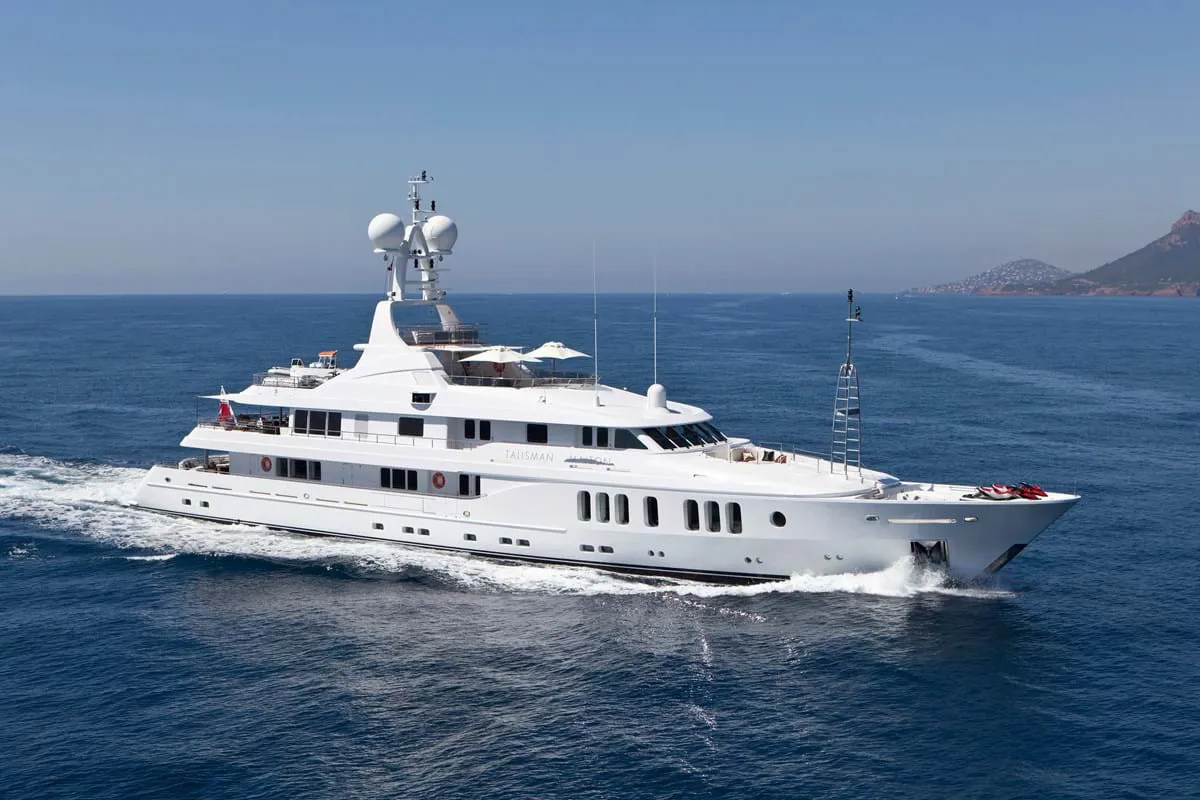
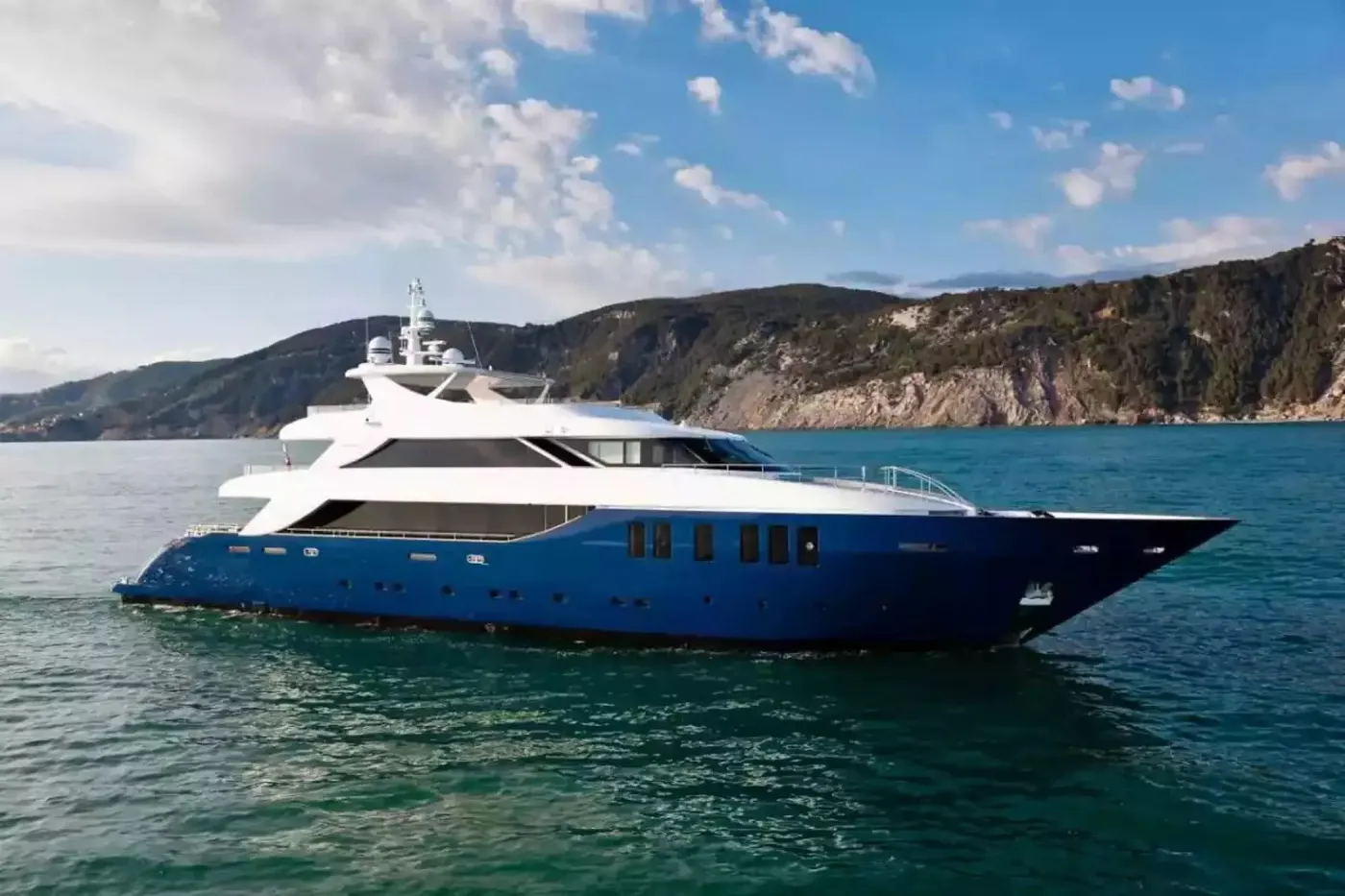
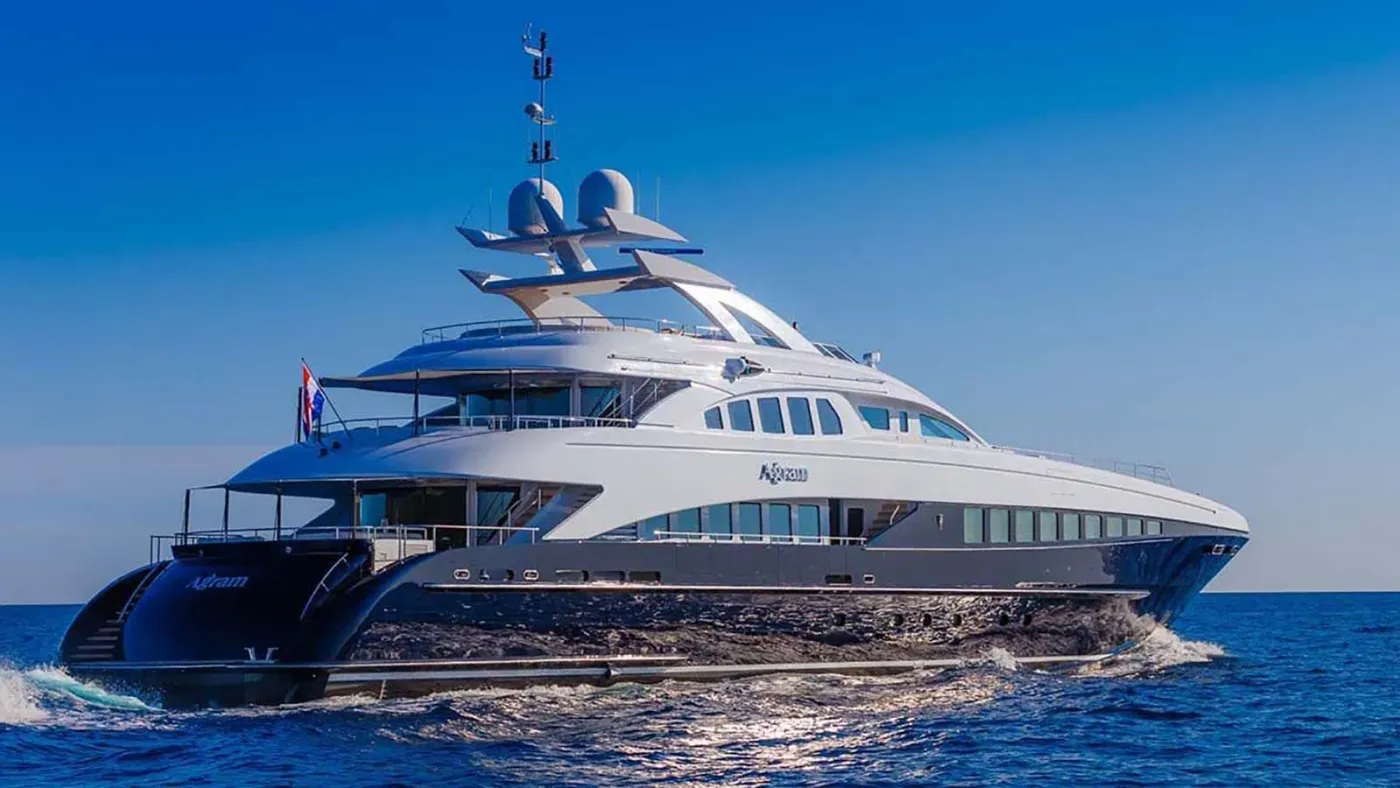
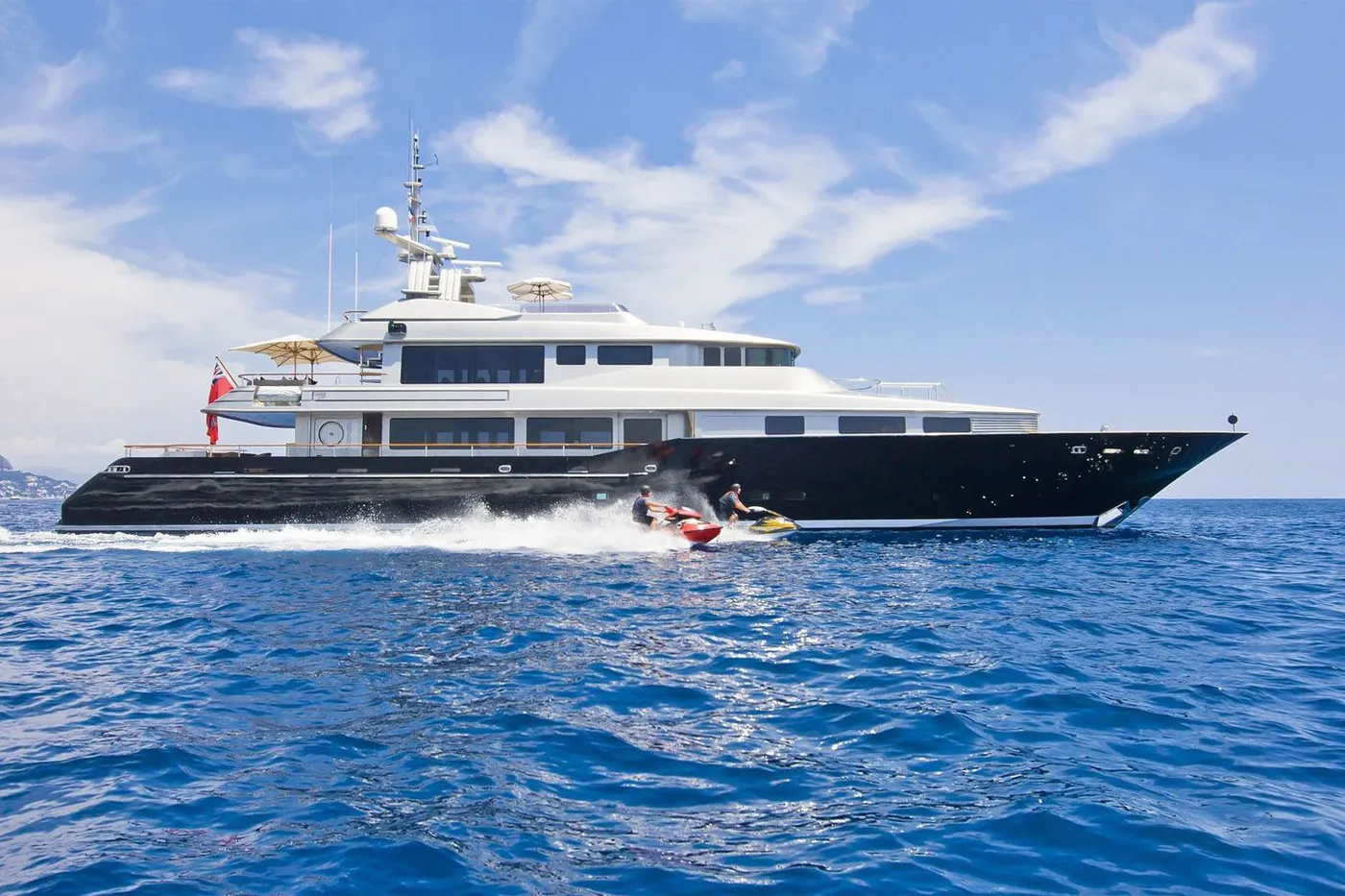
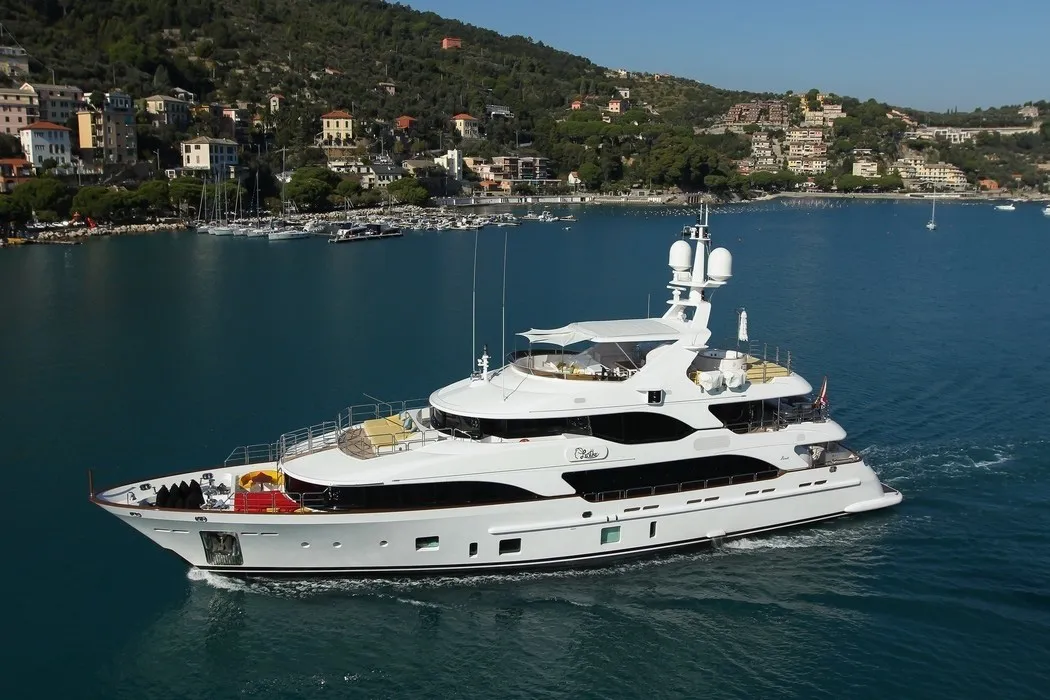
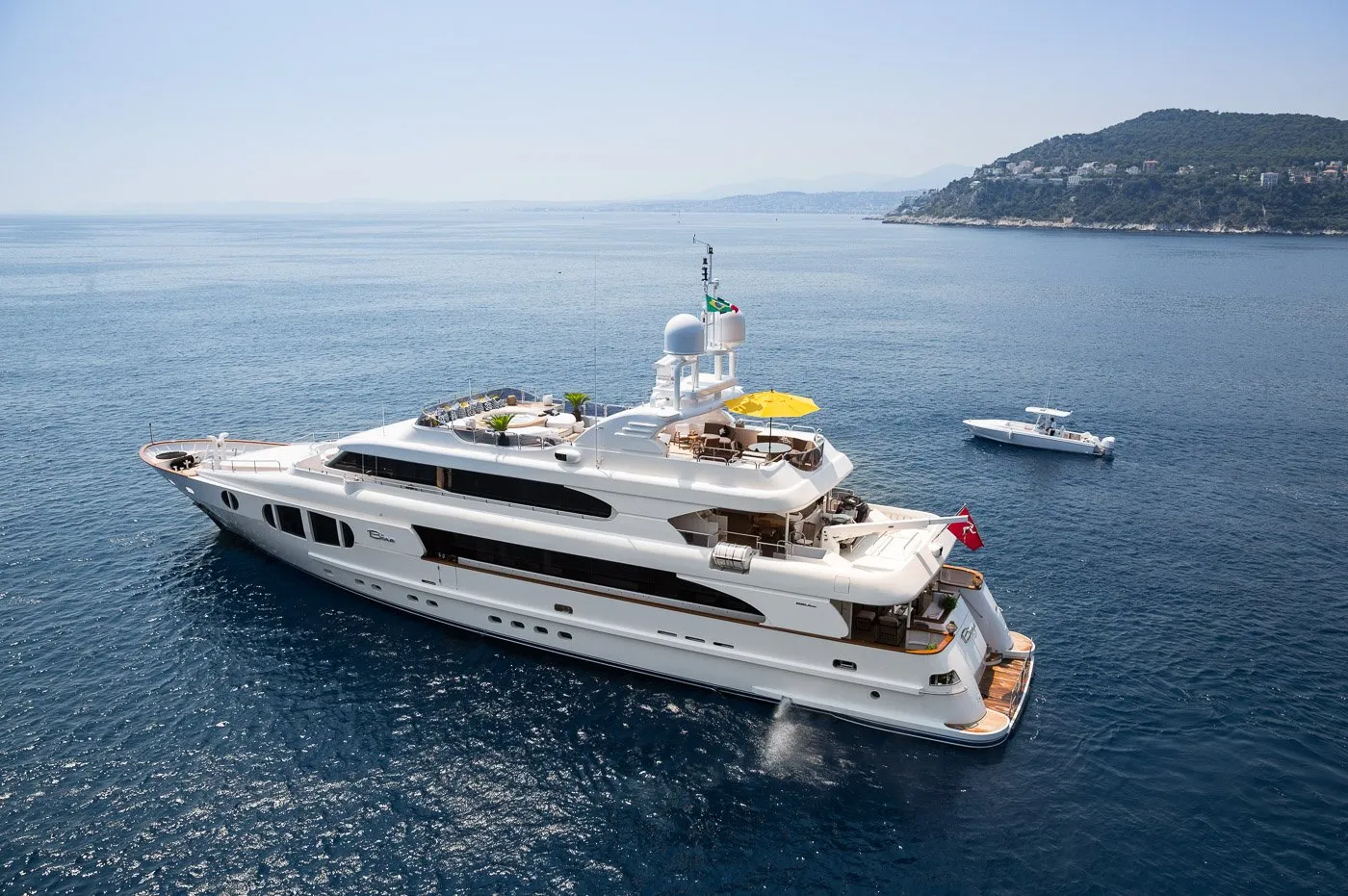
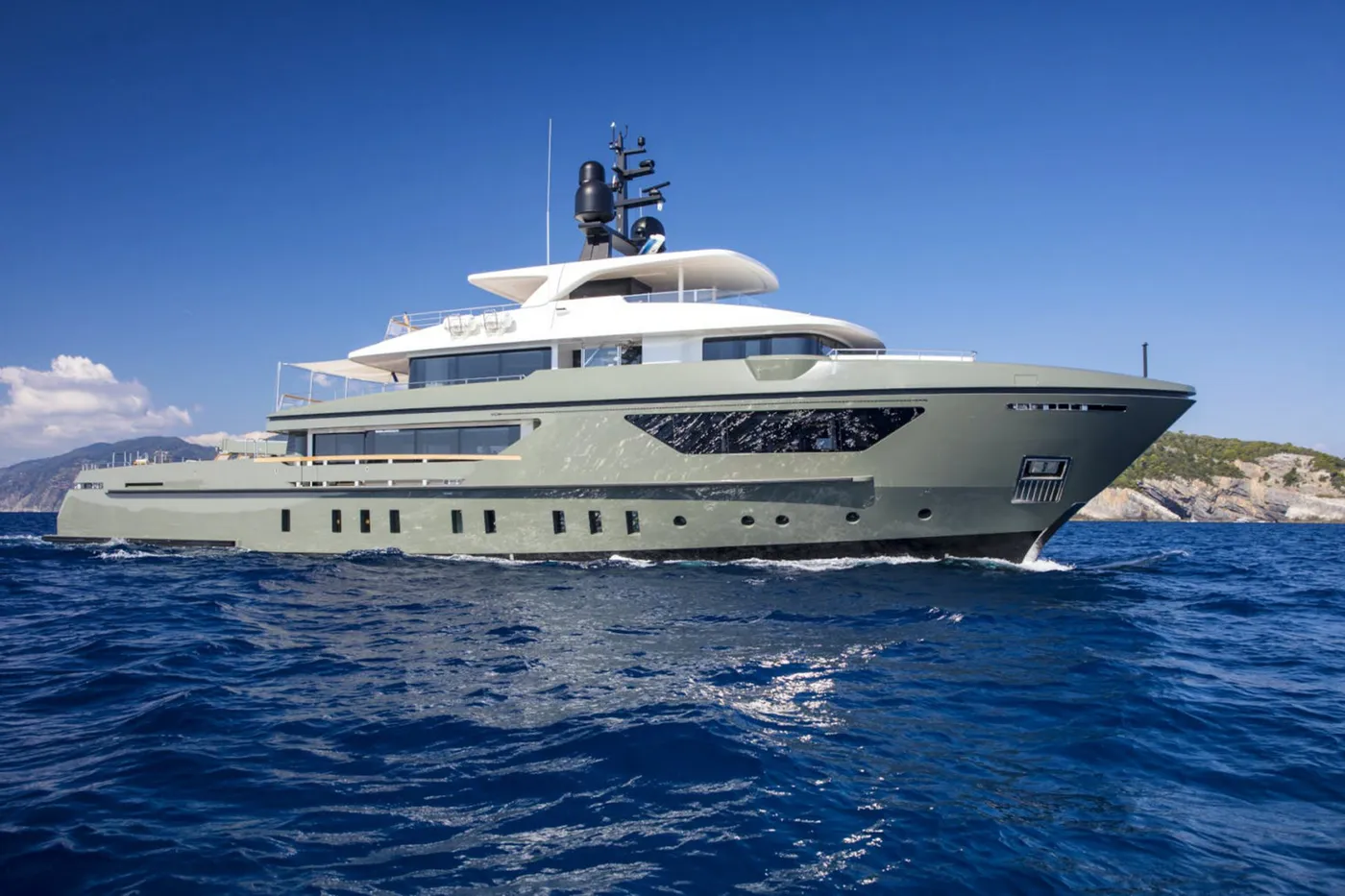
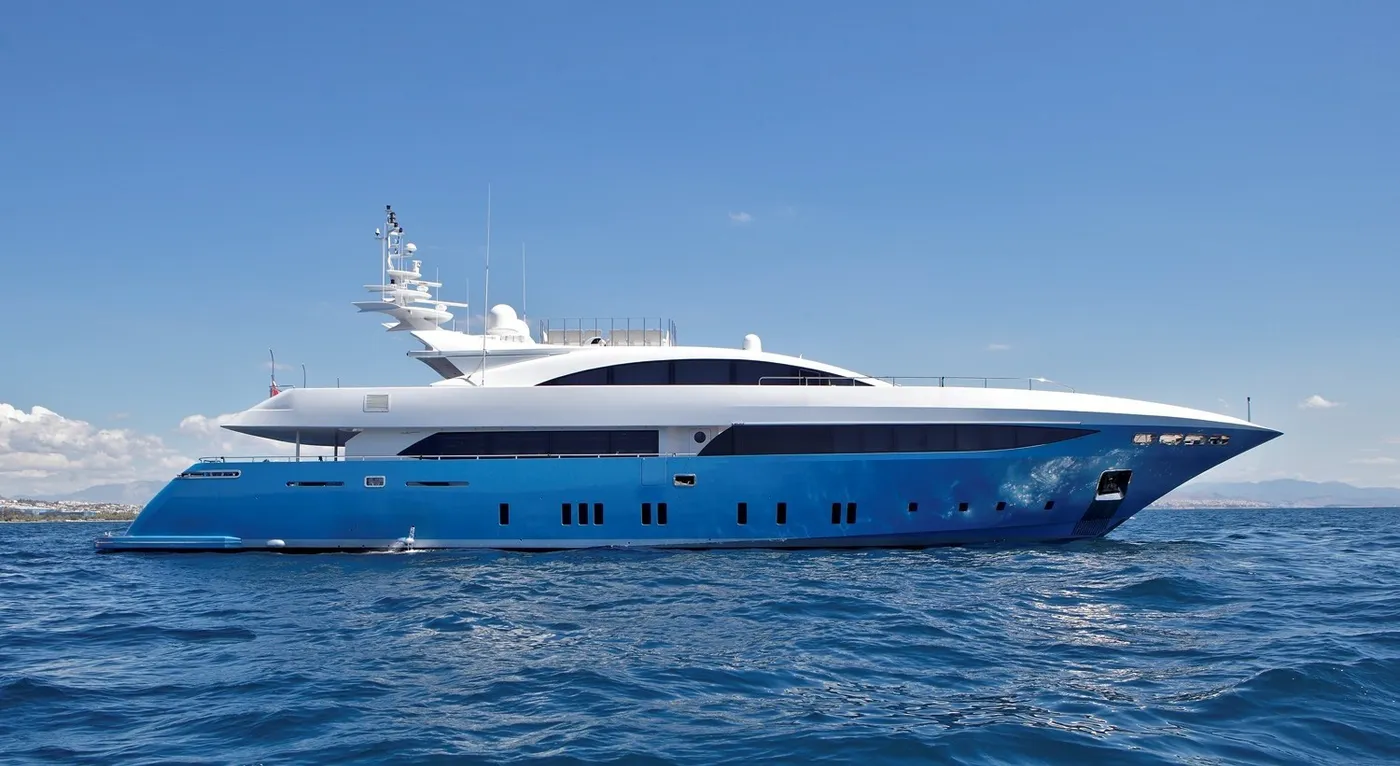
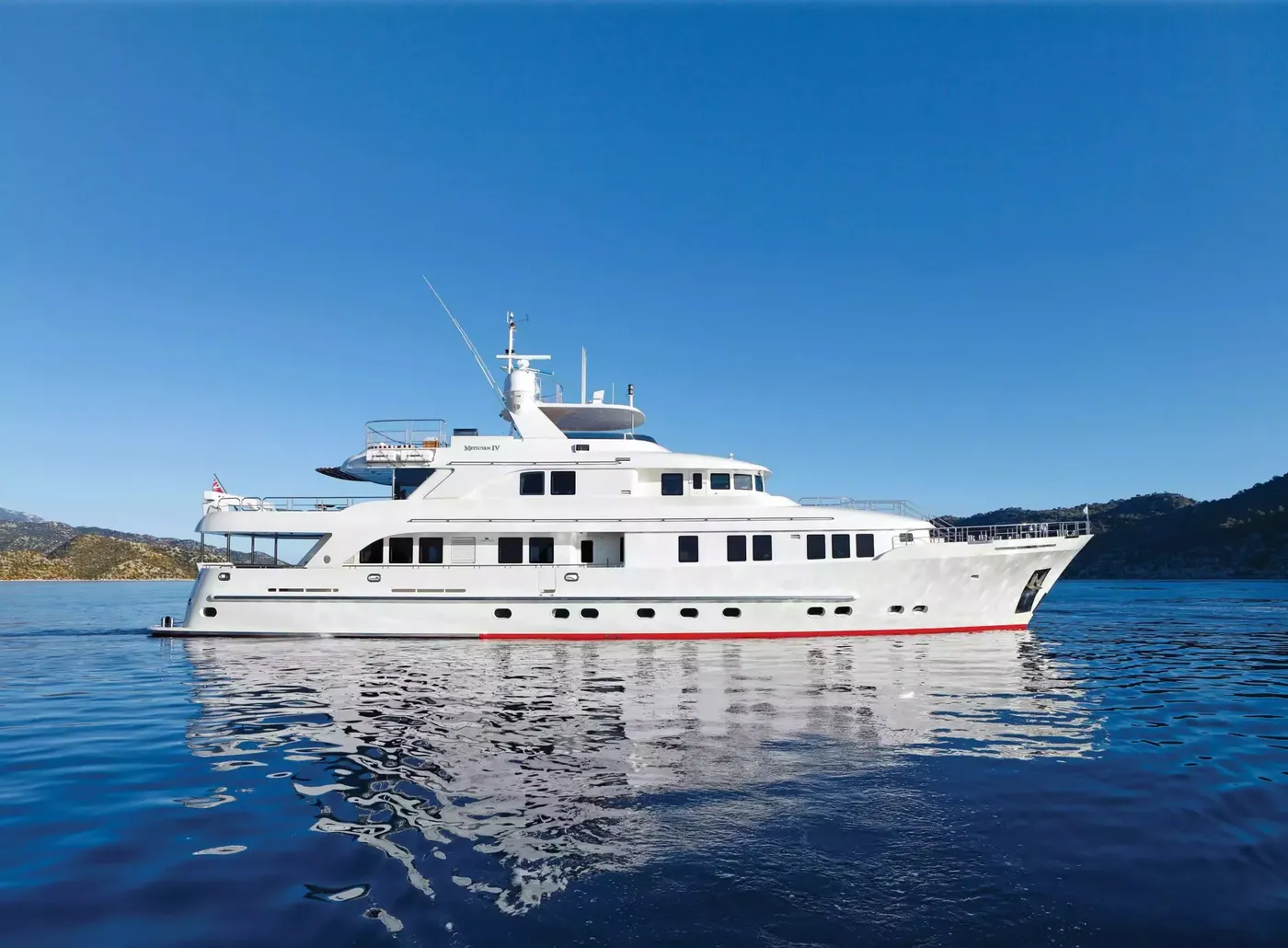
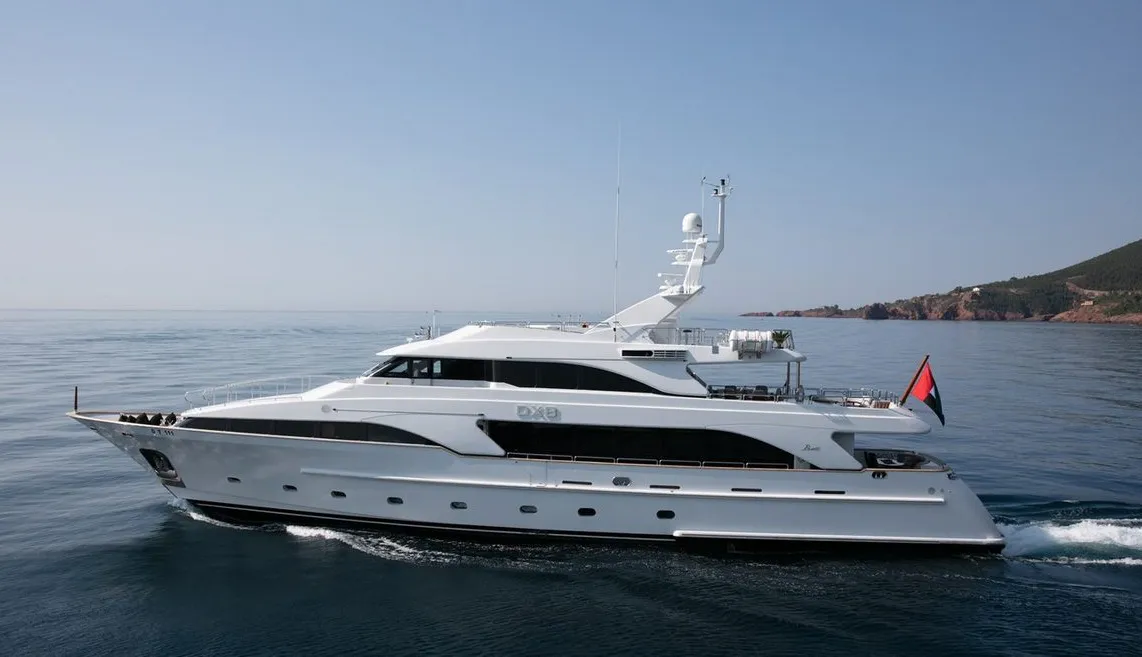
- Motor yachts get the most out of a week that mixes the bay with the open coast: Kotor in the morning and Budva by the afternoon is easy.
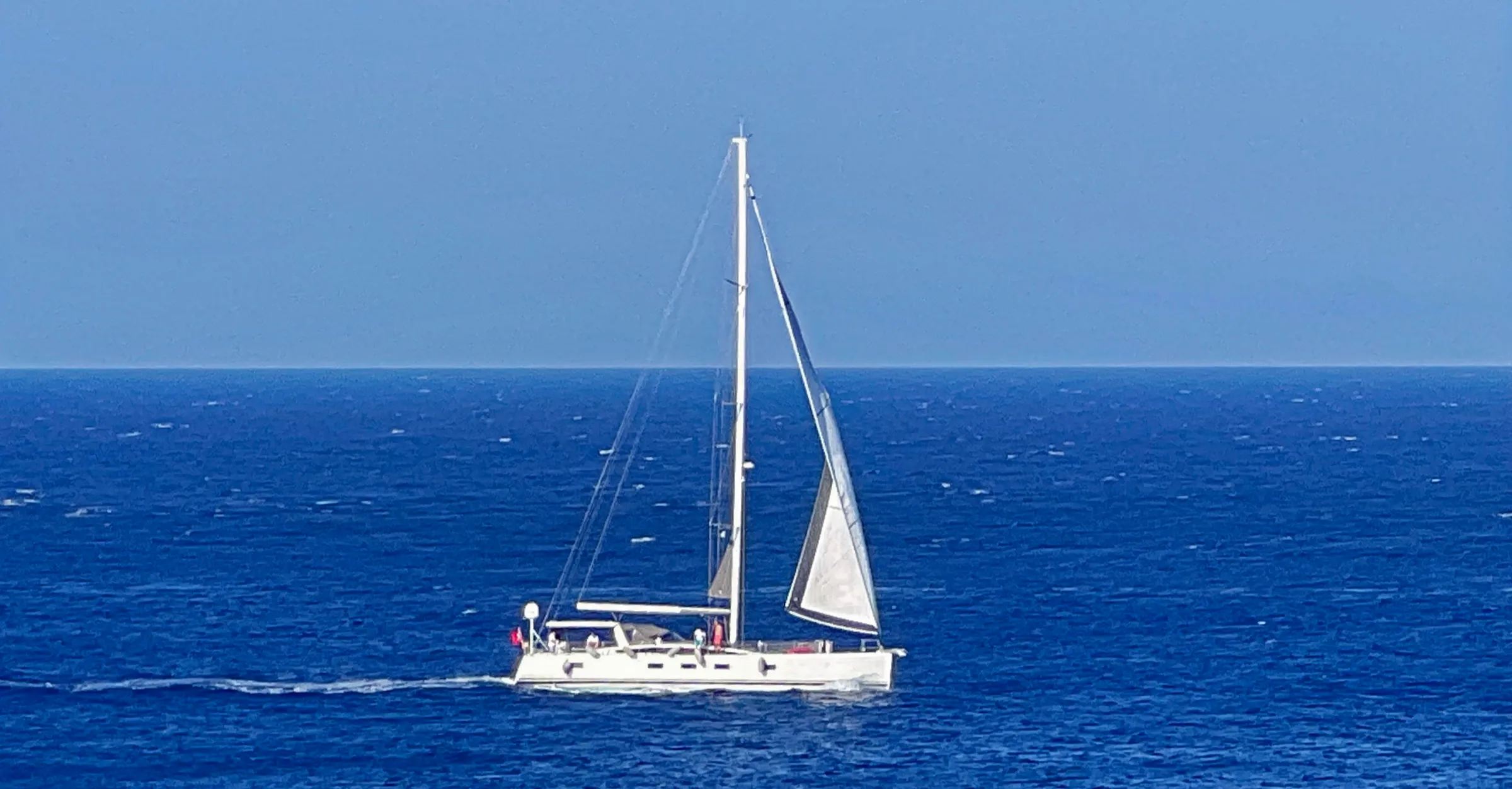
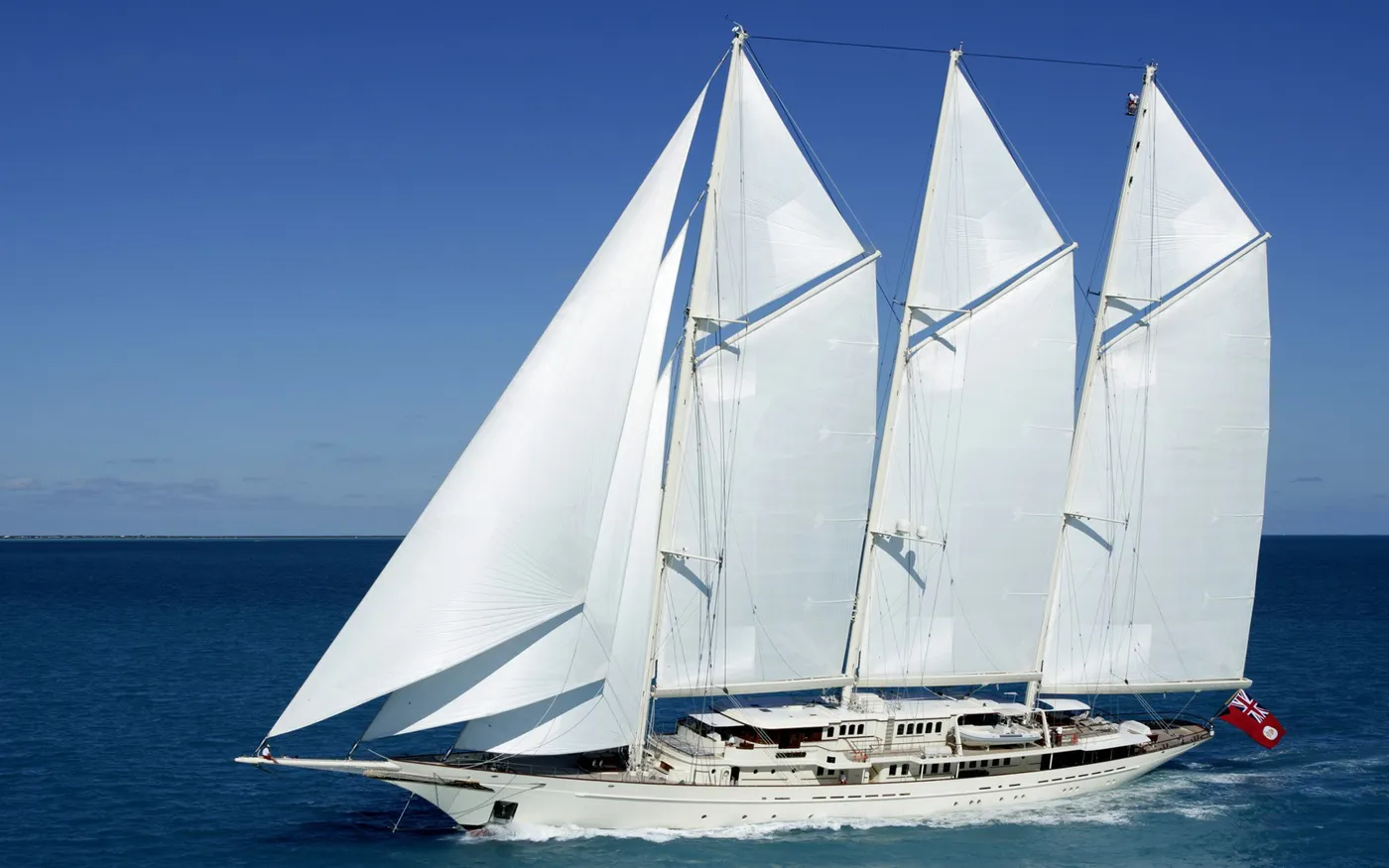
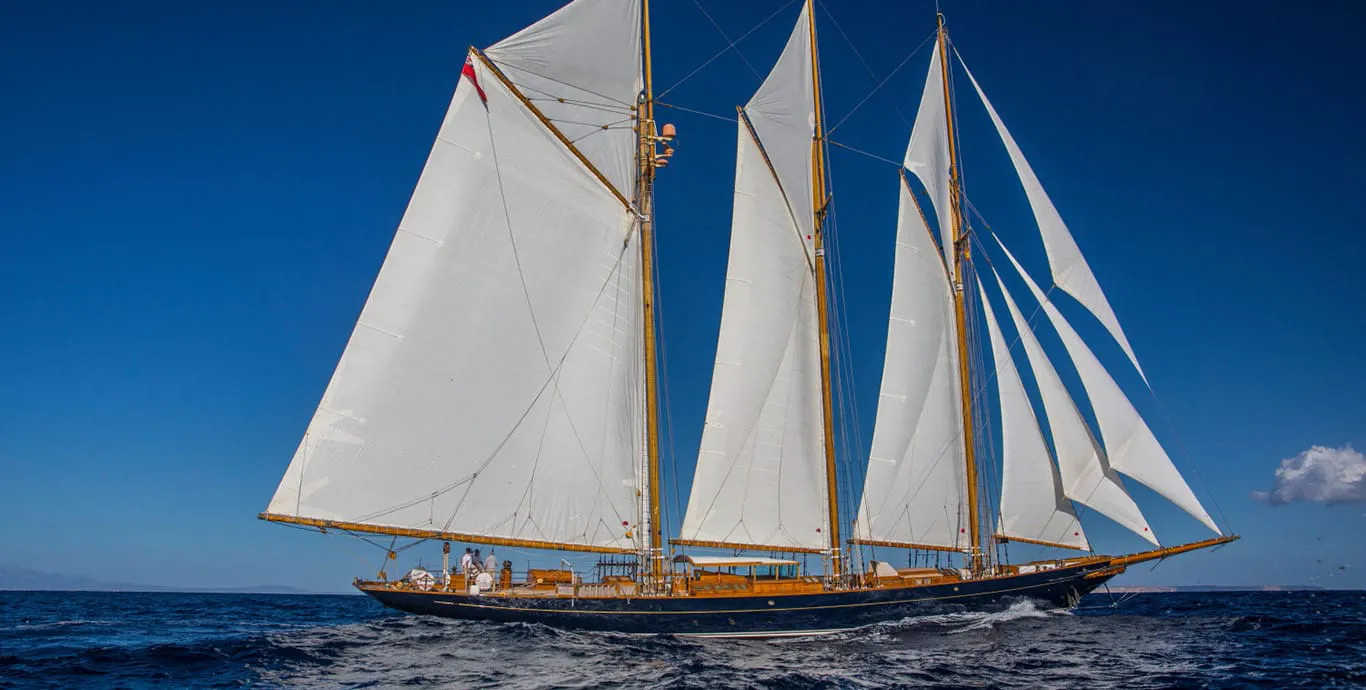
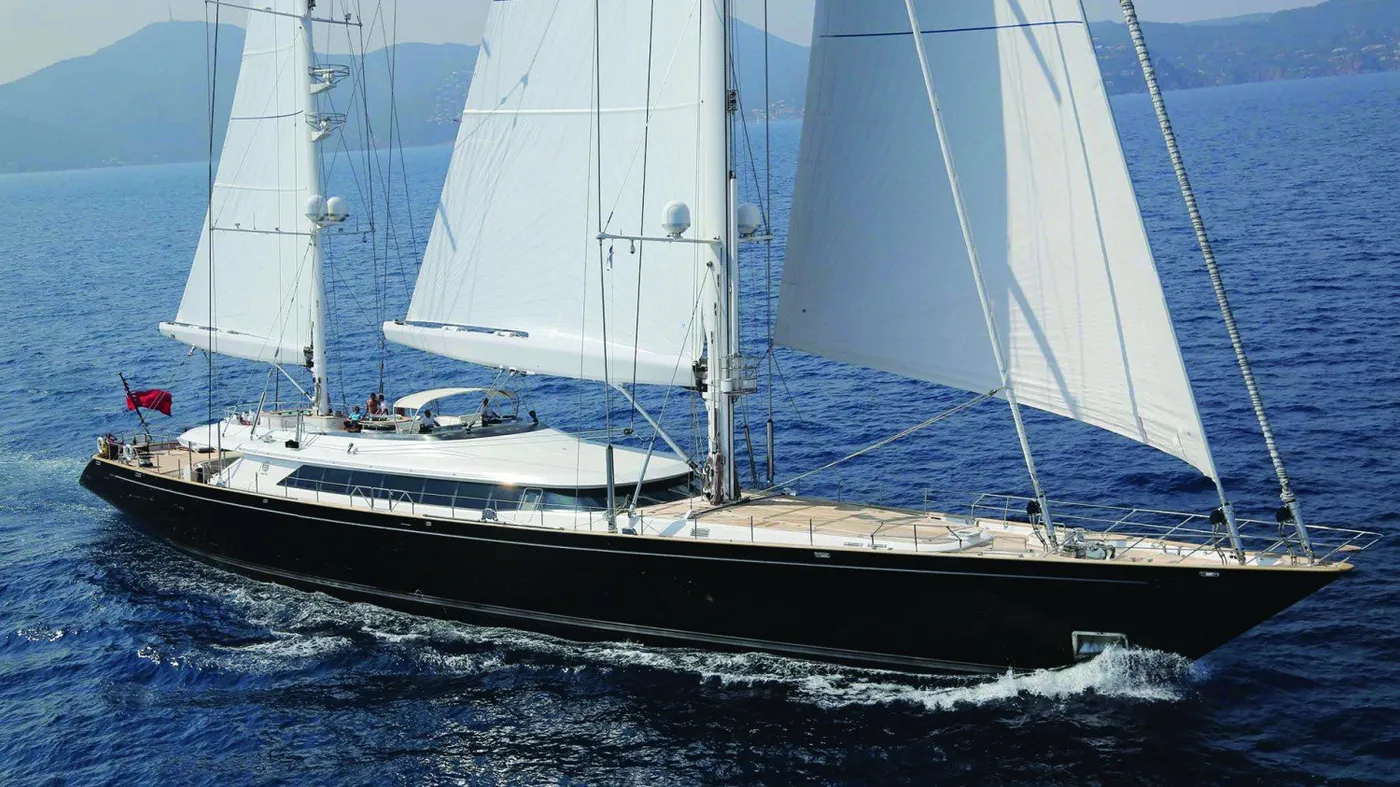
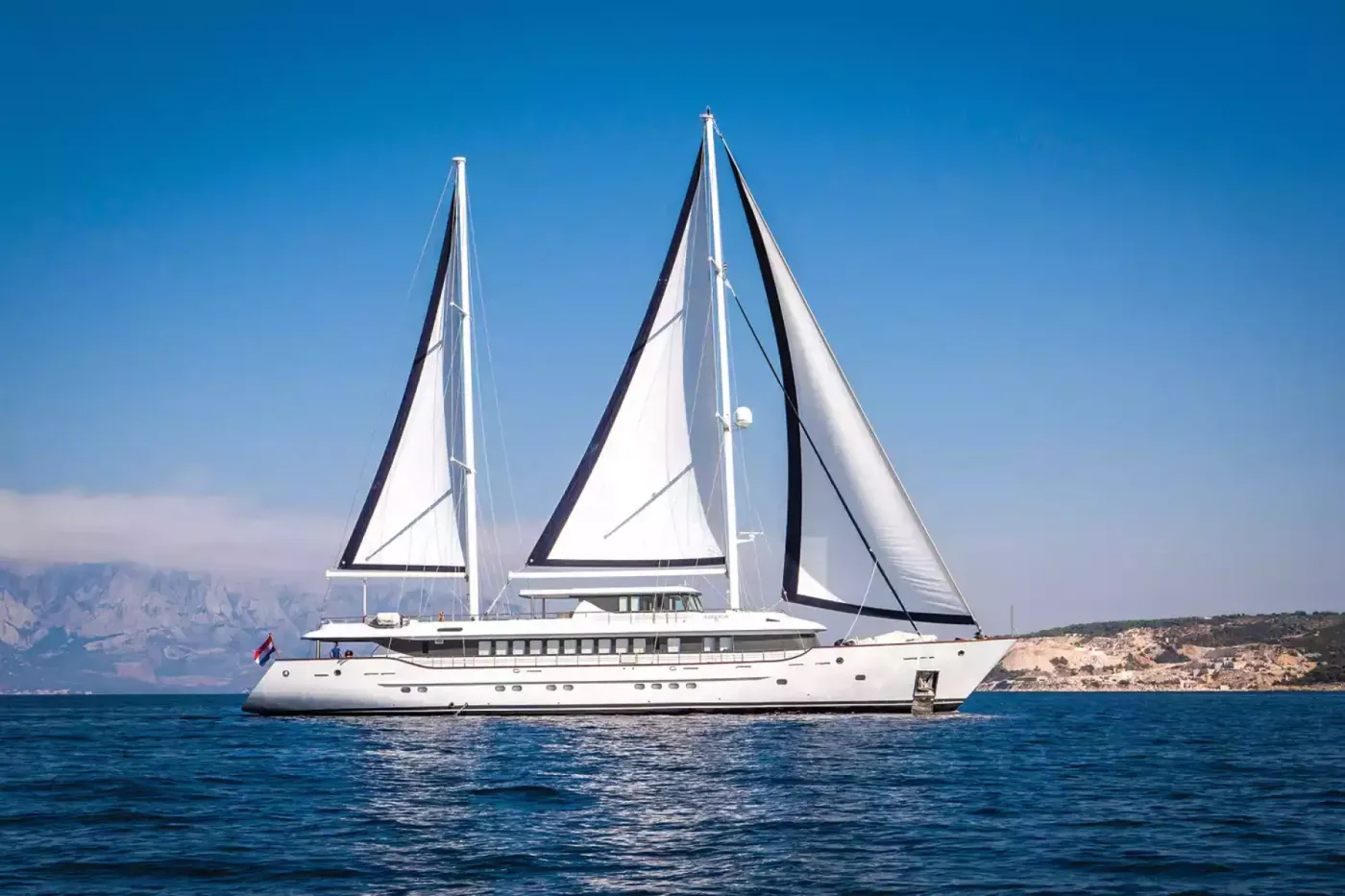
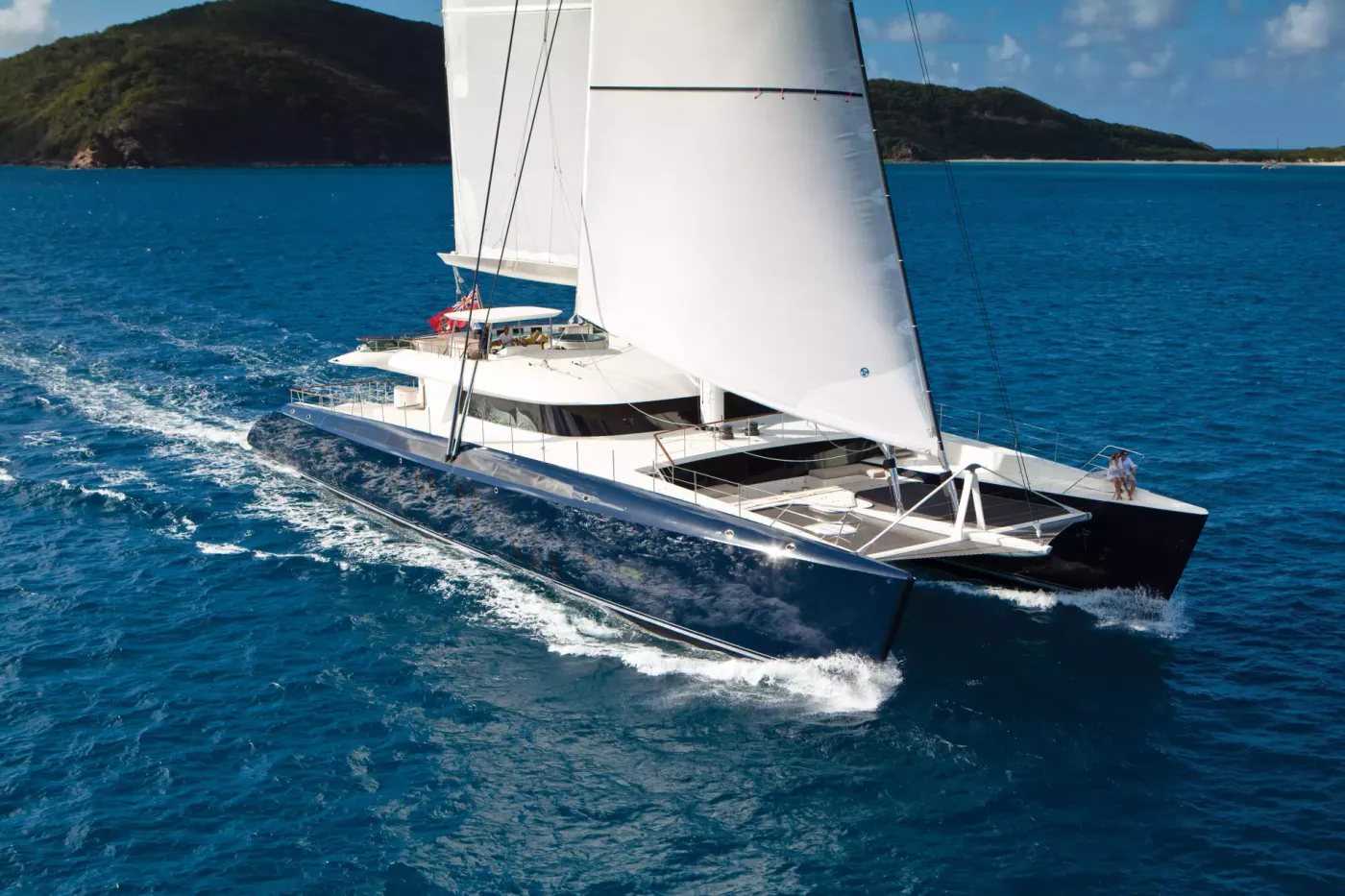
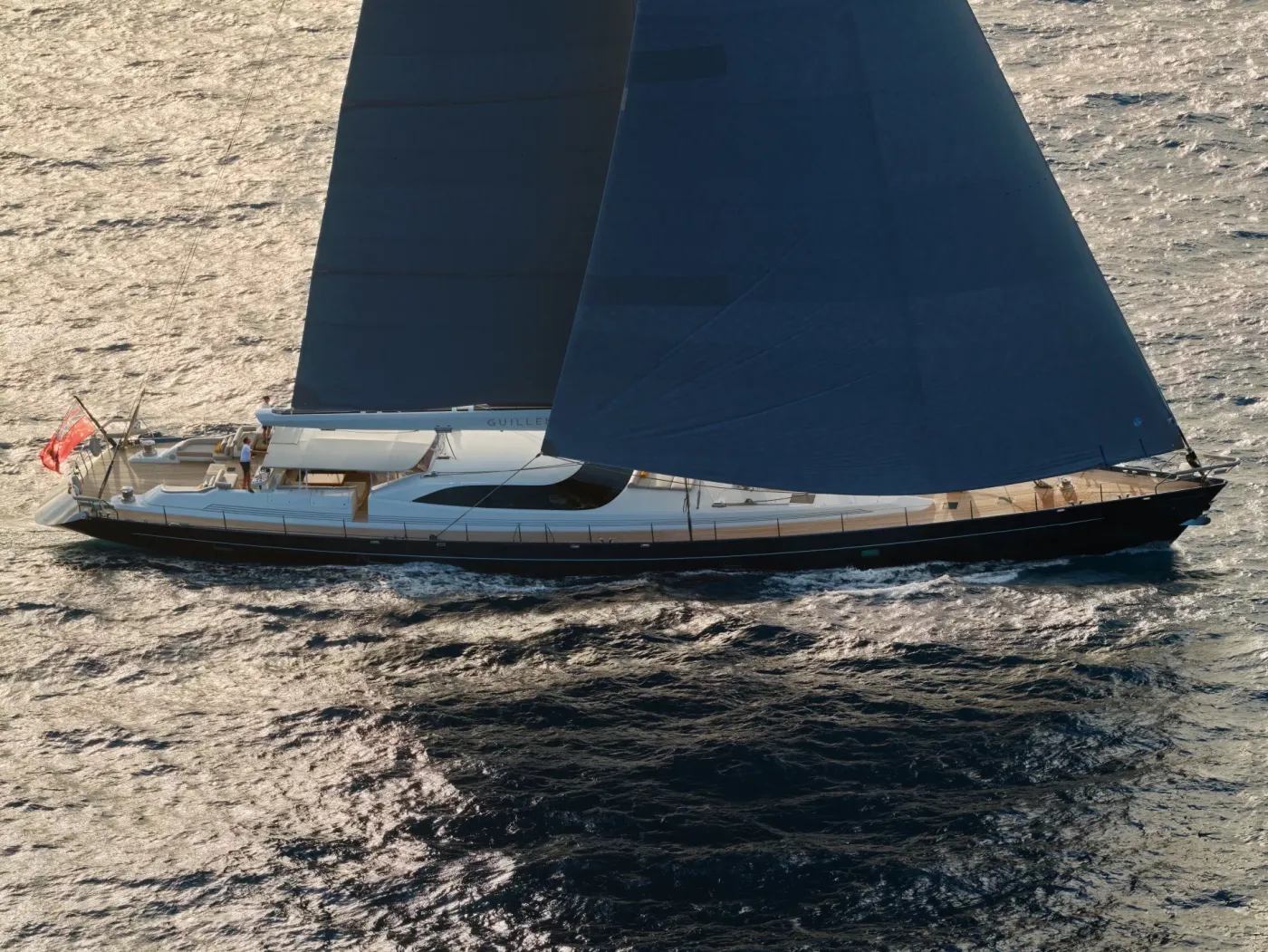
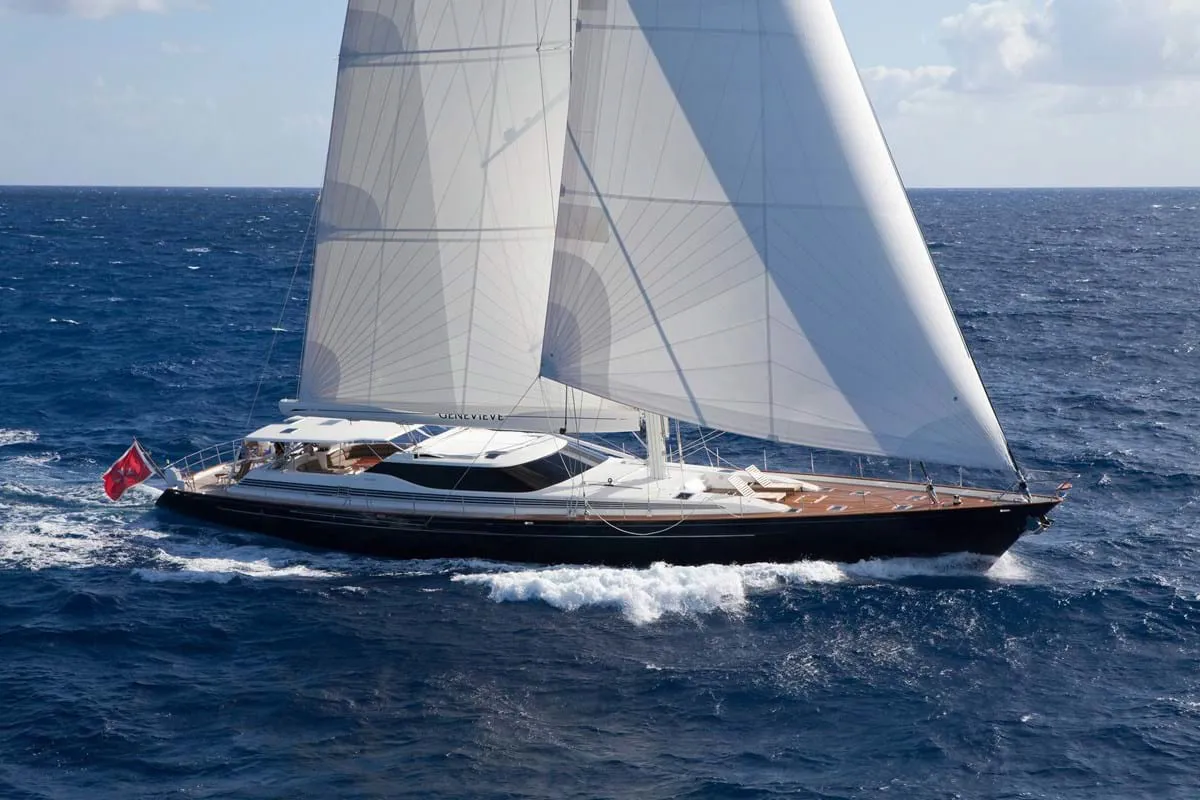
- Sailing yachts and catamarans work well with the summer maestral and make the passages along the coast part of the experience. A catamaran gives a lot of deck space for swimming stops.
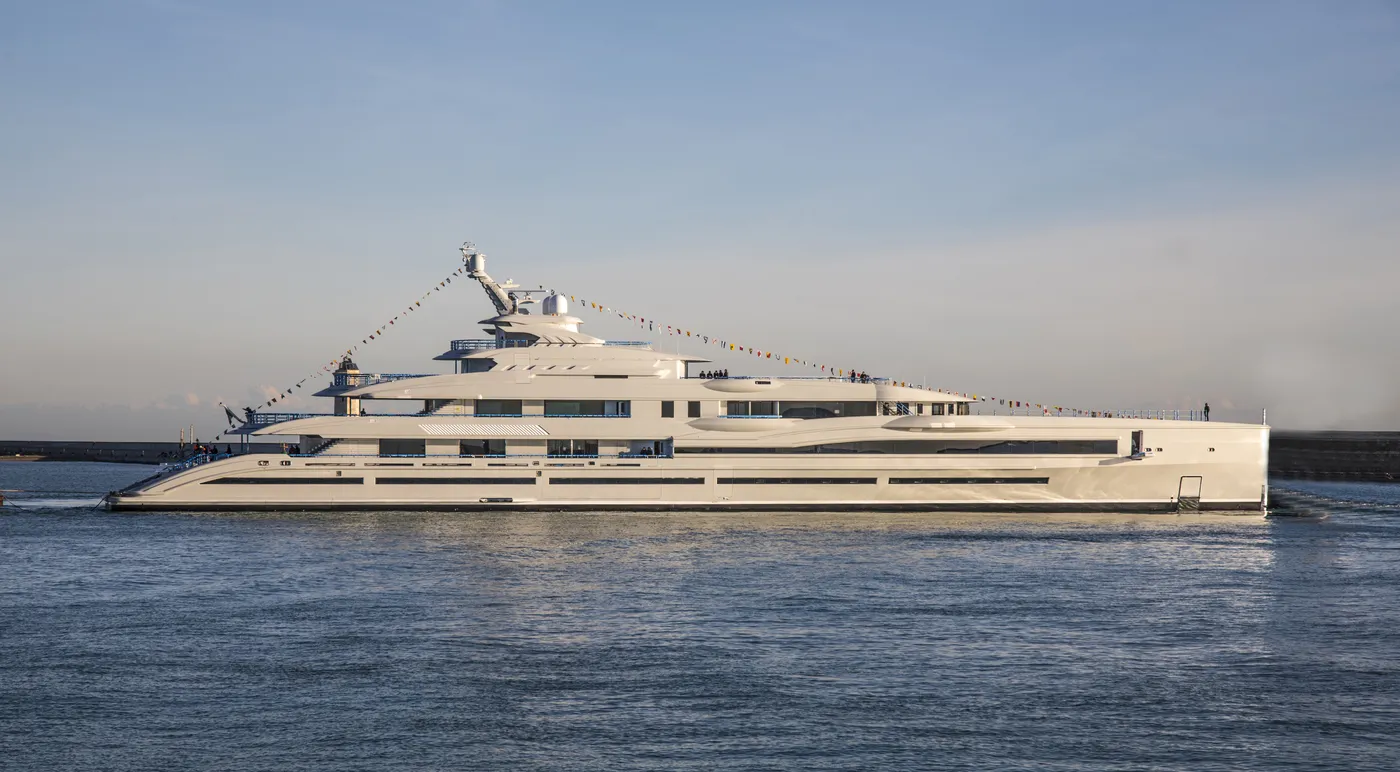
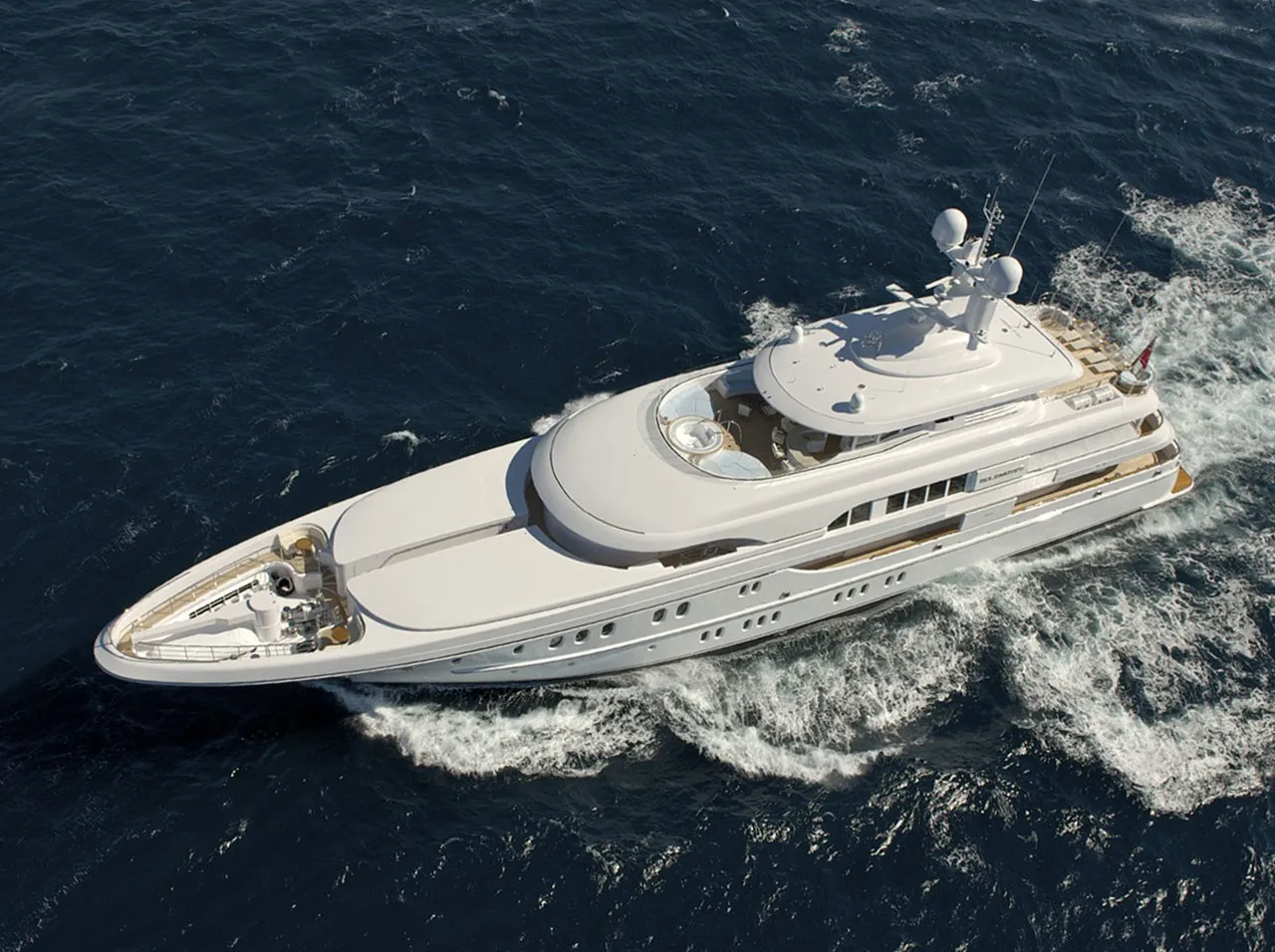
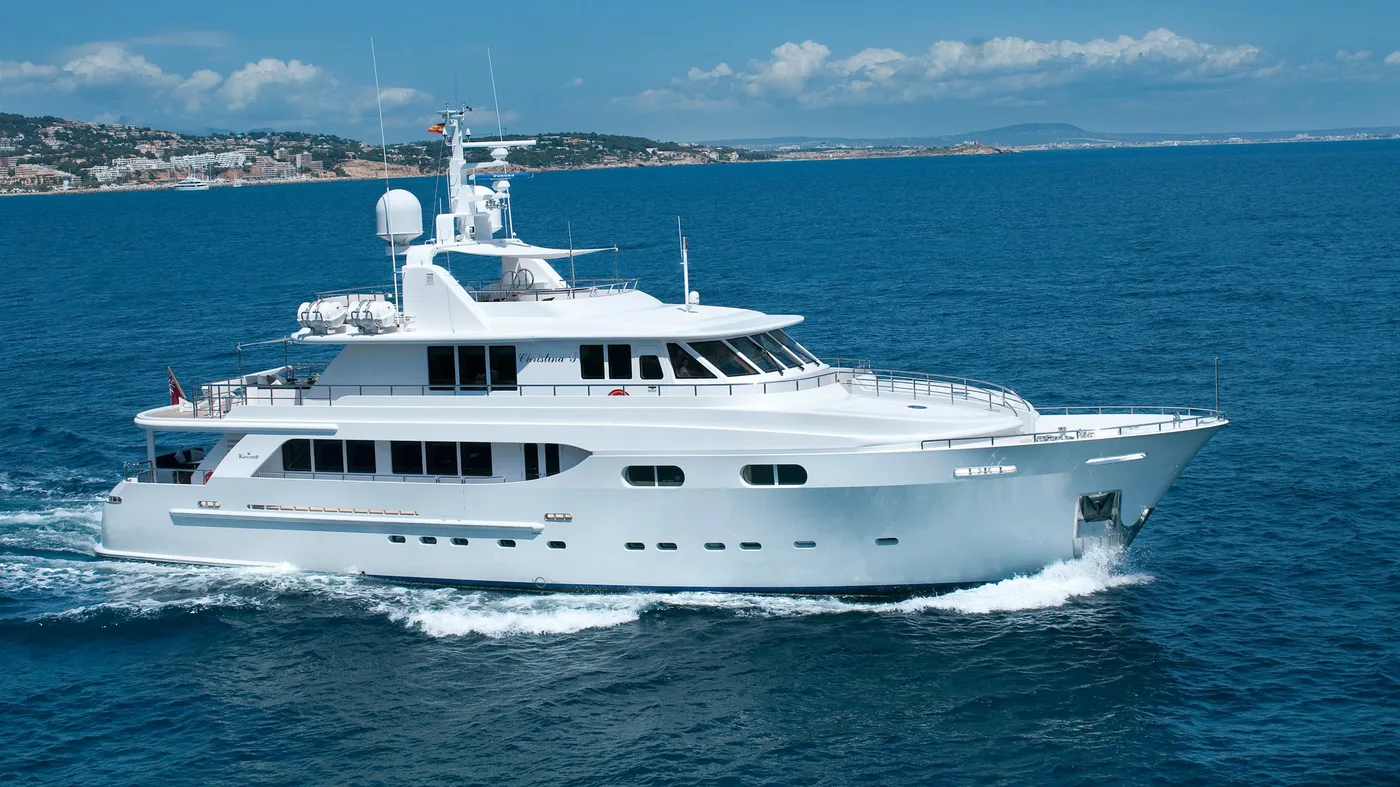
- Superyachts are well served. Besides Porto Montenegro, BOAT International notes that Portonovi takes yachts up to 70 metres inside the marina and 120 metres on its outer piers, and Luštica Bay up to 45 metres. YachtCharterFleet adds that Marina Bar, in the south, has over 1,000 berths for yachts up to 45 metres.
Our comparison of motor yachts, sailing yachts and catamarans goes into the pros and cons.
Practical points before you go
Getting there
Tivat is the closest airport to Porto Montenegro and Kotor, about ten minutes by car, and it serves commercial and private jets, according to BOAT International. Dubrovnik airport is about a one and a half hour drive away, and helicopter charters are available from there. From Podgorica, YachtCharterFleet puts the transfer to Porto Montenegro at about two hours.
Money, language and documents
Noonsite notes that the currency is the euro and the official language is Montenegrin. Montenegro is a candidate for EU membership but not yet a member, and it is not in the Schengen area, so an entry to Montenegro is a border crossing even if you arrive from Croatia. Check your own entry requirements for your nationality. The crew will ask for passport details before the charter for the crew and passenger list.
Customs and ports of entry
A yacht arriving from abroad cannot go straight to an anchorage. BOAT International explains that on arrival all yachts must proceed to the nearest port of entry, calling on VHF channel 16 and contacting the harbourmaster, and must check in and clear customs before visiting any other port. It lists Bar, Zelenika, Tivat and Kotor as ports of entry; YACHT lists Zelenika, Portonovi, Porto Montenegro and Kotor. Noonsite adds that yachts coming from the south usually clear in at Bar.
Once the yacht is in Montenegro, guests can come and go more freely: YachtCharterFleet notes that there are no restrictions on pick-ups and drop-offs during a charter.
Crossing to or from Croatia
Dubrovnik is the obvious combination, but the border has its own routine. According to YACHT, the Croatian border harbour of Cavtat is now the mandatory station for clearing in yacht traffic between Croatia and Montenegro, and yachts may only clear out in Dubrovnik or use the harbour in Cavtat. Our Croatia page covers the Croatian side, including the flag and licensing rules that decide which yachts can charter there.
Common mistakes to avoid
- Planning Kotor at midday in August. The old town is at its busiest then. Go early in the morning or in the evening, and spend the middle of the day at anchor.
- Assuming 0% VAT for the whole trip. It applies to the time in Montenegrin waters. Two days in Croatia bring Croatian VAT for those days.
- Not asking where the vignette and tourist tax are paid from. They are small items, but they should be visible in the quote or the APA.
- Ignoring the jugo. It is more frequent in the southern Adriatic. A good captain keeps a plan B inside the bay.
- Adding Croatia without allowing for the border. Clearing out and in takes time; build it into the route rather than squeezing it into a swim day.
- Planning to take the tender into the Blue Cave. Only craft without an engine, such as kayaks, may go in; the tender waits more than 20 metres from the entrance.
- Expecting to step onto Sveti Stefan. The island is a private resort. The beaches and the view from the water are open to everyone.
Which Montenegro week suits you?
The more useful details for a Montenegro enquiry are your dates, how many of you there are, whether you want to stay in Montenegro or add Dubrovnik or the Ionian, and whether you lean towards the calm of the bay, the beaches and nightlife of Budva, or a mix. Say too whether a motor yacht, a sailing yacht or a catamaran appeals. A charter specialist will reply with yachts available in Montenegro and their full price, with APA, VAT treatment for your route and any delivery fee. The charter is signed with the yacht’s owner through a licensed charter agency, normally under the MYBA contract, with the full price and taxes clear before you sign. If you are still choosing a country, compare it with Croatia or the Greek islands. Tell us which week.