In this guide
- Why charter in Malta?
- When is the best time to charter in Malta?
- A seven-day route from the Grand Harbour
- Which places in Malta, Gozo and Comino are worth a stop?
- The Blue Lagoon: what are the rules for yachts?
- What VAT applies to a yacht charter in Malta?
- How much does a yacht charter in Malta cost?
- Which type of yacht works best in Malta?
- Practical points before you go
- Common mistakes to avoid
- Which Maltese week suits you?
Malta is a compact charter: three inhabited islands, the Grand Harbour as the natural place to embark and short hops between them, so a week rarely feels rushed. The first thing to plan around is the Blue Lagoon on Comino, the most famous stop and the most crowded one, where landing now needs a free pre-booked time slot. The second is VAT: since 2024 Malta charges a reduced 12% rate on charters of up to five weeks that start in the country, and an older set of guidelines can limit VAT to the part of the charter deemed to take place in EU waters. Published “from” rates for yachts that charter in Malta start in the tens of thousands of dollars a week and run into the millions for the largest; APA, VAT and a tip come on top.
Why charter in Malta?
The Maltese archipelago sits south of Sicily and north of Africa, and only three of its islands are inhabited: Malta, Gozo and Comino, as YachtCharterFleet’s guide to Malta describes them. For a crewed charter that brings three advantages:
- Short distances. Comino lies between Malta and Gozo, so you can swim in a different bay every few hours and still be back in a harbour for dinner.
- History on the waterfront. You embark in the Grand Harbour, below the fortifications of Valletta and the Three Cities. Valletta is a UNESCO World Heritage site, as Camper & Nicholsons Marinas notes for Grand Harbour Marina.
- Clear water and diving. Visit Malta counts over 120 dive sites around the islands, and the coast mixes cliffs, sea caves and small sandy bays.
The trade-off is crowding at a handful of famous spots, above all the Blue Lagoon, and a limited number of anchorages that are sheltered whatever the wind. A crewed yacht helps: the captain can time the Blue Lagoon for the early morning and move to the sheltered side of the islands when the wind turns.
When is the best time to charter in Malta?
Summer is the main charter season, and the sea stays warm well into autumn. According to Visit Malta, the islands get a daily average of around 12 hours of sunshine in summer, summer daytime heat is often eased by sea breezes, and the peak beach season can last until mid- to late October. Annual rainfall is low, averaging 568 mm a year.
| Period | Conditions | Best for |
|---|---|---|
| April–May | Quieter anchorages and cooler water. Spring is cooler, apart from the occasional Scirocco from Africa, which brings unseasonably high temperatures and humidity. | Sightseeing in Valletta and Mdina, diving, lower demand. |
| June | Long, sunny days and warming sea, before the busiest weeks. | Families and first-timers who want space at the anchorages. |
| July–August | Hottest and busiest. The Blue Lagoon is at its fullest. | Groups who want long swim days and evenings ashore. |
| September–October | Warm sea, fewer day-trippers; the beach season can last until mid- to late October. | Late-season swimming. |
| November–March | Mild winters, with occasional short cold spells brought by north and north-easterly winds. | Off-season trips focused on the towns rather than the beaches. |
If you want July or August on a specific size of yacht, book early: Burgess recommends booking at least six months in advance, and says the most popular yachts are reserved up to a year ahead. Our guide on when to book a yacht charter explains how far ahead to look for each season.
What about the wind?
Malta is small, and its coasts face every direction, which is what makes a crewed week work on most days: when one side of an island is exposed, the other is usually calm. The same climate figures mention the occasional Scirocco from Africa in spring and autumn and cold north and north-easterly winds in winter. In summer the islands are often cooled by sea breezes. The captain plans each day around the forecast and picks the anchorage accordingly, which is one more reason not to fix a rigid itinerary before you arrive.
A seven-day route from the Grand Harbour
This route follows a seven-day Valletta-to-Valletta itinerary published by YachtCharterFleet, which starts and ends in the Grand Harbour. What Transport Malta’s notices to mariners, and Malta’s other official rules, mean for a yacht of 30 to 50 metres at each stop is gathered in the box at the end of the route.
| Day | Leg | Miles |
|---|---|---|
| 1 | Valletta | — |
| 2 | Valletta → Island Bay | — |
| 3 | Island Bay → Ġnejna | — |
| 4 | Ġnejna → Comino | — |
| 5 | Comino → Gozo | — |
| 6 | Gozo | — |
| 7 | Gozo → Valletta | — |
Day 1: Valletta
The week begins below the fortifications of the Grand Harbour, with history a short walk from the yacht.
Board in the Grand Harbour and have lunch on board, then spend the afternoon in Valletta, at St John’s Co-Cathedral and the Grandmaster’s Palace. Grand Harbour Marina, in Vittoriosa (Birgu) across the water from Valletta, has over 250 berths from 10 metres and 26 superyacht berths up to 135 metres, according to Camper & Nicholsons Marinas.
Day 2: Valletta to Island Bay
A first swimming day on the south-east coast, between rock pools and a fishing village.
South along the coast to St Peter’s Pool, a natural rock pool for swimming and snorkelling, and a walk in the fishing village of Marsascala, with the water toys in the afternoon and the night at anchor in what the itinerary calls Island Bay. Advanced divers can add the wreck of the Blenheim Bomber, which lies in 40 m of water offshore, diving from a dive boat or the tender, not from the yacht.
Day 3: Island Bay to Ġnejna Bay
Painted boats in the morning, sea caves in the afternoon and limestone cliffs at night.
The morning in Marsaxlokk, the fishing village with its painted boats; the afternoon at the Blue Grotto sea caves; and the night at anchor in Ġnejna Bay, a cove ringed by limestone cliffs on the west coast.
Day 4: Ġnejna Bay to Comino
An early start for the most famous water in Malta, before the crowds arrive.
The captain moves the yacht before 8 am to reach the Blue Lagoon, and breakfast is on board. Landing slots start at 08:00, so an earlier arrival is for swimming from the yacht; going ashore in the morning needs the 08:00–13:00 slot (see the Blue Lagoon rules below). Later there is Comino’s Emerald Lagoon, which can only be reached by boat, and time for the water toys.
Day 5: Comino to Gozo
Gozo is the slower island: a sheltered inlet by day and a harbour evening.
Mġarr ix-Xini, a narrow inlet on Gozo’s south coast, for snorkelling and kayaking, then the night in Mġarr marina, with the waterfront and the Yacht Club for dinner.
Day 6: Gozo
A day of diving and prehistory on Gozo’s west side.
The morning at the Blue Hole at Dwejra, one of the best dive sites in Europe, and the afternoon at the Ġgantija temples, before a last dinner on board. Burgess describes Dwejra bay as a protected, near-enclosed anchorage for yachts of up to 80m.
Day 7: Gozo to Valletta
The week ends where it began, with a last dive or a last evening in Valletta.
An early start back to Valletta. Advanced divers can make a last dive on the wreck of the Imperial Eagle, with the statue of Christ on the seabed beside it, off Qawra Point. Or stay on for an evening in Valletta.
For a 30–50 m yacht
- Swimmer zones, all along the route. Transport Malta reserves zones for swimmers at many beaches and bays, where no vessel may be used, and asks mariners to keep at least 20 metres from them, or 5 metres at a few named spots that include the Blue Lagoon and Mġarr ix-Xini. In 2026 the swimmer zones for Malta and Gozo applied from 23 April, and their marker buoys were removed between 30 September and 16 October; the notice for the Blue Lagoon has no expiry date.
- Falling rocks. A separate notice closes stretches of coast below cliffs and sea caves to both vessels and swimmers. In 2026 it listed the Delimara coast (day 2), a stretch at the Blue Grotto on the Wied iż-Żurrieq coast and two in Ġnejna Bay (day 3): the tender keeps out of them and the captain anchors clear of those cliffs. Since November 2026 the Crystal Lagoon cave on Comino is also closed (Local Notice to Mariners 213 of 2026).
- St Peter’s Pool (day 2). In April 2026 it became a restricted area that no vessel may enter, the tender included (Local Notice to Mariners 077 of 2026, in force until further notice), so the yacht and the tender stay outside it. Island Bay, where the itinerary spends the night, is a name that does not appear in Transport Malta’s notices or on official charts: the captain chooses where to anchor.
- Wreck conservation areas. Around the Blenheim Bomber off Xrobb l-Għaġin (day 2), the Um el Faroud off Wied iż-Żurrieq (day 3), the P31 off the Blue Lagoon’s south entrance, with a radius of 200 metres (day 4), Xatt l-Aħmar between Mġarr and Mġarr ix-Xini (day 5) and the Imperial Eagle off Qawra Point (day 7), only vessels engaged in diving may enter or moor, after notifying Valletta VTS on channel 12; every other vessel keeps clear.
- Blue Lagoon (day 4). A zone is reserved exclusively for bathers, where no vessel may be used, with a safety distance of 5 metres; mariners are asked to go slowly in the North Comino Channel. In season part of Mġarr ix-Xini (day 5) is also a swimmer zone, with the same shorter distance.
- Mġarr marina (day 5). We found no official figure for the longest yacht it takes, so the captain confirms the berth with the marina for the yacht’s length.
- Dwejra (day 6). Fungus Rock is a nature reserve where climbing and access to the plateau are prohibited by law; we found no official anchoring rule for the bay.
Combining Malta with Sicily
Malta sits south of Sicily, and Virtu Ferries runs a regular service between Malta and Pozzallo, so some guests want to see both. On a yacht that means a longer open-water crossing, a change of country and a change of VAT: IYC notes that Italy applies a 22% VAT rate to yacht charters, with the final figure depending on the itinerary. If Sicily is part of the plan, say so at the start and ask for the crossing days and the VAT of both countries in the quote.
Which places in Malta, Gozo and Comino are worth a stop?
The seven-day route above takes in Valletta for the history, the Blue Lagoon for the colour of the water and Gozo for a slower pace. The rest of the list:
- Valletta and the Grand Harbour. The capital’s grid of straight streets was laid out by Francesco Laparelli, as Burgess recounts, and the fortifications of the Knights of St John line the harbour. Mdina, the former capital inland, is worth a half day ashore.
- Marsaxlokk. A traditional fishing village in the south-east, known for its harbour, its fish market and its brightly painted boats.
- Comino. The smallest inhabited island, with just two known permanent inhabitants. Besides the Blue Lagoon, it has two well-known beaches, Santa Marija Bay and San Niklaw Bay, which The Shift found mostly used by boaters looking for a less crowded mooring than the Blue Lagoon. In both bays Transport Malta sets a 5-metre safety distance from the swimmer zones.
- Mġarr ix-Xini. A narrow, sheltered inlet on Gozo’s south coast, good for snorkelling and kayaking.
- Dwejra. On Gozo’s west coast, behind Fungus Rock: a protected, near-enclosed bay for bathers and yachts of up to 80m. It was home to the Azure Window, a rock arch that collapsed in 2017.
- The Ġgantija temples. Prehistoric temples on Gozo’s Xagħra plateau, one of the oldest structures in the world. A short trip ashore from Mġarr.
- Diving and snorkelling. YachtCharterFleet calls the Blue Hole at Dwejra one of the best diving sites in Europe, and the water around Comino suits snorkelling, paddle boarding and kayaking.
The Blue Lagoon: what are the rules for yachts?
Landing at the Blue Lagoon needs a free, pre-booked time slot, and the swimming area is closed to boats. The booking system is run by the Malta Tourism Authority and the details can change from one season to the next, so the captain checks the current version before you go. As they stood in 2026:
- Pre-booking. From May 2025, all visitors arriving by private or commercial vessel who want to set foot at the Blue Lagoon must pre-book, according to the Malta Tourism Authority. Booking is free, online at bluelagooncomino.mt.
- Time slots. There are three daily slots: 08:00–13:00, 13:30–17:30 and 18:00–22:00. Each booking generates a QR code, exchanged for a wristband at the entry points.
- Cap and fines. The system caps visitors at no more than 4,000 at any one time, after summer 2024 saw over 12,000 visitors at peak hours. Entry without a valid booking may lead to a fine.
- Still in force in 2026. Guide Me Malta reported in June 2026 that the restrictions were in place for the second year running, along with the extended swimming zone.
- Swimmer-only areas. In 2025 the main swimming area was extended by 12%, and two smaller inlets to the left of the jetty, previously open to boats, jet skis and other small craft, were roped off for swimmers only, according to Guide Me Malta.
In practice, this means the yacht anchors outside the swimming zone and you go in by tender or swim, with the slot booked for everyone who will land. The cap has not ended the crowds: on a visit in June 2026, The Shift counted at least 8 to 12 commercial boats docked at any given time around the Blue Lagoon by late morning. Go early, as the sample itinerary suggests, or spend the busy hours in another bay on Comino.
Speed limits and swimmer zones around the coast
As Transport Malta’s 2020 Be Safe at Sea campaign summarised them, the main speed limit is 10 knots in harbours, within 200 metres of rocky shores and within 300 metres of sandy beaches, and it drops to 3 knots in marinas and near other moorings, according to Malta Business Weekly’s report on the campaign. The Blue Lagoon’s swimming zone is roped off, and boats keep out of it. None of this is your job as a guest, but it explains why the tender slows down well before the beach, and why water toys are used away from the busiest bays. Our water toys guide covers what is usually on board.
What VAT applies to a yacht charter in Malta?
Malta has two VAT rules that matter for a charter starting there: a reduced 12% rate for charters of up to five weeks, and guidelines that can limit VAT to the part of the charter deemed to take place in EU waters.
- The 12% rate. Since 1 January 2024, the short-term hiring of a pleasure boat in Malta for a term of up to five weeks is taxed at 12%, instead of the standard 18%, as KPMG explains. The rate was introduced by Legal Notice 231 of 2023, according to Deloitte. The guidelines of the Malta Tax and Customs Administration count the five weeks as 35 days, added to any earlier hire by the same customer in the previous 12 months, and require the customer to take physical possession of the yacht in Malta, according to DF Advocates.
- Longer charters. If a charter runs longer than five weeks, the 12% rate applies to the first five weeks and the standard 18% to the rest, according to KPMG.
- The territorial-waters reduction. Guidelines issued in 2013 limit Maltese VAT to the share of a short-term charter (one of no more than 90 days, according to Ganado Advocates) deemed to take place within EU territorial waters, set by the yacht’s length and propulsion. As YachtCharterFleet summarised them at the time: 30% of the charter for sailing or motor yachts over 24 metres; 40% for sailing yachts of 20.01 to 24 metres and motor yachts of 16.01 to 24 metres; 50% for sailing yachts of 10.01 to 20 metres and motor yachts of 12.01 to 16 metres; and 100% for all other yachts. At the 18% rate of the time, that meant an effective rate of 5.4%, 7.2% or 9%. BDO Malta’s page on short-term chartering still describes this limitation.
The reduction is not automatic. According to Ganado Advocates, the operator must be registered for VAT in Malta, the contract must state that the charter starts in Malta and that the yacht will sail outside the EU, and the operator applies to the VAT department for approval; the department may check afterwards that the yacht did leave EU waters. The sources we found do not explain how the 12% rate and the deemed percentages combine on a given charter, so ask for the VAT figure in writing on the quote, and for the basis on which it was calculated. For a comparison with other countries, see our guide to yacht charter VAT by country.
Other fees and local costs
Beyond VAT, the costs of a week in Malta are the usual ones and come out of the APA: marina berths (Grand Harbour, Mġarr), fuel, food and drink. The Blue Lagoon booking itself is free. Ask whether the yacht will spend nights in a marina or at anchor, because berths in the Grand Harbour in high season add up.
How much does a yacht charter in Malta cost?
YachtCharterFleet lists yachts available for charter in Malta with published weekly “from” rates in US dollars. Some examples by size, as the listing showed them on 12 November 2026:
| Yacht size | Published weekly base rates (examples) |
|---|---|
| 20–30 m | $24,000 (23 m), $31,000 (27 m), $67,000 (29 m), $122,000 (30 m) |
| 30–40 m | $50,000 (34 m), $100,000 (38 m), $162,000 (36 m) |
| 40–55 m | $100,000 (42 m), $205,000 (50 m), $374,000 (55 m) |
| Over 55 m | $220,000 (56 m), $544,000 (88 m), $3,348,000 (112 m) |
Yachts of similar length can have very different rates, as the table shows.
On top of the base rate:
- APA. Fraser puts it at around 30% of the base price; Burgess says it is usually between 30-40 percent of the weekly rate (see our APA guide). In Malta it covers fuel, food and drink and marina berths. Anything unspent is returned at the end.
- VAT, at the rate that applies to the specific charter (see above).
- Crew gratuity. Customary, not compulsory. Fraser recommends around 15–20% of the base rate, the top of the published range; the MYBA guideline is 5–15% and Burgess quotes 10–15% (see our crew tipping guide). It is voluntary and depends on the service.
- Delivery fee if the yacht is not based in Malta or the charter ends elsewhere.
Payment usually follows the MYBA terms: Burgess describes a deposit of 50 percent of the charter fee on signing, and the remaining 50 percent, plus APA and taxes, five weeks before the charter starts. For a worked example with all the extras, read how much a luxury yacht charter costs.
Before you budget
- These are “from” rates for specific yachts that list Malta as a charter area; not all of them are based there, and a yacht arriving from elsewhere may carry a delivery fee.
- The dollar figures change from one day to the next: on 13 November several were about 1% lower.
- The final price is the one the agency quotes for a specific boat and dates.
Which type of yacht works best in Malta?
Malta suits every type of yacht, and the choice depends more on your group than on the islands.
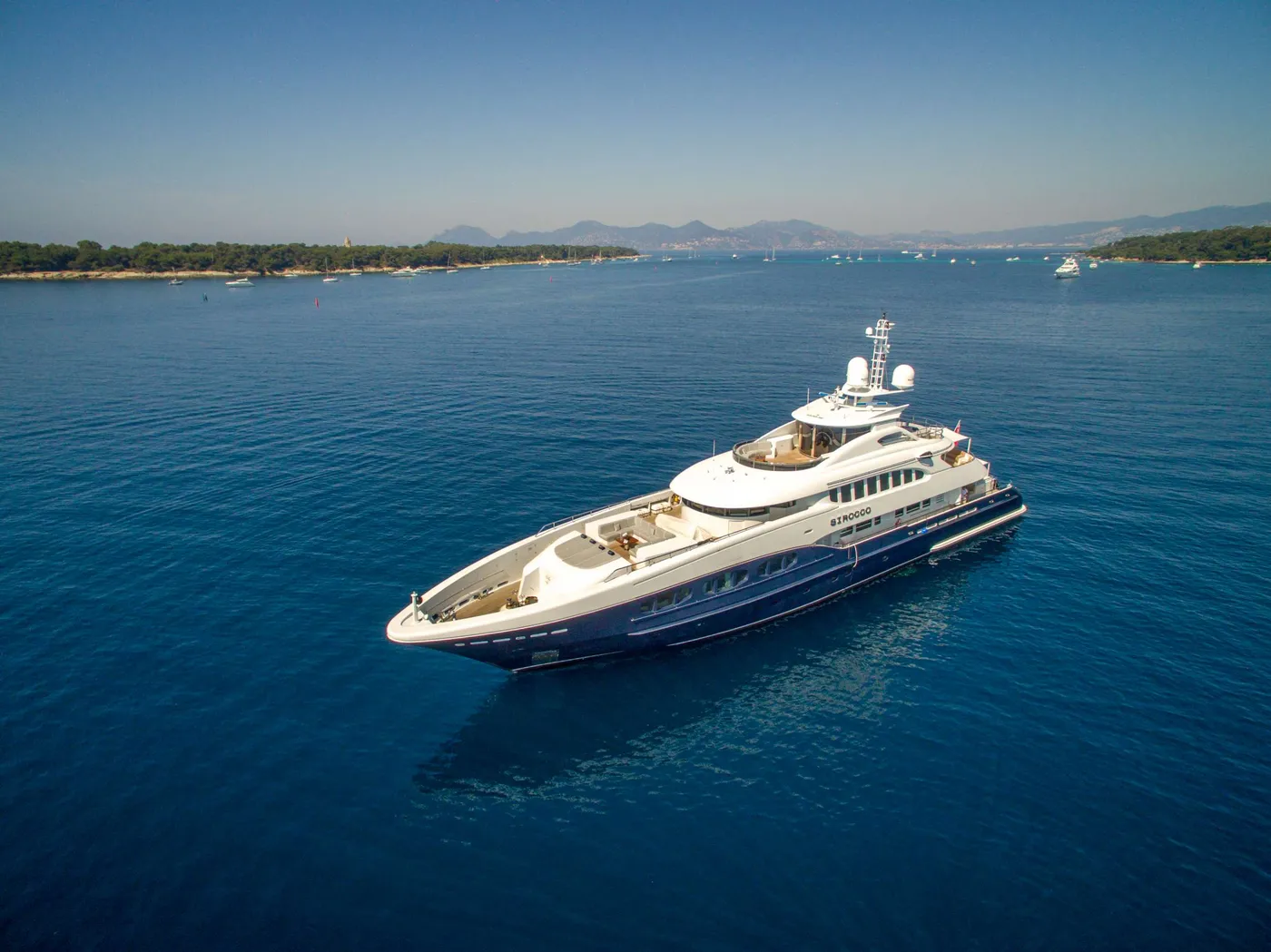
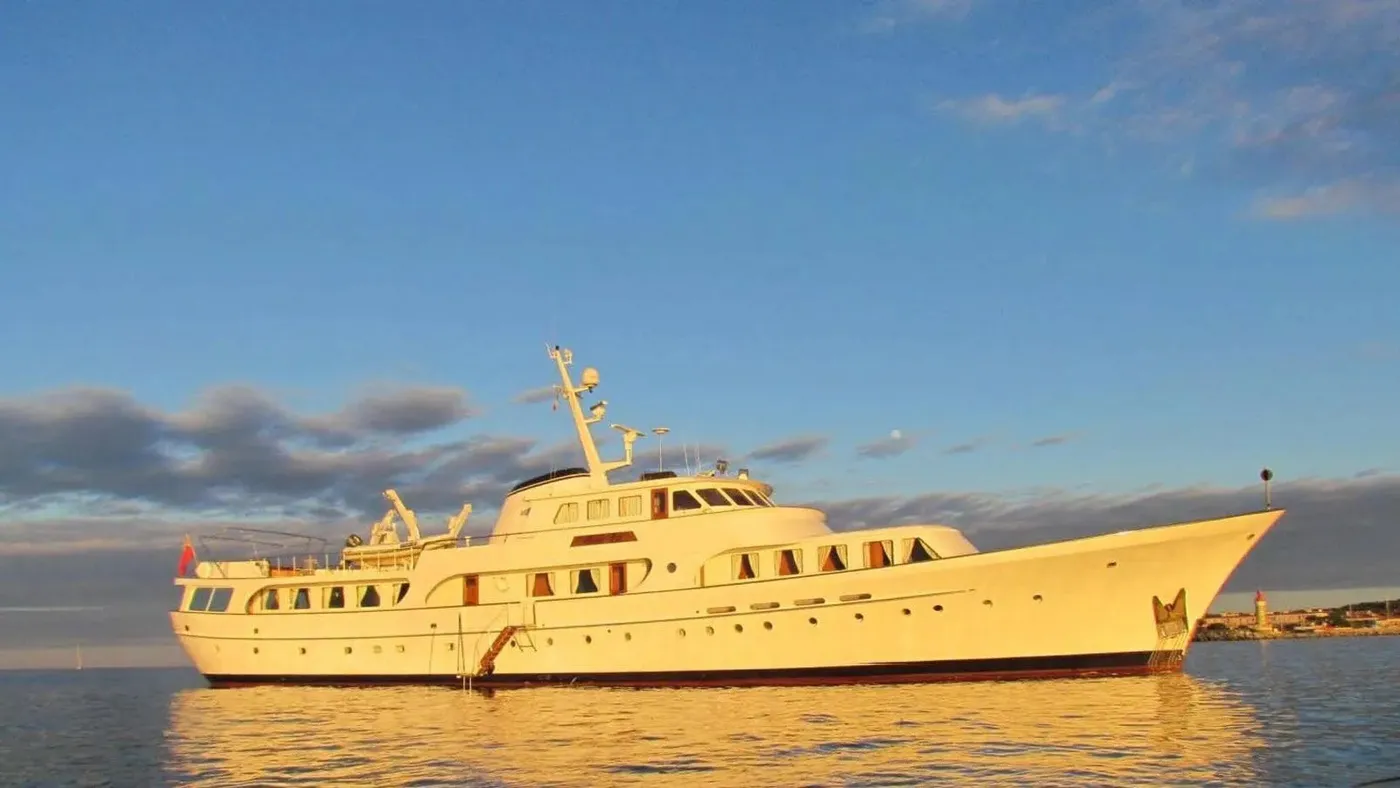
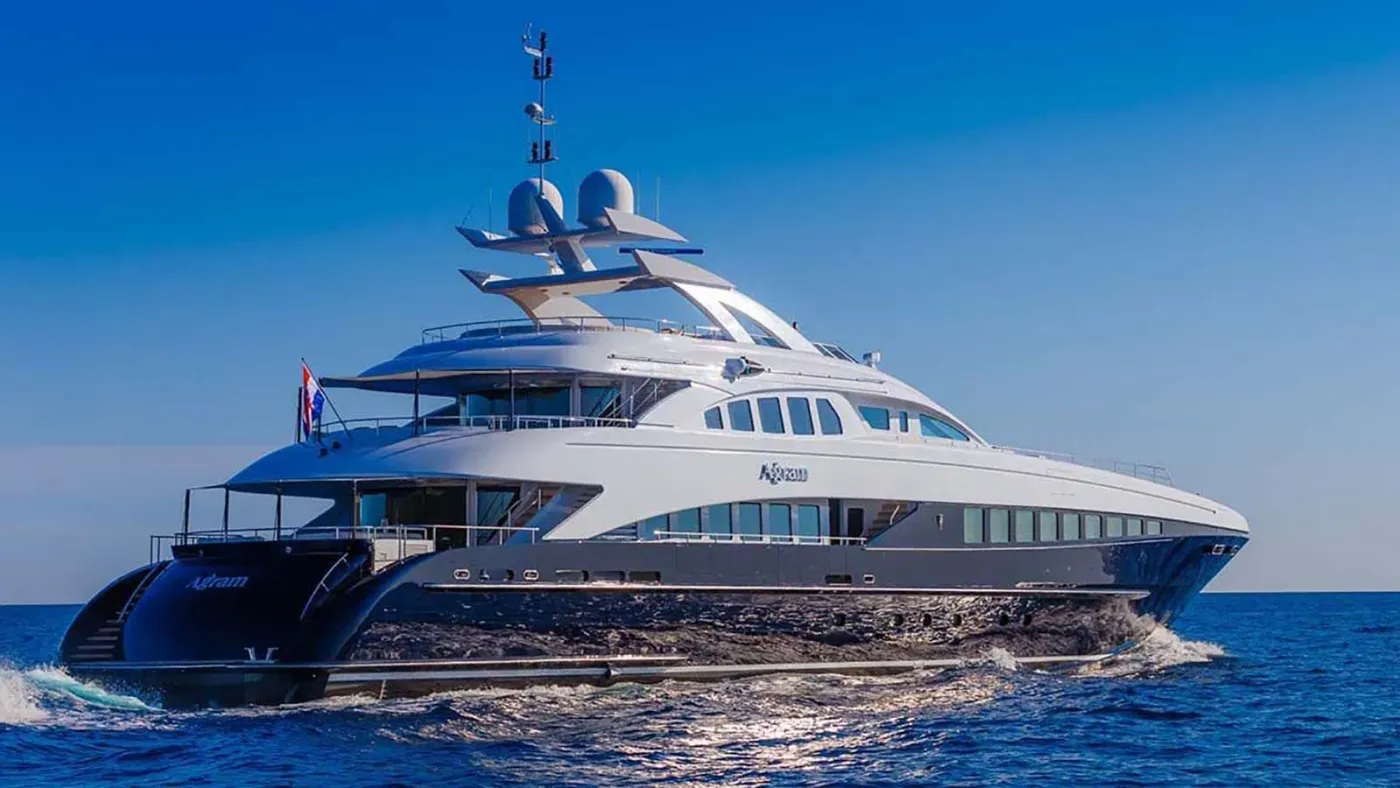
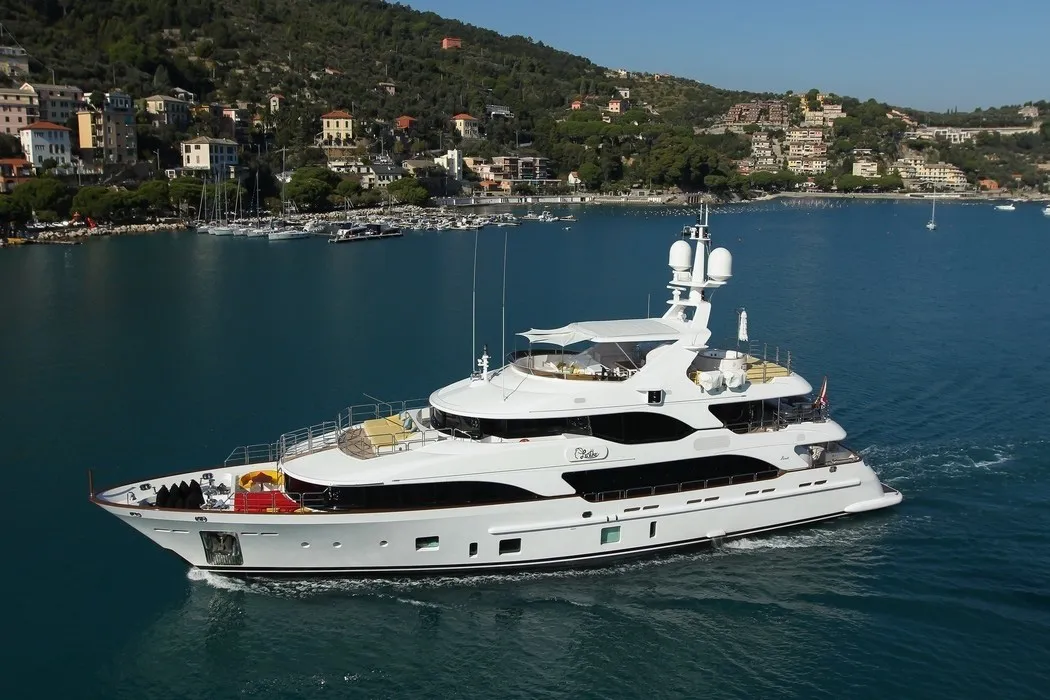
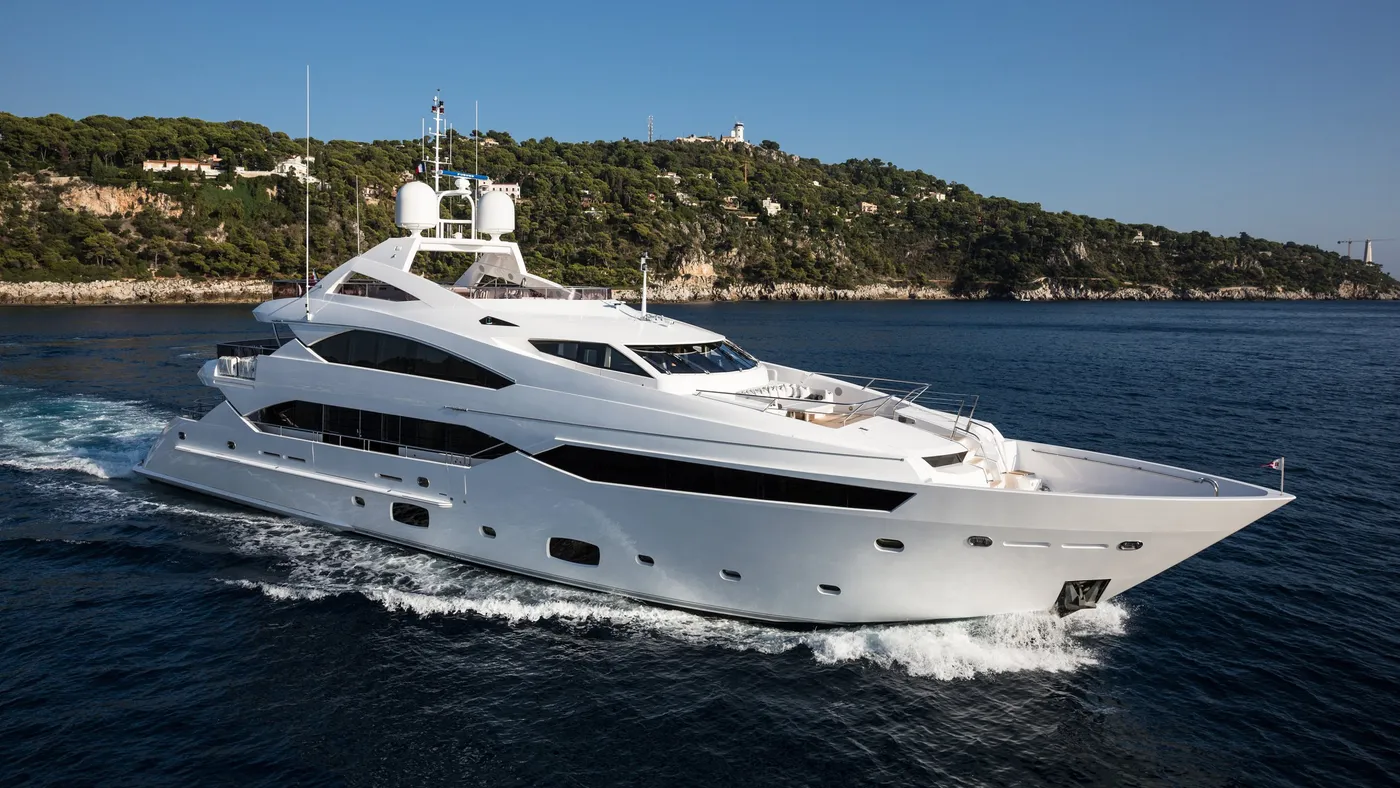
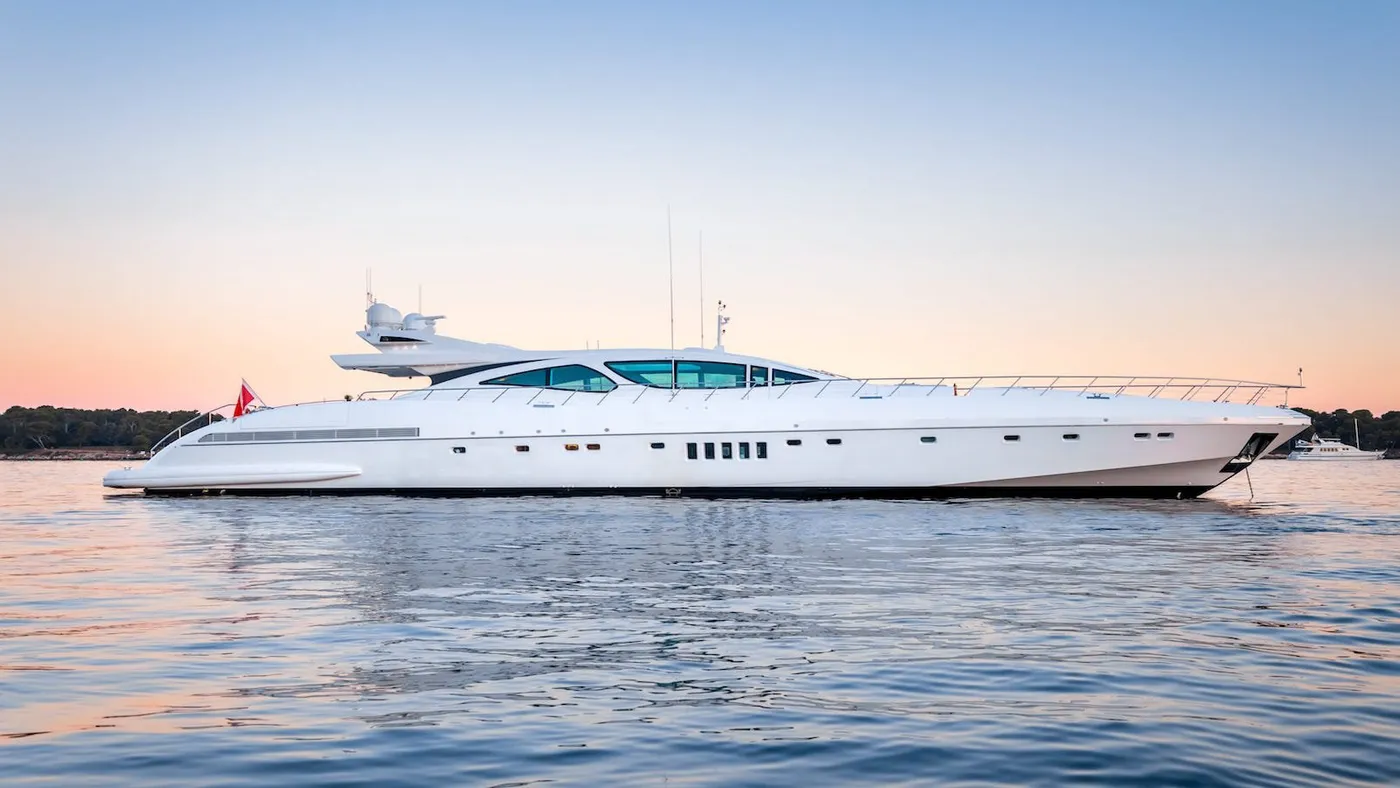
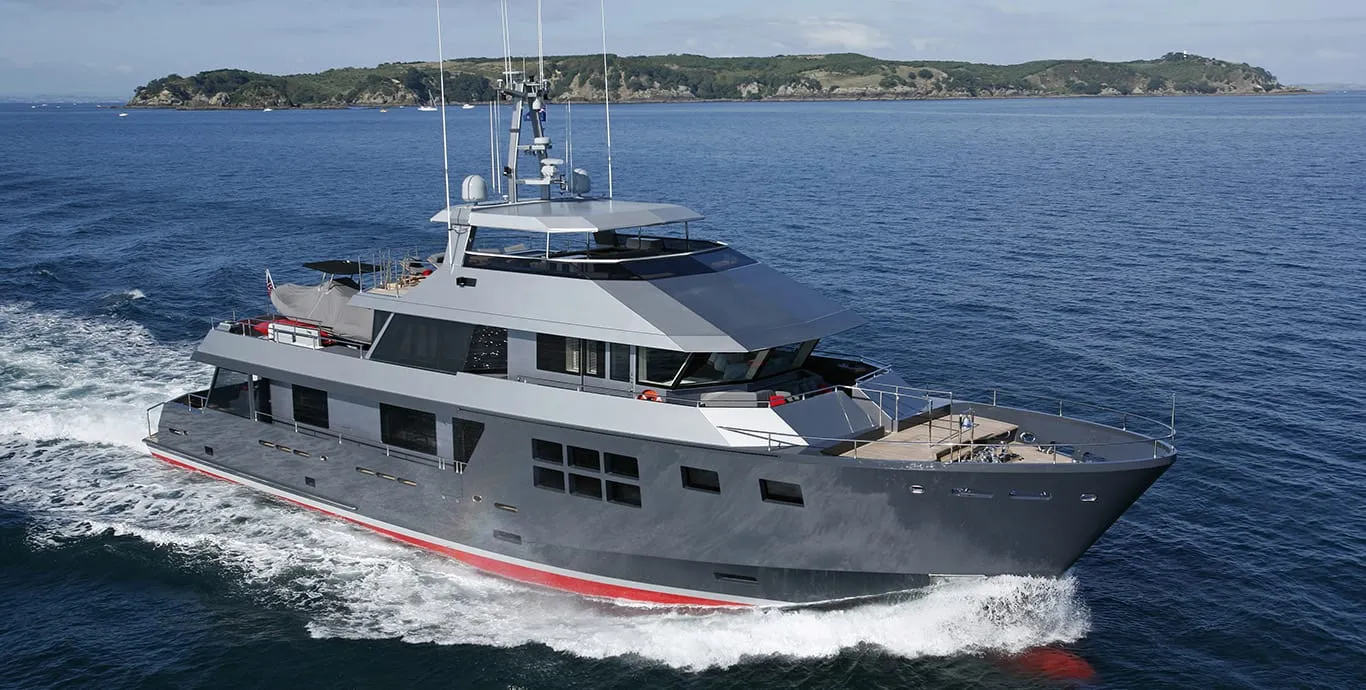
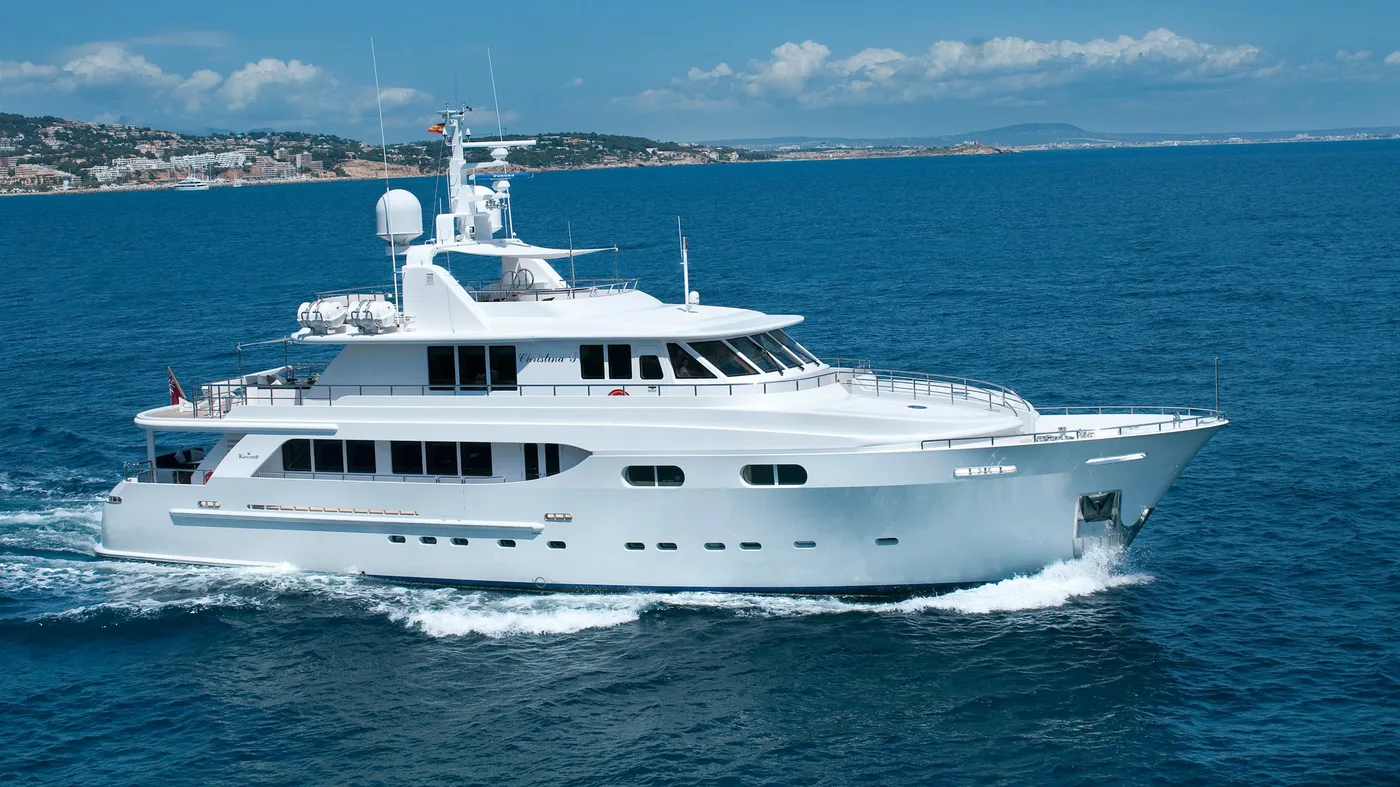
- Motor yachts make the most of the short distances: you can see the Blue Lagoon at breakfast, swim in Gozo before lunch and still be in a harbour by evening. They also make light work of a crossing to Sicily if you add one.
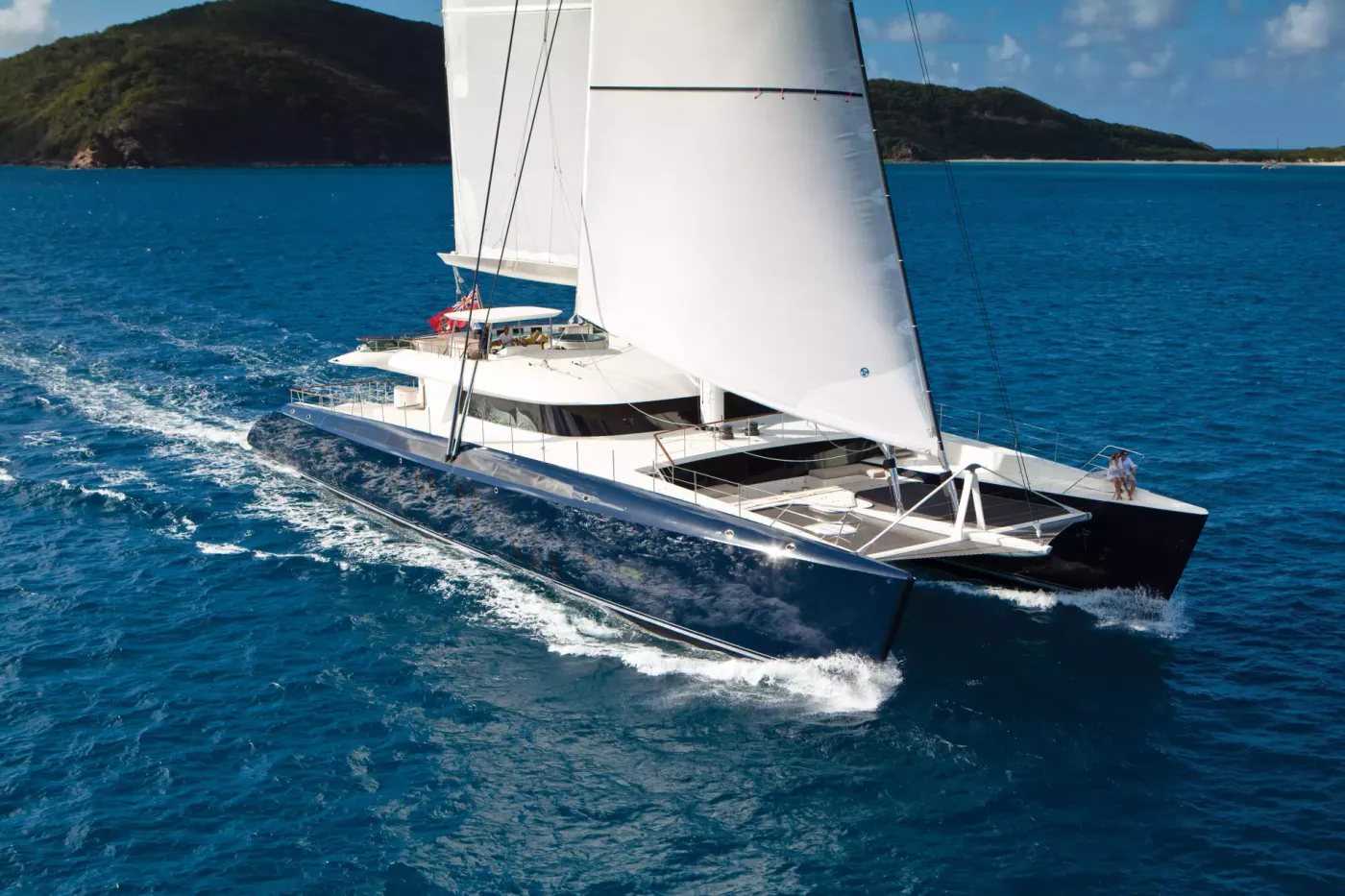
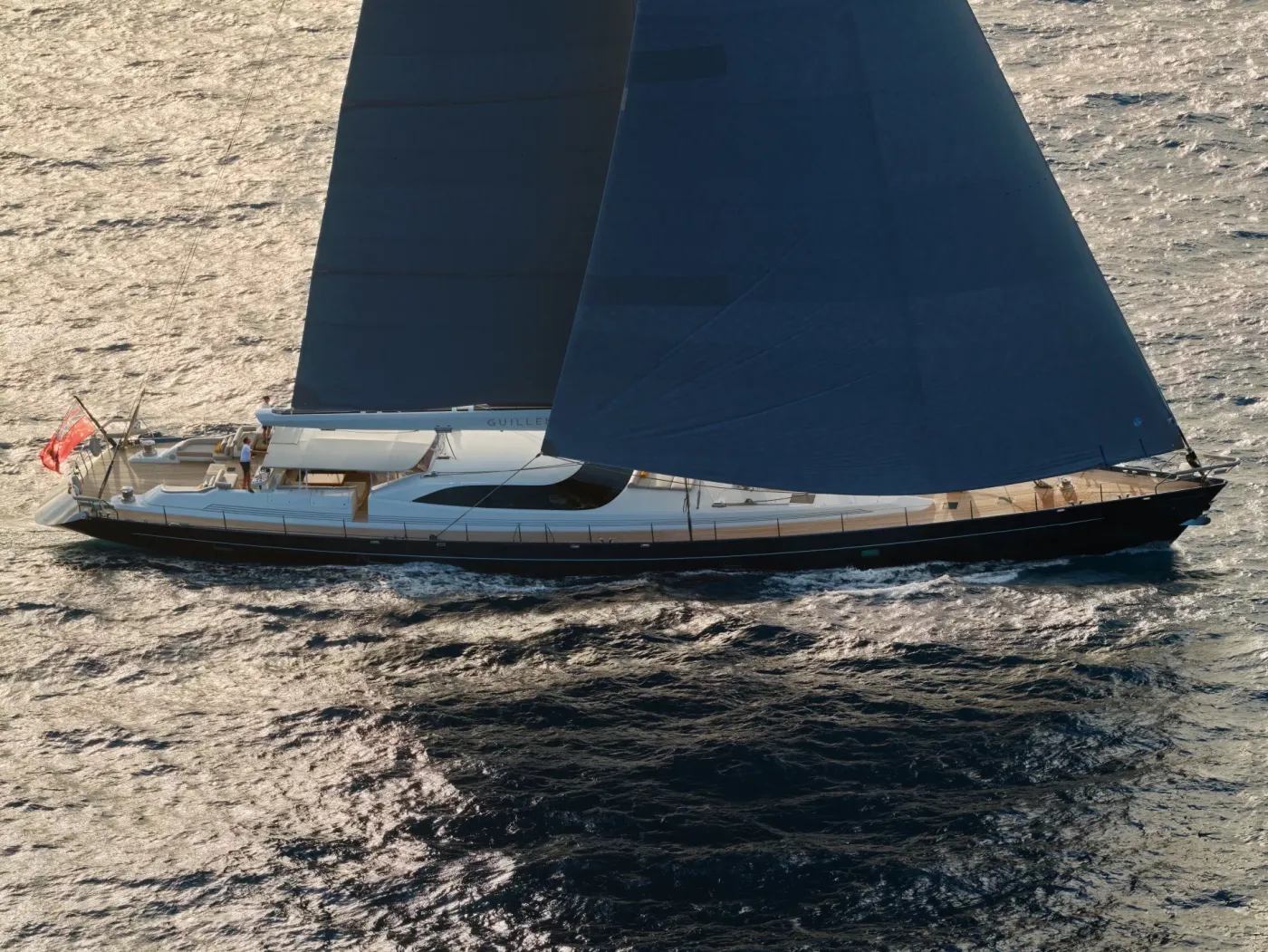
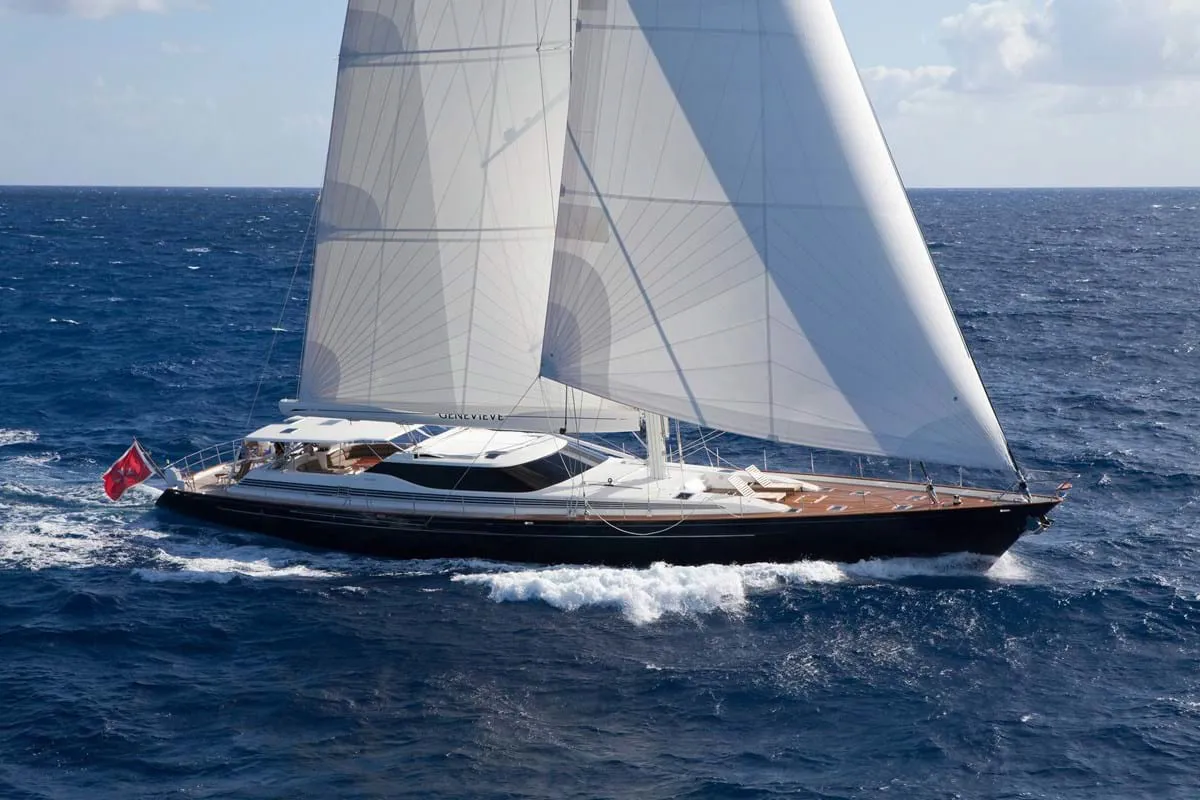
- Sailing yachts and catamarans suit guests who want a slower week; the hops between the islands are short, so sailing time is limited but pleasant. Catamarans give a lot of deck space and a shallow draught for the smaller bays.
- Larger superyachts are well served in the Grand Harbour, where Grand Harbour Marina has superyacht berths up to 135 metres, and at anchorages such as Dwejra. In the narrowest inlets they stay outside and use the tender.
If the VAT reduction by length matters to you, mention it when you ask for options: the deemed percentages in the 2013 guidelines change at 24 metres. Our comparison of motor yachts, sailing yachts and catamarans goes into the pros and cons.
Practical points before you go
Getting there
Malta International Airport is the islands’ airport, on the main island. Gozo is linked to Malta by the Gozo Channel ferry between Ċirkewwa and Mġarr, useful if a guest joins or leaves mid-week.
Money, language and documents
Malta joined the European Union in 2004 and adopted the euro on 1 January 2008, according to the European Commission. English is an official language alongside Maltese, as YachtCharterFleet notes, which makes everything from restaurant bookings to marina paperwork straightforward. The crew will ask for passport details before the charter for the crew and passenger list.
Mooring in the harbours
The Grand Harbour and Mġarr are the main harbours for an overnight in port. In high season, berths need booking in advance; the captain arranges this. What matters for you is that a night in a marina costs more than a night at anchor in a quiet bay, and that the APA covers it.
Common mistakes to avoid
- Turning up at the Blue Lagoon without a booking. Everyone landing needs a slot, and entry without one may lead to a fine.
- Going to the Blue Lagoon at midday in August. It is at its fullest then; go early or spend the middle of the day in another bay.
- Assuming the VAT is the same for every yacht. The 12% rate depends on the length of the charter and on previous hires, and the territorial-waters reduction depends on the yacht’s length and an approval; ask for the figure in writing.
- Adding Sicily without saying so. A crossing changes the country, the VAT and the number of days you spend at sea.
- Fixing the route before the forecast. The sheltered side of the islands changes with the wind; leave the captain room to swap days.
Which Maltese week suits you?
The most useful details for a Malta enquiry are your dates, how many of you there are, whether you want a round trip from the Grand Harbour or a week combined with Sicily, and whether you lean towards history ashore, swimming and diving, or a mix. A charter specialist will reply with yachts that can charter in Malta and their full price, APA, VAT and any delivery fee included. The charter is signed with the yacht’s owner through a licensed charter agency, normally under the MYBA contract, with the full price and VAT clear before you sign. If you are still choosing a destination, compare it with Croatia or the Greek islands. Tell us which week.