In this guide
- Why charter a yacht in Turkey?
- When is the best time to charter in Turkey?
- What is the meltemi and how does it affect a Turkish charter?
- A seven-day route from Göcek to Bodrum
- Gulet or motor yacht?
- Where can a yacht anchor in Turkey?
- What permits and paperwork does a yacht need in Turkey?
- What VAT and taxes apply to a charter in Turkey?
- How much does a yacht charter in Turkey cost?
- Can you combine Turkey with the Greek islands?
- Which type of yacht works best in Turkey?
- Practical points before you go
- Common mistakes to avoid
- Which Turkish week suits you?
On the Turkish coast the first decision is the stretch of coast, and the second is the type of boat. Göcek, Fethiye, Marmaris and Bodrum sit along the south-west corner of the country, and a one-way week between Göcek and Bodrum covers most of the classic stops; a week out of Göcek alone can stay inside one sheltered gulf or run east to Kaş and Kekova. Turkey is also the home of the gulet, the wooden motor-sailer that makes up most of the local fleet and that, according to YachtCharterFleet, lets guests explore secluded coves and ancient ruins in a more cost-effective way. Published weekly rates start in the low tens of thousands for gulets and smaller motor yachts and pass €1 million for the largest superyachts, with APA, tax and a tip on top.
Why charter a yacht in Turkey?
Fraser describes Turkey as having 4,400 miles of coastline along its Mediterranean and Black Sea shores, and YachtCharterFleet counts over 500 islands and islets. Almost all crewed charters, though, start in the south-west, where the Aegean meets the Mediterranean. That corner gives a crewed charter three things:
- A cove for every night. The coast between Bodrum and Fethiye is cut into deep gulfs and bays backed by pine forest. Many nights are spent at anchor, often with a line ashore, rather than in a marina.
- History from the water. Lycian rock tombs above Fethiye and Dalyan, the ruins of Knidos at the tip of the Datça peninsula, the sunken city at Kekova and Bodrum’s castle can all be reached from the yacht or by tender.
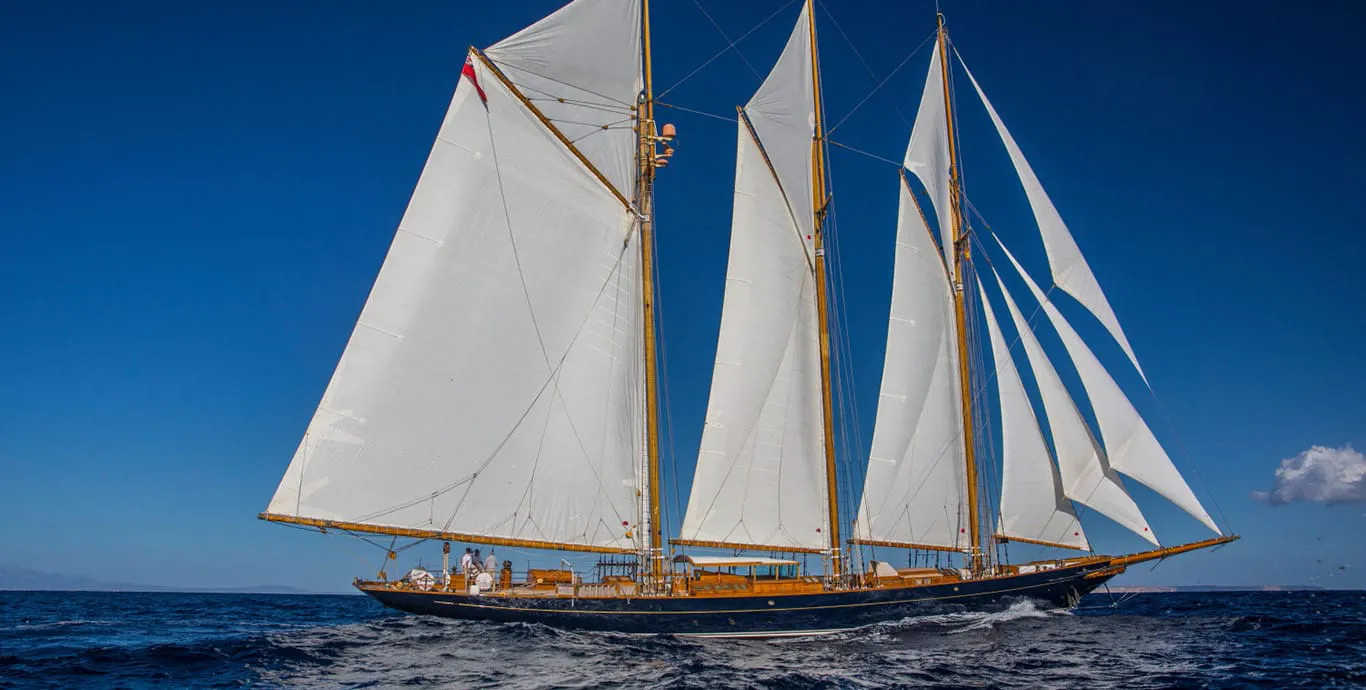
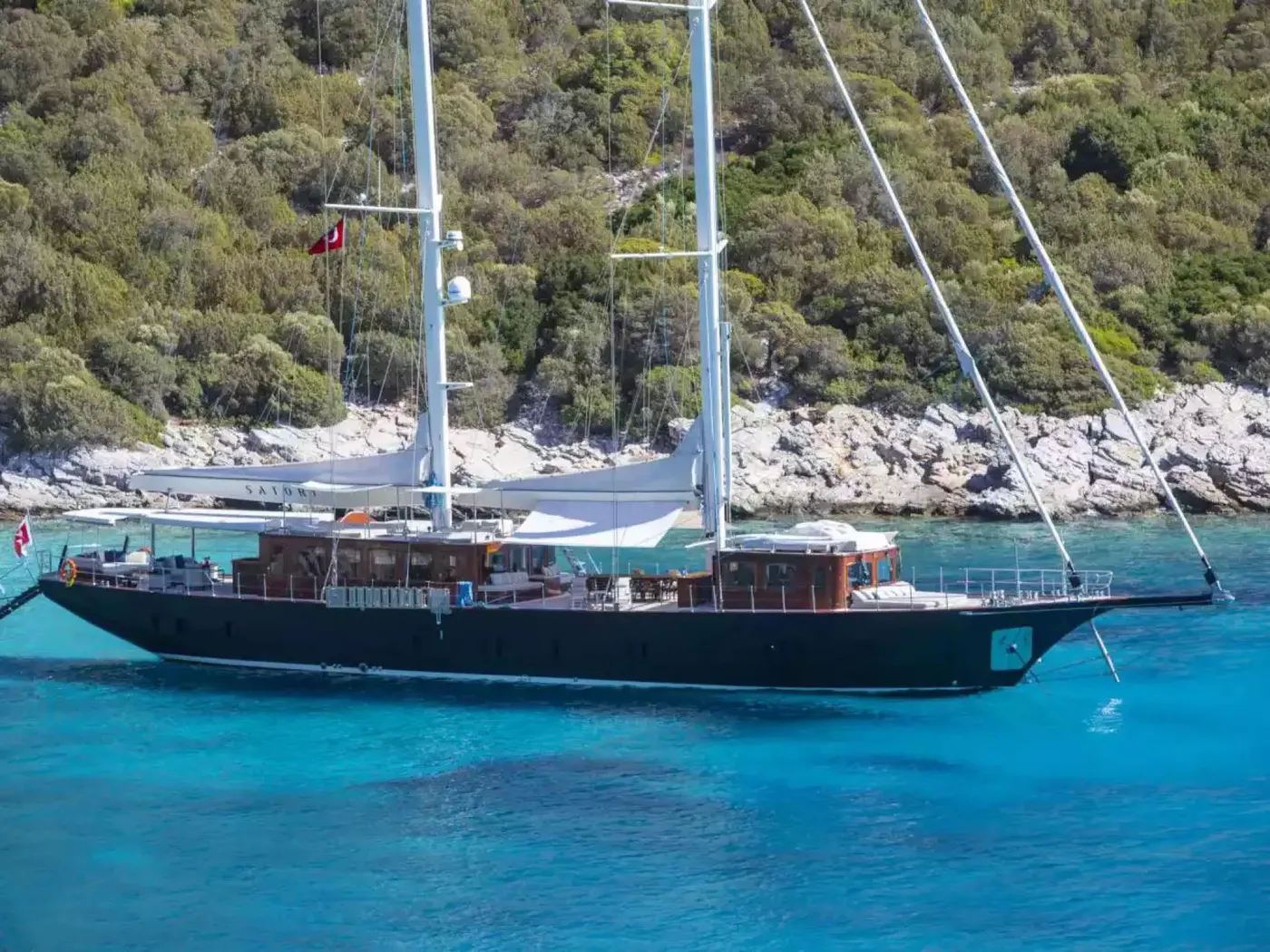
- The gulet. These wooden motor-sailers make up the majority of the Turkish fleet. For families and groups who want deck space and long days at anchor, they are a distinct way to charter.
The same source divides the coast into four areas: the Ionian coast around İzmir and Çeşme, the Carian coast (Bodrum, Marmaris), the West Lycian coast (Marmaris, Göcek, Ekincik, Dalyan, Fethiye) and the East Lycian coast (Fethiye, Kaş, Ölüdeniz, Kalkan, Finike, Antalya). This guide concentrates on the second and third, where most charters run.
When is the best time to charter in Turkey?
Burgess puts the ideal charter season from May to October, with July and August for peak sunshine and social life, and May, June and September for quieter weeks. Yachting.com adds that the sailing season lasts from April until the end of the year.
| Period | Conditions | Best for |
|---|---|---|
| April–May | Spring weather, cool sea, few yachts in the bays. An average minimum of 15 degrees from May. | Sightseeing: Ephesus, Dalyan, Knidos without the heat. |
| June | Long days, warming sea, the meltemi not yet at its strongest. | Families and first-timers. |
| July–August | Hottest and busiest, with highs of 33 degrees. Meltemi at its strongest in the Aegean. | Bodrum nightlife, beach clubs, groups who want company. |
| September | Quieter weeks; the meltemi is past its July–August peak. | Guests looking for a quieter week. |
| October | Still warm: up to 24 degrees, with sea temperatures averaging 25 degrees. | Flexible guests, quieter coves, lower demand. |
The temperatures in the table are YachtCharterFleet’s.
For peak weeks on a popular gulet or motor yacht, start looking early. Our guide on when to book a yacht charter explains how far ahead to look for each season.
What is the meltemi and how does it affect a Turkish charter?
The meltemi is the summer wind of the Aegean, blowing from the north to north-west along this coast, as Yachting.com describes it. Sailing Issues explains that it occurs mainly from June to September and is strongest and longest-lasting in July and August. On the Turkish coast, Yachting.com puts it normally at 2–4 Beaufort, with occasional gusts of around 7, weaker in the morning and stronger in the afternoon and evening. Sailing Issues, writing about the Greek Aegean, adds that it can reach 5–7 Beaufort, blow through the night and repeat over many days.
What it means on board:
- Move in the morning. Set off early and be at anchor by the afternoon. A crew will plan the longer legs, such as the run round the Datça peninsula or the crossing towards Bodrum, for the calm hours, and the captain may swap days to fit the forecast.
- A sailing yacht or gulet can use it. On a calm-weather motor yacht the meltemi mostly means a bouncier afternoon; on a gulet or sailing yacht it can mean a good sail, if the group wants one.
A seven-day route from Göcek to Bodrum
The classic one-way week follows the coast north-west from the Gulf of Fethiye to the Bodrum peninsula. This route follows Fraser’s published Turkey itinerary, which starts with a flight into Dalaman and ends with the arrival in Bodrum on the eighth day. Most of it runs through four special environmental protection areas declared by the Turkish state, each with its own rules: Fethiye-Göcek, Köyceğiz-Dalyan, Datça-Bozburun and Gökova. What those rules mean for a yacht of 30 to 50 metres is gathered in the box at the end of the route.
| Day | Leg | Miles |
|---|---|---|
| 1 | Göcek | — |
| 2 | Göcek → Fethiye → Cleopatra's Baths | — |
| 3 | Cleopatra's Baths → Ekincik | — |
| 4 | Ekincik → Marmaris | — |
| 5 | Marmaris → Serçe Limanı | — |
| 6 | Serçe Limanı → Datça → Knidos | — |
| 7 | Knidos → Gulf of Gökova | — |
| 8 | Gulf of Gökova → Bodrum | — |
Day 1: Göcek
The week starts in the sheltered bays of a gulf backed by pine forest.
Fly into Dalaman and transfer to Göcek. The first night is in one of the bays of Göcek, or on the quay to enjoy the village. These bays are in the Fethiye-Göcek protected area, where a new system of paid mooring buoys changes where a yacht can lie (see the box below).
Day 2: Fethiye and Cleopatra’s Baths
The first day of history from the water: rock tombs in the morning, a half-submerged ruin in the afternoon.
Morning in Fethiye, below the Lycian rock tombs. In the afternoon, a cruise round Göcek Bay to Cleopatra’s Baths, a half-submerged ruin in Hamam Koyu, a bay with its own restrictions (see the box below). The night is around the corner, in Stone Wall Bay. Both stops are inside the same protected area as day 1.
Day 3: Ekincik and Dalyan
A day off the yacht, up a river and back, next to the beach where loggerhead turtles nest.
Cross to the Bay of Ekincik and anchor on its southern side. From there the day goes up the river to the town of Dalyan, below the Lycian rock tombs, and back to the yacht in Ekincik: the yacht stays in the bay, and guests go up on a local river boat. The night is in Kızılkuyruk Harbour, a quiet anchorage with a pebble beach. Ekincik is part of the sea area of the Köyceğiz-Dalyan protected area, which the Ministry describes as a breeding ground for loggerhead turtles on İztuzu beach.
Day 4: Marmaris
A day for a town, after the bays.
After breakfast, on to Marmaris, which the itinerary describes as one of Turkey’s most beautiful towns, with its coves, sandy beaches and evergreen forests. Marmaris is also one of the frontier ports where a yacht can clear in or out of Turkey (see the paperwork section below).
Day 5: Serçe Limanı
A night in a harbour almost closed off by land.
A land-locked natural harbour on the Bozburun peninsula, for a night at anchor, a small restaurant ashore and a swim in very sheltered water. A wreck found here gave the cargo now shown in the Bodrum castle museum. Serçe is inside the Datça-Bozburun protected area, which covers both peninsulas. The Ministry says that its plan protects the seagrass meadows (Posidonia oceanica) and the underwater life, provides mooring blocks and buoys at sea, and restricts fishing over a large area.
Day 6: Datça and Knidos
Swimming in the morning, an ancient city in the afternoon.
In Datça, the itinerary anchors off the beach in the south bay, near a small freshwater lake with a waterfall. Then Knidos, the ancient city at the tip of the peninsula, with its two theatres and the temple of Aphrodite. The itinerary drops anchor in the larger of its two harbours: according to the Ministry of Culture, the small northern harbour was the military port and the southern one served merchant ships, and in the season the site is reached by sea, by boats and yachts. Knidos is in the same Datça-Bozburun protected area as Serçe.
Day 7: Gulf of Gökova
The last night at anchor, off a beach of fine sand.
On to the Gulf of Gökova, also a special environmental protection area, where the Ministry notes that fishing is not allowed everywhere. The day ends at Cleopatra’s Beach on Sedir Island, the largest of three small islands that offer several anchorages for the night. The yacht stays at anchor off the islands.
Day 8: Bodrum
The week ends below a castle that holds finds from wrecks along the coast you have just sailed.
Into Bodrum, on its peninsula facing the island of Kos, to disembark. The castle built by the Crusaders guards the harbour and houses the Museum of Underwater Archaeology, with finds from wrecks along the trading route you have just sailed.
Bodrum and Marmaris are popular places to finish a Turkish charter, thanks to their facilities and nearby airports, and the route works just as well in reverse.
A week out of Göcek instead
If you would rather fly in and out of Dalaman, a round trip from Göcek avoids the delivery fee. YachtCharterFleet publishes two versions:
- Göcek and the Gulf of Fethiye, about 70 nautical miles in a week: Sarsala Bay, Fethiye, Gemiler Island, Coldwater Bay, Butterfly Valley, Ölüdeniz and Kapi Creek. Short legs.
- Göcek to Kaş and Kekova, about 155 nautical miles: Ölüdeniz and Gemiler, then Kaş, the sunken city at Kekova and Kalkan before returning to Göcek. More time under way, more variety.
For a 30–50 m yacht
- Göcek buoys (days 1 and 2). The Ministry of Environment chose the Fethiye-Göcek protected area as the pilot for its system of mooring buoys in 17 bays; within the system, yachts may not drop anchor at random or tie lines to the trees on the shore. Yachting Magazine reports that, from the 2026 season, yachts may not anchor in those zones and must take one of the paid buoys, booked through an online platform, while some areas stay open for anchoring. According to the Turkish newspaper Habertürk, the system is already installed and the platform, DERİA, is run by the Turkish Environment Agency (TÜÇA); a yacht may stay at most three days in one bay and 11 days in a row in the whole Göcek area. Another newspaper, Evrensel, reports that a court in Muğla suspended the project on 9 July 2026 and that a revised version received a favourable environmental impact decision on 25 August, with 238 mooring points for boats of 20 to 40 metres; for a larger yacht, the captain confirms where it can lie. In high season the buoys in the favourite bays need booking ahead; the fees come out of the APA. The no-fishing zones described below also cover this gulf.
- Cleopatra’s Baths (day 2). Hamam Koyu is a grade 2 archaeological site: in 2009 Hürriyet reported a rule of the protected area that closes it to all vessels and bans diving there, and Evrensel reports that it was left out of the buoy project. The captain confirms whether the yacht can go in and how guests can see the ruins.
- Dalyan (day 3). The 2026 regulation for the Köyceğiz lake and the Dalyan channels does not allow petrol or outboard engines on them, so a tender with that kind of engine cannot make the trip. According to the Ortaca district governorate, İztuzu beach is closed to visitors from 20:00 to 08:00 all year; turtles nest there from May to July and the hatchlings emerge from July to the end of September. A visit to the beach is for the daytime.
- Knidos and Sedir (days 6 and 7). Entry to both archaeological sites is ticketed. The Ministry of Culture lists Sedir as a grade 1 archaeological and natural protected area that can be reached only by sea, and it forbids taking sand from the beach; the crew will confirm how guests can land.
- One-way weeks. A one-way charter may carry a delivery fee for the yacht to return to its base, which belongs in the quote.
Gulet or motor yacht?
Gulets make up the majority of the Turkish fleet, and YachtCharterFleet lists the trade-offs fairly:
- Gulets offer a lot of deck space and usually a lower APA, because most nights are spent in bays. Expect limits on air-conditioning hours and a set number of cruising hours included in the price, and port fees that weigh more when you do go into a marina. They are best for a slow week with long lunches at anchor.
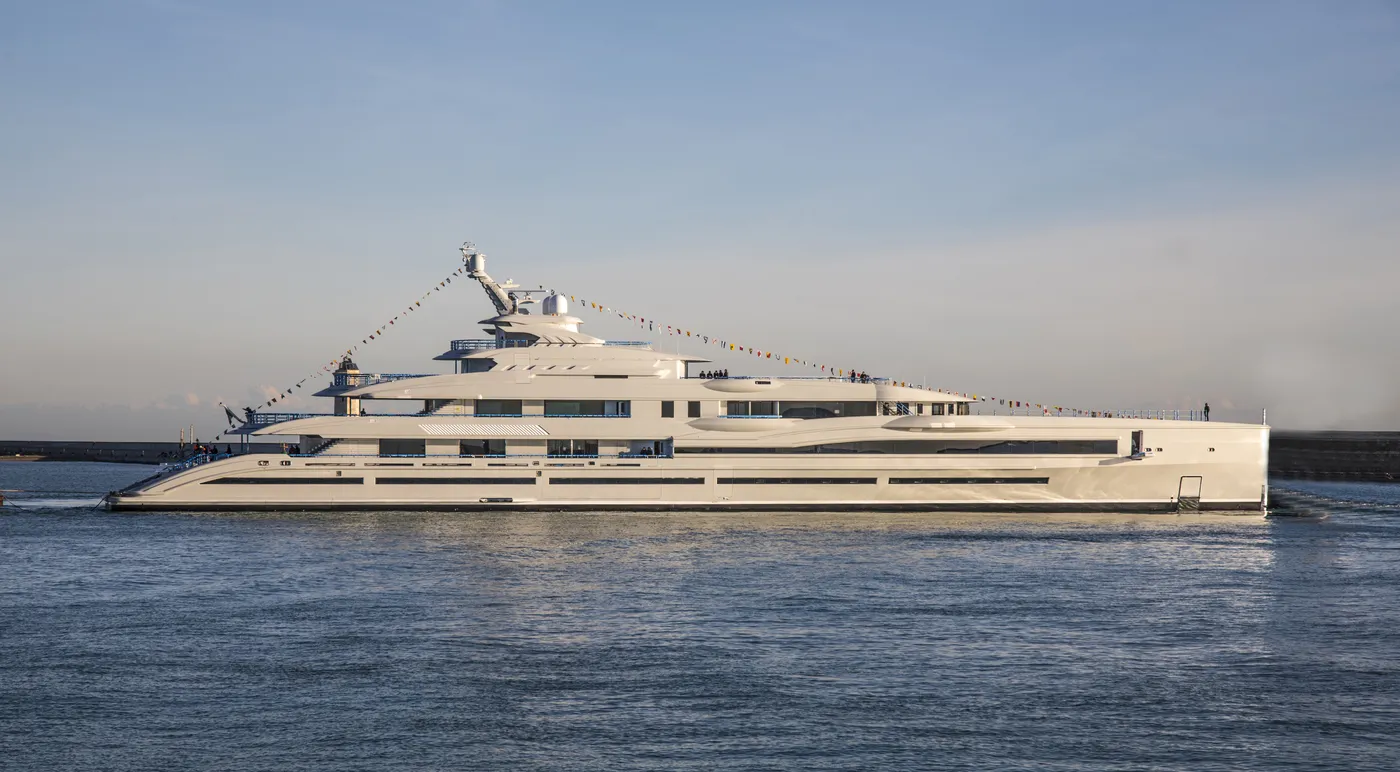
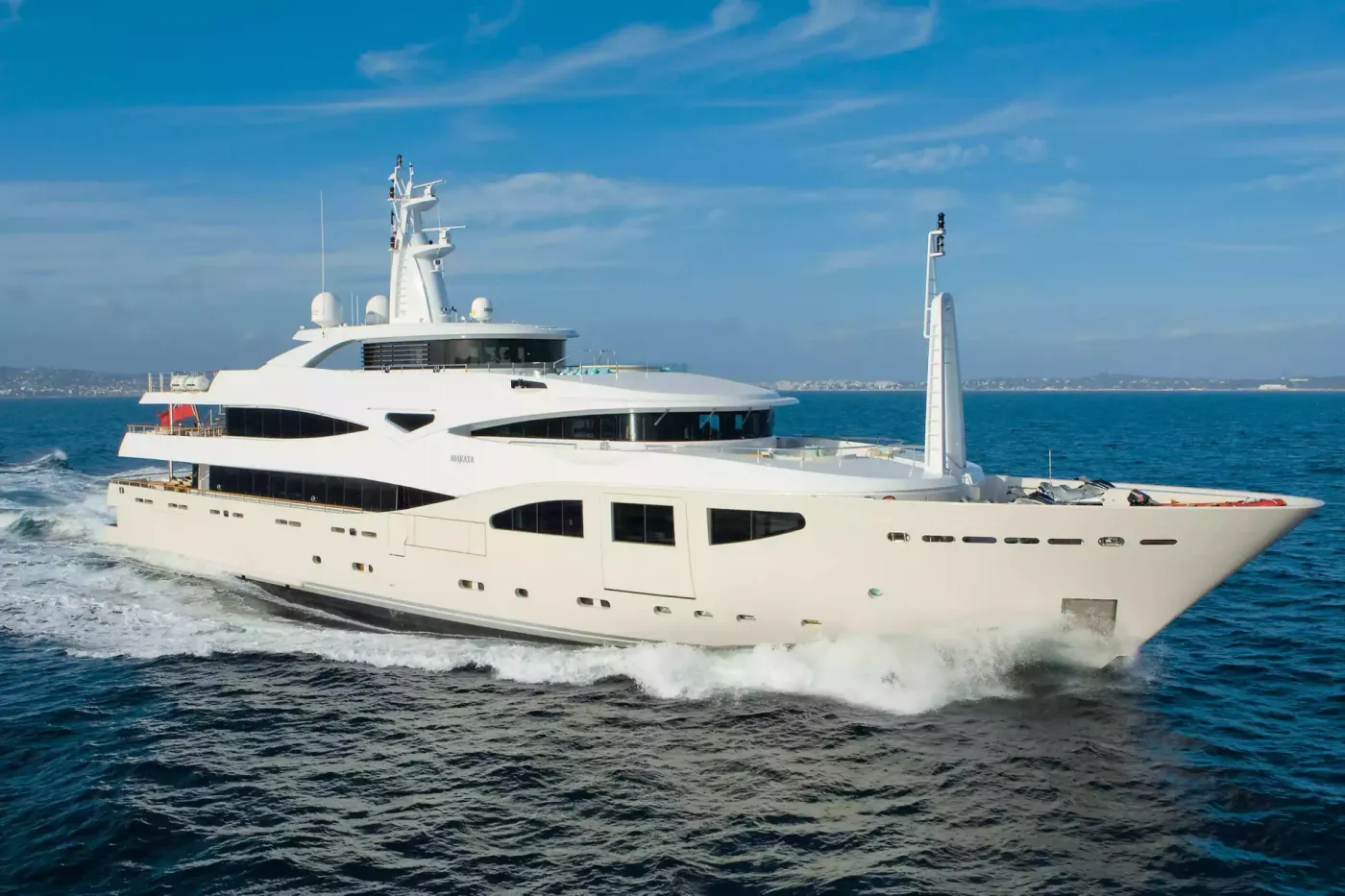
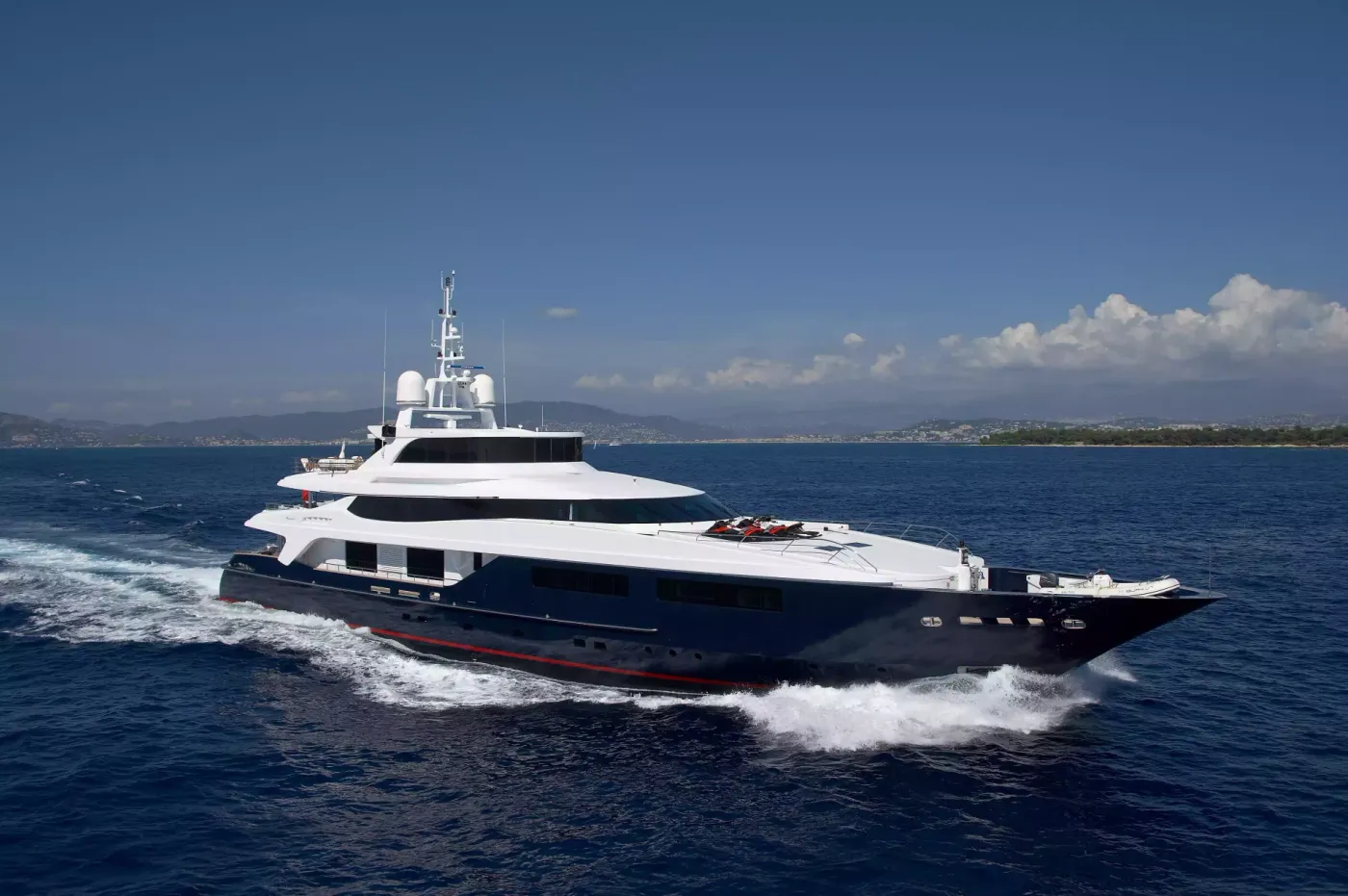
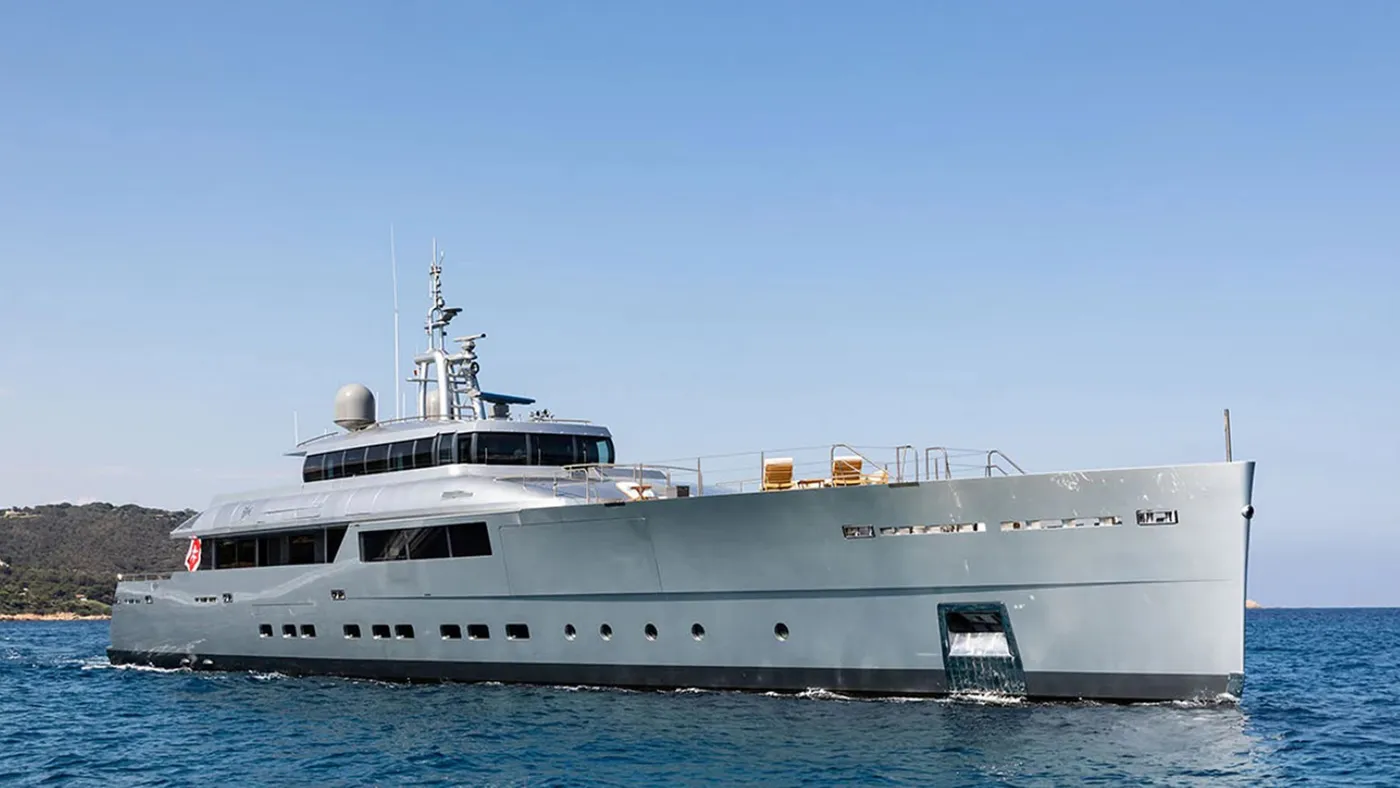
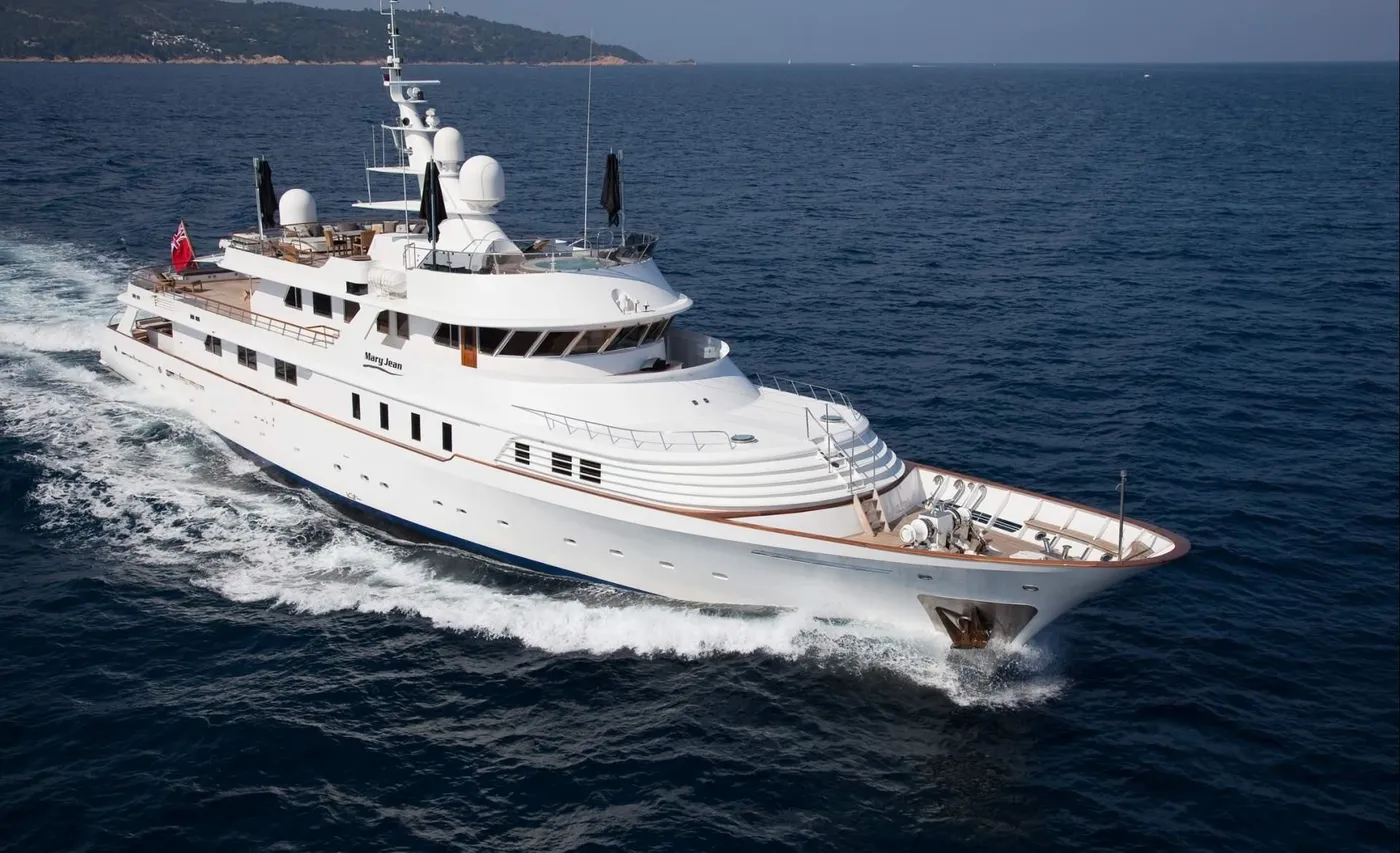
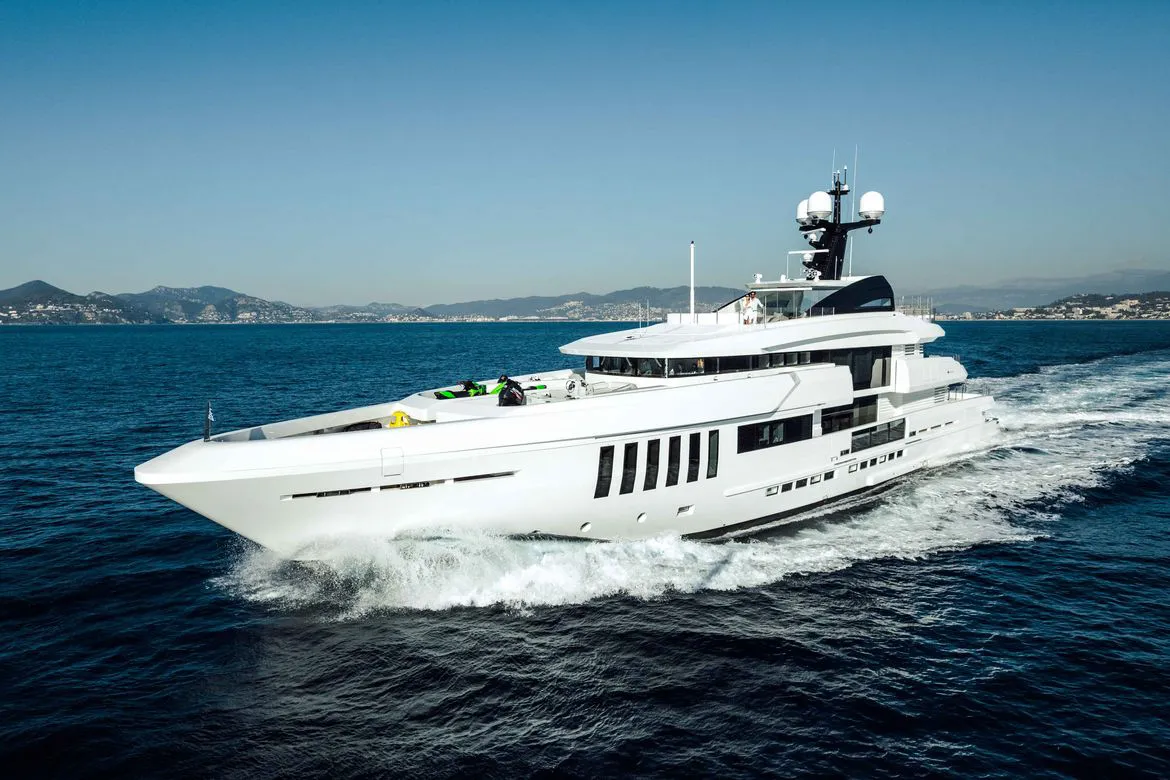
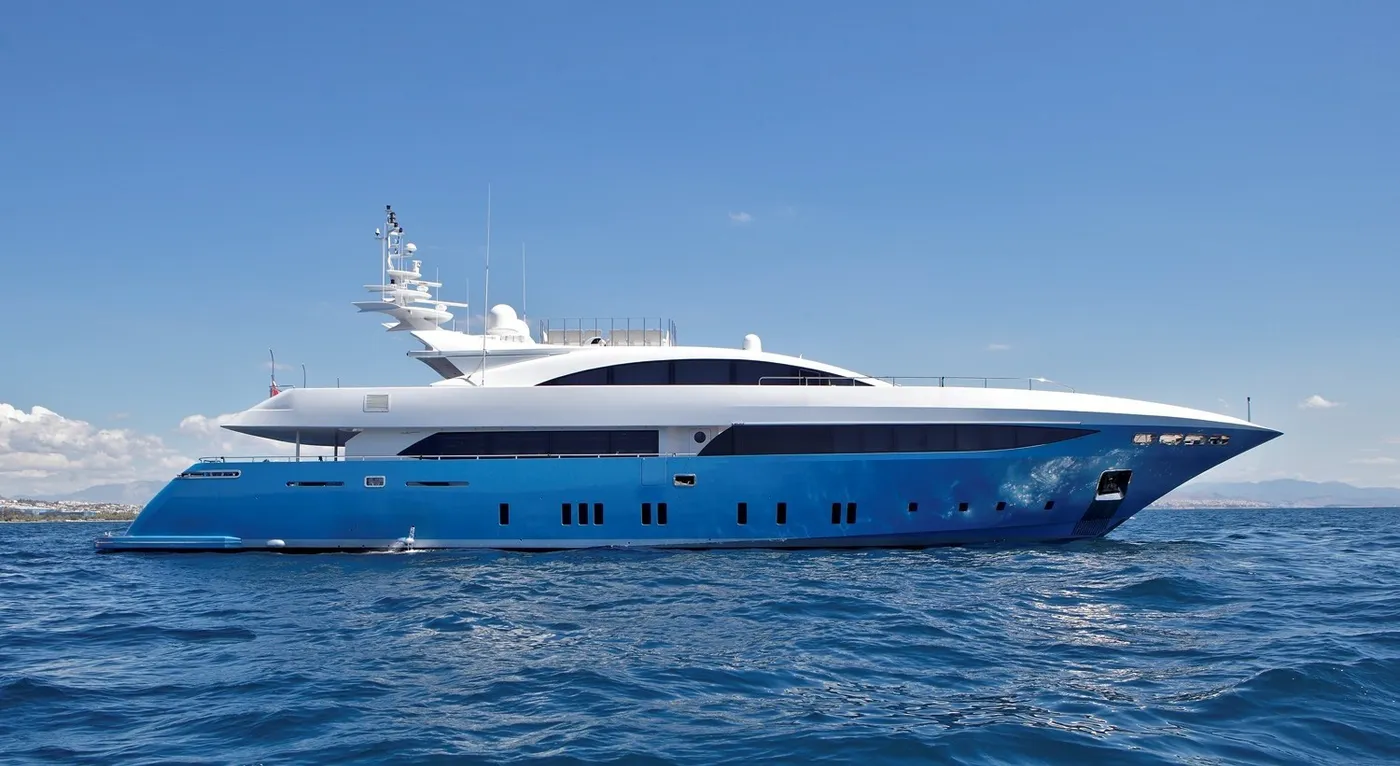
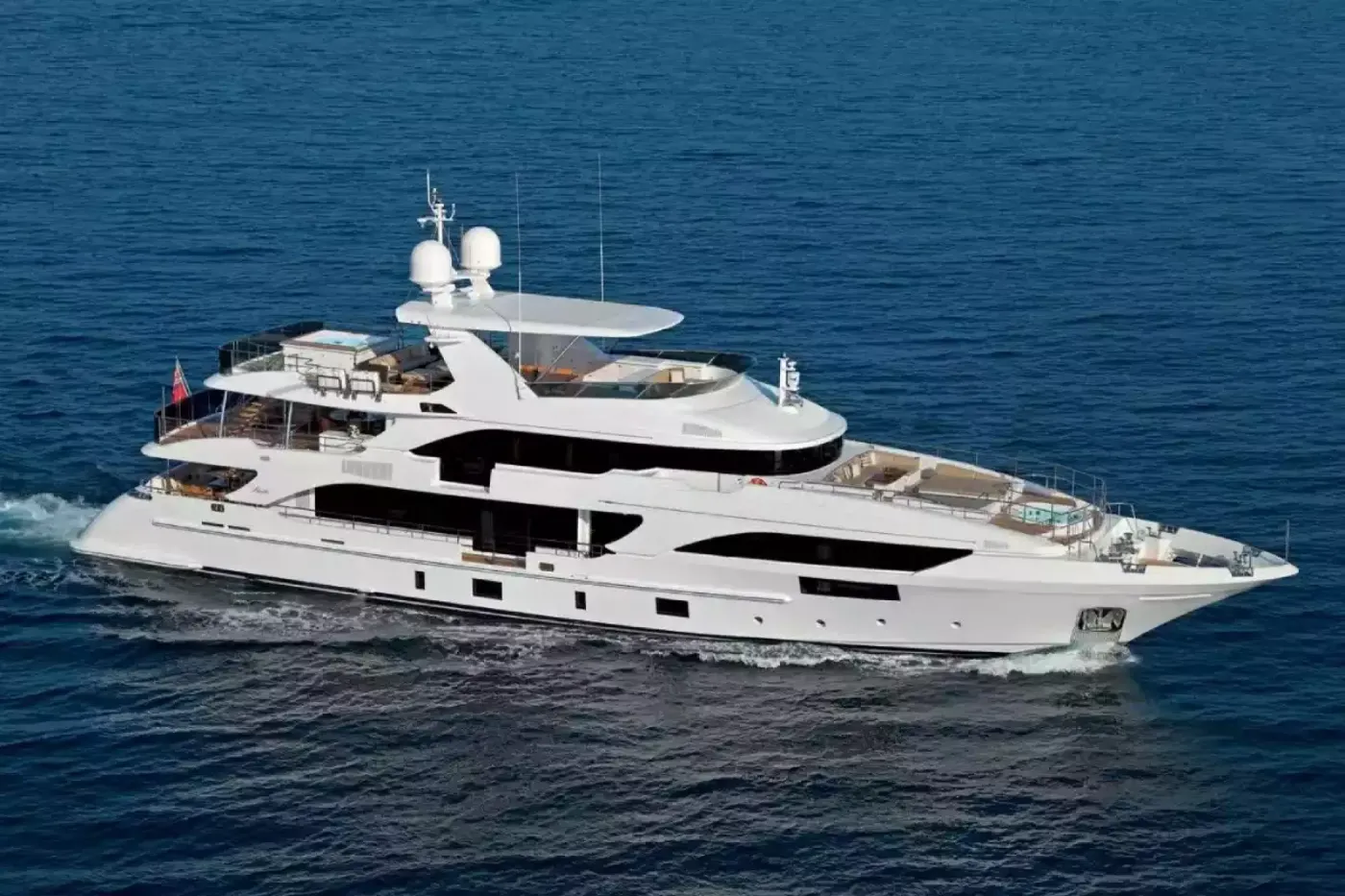
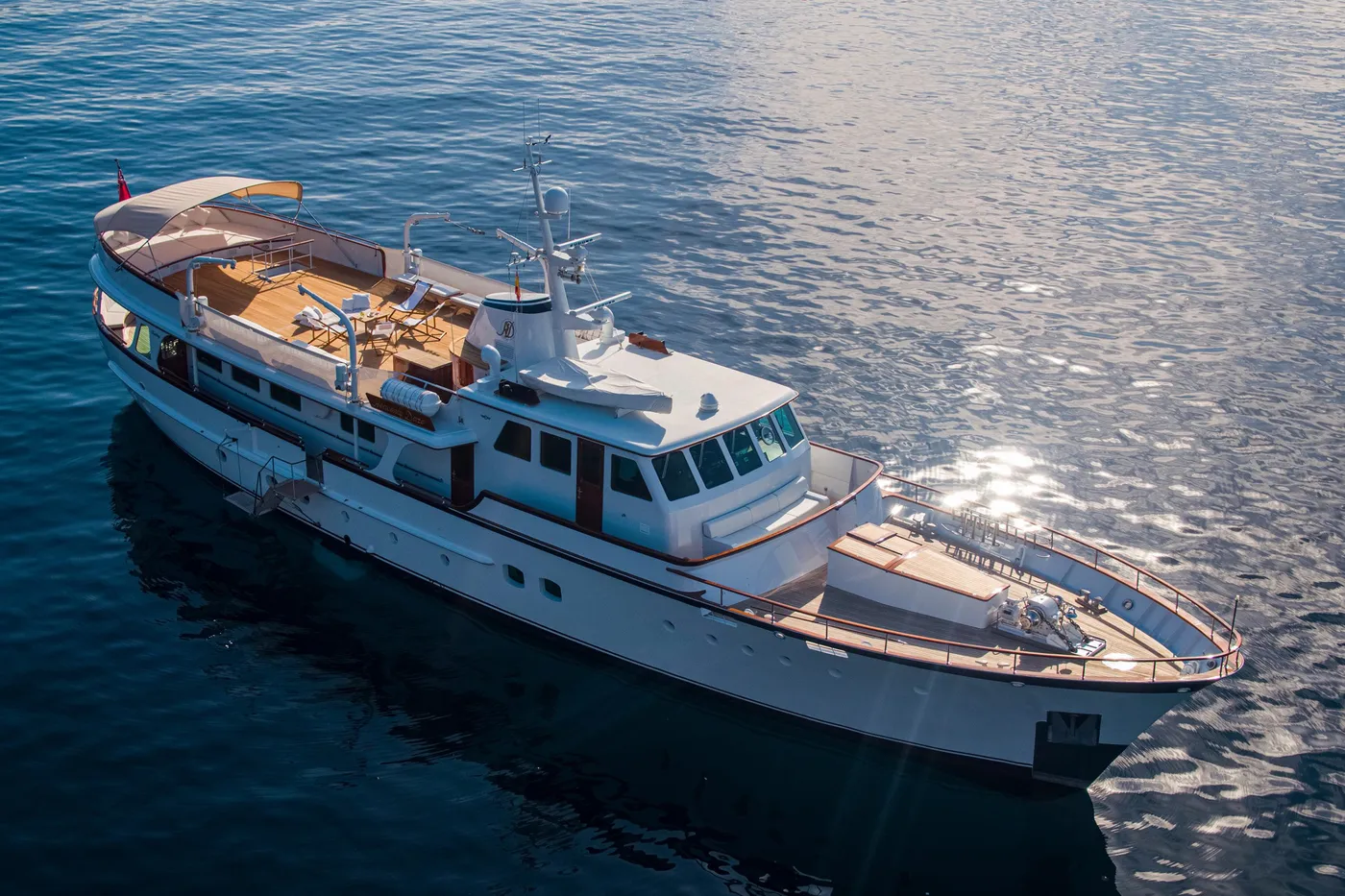
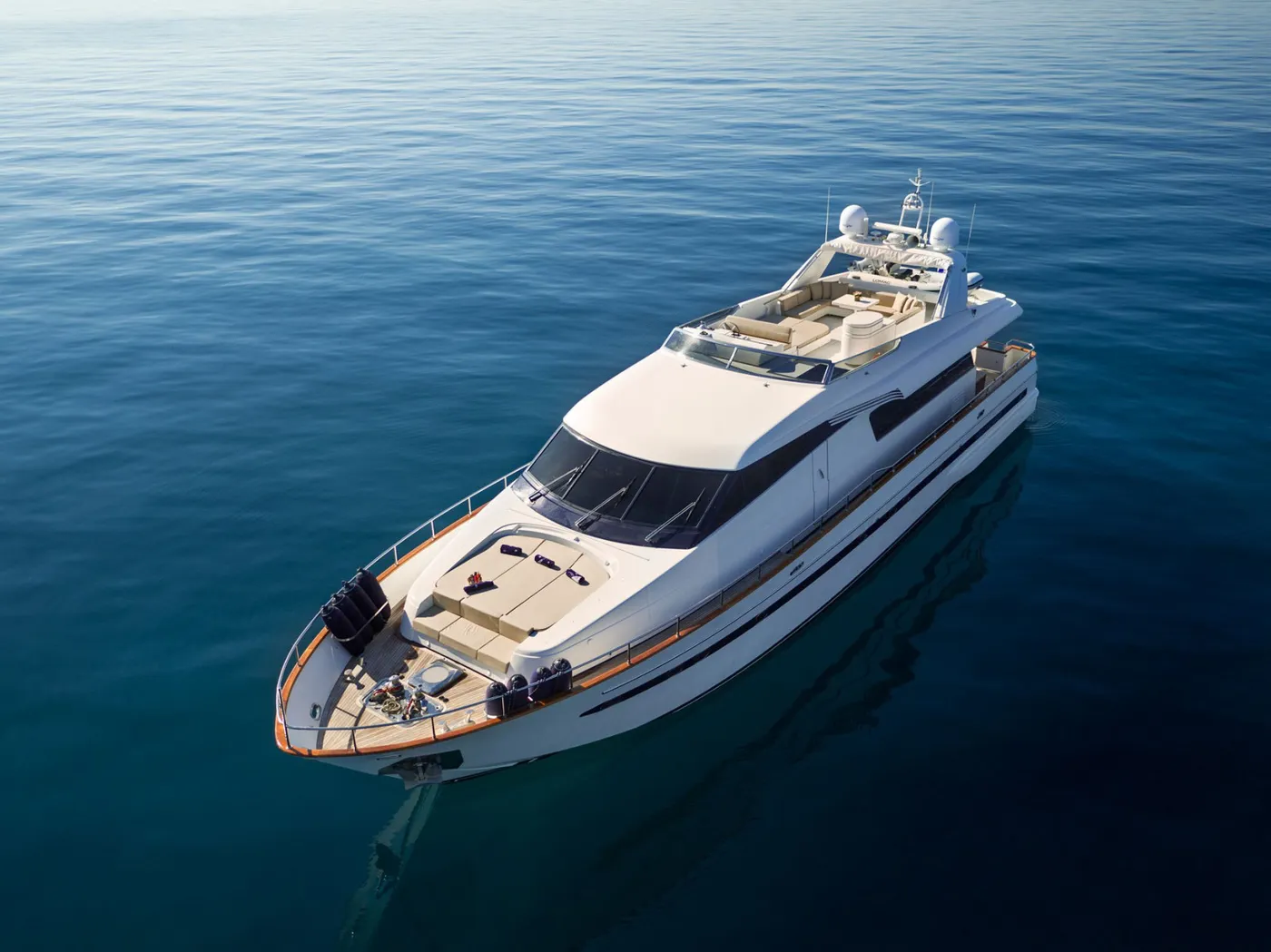
- Motor yachts, mostly based in Bodrum, Göcek, Fethiye, Marmaris and Bozburun, give more interior volume, more speed and more on-board facilities, usually at a higher price. They make a Göcek–Bodrum week easier and let you add Kekova or a Greek island.
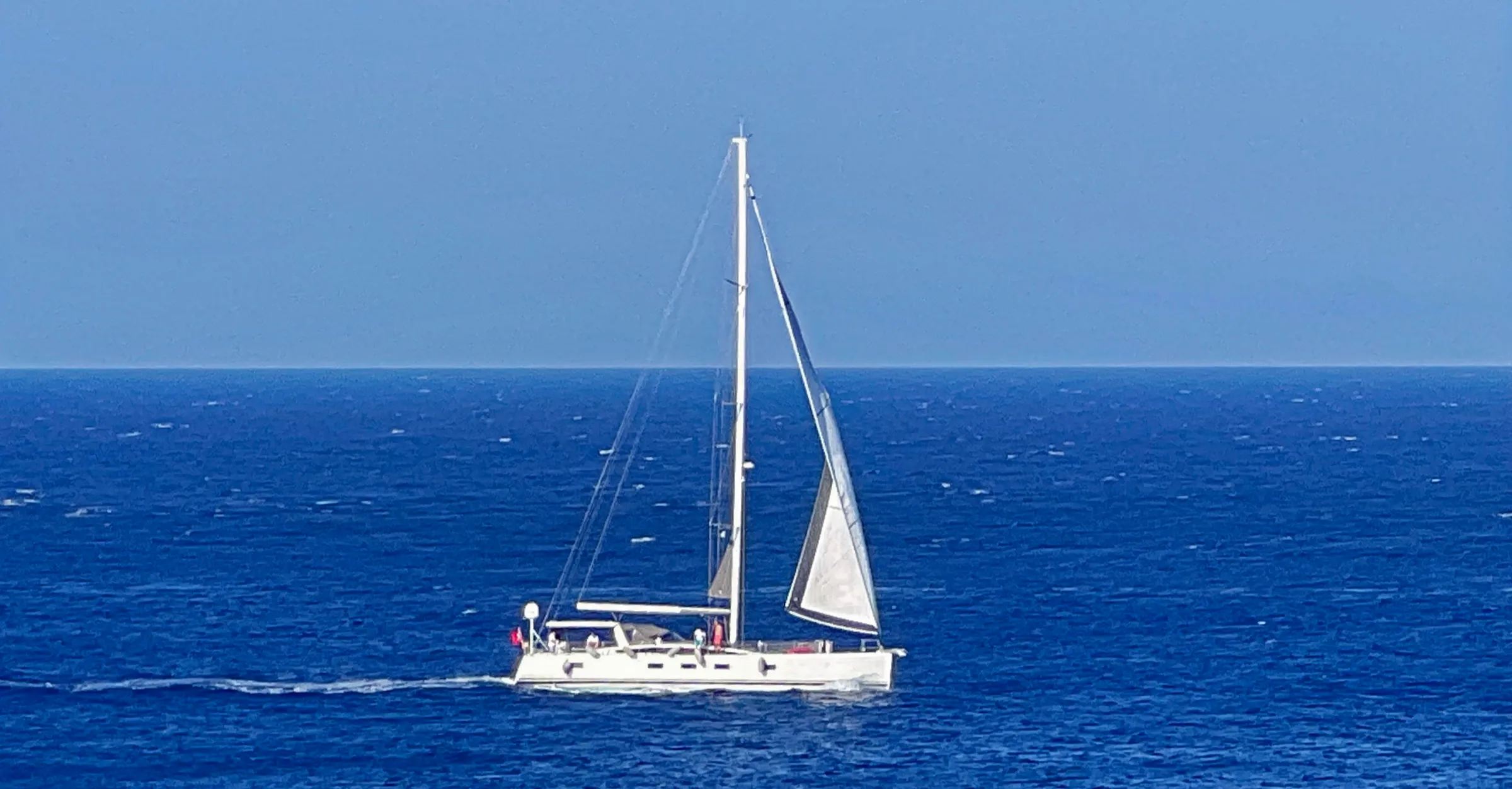
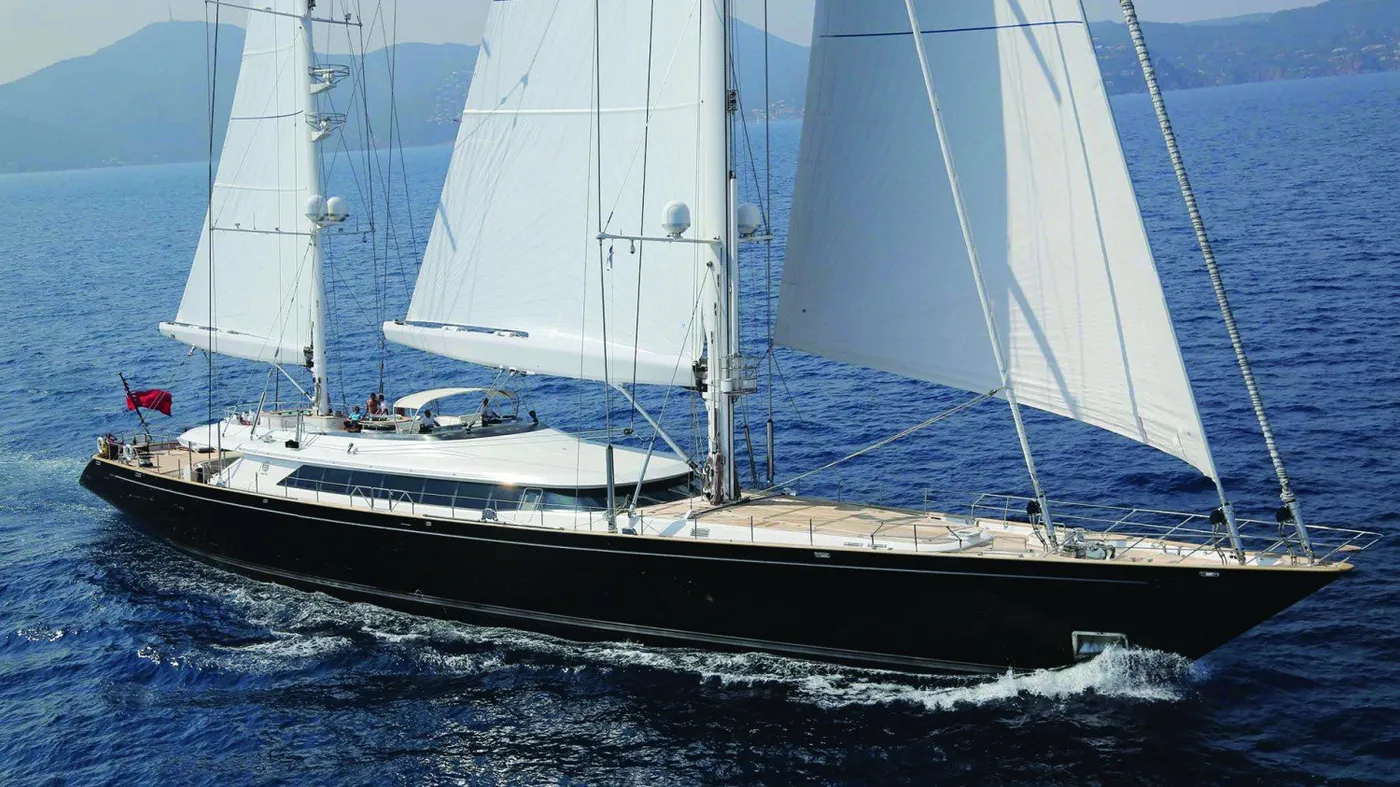
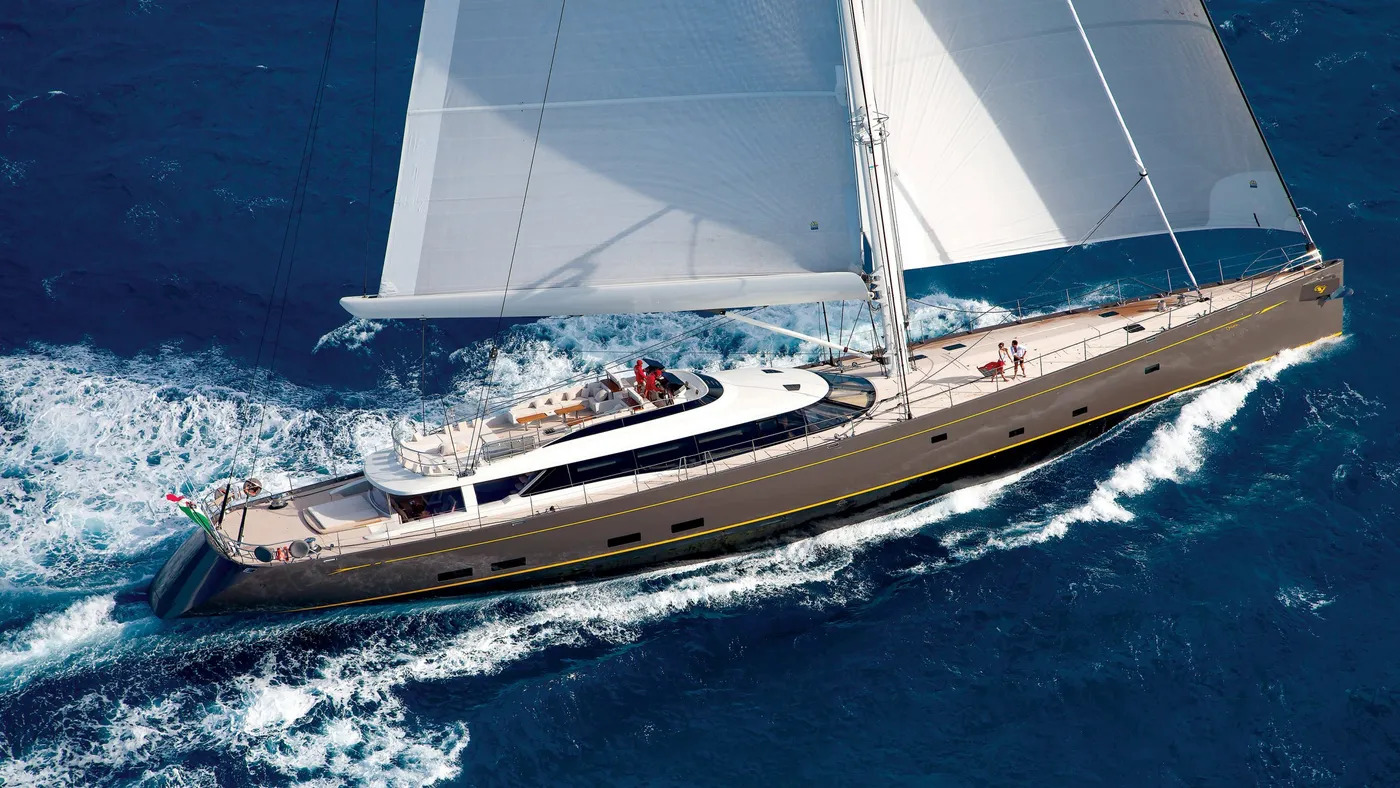
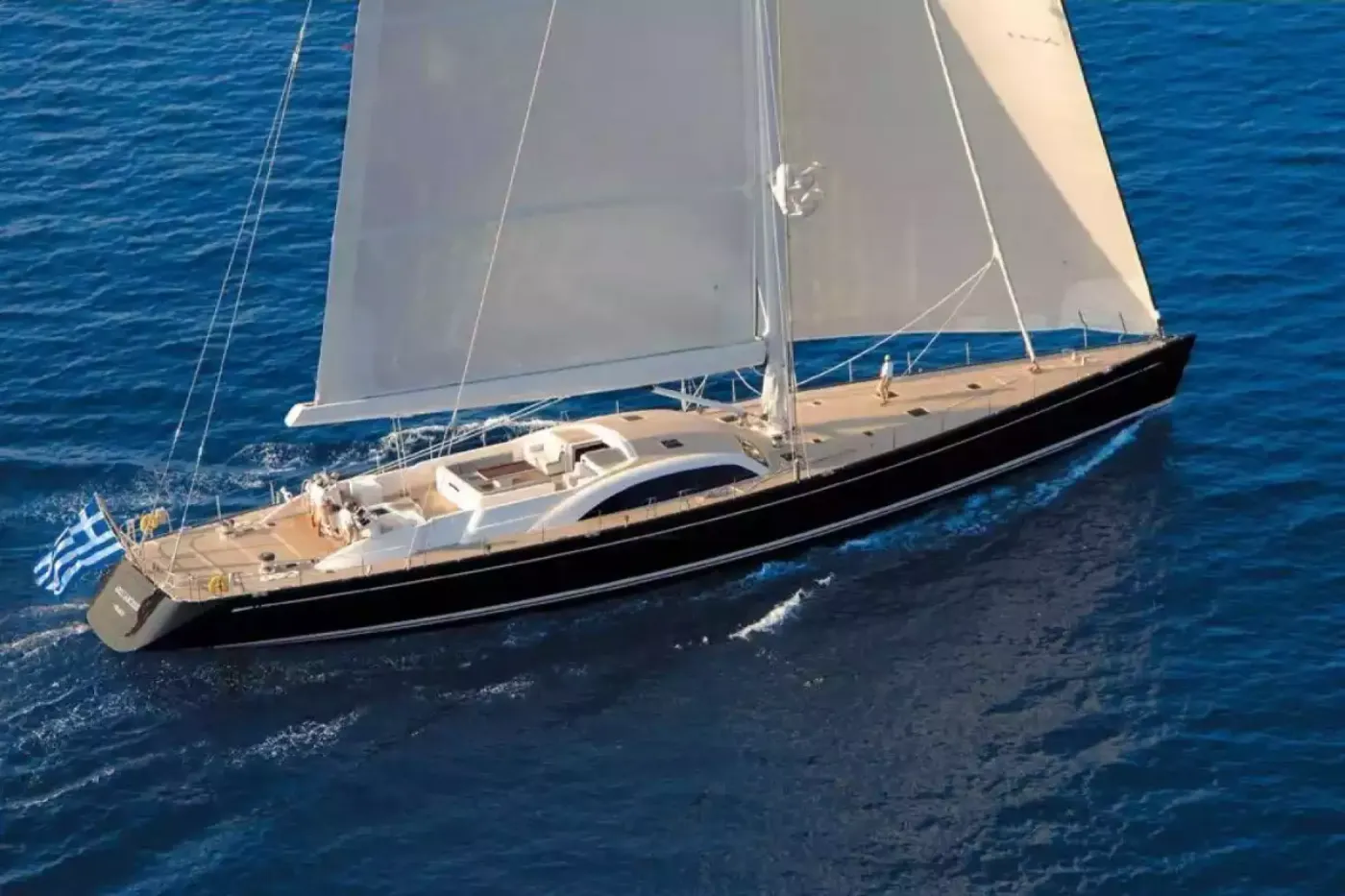
- Sailing yachts are an option for groups who want to use the afternoon meltemi, with fewer guests per boat than a gulet of the same length.
Ask, for a gulet in particular, what the price includes: hours of cruising, air-conditioning schedule, fuel and whether meals are part of the base rate or of the APA. Our comparison of motor yachts, sailing yachts and catamarans covers the general pros and cons.
Where can a yacht anchor in Turkey?
In most bays, at anchor with a line to the shore. Yachting.com notes that boats usually anchor with a line ashore, sometimes to rings or bollards on the rocks, and that the bays can be deep. Fraser’s description of Göcek Bay is the same: anchor stern-to the rocks in a quiet bay. The crew handles this; what matters to you is that your yacht will often lie very close to the shore, which makes swimming and paddleboarding easy.
Three areas have rules that change the plan:
- Göcek: paid buoys instead of free anchoring. From the 2026 season, Yachting Magazine reports, the Ministry of Environment, Urbanisation and Climate Change has introduced a mooring buoy system in certain areas of the Göcek bays. In those zones yachts may not drop anchor and must use the official paid buoys, operated by the Turkish Environment Agency (TÜÇA). The system does not cover the whole gulf, and some areas stay open for anchoring. In high season, buoy space in the favourite bays may need planning; the buoy fees come out of the APA.
- Fethiye–Göcek special environmental protection area. The Mediterranean Conservation Society says the gulf is home to about 1,500 species, including the Mediterranean monk seal and the dusky grouper, and that no-fishing zones were announced in the Official Gazette of 22 August 2020. Fishing from the yacht is not something to plan here.
- Kekova. Fraser notes that the Kekova region was declared a Specially Protected Area in 1990. The sunken Lycian ruins are seen from the surface, from the yacht or the tender, and the crew will know where the yacht may anchor.
Turtles nest on some beaches, too: Burgess describes Patara, at 19 kilometres Turkey’s longest beach, as protected as a nesting beach for loggerhead turtles, and Fraser mentions the turtle beach on the river trip to Dalyan. Our water toys guide covers the rules for jet skis and tenders near the shore in Turkey.
What permits and paperwork does a yacht need in Turkey?
Most of this is the crew’s and the operator’s job, but it explains some of the costs and why not every yacht can charter in Turkey.
- Ports of entry. According to Turkey’s Ministry of Culture and Tourism, yachts entering or leaving Turkey must do so at a frontier port. On this coast the list includes Güllük, Bodrum, Datça, Marmaris, Fethiye and Kaş. Göcek is not on it, so a yacht arriving from abroad clears in at Fethiye or another port first.
- Transit log. A foreign-flagged yacht in Turkish waters carries a Yacht Registration Form, known as the transit log. The Ministry explains that customs, passport, health and crew and passenger details are recorded in it, and then checked on entering and leaving each port. The crew will ask you for passport details before the charter.
- Waste water: from the Blue Card to the DAU. Turkey requires yachts to keep black and grey water on board and pump it out at authorised facilities. Noonsite reports that the old Blue Card has been replaced by the digital Maritime Waste Application (DAU), in which each vessel has a unique ID and every pump-out is recorded electronically. Under a circular of September 2026, vessels must deliver waste when holding tanks reach 80%, and otherwise at least every 20 days for vessels carrying fewer than 12 persons and every 15 days for 12 persons or more. The Ministry of Environment’s FAQ says registration in the system is free. For you, this means the yacht will stop at a marina or pump-out boat during the week; it is part of the plan, not a problem.
Does the yacht’s flag matter?
Yes. The Ministry of Culture and Tourism says that if a foreign-flagged yacht without the right documents carries passengers for payment within Turkish harbours, the Cabotage Law applies. The same page refers to foreign-flagged commercial yachts licensed by the Ministry. For the largest, there is also a cost: a Mondaq article by Sentient International reports that a circular of 19 June 2026 revised the contribution paid by foreign-flagged commercial yachts over 39 metres operating in Turkish waters. Both Fraser examples in the price table below fly the Turkish flag. Ask early whether a yacht is licensed to charter in Turkey for your dates.
What VAT and taxes apply to a charter in Turkey?
There is no single figure to quote. IYC’s tax summary, updated in May 2026, says Turkey’s general VAT rate is currently 20%, but that tax on a yacht charter depends on the yacht’s flag, the charter structure, the embarkation point and the itinerary, and that some arrangements may be subject to different local treatment or cruising taxes. On top of this, the Ministry of Culture and Tourism notes that various taxes and charges apply to yachts besides customs, calculated on the ports in the proposed route.
The practical rule: ask for the quote to show the tax line separately, with the rate and what it applies to, and compare totals rather than base rates. For other countries, see our guide to yacht charter VAT by country.
How much does a yacht charter in Turkey cost?
YachtCharterFleet gives these weekly ranges for Turkey, consulted in November 2026: from $28,294 to $1.6m for a motor yacht, and from $21,013 to $147,091 for sailing yachts and gulets, in both cases plus expenses. Some published examples:
| Yacht | Published weekly base rate | Source |
|---|---|---|
| LADY SOUL, 31 m motor yacht, Turkish flag | €55,000 low season, €65,000 high season | Fraser |
| HARUN, 37.7 m motor yacht, Turkish flag | €115,000 low season, €130,000 high season | Fraser |
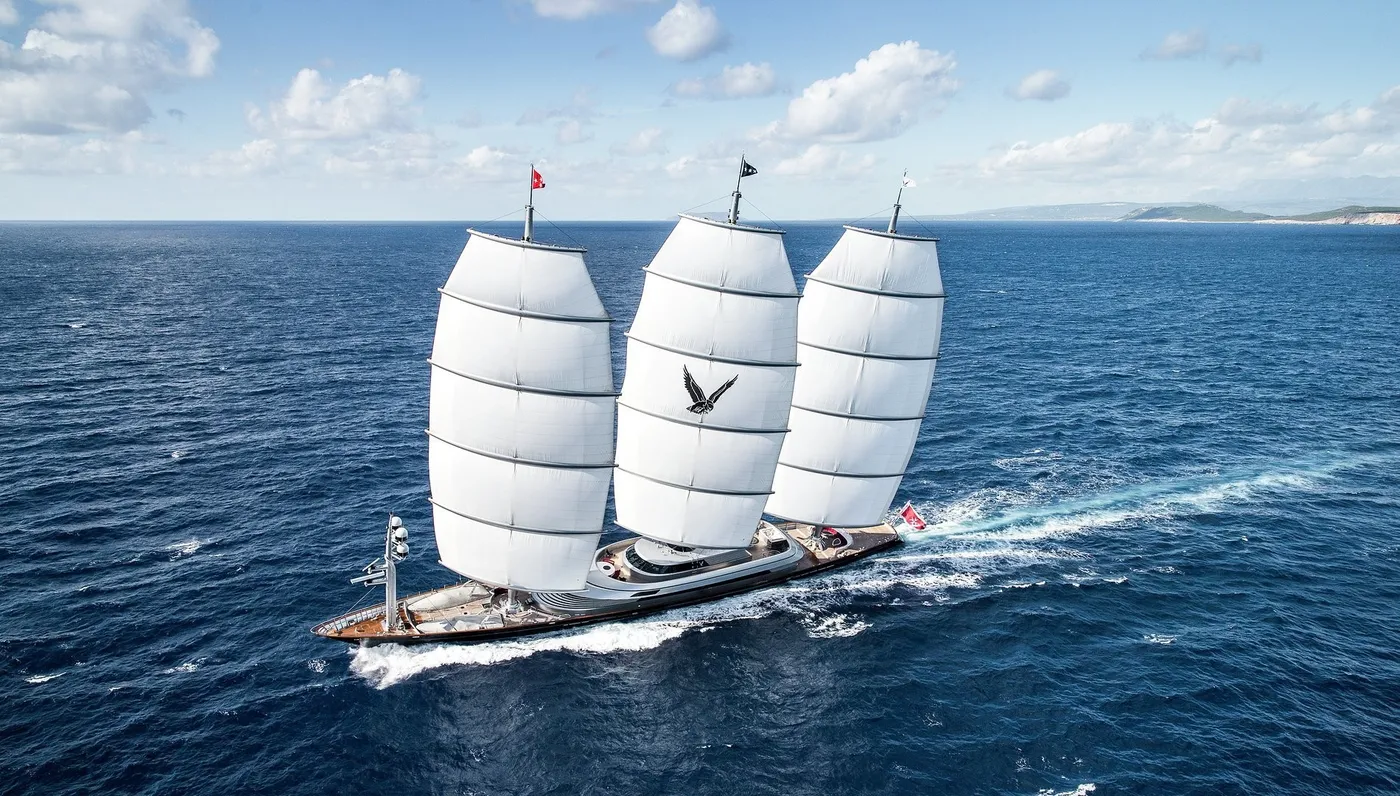
| MALTESE FALCON, 88 m sailing yacht | from €490,000 | Burgess |
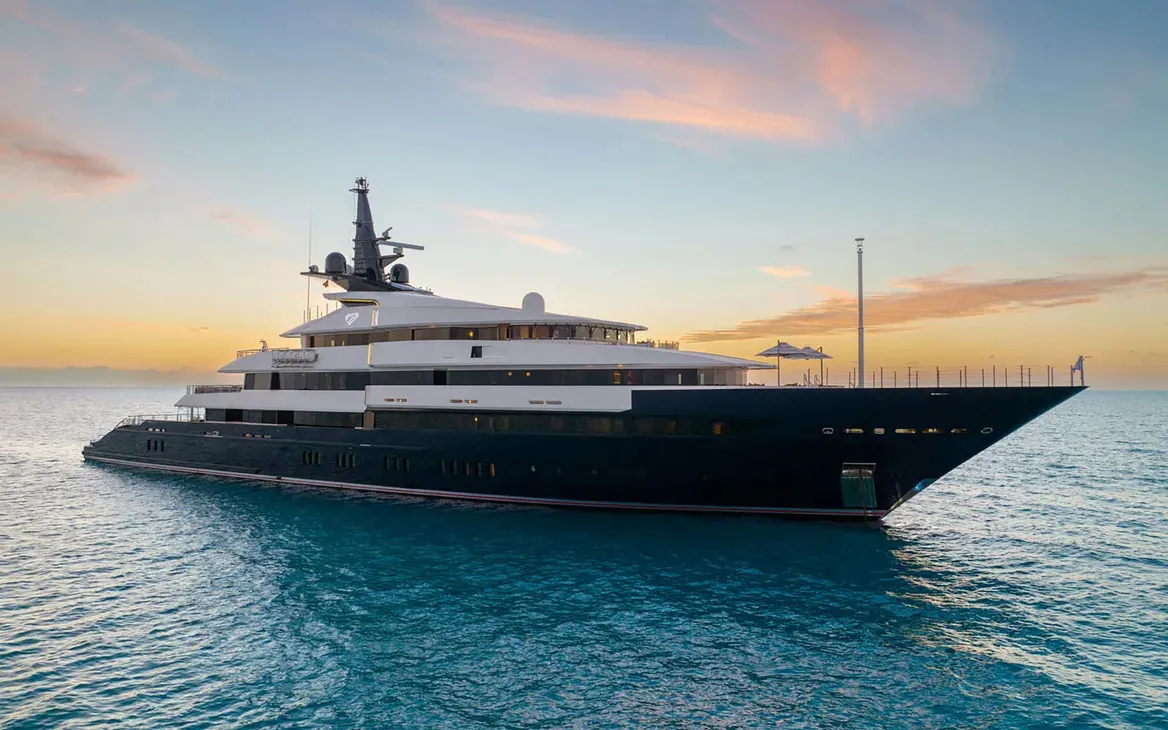
| SIREN, 73.5 m motor yacht | from €500,000 | Burgess |
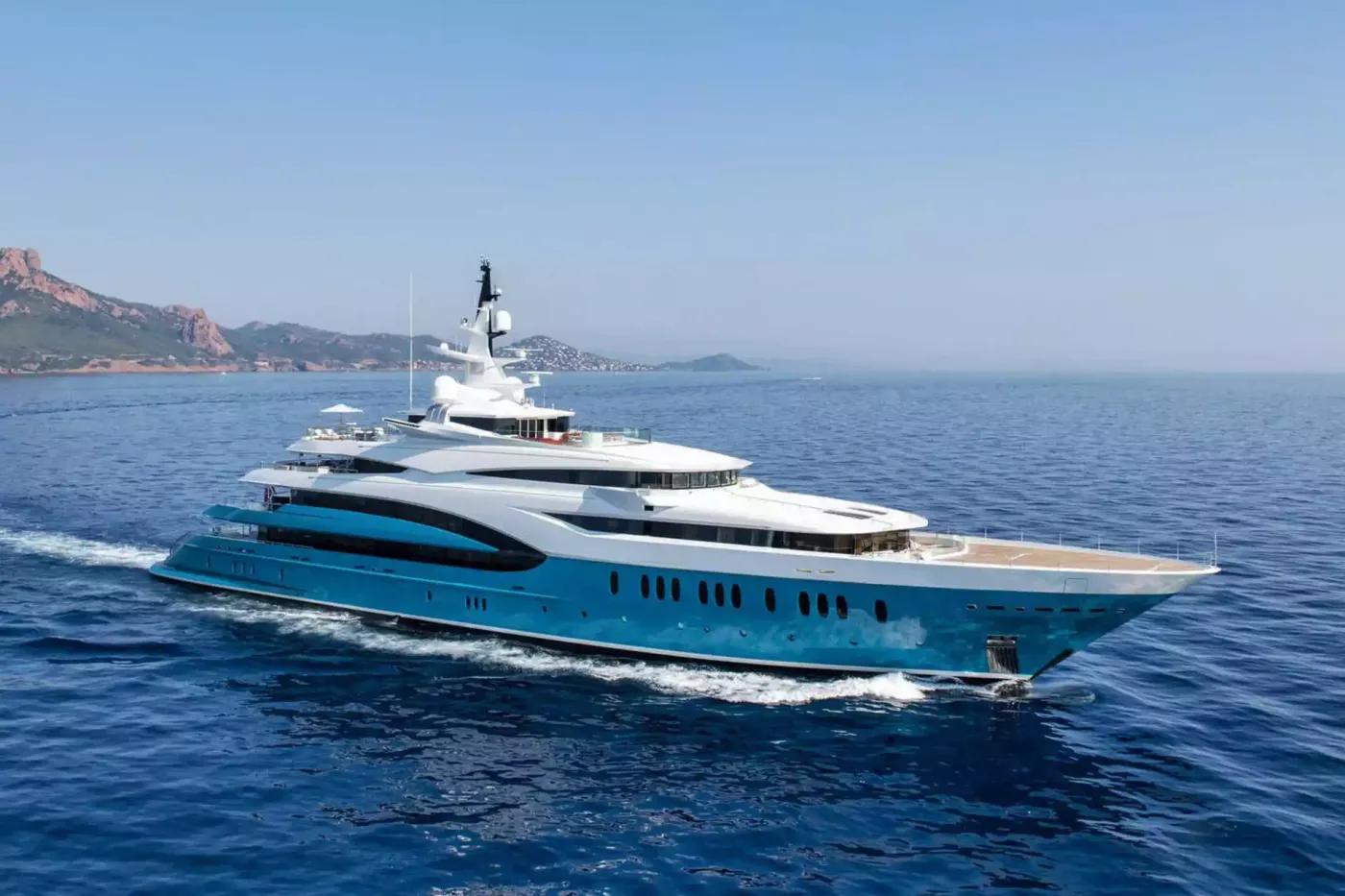
| SOPHIA, 97 m motor yacht | from €1,900,000 | Burgess |
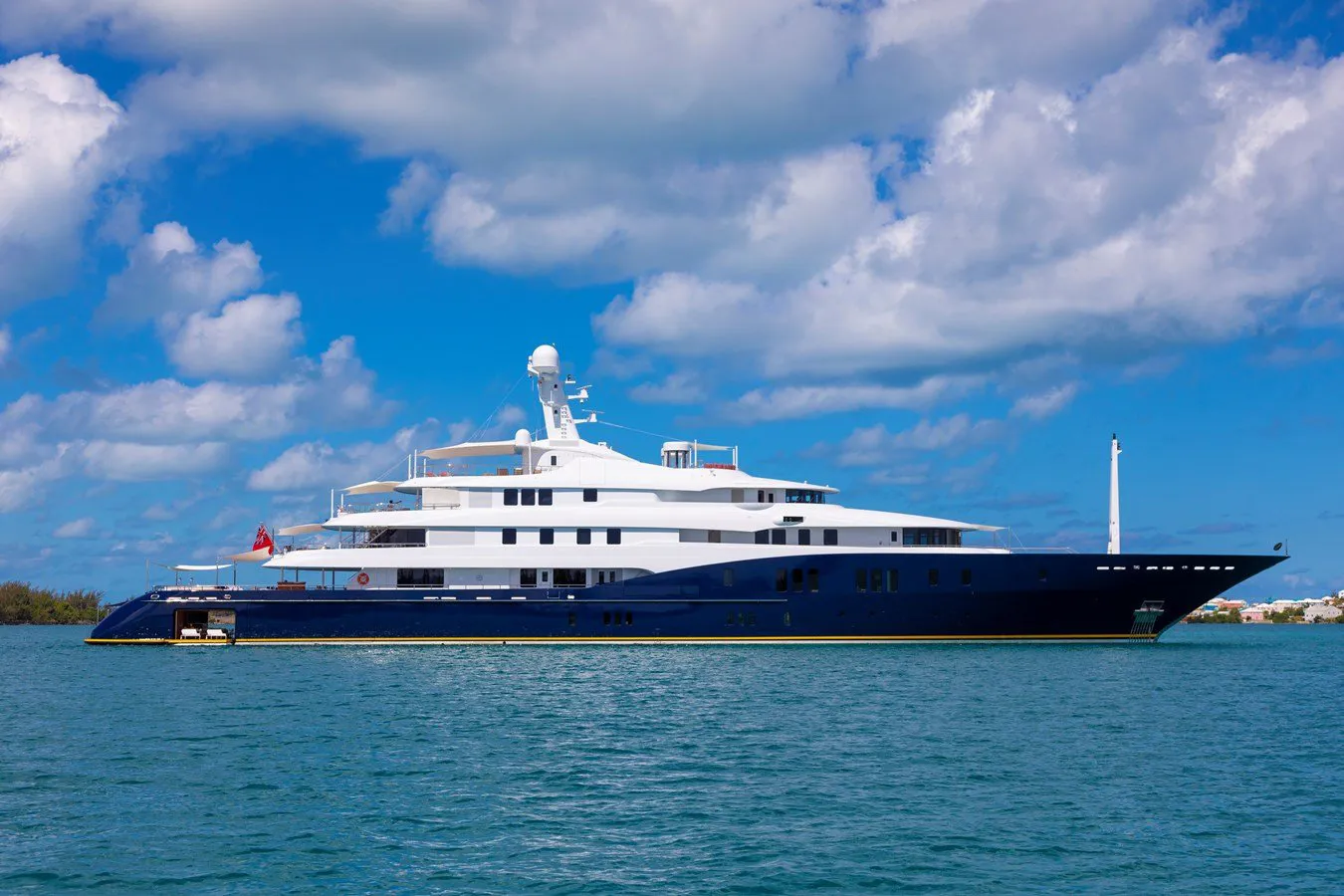
The Burgess yachts appear in its selection of yachts available in Turkey.
On top of the base rate:
- APA. YachtCharterFleet says it is usually 30% of the charter fee, and lower on gulets; Fraser also puts it at around 30% (see our APA guide). In Turkey it pays for fuel, food and drink, marinas, the Göcek buoys and pump-outs. Anything unspent is returned at the end.
- Tax, according to the yacht’s flag and the itinerary (see above).
- Crew gratuity. Customary, not compulsory. Burgess says tips are usually 10–15% of the charter fee; Fraser recommends around 15–20% (see our crew tipping guide).
- Delivery fee for a one-way charter, and the costs of clearing in and out if you visit Greece.
For a worked example with all the extras, read how much a luxury yacht charter costs.
Before you budget
- These are published “from” rates for specific yachts, consulted in November 2026. The final price is the one quoted for the specific yacht and dates.
- The tax line depends on the yacht’s flag and the itinerary; ask for it in the first quote.
Can you combine Turkey with the Greek islands?
Yes, but every border crossing costs time and paperwork. YachtCharterFleet says it is possible to visit Greece on a Turkish charter, that additional VAT and fees may apply outside Turkish waters, and that it is usually better to do Turkey and then Greece, or the reverse, rather than zig-zag between the two, because documents are needed at every crossing.
The geography makes it tempting: Fraser notes that Bodrum sits on a peninsula facing the island of Kos. In practice:
- Clear out and in at official ports. The yacht leaves Turkey from a frontier port such as Bodrum, Datça or Marmaris. Sailing Issues explains that in Greece all passports of crew members and the yacht’s documents must be presented to customs and passport control. Ask whether everyone in your group can enter both countries with their passport.
- Check the yacht can charter in both countries. A yacht licensed for Turkey is not automatically allowed to charter in Greek waters, and Greek charter VAT follows its own rules (see our Greek islands guide).
- Keep it simple. One crossing, for example ending a Turkish week in Kos or Rhodes, works better than several. Tell the charter specialist at the start if Greece is part of the plan.
Which type of yacht works best in Turkey?
It depends on the group and the route.
- For a slow week in the bays (Göcek, Gökova, Bozburun), a gulet gives the most deck space for the money, as long as you are happy with fixed cruising hours and air-conditioning schedules.
- For Göcek to Bodrum with time ashore, or for adding Kekova or a Greek island, a motor yacht covers the distance comfortably in the calm morning hours.
- For keen sailors, a sailing yacht or a performance gulet makes use of the afternoon meltemi.
- For large groups, Burgess notes that most yachts take 8–12 guests; above that, see our guide to yacht charters for more than 12 guests.
Practical points before you go
Getting there
Burgess lists Milas-Bodrum and Dalaman among the airports for a Turkish charter. Yachting.com says Göcek is about 20–25 minutes by car from Dalaman airport, and Bodrum port about 40 minutes from Bodrum airport.
Money and visas
Turkey uses the Turkish lira, and Yachting.com advises carrying some cash, as not every restaurant takes cards. Visa rules depend on nationality; check them with the official Turkish e-Visa system before you travel.
Marina nights
Most nights are at anchor, but plan at least one or two in a marina or on a town quay, for an evening ashore and for the pump-out. YachtCharterFleet says Göcek has six marinas, two of them for superyachts, and Yalıkavak marina has 620 slips; the captain books the berth.
Common mistakes to avoid
- Trying to fit Kekova and Bodrum into one week. They are at opposite ends of the coast. Choose Göcek to Bodrum, or Göcek to Kekova, or take two weeks.
- Assuming free anchoring in Göcek. Since 2026 some of the best-known bays have paid buoys and limited space.
- Comparing gulet and motor yacht rates without checking what is included. Cruising hours, air-conditioning and meals change the real price.
- Zig-zagging between Turkey and Greece. Each crossing means clearing out and in; one crossing is enough in a week.
- Leaving tax to the end. In Turkey the tax line depends on flag and route; ask for it in the first quote.
Which Turkish week suits you?
The most useful details for a Turkish enquiry are the stretch of coast (Göcek and Fethiye, Göcek to Bodrum, or east towards Kaş and Kekova), whether you want a gulet or a motor yacht, whether a Greek island is part of the plan, your dates and how many of you there are. Say too whether you lean towards quiet bays, history ashore or Bodrum’s evenings. A charter specialist will reply with yachts licensed to charter in Turkey and their full price, with APA, tax and any delivery fee included. The charter is signed with the yacht’s owner through a licensed charter agency, normally under the MYBA contract, with the full price and tax clear before you sign. If you are still choosing a country, compare it with the Greek islands. Tell us which week.