In this guide
- Where in the Caribbean should you charter?
- When is the best time to charter in the Caribbean?
- How early should you book Christmas and New Year in the Caribbean?
- Why are the British Virgin Islands the easiest first charter?
- What does a week in the US Virgin Islands look like?
- St Martin, St Barths and Anguilla
- Antigua and Barbuda
- The Grenadines
- The Bahamas
- What taxes apply to a yacht charter in the Caribbean?
- How much does a yacht charter in the Caribbean cost?
- Which yacht suits the Caribbean?
- Practical points before you go
- Common mistakes to avoid
- Have Caribbean dates in mind?
On a first Caribbean charter, one island group explored well beats three linked by long crossings, so the area is the first choice. The British Virgin Islands are the easiest start, with short hops and sheltered water; Antigua mixes beaches with restaurants, the Grenadines are the quietest and wildest, and the Bahamas, with their shallow turquoise banks closer to the United States, call for a shallow-draught yacht or a very capable tender. If your dates fall over Christmas or New Year, start looking a year ahead, as the holiday minimum stays and premiums explained below apply. Outside the high season, between June and November, read how the contract handles a named storm before you sign.
Where in the Caribbean should you charter?
For a first charter, the BVI; for restaurants and social life, St Martin, St Barths and Anguilla; for quiet anchorages and snorkelling, the Grenadines; for shallow banks close to Florida, the Bahamas. The Caribbean is not one destination: Ocean Independence lists its main charter areas as the Bahamas and the Exumas, the Virgin Islands (British and US), the Leeward Islands (St Martin, St Barths, Antigua) and the Windward Islands further south.
| Area | Character | Best for |
|---|---|---|
| British Virgin Islands (BVI) | Dozens of islands close together, sheltered water, beach bars, snorkelling. | First-timers, families, relaxed sailing. |
| St Martin, St Barths and Anguilla | Glamorous St Barths (French), lively St Martin (half French, half Dutch) and Anguilla’s beaches. | Groups who want restaurants, shopping and social life. |
| Antigua and Barbuda | Historic English Harbour, many beaches, Barbuda’s empty coastline. | A mix of sailing heritage, beaches and good restaurants. |
| The Grenadines | St Vincent’s chain of small islands: Bequia, Mustique, Canouan, the Tobago Cays, Union. Fewer people, more nature. | Guests who want quiet anchorages and snorkelling. |
| The Bahamas | Shallow banks, white sand cays, the Exumas. Close to Florida. | Families and guests flying from North America; water sports. |
When is the best time to charter in the Caribbean?
The high season runs from December to April, and the best time to visit is November to May, according to Ocean Independence. The Atlantic hurricane season runs from 1 June to 30 November, and NOAA’s National Hurricane Center puts the statistical peak around 10 September, with most activity between mid-August and mid-October.
| Period | What to expect |
|---|---|
| November | Start of the season. Late-season storms are still possible early in the month. |
| Early to mid-December | Good weather and availability before the holiday rush. |
| Christmas and New Year | Peak demand, peak prices, minimum stays, early booking. |
| January to March | Stable, dry weather and steady trade winds. The core of the season. |
| April | End of the high season and start of the shoulder season (April to July). |
| May | Shoulder season, and the last month of the best time to visit. |
| June to October | Hurricane season. |
Is it safe to charter during hurricane season?
It is possible, but read the contract first. If you plan a charter between June and November, ask the agency how the contract and the yacht’s insurance handle a named storm: whether the itinerary can change, whether dates can move and what happens to your payment. Those terms must be clear before you sign.
How early should you book Christmas and New Year in the Caribbean?
As early as you can: the two holiday weeks are the most in-demand of the Caribbean season, and they come with minimum stays and a premium on normal rates. For the 2026–27 season, Boatbookings lists the BVI Christmas week as 19 to 26 December 2026 and New Year as 28 December 2026 to 4 January 2027, with:
- A 7-night minimum on those dates, and charters available only on select dates.
- A premium of 20–30% on normal rates for those two weeks.
- Booking at least a year in advance recommended; some of its top yachts are reserved as early as February for New Year, and by September there are typically no boats left.
Elsewhere the minimum can be longer: Burgess says most yachts ask for a 10-day minimum over the festive season, and that for a prime berth in St Barths or Antigua on Christmas Day or at any time during the charter, the captain needs to secure it well in advance.
Our guide on when to book a yacht charter covers lead times for every season.
Why are the British Virgin Islands the easiest first charter?
The BVI are a group of islands around Sir Francis Drake Channel, most of them a short hop from the next. That makes them the classic first charter: little open-sea motion, a new anchorage every afternoon, and snorkelling almost everywhere.
The table follows a seven-day round trip from Tortola published by YachtCharterFleet: Norman Island, Peter Island, Salt and Cooper Islands, two days on Virgin Gorda, the small islands of the North Sound, and back to Road Town. Each day ends in a new, sheltered anchorage, with caves, wrecks and granite pools to swim to on the way.
| Day | Route | Highlights |
|---|---|---|
| 1 | Tortola (Road Town) to Norman Island | Embark at Road Town; snorkelling at The Indians on the way; the Caves at Treasure Point and an evening in The Bight. |
| 2 | Peter Island | Deadman’s Bay, the island’s largest beach, and trails ashore. |
| 3 | Salt Island and Cooper Island | Diving or snorkelling on the wreck of the RMS Rhone; the afternoon at Cooper Island’s small resort. |
| 4 | Virgin Gorda: The Baths | Granite boulders, grottos and pools; a visit by tender (see the box below). |
| 5 | Virgin Gorda: North Sound | A naturally sheltered bay facing a scattering of small islands. |
| 6 | North Sound: Bitter End, Saba Rock, Mosquito Island and Prickly Pear Island | Water sports at Bitter End, sunset at Saba Rock, a calm, shallow swim off Prickly Pear. |
| 7 | Tortola | Past Beef Island and Scrub Island; disembark at Road Town. |
For a 30–50 m yacht
- The Baths and the wreck of the Rhone are protected by the BVI National Parks Trust. At Devil’s Bay, next to The Baths, vessels must use the moorings outside the bay instead of anchoring, and in the RMS Rhone Marine Park anchoring and fishing are prohibited.
- The Trust’s moorings are for day use only, with a 90-minute limit, and the largest, the big yellow buoys, are for commercial vessels of 55 to 80 feet (about 17 to 24 m). A yacht of 30 to 50 m cannot take any of them, so at The Baths and the Rhone guests go in by tender. Using the moorings requires a National Parks mooring permit, which foreign vessels buy from Customs when they enter the territory.
- In winter, strong swells can stop the use of the moorings at The Baths and landing on the beach from the sea.
BVI fees
Charter boats pay a cruising permit to the BVI government, per person per day. When the fees were raised in August 2017, Legal 500 reported them at $6 per person per day for BVI-based charter boats and $16 for foreign-based ones. National park moorings, environmental levies and departure taxes may also apply. On a crewed charter, the captain handles these and charges them to the APA or includes them in the quote; ask which. Check the current figures, as they may have changed since, and treat the 2017 figures as a reference rather than a quote.
What does a week in the US Virgin Islands look like?
The table follows a seven-day superyacht itinerary published by YachtCharterFleet that starts and ends in St Thomas, spends its middle days around St John, where Virgin Islands National Park covers about 60% of the island’s land and much of the water around it, and then crosses south to St Croix. A week can also add a night in the British Virgin Islands next door, which means clearing customs both ways.
| Day | Route | Highlights |
|---|---|---|
| 1 | St Thomas: Charlotte Amalie | Embark; a first swim at anchor off Charlotte Amalie. |
| 2 | Magens Bay, St Thomas | A beach day in calm, clear water; snorkelling and watersports. |
| 3 | Cruz Bay, St John | Beaches and reefs; the town of Cruz Bay and the park’s trails. |
| 4 | St John: the national park and Francis Bay | A day ashore in the park; an evening cruise to Francis Bay, one of the park’s two anchoring areas. |
| 5 | St Croix: Christiansted | The crossing south to St Croix; the town of Christiansted. |
| 6 | Buck Island Reef National Monument | The underwater snorkelling trail; a day stop only, with an NPS permit (see the box below). |
| 7 | St Thomas | Back to St Thomas; disembark. |
Buck Island Reef National Monument is a 5.5-mile run from Christiansted, with its underwater snorkelling trail. On St John, the national park sets the rules for boats, and they weigh more the larger the yacht.
For a 30–50 m yacht
- Buck Island (day 6) is a day stop: the island is open from 7 am to 5 pm and closed at night to protect nesting sea turtles. Anchoring is restricted to the West Beach area. The NPS page is contradictory on permits: it says an annual permit is required for all vessels, including those using the underwater trail moorings, requested by email with five business days to process, and also that private vessels do not need an anchoring permit at this time. The captain confirms with the park before the trip.
- Anchoring in the St John park is allowed only in two designated areas, off Francis Bay and Lind Point, with the anchor in sand and never on coral, and vessels over 210 feet (about 64 m) may not anchor in the park at all.
- Park moorings: the standard ones take vessels up to 60 feet (about 18 m) and the “Big Boat Moorings” vessels of 61 to 100 feet (about 30 m). A yacht over 100 feet cannot take a mooring, so inside the park it can stop only in the two anchoring areas, within the size limits the park sets for each. The other bays are then a trip by tender: where the park has marked a beach access channel, boats under 26 feet (about 8 m) may use it to reach the beach.
- Fees: an overnight on a mooring or at anchor costs $26, paid before the night (5 pm to 7 am) at floating or shore pay stations, with a limit of 7 nights per bay and 30 nights a year. Entry to the park is free, but Trunk Bay charges $5 per person aged 16 and over.
Crossing to the BVI means clearing in with BVI Customs and Immigration as soon as you arrive, at a port of entry such as Great Harbour on Jost Van Dyke, and clearing back into the US at Cruz Bay or Charlotte Amalie. The BVI cruising permit applies on top (see BVI fees above). Check visa rules for your nationality before you plan the crossing: BVI Tourism warns that visitors who are not US or Canadian citizens and enter US waters on anything other than a commercial carrier, such as a ferry or an airline, must obtain a visitor’s visa. The captain handles the paperwork; your passport has to be on board.
St Martin, St Barths and Anguilla
This is the most social corner of the Caribbean. St Martin has marinas for superyachts: Ocean Independence notes that Isle de Sol, in Simpson Bay Lagoon, takes yachts up to 97 metres. St Barths, a short hop away, has Gustavia, the beach at Colombier and the restaurants and boutiques that make it famous, and Anguilla lies just north of St Martin.
The open-water crossings between the three are short on a motor yacht but can be lively with the trade wind. The table follows a seven-day crewed motor yacht itinerary from St Martin published by Boatbookings, which visits all three islands: a week that swings between busy harbours and uninhabited cays.
| Day | Route | Highlights |
|---|---|---|
| 1 | St Martin: Marigot and Grand Case | Embark at Fort Louis Marina in Marigot; the evening at Grand Case, a fishing village with galleries and restaurants. |
| 2 | Anguilla | Snorkelling at Flat Cap Point and lunch at a beach club. |
| 3 | Prickly Pear Cays, Anguilla | Uninhabited cays with white sand; snorkelling and a beach picnic. A marine park (see the box below). |
| 4 | Tintamarre, Pinel and Île Fourchue | Swimming and snorkelling on the way to St Barths; all three lie in nature reserves (see the box below). |
| 5 | St Barths: Gustavia | The harbour, the boutiques and an evening in town. |
| 6 | St Barths: Colombier | A sheltered bay and its beach in the nature reserve. |
| 7 | St Martin: Philipsburg and Simpson Bay | Back to St Martin; duty-free shopping in Philipsburg, an evening in Simpson Bay. |
| 8 | St Martin | Disembark at Marigot and fly out. |
For a 30–50 m yacht
Several of these stops are protected, and on a yacht of this size Tintamarre, Pinel, Fourchue and Colombier are visits by tender.
- Prickly Pear is one of Anguilla’s marine parks: anchoring is allowed only in designated sandy areas, the moorings are for day use only (6 am to 7 pm), a marine park permit is needed, applied for once the yacht has cleared in, and water-skiing, jet skis and other high-powered toys are banned in all of the parks.
- Tintamarre and Pinel belong to the Saint-Martin nature reserve: on its sites with moorings only boats under 10 m (33 feet) may anchor, on sand, and the moorings at Tintamarre take boats of up to 50 feet or 15 tons.
- In the Saint-Barthélemy nature reserve, vessels over 25 m are not allowed in the bays of Colombier and Fourchue, the speed limit is 5 knots, and jet skis, seabobs and towed sports are banned.
Antigua and Barbuda
Antigua’s south coast, around English Harbour and Falmouth Harbour, is one of the Caribbean’s main superyacht centres, with Nelson’s Dockyard as its historic heart. A week here mixes beaches on Antigua’s many bays with a run north to Barbuda, whose long, nearly empty beaches are the contrast.
What does a week in Antigua look like?
The week below starts and ends in English Harbour or Falmouth Harbour, works round the island’s east and north coasts, and can add two days in Barbuda if the weather allows a calm crossing. Without Barbuda, the island alone fills a week: a one-week circuit from English Harbour published by YachtCharterFleet covers about 68 nautical miles and stays within Antiguan waters throughout. Barbuda, part of the same country, adds pink-sand beaches and the Frigate Bird Sanctuary.
| Day | Route | Highlights |
|---|---|---|
| 1 | English Harbour or Falmouth Harbour | Embark; an afternoon at Nelson’s Dockyard, which the park authority describes as the only continuously working Georgian-era dockyard in the world. |
| 2 | Green Island and Nonsuch Bay | East coast: snorkelling off a small uninhabited cay, calm water inside the bay. |
| 3 | North Sound: Great Bird Island | A small protected island with nesting seabirds; kayaks and paddleboards among the cays. |
| 4 | Cross to Barbuda | Open-water run north on a settled day; afternoon on Barbuda’s long, nearly empty beaches. |
| 5 | Barbuda | Pink-sand beaches and a visit to the Frigate Bird Sanctuary. |
| 6 | Deep Bay, northwest Antigua | A sheltered bay; snorkelling over the wreck of the Andes, which sank in 1905, and a walk up to Fort Barrington. |
| 7 | Carlisle Bay and the southwest coast | Quiet beaches, Rendezvous Bay by tender; on a Sunday, the evening at Shirley Heights. |
| 8 | English Harbour | Disembark. |
The area around English and Falmouth Harbours is protected. The 1984 National Parks Act created Nelson’s Dockyard National Park, covering nearly 16 square miles with the dockyard at its core, and in 2016 UNESCO inscribed the area as a World Heritage Site, the “Antigua Naval Dockyard and Related Archaeological Sites”.
Anchoring and fees
- The Barbuda crossing goes ahead only if the captain judges the day calm enough; if not, the two days move to Antigua’s own coast.
- English and Falmouth Harbours: anchoring is generally allowed throughout, except in the marked channels, and anchoring fees are paid at the Harbour Master’s office in Nelson’s Dockyard.
- Jolly Harbour, on the west coast, is different: there is no anchoring there, only a limited number of mooring buoys.
- On a crewed charter the captain handles these fees and charges them to the APA or includes them in the quote; ask which.
The Grenadines
South of St Vincent, the Grenadines are a chain of small islands with fewer people and more nature than the northern Caribbean: Bequia’s harbour village, the private island of Mustique, Canouan, Union and the Tobago Cays.
The Tobago Cays are a marine park. Its fee schedule, effective from January 2023, sets an entrance fee of $15 per person for yachts and $60 for a mooring for 24 hours; the schedule does not state the currency. The park is famous for snorkelling with turtles over the reef. Grenada, to the south, is where the published itinerary below ends.
The table follows a seven-day crewed yacht itinerary through St Vincent and the Grenadines published by Boatbookings, one way from St Vincent to Grenada: small islands, reefs with turtles and quiet beaches.
| Day | Route | Highlights |
|---|---|---|
| 1 | St Vincent to Bequia | Embark at noon on St Vincent; Port Elizabeth, its shops and restaurants. |
| 2 | Mustique | The private island’s shops and Basil’s Bar. |
| 3 | Tobago Cays | Snorkelling over the reefs with turtles and rays; a night at anchor in the marine park. |
| 4 | Mayreau | Salt Whistle Bay, its long beach and sheltered harbour. |
| 5 | Petit St Vincent | A privately owned island; a walk up Marni Hill. |
| 6 | Carriacou | Quiet beaches on an island with very few hotels; clearing into Grenada. |
| 7 | Grenada | St George’s, the island’s capital. |
| 8 | Grenada | Disembark. |
Rules and paperwork
- Mustique is a conservation area together with its beaches and surrounding waters: yachts may moor or anchor only in the designated areas of Britannia Bay, and jet skis and water skis are prohibited.
- The Tobago Cays Marine Park also covers Mayreau. Since January 2023 anchoring in the park costs the same as a mooring, $60 for 24 hours, as does a night in Salt Whistle Bay. The park asks yachts to anchor in sand, never on coral or seagrass, keeps a 5-knot speed limit, and since February 2023 has banned all anchoring around Petit Tabac.
- Changing country. Carriacou already belongs to Grenada, so the route changes country between days 5 and 6. Before leaving St Vincent and the Grenadines the yacht must clear out at one of its official ports, and charter yachts in its waters must hold a St Vincent and the Grenadines cruising licence; Tyrell Bay Marina in Carriacou is one of Grenada’s official ports of entry. The captain arranges it.
The Bahamas
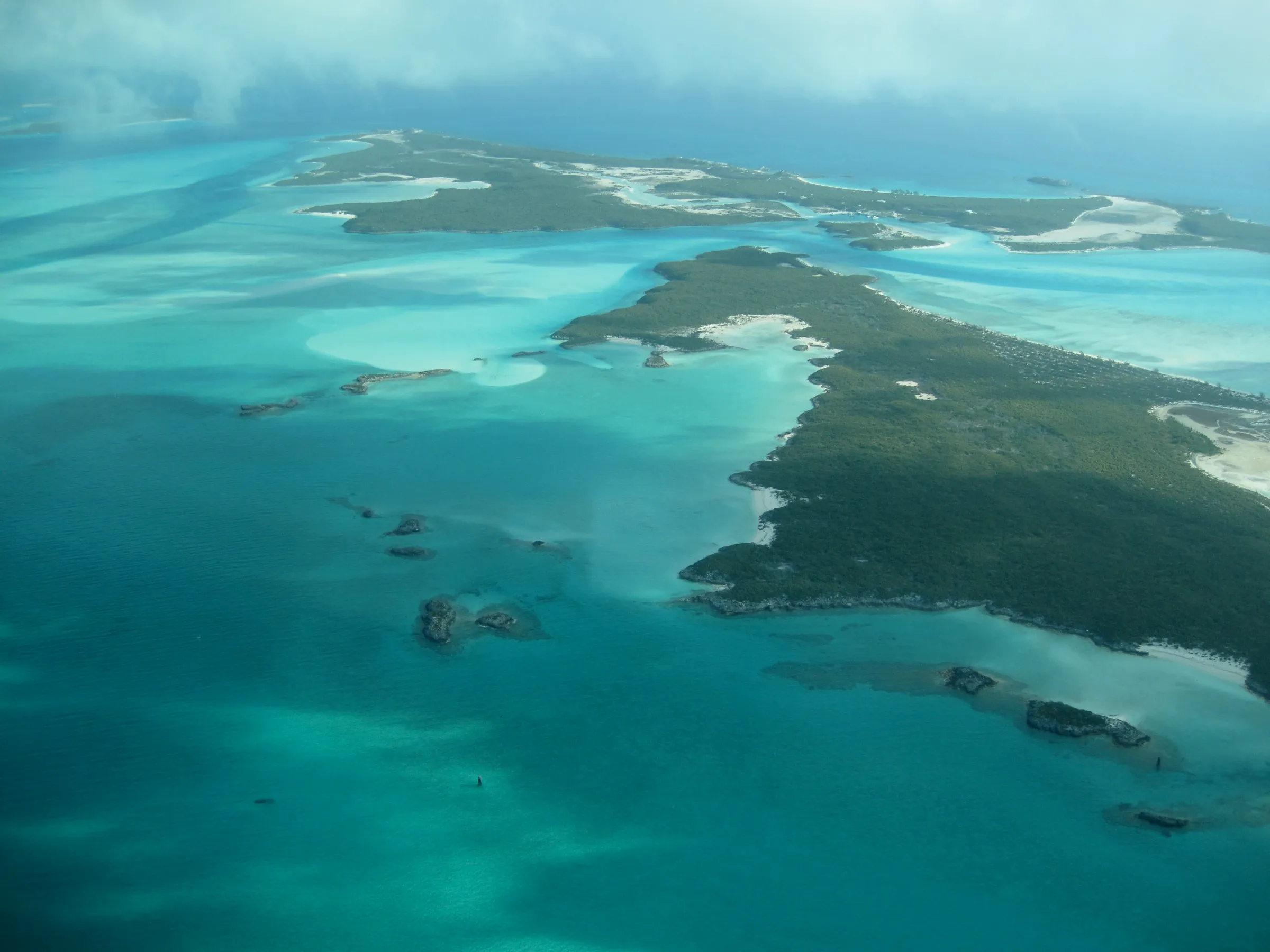
The Bahamas, with the Exumas as the main charter ground, are a separate world from the eastern Caribbean: shallow banks and cays close to Florida, where the yacht’s draught and its tender decide the route. They also have the region’s highest charter tax, a consolidated 14% (a 10% VAT plus a 4% Port Department fee). Our Bahamas destination page covers a seven-day route through the Exumas, Exuma Park moorings and fees, weekly rates and customs from Florida.
What taxes apply to a yacht charter in the Caribbean?
There is no single rule. IYC notes that many Caribbean islands apply no VAT or specific charter tax, but destination fees, cruising permits, national park fees and clearance charges may apply. The main exceptions in this guide:
- Bahamas: 14% consolidated charter tax (see above).
- French overseas territories such as Martinique and Guadeloupe may apply local VAT, according to IYC.
- BVI: a cruising permit per person per day and park fees.
- Grenadines: marine park fees in the Tobago Cays.
The quote from the agency should list each tax and fee separately. For the Mediterranean comparison, read our guide on the Mediterranean versus the Caribbean.
How much does a yacht charter in the Caribbean cost?
Ocean Independence’s Caribbean listing, consulted on 13 November 2026, starts at USD 40,000 a week for a 27-metre yacht; the largest 12-guest yacht on it, a 95-metre, is advertised from €1,200,000 a week, and a 180-metre vessel for 94 guests from USD 2,200,000. In the text of the same page, a budget-friendly charter might begin around USD 50,000 a week and the most luxurious superyachts may exceed USD 500,000 a week. Caribbean rates are often published in US dollars, and the listing mixes US dollars and euros, so the table keeps the currency each yacht is advertised in. For crewed catamarans of 18–21 m, Boatbookings’ page for the 2026–27 BVI holidays publishes weekly rate ranges from about $33,500 to $65,000 (consulted November 2026).
| Yacht type and size | Published weekly base rates (examples) | Notes |
|---|---|---|
| Crewed catamaran, 18–21 m (BVI holiday page, 2026–27) | about $33,500 to $65,000 | 6–10 berths; weekly ranges as published by Boatbookings. |
| Yacht, 27–38 m | from USD 40,000 (27 m) to USD 160,000 (37 m) | |
| Yacht, 40–60 m | from USD 130,000 (40 m) to EUR 510,000 (58 m) | Mixed USD and EUR. A 55 m for 26 guests is listed lower, from EUR 100,000. |
| Over 60 m | from USD 200,000 (64 m) to EUR 1,200,000 (95 m, 12 guests) | A 180 m for 94 guests is listed from USD 2,200,000. |
Before you budget
- These are “from” rates for specific yachts on a listing that changes over time, in the currency each is advertised in. The final price is the one the agency gives for the yacht and dates.
- Holiday weeks carry a 20–30% premium, according to Boatbookings.
On top of the base rate:
- APA. As in the Mediterranean, a percentage of the base rate paid in advance for fuel, food, drink, berths and fees, with full accounting and a refund of anything unspent. Our APA guide explains how it works.
- Taxes and fees, depending on the islands (see above).
- Crew gratuity. Boat International notes that the MYBA guideline is 5–15%, and that brokers advise 5–20% of the base charter fee, usually towards the lower end in the Mediterranean and higher in the United States and the Caribbean. MYBA’s guidance leaves gratuities solely at the charterer’s discretion. See our crew tipping guide.
- Delivery fees if the yacht has to move to your start point.
For a full worked example, see how much a luxury yacht charter costs.
Which yacht suits the Caribbean?
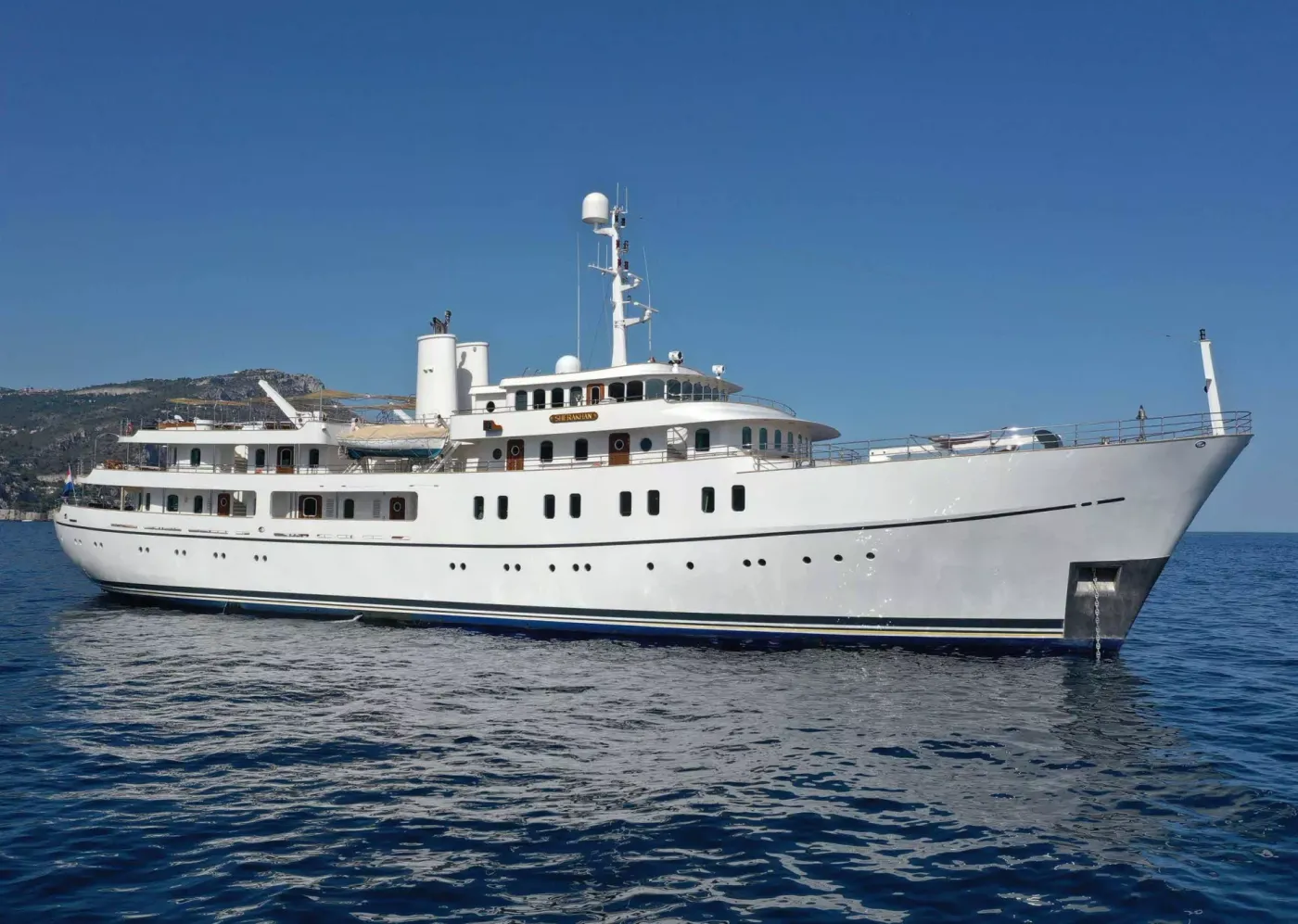
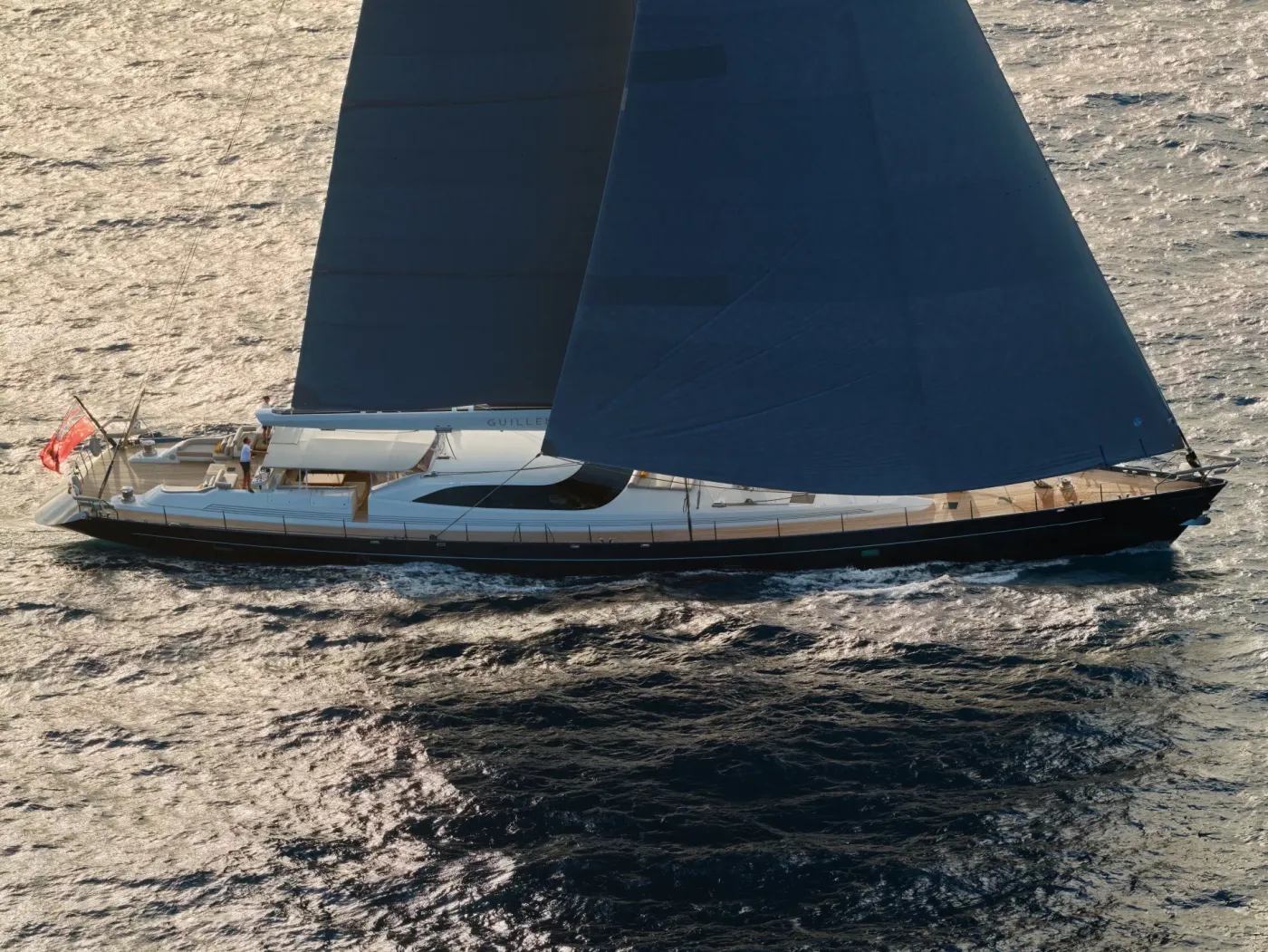
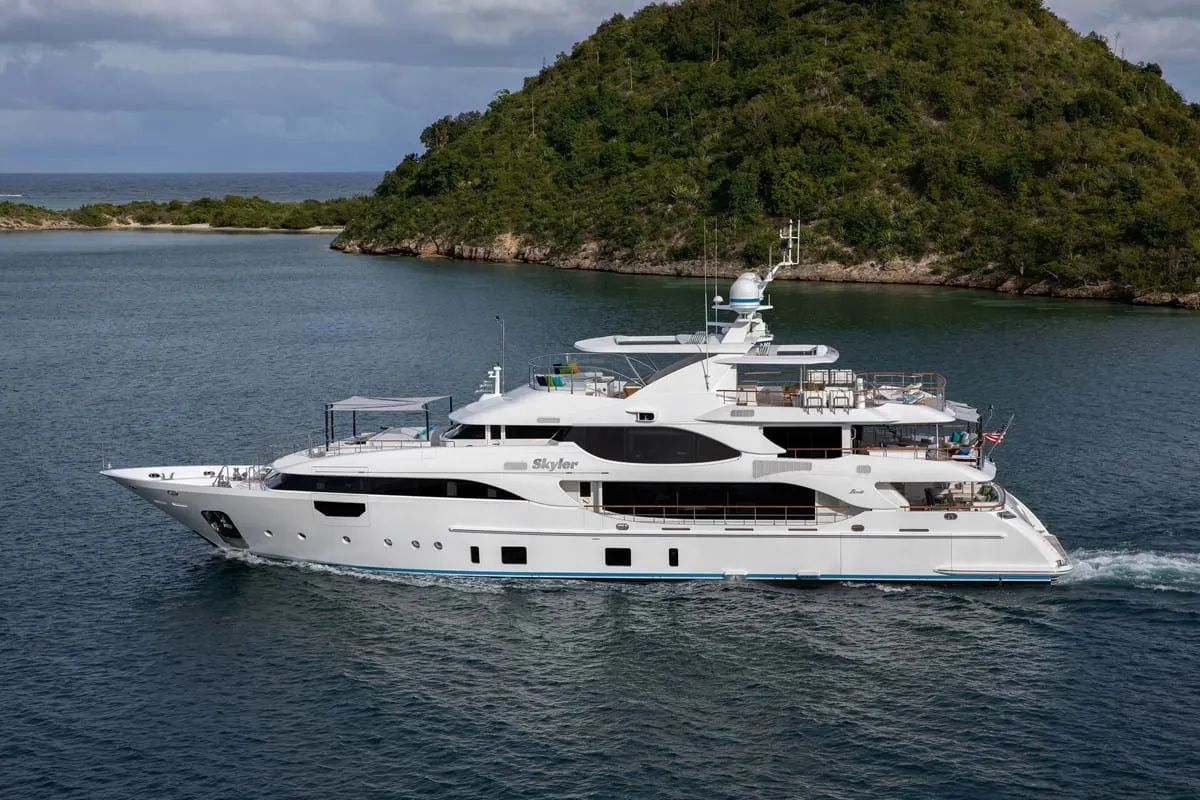
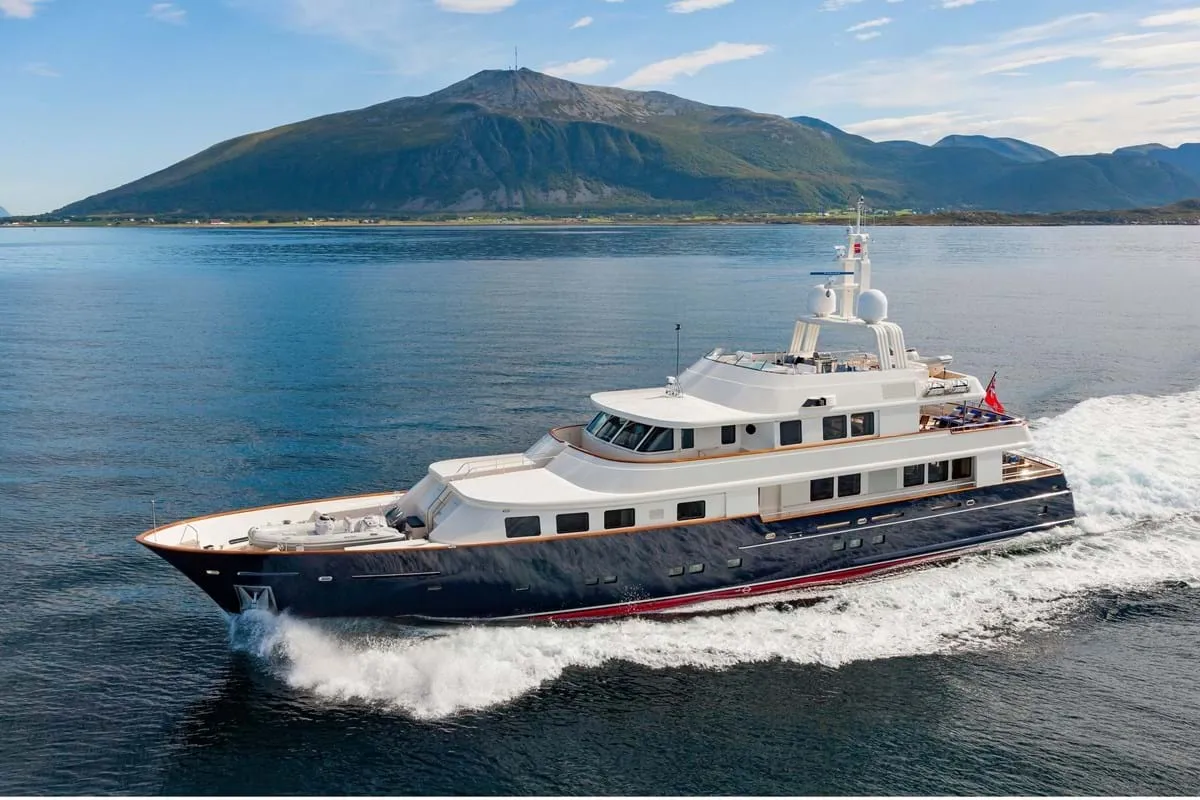
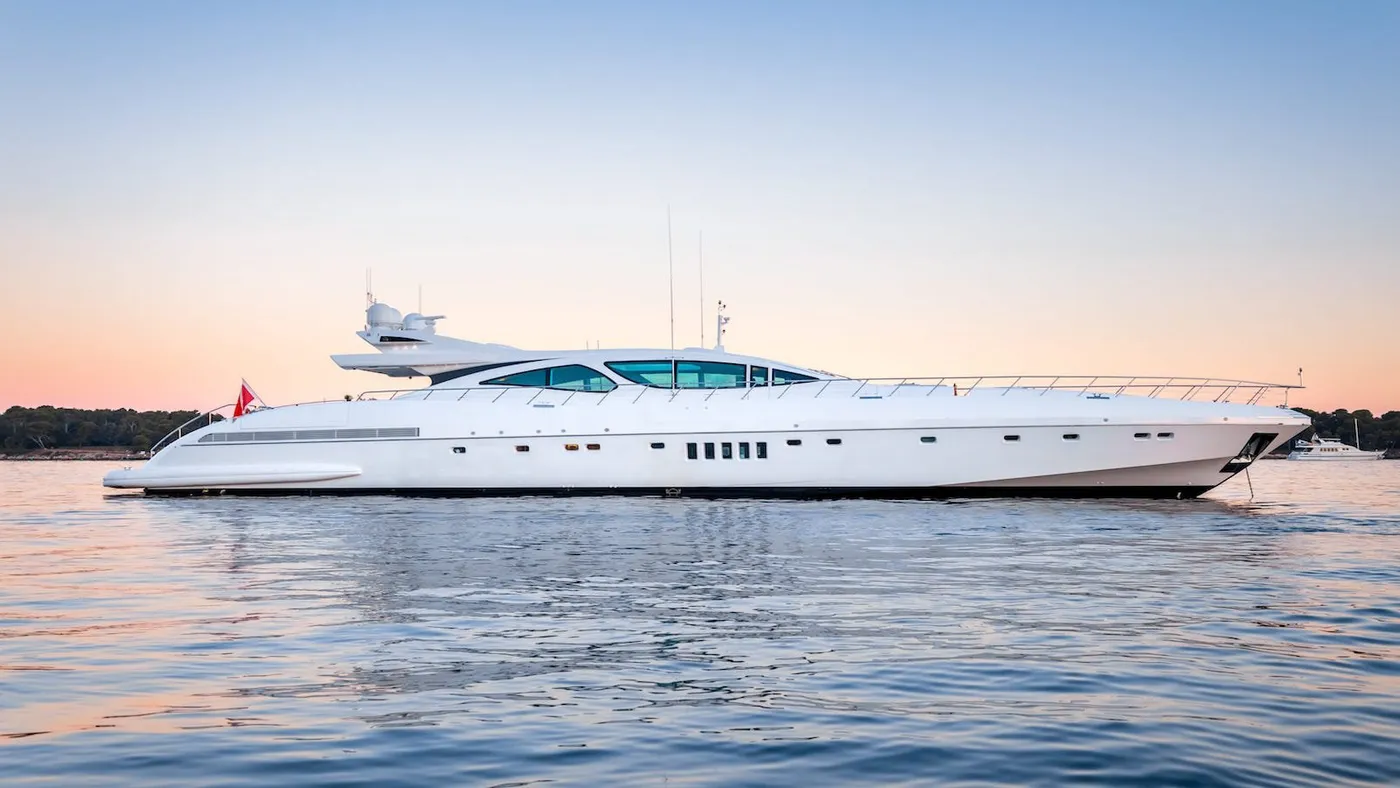
It depends on the islands: a crewed catamaran in the BVI and the Grenadines, a motor yacht for St Barths, St Martin and Antigua, and a shallow draught in the Bahamas.
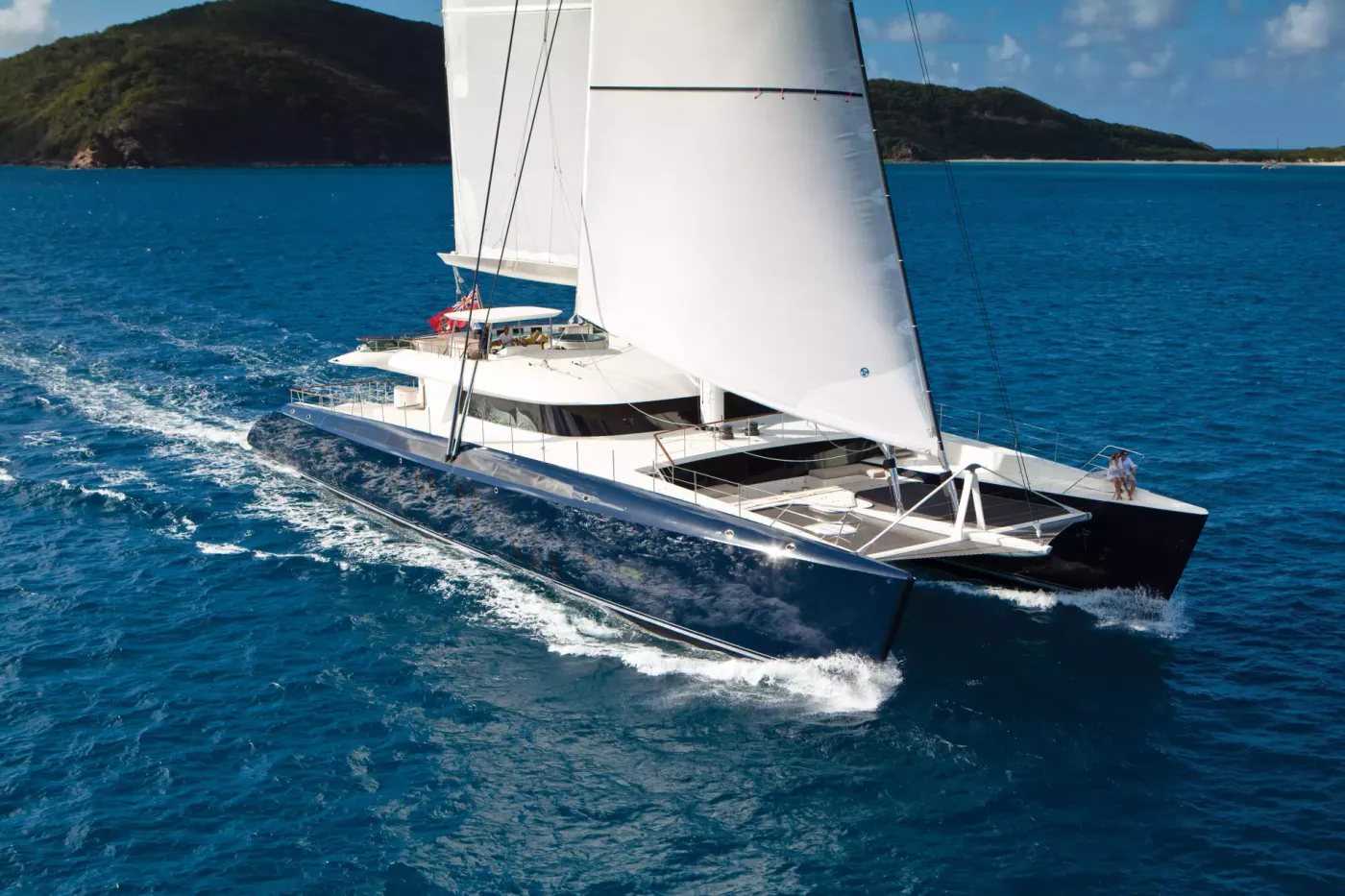
- Crewed catamarans suit the BVI and the Grenadines: lots of deck, shallow draught for anchoring close to the beach, stable at anchor.
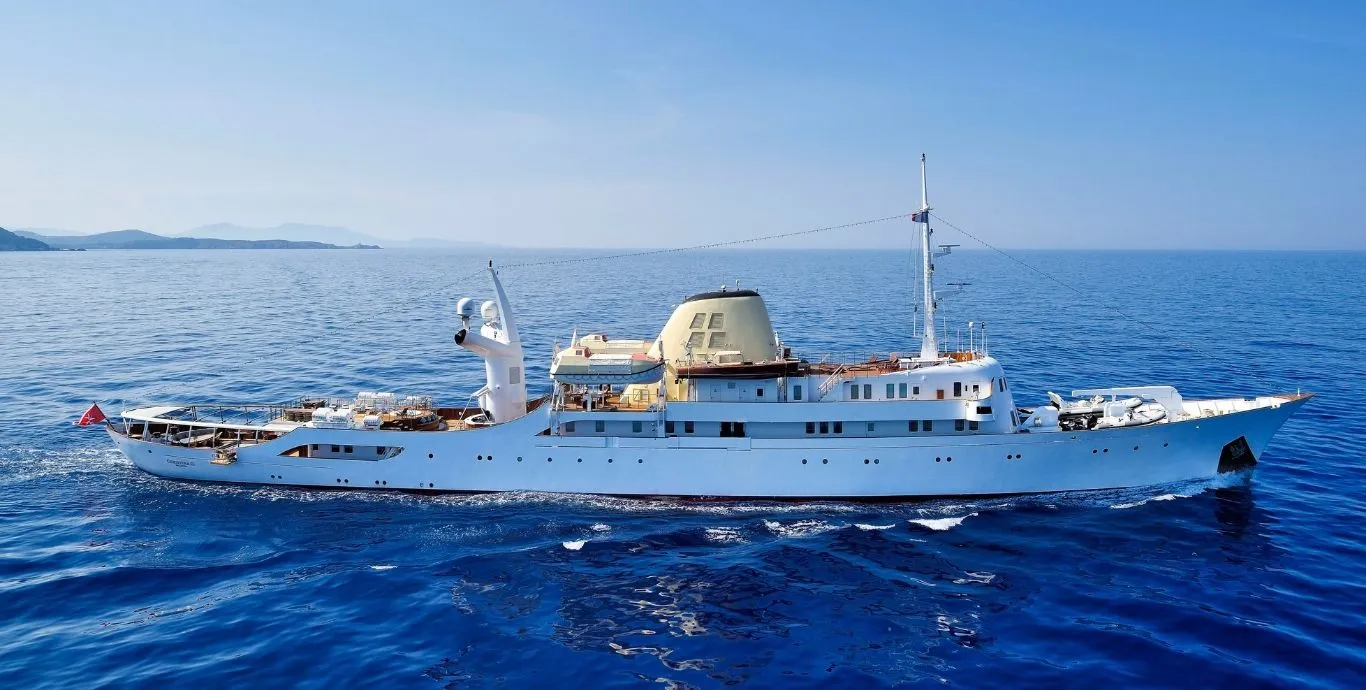
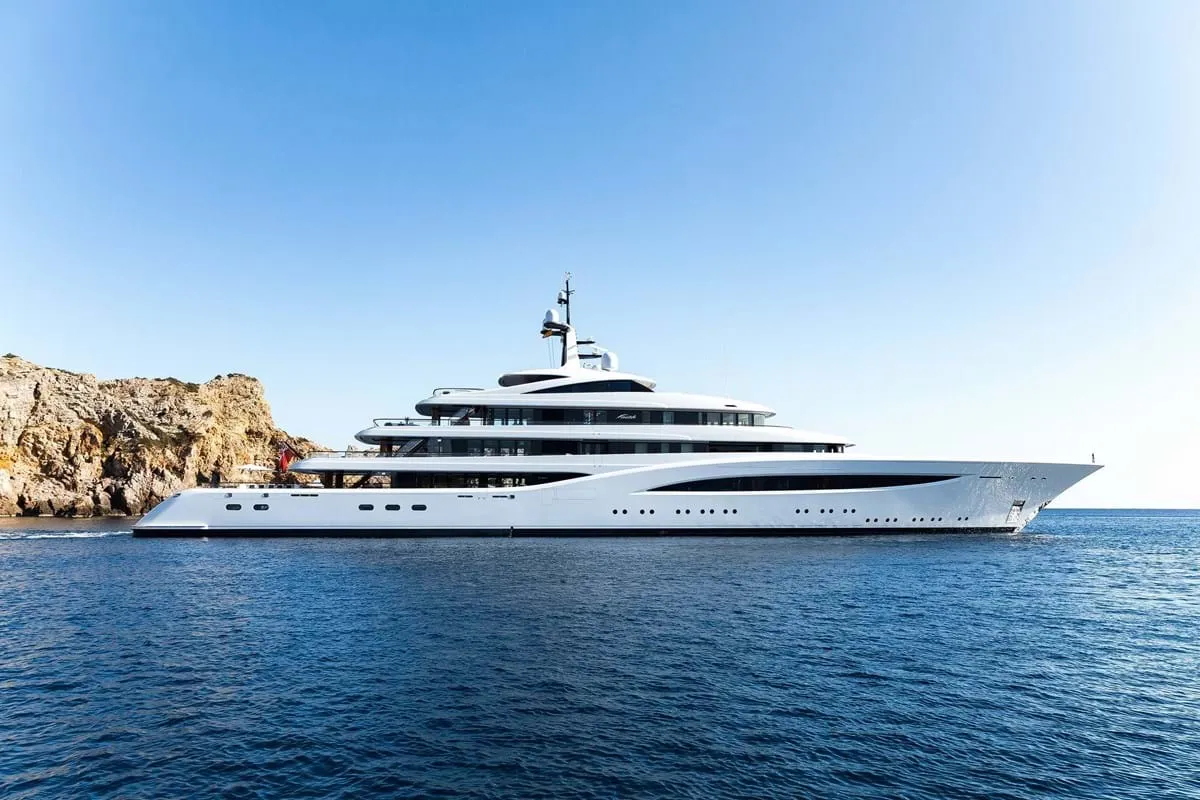
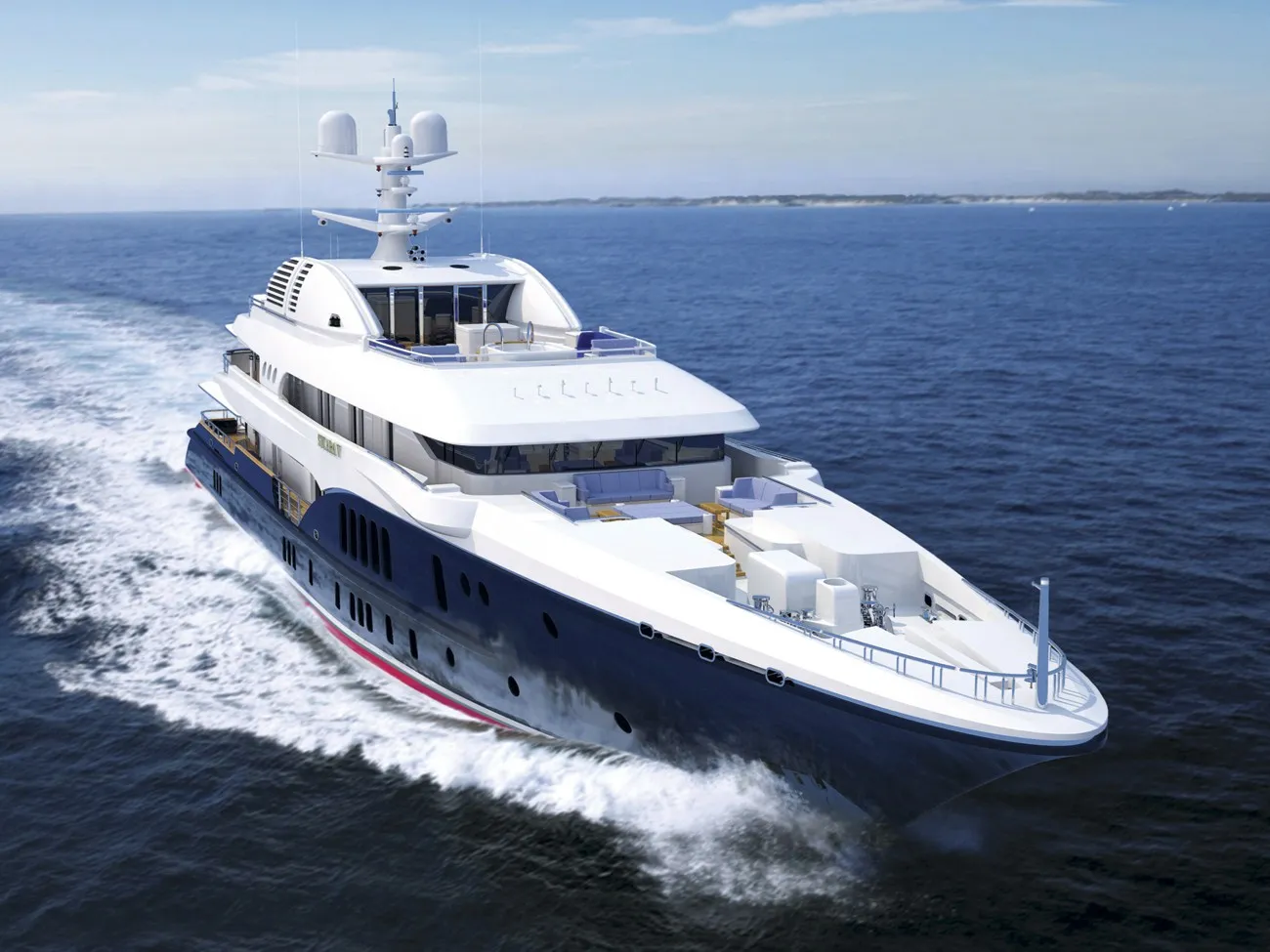
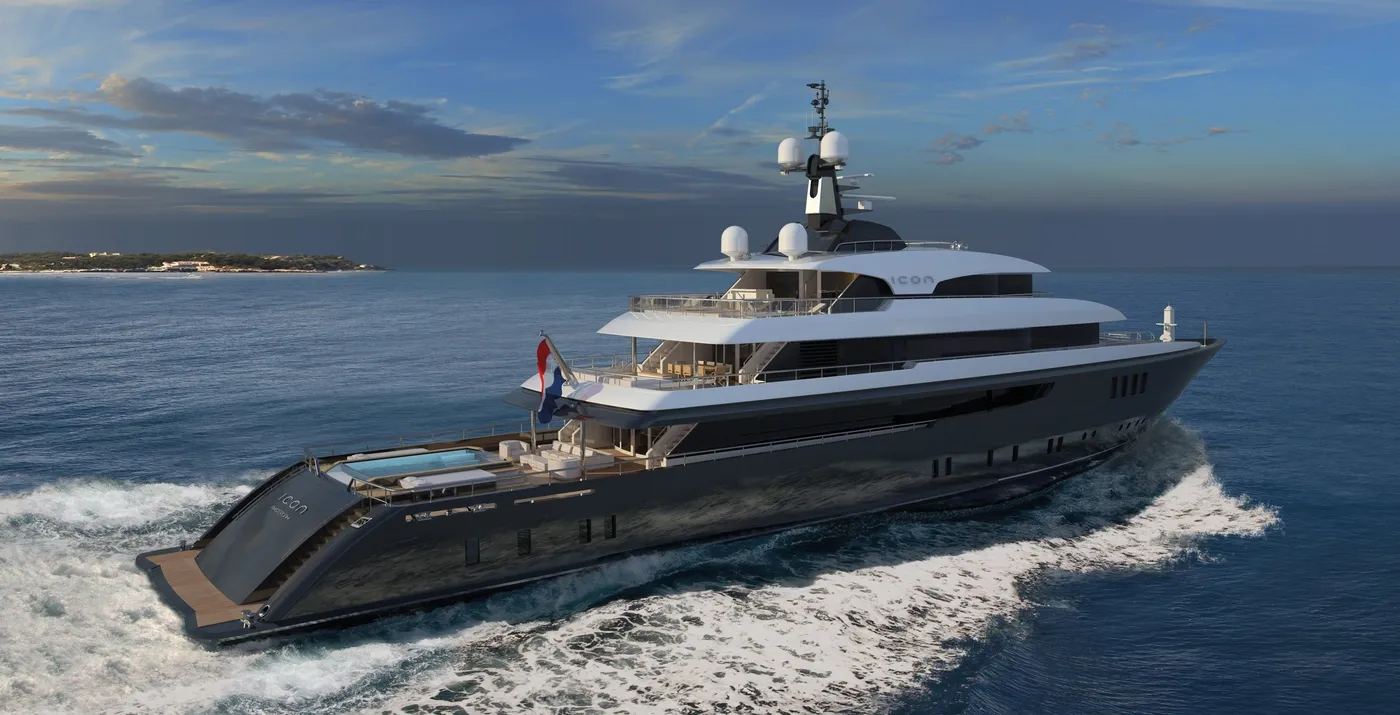
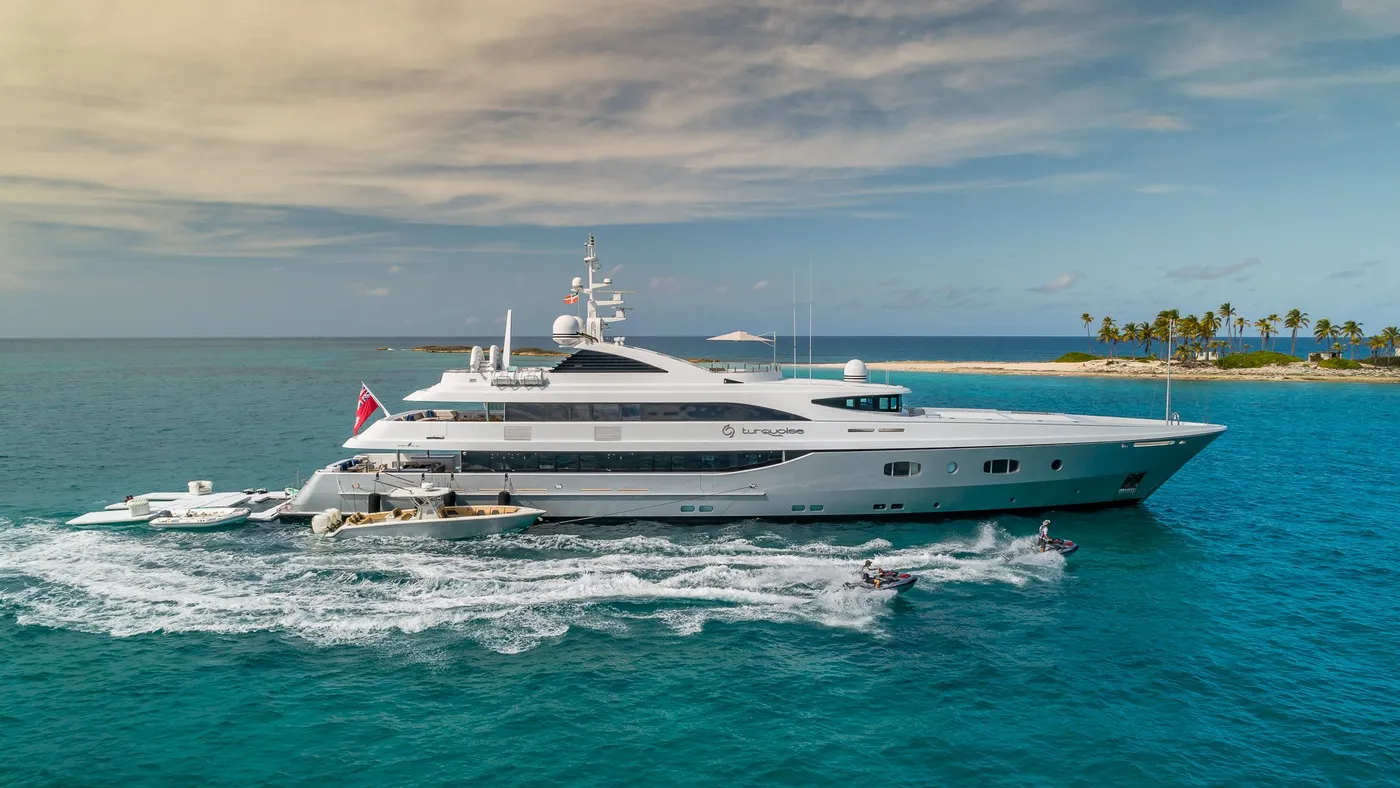
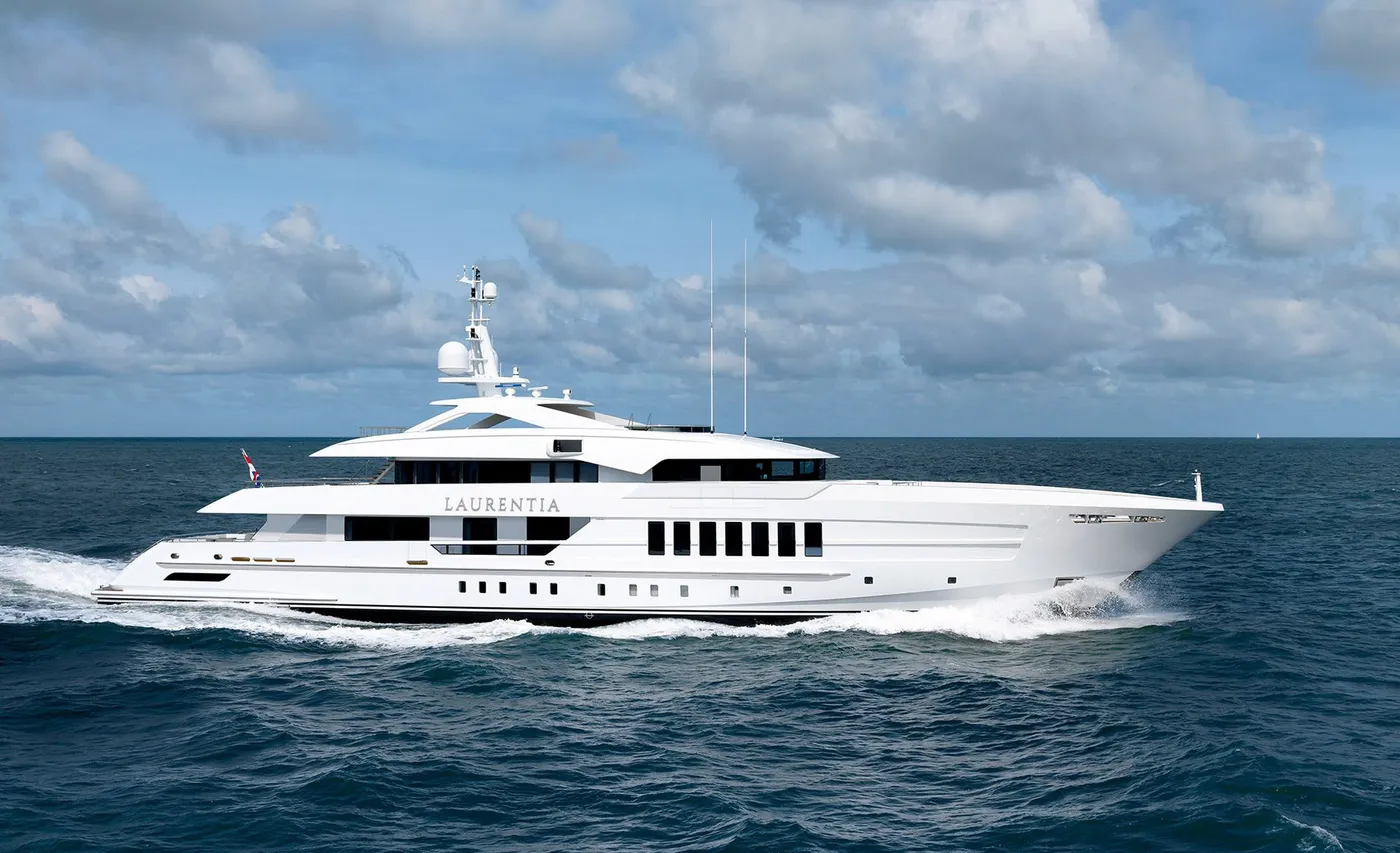
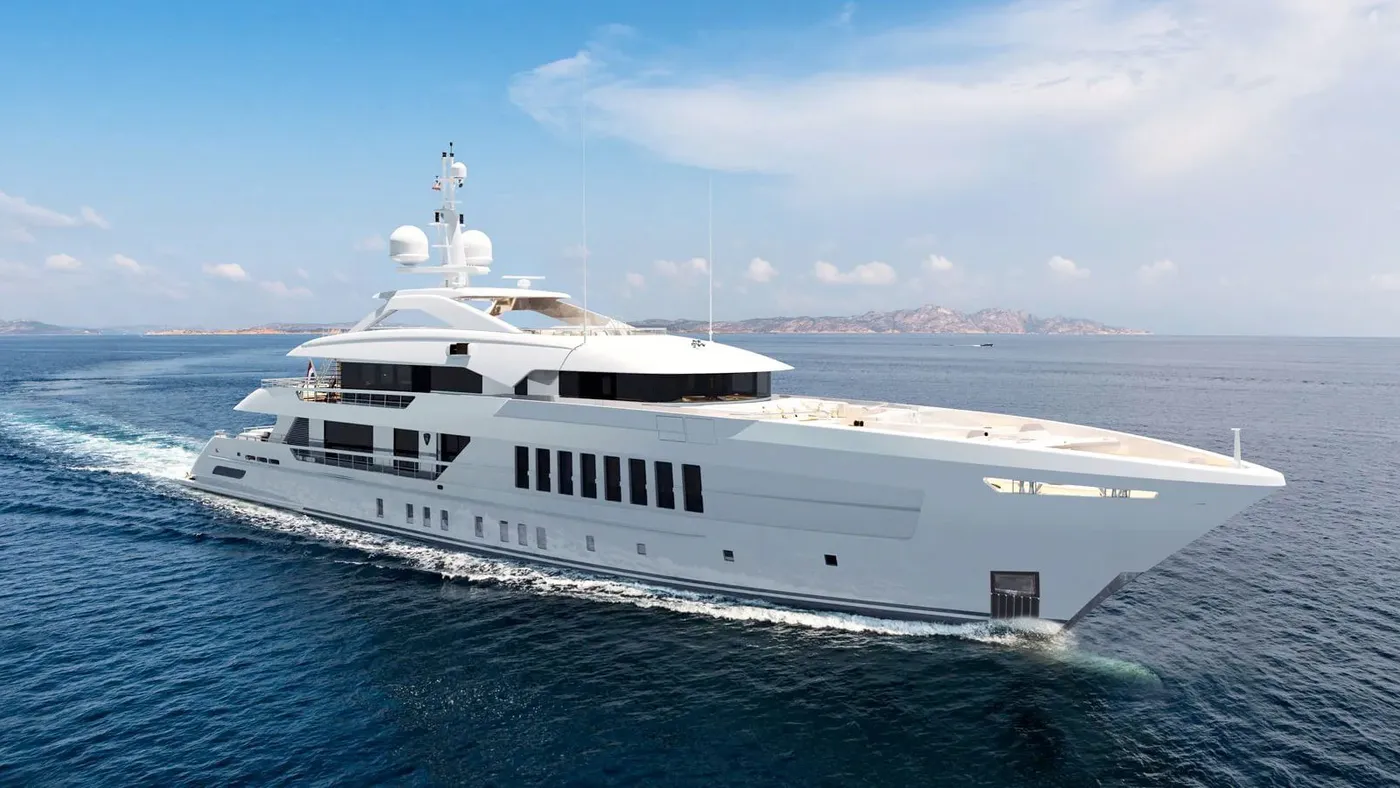
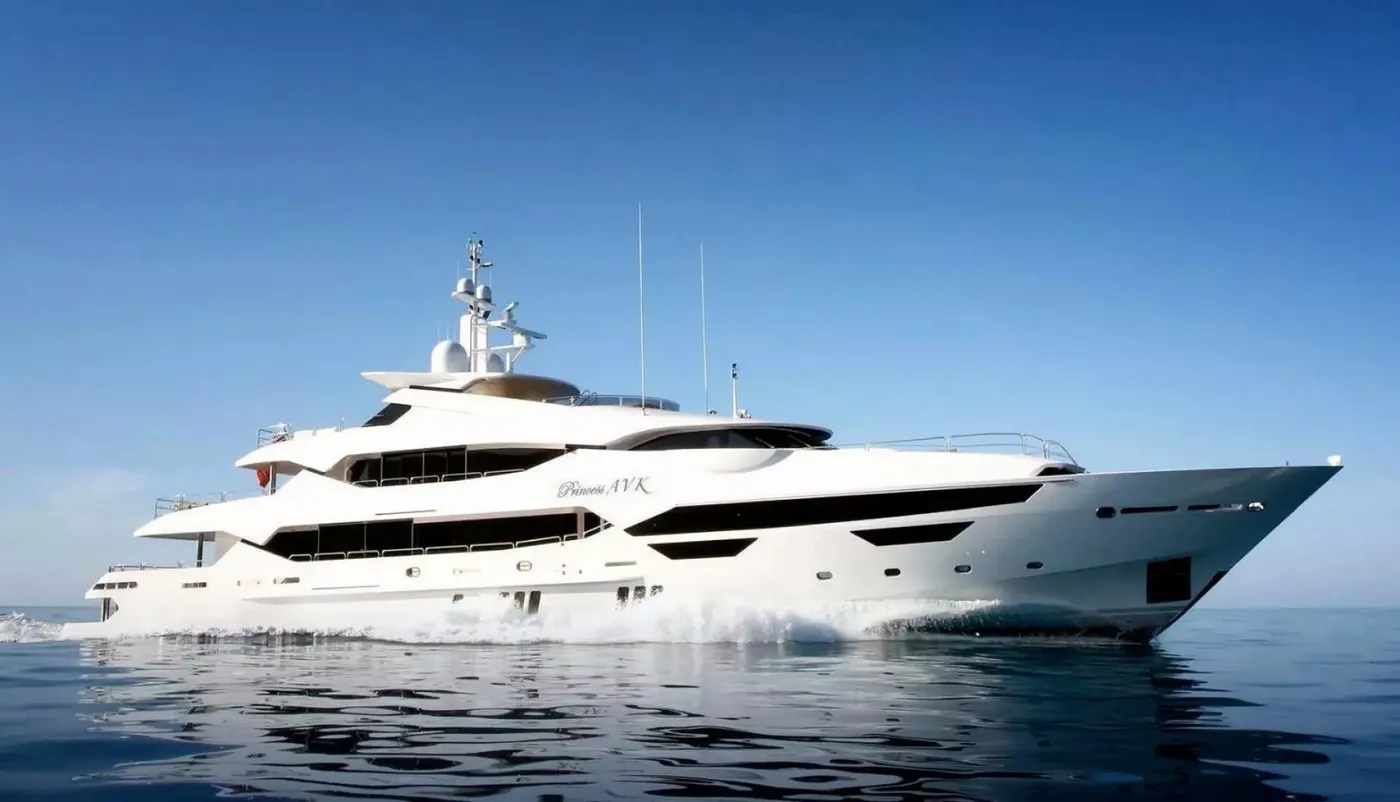
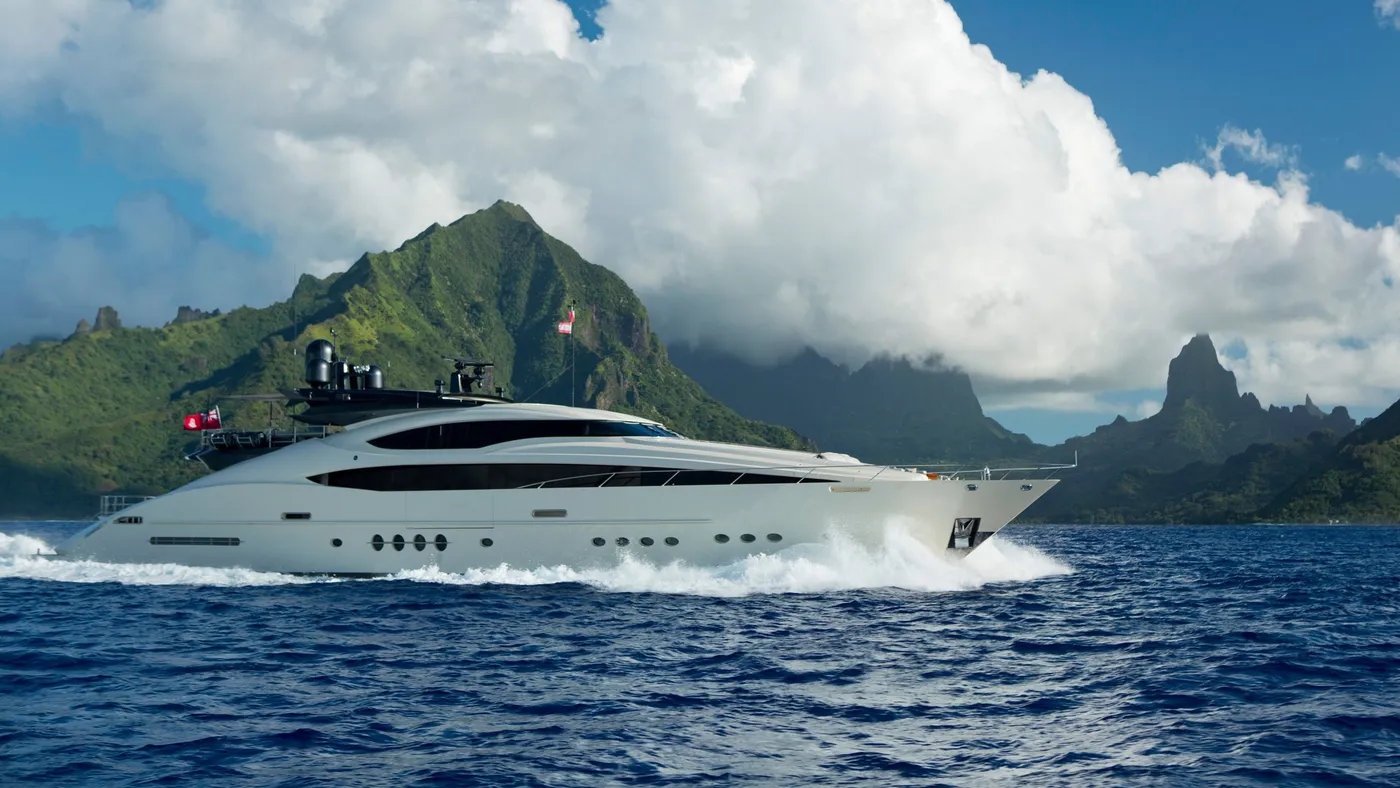
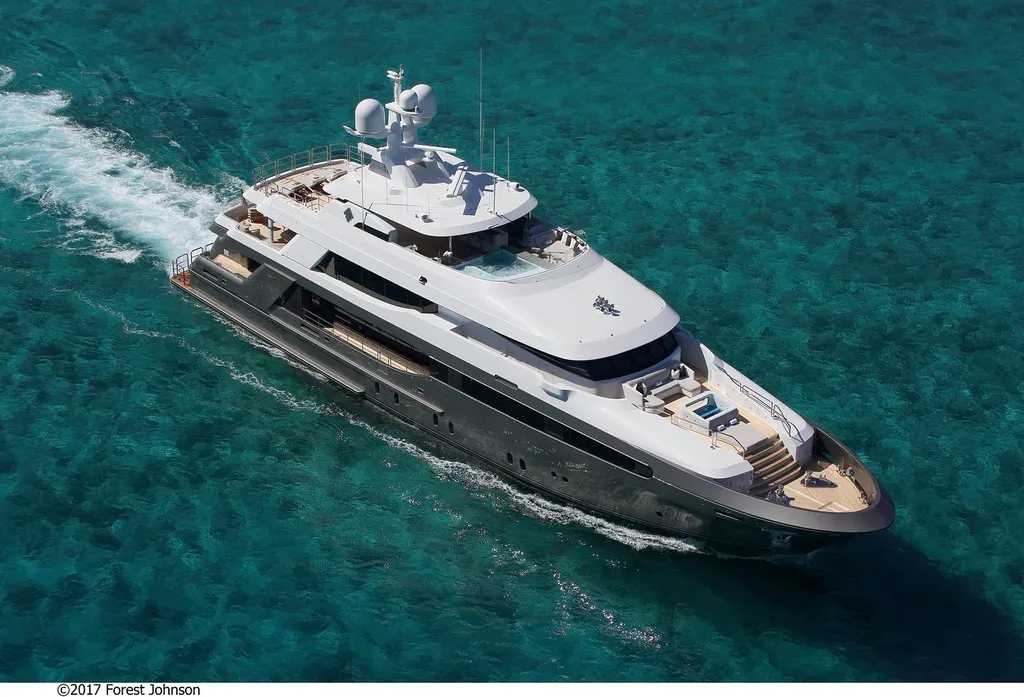
- Motor yachts suit St Barths, St Martin and Antigua, where the social scene and longer crossings favour speed and space.
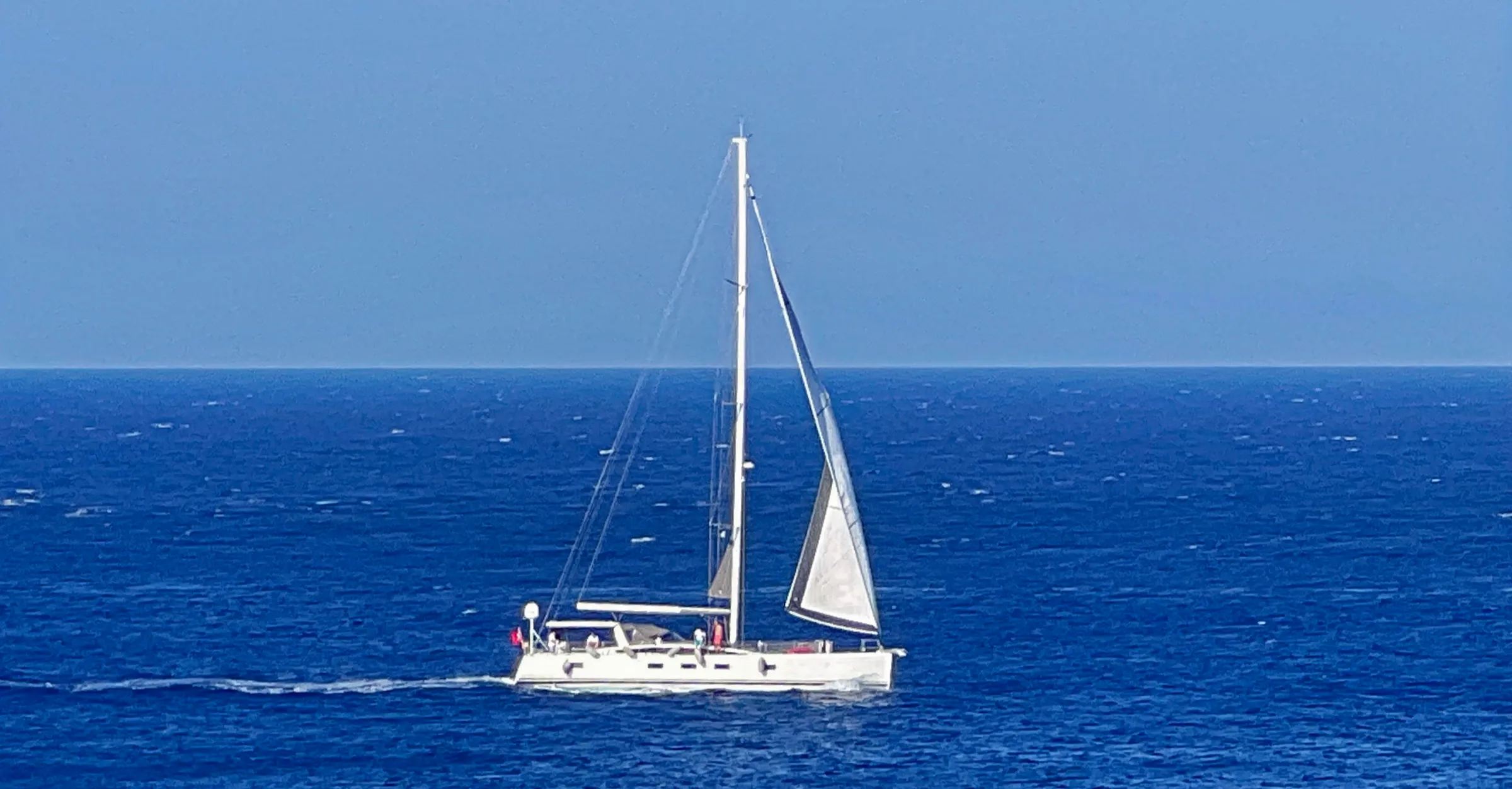
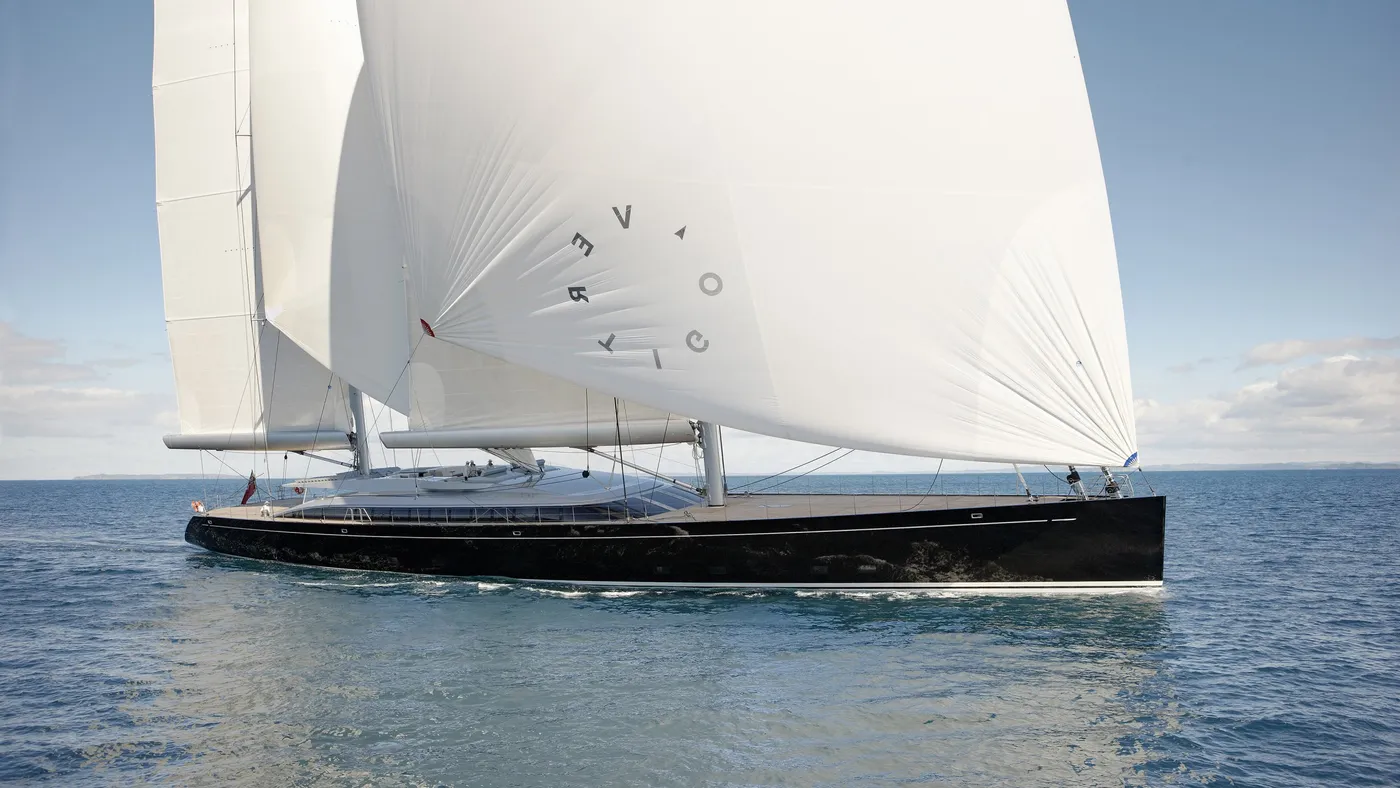
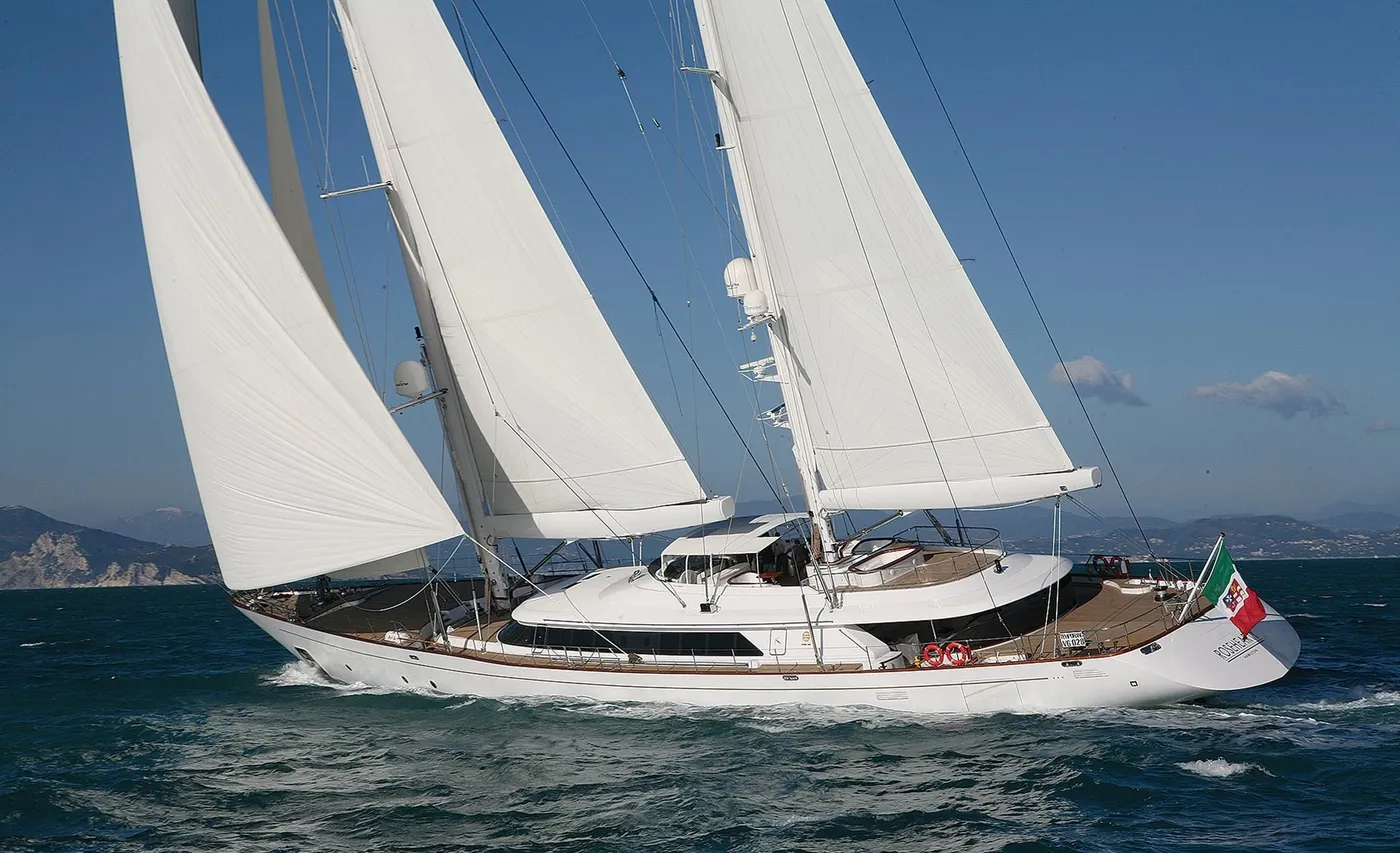
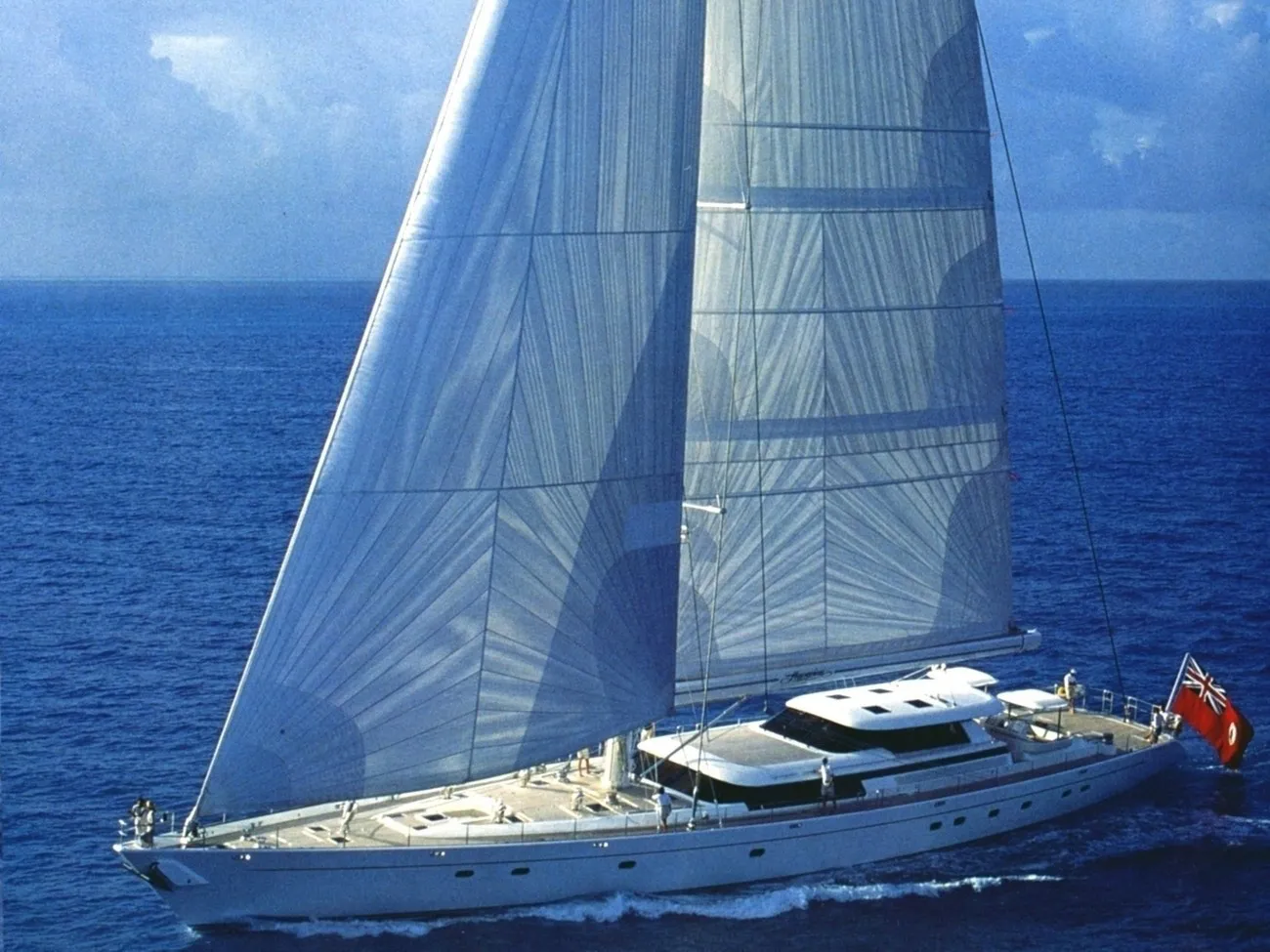
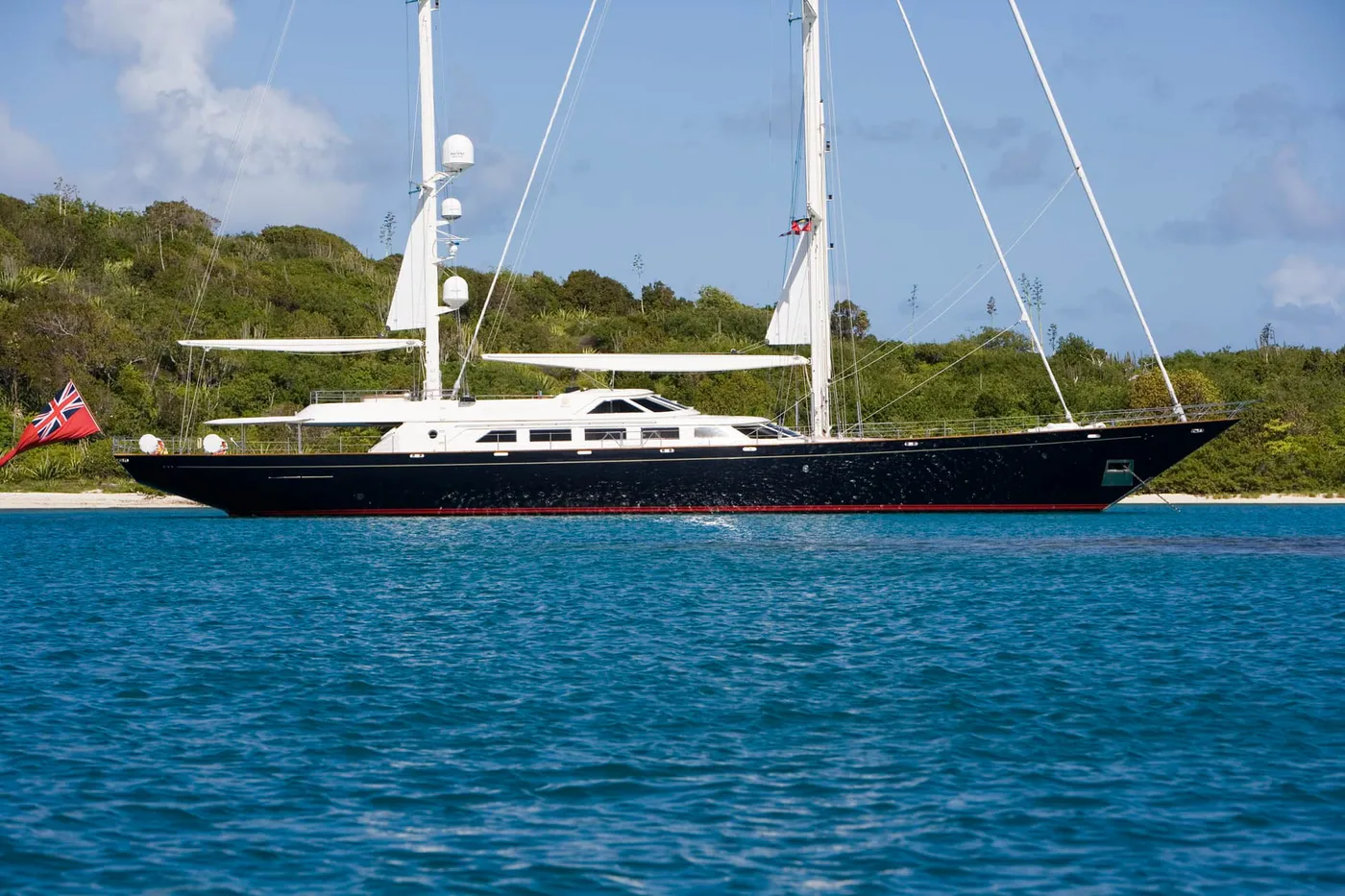
- Sailing yachts make the most of the trade winds, which make winter sailing here steady and predictable on most days.
- Draught matters in the Bahamas, which Camper & Nicholsons describes as hundreds of islands and cays scattered across clear, shallow water. A shallower yacht, or a very capable tender, opens up more of the area.
- Stabilisers help on crossings between islands exposed to the trade wind swell.
Practical points before you go
Getting there
Ocean Independence names Nassau, in the Bahamas, and Barbados as international hubs, with daily connecting flights from Barbados to most of the Leeward and Windward Islands. Confirm where the yacht will be based before booking flights.
Customs and immigration
Each island nation has its own clearance. Crossing between the BVI and the US Virgin Islands, or from St Martin to Anguilla, means clearing out and in. The captain handles the paperwork; you need your passport on board and should check the entry requirements for each country you will visit.
Currency and language
The US dollar is widely used across the region, alongside the Eastern Caribbean dollar in the Grenadines and Antigua and the euro in St Barths and French St Martin. English is spoken almost everywhere; French in St Barths and French St Martin.
Common mistakes to avoid
- Booking the holiday weeks too late. For Christmas and New Year, start a year ahead.
- Assuming the Caribbean is tax-free. The Bahamas charge 14%, and every island has its own fees.
- Choosing a deep-draught yacht for the Bahamas. Much of the best water is shallow.
- Planning a long-distance route on a first charter. One area, explored well, beats three island groups linked by long crossings.
- Ignoring storm clauses for summer charters. Read how the contract deals with a named storm before you sign.
Have Caribbean dates in mind?
In the Caribbean the dates do most of the work: say whether they include Christmas or New Year, when minimum stays apply, or fall in the summer months, when the storm clause matters. Then tell us which islands appeal, where you will be flying from and how many of you there are, and whether a crewed catamaran is an option. A charter specialist will reply with yacht options and their full price, APA and each island’s taxes and fees included. The charter is signed with the yacht’s owner through a licensed charter agency, normally under the MYBA contract, with the full price and any VAT or charter tax clear before you sign. Send us your dates.